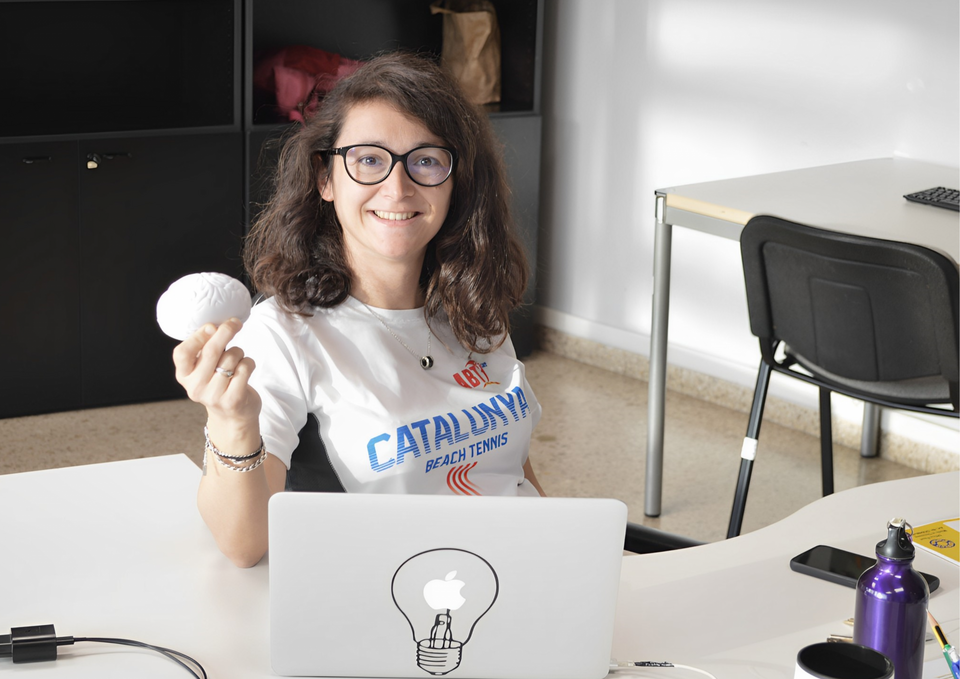
Celebrating the International Day of Women and Girls in Science, we talk with Dr. Gloria Cecchini, a postdoctoral researcher in the CRM’s neuroscience group. Dr. Cecchini’s journey began with a Bachelor’s and master’s in mathematics from Italy’s University of Florence. She then continued with her Ph.D. in Physics, jointly awarded by the University of Aberdeen (UK) and Potsdam (Germany). Her doctoral work focused on enhancing network inference by overcoming statistical limitations.
Following her Ph.D., Dr. Cecchini returned to Italy for a postdoctoral research position. There, she delved into calcium imaging analysis, specifically exploring the impact of focal stroke on brain dynamics through spatiotemporal propagation patterns. In a recent stint at the University of Barcelona, she worked on the role of consequence in decision-making, analyzing data from both humans and non-human primates, and developing theoretical models for consequential reward-driven decisions.
In our interview, we talk about Dr. Cecchini’s research, her experiences navigating the scientific field, and her insights on the role of women in science.
To start this interview, since it’s the International Day of Women and Girls in Science, could tell us how were you as a child? Were you already interested in science?
As a child, I gravitated towards games that demanded logic and numbers. My mother recalls me, at around ten, using a restaurant tablecloth as a canvas for equations – simply because I enjoyed it! Also, in summer, I always finished first the mathematics homework.
Did you enjoy school?
Absolutely! The social aspect, interacting with friends and classmates, was particularly rewarding. At elementary school, I was a bit of a rebel but growing up I enjoyed the learning process.
When did you decide to pursue mathematics?
I wanted to become a doctor, but the more I went to school, around the age of fourteen, I started to realise that what I liked to do was mathematics. It was a natural decision. Something I can say in hindsight since I studied mathematics but then I went on to do my PhD in physics, and now I’m working on the field of computational neuroscience, is that when I was at school my physics teacher was a disaster. It was not about liking the teacher or not, but more about the fact that we didn’t learn anything. Maybe if my experience was different, I would have chosen physics for my undergraduate studies. That’s why at the end of my master’s I decided to move towards physics, theoretical physics rather than applied, so still connected to mathematics.
Talking about your current research, what are you working on nowadays?
Here at CRM, I work with Dr. Alex Roxin to explore a phenomenon that happens in the hippocampus, a key brain region for memory and spatial navigation. Imagine placing a mouse on a linear track and recording its neural activity. As the mouse travels, specific neurons called “place cells” activate when it reaches certain points. Interestingly, repeated recordings show these place cells consistently firing in the same locations. However, if we repeat the experiment after a week, even though the mouse behaves similarly, the active place cells shift, and this change becomes more pronounced over time, eventually erasing the initial activation pattern. This phenomenon is called “representational drift”. The interesting question is, why does the mouse maintain its behaviour despite completely different neural representations? We would like to find a mathematical model that describes this process.
And how did your journey from mathematics and physics lead you to neuroscience?
It was a natural transition. My PhD focused on complex systems, and several supervisors in my European Marie Curie project were already applying theoretical approaches to neuroscience. This opened the door, and my postdoctoral work delved deeper into computational neuroscience.
What excites you most about your work?
The freedom to explore intriguing questions and potentially contribute to breakthroughs in the future is truly rewarding. Especially in theoretical mathematics, the impact often unfolds later when someone applies your tools to solve different problems.
The CRM neuroscience group is part of a broader network in Barcelona. How valuable is this interaction with other specialists?
This is exactly why I chose to stay in Barcelona beyond the initial two-year postdoc. The city has a big computational neuroscience community called BARCCSYN. We have annual retreats, conferences, and weekly “journal clubs” where researchers with diverse backgrounds – experimentalists, theorists, and more – present and discuss their work. This interaction broadens my perspective and deepens my understanding far beyond my specific niche.
What achievement in your career are you most proud of?
Connecting with renowned researchers and tackling diverse projects have been particularly fulfilling. Adapting to new topics, collaborating effectively, and being able to successfully publish things with good results, even without prior domain knowledge, is something I’m happy about.
And how is the interaction with people from other fields? Is there a ‘lost in translation’ effect where you have to find a common language?
The neuroscience community has fostered a common language over time. However, I experienced a wider gap during my previous collaboration with biologists in Florence. Here in Barcelona, the stronger, well-established community facilitates smoother communication.
Do you see a strong presence of women in neuroscience?
It’s fairly balanced compared to other disciplines. While men are still in the majority, the multidisciplinary nature of neuroscience attracts more women than some fields. For example, in areas of neuroscience more connected to biology, women are more present than in the more computational ones. But since the field as a whole is so heterogeneous things tend to balance out.
Do you think there’s a reason for this trend?
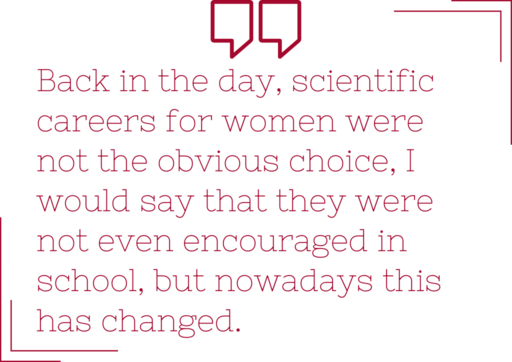
Age plays a role too. In my European PhD project, only one of 15 supervisors was a woman, contrasting with 4 females among 15 PhD candidates. Thankfully, things are changing. If you look at university, there is a big difference in gender parity when you look at the professors or students. Back in the day, scientific careers for women were not the obvious choice, I would say that they were not even encouraged in school, but nowadays this has changed.
Being a woman has affected your career in any way?
Thankfully, I haven’t faced blatant prejudice or questioning of my competence due to my gender. However, I’m aware of such experiences. Perhaps a few instances stand out, like a professor suggesting female PhD candidates handle coffee breaks during my studies. Thankfully, it didn’t impact my personal career trajectory or feeling the need to prove myself more than others.
Do you think women bring a different perspective or approach to research?
In my own experience, reading research heavily focused on the child during pregnancy now that I’m pregnant, highlights the shift in focus when women become more involved in certain areas. Traditionally, most studies were focused on the child and it’s not until recently that more studies have started to look into what happens to the mother. Inventions and research priorities can evolve with increased female participation.
Have the campaigns to encourage girls and women in science reduced biases? Is there more to be done?
Progress is evident, though cultural nuances exist across countries. Outreach programs like the February 11th initiative raise awareness about women in science. Two years ago, for example, there was a contest at the Universitat de Barcelona addressed to women to design a poster for the February 11th initiative. We’re moving in the right direction, but change takes time. Achieving 50/50 parity among professors quickly might be unrealistic, but prioritizing equally qualified female candidates can help. However, I don’t like it when they say that, because you are a woman, then you have higher chances of getting a position. Being qualified is the most important thing, regardless of gender.
Did you have female role models during your career?
Unfortunately, having only one female supervisor during my PhD limited role models. Increasing the number of women in higher positions would significantly benefit future generations.
Being a researcher and pregnant, how do you feel about the support system?
Progress has been made, but challenges remain. I applied for an associate Professor position in September, when I was already pregnant but it wasn’t visible, and I thought about dressing in a way that would make it difficult to notice. In the private sector, concerns about maternity leave can influence hiring decisions. Thankfully, equal paternity and maternity leave in Spain mitigates some inequalities. Balancing family with a research career, especially considering demanding hours and lower salaries… it’s not easy, but you will have to ask me 10 years from now.
Subscribe for more CRM News
|
|
CRM CommPau Varela & Mariona Fucho
|

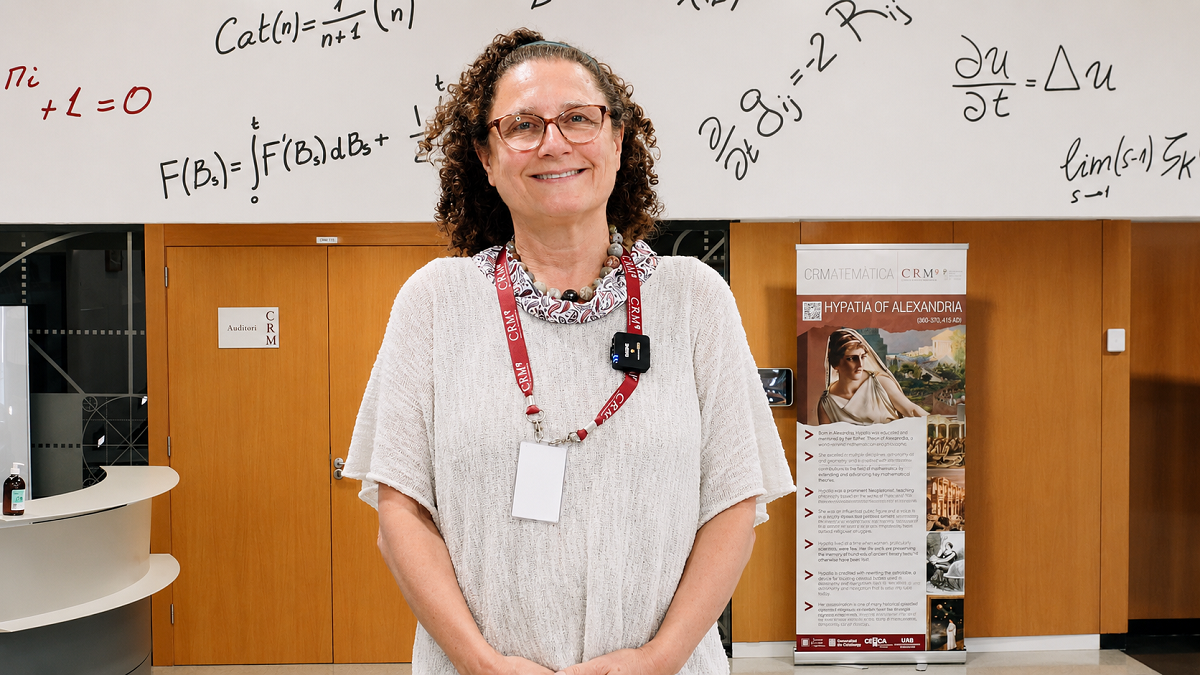
Susanna Terracini delivers the CRM Colloquium 2026
Susanna Terracini (Università di Torino) delivered the CRM Colloquium 2026 on 14 July, presenting a rigidity result for Kepler billiards obtained with Stefano Baranzini, Vivina Barutello and Irene De Blasi. She was at the centre as a member of the CRM Scientific...
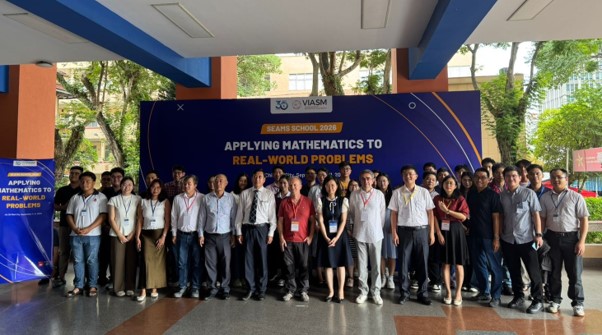
Ho Chi Minh City hosts the first SEAMS School on applying mathematics to real-world problems
More than fifty students from six countries spent a week at the University of Science, VNU-HCM, learning how mathematics gets used outside a mathematics department. CRM researcher Tim Myers co-organised the school and lectured on moving boundary problems. The...

A single ball on a fixed table can compute: Eva Miranda and Isaac Ramos prove that two-dimensional billiards are Turing complete
Eva Miranda (UPC, CRM) and Isaac Ramos (ETH Zürich) show that a point particle bouncing inside a planar table with fixed walls can simulate a universal Turing machine, settling a question Cristopher Moore left open in 1990. The result grew out of a master’s project...
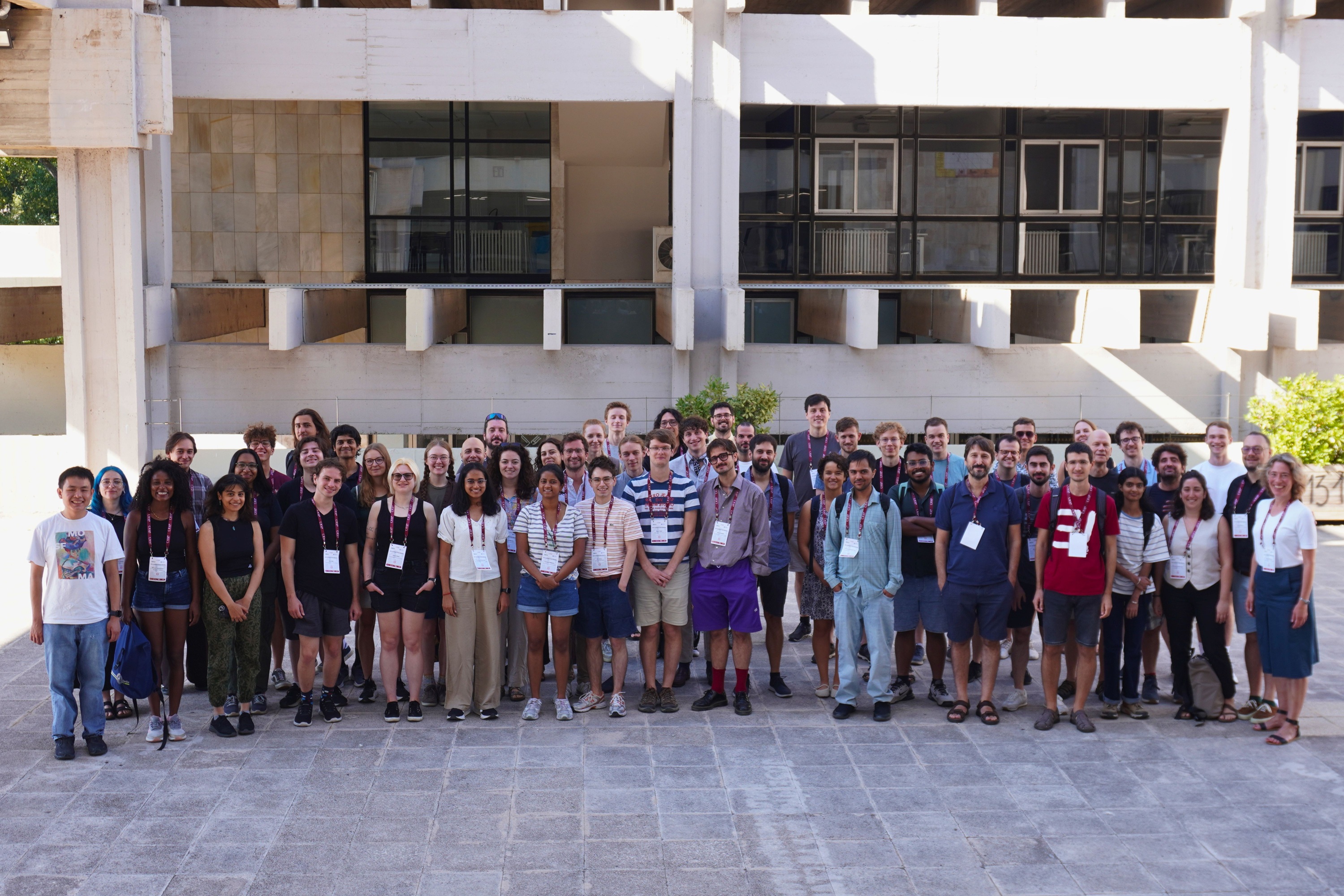
BMS-BGSMath Junior Meeting 2026: Barcelona and Berlin Strengthen Scientific Ties
From 2 to 4 September 2026, the Centre de Recerca Matemàtica (CRM) hosted the BMS-BGSMath Junior Meeting 2026, a three-day event jointly organised by the Berlin Mathematical School (BMS) and the Barcelona Graduate School of Mathematics (BGSMath), with the Centre de...
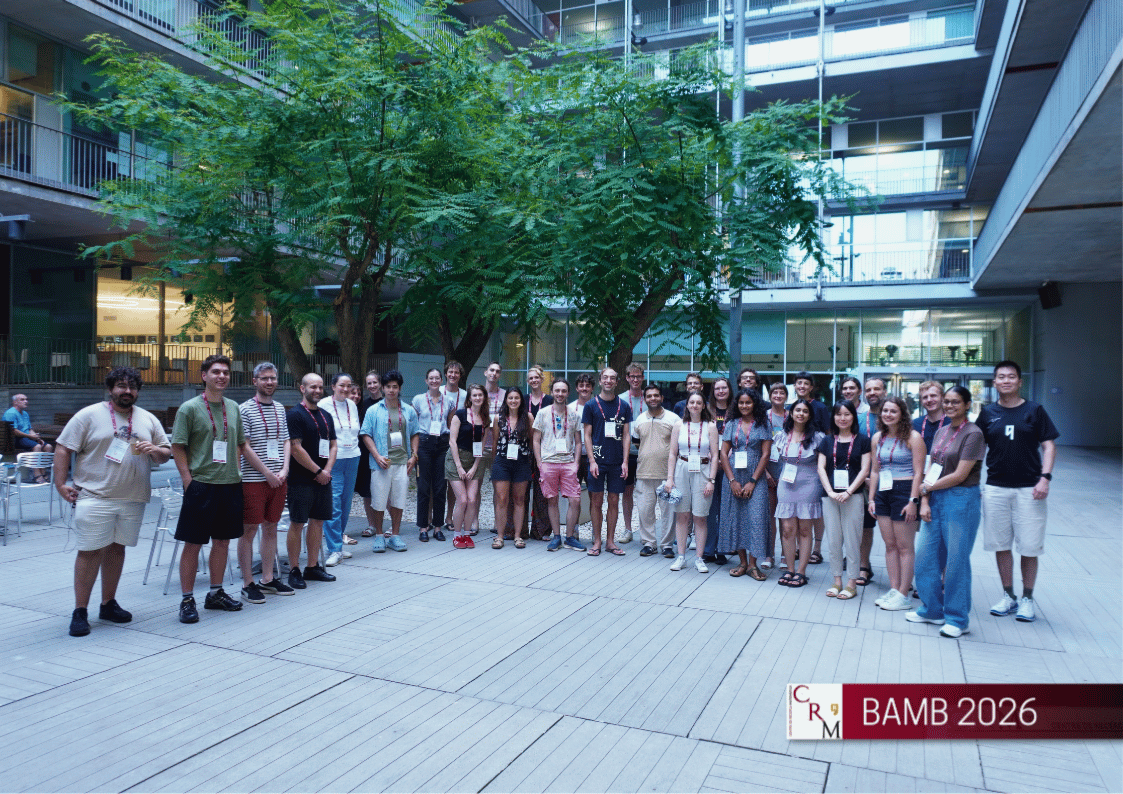
The CRM organises the 2026 Barcelona Summer School for Advanced Modeling of Behavior
The Centre de Recerca Matemàtica held the sixth edition of BAMB!, the Barcelona Summer School for Advanced Modeling of Behavior, from 12 to 23 July 2026 at the Parc de Recerca Biomèdica de Barcelona. Thirty early-career researchers from fourteen countries followed...
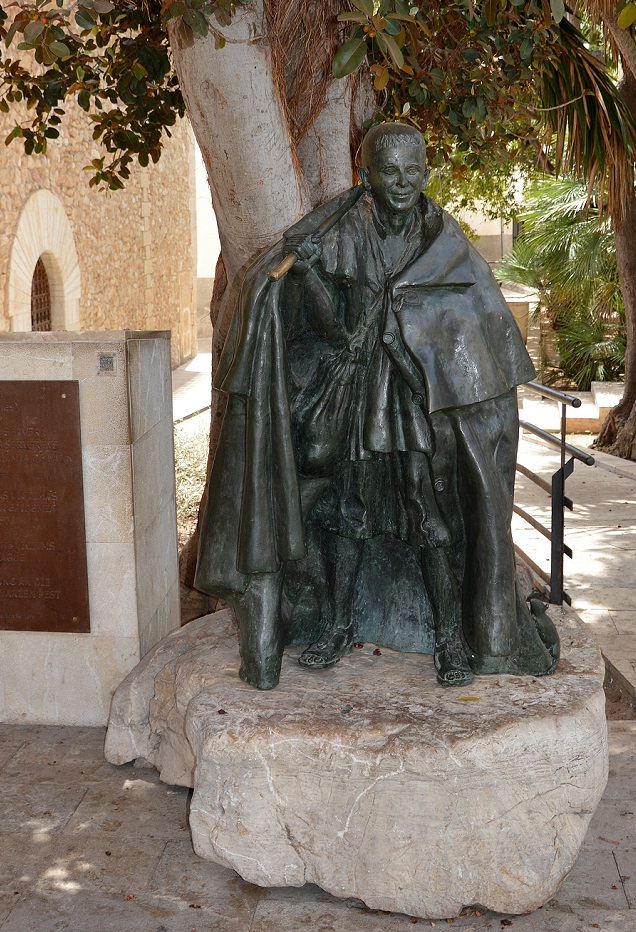
Mallorca’s 1820 plague did not behave like a classic bubonic outbreak, study finds
A study in PNAS by Pere Puig (UAB, CRM) and Joana Maria Pujadas-Mora (UOC, ICREA) reports what happens when the daily health records kept in Son Servera and Capdepera during the 1820 outbreak are analysed with a Bayesian epidemiological model: an unusually short...
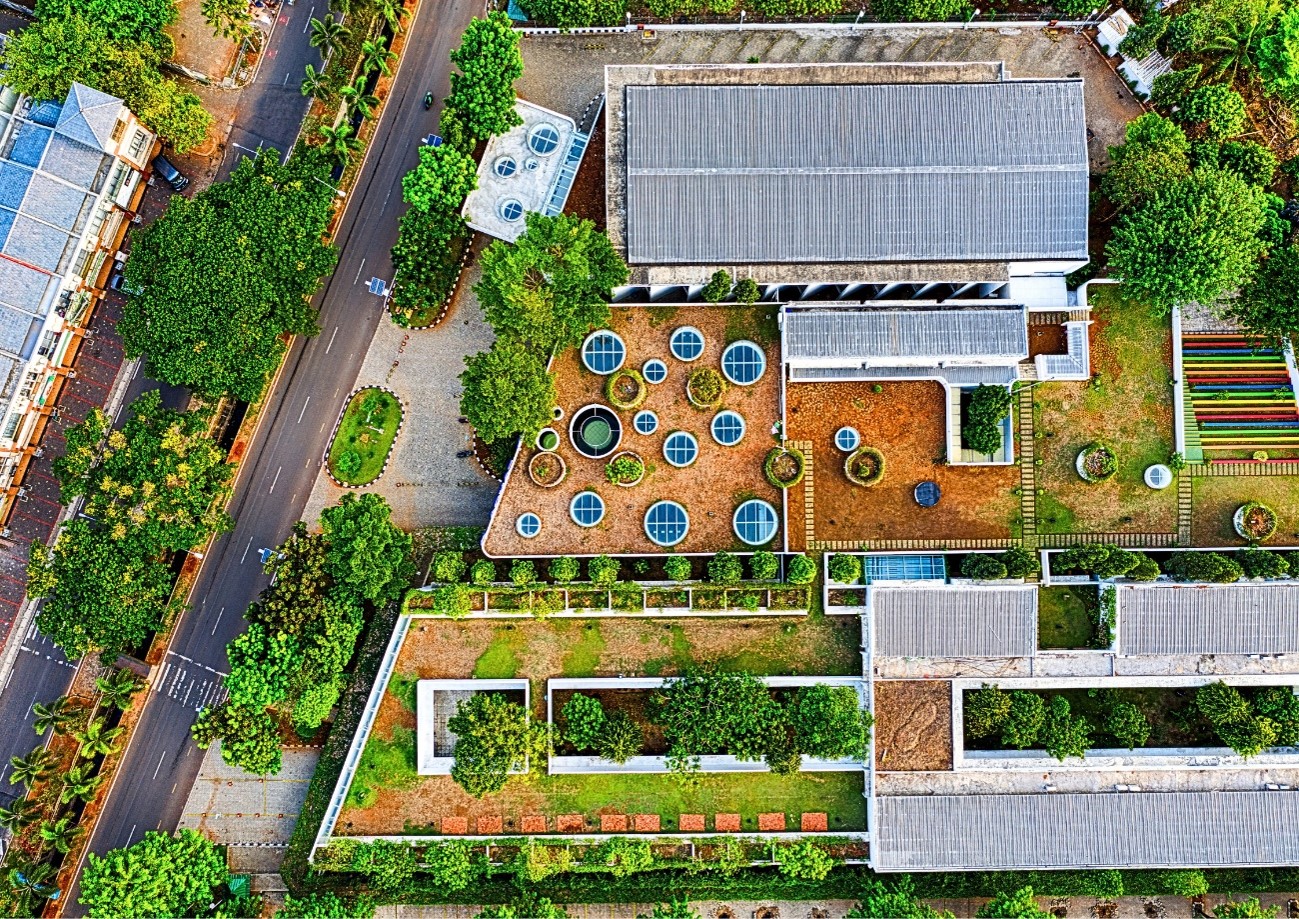
A recent study quantifies the vegetable production potential of Barcelona’s rooftops
A study published in Cities by researchers at ICTA-UAB, with collaboration from the CRM's Knowledge Transfer Unit, estimates that 65 hectares of municipal rooftop could supply 31% of the tomatoes consumed in Barcelona each year.Barcelona has 65 hectares of rooftop...
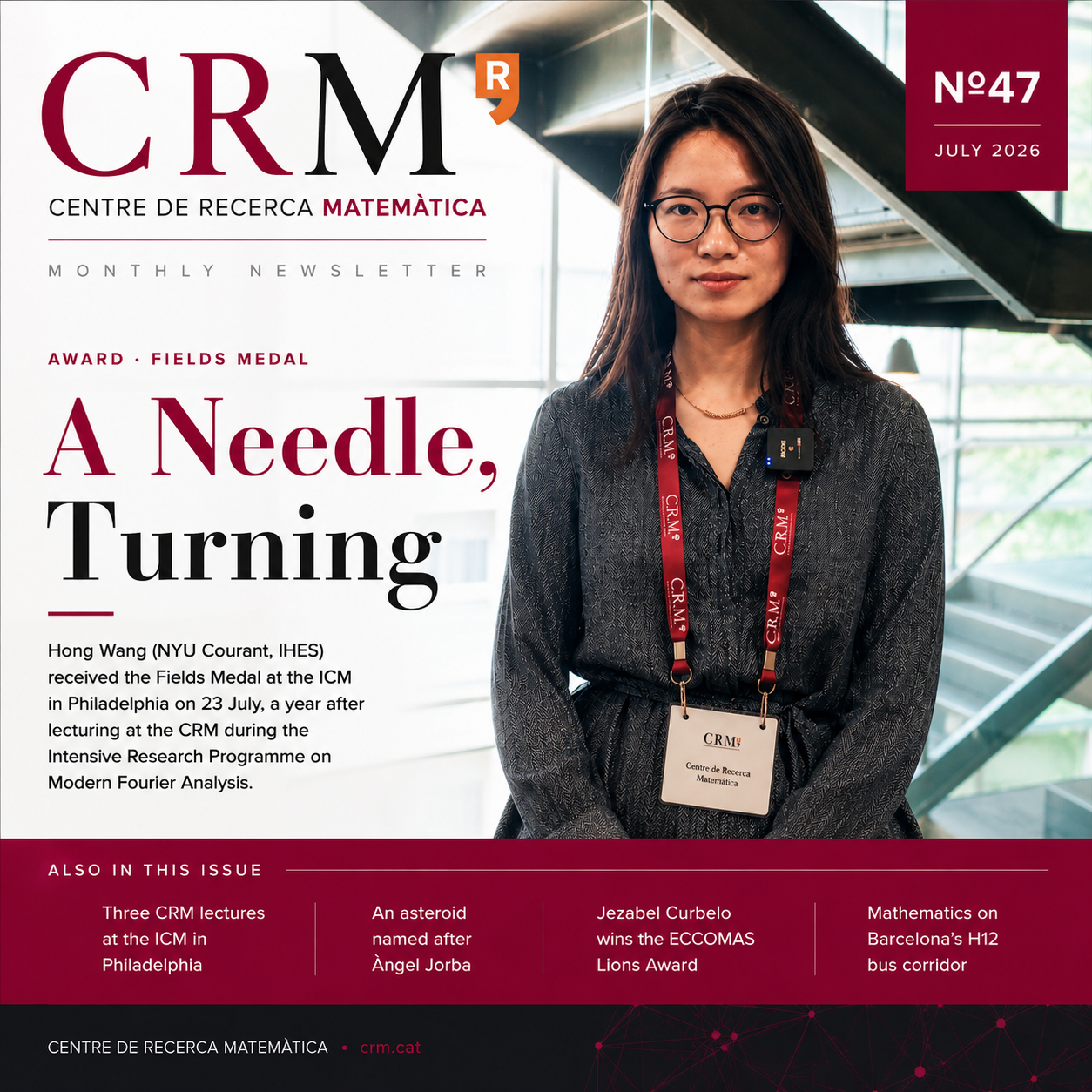
CRM July Newsletter
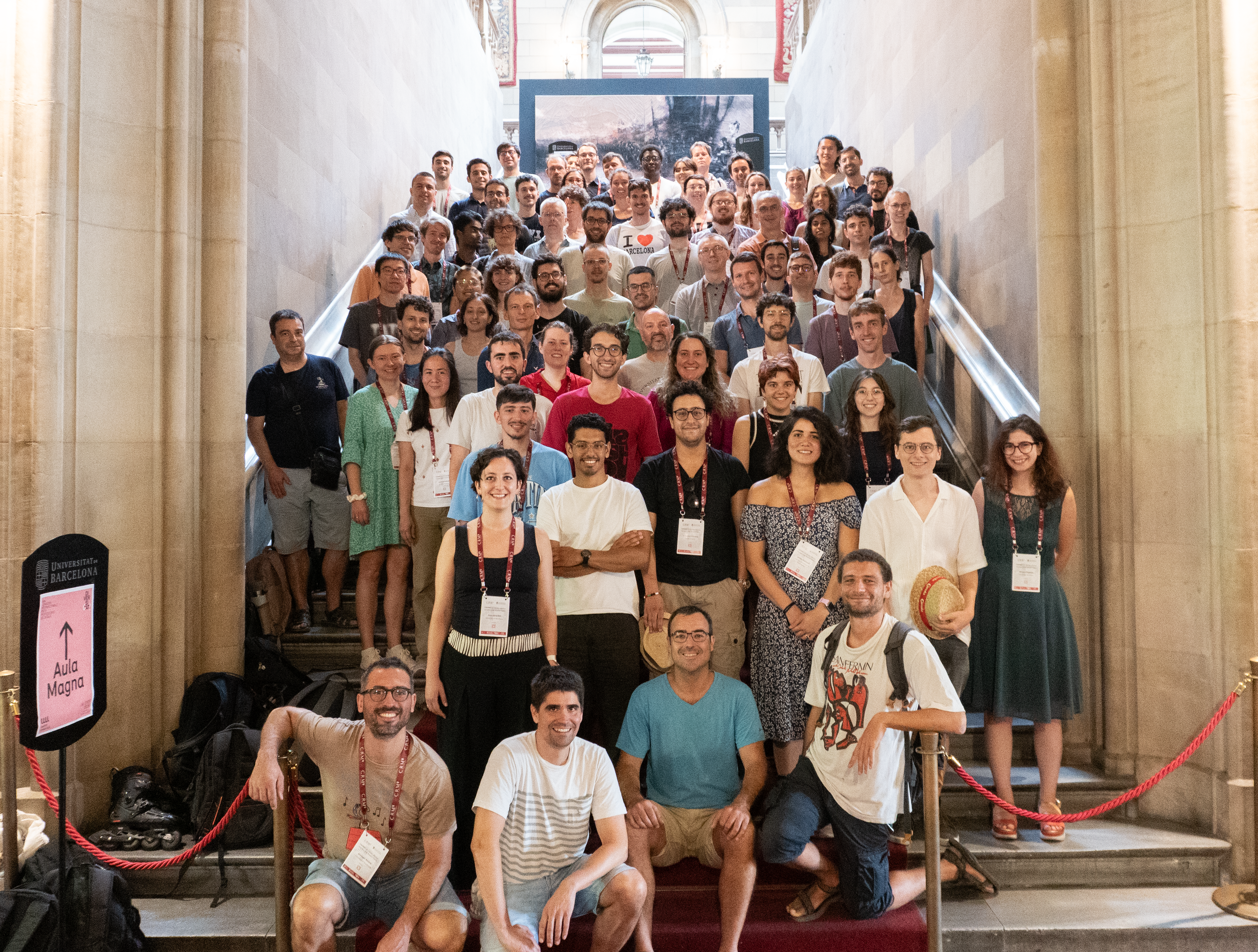
CAVARET 2 brings together 83 researchers on curves and abelian varieties at the Universitat de Barcelona
The second edition of CAVARET, "Curves, Abelian VArieties and RElated Topics", took place at the Faculty of Mathematics and Computer Science of the Universitat de Barcelona from 13 to 17 July 2026. Sixteen invited lectures and ten posters brought together 83...
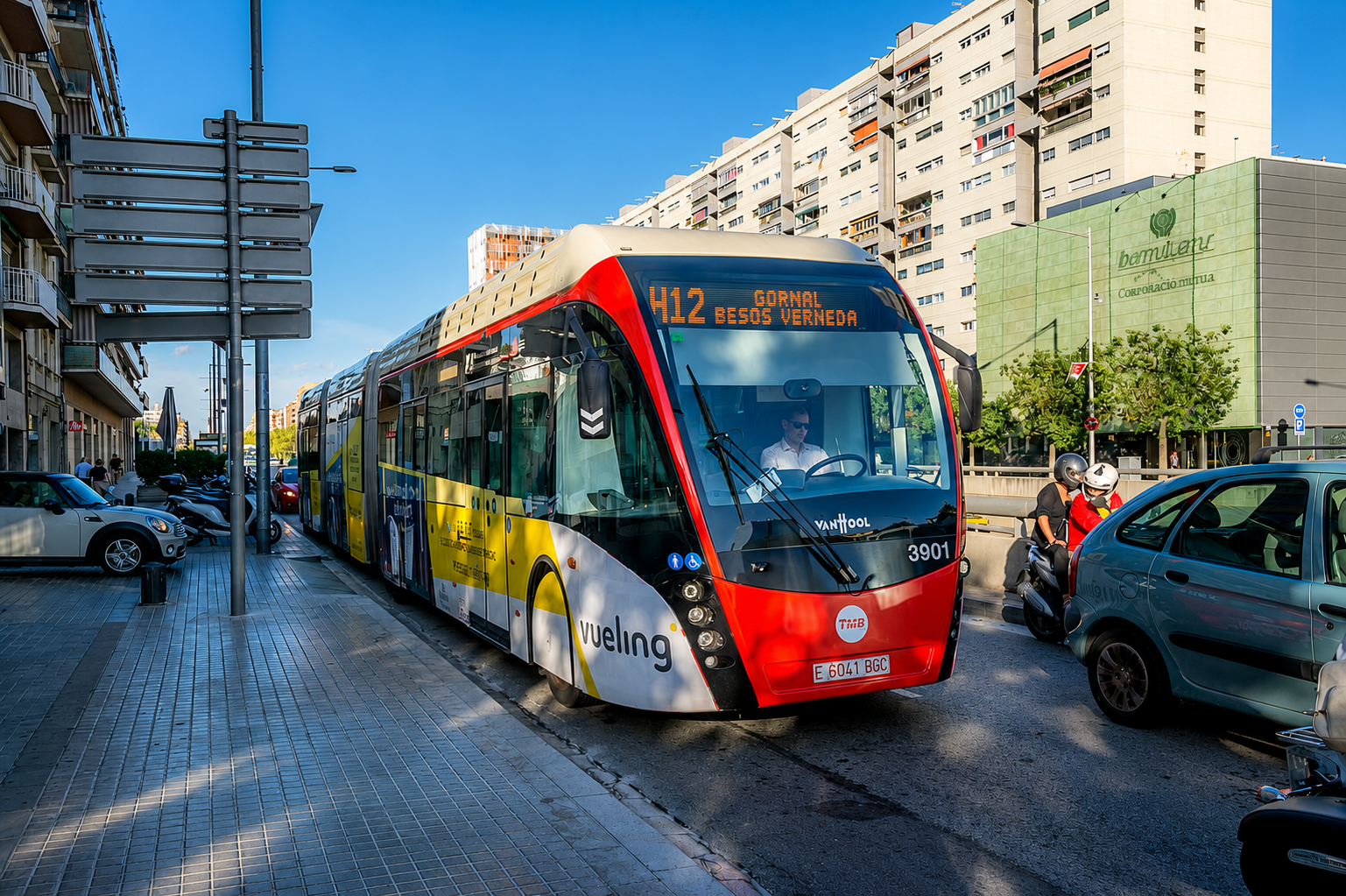
Mathematics on board: CRM’s demand forecasting model enters service on Barcelona’s H12 corridor
The H12 has run along Gran Via for years. What TMB switched on in July is the set of upgrades designed for it inside eBRT2030, a Horizon Europe project testing electric Bus Rapid Transit in six European cities. Behind it, forecasting passenger demand at every stop...
Dídac Gil Rams defends his doctoral thesis on the splitting of separatrices in generalized standard maps
Supervised by Inmaculada Baldomá and Pau Martín, the thesis proves the existence of chaotic dynamics in a broad family of area-preserving maps and combines classical analysis with computer-assisted proof. The defence took place on 3 July 2026 at the FME (UPC).Dídac...
How to Protect Bacteriophages Without Trapping Them? Mathematics to Improve an Alternative to Antibiotics
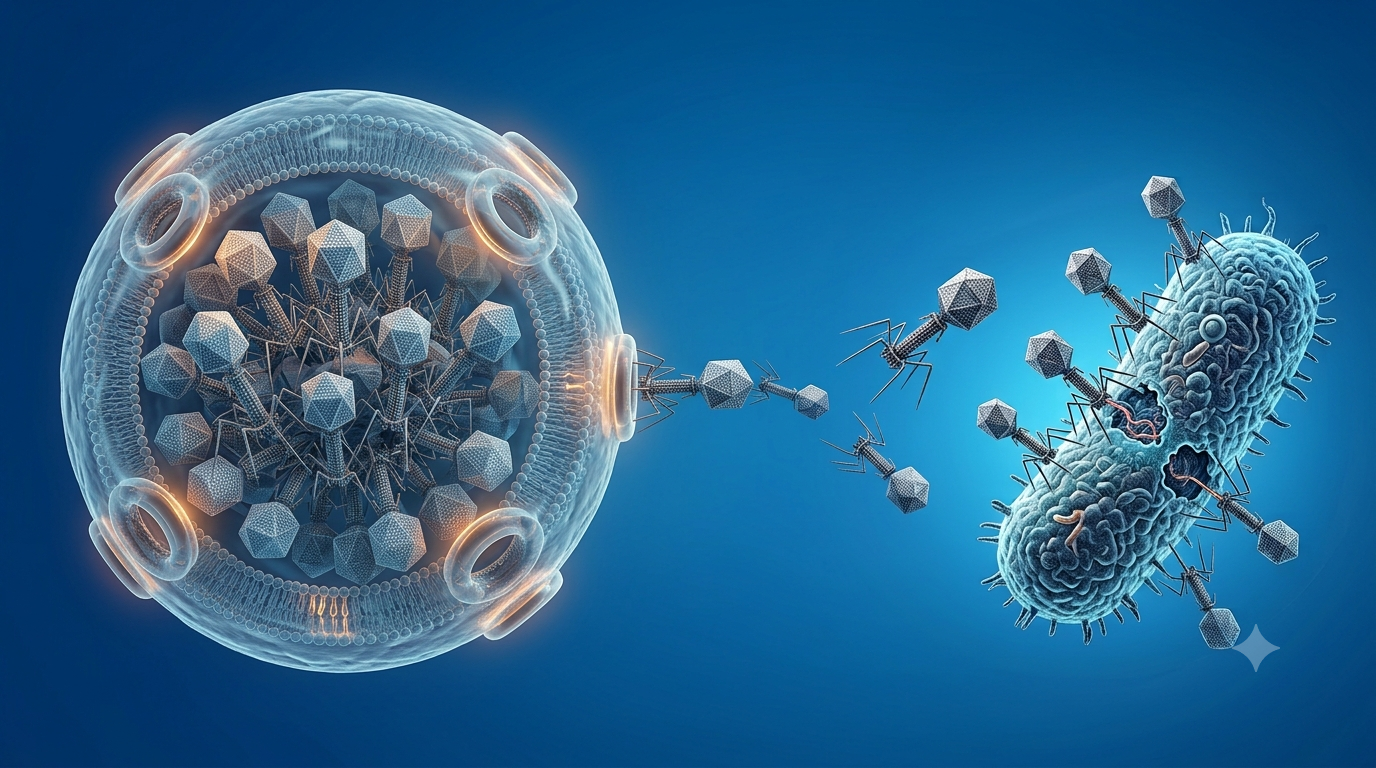
Bacteriophages — viruses capable of infecting and destroying bacteria — are considered one of the most promising alternatives to tackle the growing problem of antibiotic resistance. However, for these treatments to work, phages must overcome several obstacles before...