EscoLab és una iniciativa de Barcelona Ciència i Universitats de l’Ajuntament de Barcelona, amb la participació dels centres de recerca que ofereixen les diverses activitats.
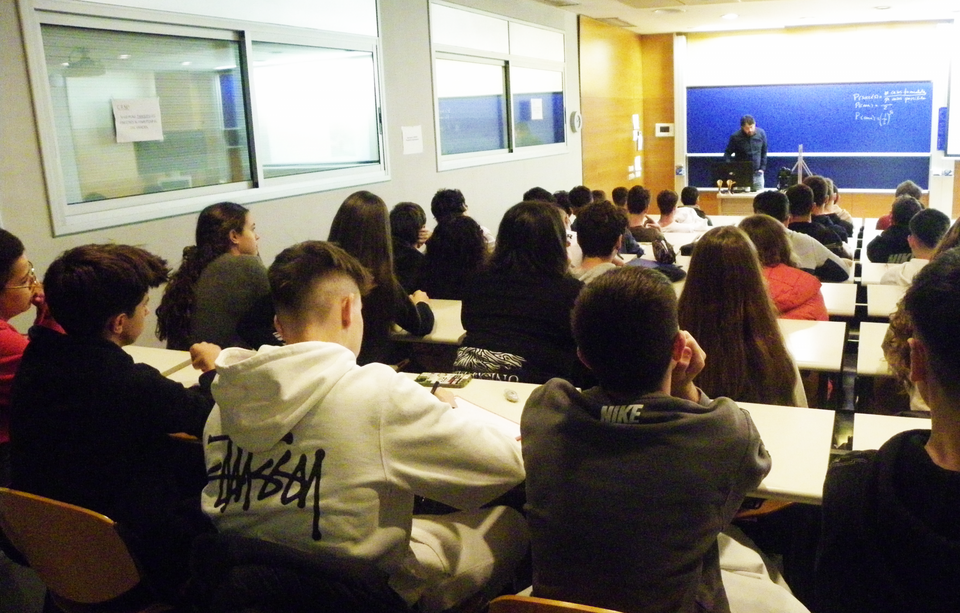
El passat 21 de novembre l’auditori del CRM va acollir un grup d’alumnes de 1er de Batxillerat de l’Escola Jaume Viladoms, a Sabadell, com a part del programa d’activitats de l’Escolab per aquest 2022-2023. L’activitat va anar a càrrec de Josep Sardanyés, investigador principal del Nonlinear Dynamics and Evolution (NoDE) Lab, amb el títol Què és el caos? i va consistir en un taller pràctic que feia visible el caos gràcies a un pèndul doble fabricat amb materials reciclats. El pèndul va permetre als alumnes observar les trajectòries erràtiques dibuixades amb la llum, proporcionada per dos llums LED a cada extrem del pèndul, i fins i tot va poder explorar formes de posar ordre en aquest caos per convertir-lo en un moviment ordenat.


La presentació també va mostrar als alumnes com el caos es ben present a la naturalesa i com ens afecta en coses tan quotidianes com el poder realitzar previsions del temps amb prou antelació. Els alumnes van poder també fer una competició per veure qui era capaç de seguir el moviment del pèndul millor i dibuixar-lo amb precisió.
Aquest taller és el primer de les quatre sessions que es realitzaran al CRM dintre del programa de l’Escolab d’enguany, adreçades a alumnat d’ESO, de batxillerat i de cicles formatius. Les activitats consisteixen en tallers presencials o visites que permeten veure la gran diversitat de laboratoris que hi ha avui i entrar en contacte directe amb els equips multidisciplinaris que hi treballen i les línies de recerca que segueixen.


CRM Comm Team
Anna Drou | Pau Varela
CRMComm@crm.cat
Subscribe for more CRM News
Exposició ‘Les matemàtiques de Gaudí’
CRM quod erat demonstrandum | 48

ADA: Decoding Brain Signals Misaligned in Time
The study addresses a key limitation of current brain decoding techniques: the difficulty of interpreting internal mental processes whose temporal dynamics vary from trial to trial.Decoding what is happening in a person’s mind from their brain activity is one of the...
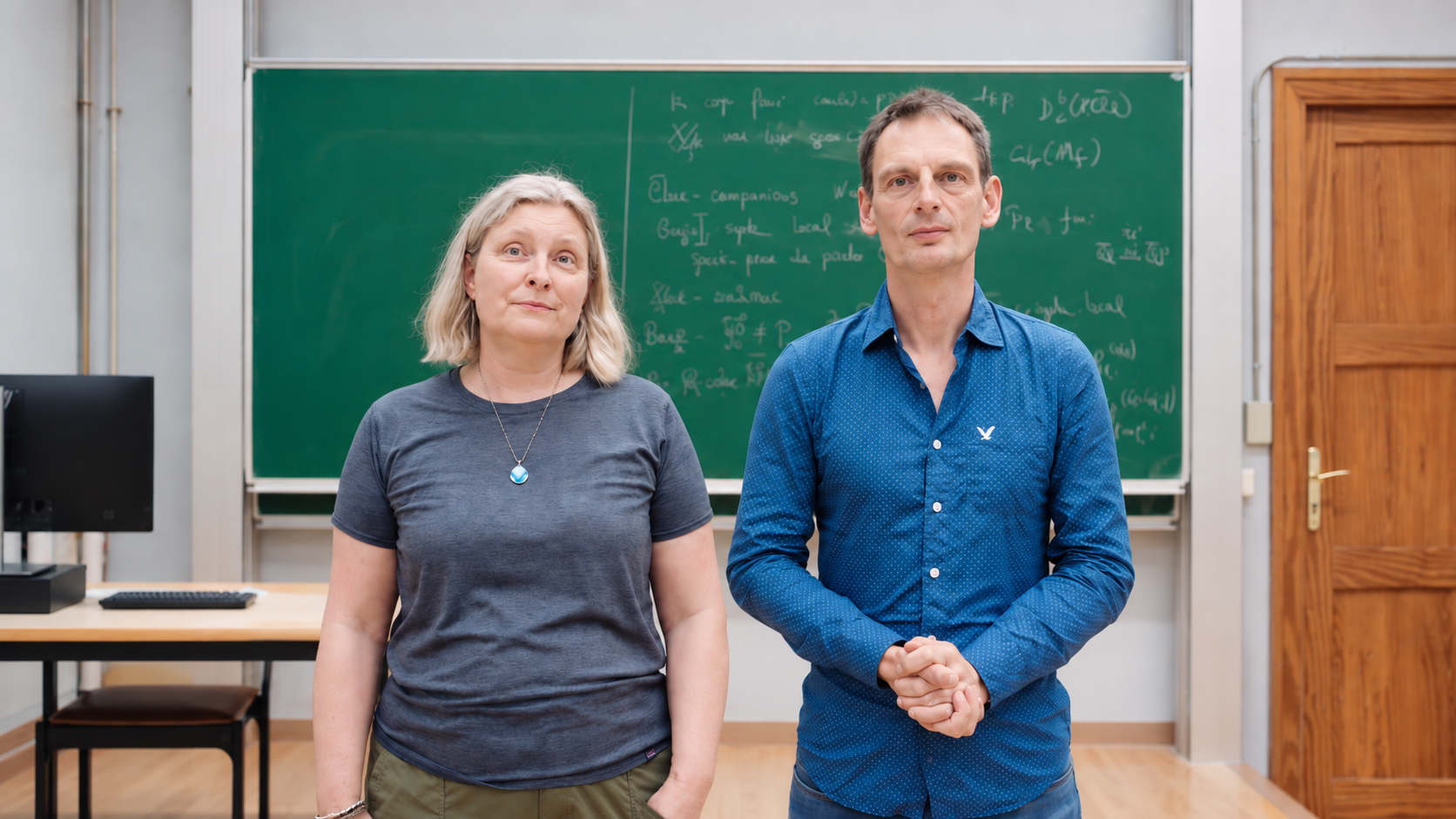
Rare curves, many points: Christophe Ritzenthaler and Rachel Pries on their research and the work around it
Christophe Ritzenthaler (Université de Rennes) and Rachel Pries (Colorado State University) both work on curves over finite fields: he hunts curves with as many points as possible, she hunts curves that almost never occur. In conversation with the CRM during their...

Call open for the 2027 Ferran Sunyer i Balaguer Prize
The Ferran Sunyer i Balaguer Foundation is accepting submissions for its 2027 prize, which awards 15,000 euros and publication in Birkhäuser's Progress in Mathematics series to an expository monograph on an active area of mathematical research. The deadline is 27...
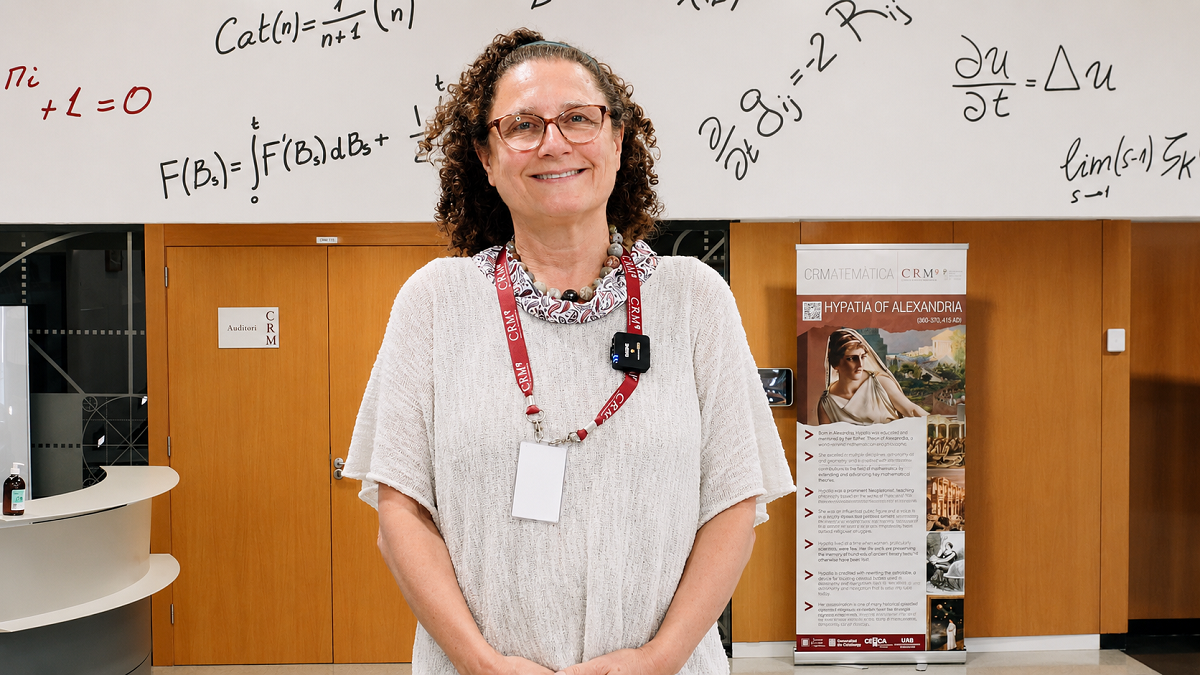
Susanna Terracini delivers the CRM Colloquium 2026
Susanna Terracini (Università di Torino) delivered the CRM Colloquium 2026 on 14 July, presenting a rigidity result for Kepler billiards obtained with Stefano Baranzini, Vivina Barutello and Irene De Blasi. She was at the centre as a member of the CRM Scientific...
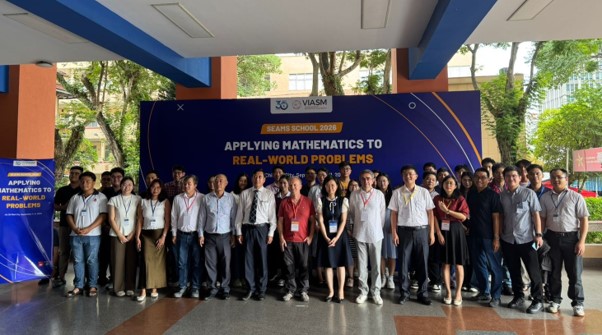
Ho Chi Minh City hosts the first SEAMS School on applying mathematics to real-world problems
More than fifty students from six countries spent a week at the University of Science, VNU-HCM, learning how mathematics gets used outside a mathematics department. CRM researcher Tim Myers co-organised the school and lectured on moving boundary problems. The...

A single ball on a fixed table can compute: Eva Miranda and Isaac Ramos prove that two-dimensional billiards are Turing complete
Eva Miranda (UPC, CRM) and Isaac Ramos (ETH Zürich) show that a point particle bouncing inside a planar table with fixed walls can simulate a universal Turing machine, settling a question Cristopher Moore left open in 1990. The result grew out of a master’s project...
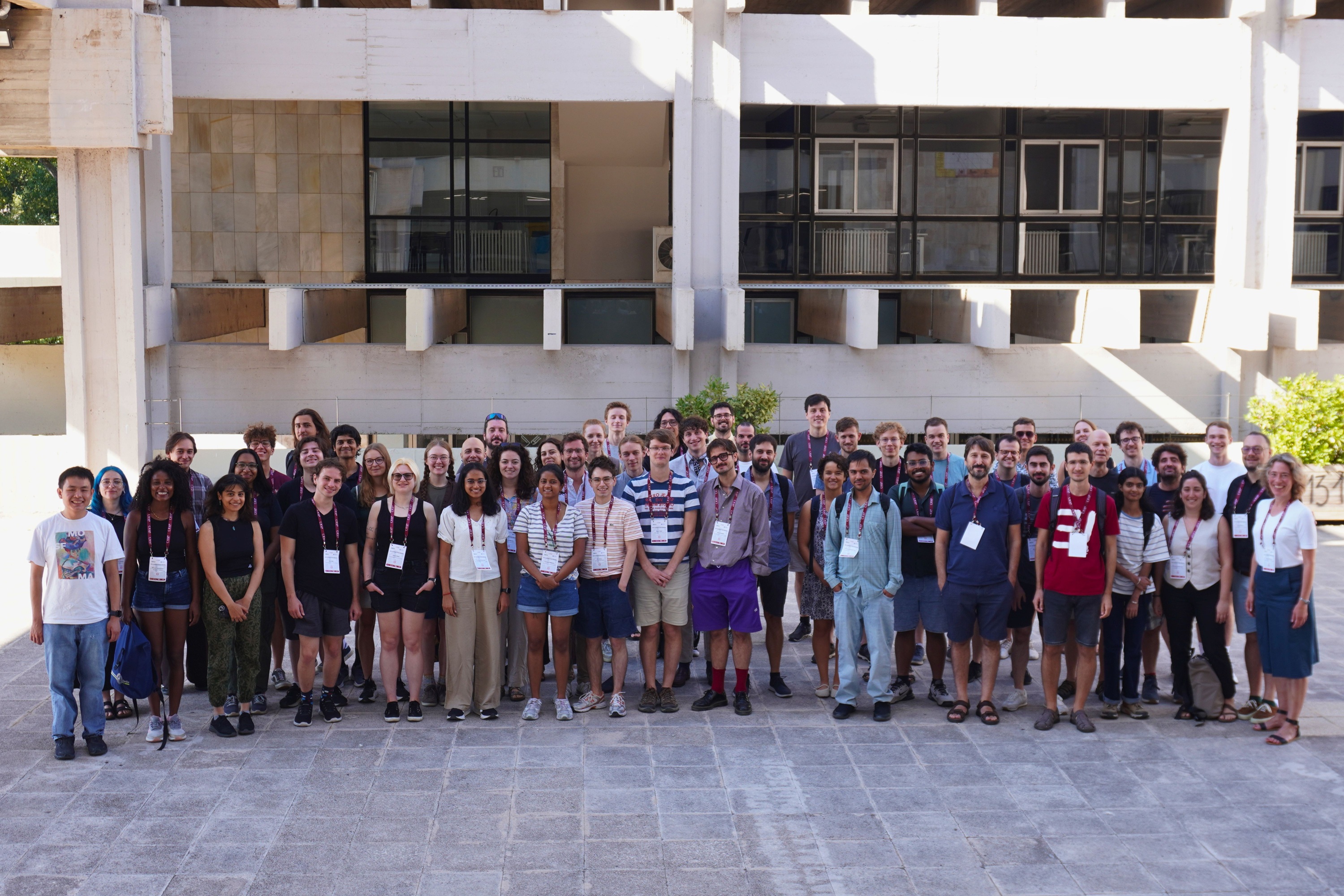
BMS-BGSMath Junior Meeting 2026: Barcelona and Berlin Strengthen Scientific Ties
From 2 to 4 September 2026, the Centre de Recerca Matemàtica (CRM) hosted the BMS-BGSMath Junior Meeting 2026, a three-day event jointly organised by the Berlin Mathematical School (BMS) and the Barcelona Graduate School of Mathematics (BGSMath), with the Centre de...
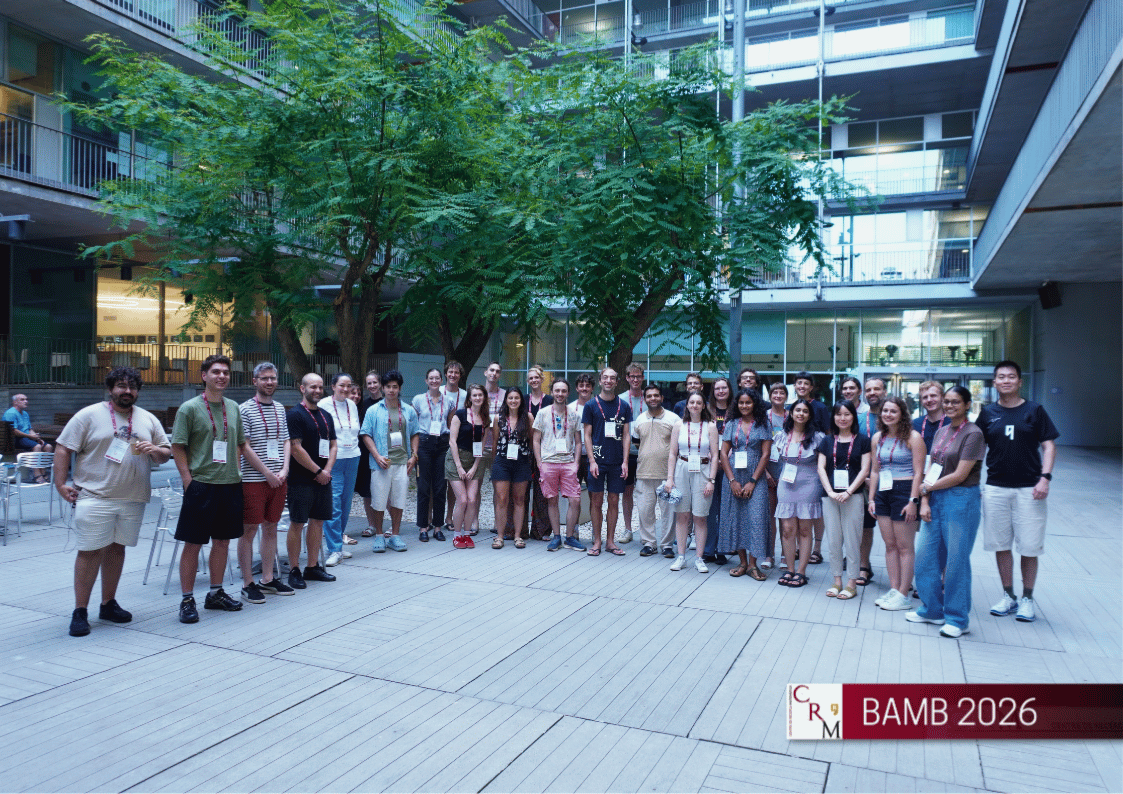
The CRM organises the 2026 Barcelona Summer School for Advanced Modeling of Behavior
The Centre de Recerca Matemàtica held the sixth edition of BAMB!, the Barcelona Summer School for Advanced Modeling of Behavior, from 12 to 23 July 2026 at the Parc de Recerca Biomèdica de Barcelona. Thirty early-career researchers from fourteen countries followed...
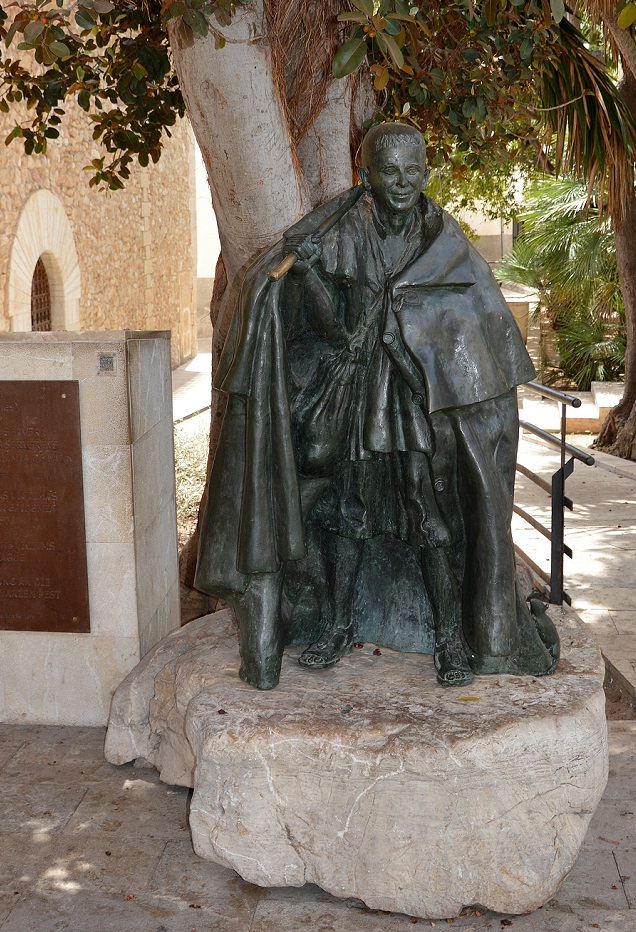
Mallorca’s 1820 plague did not behave like a classic bubonic outbreak, study finds
A study in PNAS by Pere Puig (UAB, CRM) and Joana Maria Pujadas-Mora (UOC, ICREA) reports what happens when the daily health records kept in Son Servera and Capdepera during the 1820 outbreak are analysed with a Bayesian epidemiological model: an unusually short...
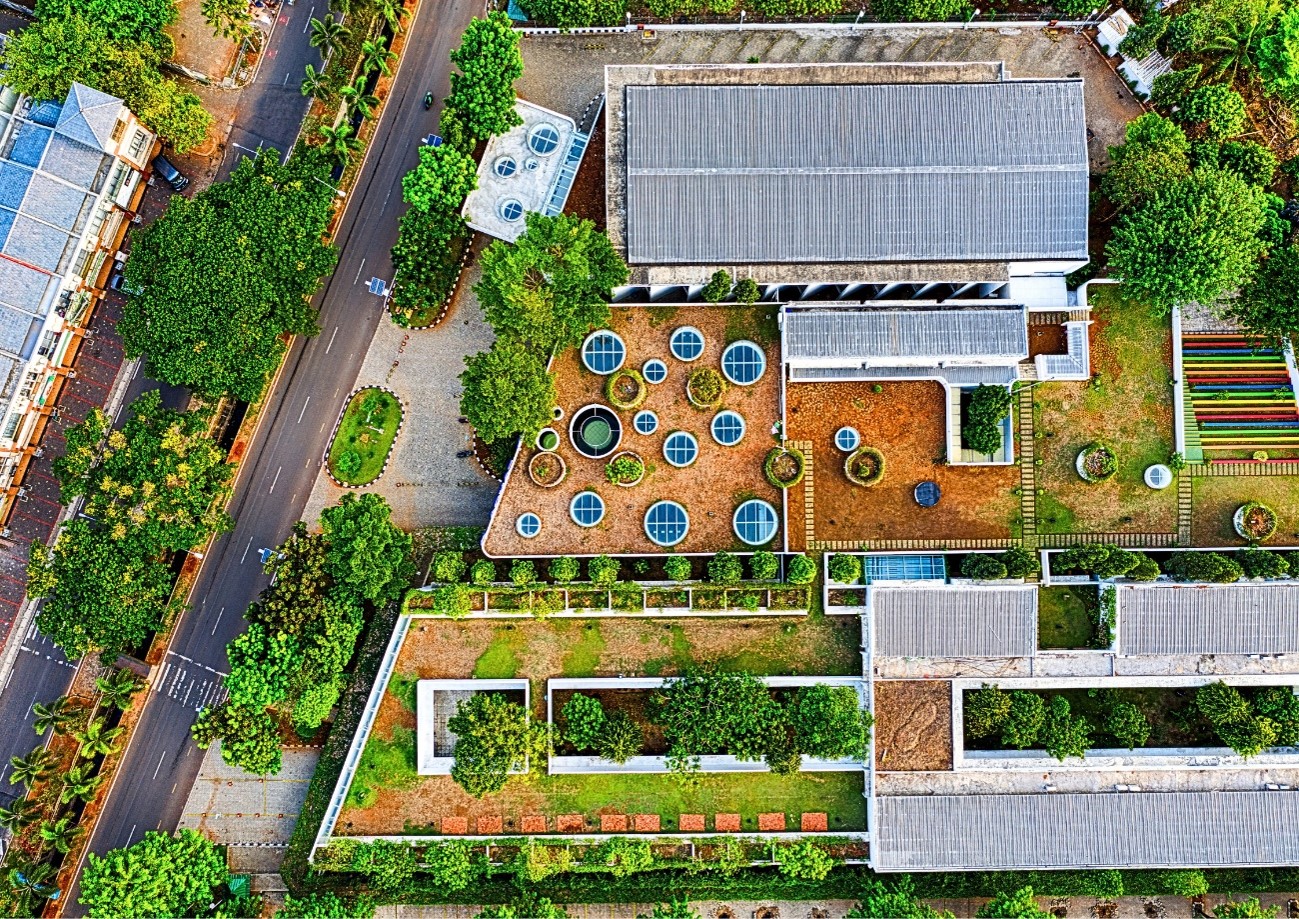
A recent study quantifies the vegetable production potential of Barcelona’s rooftops
A study published in Cities by researchers at ICTA-UAB, with collaboration from the CRM's Knowledge Transfer Unit, estimates that 65 hectares of municipal rooftop could supply 31% of the tomatoes consumed in Barcelona each year.Barcelona has 65 hectares of rooftop...