
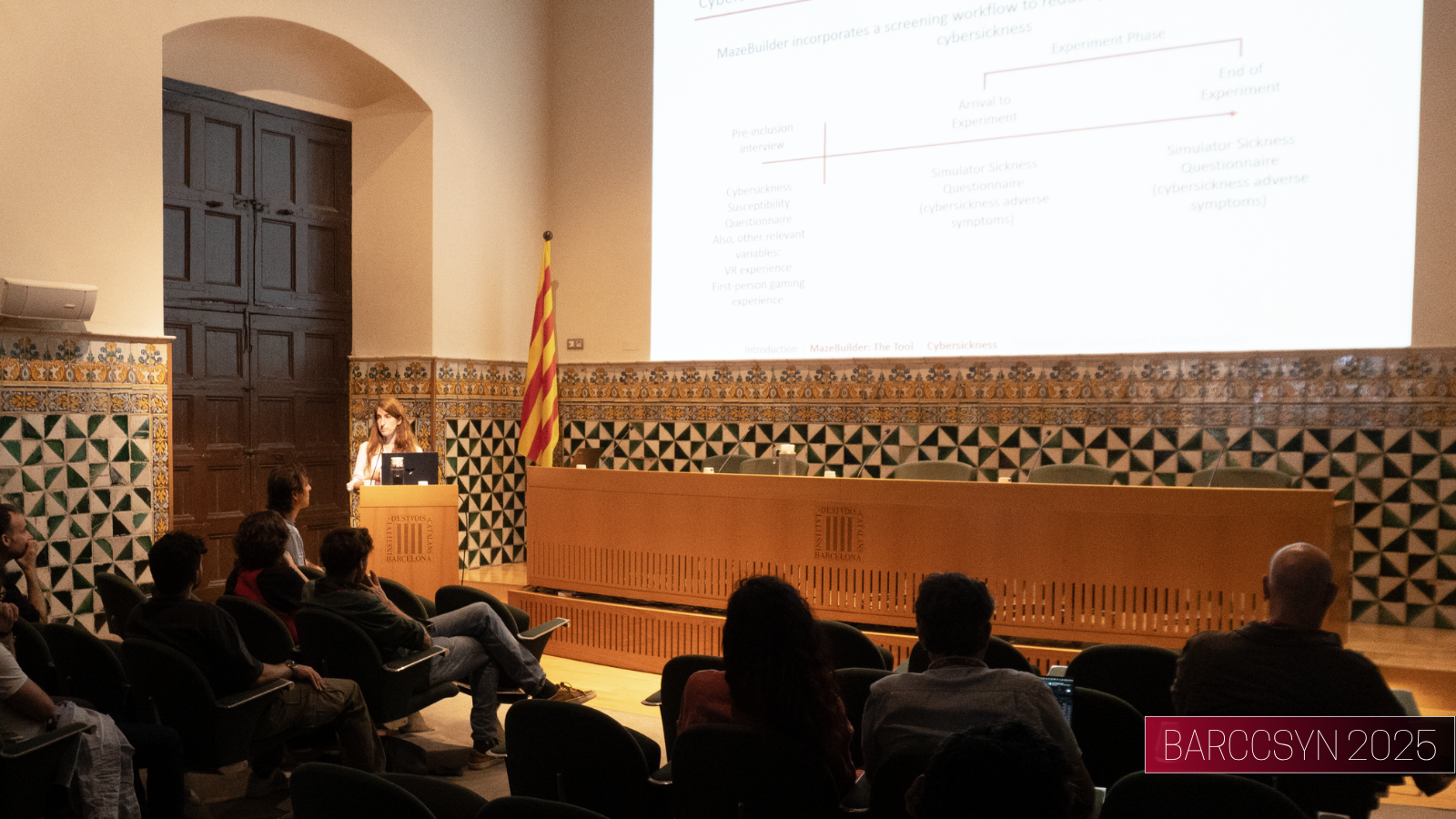
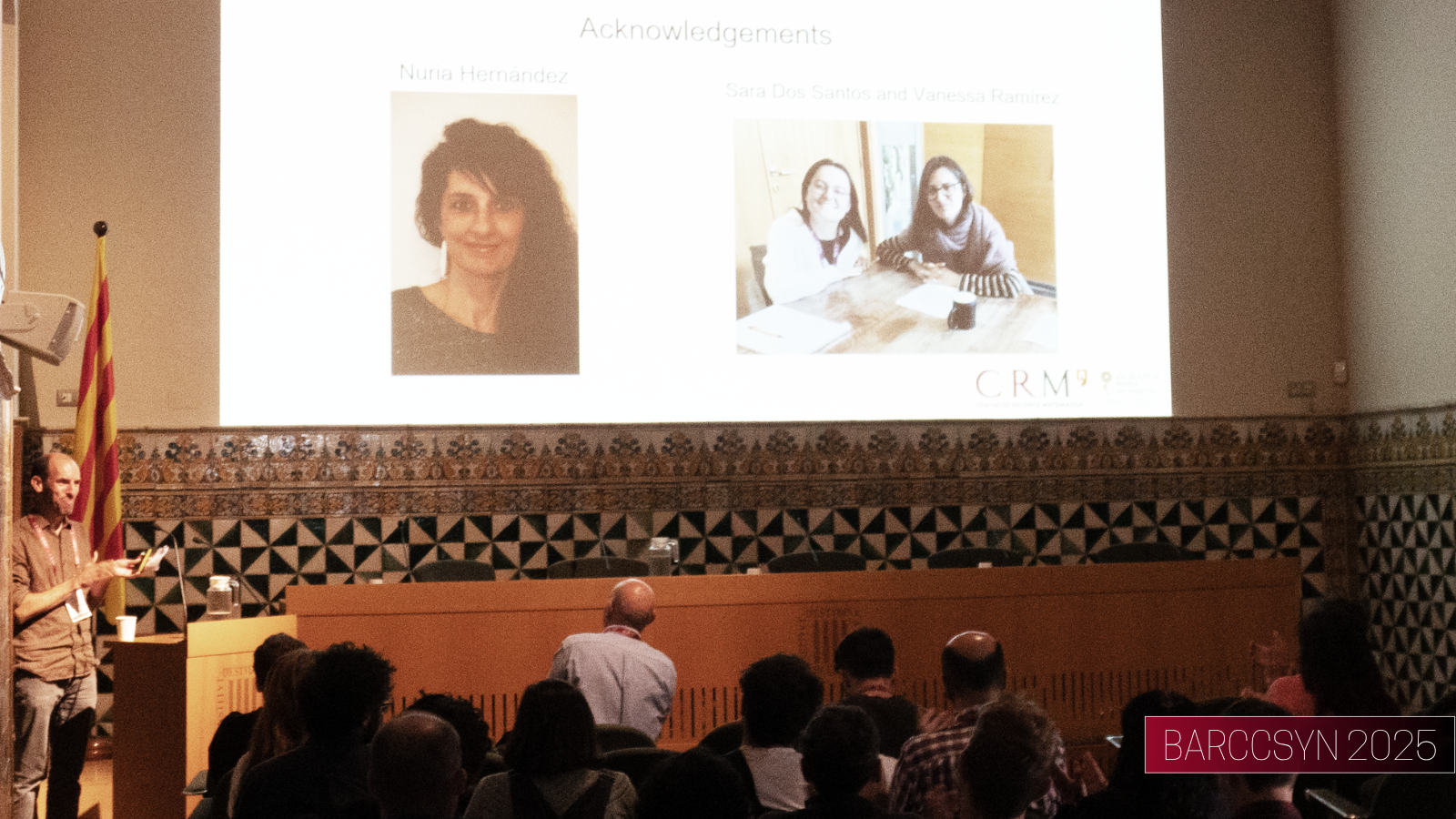
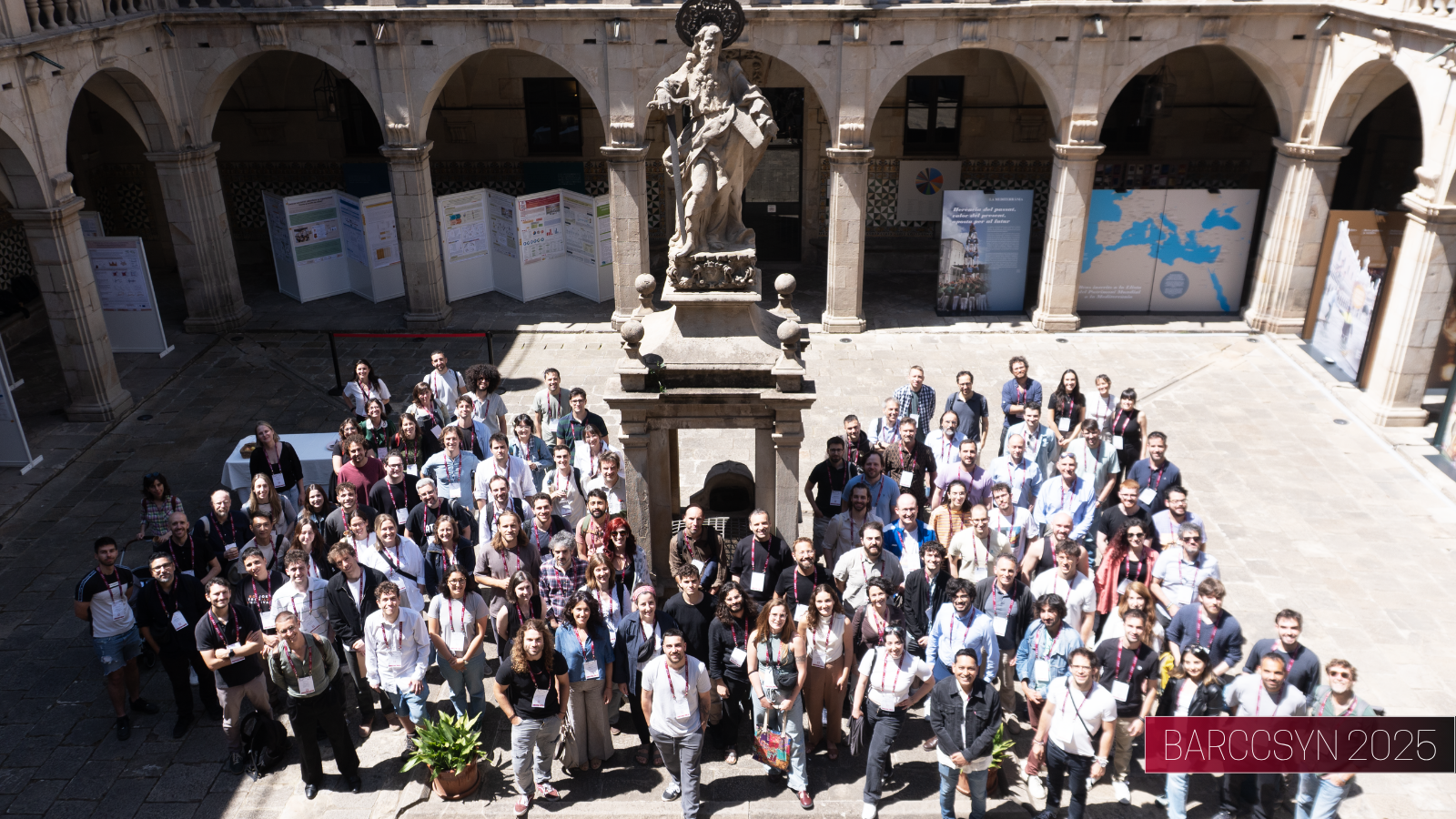
On May 22 and 23, the Institut d’Estudis Catalans (IEC) opened its doors to the 12th edition of the Barcelona Computational, Cognitive and Systems Neuroscience (BARCCSYN) conference. Now a well-established event in the city’s scientific calendar, BARCCSYN continues to serve as a focal point for Barcelona’s vibrant computational neuroscience community. Researchers from mathematics, engineering, biology, medicine, and psychology came together once more to exchange insights and strengthen cross-disciplinary connections.
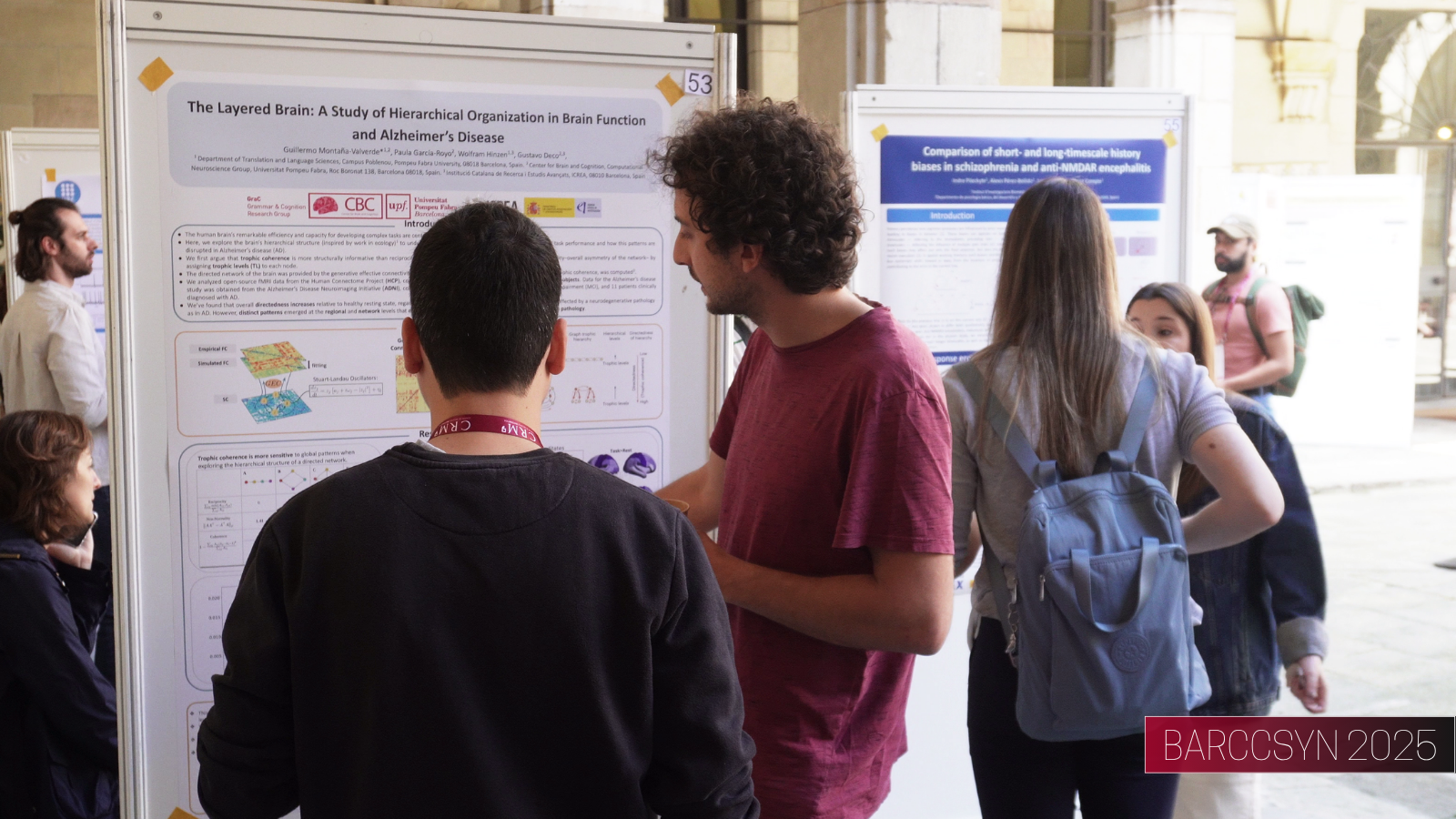
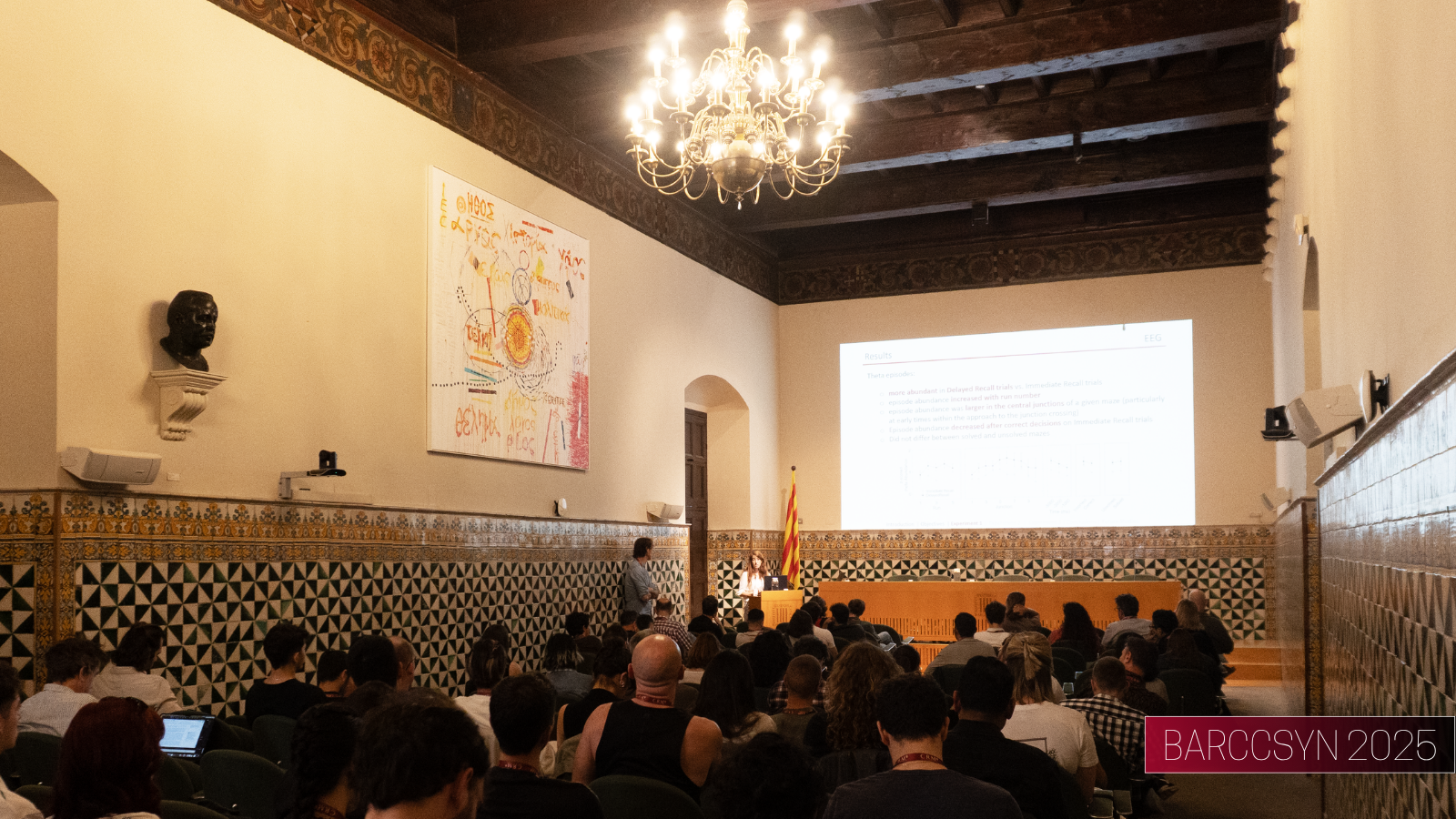
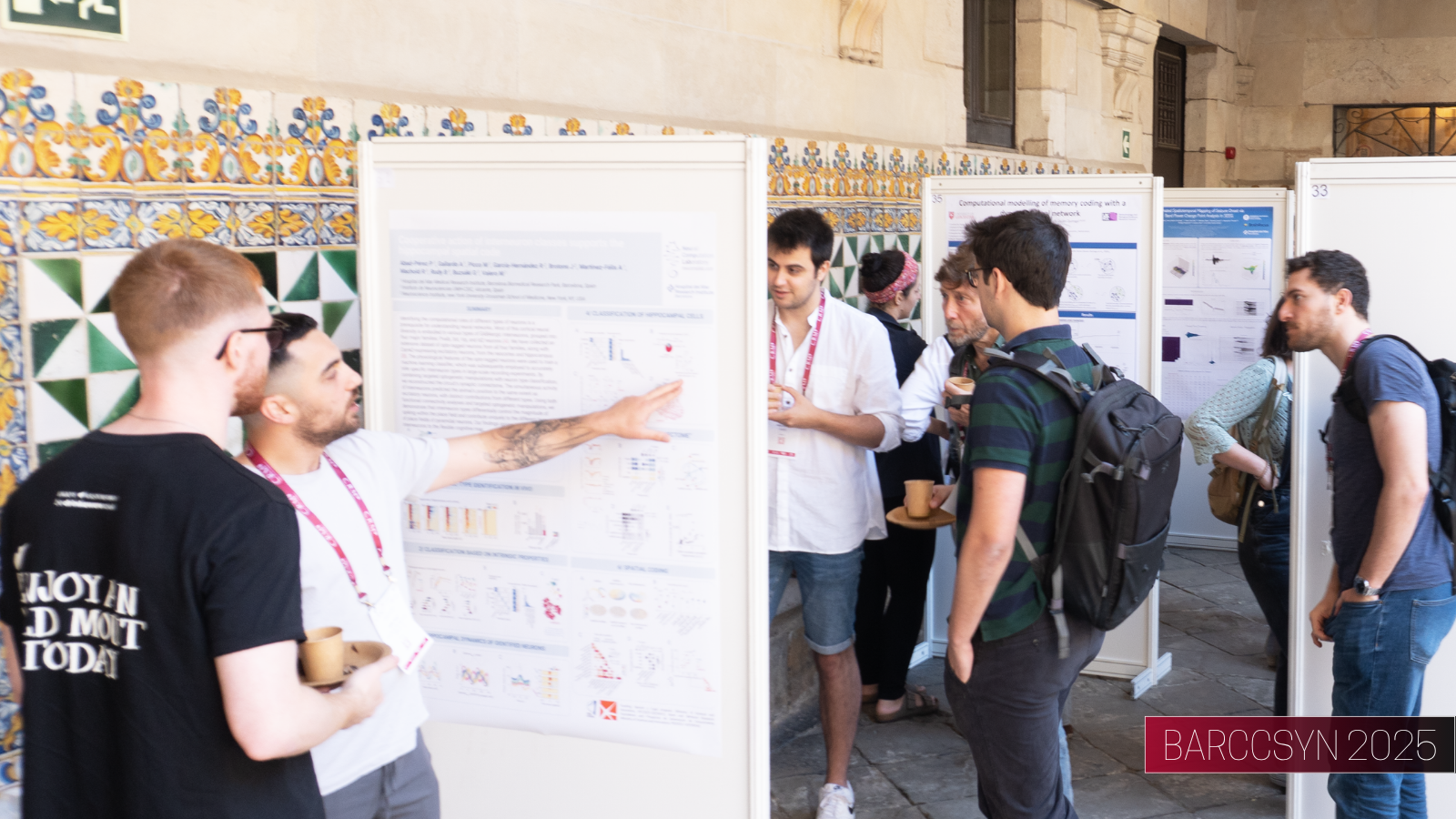
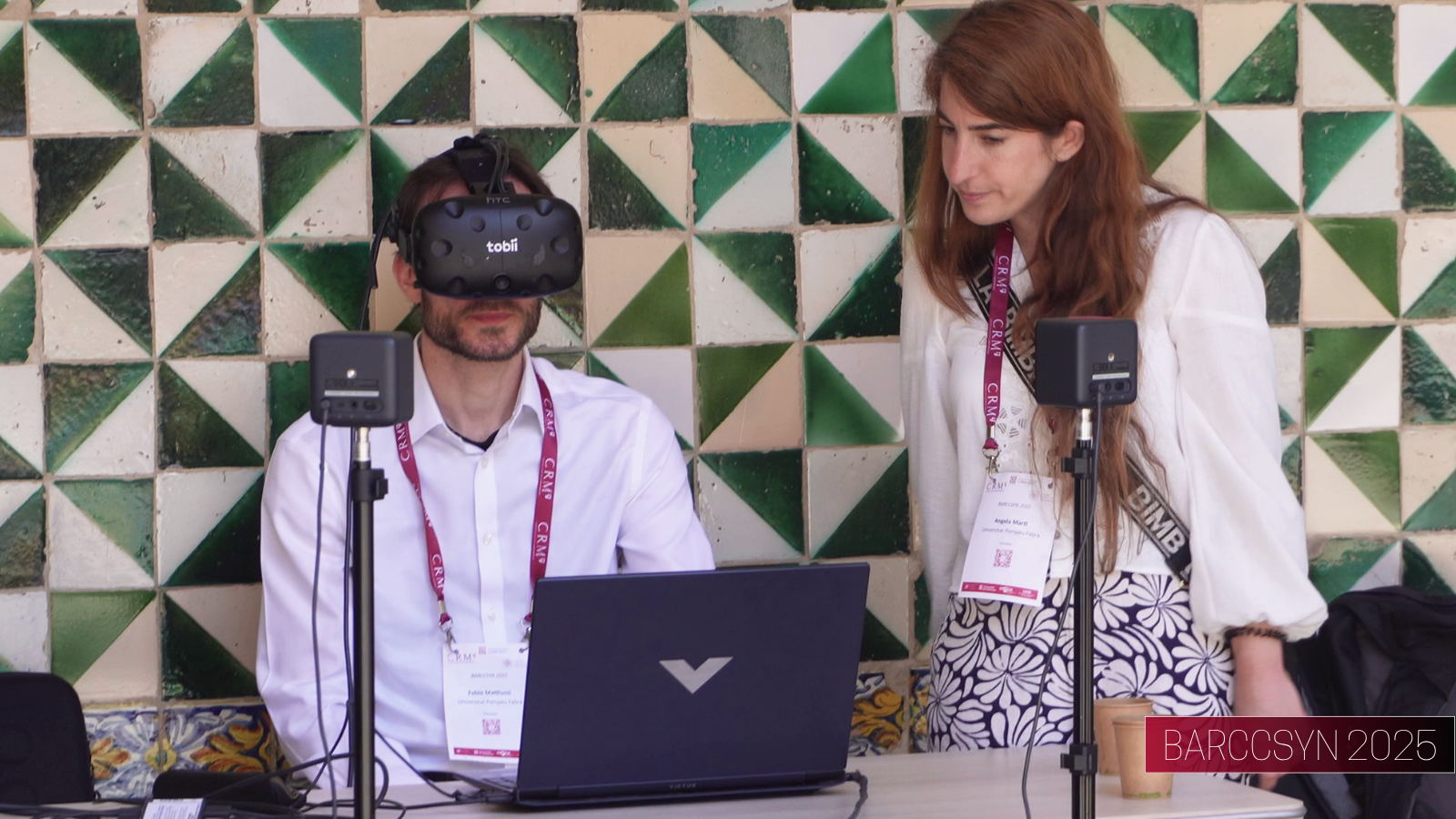
This year’s edition brought together more than 120 participants representing universities and research centres from across Catalonia, Spain, and further afield. Across two full days, nearly 60 posters and 10 short talks showcased a wide spectrum of topics, ranging from neural network modelling and behavioural analysis to neuroimaging techniques, virtual reality environments, and complex systems dynamics. The format, fast-paced yet dense with ideas, highlighted the breadth of methods and perspectives that characterise this growing field.
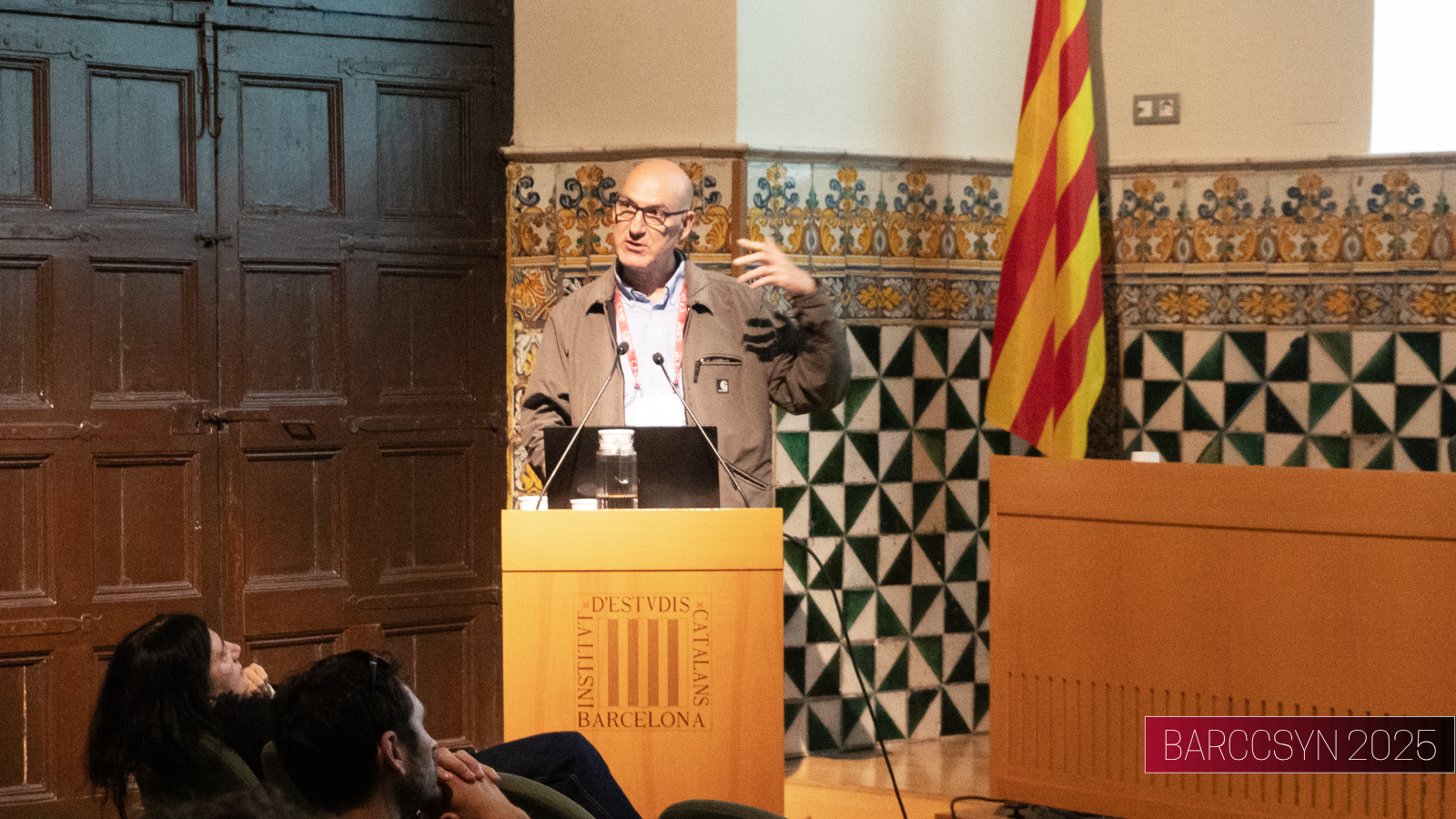
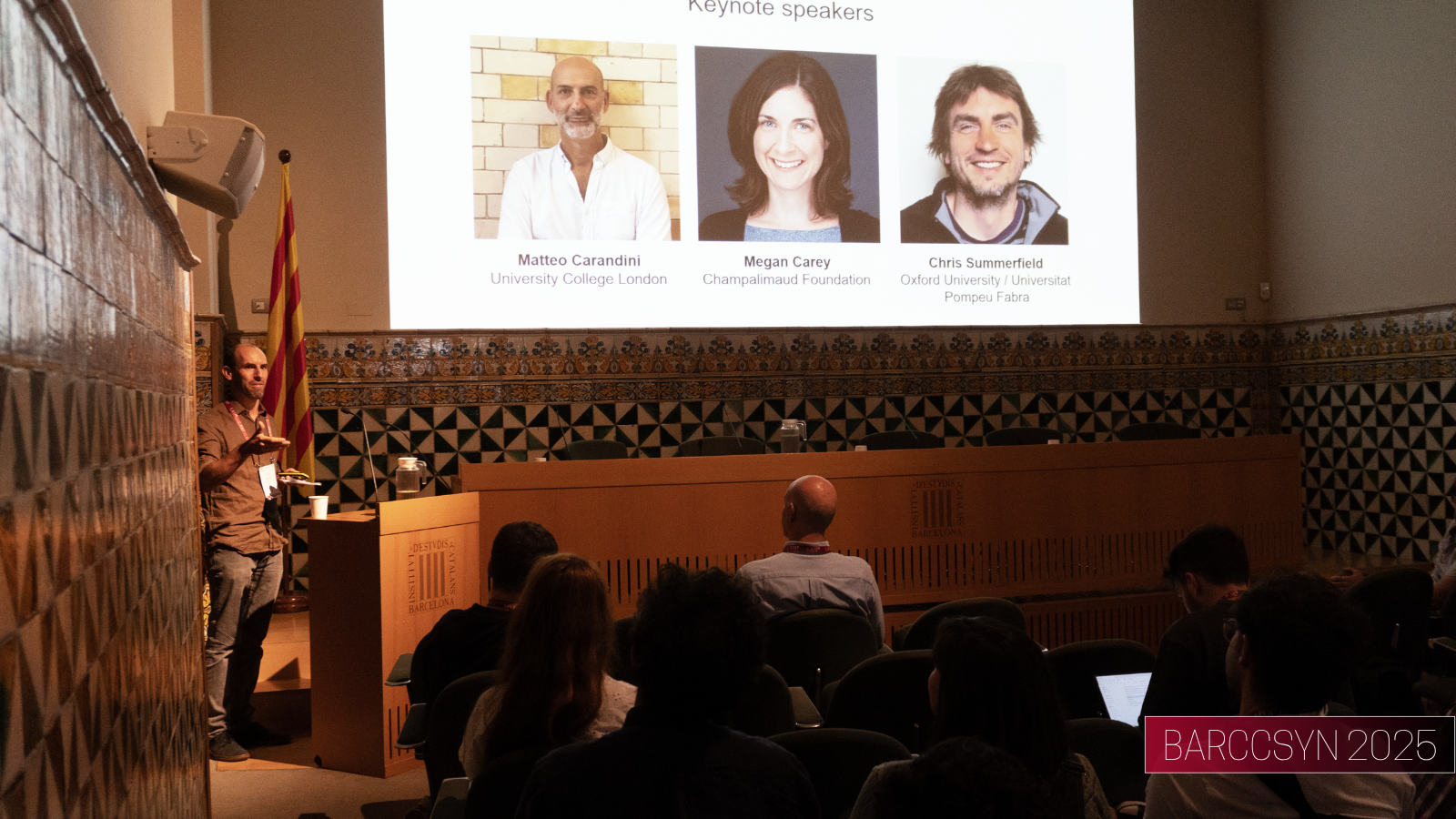
Beyond the contributed sessions, the programme featured three keynote lectures delivered by internationally recognised scientists. Megan Carey (Champalimaud Foundation) opened the conference with a talk on motor coordination and the cerebellum’s role in adapting movement in response to environmental changes. Her team’s work, based on freely moving mice and precise locomotion analysis, exemplifies the growing emphasis on behaviour-first neuroscience.
On Friday, Chris Summerfield (University of Oxford / Universitat Pompeu Fabra) explored how the human brain composes new knowledge from prior structures. His research explores the mechanisms of compositional generalisation, suggesting distinct pathways through cortex and hippocampus that support the brain’s generative flexibility.
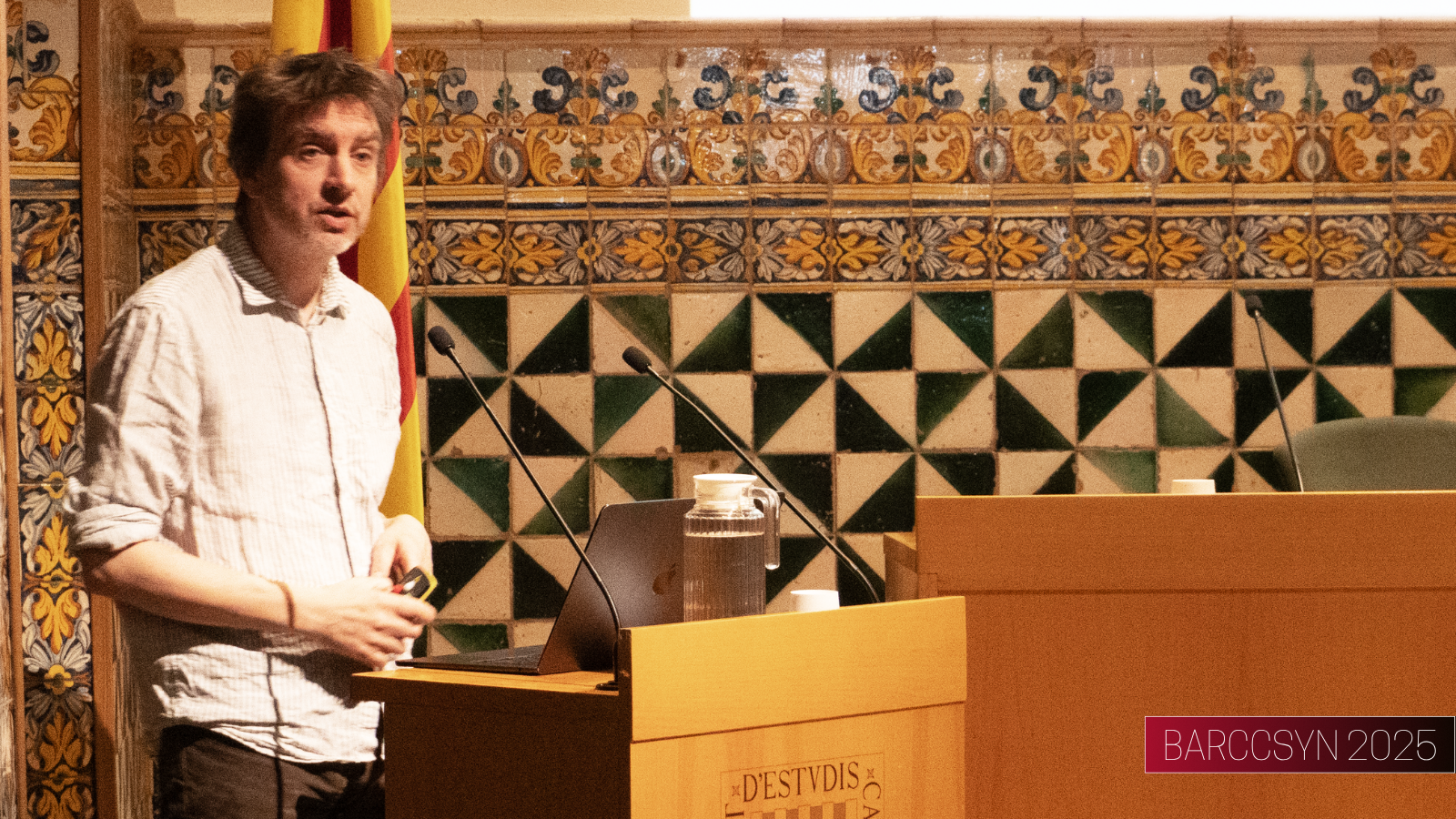
Matteo Carandini (University College London) delivered the final keynote, proposing a unified framework for decision-making grounded in logistic classification, a method familiar in both machine learning and behavioural economics. Drawing on large-scale recordings in mice, Carandini traced how log-odds of a choice emerge incrementally across visual, auditory, and prefrontal cortices, as well as the superior colliculus.
BARCCSYN 2025 was coordinated by a team of researchers from the Centre de Recerca Matemàtica (CRM), Universitat Pompeu Fabra (UPF), Hospital del Mar Research Institute, Universitat Politècnica de Catalunya (UPC), and Universitat Autònoma de Barcelona (UAB). Institutional support was provided by the Societat Catalana de Matemàtiques, Neuroelectrics, the Societat Catalana de Biologia, and the research cooperative Symbiotik, all contributing to an initiative that continues to nurture interdisciplinary exchange.
Barcelona’s Vibrant Community
To grasp the inner workings of the brain, arguably the most intricate structure nature has produced, one needs more than observation: one needs structure, models, and abstraction. Mathematics lies at the core of this approach. Whether modelling the spiking behaviour of individual neurons or mapping collective dynamics across brain networks, mathematical tools provide the scaffolding for turning data into understanding.
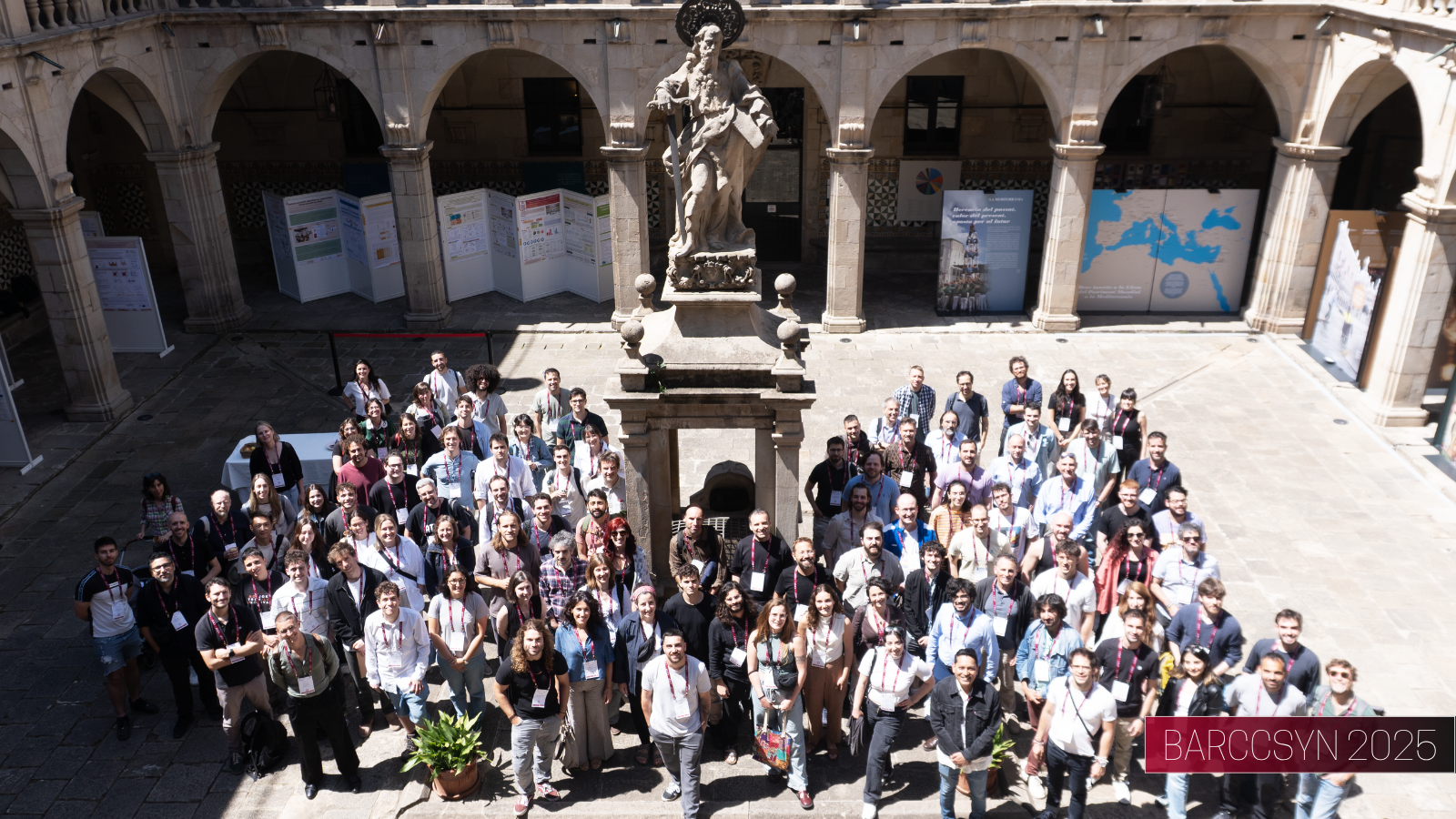
Over the past decade, Barcelona has emerged as a fertile ecosystem for research that bridges neuroscience and the mathematical sciences. The local community, distributed across universities, hospitals, and research institutes, is diverse yet closely knit, coming together regularly to share work, ask questions, and develop new directions.
Despite being spread across institutions, the community meets around shared scientific initiatives that foster continuity and exchange. Regular activities such as journal clubs, thematic retreats, collaborative projects, and the annual BARCCSYN meeting serve as anchors that reinforce cohesion and help generate long-term partnerships.
An Interdisciplinary Meeting Point
This year’s edition of BARCCSYN reflected the scope and energy of this ecosystem. Contributions came from a wide range of institutions. The Centre de Recerca Matemàtica was strongly represented, with several talks and posters from members of its Computational Neuroscience group.
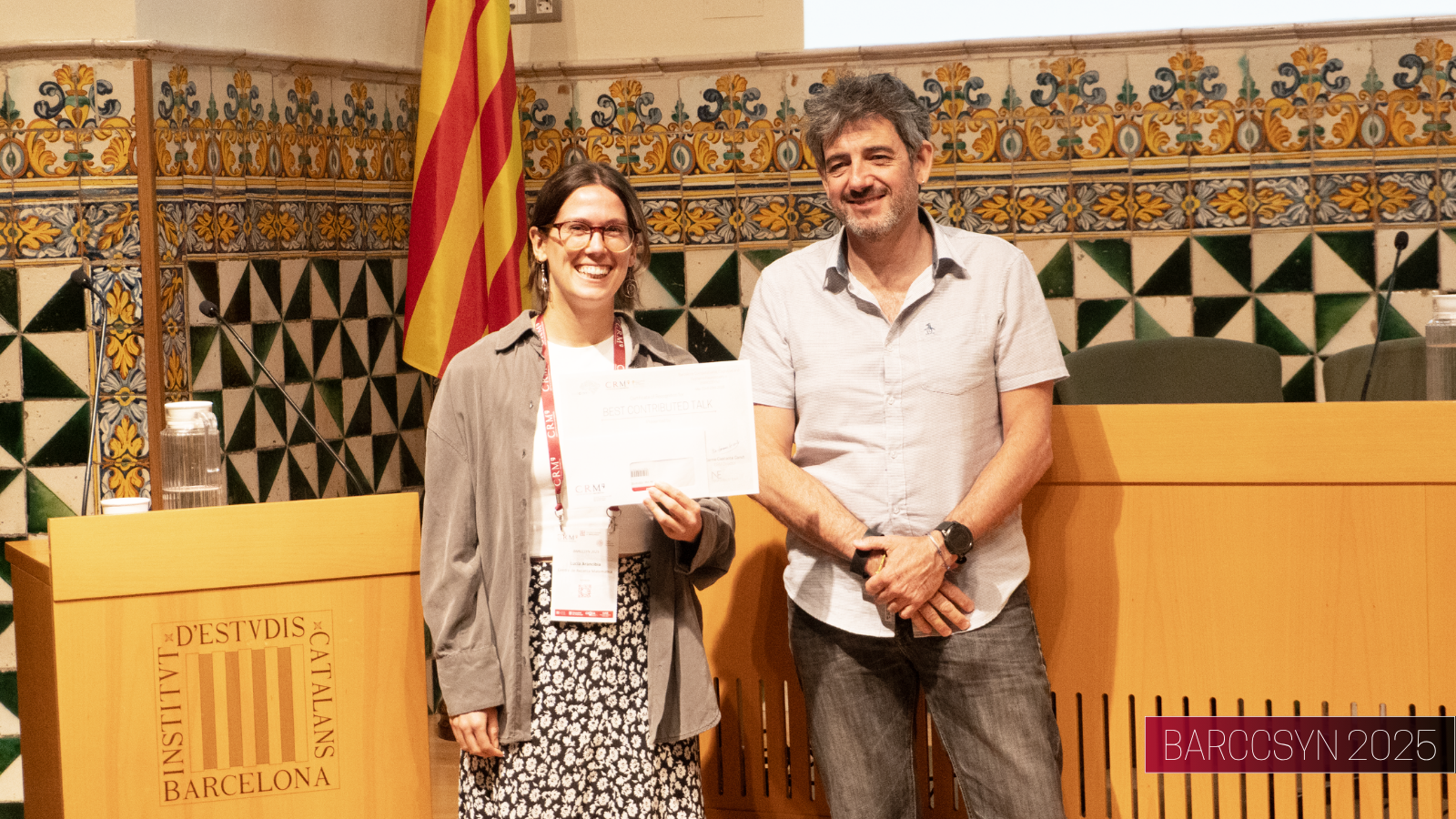
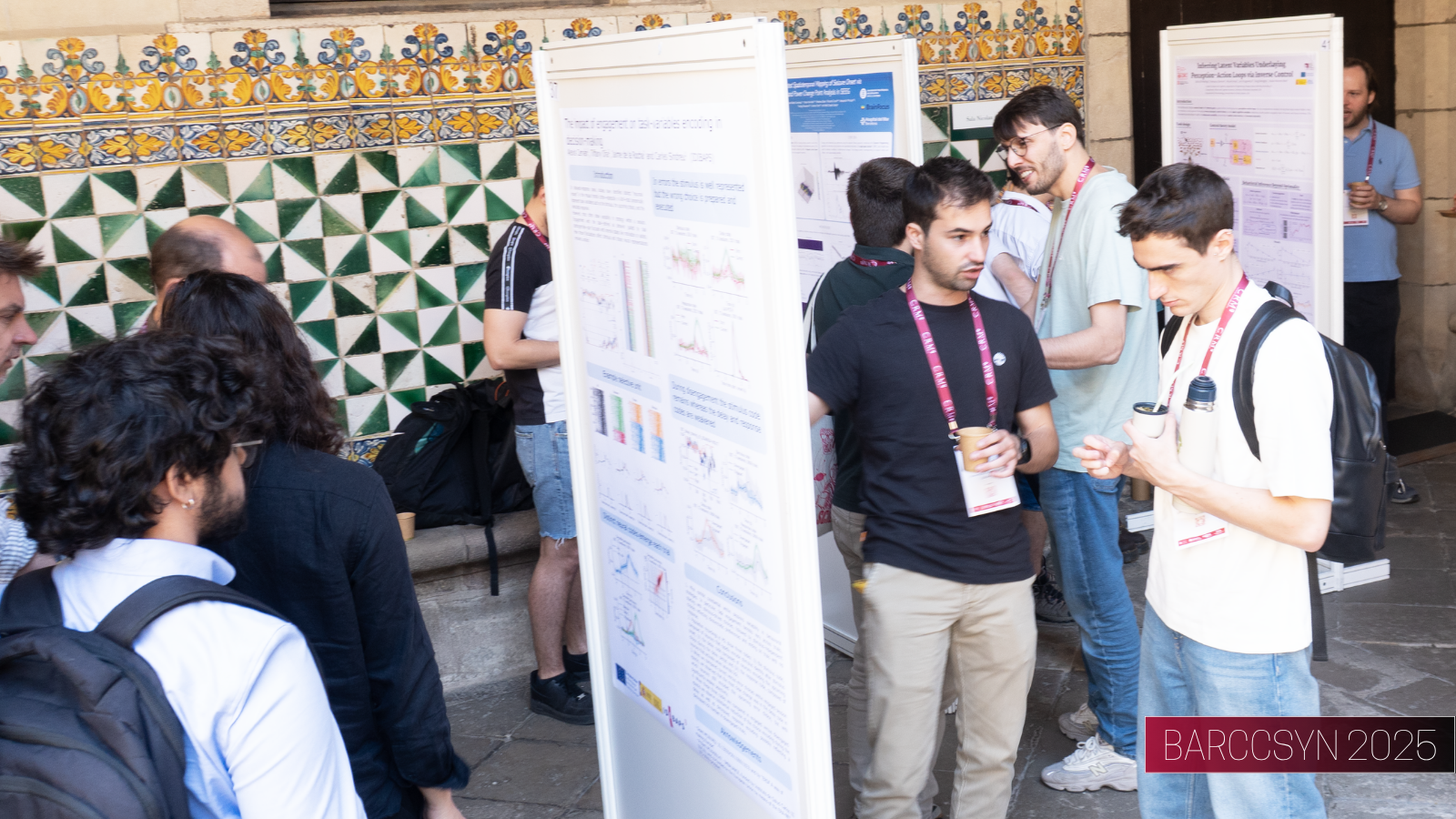
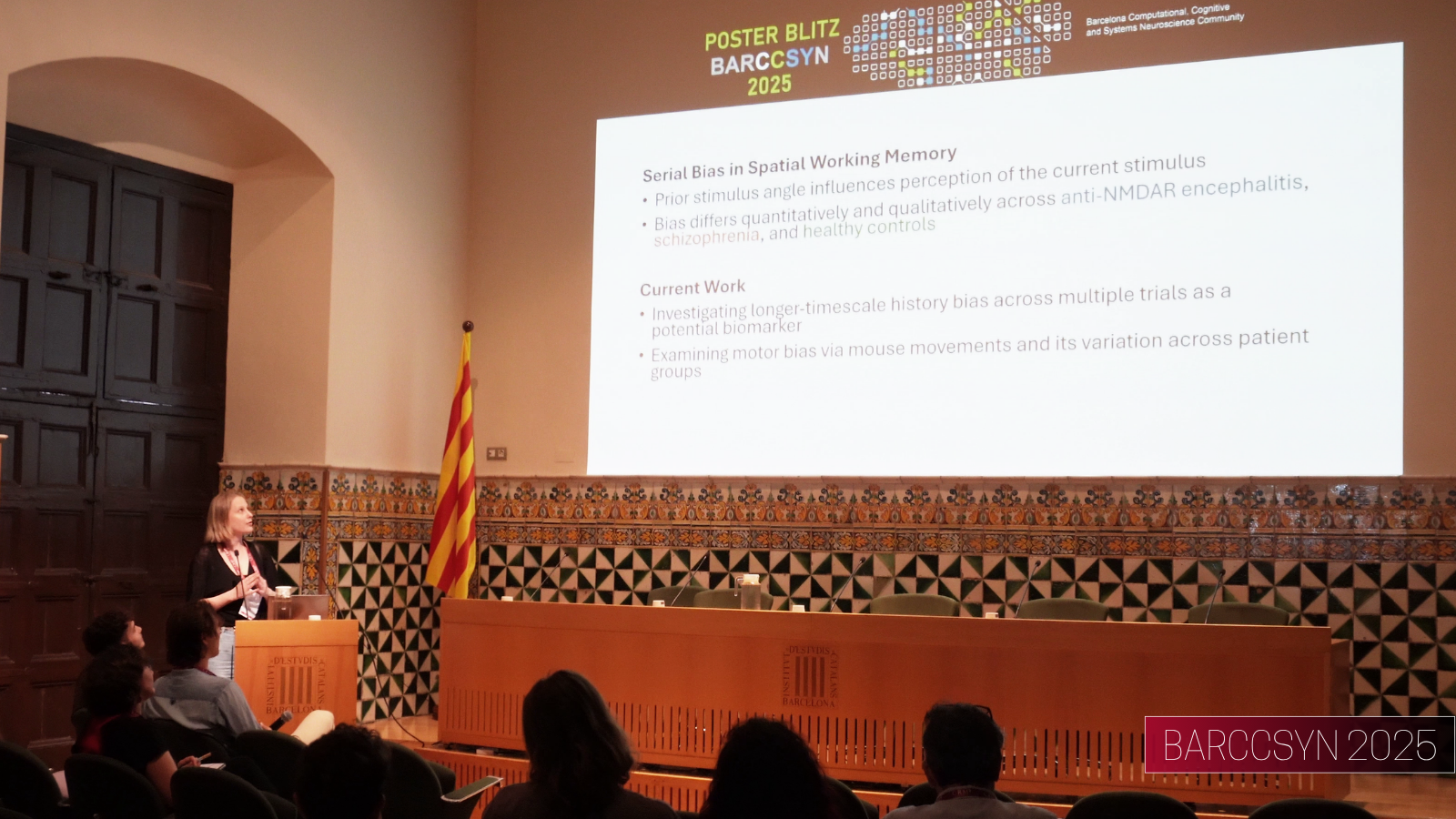
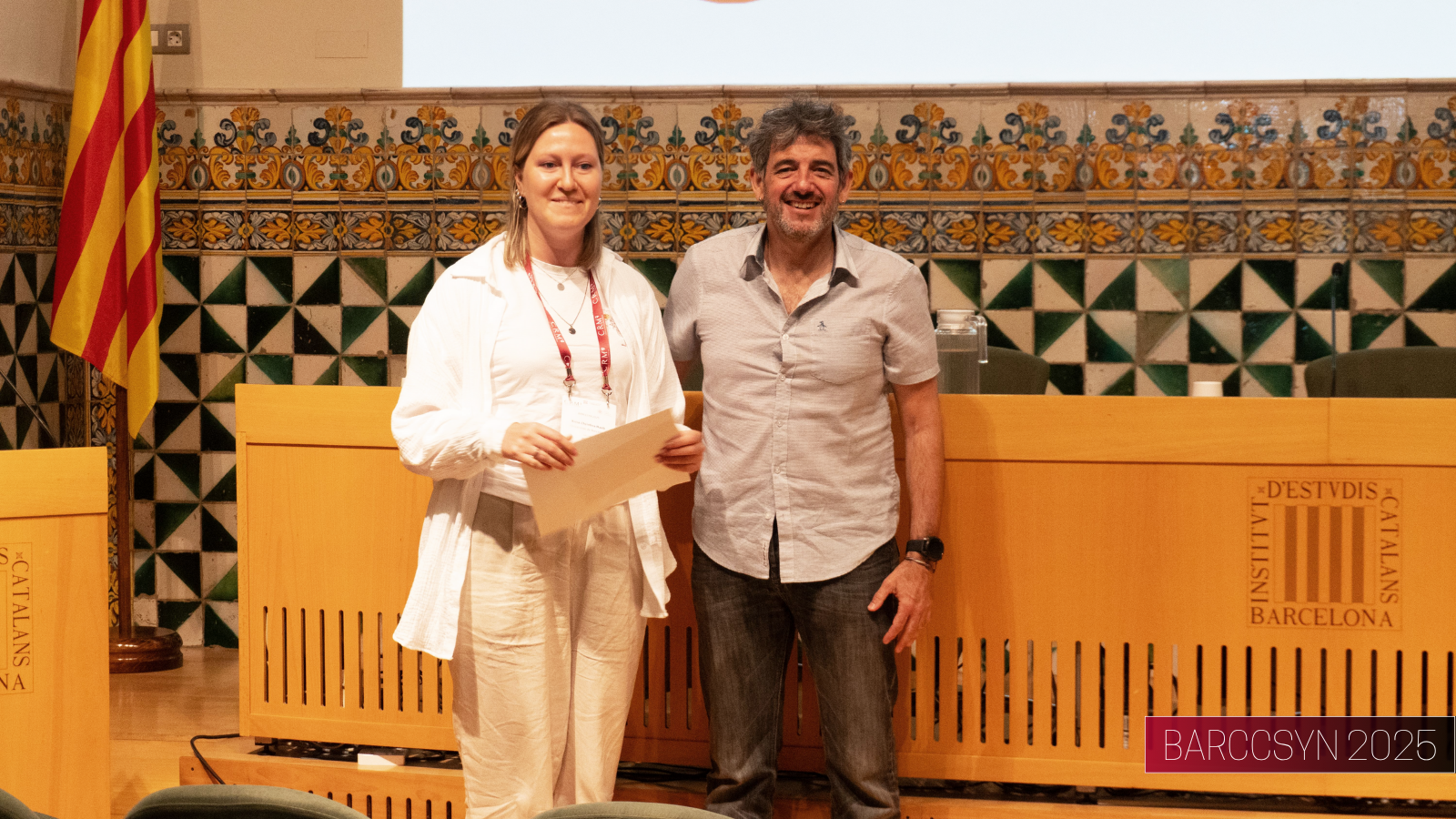
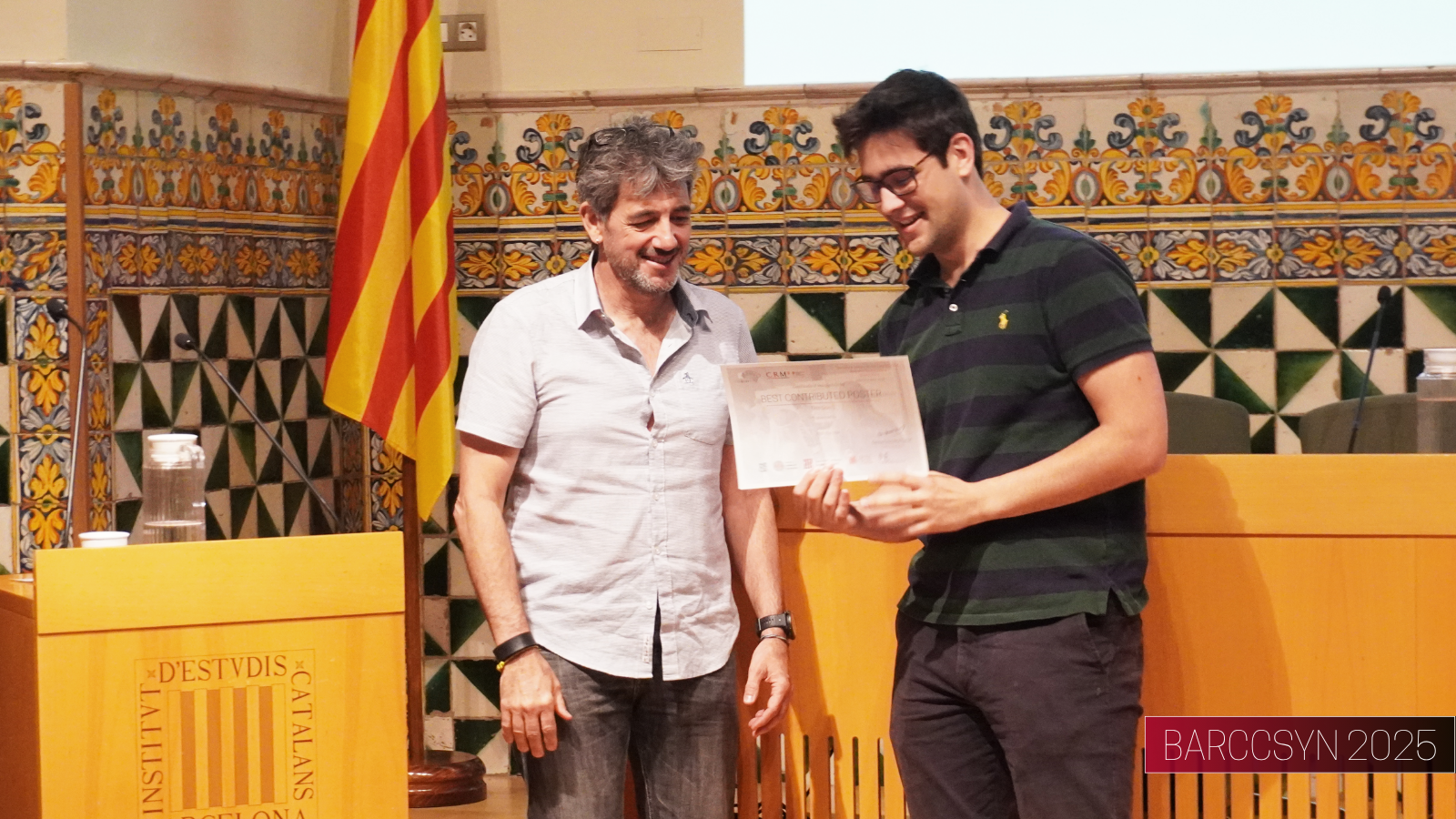
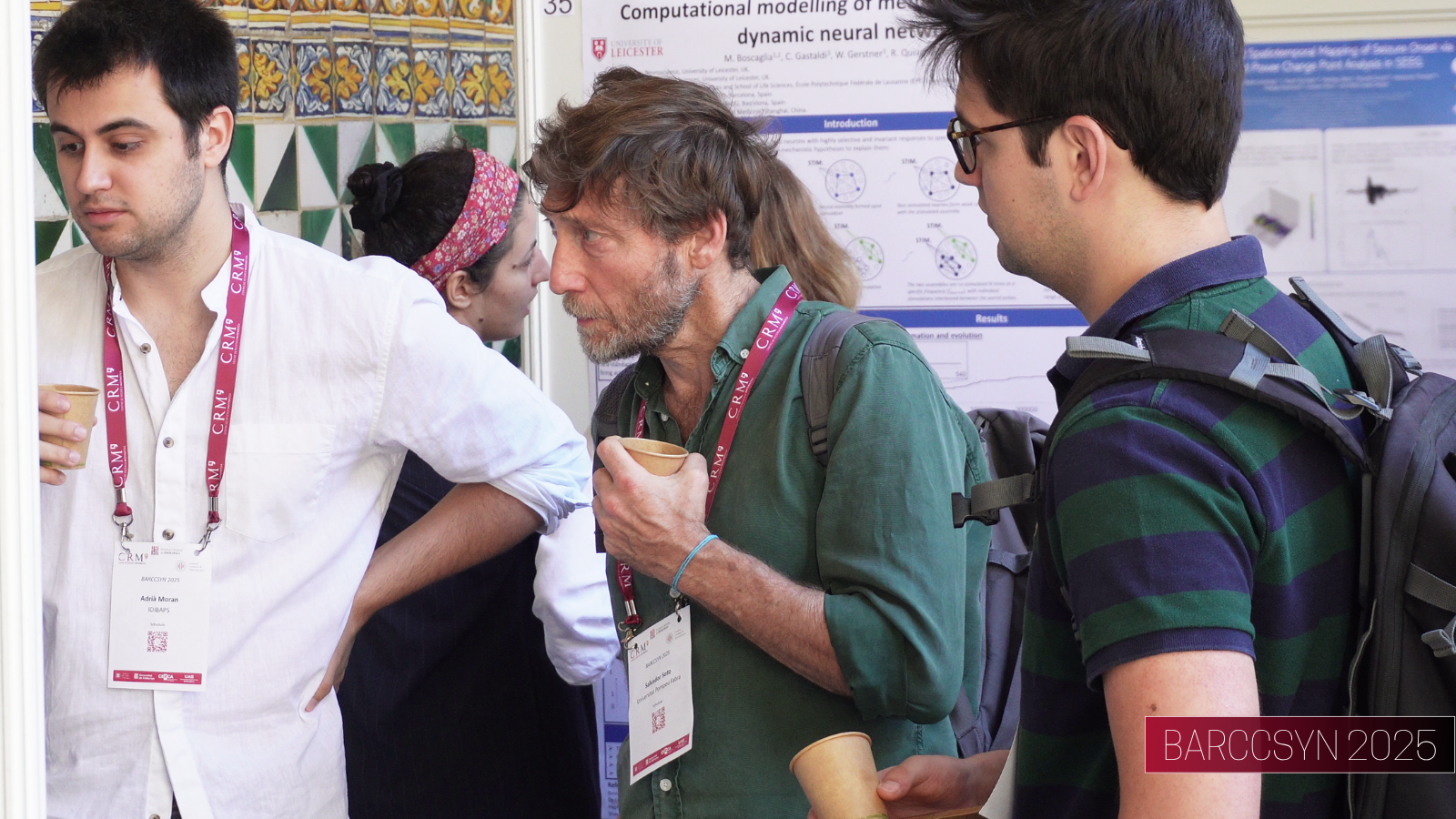
The poster sessions, a central feature of the programme, took place in two blocks each day. Two lively “poster blitz” sessions allowed presenters to pitch their research in under two minutes, a format that encouraged visibility and quick exchange of ideas. These sessions created space for meaningful interaction among early-career researchers and senior scientists alike. The conference closed with a short final session and the presentation of awards for the best posters and contributed talks.
With twelve editions now complete, BARCCSYN has earned its place as a cornerstone of Barcelona’s scientific landscape.


|
|
CRM CommPau Varela
|

When the reward comes within reach, the brain changes what it compares
As the tokens piled up, choices got faster and more accurate at the same time. The yardstick for judging each offer had moved.CRM CommPau VarelaCRMComm@crm.catGet the latest CRM news and activities in your inbox.Recent newsletters →Two subjects...

Almost every automaton can be reset with a short word
Guillaume Chapuy (Université Paris Cité, CNRS) and Guillem Perarnau (UPC, CRM) have shown that a random finite automaton with n states can, with high probability, be reset by a word of length of order √n log n. The result, published in ACM Transactions on Algorithms, pins the exponent at 1/2, the lower end of a decade of numerical estimates, and addresses the random version of the synchronization problem behind a conjecture Ján Černý posed in 1964 and which still remains open.
Exposició ‘Les matemàtiques de Gaudí’
CRM quod erat demonstrandum | 48

ADA: Decoding Brain Signals Misaligned in Time
The study addresses a key limitation of current brain decoding techniques: the difficulty of interpreting internal mental processes whose temporal dynamics vary from trial to trial.Decoding what is happening in a person’s mind from their brain activity is one of the...
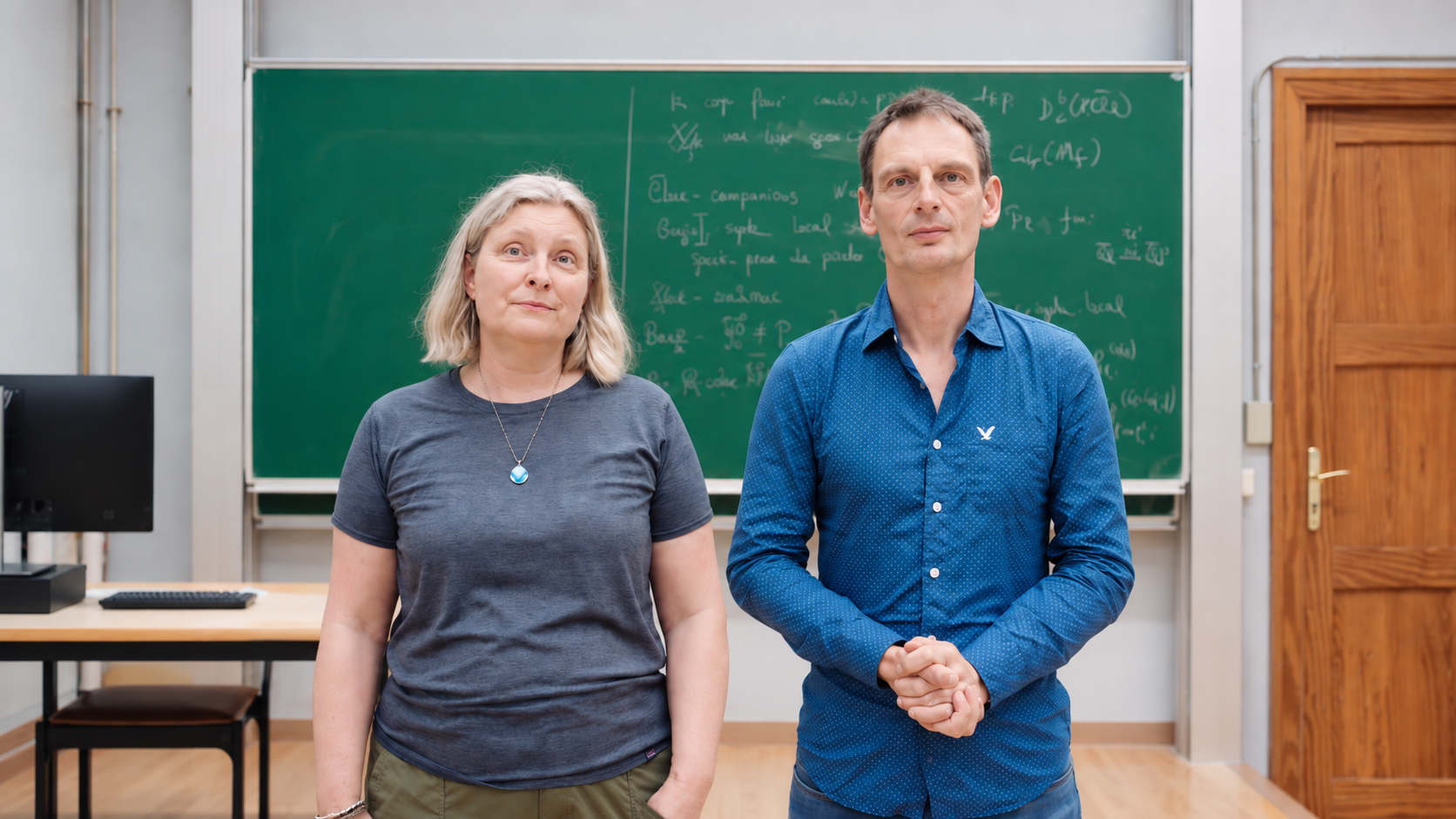
Rare curves, many points: Christophe Ritzenthaler and Rachel Pries on their research and the work around it
Christophe Ritzenthaler (Université de Rennes) and Rachel Pries (Colorado State University) both work on curves over finite fields: he hunts curves with as many points as possible, she hunts curves that almost never occur. In conversation with the CRM during their...

Call open for the 2027 Ferran Sunyer i Balaguer Prize
The Ferran Sunyer i Balaguer Foundation is accepting submissions for its 2027 prize, which awards 15,000 euros and publication in Birkhäuser's Progress in Mathematics series to an expository monograph on an active area of mathematical research. The deadline is 27...
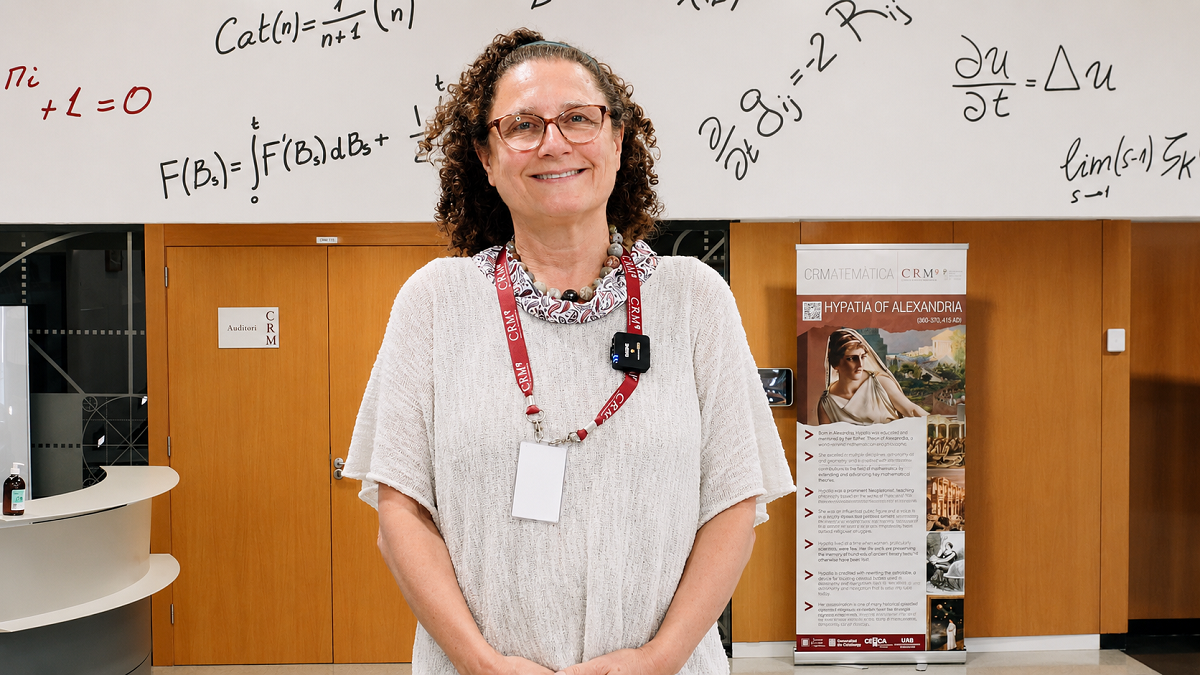
Susanna Terracini delivers the CRM Colloquium 2026
Susanna Terracini (Università di Torino) delivered the CRM Colloquium 2026 on 14 July, presenting a rigidity result for Kepler billiards obtained with Stefano Baranzini, Vivina Barutello and Irene De Blasi. She was at the centre as a member of the CRM Scientific...
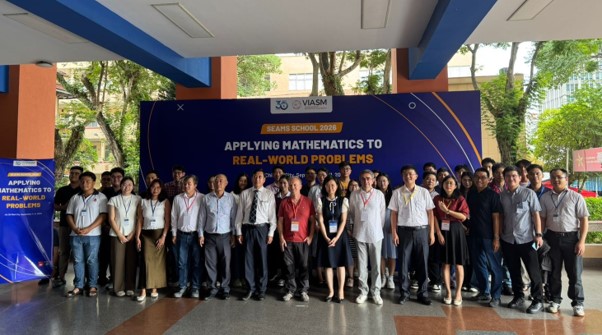
Ho Chi Minh City hosts the SEAMS School on applying mathematics to real-world problems
Students from across the region took courses and worked on group projects at a school co-organised by CRM researcher Tim Myers.CRM CommPau VarelaCRMComm@crm.catGet the latest CRM news and activities in your inbox.Recent newsletters →Between 4 and...

A single ball on a fixed table can compute: Eva Miranda and Isaac Ramos prove that two-dimensional billiards are Turing complete
Eva Miranda (UPC, CRM) and Isaac Ramos (ETH Zürich) show that a point particle bouncing inside a planar table with fixed walls can simulate a universal Turing machine, settling a question Cristopher Moore left open in 1990. The result grew out of a master’s project...
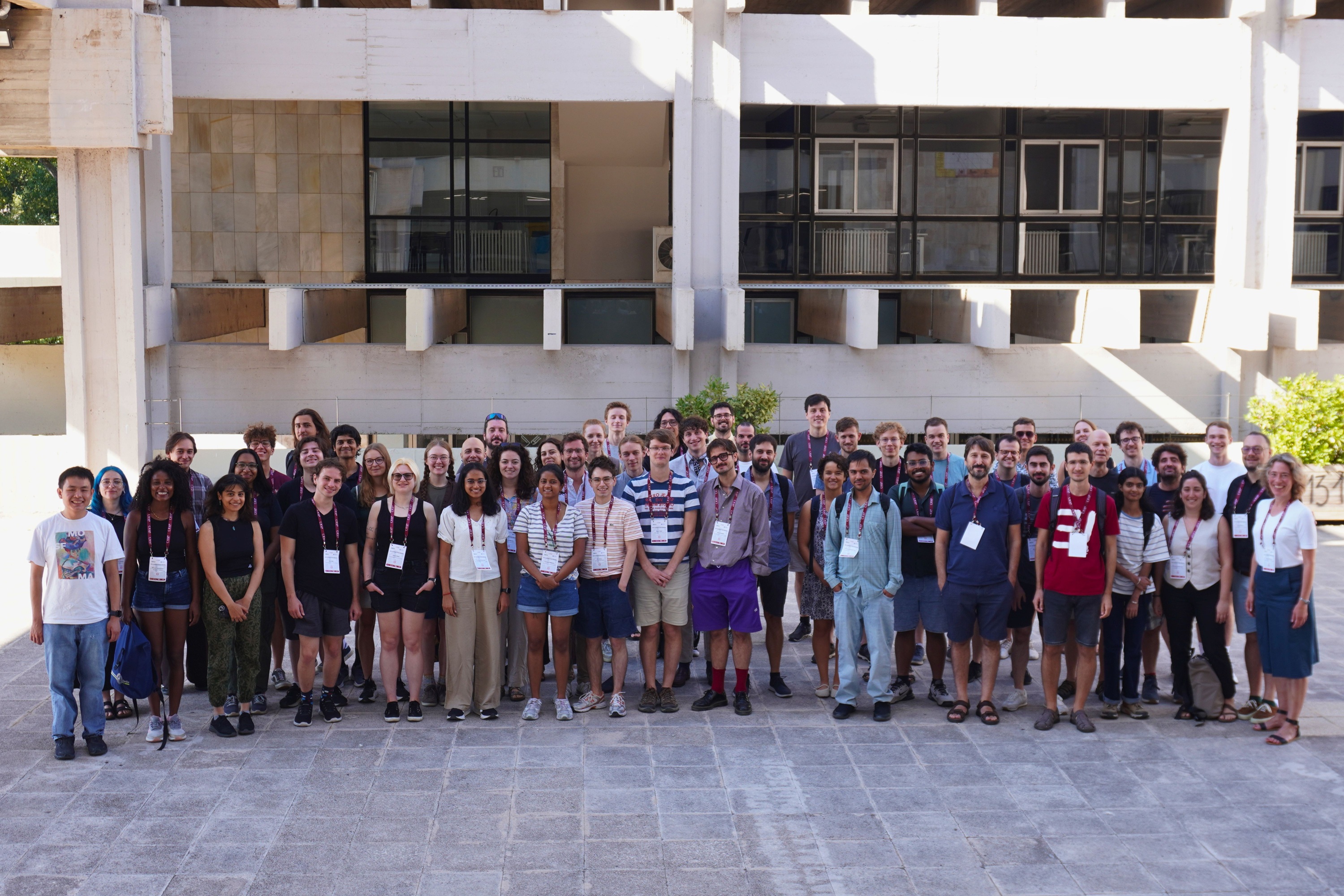
BMS-BGSMath Junior Meeting 2026: Barcelona and Berlin Strengthen Scientific Ties
From 2 to 4 September 2026, the Centre de Recerca Matemàtica (CRM) hosted the BMS-BGSMath Junior Meeting 2026, a three-day event jointly organised by the Berlin Mathematical School (BMS) and the Barcelona Graduate School of Mathematics (BGSMath), with the Centre de...
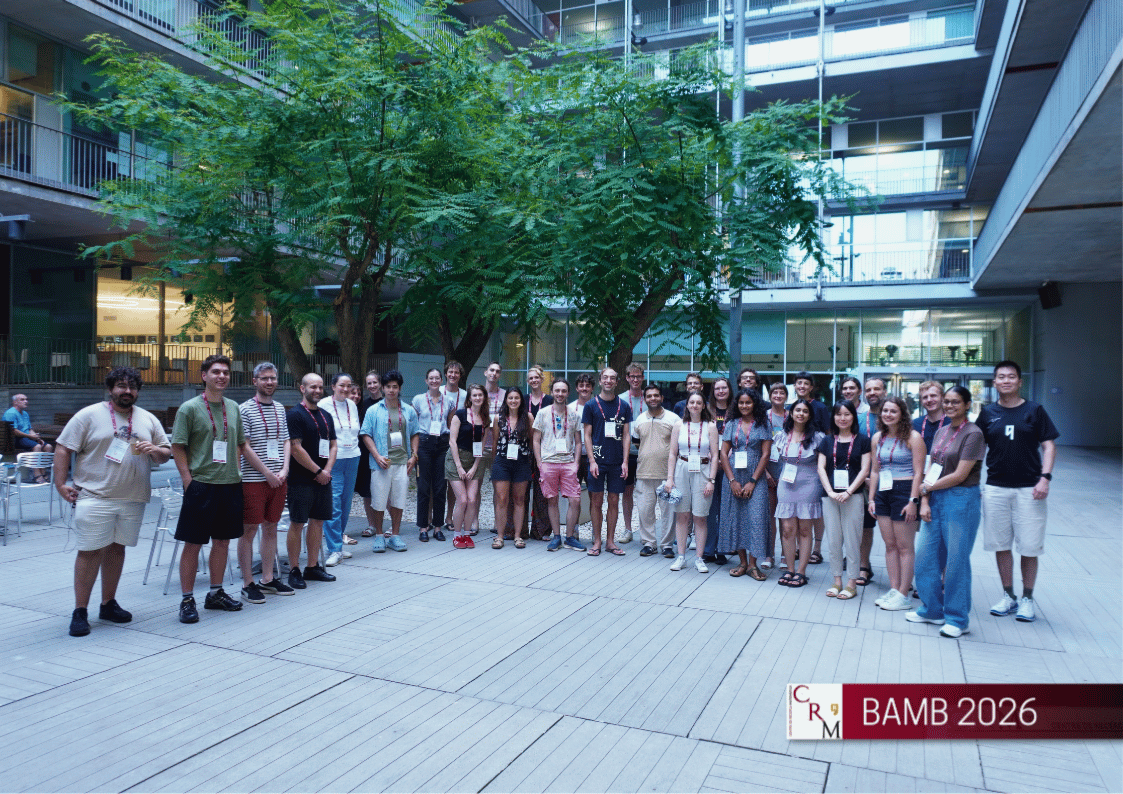
The CRM organises the 2026 Barcelona Summer School for Advanced Modeling of Behavior
The Centre de Recerca Matemàtica held the sixth edition of BAMB!, the Barcelona Summer School for Advanced Modeling of Behavior, from 12 to 23 July 2026 at the Parc de Recerca Biomèdica de Barcelona. Thirty early-career researchers from fourteen countries followed...