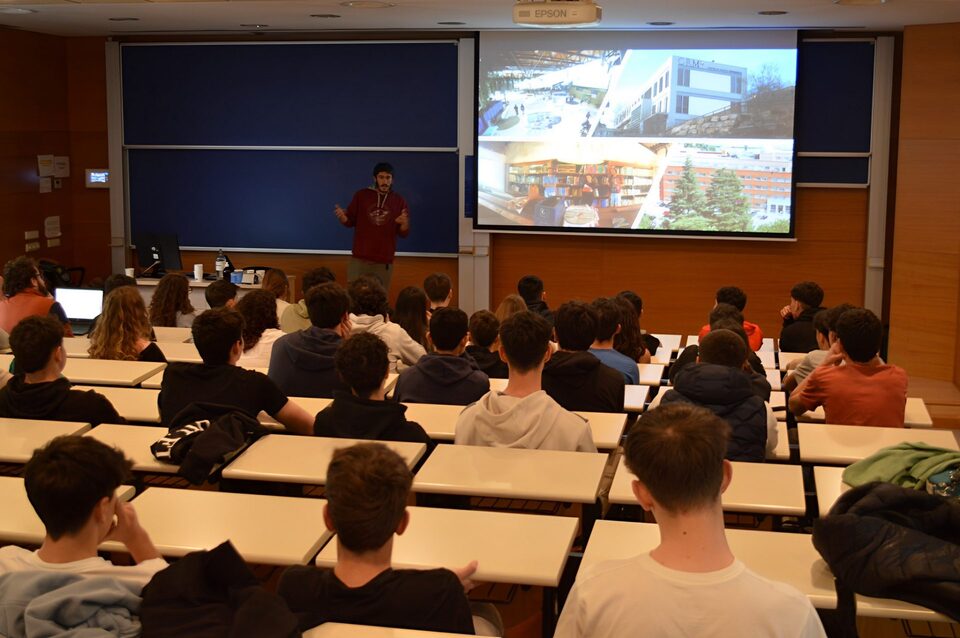
Més de cinquanta estudiants de l’Institut La Vall del Tenes de Barcelona van visitar el Centre de Recerca Matemàtica (CRM) el 21 de març, com a part de la seva participació en les proves Cangur. Durant la visita, els estudiants van poder conèixer de primera mà el món de la recerca científica a través de tres investigadors predoctorals del CRM, que van compartir els seus coneixements i experiències en camps tan diversos com la biologia matemàtica, neurociència i sistemes dinàmics.
El 21 de març, un grup de més de cinquanta estudiants de 4t d’ESO i primer de batxillerat de l’Institut La Vall del Tenes van visitar el Centre de Recerca Matemàtica (CRM). Aquesta activitat divulgativa va servir com a complement a la participació de l’alumnat en les proves Cangur, una competició que busca despertar l’interès per les matemàtiques entre els joves.
Les proves Cangur apleguen participants de tota Catalunya amb l’objectiu de fomentar el talent per aquesta disciplina entre els joves. Després de participar en les proves, els estudiants van tenir l’oportunitat de conèixer de primera mà el món de la recerca científica en el CRM a través de tres xerrades a càrrec d’investigadors predoctorals del centre, que van compartir els seus coneixements i experiències en diferents camps de la matemàtica.
El primer a parlar amb els estudiants va ser Juan Arellano, doctorant del grup de recerca en biologia matemàtica i computacional. Juan va compartir va explicar el seu camí com a estudiant Física a la Universidad Complutense de Madrid, per després especialitzar-se en modelització matemàtica en biologia durant el seu màster a Granada. Va parlar, també, de la seva recerca al CRM, on des del setembre de 2022 desenvolupa el seu projecte de doctorat investigant el creixement dels tumors sota la supervisió de Tomás Alarcón i Daria Stepanova. Finalment, també va compartir alguns aspectes del seu dia a dia.
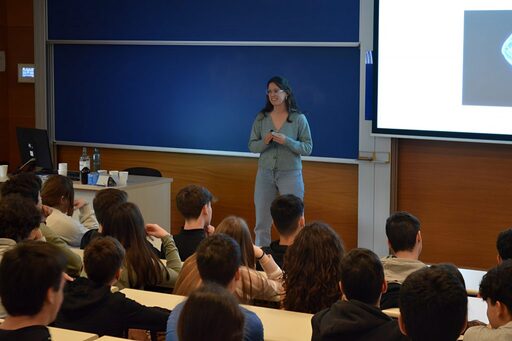
Tot seguit va ser el torn de Lucía Arancibia, doctoranda del grup de recerca en neurociència. La Lucía va estudiar enginyeria biomèdica a la Universidad Politécnica de Madrid. Després d’obtenir el seu màster en enginyeria biomèdica de l’Imperial College de Londres, Lucía es va incorporar al CRM per treballar sota la supervisió de Klaus Wimmer. La Lucía va explicar com el cervell rep i interpreta els estímuls sensorials, i com els investigadors modelitzen l’activitat de les neurones.
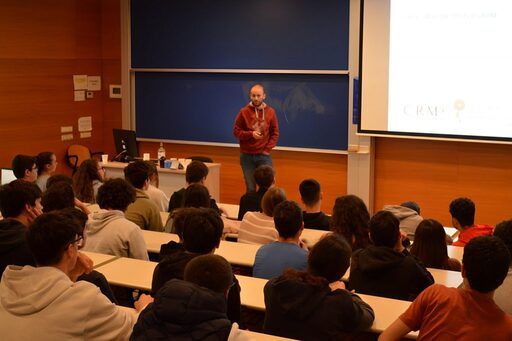
Finalment, va parlar Dídac Gil, del grup de recerca en sistemes dinàmics del CRM. Amb una formació en matemàtiques per la Universitat Autònoma de Barcelona i un màster en matemàtiques avançades per la Universitat Politècnica de Catalunya, en Dídac treballa en la separació exponencialment petita de les separatrius del mapa semiestàndard, sota la supervisió de Inmaculada Baldomà i Pau Martín.
Una finestra a la diversitat de la recerca matemàtica
Totes tres xerrades van servir per visibilitzar la varietat de camps i temàtiques de la recerca que es realitza al CRM, des de les matemàtiques més fonamentals fins a aplicacions tan diverses com l’estudi de la memòria i el comportament, o la modelització de tumors cancerosos i l’estudi de l’ADN. Aquesta visita va ser una oportunitat per als alumnes que es troben davant la decisió sobre cap a on encarar el seu futur acadèmic per conèixer tot el que poden oferir les matemàtiques com a carrera de futur, més enllà dels llibres de text.
A través de compartir les seves experiències personals, en Juan, en Dídac i la Lucía va oferir una visió més propera i humana de com és la vida dels investigadors que duen a terme la seva recerca a un centre de matemàtiques com el CRM. El camí cap a la carrera científica pot ser tan divers i ric com les mateixes àrees de recerca.
Subscribe for more CRM News
|
|
CRM CommPau Varela & Mariona Fucho
|

Call open for the 2027 Ferran Sunyer i Balaguer Prize
The Ferran Sunyer i Balaguer Foundation is accepting submissions for its 2027 prize, which awards 15,000 euros and publication in Birkhäuser's Progress in Mathematics series to an expository monograph on an active area of mathematical research. The deadline is 27...
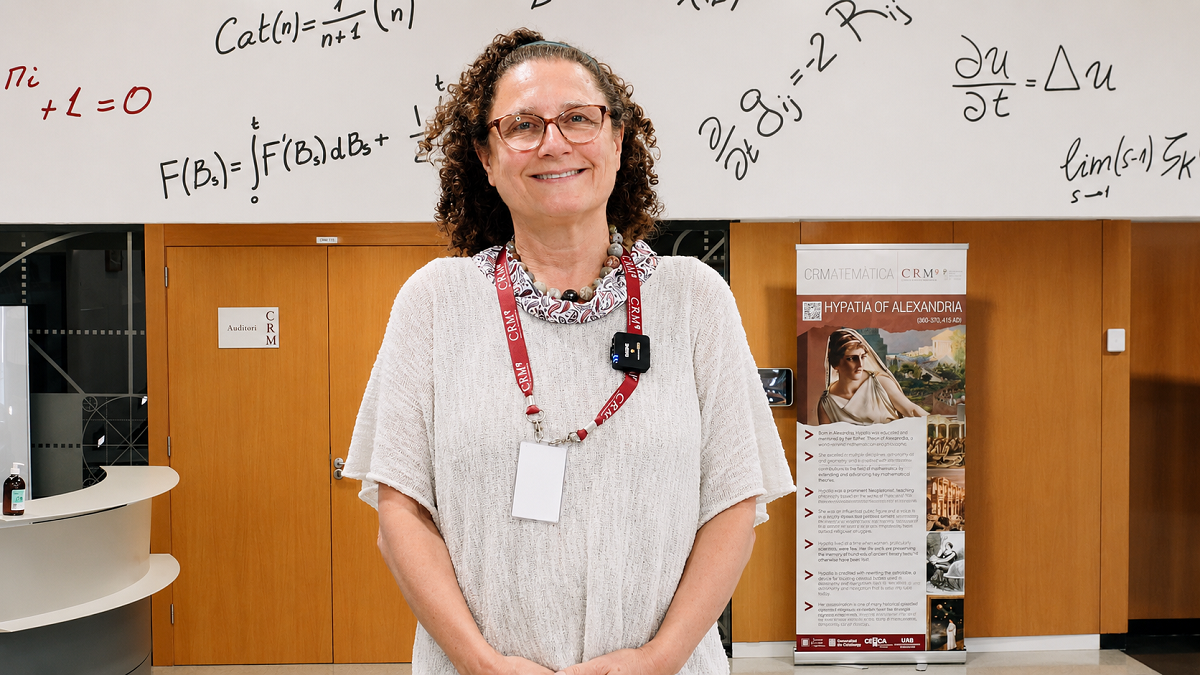
Susanna Terracini delivers the CRM Colloquium 2026
Susanna Terracini (Università di Torino) delivered the CRM Colloquium 2026 on 14 July, presenting a rigidity result for Kepler billiards obtained with Stefano Baranzini, Vivina Barutello and Irene De Blasi. She was at the centre as a member of the CRM Scientific...
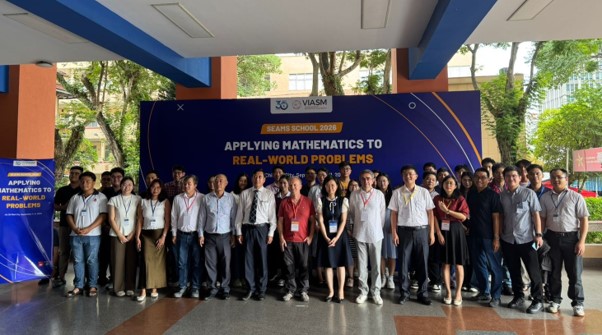
Ho Chi Minh City hosts the first SEAMS School on applying mathematics to real-world problems
More than fifty students from six countries spent a week at the University of Science, VNU-HCM, learning how mathematics gets used outside a mathematics department. CRM researcher Tim Myers co-organised the school and lectured on moving boundary problems. The...

A single ball on a fixed table can compute: Eva Miranda and Isaac Ramos prove that two-dimensional billiards are Turing complete
Eva Miranda (UPC, CRM) and Isaac Ramos (ETH Zürich) show that a point particle bouncing inside a planar table with fixed walls can simulate a universal Turing machine, settling a question Cristopher Moore left open in 1990. The result grew out of a master’s project...
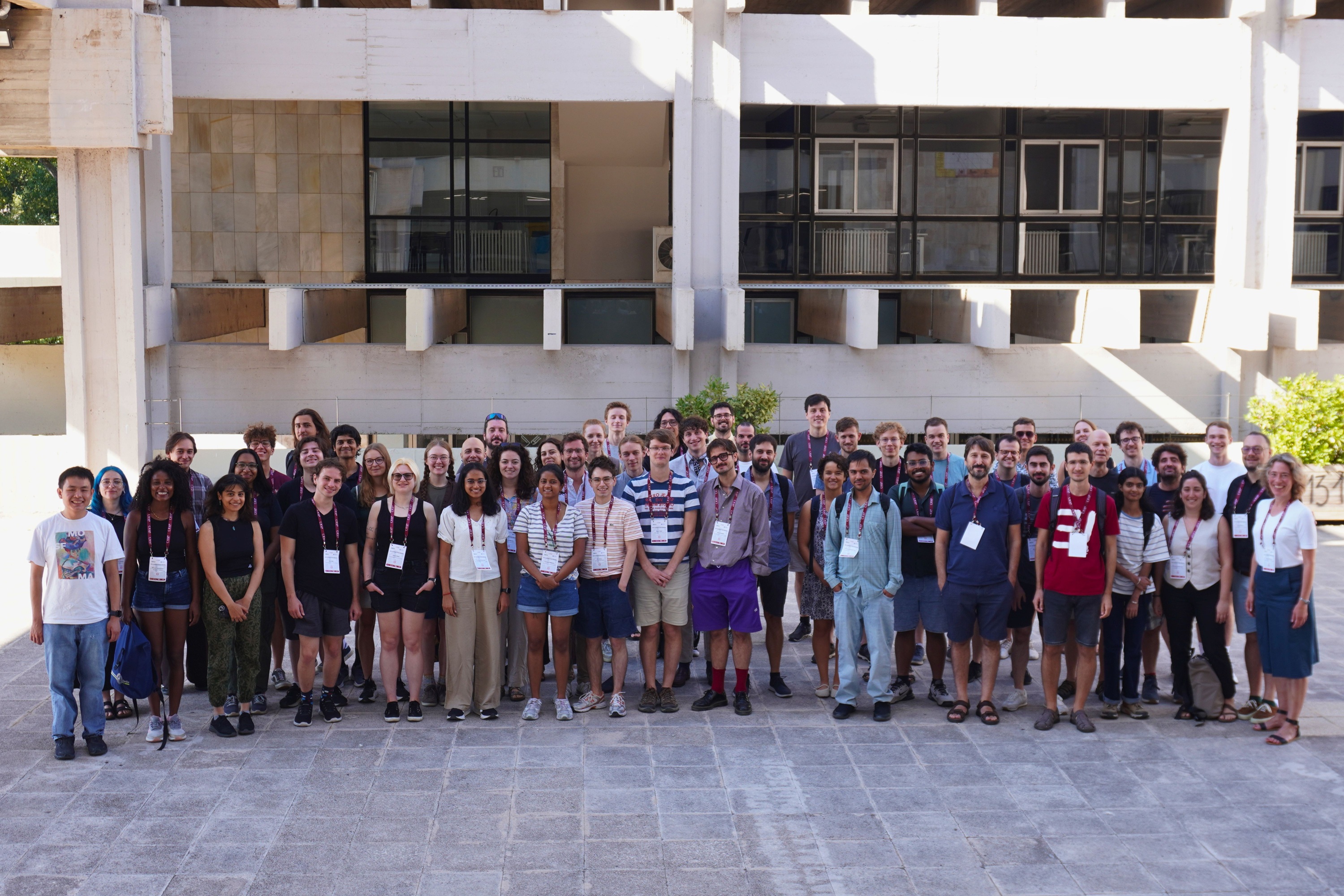
BMS-BGSMath Junior Meeting 2026: Barcelona and Berlin Strengthen Scientific Ties
From 2 to 4 September 2026, the Centre de Recerca Matemàtica (CRM) hosted the BMS-BGSMath Junior Meeting 2026, a three-day event jointly organised by the Berlin Mathematical School (BMS) and the Barcelona Graduate School of Mathematics (BGSMath), with the Centre de...
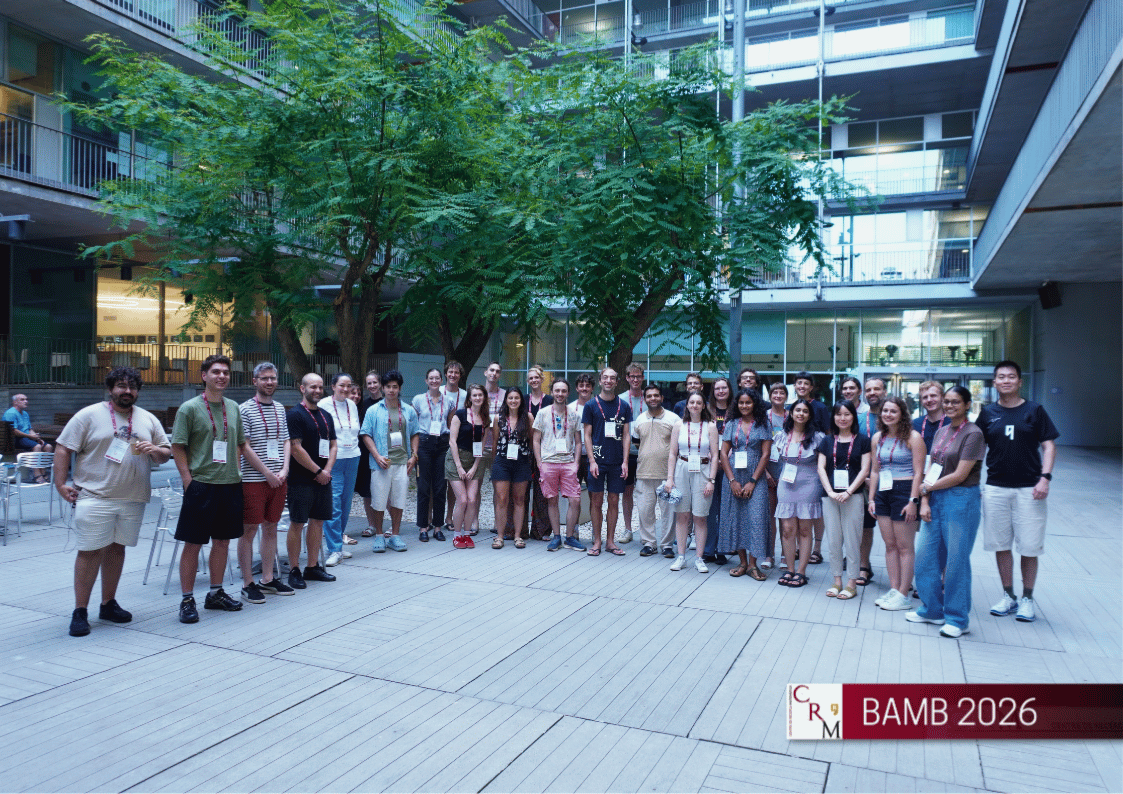
The CRM organises the 2026 Barcelona Summer School for Advanced Modeling of Behavior
The Centre de Recerca Matemàtica held the sixth edition of BAMB!, the Barcelona Summer School for Advanced Modeling of Behavior, from 12 to 23 July 2026 at the Parc de Recerca Biomèdica de Barcelona. Thirty early-career researchers from fourteen countries followed...
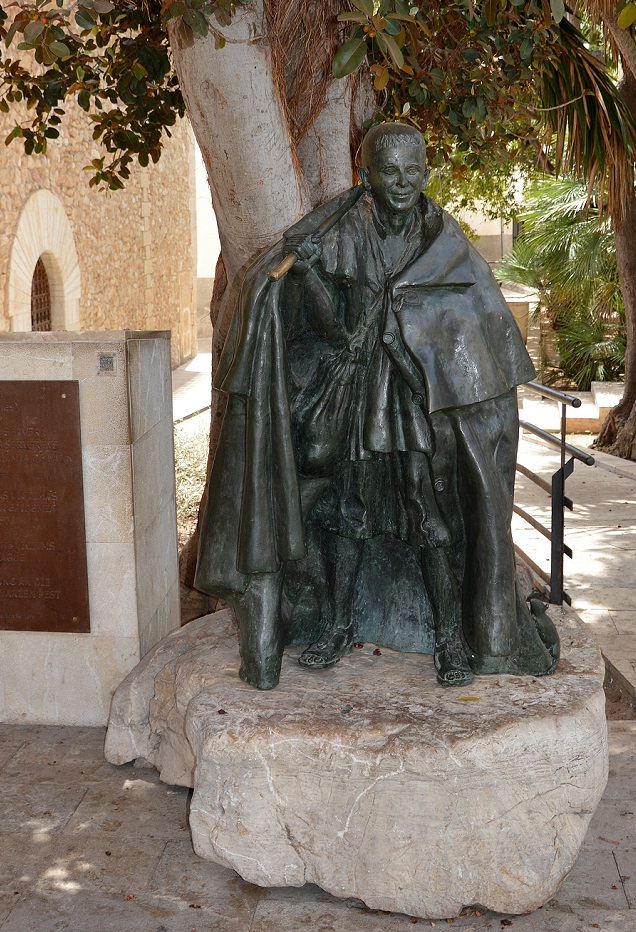
Mallorca’s 1820 plague did not behave like a classic bubonic outbreak, study finds
A study in PNAS by Pere Puig (UAB, CRM) and Joana Maria Pujadas-Mora (UOC, ICREA) reports what happens when the daily health records kept in Son Servera and Capdepera during the 1820 outbreak are analysed with a Bayesian epidemiological model: an unusually short...
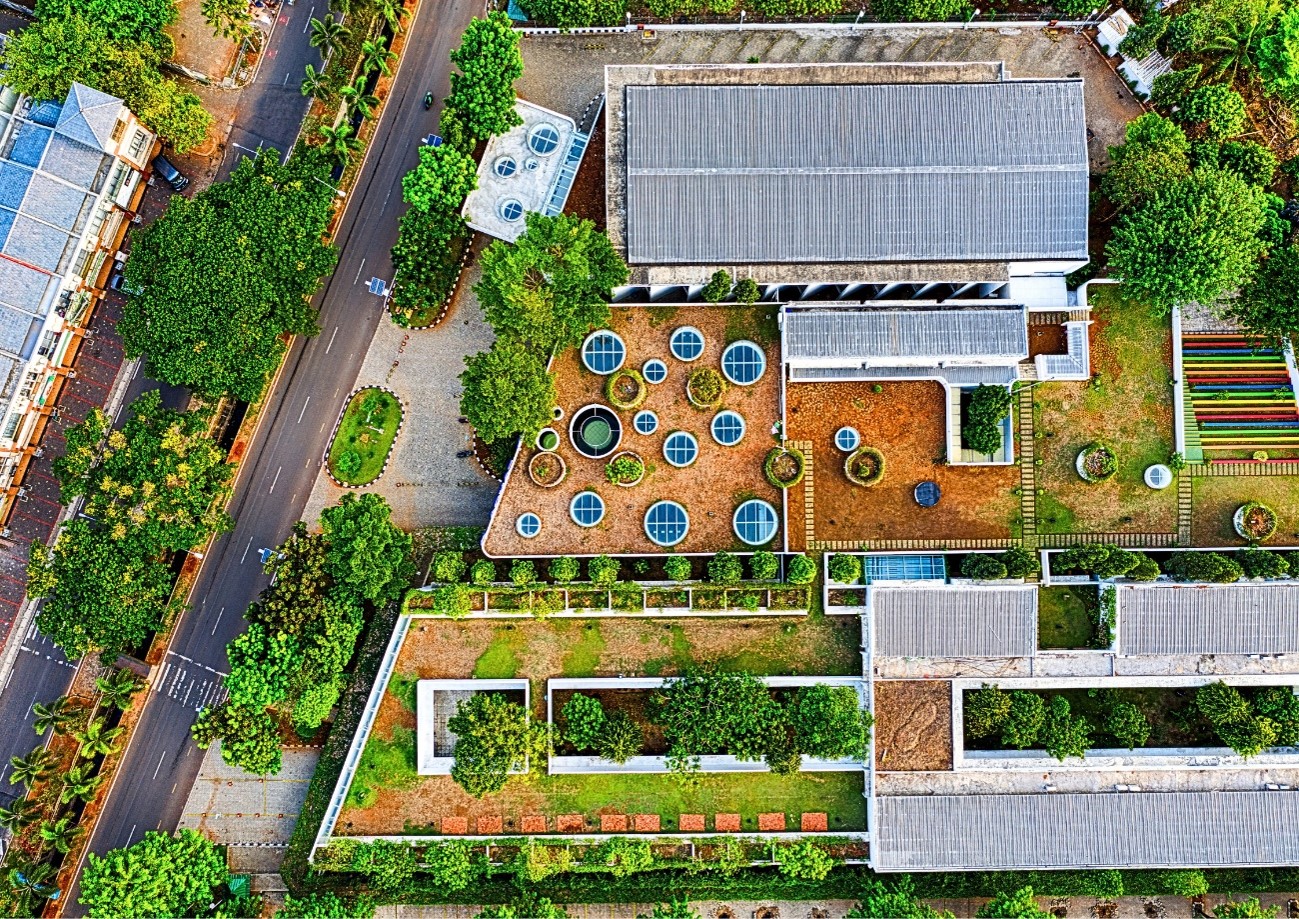
A recent study quantifies the vegetable production potential of Barcelona’s rooftops
A study published in Cities by researchers at ICTA-UAB, with collaboration from the CRM's Knowledge Transfer Unit, estimates that 65 hectares of municipal rooftop could supply 31% of the tomatoes consumed in Barcelona each year.Barcelona has 65 hectares of rooftop...
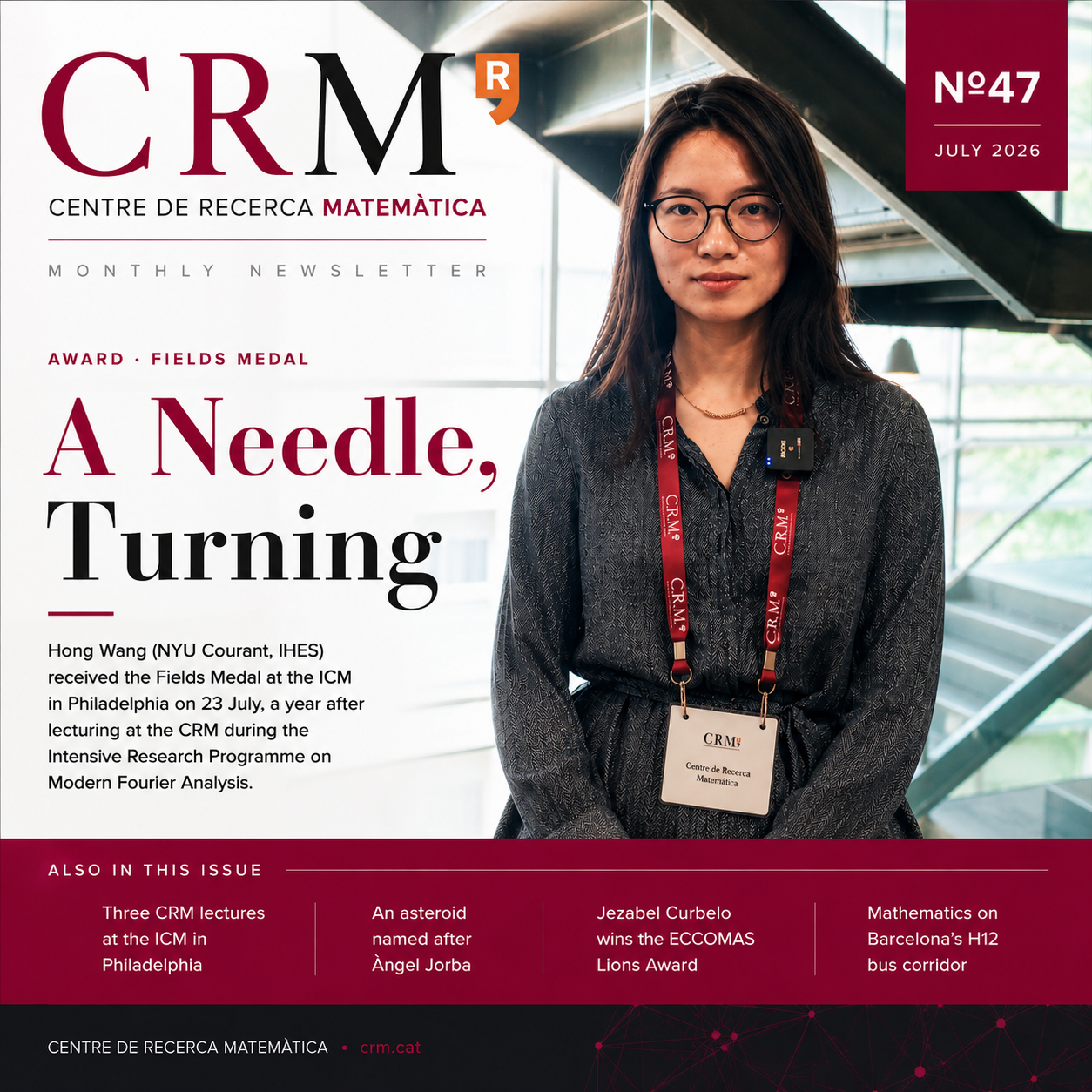
CRM July Newsletter
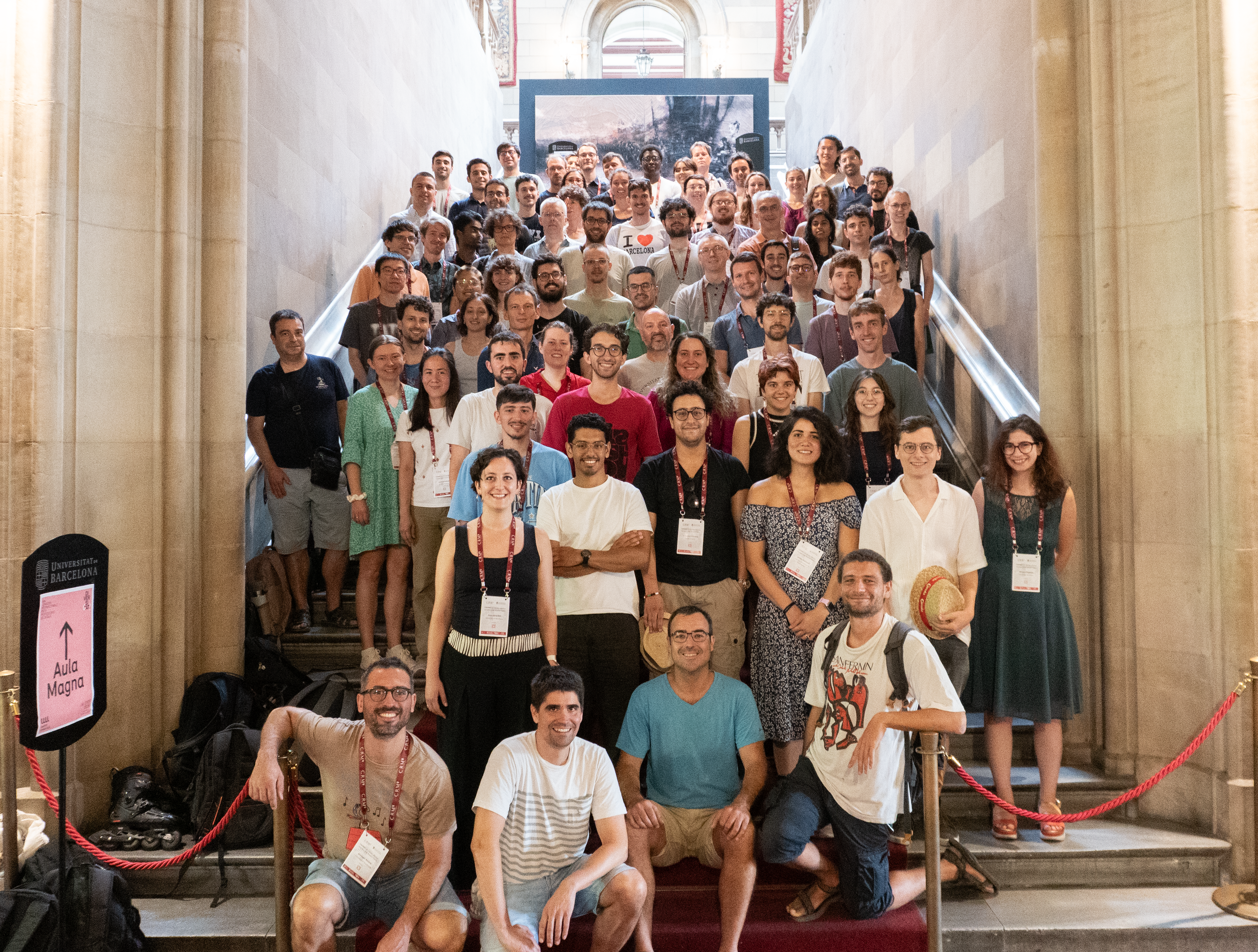
CAVARET 2 brings together 83 researchers on curves and abelian varieties at the Universitat de Barcelona
The second edition of CAVARET, "Curves, Abelian VArieties and RElated Topics", took place at the Faculty of Mathematics and Computer Science of the Universitat de Barcelona from 13 to 17 July 2026. Sixteen invited lectures and ten posters brought together 83...
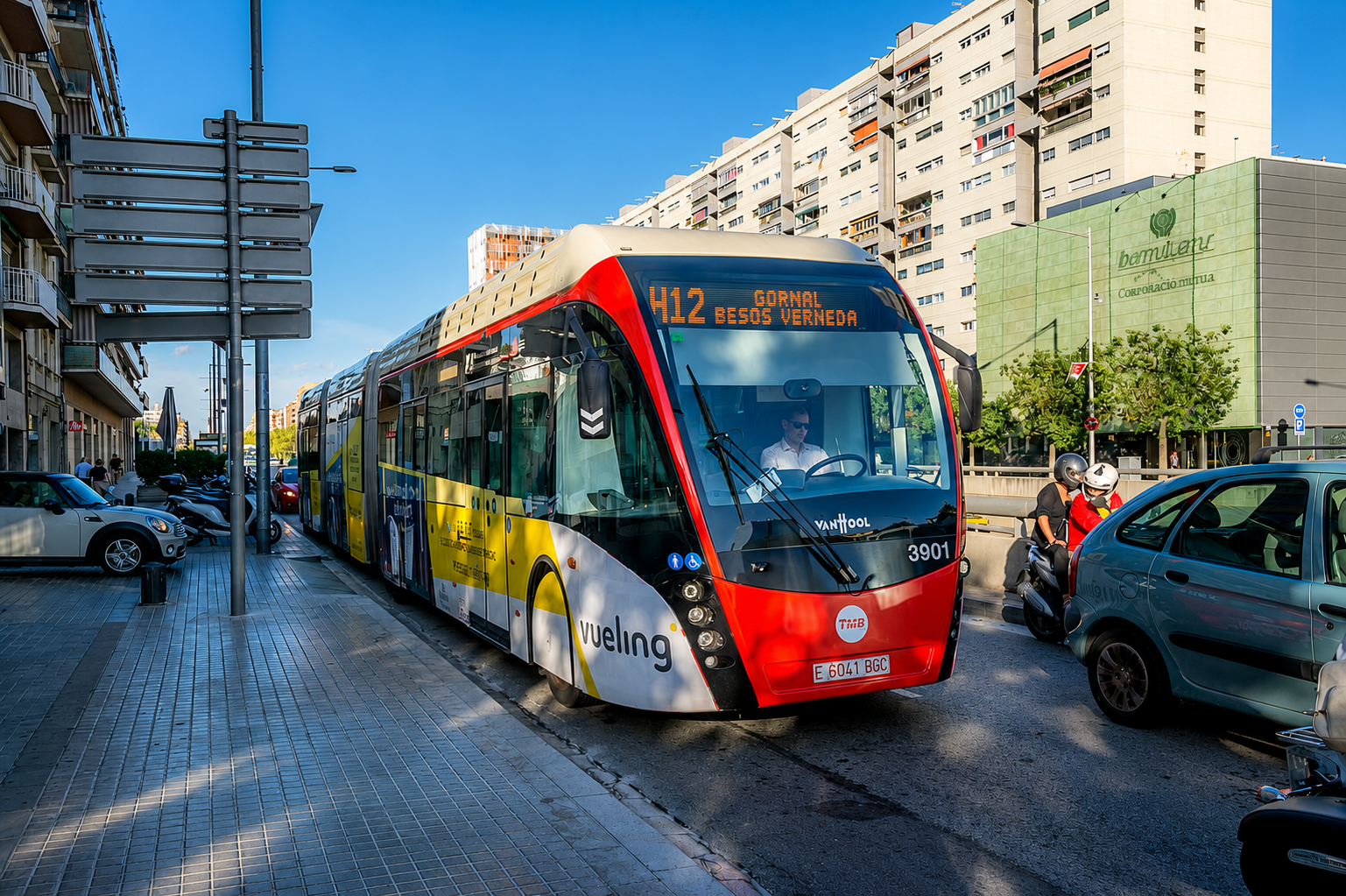
Mathematics on board: CRM’s demand forecasting model enters service on Barcelona’s H12 corridor
The H12 has run along Gran Via for years. What TMB switched on in July is the set of upgrades designed for it inside eBRT2030, a Horizon Europe project testing electric Bus Rapid Transit in six European cities. Behind it, forecasting passenger demand at every stop...
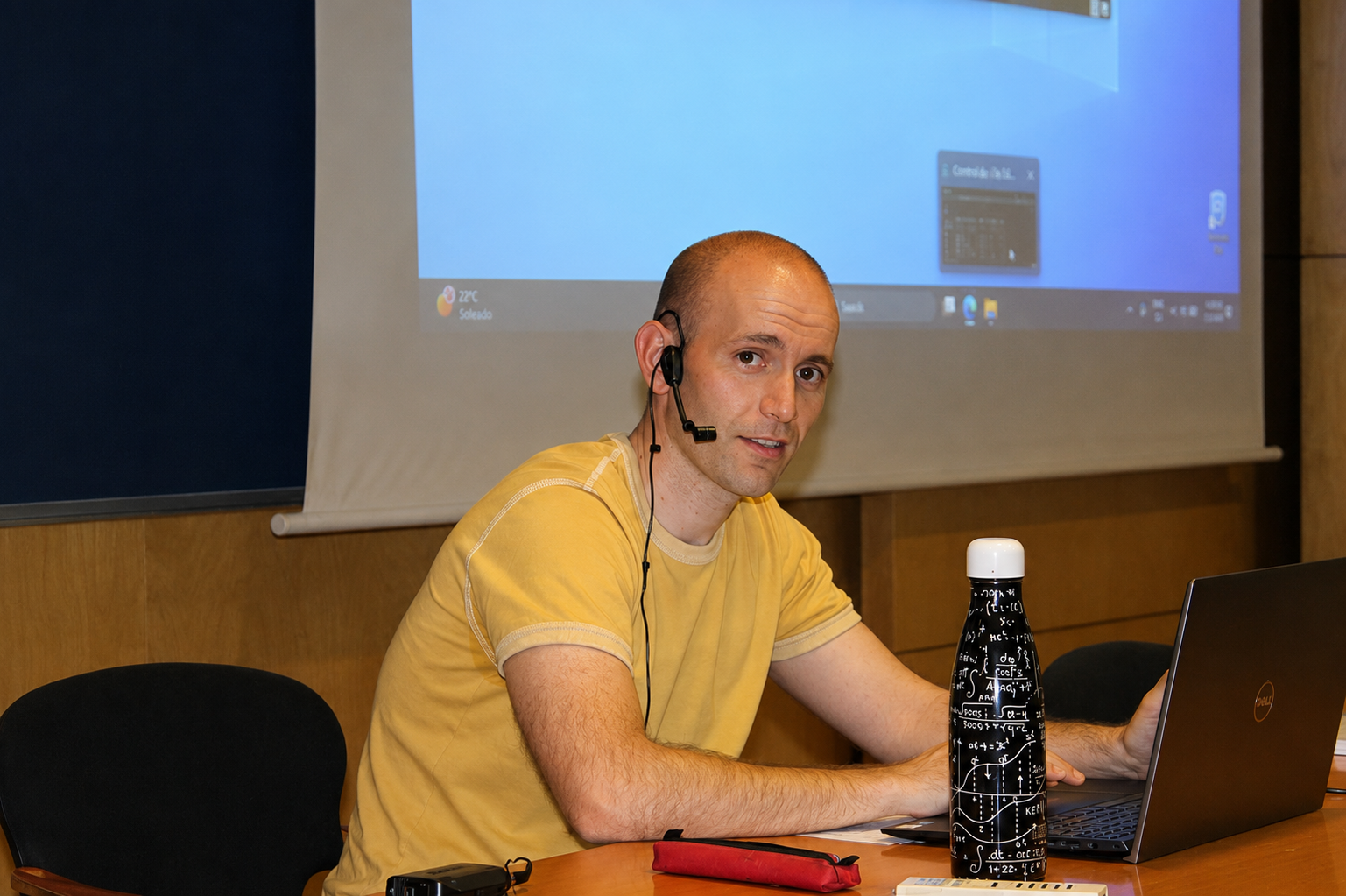
Dídac Gil Rams defends his doctoral thesis on the splitting of separatrices in generalized standard maps
Supervised by Inmaculada Baldomá and Pau Martín, the thesis proves the existence of chaotic dynamics in a broad family of area-preserving maps and combines classical analysis with computer-assisted proof. The defence took place on 3 July 2026 at the FME (UPC).Dídac...