

L’esdeveniment va tenir lloc a Barcelona el 10 i 11 de juny i va incloure més de 170 activitats de divulgació científica de tots els àmbits.
La 16a Festa de la Ciència es va celebrar aquest any a la Rambla de Prim de Barcelona, aplegant a prop de 16.000 visitants. Entre totes les activitats organitzades durant els dos dies, que incloïen espectacles, xarrades, experiments, jocs i debats, el CRM va participar-hi amb dos tallers per a públics de totes les edats.
El dissabte a la tarda en Dani Ramos i en Pau Varela, de l’equip de comunicació i divulgació del CRM, va realitzar el taller Caos i fractals, on els participants van poder experimentar la complexitat i la impredictibilitat del caos, i la misteriosa relació que aquest té amb les fractals (formes geomètriques que es repeteixen a si mateixes). El taller comptava amb diversos mòduls pràctics que els participants van poder manipular per conèixer millor la naturalesa d’aquests i altres fenòmens misteriosos de les matemàtiques.
L’endemà diumenge, a l’espai Viure més i millor, una representació del grup de recerca en Neurociència computacional del CRM va dur a terme un taller sobre el funcionament físic del cervell. L’activitat, portada a cap conjuntament amb el Brain Circuits and Behavior Lab de IDIBAPS, va convidar els participants a explorar com funcionen els senyals nerviosos que ens permeten pensar i realitzar accions. L’activitat va comptar també amb una explicació sobre els models matemàtics creats per la neurociència per explicar i mesurar el comportament. Aquest taller en particular va ser tot un èxit entre el públic assistent i es va acabar allargant més enllà de l’horari previst per tota la gent interessada a saber-ne més.
En general, una experiència molt positiva poder tornar a participar en la Festa de la Ciència i veure l’interès creixent que aquests esdeveniments genera en cada nova edició. Moltes gràcies a tothom que es va acostar a veure i participar dels tallers del CRM, esperem tornar-vos a veure l’any vinent.

CRM Comm
Pau Varela
CRMComm@crm.cat
Subscribe for more CRM News
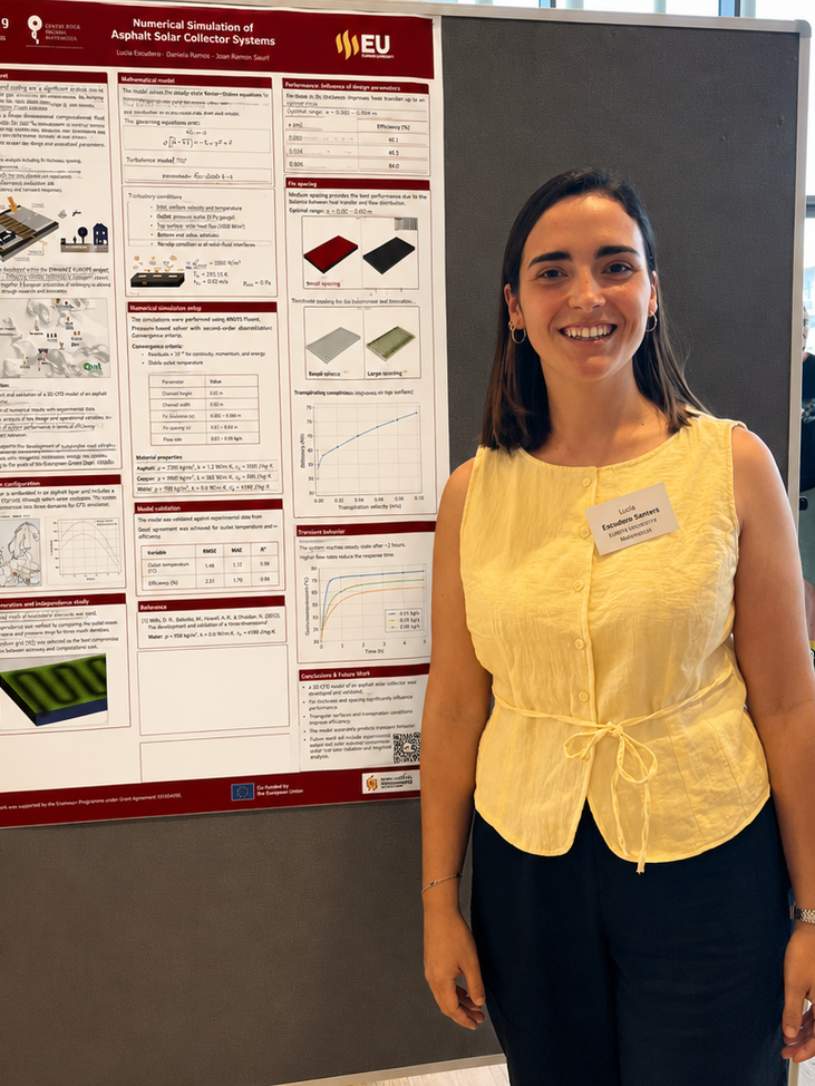
ENHANCE Poster Earns Honorable Mention at FEniCS 2026 in Paris
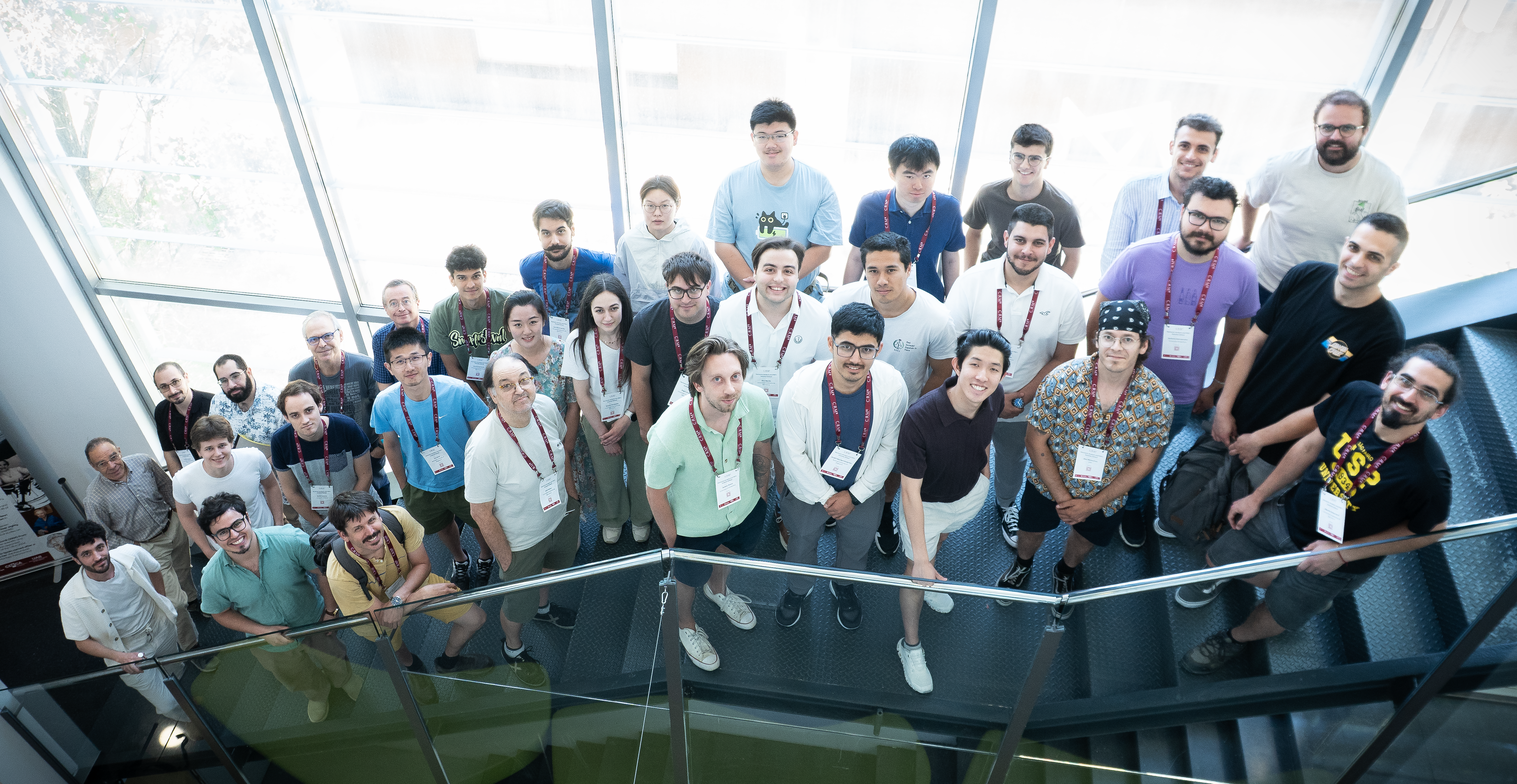
Harmonic Analysis and PDEs Summer School at the CRM
Four mini-courses, from incompressible fluids to the geometry of boundaries, around a shared body of technique. CRM Auditorium, 15 to 18 June 2026.A rotating blob of fluid that never settles into rest. The ragged edge of a region in the plane. A weighted inequality...

An extension to higher dimensions of Carleson’s ε² conjecture
A recent article by Ian Fleschler (Princeton University), Xavier Tolsa (UAB – ICREA – CRM) and Michele Villa (Ikerbasque and UPV/EHU), published in Inventiones Mathematicae, establishes a higher-dimensional version of the well-known ε² conjecture of Carleson, a...
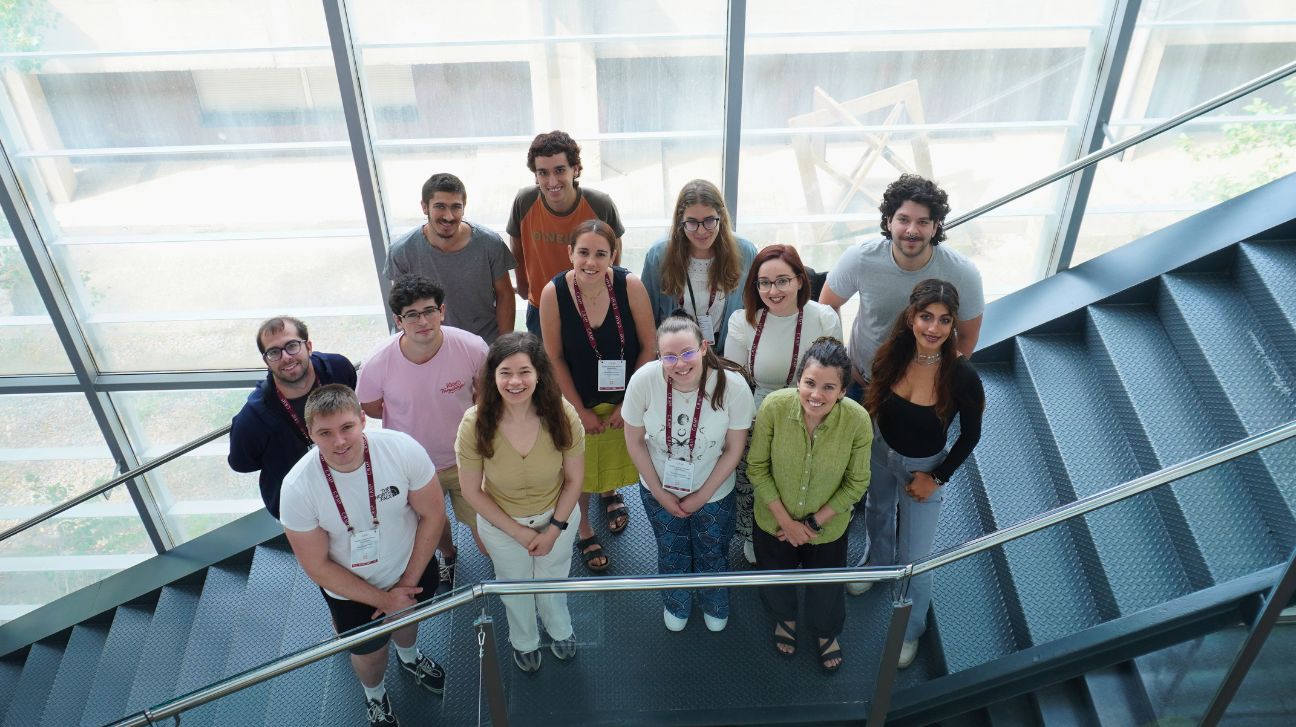
Hypatia 2026: Modelling Life, Sharing Ideas
From June 8 to 11, 2026, the Centre de Recerca Matemàtica (CRM) hosted a new edition of the Hypatia Graduate Summer School, a space for advanced training and scientific exchange for young researchers in mathematics and its applications. This year’s school revolved...
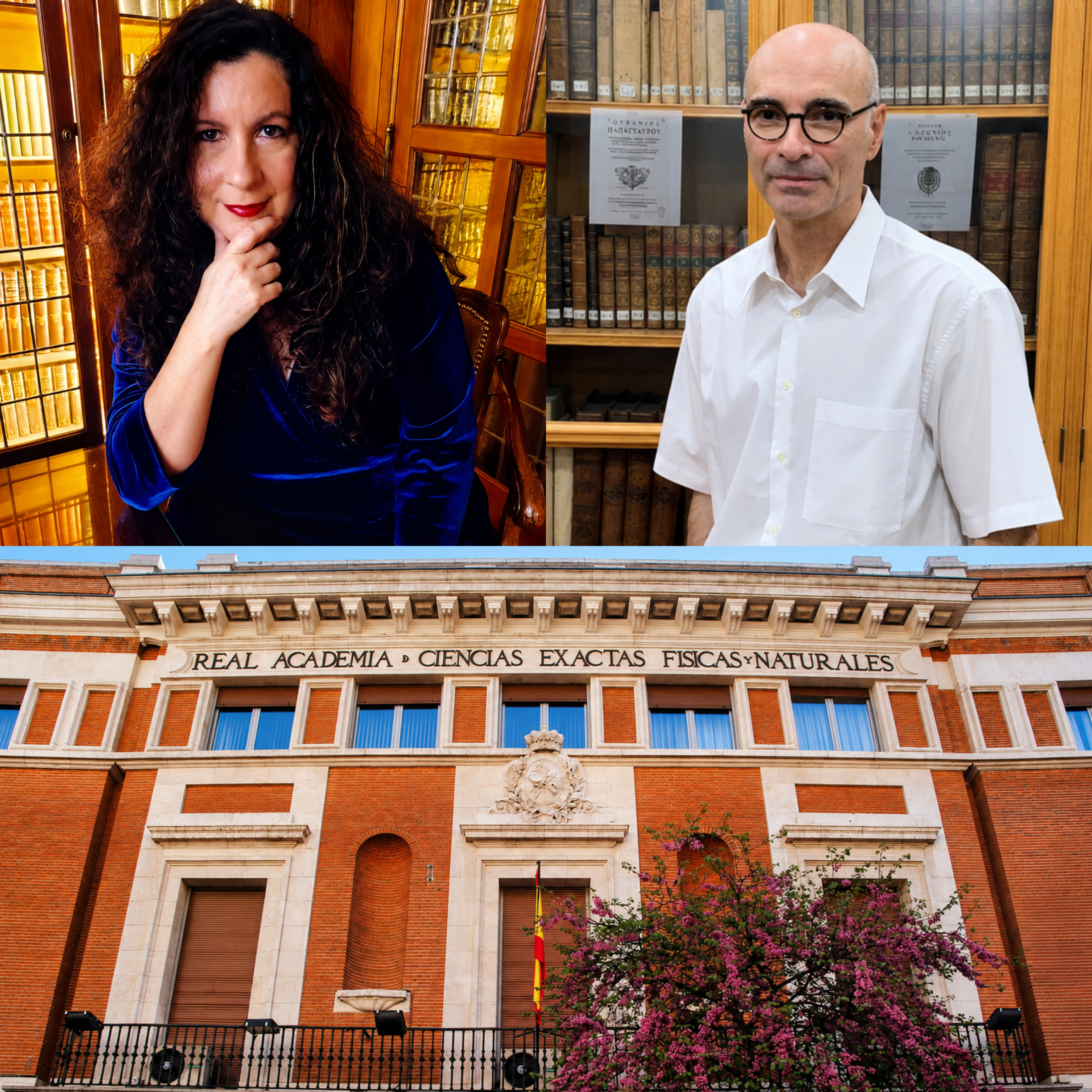
Eva Miranda and Xavier Tolsa elected to the Royal Academy of Sciences
Spain's Royal Academy of Sciences has elected two mathematicians from the CRM community to its Mathematics section within the space of a month.The plenary of Spain’s Royal Academy of Exact, Physical and Natural Sciences has elected Eva Miranda (UPC, CRM) a...
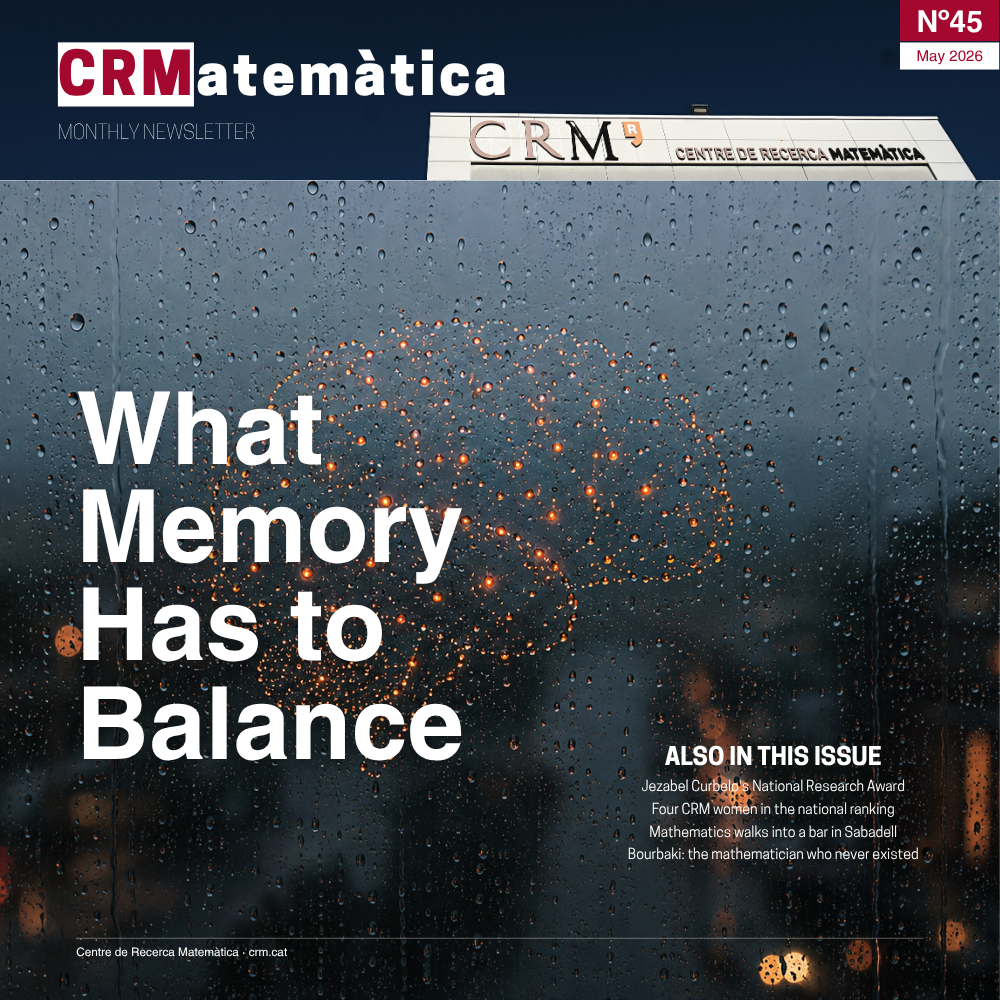
CRM May Newsletter
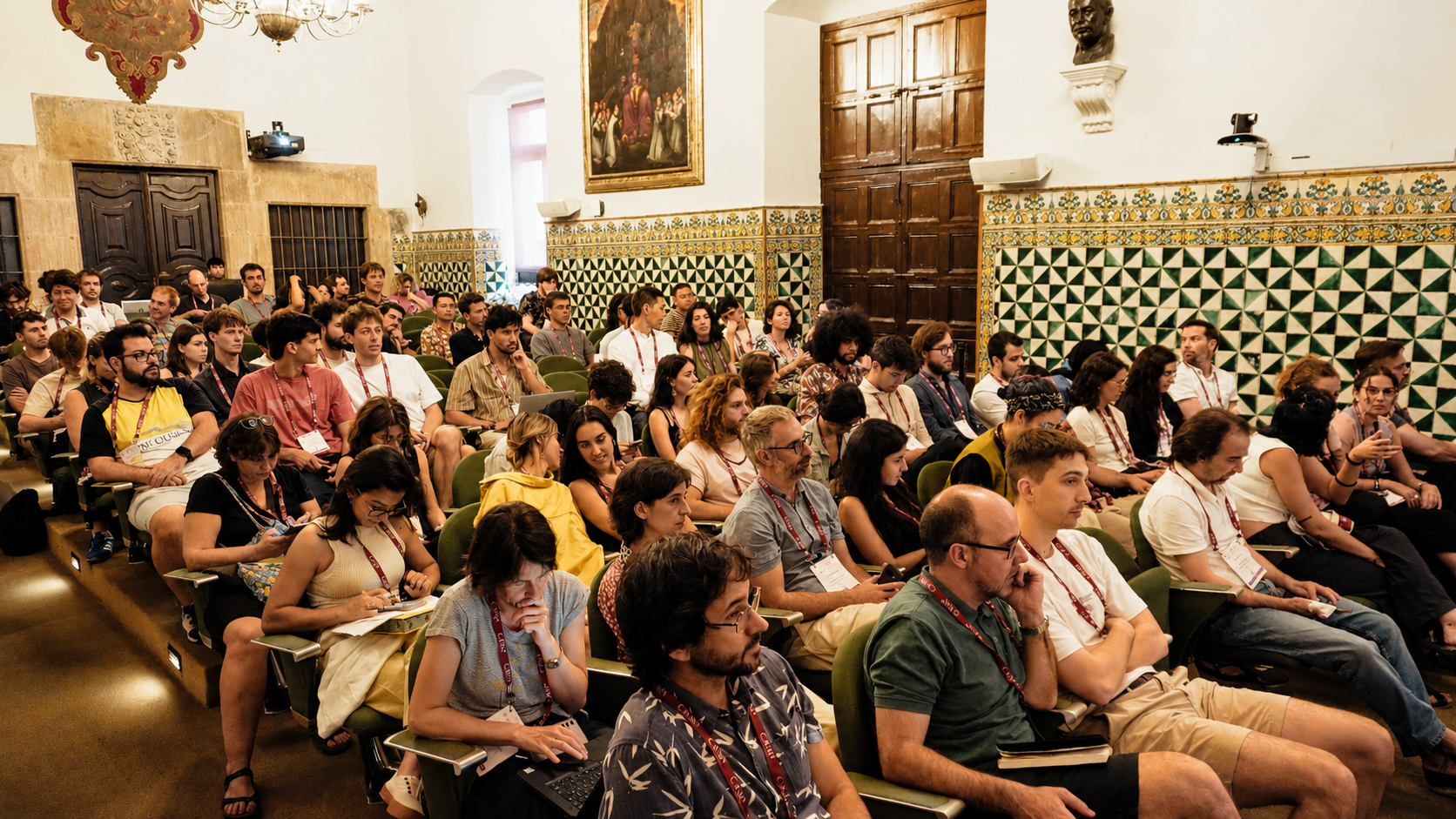
BARCCSYN 2026 gathers Barcelona’s computational neuroscience community at the IEC
The fourteenth BARCCSYN meeting brought 117 researchers to the Institut d'Estudis Catalans on 28 and 29 May 2026 for two days of computational, cognitive and systems neuroscience. Organised by the CRM with the relevant section of the Catalan societies of biology and...
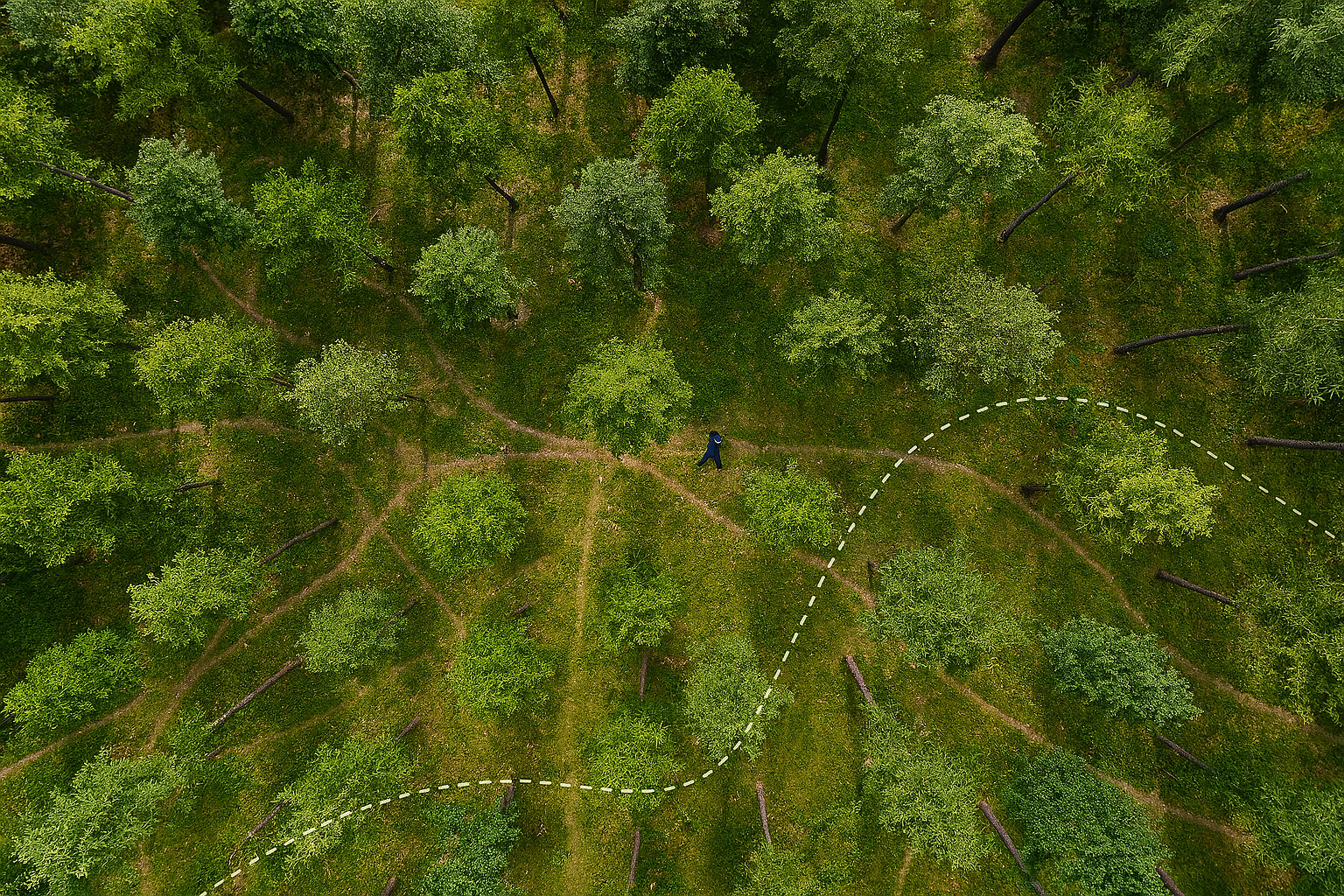
The Fully Nonlinear Thin Obstacle Problem Attains Optimal Regularity
Obstacle problems are a fundamental class of questions in the analysis of partial differential equations. They describe situations in which a quantity can evolve freely, but is subject to a restriction that prevents it from crossing a certain barrier. One intuitive...
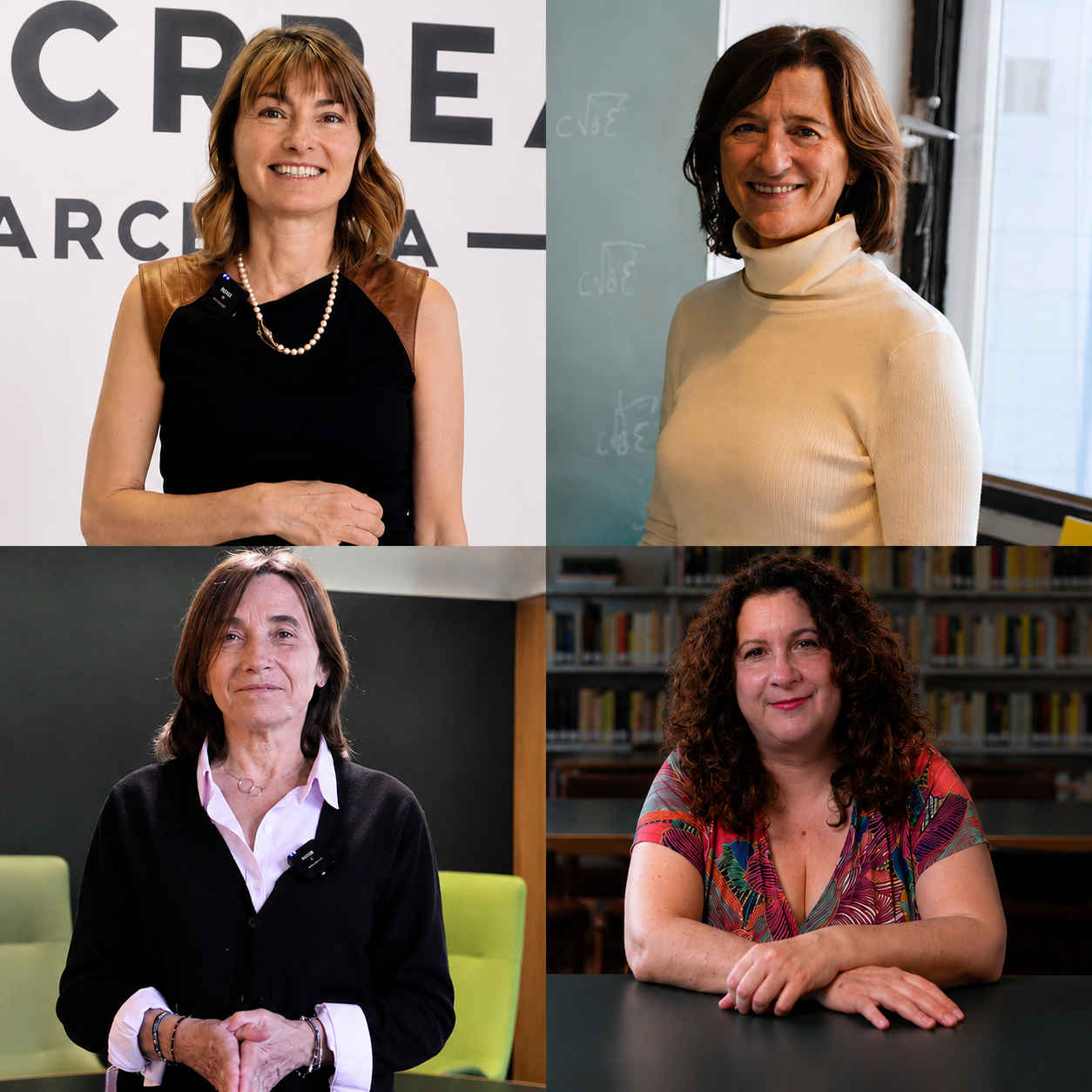
Four CRM-affiliated mathematicians in the 2026 ranking of women researchers in Spain
Tere M-Seara, Eva Miranda, Núria Fagella and Marta Mazzocco appear in the April 2026 edition of the Ranking de mujeres investigadoras españolas y en España.Four mathematicians affiliated with the Centre de Recerca Matemàtica (CRM) appear in the latest edition of the...
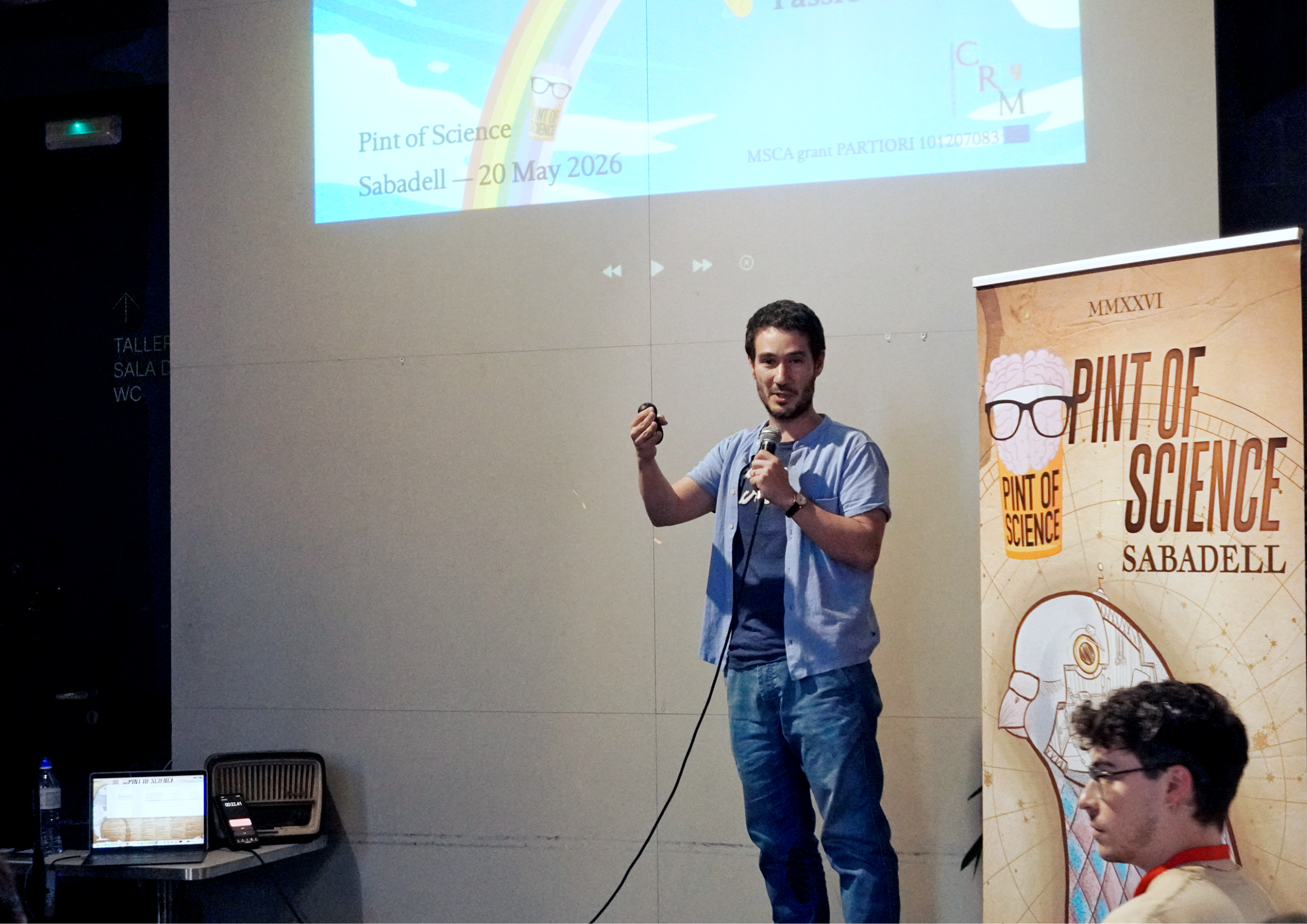
Three CRM researchers take mathematics to the bars of Sabadell
On 20 May, three researchers from the Centre de Recerca Matemàtica spent the evening at two bars in Sabadell, explaining their work to anyone who turned up for a drink. They were taking part in Pint of Science Sabadell 2026, the local edition of an international...
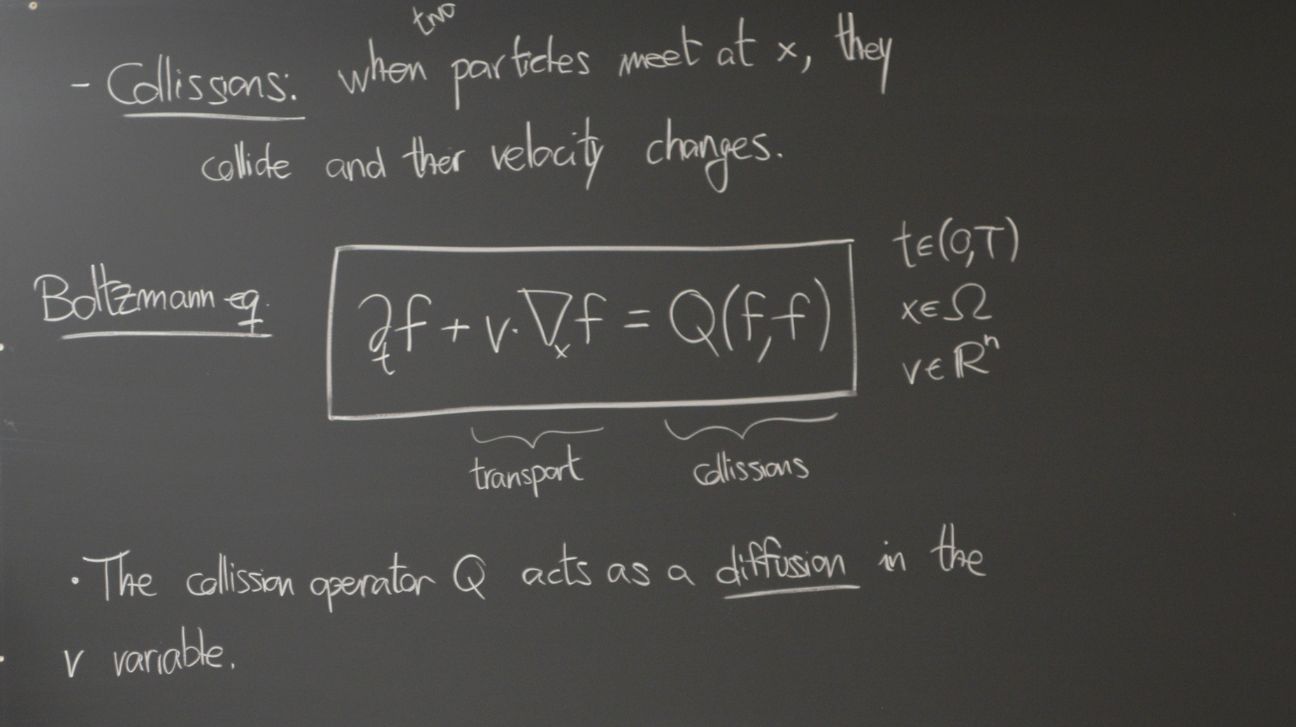
An introductory course to the Boltzmann equation: from microscopic dynamics to macroscopic order
Between April 28 and May 14, 2026, the Faculty of Mathematics at the Universitat de Barcelona hosted the BGSMath course An introductory course to the Boltzmann equation. Over six sessions, the course brought together students and researchers interested in one of the...

What memory has to balance: Representational drift, network freezing, and the mechanisms that hold neural circuits in between
Two recent papers from the Computational and Mathematical Neuroscience group at CRM ask what makes neural circuits drift in the first place, and what keeps them from collapsing under their own learning rules. One, published in PNAS, traces representational drift in...