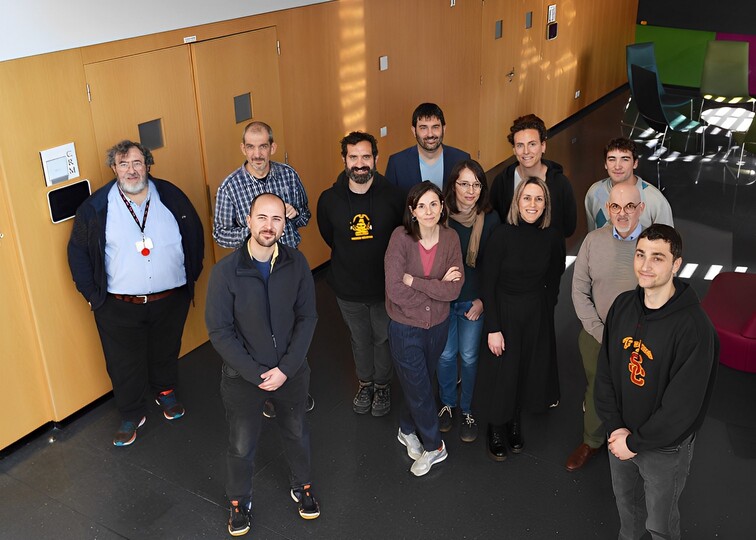
On the 13th of February of 2023, the Kick-off meeting of the project Dynamical systems and computational mathematics towards the optimization of Therapeutic Interfering ParticleS as AntiVIRal therapy (TIPSAVIR) took place at the Centre de Recerca Matemàtica (CRM). The project is a Proof of Concept build upon the research performed in “The Mathematical Underpinnings of System Biology”, both funded by the Ministerio de Ciencia e Innovación (MICINN). The PIs from the project (and the previous one) are CRM’s researchers Josep Sardanyés and Tomás Alarcón, from the Mathematical and Computational Biology group.
Presenting the project
Lluis Alsedà (CRM’s director) opened the day expressing his delight for presenting a project of such an interdisciplinary nature – project in which he also participates as part of the research team. The project, that combines different research fields, from mathematics to virology, aligns to an interdisciplinary approach to research that the center is determined to encourage.
Josep Sardanyés, one of the project PIs, was in charge of presenting the project to the audience. As the motivation of the project, he explained the major burden viruses are for public health and economy (affecting, for example, agriculture). Despite that, the antiviral options available in the market are limited. One of the reasons is that viruses are extremely evolvable, thus, hard for the antiviral treatments and immune system to fight. The mutations can sometimes lead to Defective Viral Genomes (DVGs, incomplete copies of virus genomes) and if they keep the sequences that allow them to bind and replicate, they then can become Defecting Interfering Particles (DIPs). These particles are not harmful and replicative by themselves, but need to co-infect with the full virus, competing with it for cellular resources thus causing interference. DIPs have also been suggested to have the potential for transmission and immune system triggering.
Therapeutic Interfering Particles (TIPs), antiviral preparation engineered with the same philosophy as DIPs, have great potential to interfere with the replication of the standard virus, fighting for critical viral replication resources and reducing the virus replication rate.
The project is focused in designing TIPs using mathematical modeling and computer simulations. This approach will involve population dynamical models using Dynamical Systems Theory and tools from Artificial Intelligence (AI). The main goal is to be able to design highly interferent TIPs in a systematic and automated way, thus performing an enormous explorations of potential TIPs candidates with large interferent properties.
The scientific talks
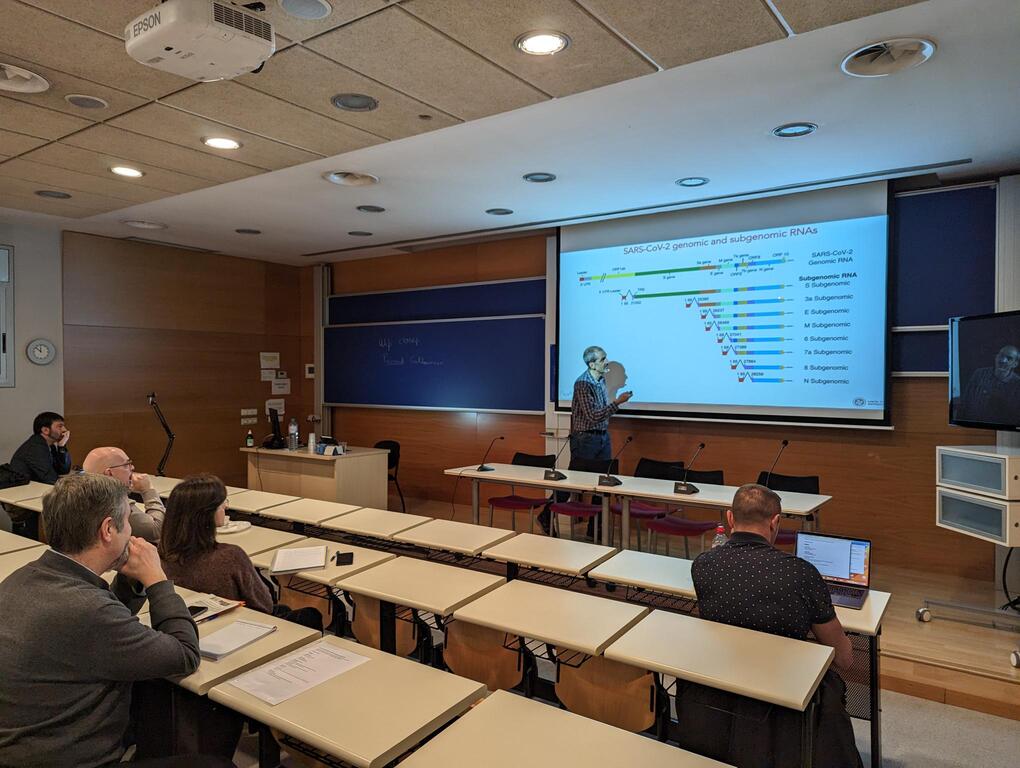 Santiago F. Elena in the middle of his scientific talk
Santiago F. Elena, CSIC Professor at the Institute for Integrative Systems Biology (I2SysBio) and part of the research team of the project was in charge of giving the first scientific talk. Dr. Elena’s role will be to provide experimental data and ensure mathematical models are well ground in biological observations.
In the talk, entitled ‘Experimental evolution of betacoronavirus Defective Viral Genomes’, he gave an overview of the State-of-the-art of the research on DVGs. He explained the different defects present on virus genomes and their research on their identification and characterization of types and variabilities.
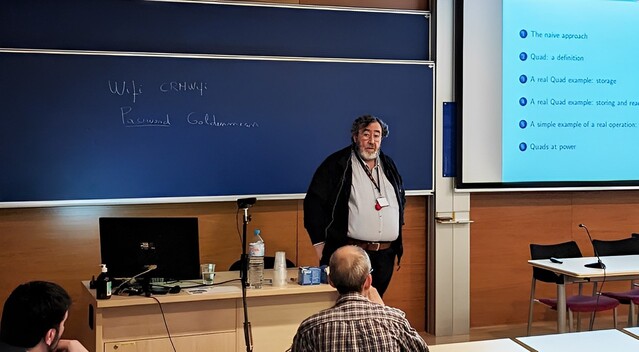
Lluis Alsedà, CRM director and researcher whose role in the project will be to supervise the design and implementation of the simulation models to investigate the evolutionary dynamics of DIPs, gave the second scientific talk.
He introduced AI tools for the simulation of DIPs production, discussing computational constraints and issues and showing first results based on initial simulations.
TIPSAVIR is the first scientific project obtained in collaboration with I2SysBio. These two centers built a CSIC associated unit (AU) in 2018. Since then, the AU has celebrated several activities including seminars, scientific meetings, and has published several articles in peer-review international journals (link).
The Translation Advisory Board
Last but not least, a discussion with the Translation Advisory Board (TAB) moderated by Dr. Arantxa Sanz (also part of the work team of the project) took place. In a project that combines two disciplines and has the aim of having a direct social impact, besides strong research, further expertise is needed, in terms of regulatory issues, scaling up the product and clinical expertise. Therefore, the TAB has been appointed to fulfill this gap from research to society, and most of its members were also present in the kick-off day.
The board counts with Isabel Amat (Reig Jofre), Jose Luis Cabero, Esther Riambau (Oniria Therapeutics CEO), Dr. Francisco Rodríguez Frias (Vall d’Hebron Institut de Recerca, VHIR), Dr. Josep Quer (VHIR), Dr. Maria-Carla Saleh (Pasteur Institute in Paris) and Marco Vignuzzi (A*STAR ID Labs).
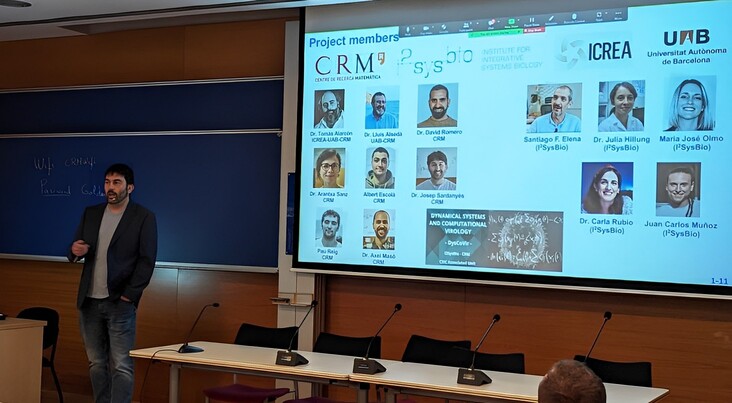 Josep Sardanyés, principal investigator of the project, presenting the team.
Besides Josep Sardanyés, Tomás Alarcón, Santiago F. Elena and Lluis Alsedà, the research team of the project will be rounded up with Pau Reig as a research technician. The work team, in addition to Arantxa Sanz, is constituted by Julia Hillung, María José Olmo-Uceda, David Romero and Carla Rubio.
To follow the advances of the project, keep track of the page (TBP).

CRM Comm Team
Anna Drou | Pau Varela
CRMComm@crm.cat
Subscribe for more CRM News

ADA: Decoding Brain Signals Misaligned in Time
The study addresses a key limitation of current brain decoding techniques: the difficulty of interpreting internal mental processes whose temporal dynamics vary from trial to trial.Decoding what is happening in a person’s mind from their brain activity is one of the...
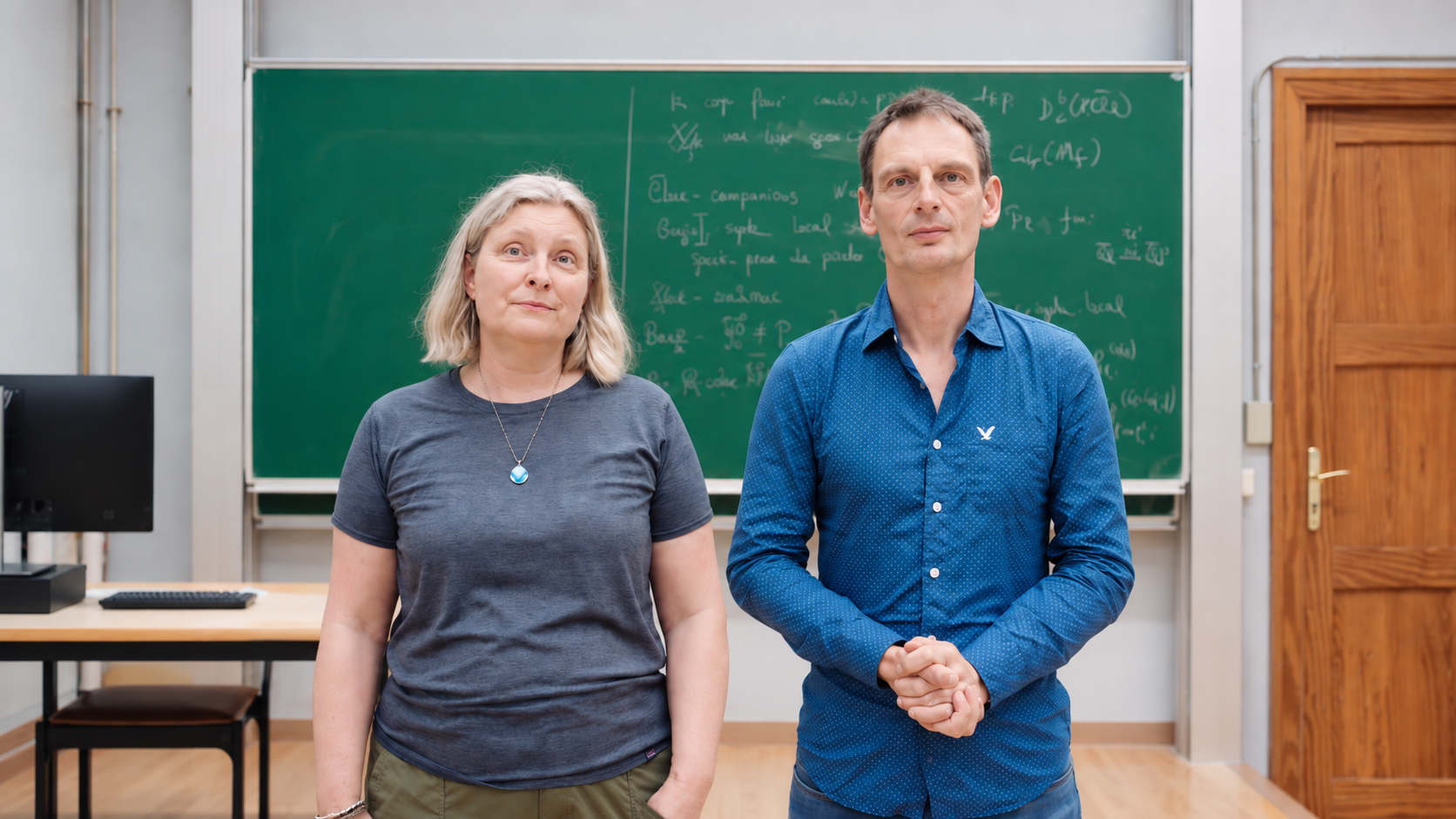
Rare curves, many points: Christophe Ritzenthaler and Rachel Pries on their research and the work around it
Christophe Ritzenthaler (Université de Rennes) and Rachel Pries (Colorado State University) both work on curves over finite fields: he hunts curves with as many points as possible, she hunts curves that almost never occur. In conversation with the CRM during their...

Call open for the 2027 Ferran Sunyer i Balaguer Prize
The Ferran Sunyer i Balaguer Foundation is accepting submissions for its 2027 prize, which awards 15,000 euros and publication in Birkhäuser's Progress in Mathematics series to an expository monograph on an active area of mathematical research. The deadline is 27...
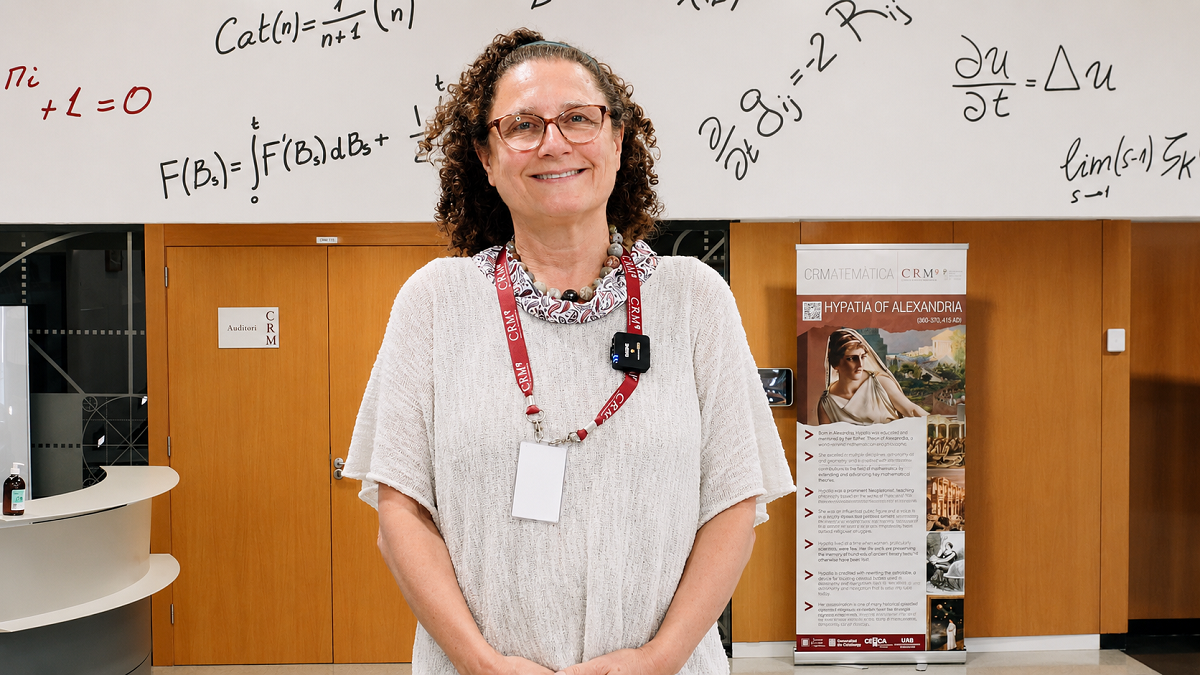
Susanna Terracini delivers the CRM Colloquium 2026
Susanna Terracini (Università di Torino) delivered the CRM Colloquium 2026 on 14 July, presenting a rigidity result for Kepler billiards obtained with Stefano Baranzini, Vivina Barutello and Irene De Blasi. She was at the centre as a member of the CRM Scientific...
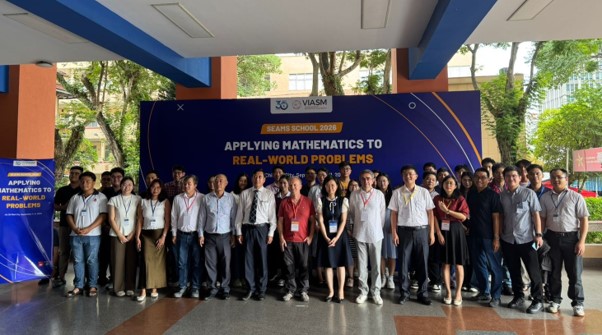
Ho Chi Minh City hosts the first SEAMS School on applying mathematics to real-world problems
More than fifty students from six countries spent a week at the University of Science, VNU-HCM, learning how mathematics gets used outside a mathematics department. CRM researcher Tim Myers co-organised the school and lectured on moving boundary problems. The...

A single ball on a fixed table can compute: Eva Miranda and Isaac Ramos prove that two-dimensional billiards are Turing complete
Eva Miranda (UPC, CRM) and Isaac Ramos (ETH Zürich) show that a point particle bouncing inside a planar table with fixed walls can simulate a universal Turing machine, settling a question Cristopher Moore left open in 1990. The result grew out of a master’s project...
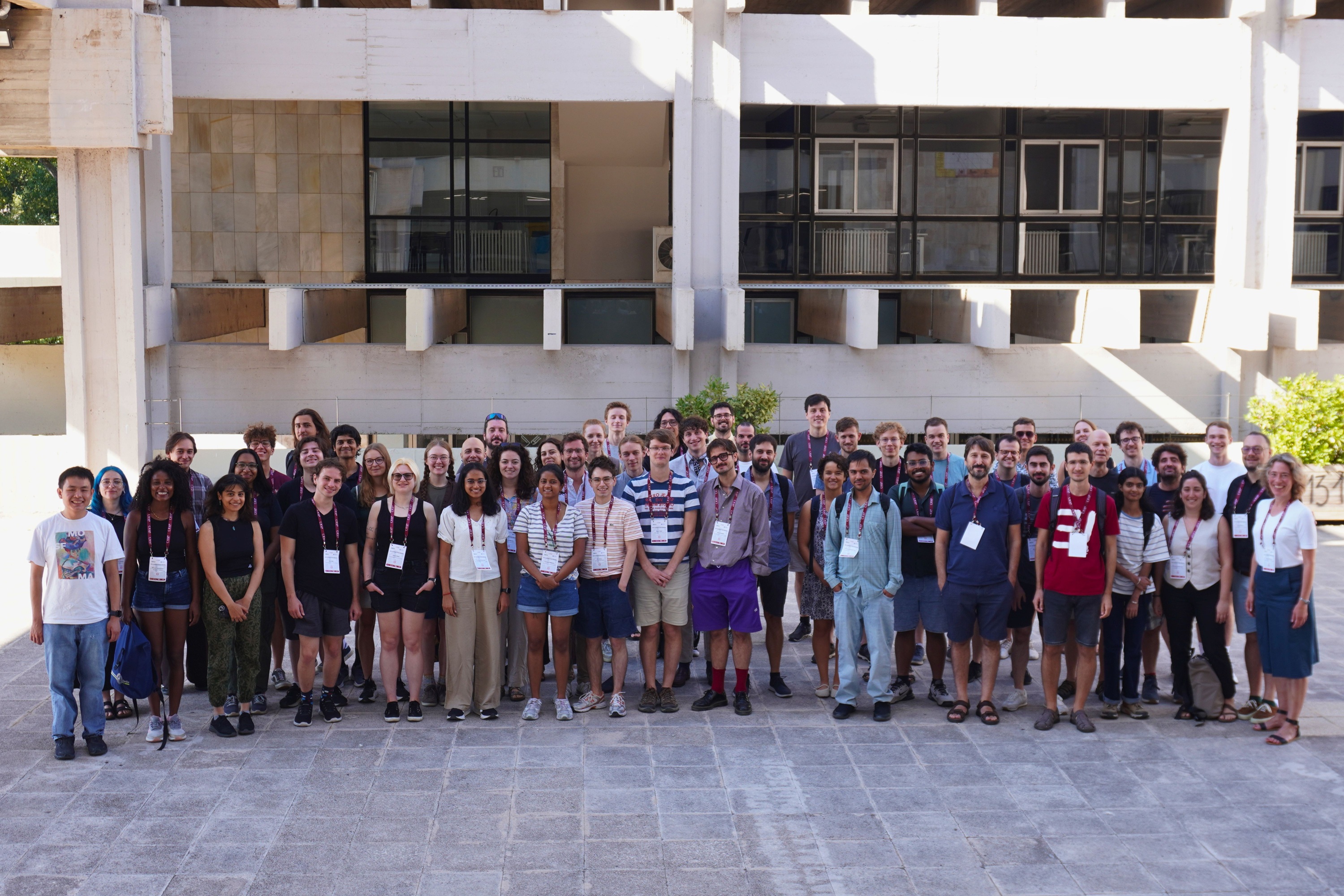
BMS-BGSMath Junior Meeting 2026: Barcelona and Berlin Strengthen Scientific Ties
From 2 to 4 September 2026, the Centre de Recerca Matemàtica (CRM) hosted the BMS-BGSMath Junior Meeting 2026, a three-day event jointly organised by the Berlin Mathematical School (BMS) and the Barcelona Graduate School of Mathematics (BGSMath), with the Centre de...
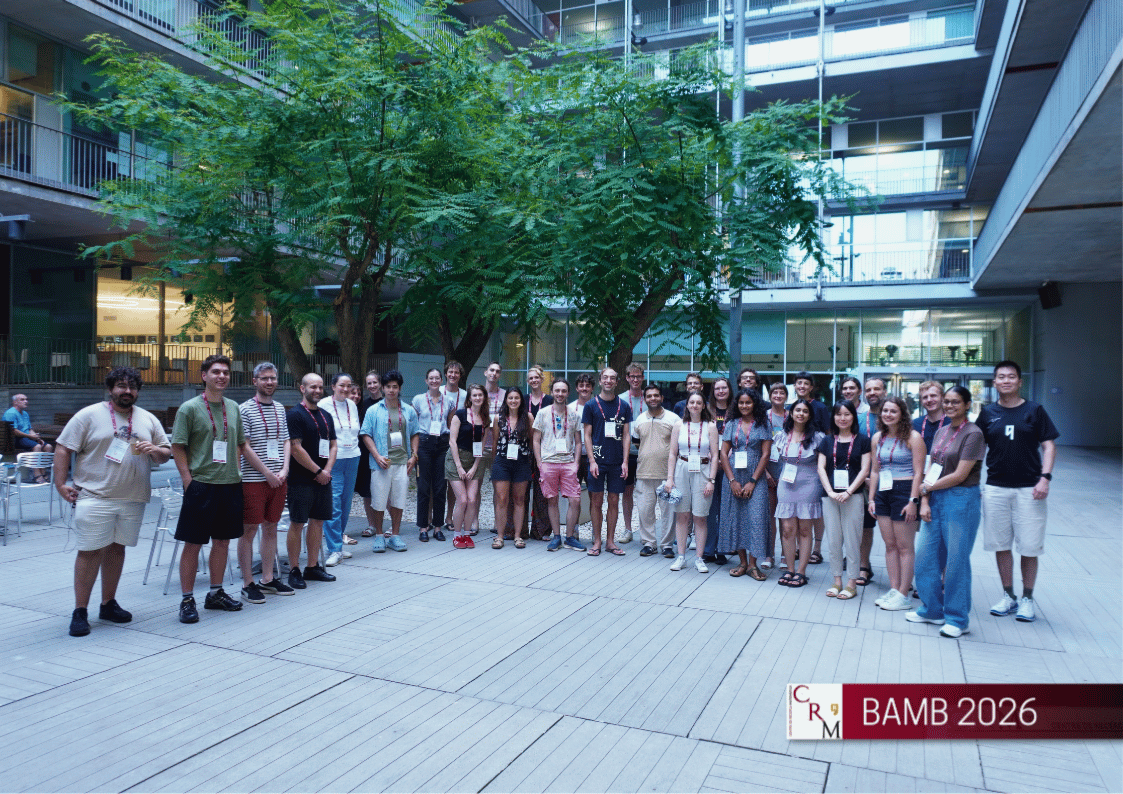
The CRM organises the 2026 Barcelona Summer School for Advanced Modeling of Behavior
The Centre de Recerca Matemàtica held the sixth edition of BAMB!, the Barcelona Summer School for Advanced Modeling of Behavior, from 12 to 23 July 2026 at the Parc de Recerca Biomèdica de Barcelona. Thirty early-career researchers from fourteen countries followed...
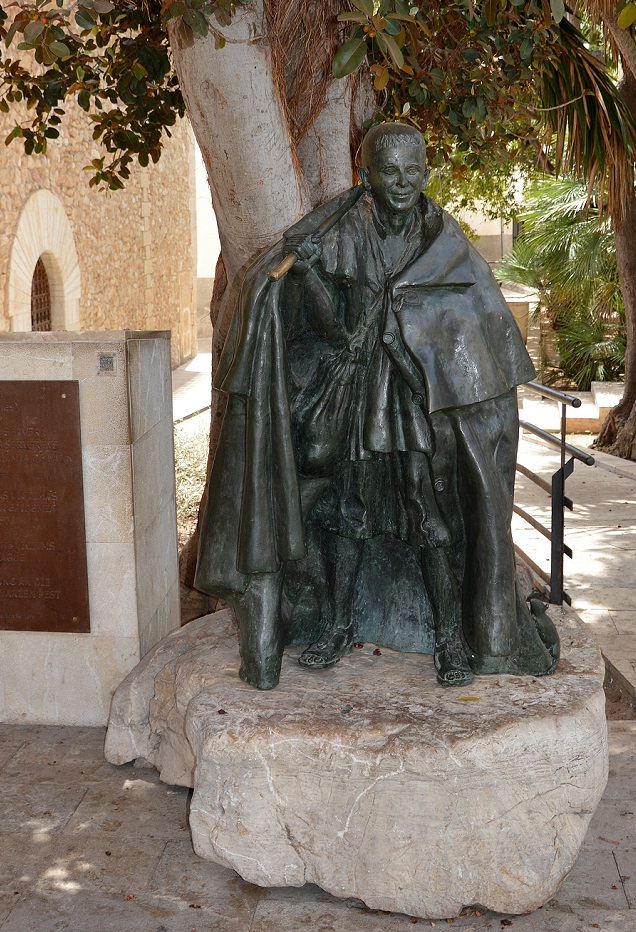
Mallorca’s 1820 plague did not behave like a classic bubonic outbreak, study finds
A study in PNAS by Pere Puig (UAB, CRM) and Joana Maria Pujadas-Mora (UOC, ICREA) reports what happens when the daily health records kept in Son Servera and Capdepera during the 1820 outbreak are analysed with a Bayesian epidemiological model: an unusually short...
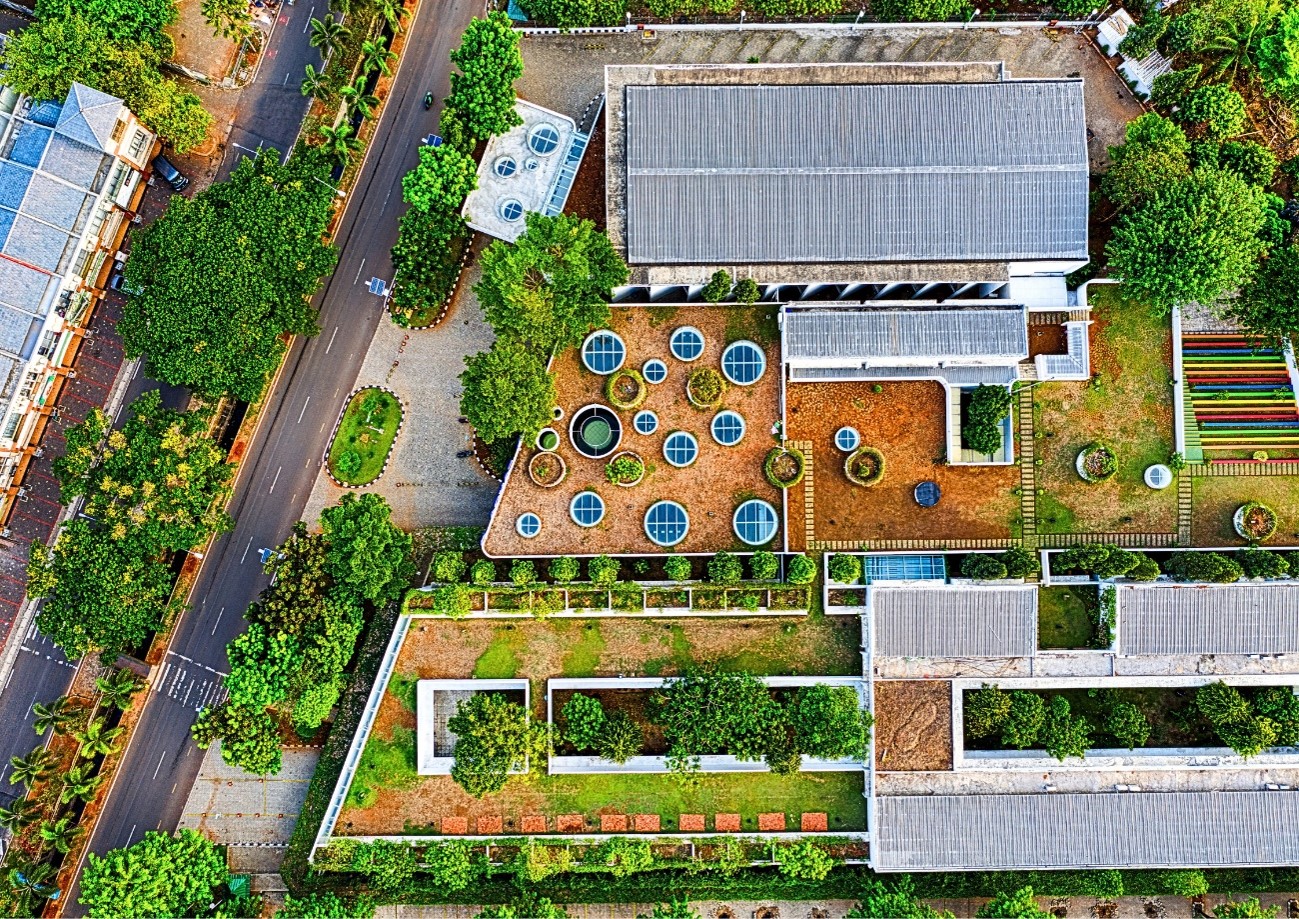
A recent study quantifies the vegetable production potential of Barcelona’s rooftops
A study published in Cities by researchers at ICTA-UAB, with collaboration from the CRM's Knowledge Transfer Unit, estimates that 65 hectares of municipal rooftop could supply 31% of the tomatoes consumed in Barcelona each year.Barcelona has 65 hectares of rooftop...
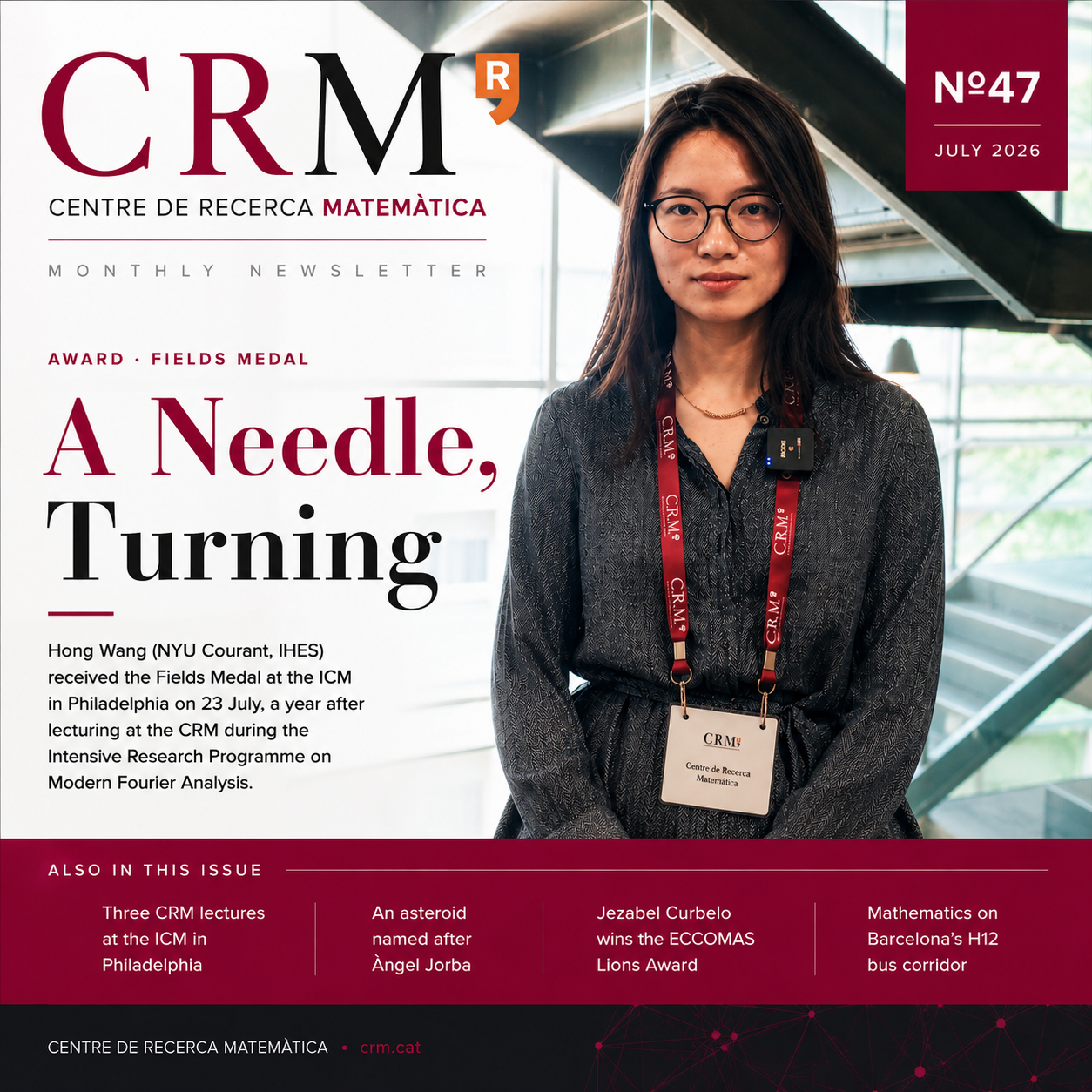
CRM July Newsletter
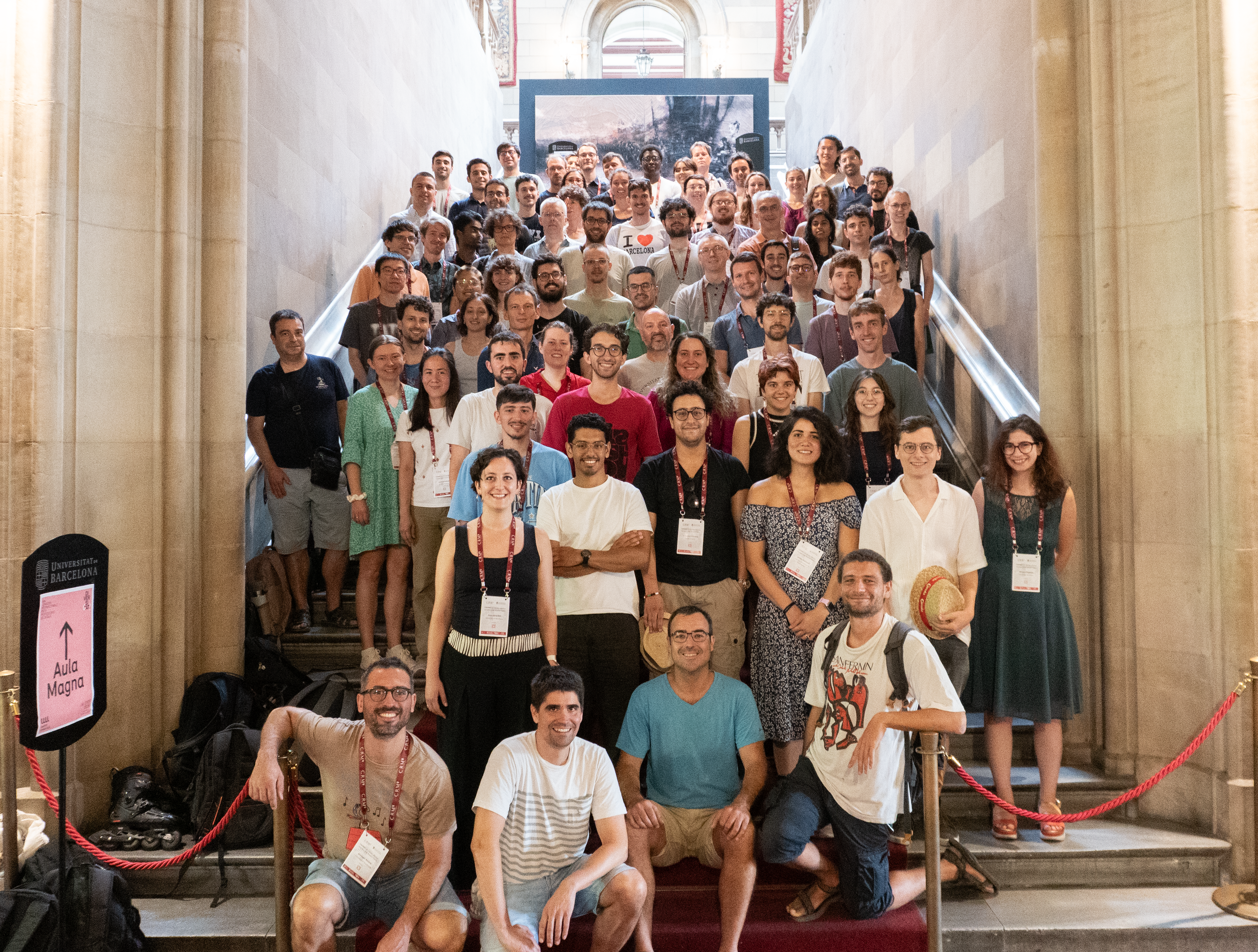
CAVARET 2 brings together 83 researchers on curves and abelian varieties at the Universitat de Barcelona
The second edition of CAVARET, "Curves, Abelian VArieties and RElated Topics", took place at the Faculty of Mathematics and Computer Science of the Universitat de Barcelona from 13 to 17 July 2026. Sixteen invited lectures and ten posters brought together 83...