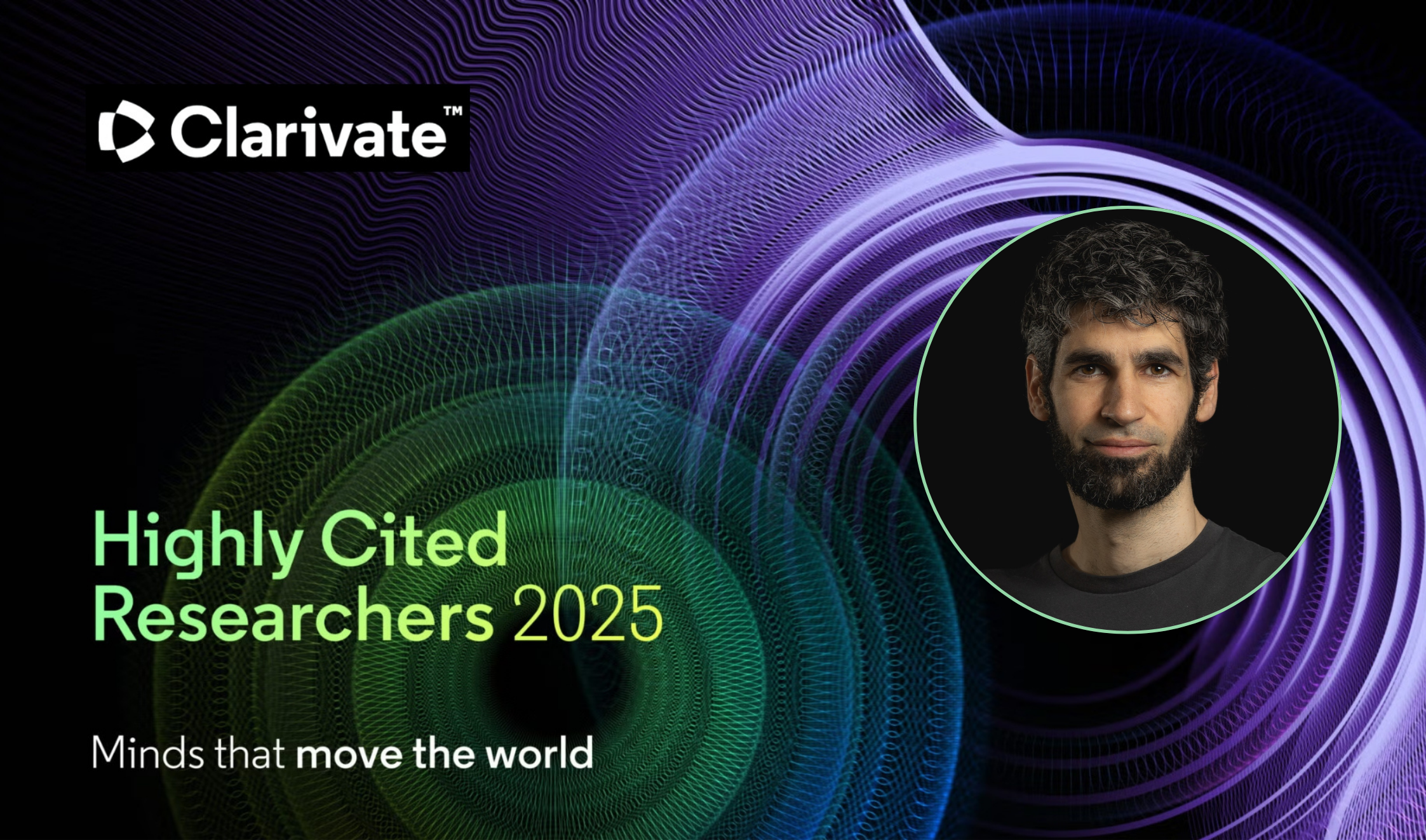
ICREA professor at the Universitat de Barcelona and CRM affiliated researcher Xavier Ros-Oton appears on Clarivate’s Highly Cited Researchers 2025 list, which this year reinstates the mathematics category after two years of exclusion.
Citations are a strange way to measure influence. They don’t count the theorems you prove, but the conversations you generate: who responds to your arguments, who extends your proofs, who finds in your results a starting point to explore territories you hadn’t envisioned. In this sense, Xavier Ros-Oton maintains many conversations at once. The Barcelona-born mathematician, an ICREA professor at the Universitat de Barcelona and an affiliated researcher at CRM, has been recognised as one of the 65 most influential mathematicians in the world, according to Clarivate’s Highly Cited Researchers 2025 list, published on November 12. The list identifies researchers whose articles rank in the top 1% most cited in their respective fields over the past eleven years. Among more than 6,800 researchers from all scientific and social disciplines, only 65 are mathematicians.
That mathematics returns to the Clarivate list this year is news in itself. The scientific intelligence company eliminated the category in 2023 after detecting anomalous patterns indicating that some researchers were “gaming” the system. For two years, mathematics disappeared from the list while Clarivate worked to develop more sophisticated filters. In 2025, the discipline has returned with reinforced integrity criteria. The company consulted with Domingo Docampo, a mathematician at the University of Vigo, who developed an independent algorithm to evaluate citation quality based on who cites and in what context. The 65 who now appear represent, according to Clarivate, greater diversity and include mathematicians and statisticians who have received significant recognition from their peers, many of whom have been awarded top-tier international prizes.
Conversations across disciplines
“For me, it’s a satisfaction to know that some of my articles, to which we’ve dedicated many hours of work with my collaborators, have an impact on the work of other researchers,” Ros-Oton explains. But what excites him most isn’t necessarily the volume of citations, but the type of conversations they generate. “I especially like it when ideas or results from my articles are used in very different areas, for example, in geometry or probability.”
“I especially like it when ideas or results from my articles are used in very different areas, for example in geometry or probability.”
A recent example: a result on minimal surfaces published in Quanta Magazine uses techniques developed by Ros-Oton in the context of free boundary problems. That a result on regularity in PDEs ends up helping understand singularities in geometry is exactly the type of influence that citations try to capture, but which is often difficult to quantify.
Ros-Oton is aware of the limitations of metrics. “Citations don’t reflect all the work behind them; they often don’t even reflect the quality of an article,” he notes. “The ones I consider my best articles aren’t necessarily the most cited, and the number of citations depends on many different factors.” Clarivate’s recognition, then, isn’t an assessment of which works are most important, but of which have generated the most dialogue.
Looking ahead
Beyond consolidating results on classical problems, Ros-Oton is already exploring new territories. “Recently, I started to work on the Boltzmann equation, which is fundamental in statistical mechanics, and there are many mathematical questions we still don’t know how to solve,” he explains. The Boltzmann equation describes how gases evolve at the molecular level, and despite its physical importance, many of its mathematical properties remain a mystery.
But there’s another direction Ros-Oton considers especially promising: the mathematical foundations of machine learning algorithms. “I think it’s a point where researchers from different areas could meet, and there are questions from theoretical computer science, probability, PDEs, analysis, and dynamical systems. In fact, CRM will host a workshop on this topic from January 7-9, organised by Ros-Oton together with Joan Bruna (NYU) and Domènec Ruiz-Balet (UB). “I would encourage all those potentially interested to participate,” he adds.
There are ways to influence that don’t appear in any database: conversations in conference hallways, questions you ask in a seminar that change the direction of a proof, the student you train who ends up opening a new line of research. But in a field as vast and globalised as mathematics, citations are a way to see who’s talking to whom, and what ideas are moving through the world.
That Xavier Ros-Oton ranks among the sixty-five most cited mathematicians on the planet tells you that the tools he has built and the results he has shaped are helping others push further.
|
|
CRM CommPau Varela
|
Yves Chevallard (1946–2026)
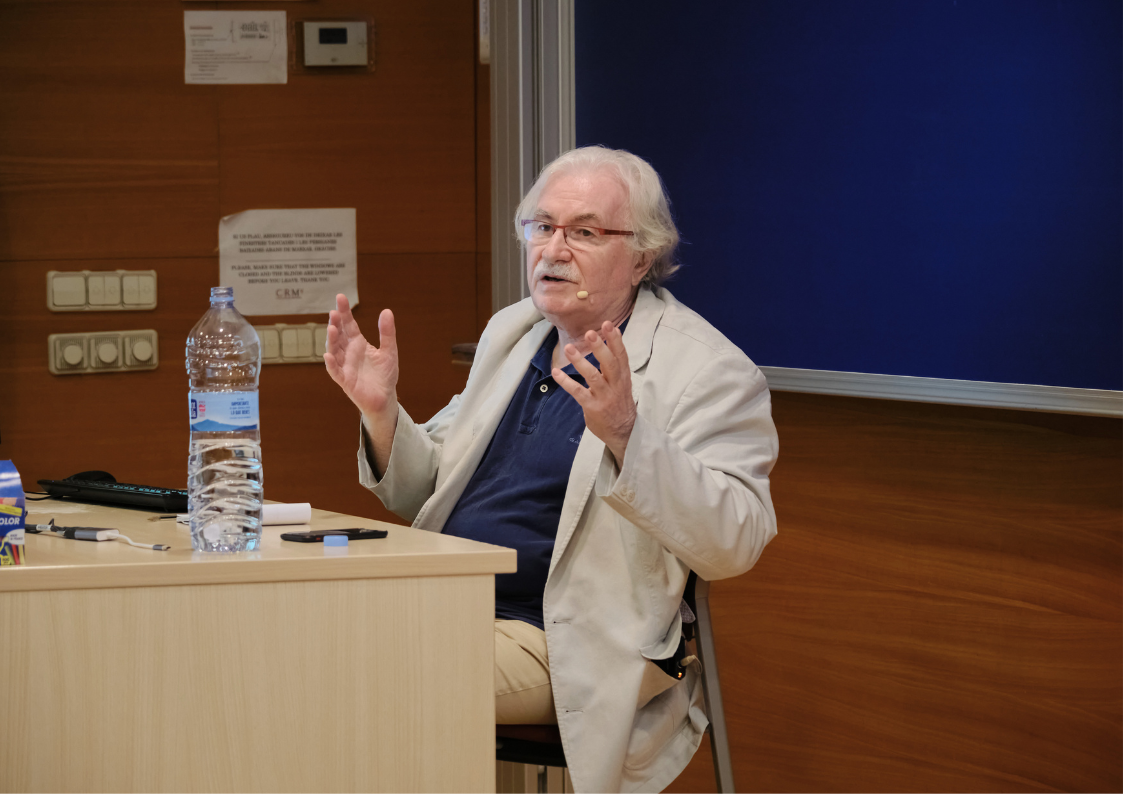
Yves Chevallard passed away on 16 March 2026. He was 79 years old. Born in Tunis, he trained at the École normale supérieure in Paris, where he earned an agrégation de mathématiques. He went on to become a professor at Aix-Marseille Université, and it was there, over...
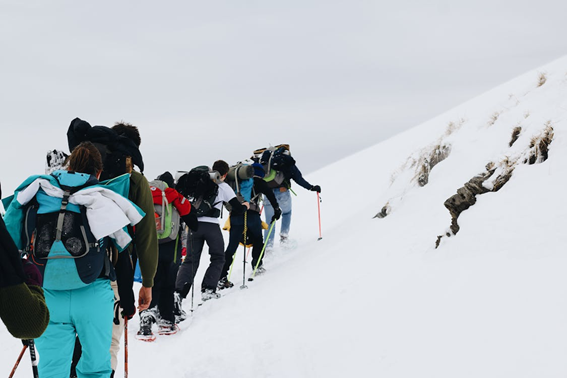
The CRM participates in a European project studying decision-making and risk perception in mountain environments
The NeuroMunt project (POCTEFA, coordinated by the Université de Perpignan Via Domitia) studies how people make decisions under risk conditions in mountain environments, bringing together researchers from France and Spain across disciplines ranging from complex...
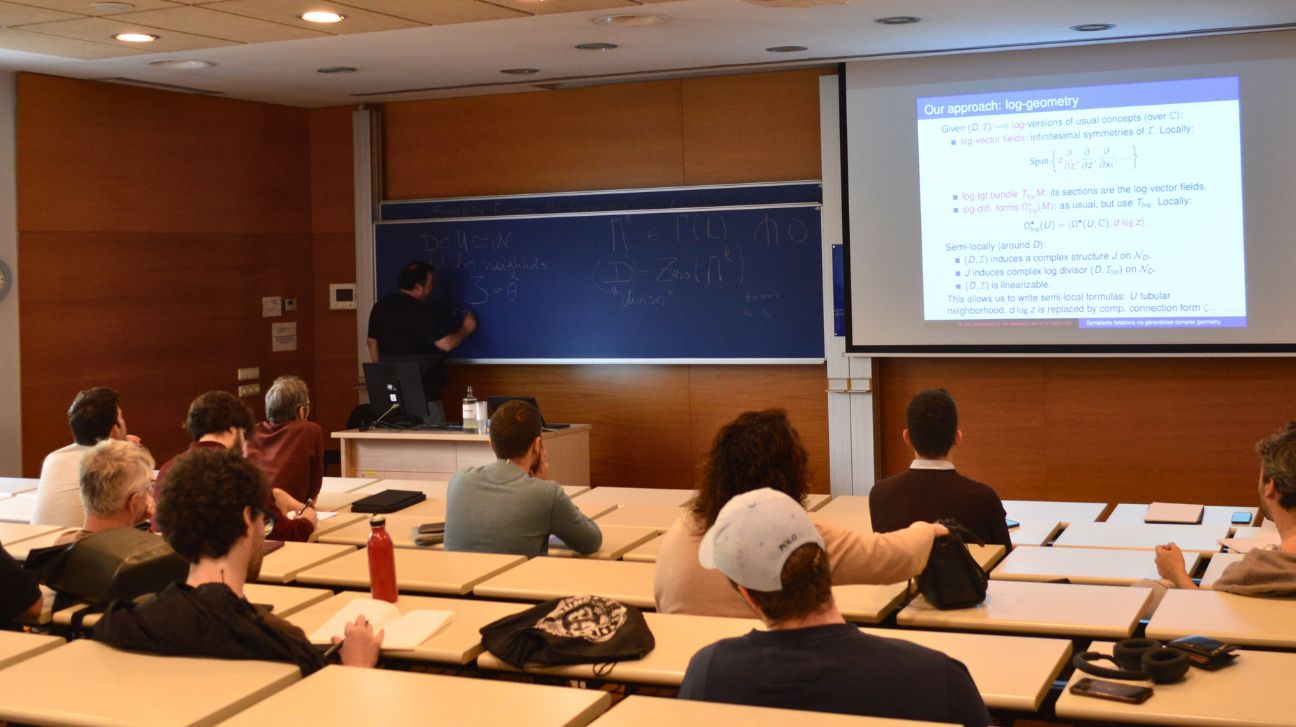
One Day, One Family, One Place: Poisson Geometry at CRM
On March 23rd, 2026, the Centre de Recerca Matemàtica hosted the thematic day “Poisson Geometry and Its Relatives”, a full‑day event that brought together researchers exploring Poisson geometry and several of its neighbouring areas. The programme combined classical...
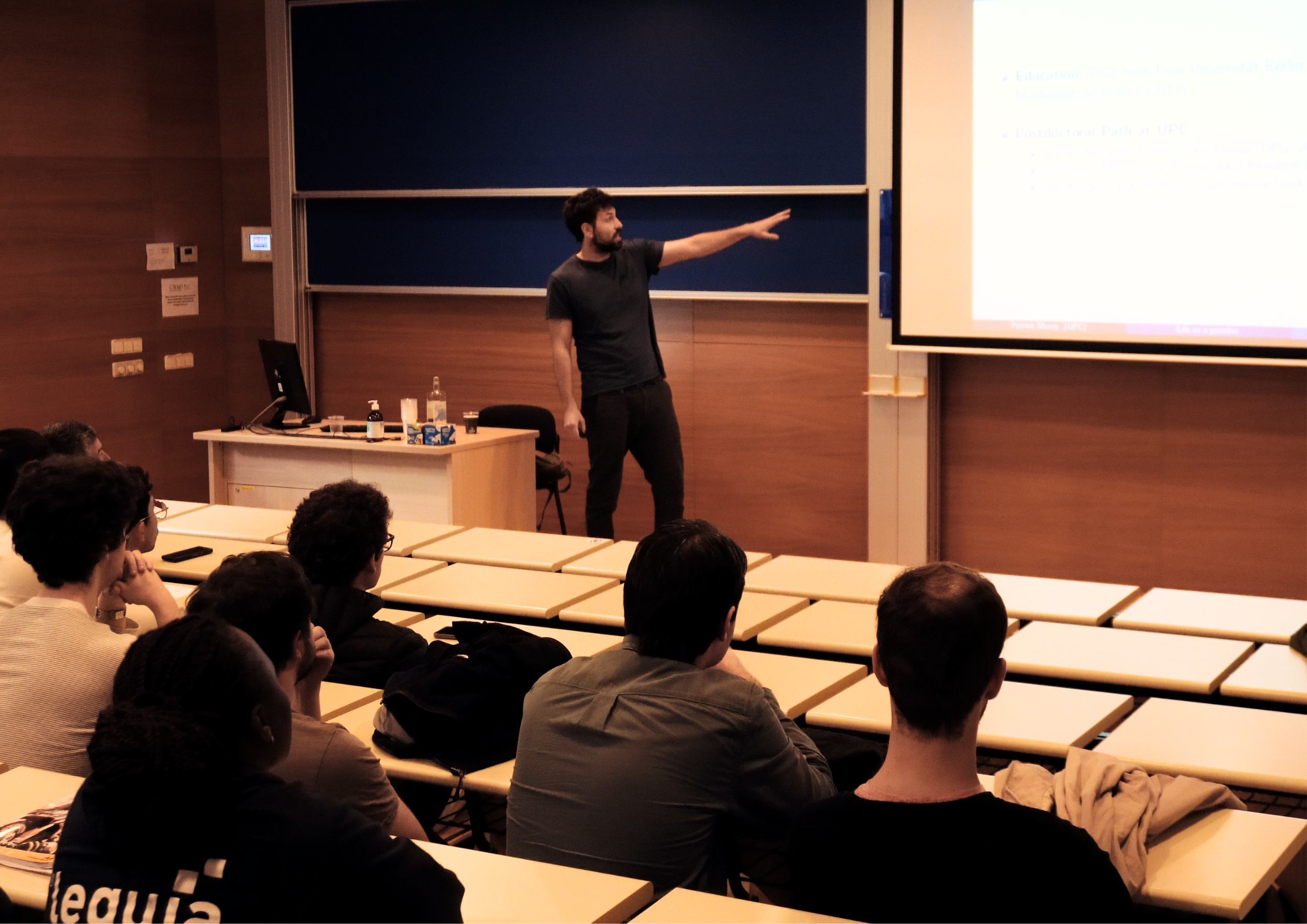
Life After the PhD: Three Roads Forward
On March 18, the BGSMath held its first session on careers after a PhD in mathematics, bringing together three speakers with different professional trajectories and 46 early-career researchers from nine institutions.On March 18, the Barcelona Graduate School of Math...
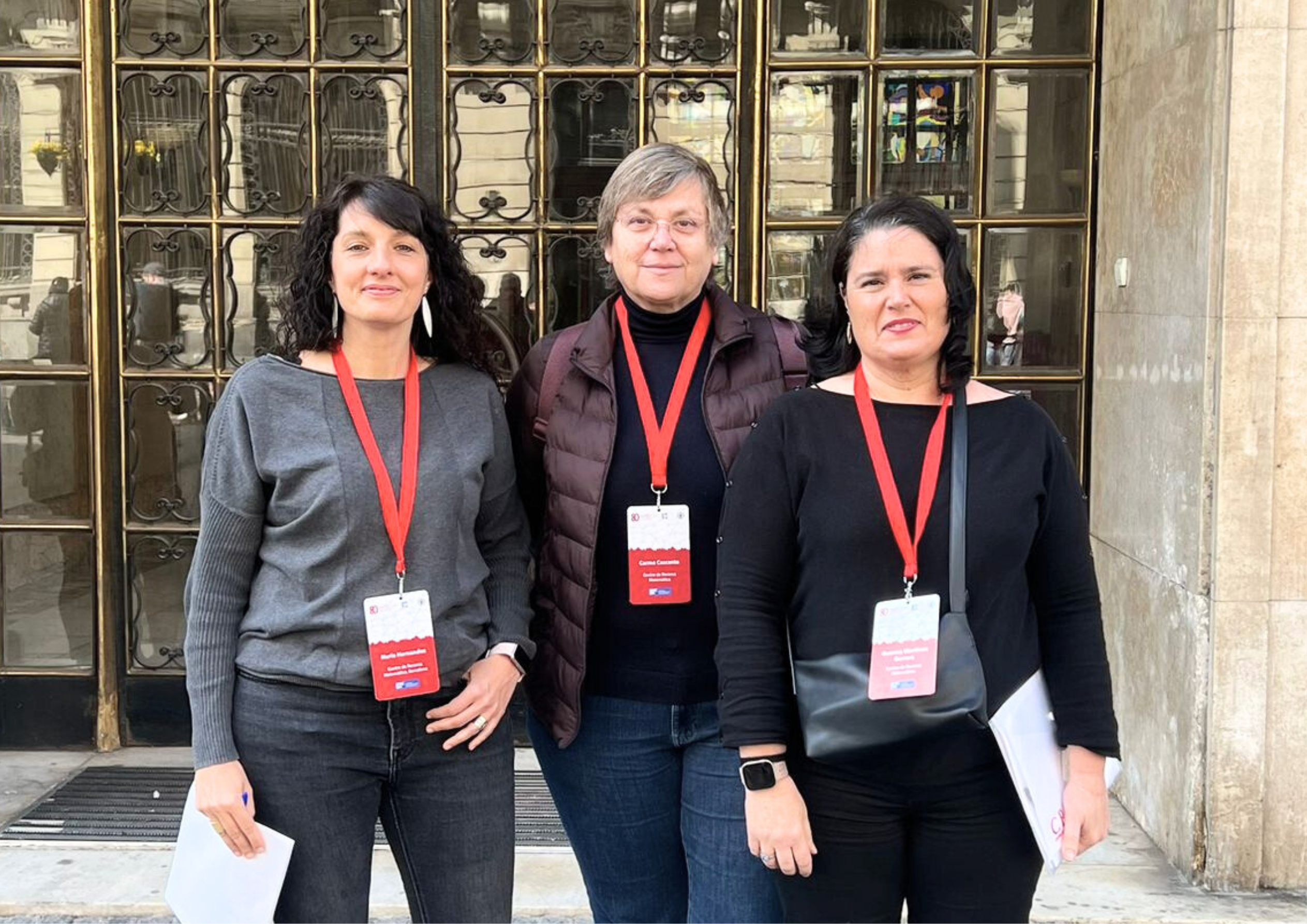
CRM participates in the 2026 ERCOM annual meeting in Belgrade
The CRM participated in the 2026 ERCOM annual meeting in Belgrade (20–21 March), represented by Director Carme Cascante, Manager Gemma Martínez, and Scientific Activities Manager Núria Hernández. The programme focused on multidisciplinarity, mathematics and the arts,...
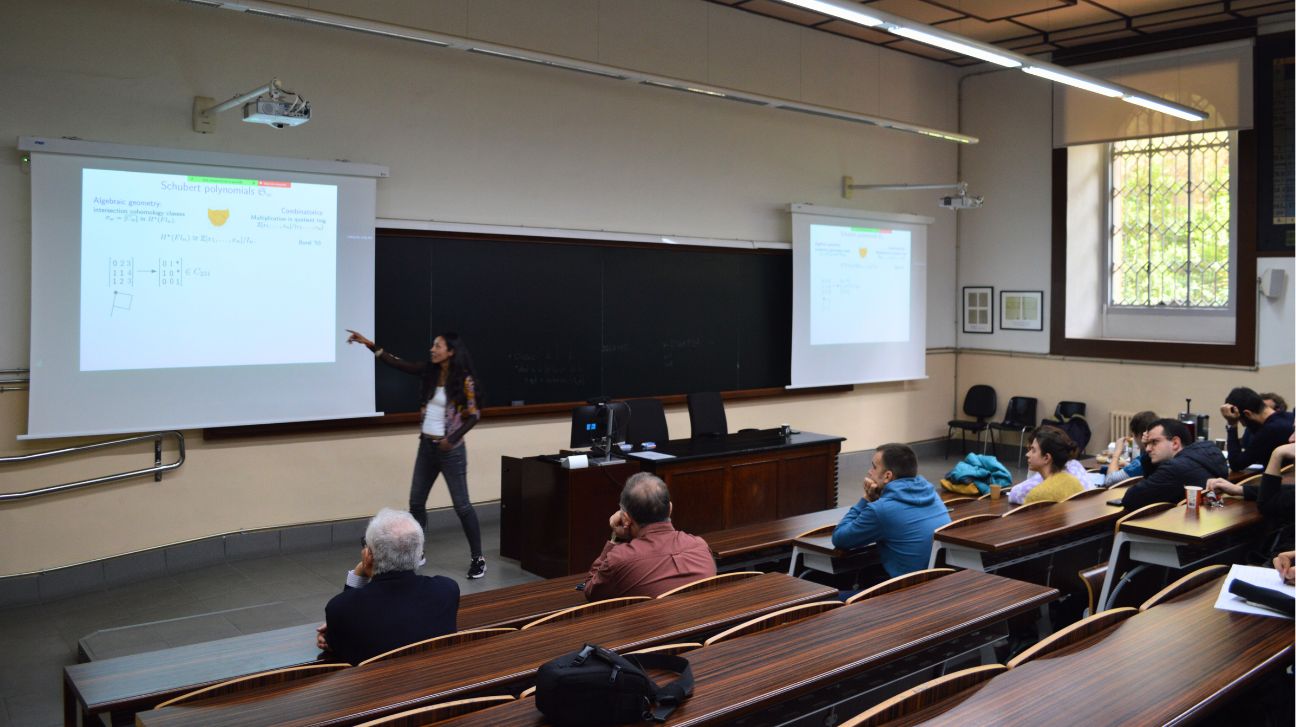
5 Talks, 1 Topic: A Day of Combinatorics
On March 18th, 2026, the 5 Talks in Combinatorics thematic day took place in the Joan Maragall Room at the Faculty of Philology and Communication of the University of Barcelona, in the historic building. The event focused on modern combinatorics and its connections...
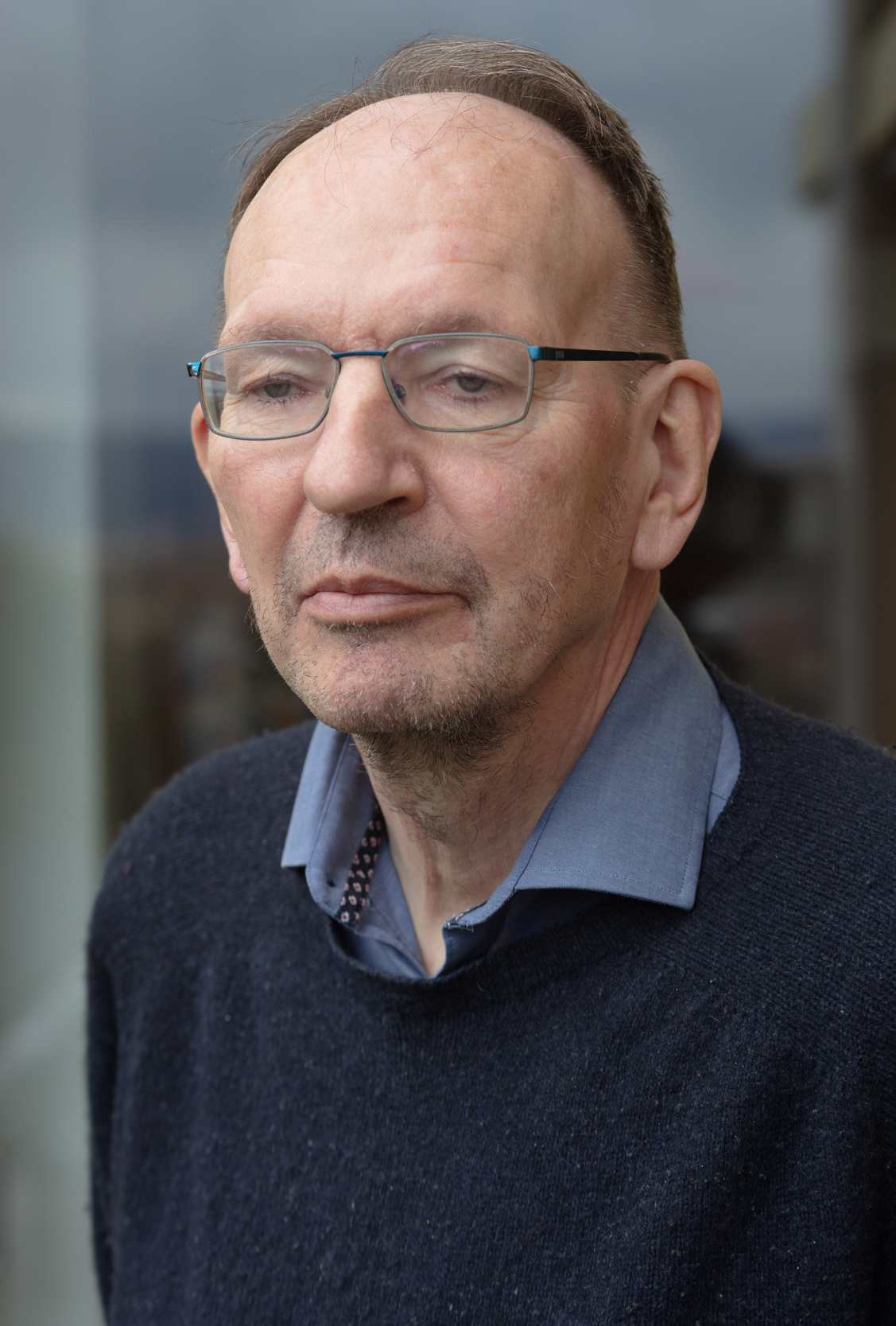
Gerd Faltings Awarded the 2026 Abel Prize for Transformative Work in Arithmetic Geometry
The Norwegian Academy of Science and Letters has recognised the German mathematician for solving two of the most enduring open problems in the field.The Norwegian Academy of Science and Letters announced today that the 2026 Abel Prize goes to Gerd Faltings, director...
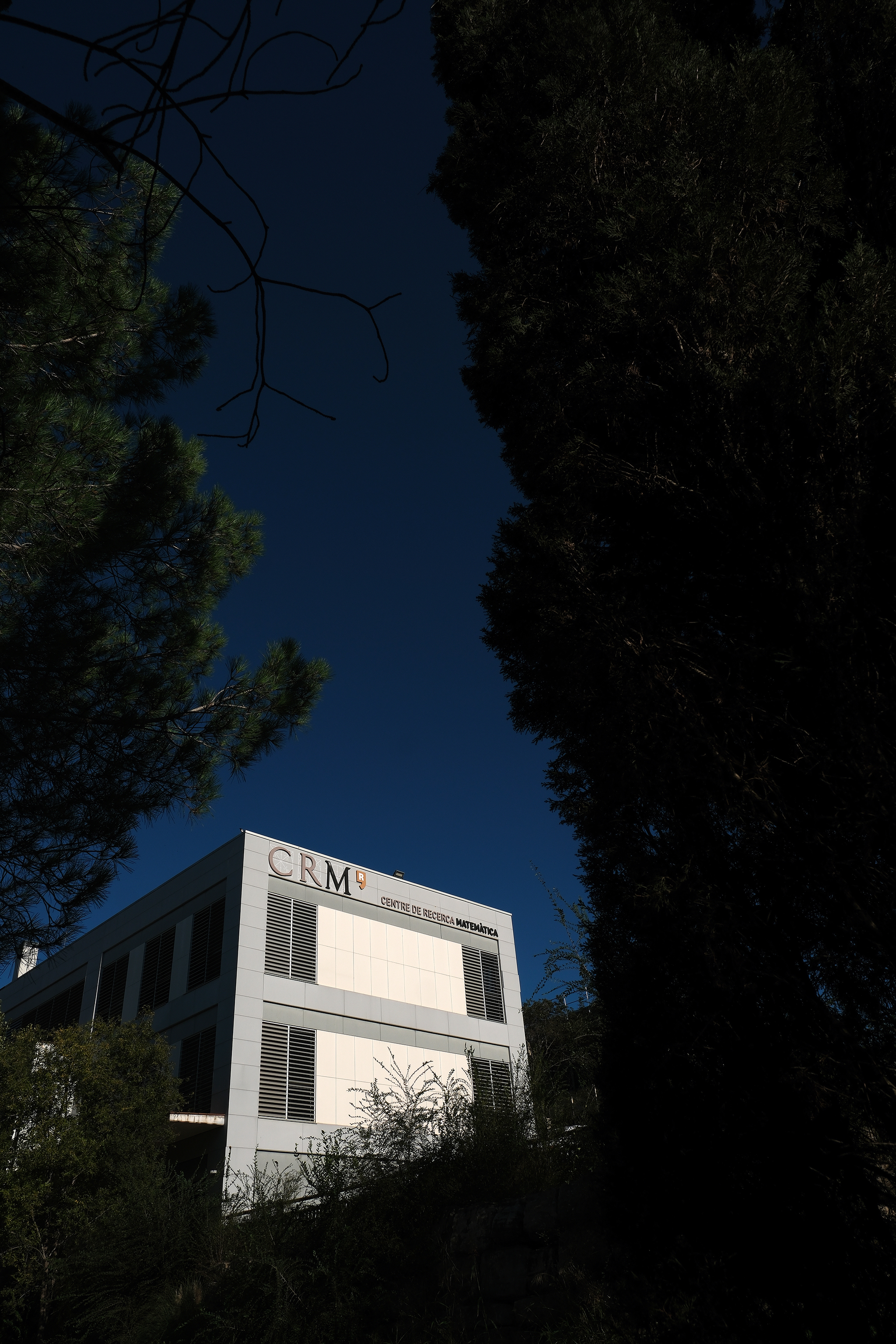
The Centre de Recerca Matemàtica Approves Its Strategic Plan for 2026–2030
The Centre de Recerca Matemàtica has approved its Strategic Plan for 2026 - 2030, setting priorities in research, training, and knowledge transfer. Four flagship initiatives anchor the scientific programme. The Centre de Recerca Matemàtica approved its Strategic Plan...
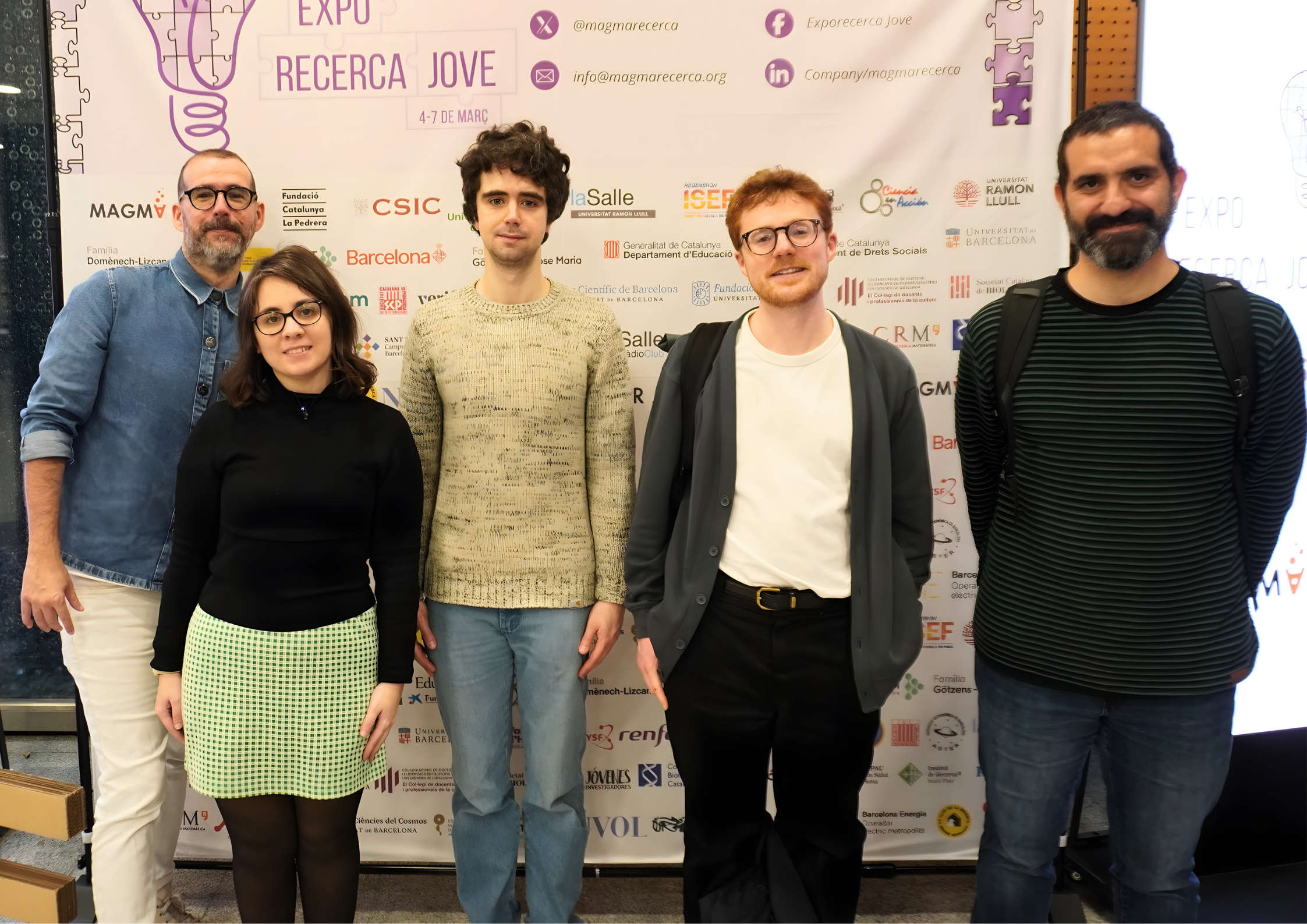
CRM Awards Its Prize at Exporecerca Jove for the Third Time
For the third year running, CRM visited Exporecerca Jove to award its prize to the student project with the strongest mathematical content. This edition, the jury selected two winners: Xavier Ortiz Quintana, who built a real-time 3D scanner using...

When Symmetry Breaks the Rules: From Askey–Wilson Polynomials to Functions
Researchers Tom Koornwinder (U. Amsterdam) and Marta Mazzocco (ICREA-UPC-CRM) published a paper in Indagationes Mathematicae exploring DAHA symmetries. Their work shows that these symmetries shift Askey–Wilson polynomials into a continuous functional setting,and...
Homotopy Theory Conference Brings Together Diverse Research Perspectives
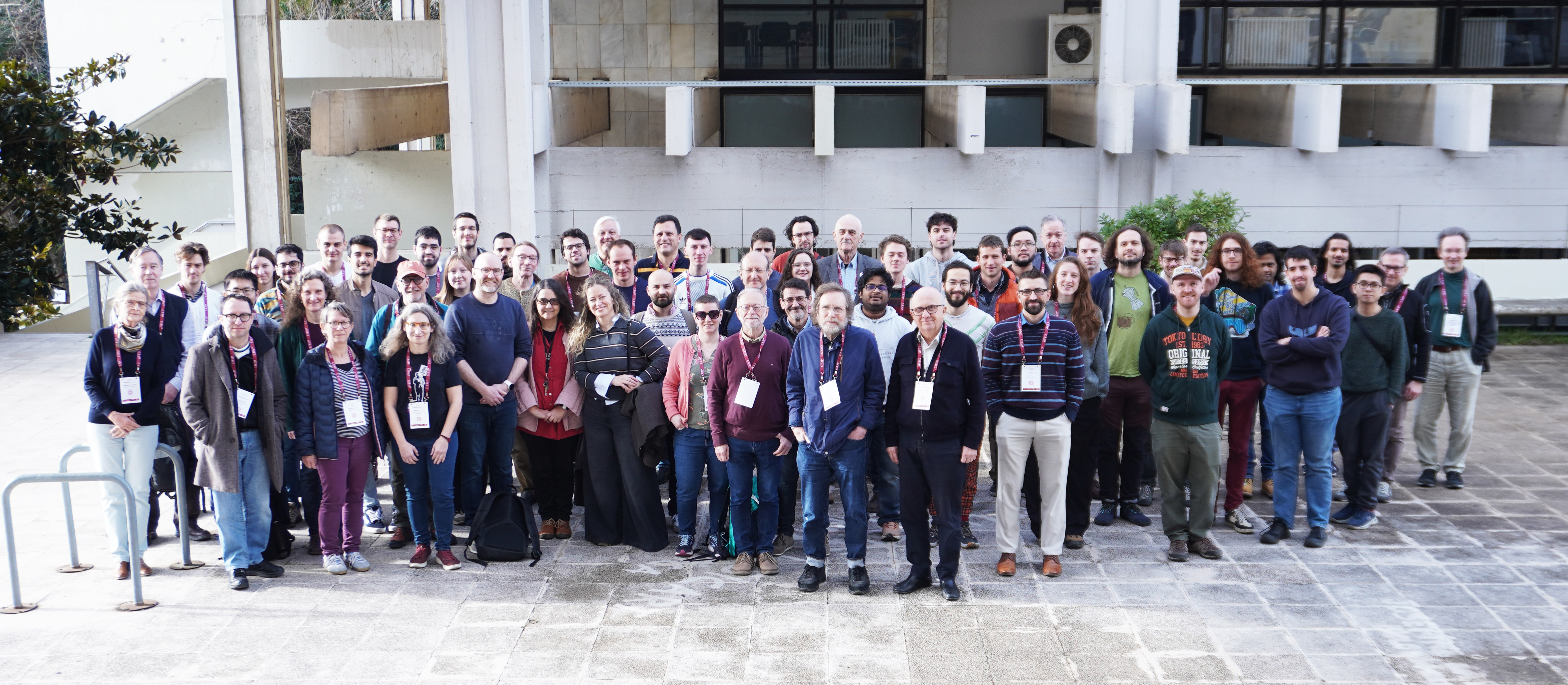
The Centre de Recerca Matemàtica hosted 75 mathematicians from over 20 countries for the Homotopy Structures in Barcelona conference, held February 9-13, 2026. Fourteen invited speakers presented research spanning rational equivariant cohomology theories, isovariant...
Three ICM speakers headline the first CRM Faculty Colloquium
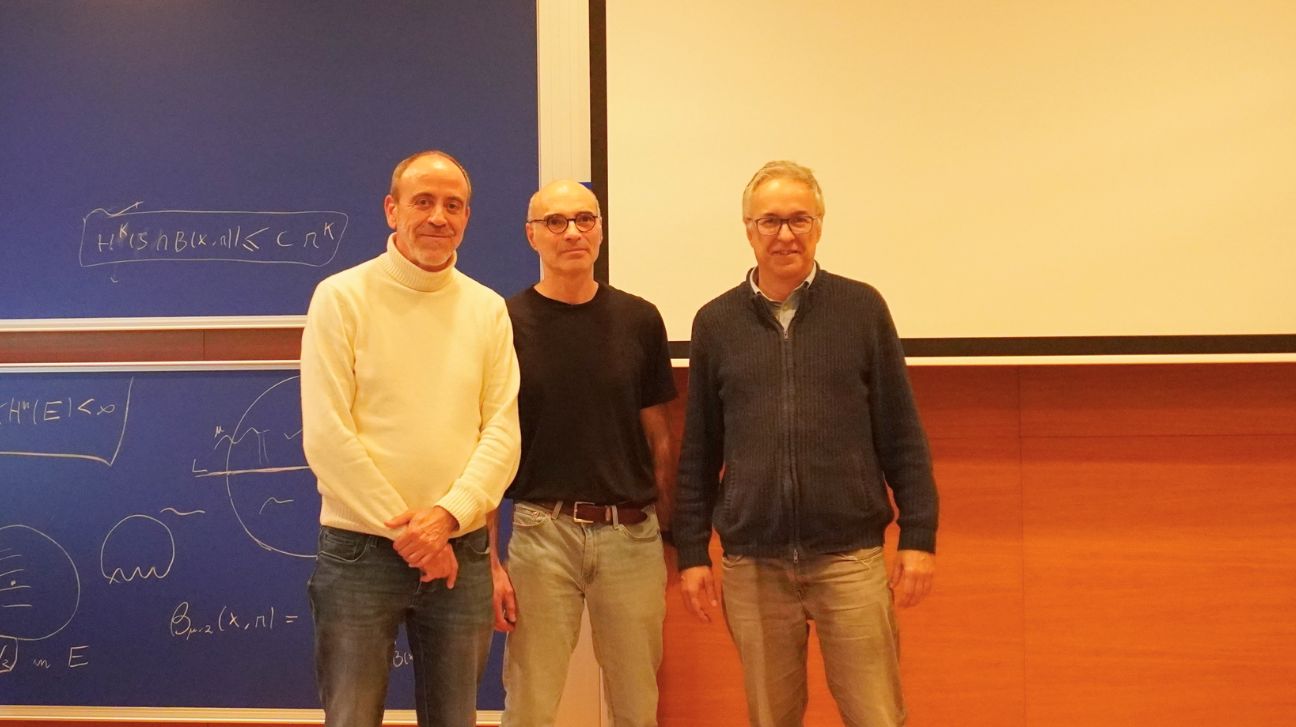
On 19 February 2026, the Centre de Recerca Matemàtica inaugurated its first CRM Faculty Colloquium, a new quarterly event designed to bring together the mathematical community around the research carried out by scientists affiliated with the Centre. The CRM auditorium...