
Enhance Europe is a European research project exploring how city streets can become sources of clean, reusable energy. The CRM contributes to the project through its Knowledge Transfer Unit (KTU), working alongside 13 institutions from 9 countries, including universities, research centres, technology firms, and public authorities.
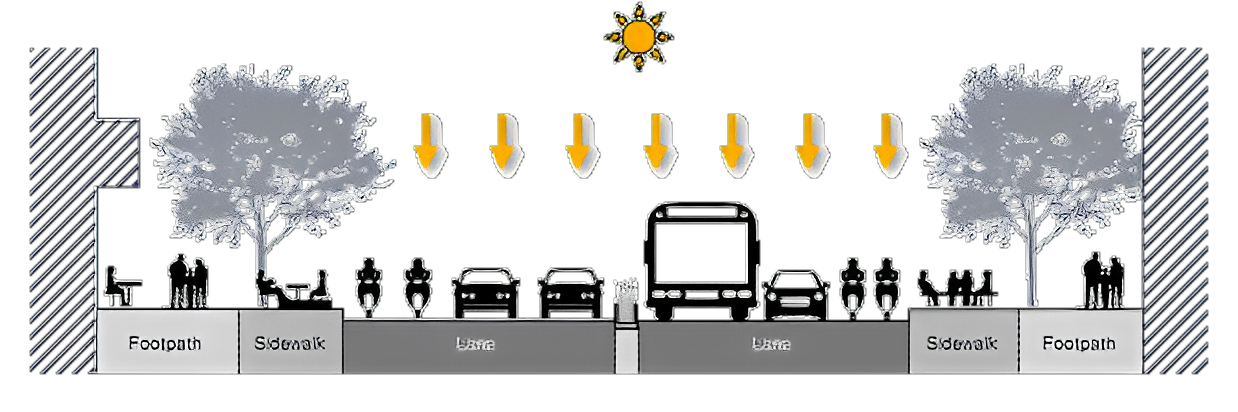
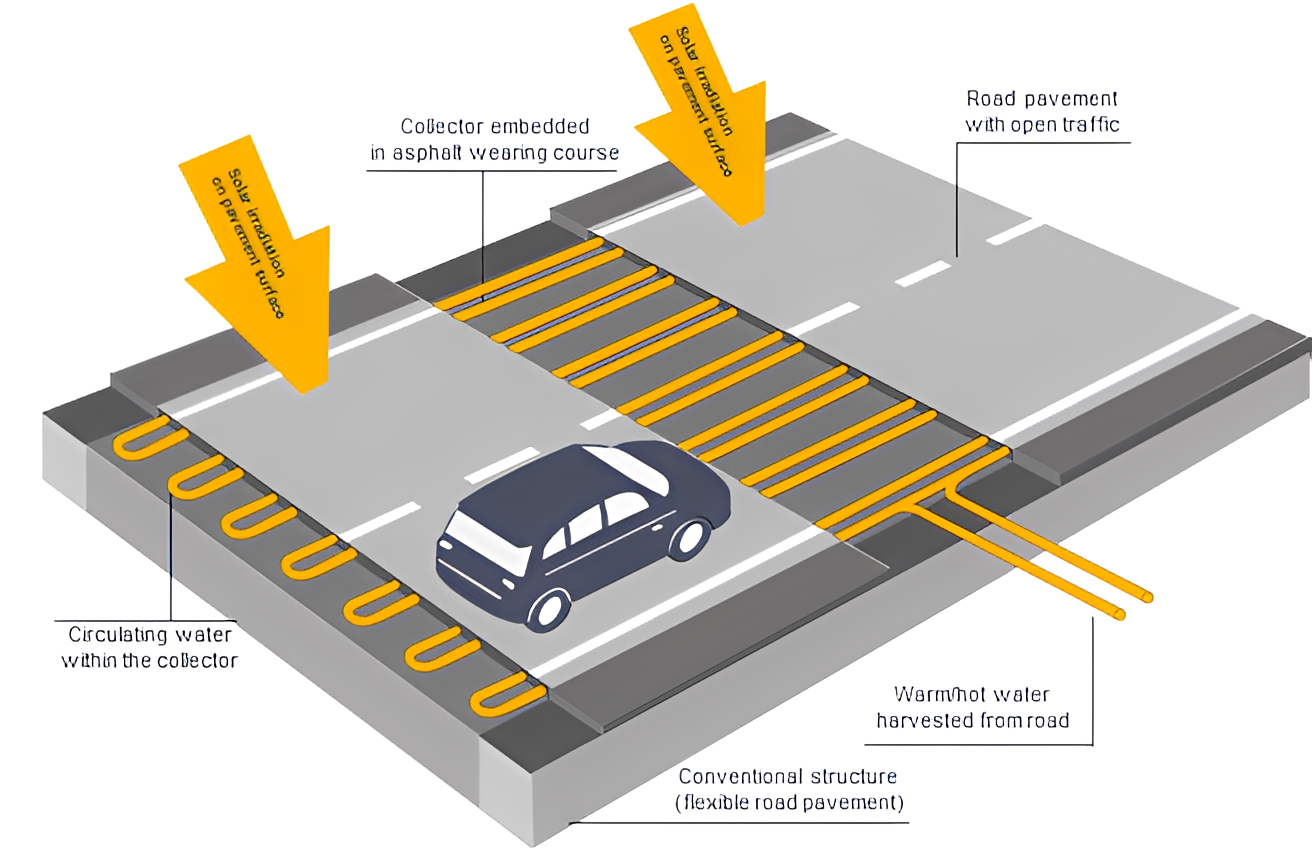
The core idea behind Enhance Europe is to use the sun’s energy (more precisely, the heat absorbed by road surfaces) and transform it into a usable thermal resource. This is done by embedding heat-exchange pipes within the asphalt. These pipes transfer the collected energy to a fluid, which can then serve local thermal needs such as hot water or heating for nearby buildings. In parallel, the system contributes to cooling the road surface, helping mitigate the urban heat island effect.
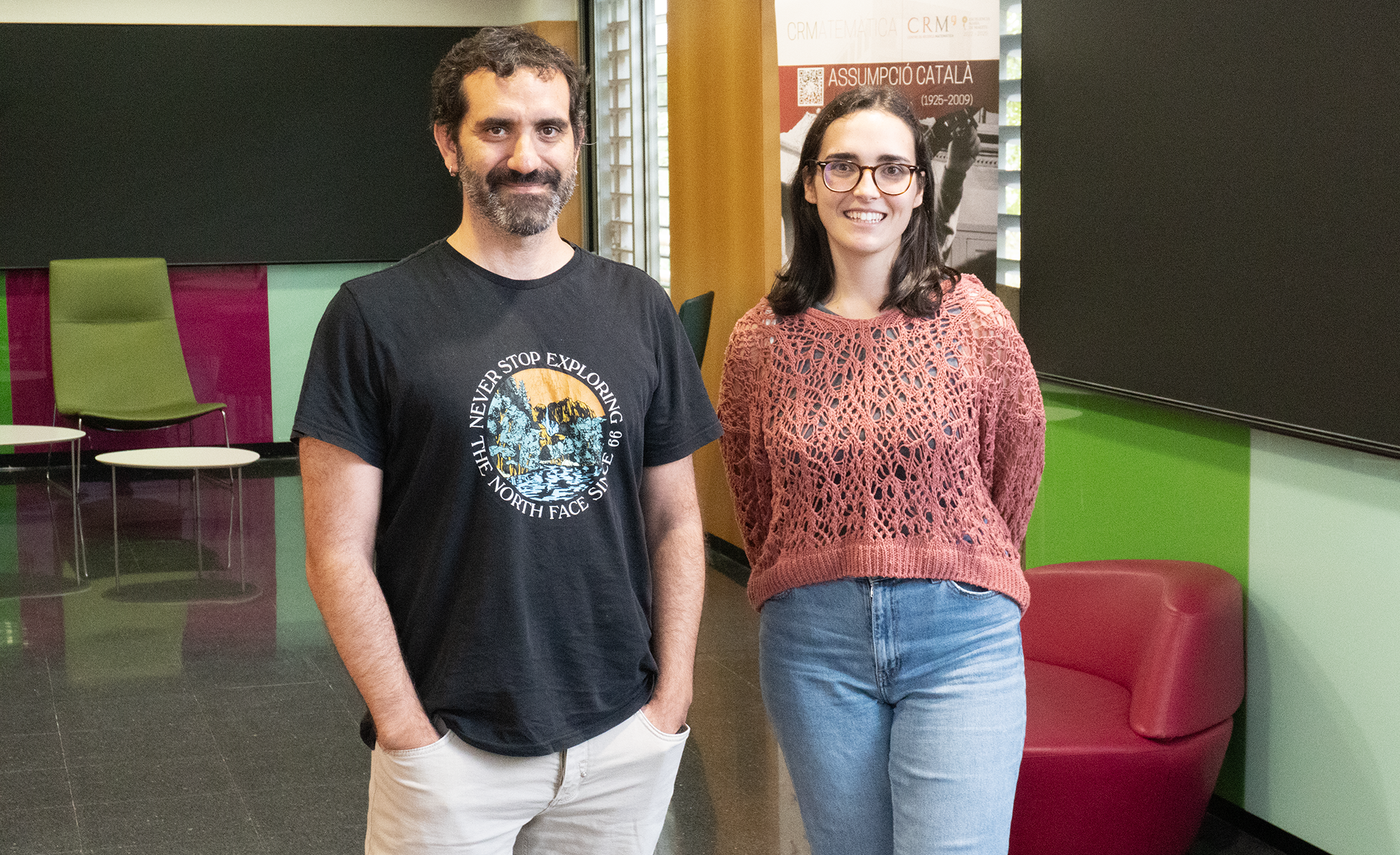
“Within the Enhance Europe project, the CRM is responsible for the mathematical modeling and numerical simulation of the system,” explains David Romero, director of the KTU. “CRM develops and applies advanced numerical methods to solve the partial differential equations (PDEs) that govern heat transfer and fluid dynamics in the pavement-integrated energy harvesting systems. This work is essential for predicting system behaviour, optimising performance, and supporting the design of effective, scalable solutions.”
As Lucia Escudero, research technician at the CRM KTU, describes: “The CRM’s central role is mathematical modeling, integrating all the technical aspects of the project, such as modeling the pipes or using mathematical models to simulate the mechanisms of heat transfer. We also focus on efficiency and sensitivity analysis, providing insight into how the system performs under different conditions.”
This work supports decisions about how the system should be built and operated in diverse urban settings. From geometry and materials to temperature variations and fluid dynamics, CRM’s models offer a way to anticipate what will happen in the real world, before a single meter of pipe is laid.
“CRM develops and applies advanced numerical methods to solve the partial differential equations (PDEs) that govern heat transfer and fluid dynamics in the pavement-integrated energy harvesting systems.”
— David Romero, CRM KTU
“From a mathematical perspective,” adds Romero, “it is especially compelling to see how ideas from abstract mathematics (such as partial differential equations and computational methods) can evolve from the world of theory into a concrete, impactful application. It’s a powerful demonstration of how fundamental science can actively shape real-world solutions and contribute to building a more sustainable future.”
Enhance Europe is coordinated by the University of Padua. The project runs from 2025 to 2028 and is funded by the European CETPartnership programme. Over the next three years, full-scale demonstrators will be built and tested in four cities: Padua (Italy), Ostrava (Czech Republic), Riga (Latvia), and Vaasa (Finland). Each location offers a different climate and urban infrastructure, helping researchers validate the system under varying conditions.
Sharing Knowledge and Rethinking Urban Potential
As part of its involvement, CRM also leads the project’s communication work package. “CRM coordinates efforts to disseminate the project’s progress and results, raise awareness among stakeholders, and promote the broader adoption of this innovative technology,” says Romero.
Finally, Lucia Escudero emphasizes that mathematics plays a deeper role than might be expected in a project focused on infrastructure and environment: “The mathematical approach provides the technical foundation to improve and predict system behavior. We use mathematical models to understand the system, and we apply optimization and analysis techniques to identify the optimal parameters and improve decision-making.”
In the end, Enhance Europe is about reimagining what cities can be, and how even the most mundane surfaces, like asphalt, might contribute to the clean energy transition.
You can learn more about the project visiting https://enhanceeurope.eu/
crm researchers
Subscribe for more CRM News
|
|
CRM CommPau Varela
|
Yves Chevallard (1946–2026)
Yves Chevallard passed away on 16 March 2026. He was 79 years old. Born in Tunis, he trained at the École normale supérieure in Paris, where he earned an agrégation de mathématiques. He went on to become a professor at Aix-Marseille Université, and it was there, over...

The CRM participates in a European project studying decision-making and risk perception in mountain environments
The NeuroMunt project (POCTEFA, coordinated by the Université de Perpignan Via Domitia) studies how people make decisions under risk conditions in mountain environments, bringing together researchers from France and Spain across disciplines ranging from complex...
One Day, One Family, One Place: Poisson Geometry at CRM
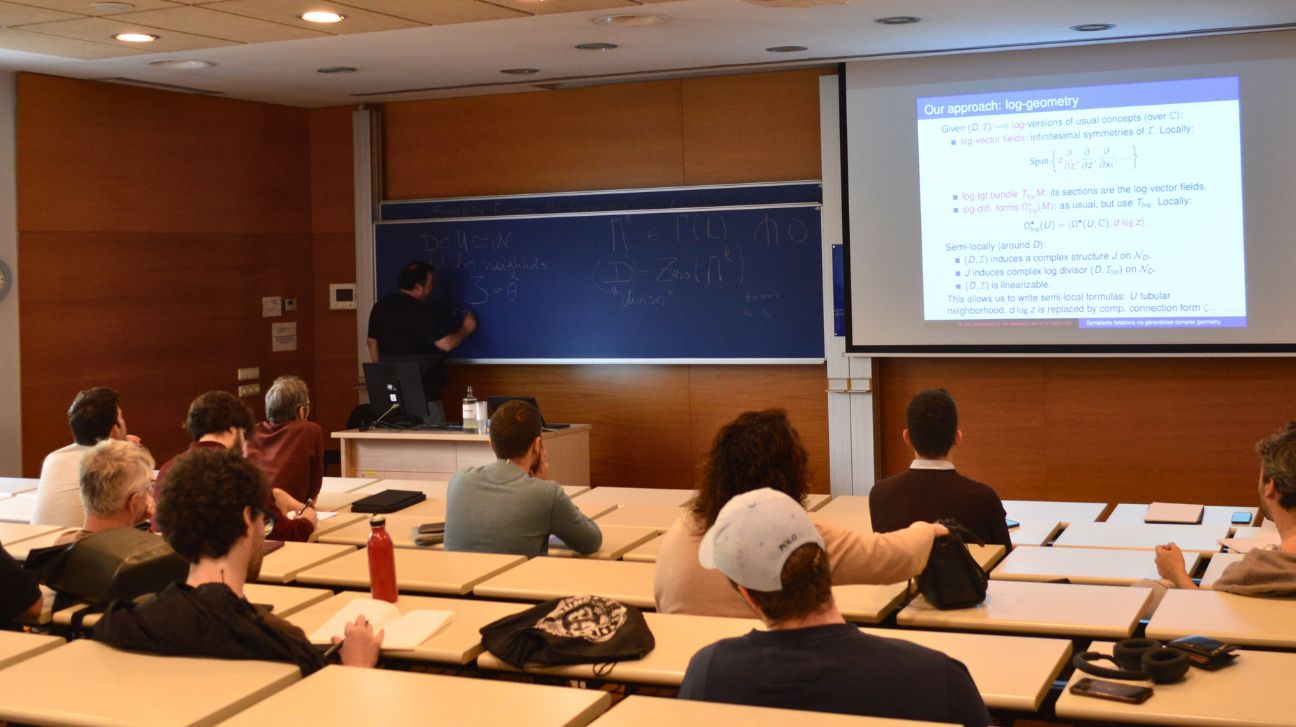
On March 23rd, 2026, the Centre de Recerca Matemàtica hosted the thematic day “Poisson Geometry and Its Relatives”, a full‑day event that brought together researchers exploring Poisson geometry and several of its neighbouring areas. The programme combined classical...
Life After the PhD: Three Roads Forward
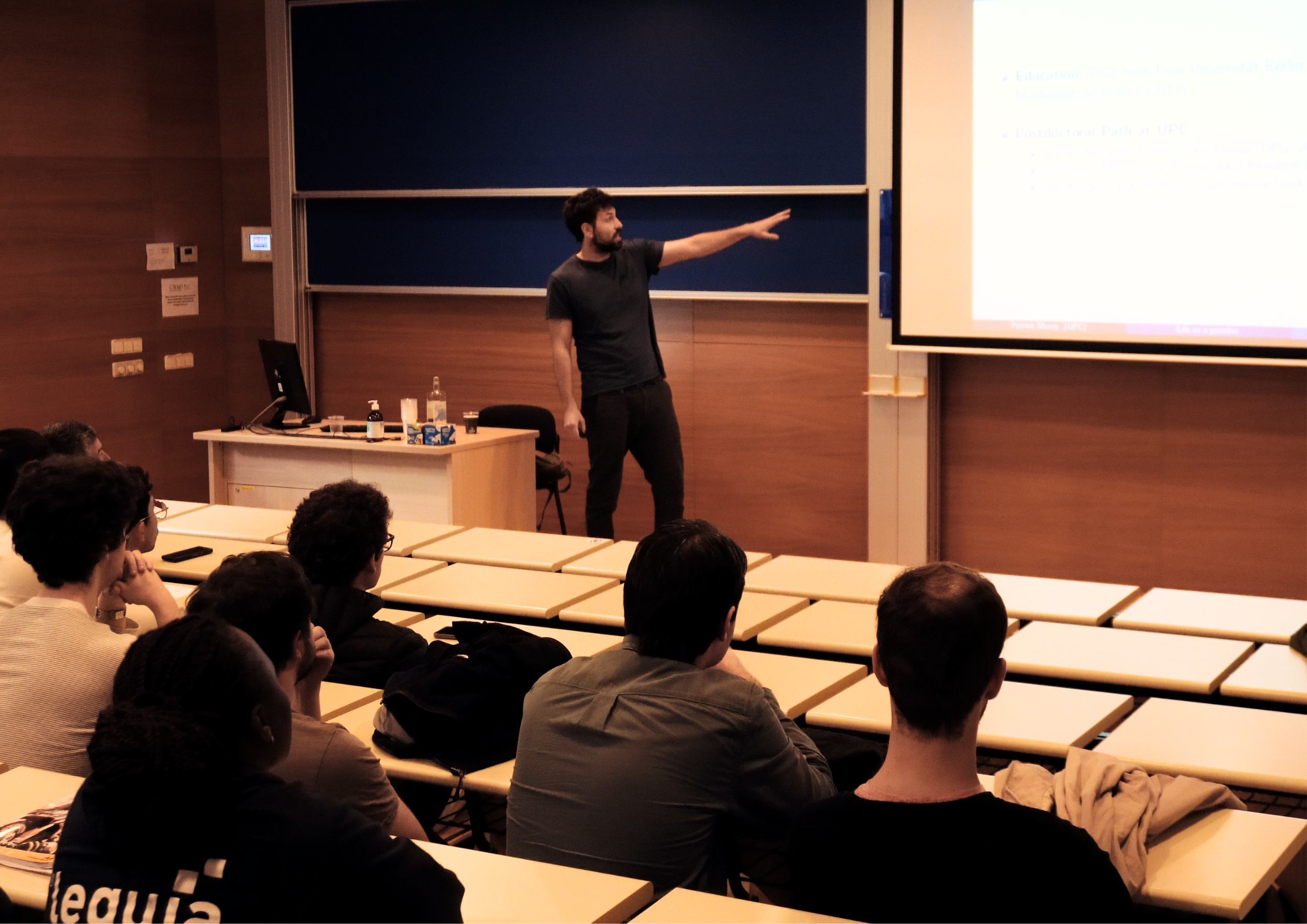
On March 18, the BGSMath held its first session on careers after a PhD in mathematics, bringing together three speakers with different professional trajectories and 46 early-career researchers from nine institutions.On March 18, the Barcelona Graduate School of Math...
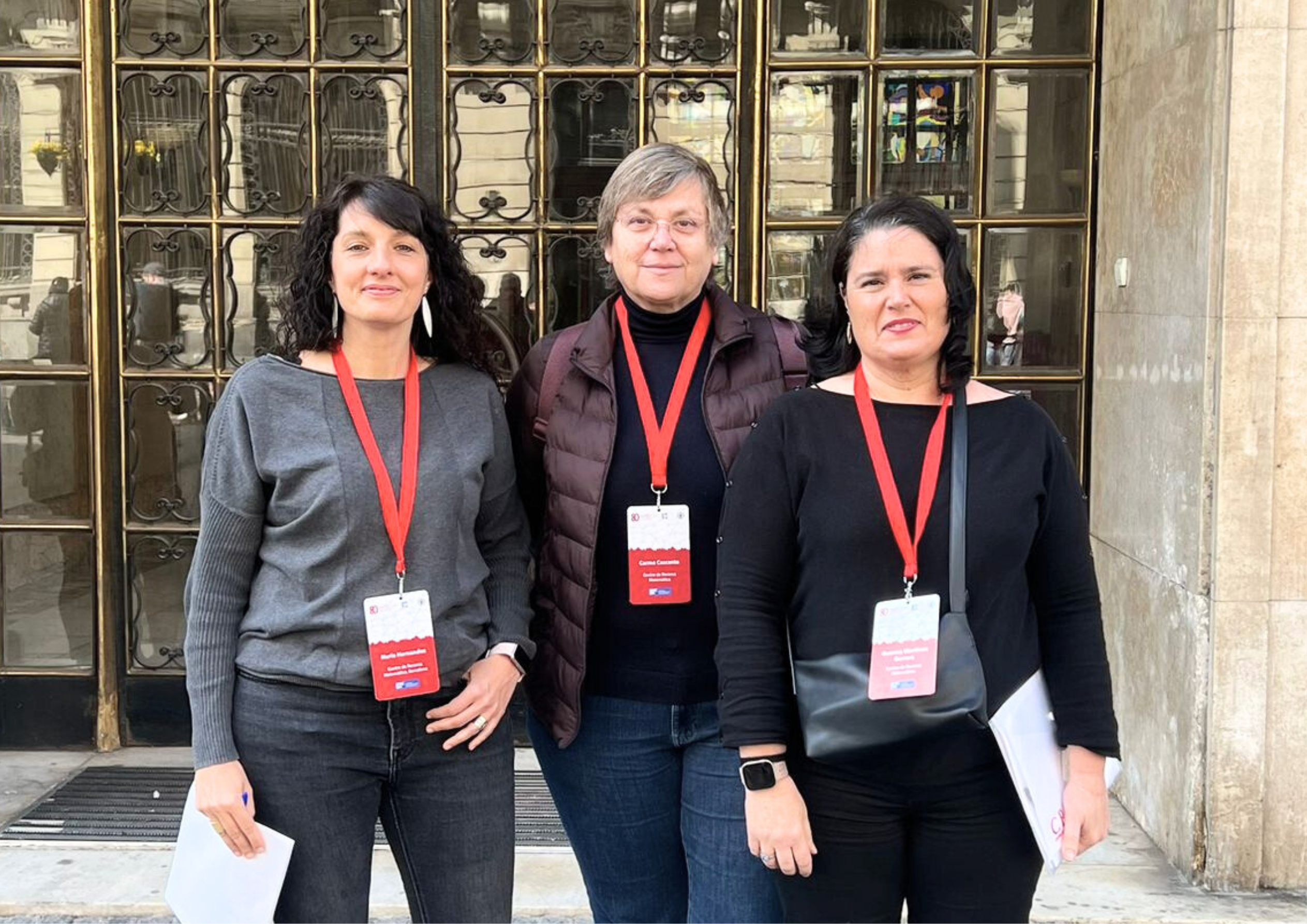
CRM participates in the 2026 ERCOM annual meeting in Belgrade
The CRM participated in the 2026 ERCOM annual meeting in Belgrade (20–21 March), represented by Director Carme Cascante, Manager Gemma Martínez, and Scientific Activities Manager Núria Hernández. The programme focused on multidisciplinarity, mathematics and the arts,...
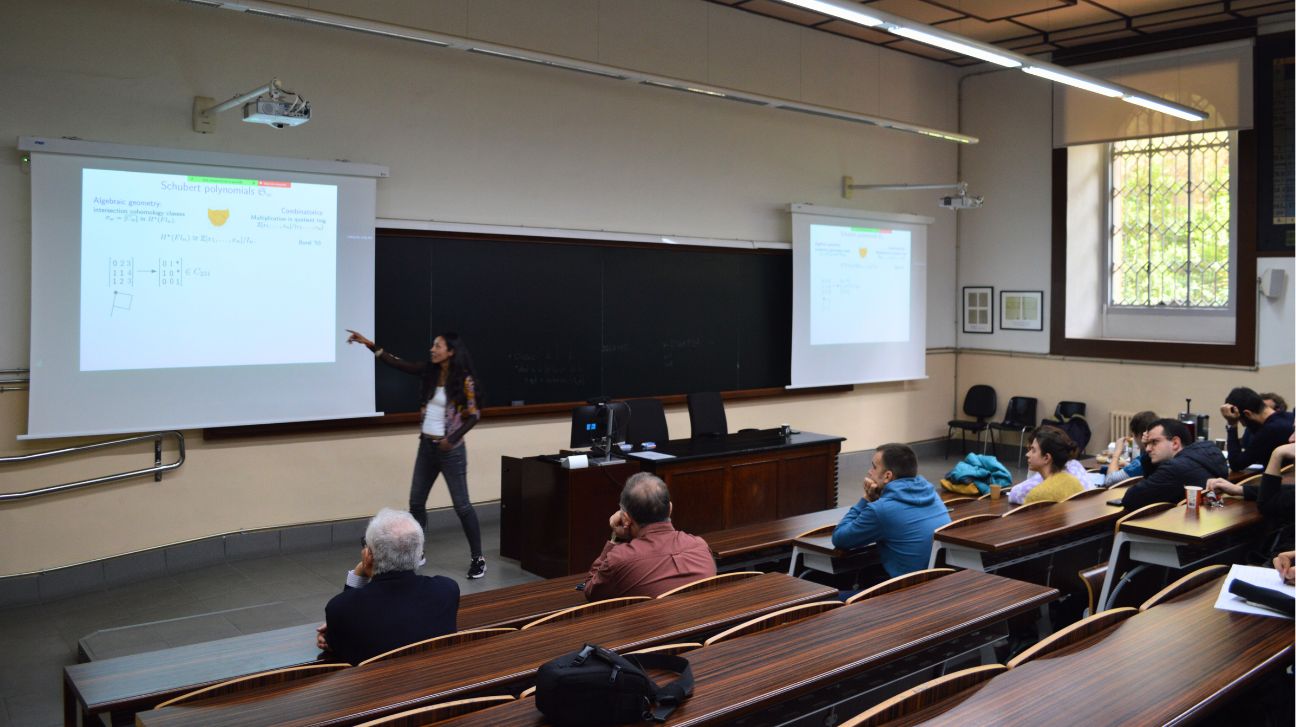
5 Talks, 1 Topic: A Day of Combinatorics
On March 18th, 2026, the 5 Talks in Combinatorics thematic day took place in the Joan Maragall Room at the Faculty of Philology and Communication of the University of Barcelona, in the historic building. The event focused on modern combinatorics and its connections...
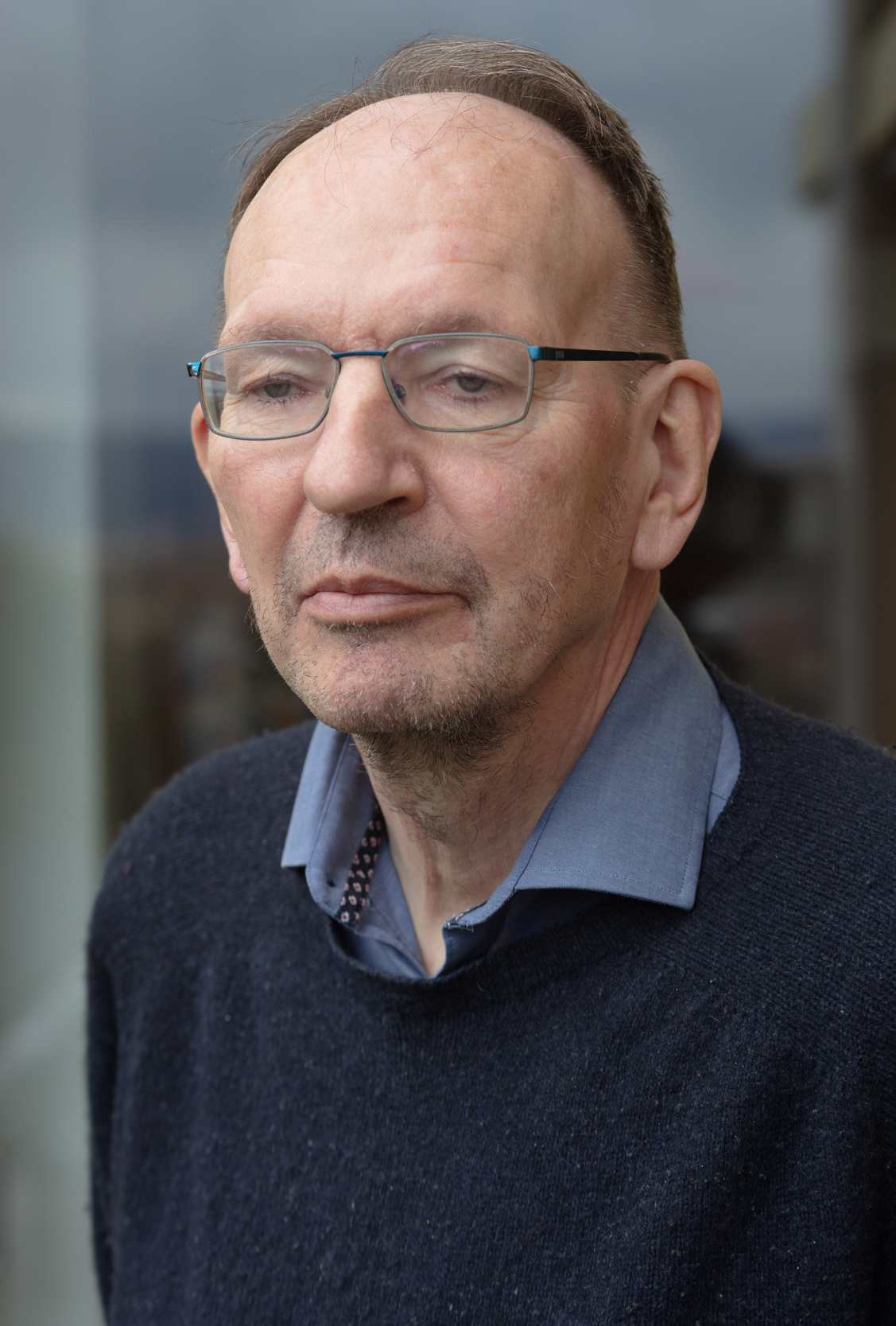
Gerd Faltings Awarded the 2026 Abel Prize for Transformative Work in Arithmetic Geometry
The Norwegian Academy of Science and Letters has recognised the German mathematician for solving two of the most enduring open problems in the field.The Norwegian Academy of Science and Letters announced today that the 2026 Abel Prize goes to Gerd Faltings, director...
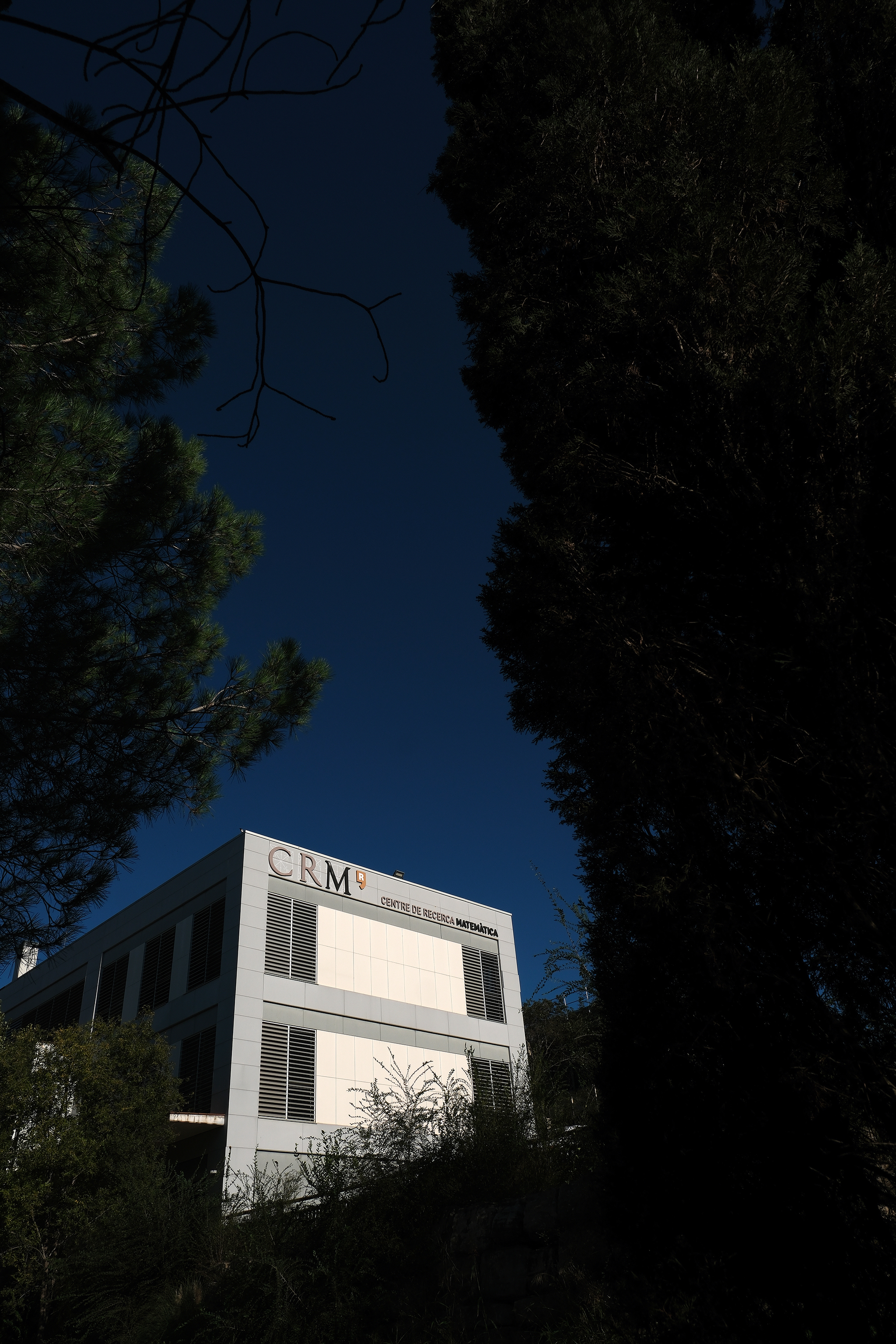
The Centre de Recerca Matemàtica Approves Its Strategic Plan for 2026–2030
The Centre de Recerca Matemàtica has approved its Strategic Plan for 2026 - 2030, setting priorities in research, training, and knowledge transfer. Four flagship initiatives anchor the scientific programme. The Centre de Recerca Matemàtica approved its Strategic Plan...
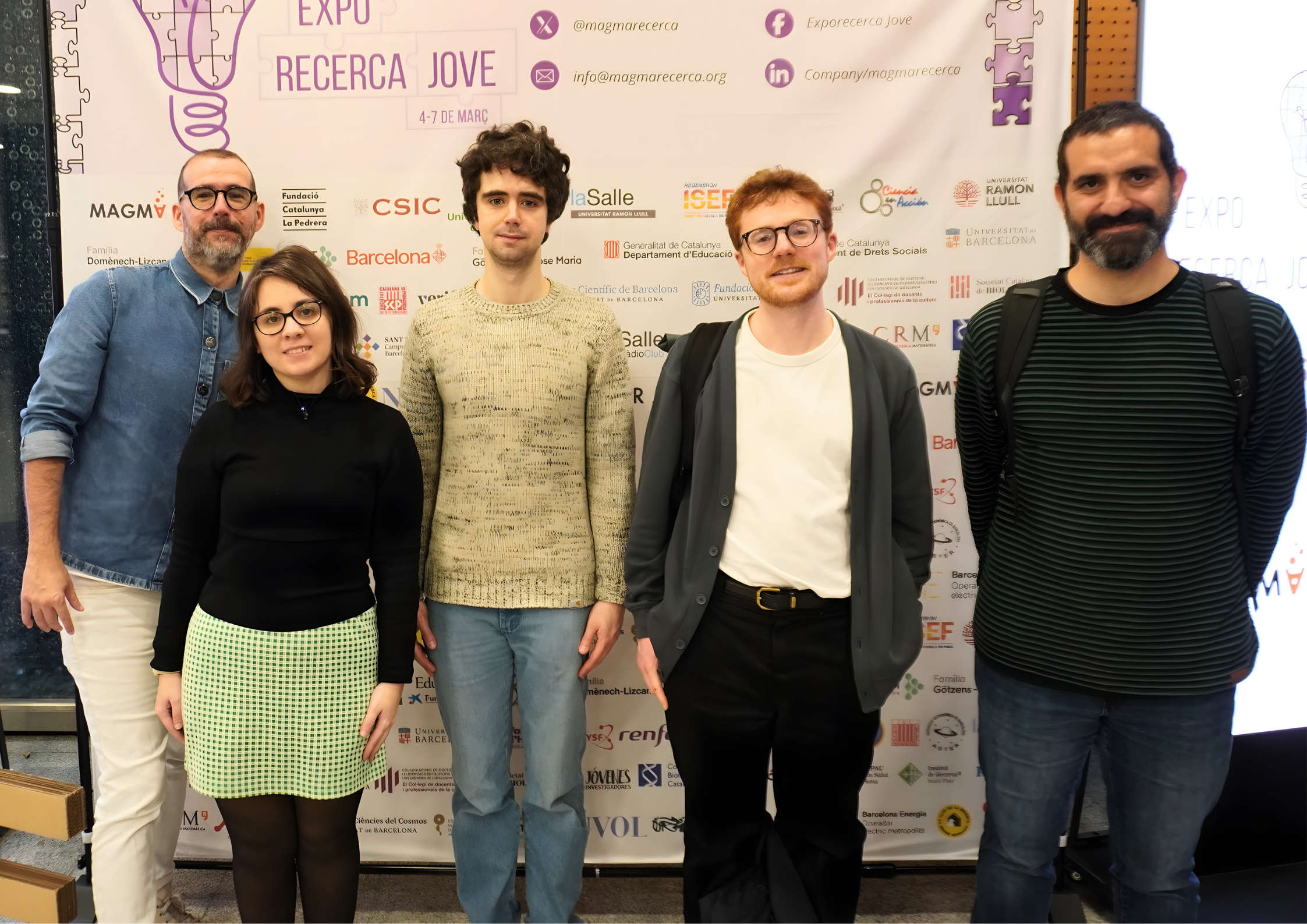
CRM Awards Its Prize at Exporecerca Jove for the Third Time
For the third year running, CRM visited Exporecerca Jove to award its prize to the student project with the strongest mathematical content. This edition, the jury selected two winners: Xavier Ortiz Quintana, who built a real-time 3D scanner using...

When Symmetry Breaks the Rules: From Askey–Wilson Polynomials to Functions
Researchers Tom Koornwinder (U. Amsterdam) and Marta Mazzocco (ICREA-UPC-CRM) published a paper in Indagationes Mathematicae exploring DAHA symmetries. Their work shows that these symmetries shift Askey–Wilson polynomials into a continuous functional setting,and...
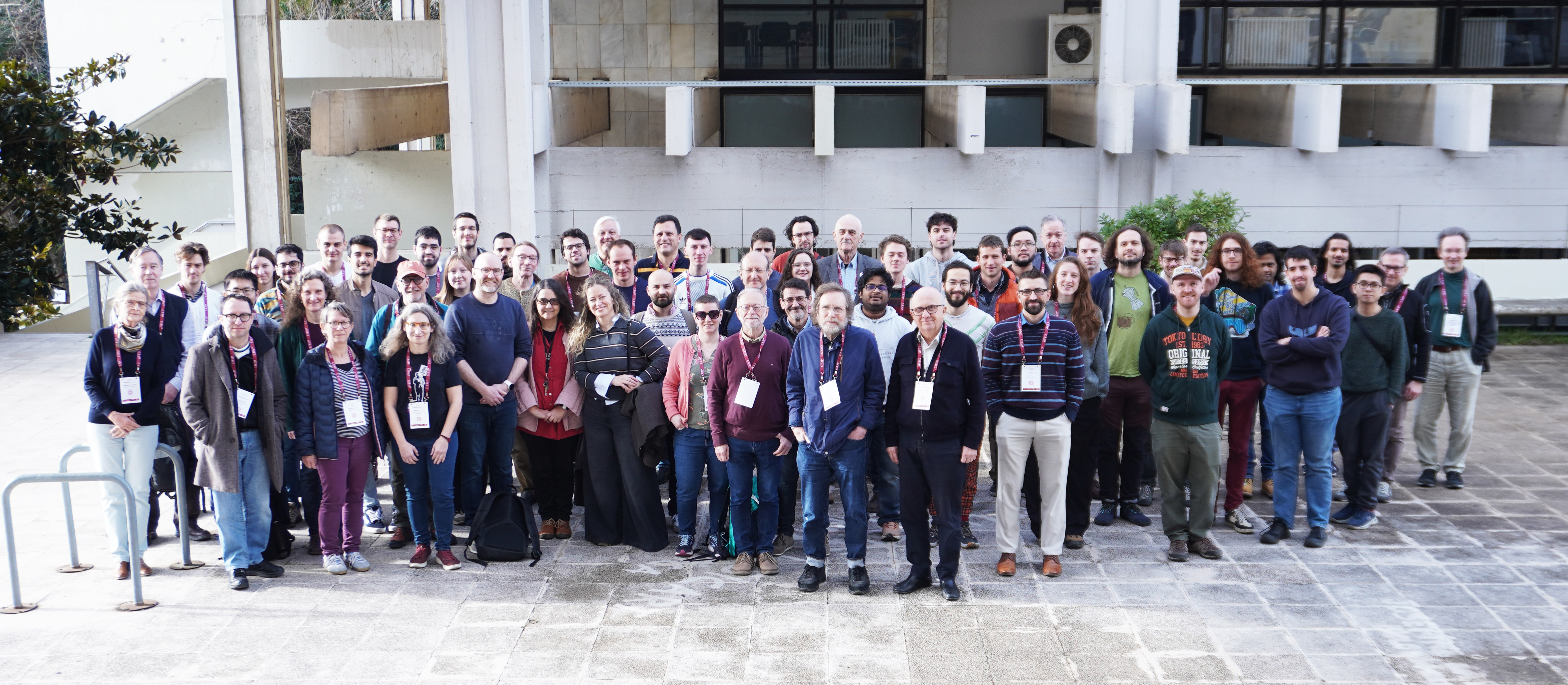
Homotopy Theory Conference Brings Together Diverse Research Perspectives
The Centre de Recerca Matemàtica hosted 75 mathematicians from over 20 countries for the Homotopy Structures in Barcelona conference, held February 9-13, 2026. Fourteen invited speakers presented research spanning rational equivariant cohomology theories, isovariant...
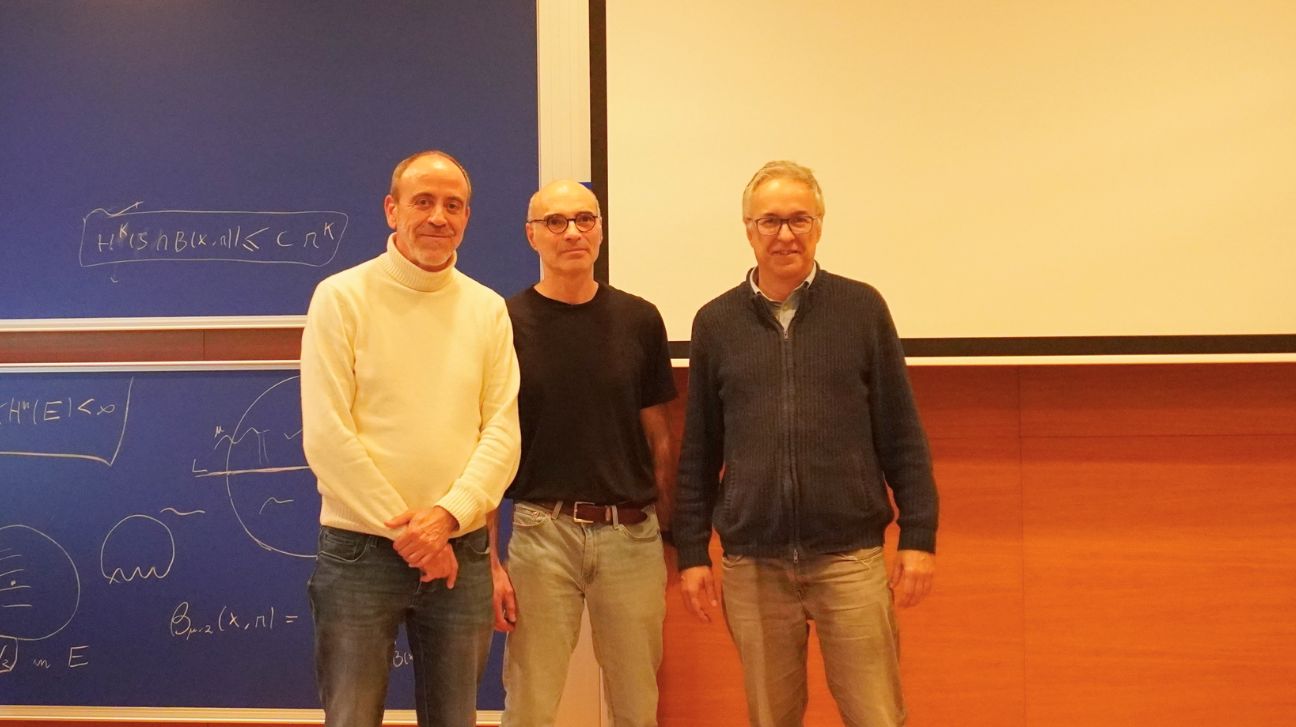
Three ICM speakers headline the first CRM Faculty Colloquium
On 19 February 2026, the Centre de Recerca Matemàtica inaugurated its first CRM Faculty Colloquium, a new quarterly event designed to bring together the mathematical community around the research carried out by scientists affiliated with the Centre. The CRM auditorium...