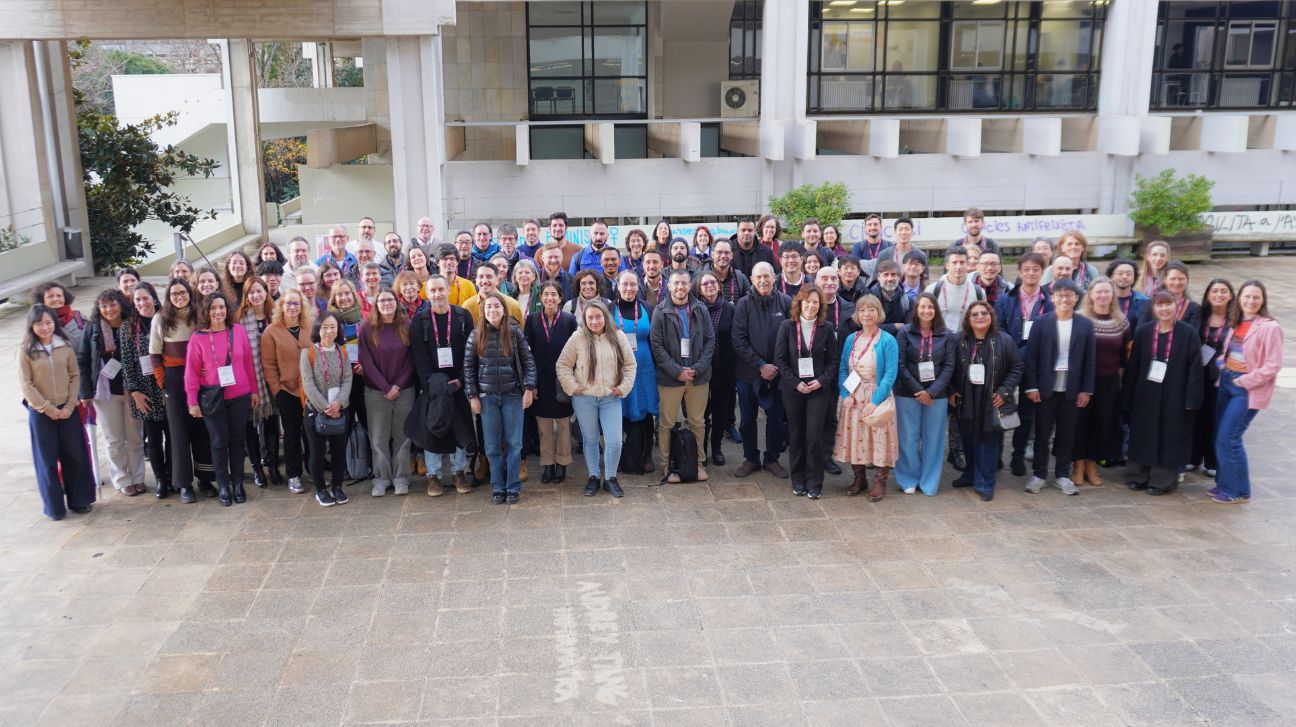
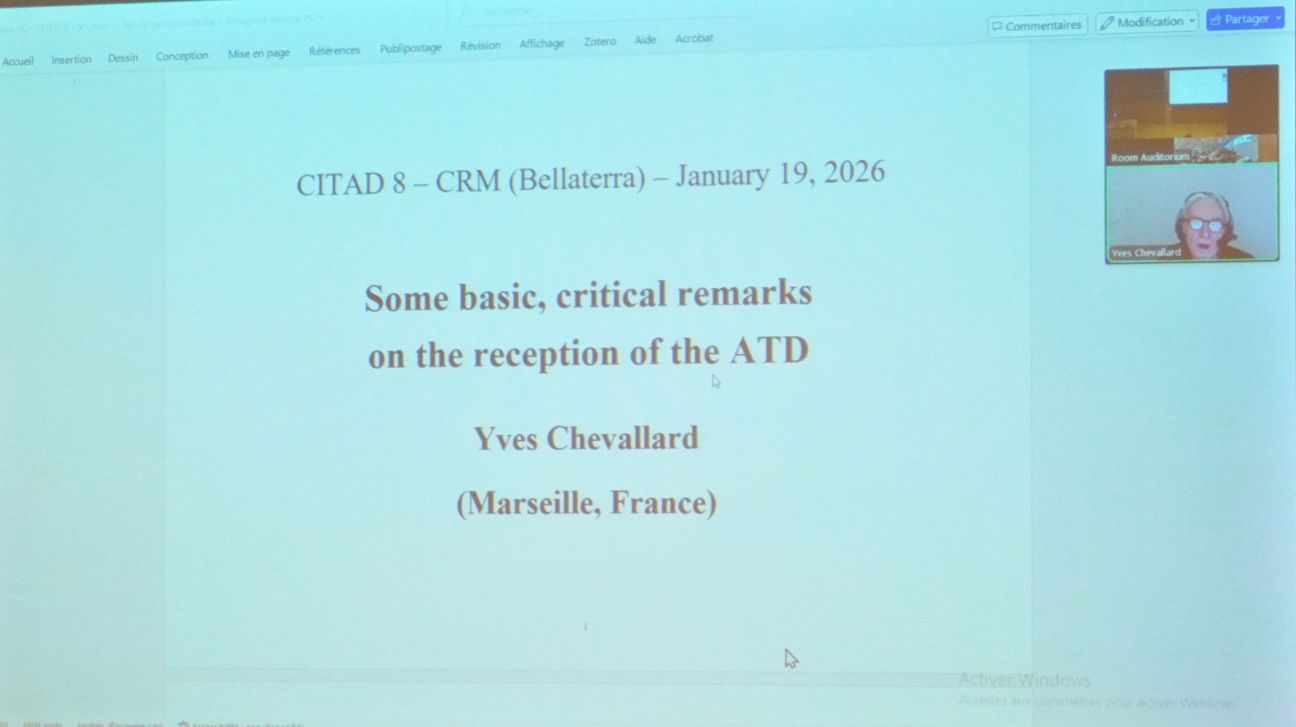
From 19 to 23 January 2026, the CRM hosted the 8th International Conference on the Anthropological Theory of the Didactic (CITAD 8), a leading international event in the field of didactics research that brought together researchers from different countries in Barcelona.
The conference is fully embedded in the study of the processes of teaching, learning and the transmission of knowledge. In this sense, holding CITAD 8 at the CRM strengthens the dialogue between mathematical research and educational reflection, while highlighting the Centre’s openness to hosting interdisciplinary scientific events.
A space to reflect on research in didactics
Under the title Research praxeologies in the Anthropological Theory of the Didactic, CITAD 8 aimed primarily to provide an updated overview of advances in ATD, both in terms of basic research and its links with education systems and teacher education. The conference also addressed the main open problems in the field, as well as the challenges involved in extending the conceptual and methodological frameworks of ATD to other domains.
One of the cross-cutting themes of the conference was the reflection on research praxeologies: how research is conducted within ATD, which conceptual tools are mobilised, and what specific characteristics this theoretical framework presents when applied to diverse contexts.
Three scientific axes
The scientific programme of the conference was structured around three main axes:
- Axis 1. Society and the curriculum problem: questioning works, focusing on the analysis of the curriculum as a dynamic object, subject to historical, institutional and epistemological transformations. This axis included descriptive, retrospective and prospective studies on the selection and organisation of the content to be taught, as well as on processes of didactic transposition.
- Axis 2. Society and the curriculum problem: enriching and questioning the world, devoted to exploring the so-called paradigm of questioning the world in educational institutions. Contributions analysed the conditions that enable—or hinder—the existence of teaching practices based on inquiry, the study of open questions, and the articulation of different domains of knowledge.
- Axis 3. The professions, focusing on the professionalisation of teaching and, more broadly, on professional education in diverse contexts. This axis addressed contemporary social changes—such as digitalisation, artificial intelligence and ecological transition—and the role that ATD can play in understanding and accompanying these transformations.
Key figures and international debate
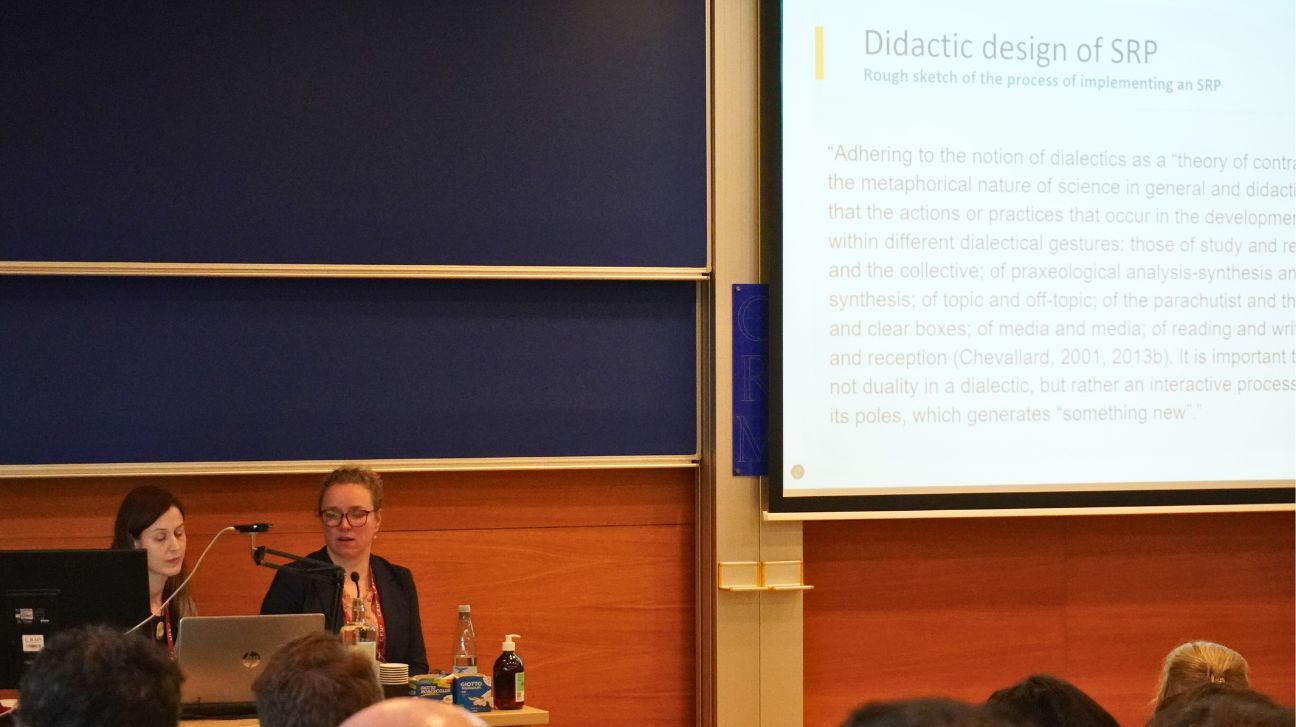
The conference featured the participation of leading international researchers in the field of didactics. Among them, special mention should be made of Yves Chevallard, founder of the Anthropological Theory of the Didactic, whose contribution was one of the highlights of the conference and generated extensive theoretical and methodological discussion.
The diversity of the participants’ institutional and geographical backgrounds enriched the debates and further consolidated CITAD 8 as a high-level international forum.
A space for early-career researchers
As in previous editions, the conference included a seminar specifically devoted to PhD students, held on the first day. This seminar provided doctoral students with the opportunity to present their research projects and discuss them with experienced researchers, fostering intergenerational exchange and academic mentoring.
For the CRM, it was an honour to host CITAD 8, a conference with a long-standing international trajectory that reinforces the Centre’s commitment to high-quality research, scientific exchange and openness to diverse disciplines and approaches. The event also highlights Barcelona’s role as a meeting point for international educational and scientific reflection.
|
|
CRM CommNatalia Vallina
|
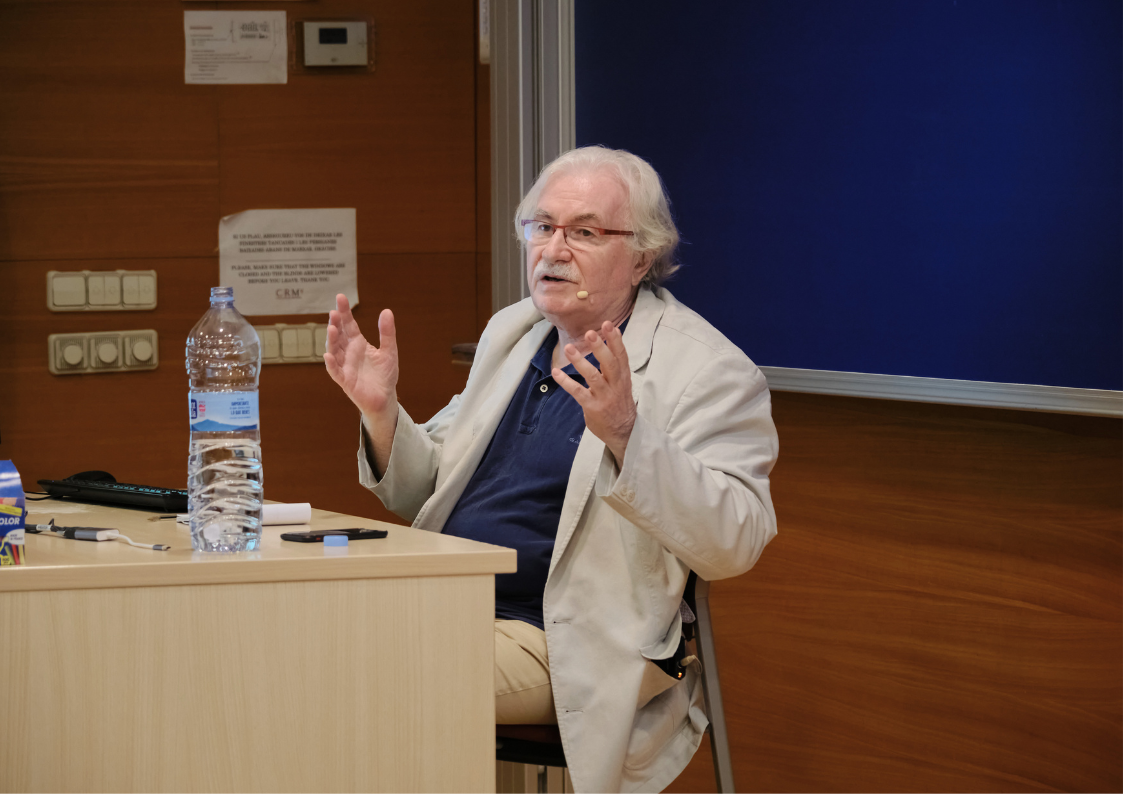
Yves Chevallard (1946–2026)
Yves Chevallard passed away on 16 March 2026. He was 79 years old. Born in Tunis, he trained at the École normale supérieure in Paris, where he earned an agrégation de mathématiques. He went on to become a professor at Aix-Marseille Université, and it was there, over...

The CRM participates in a European project studying decision-making and risk perception in mountain environments
The NeuroMunt project (POCTEFA, coordinated by the Université de Perpignan Via Domitia) studies how people make decisions under risk conditions in mountain environments, bringing together researchers from France and Spain across disciplines ranging from complex...
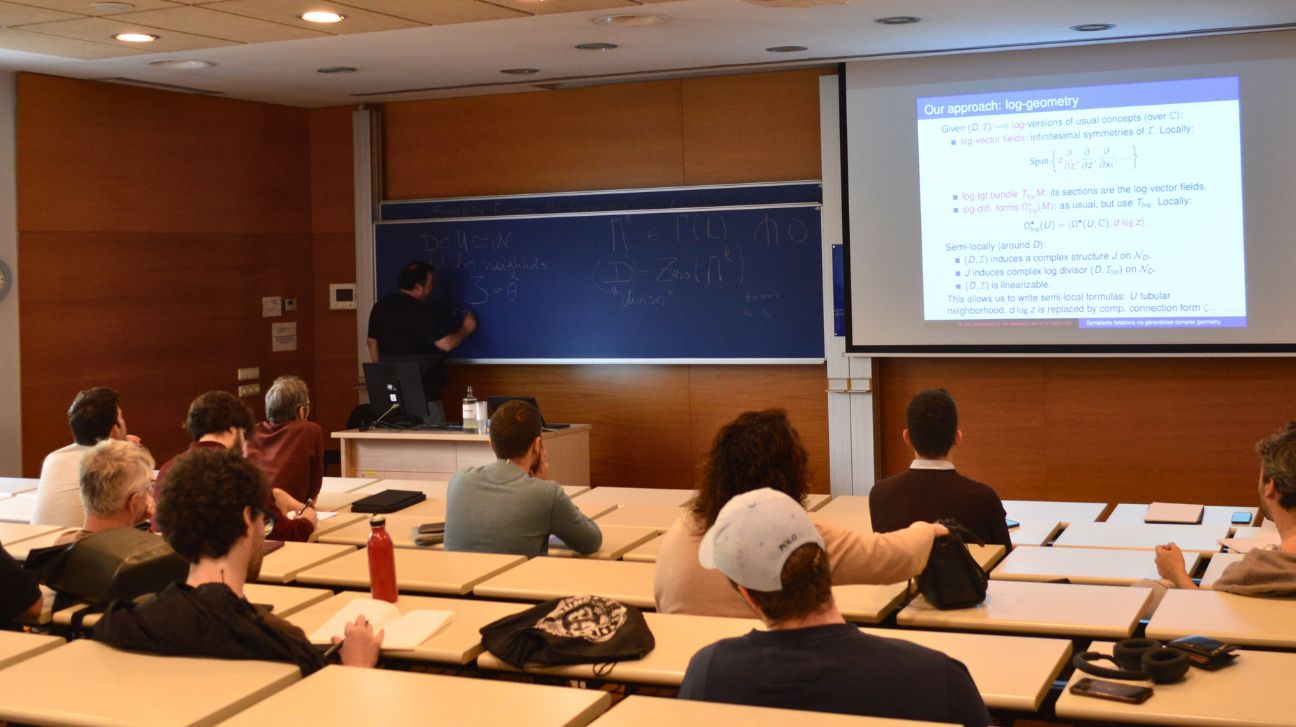
One Day, One Family, One Place: Poisson Geometry at CRM
On March 23rd, 2026, the Centre de Recerca Matemàtica hosted the thematic day “Poisson Geometry and Its Relatives”, a full‑day event that brought together researchers exploring Poisson geometry and several of its neighbouring areas. The programme combined classical...
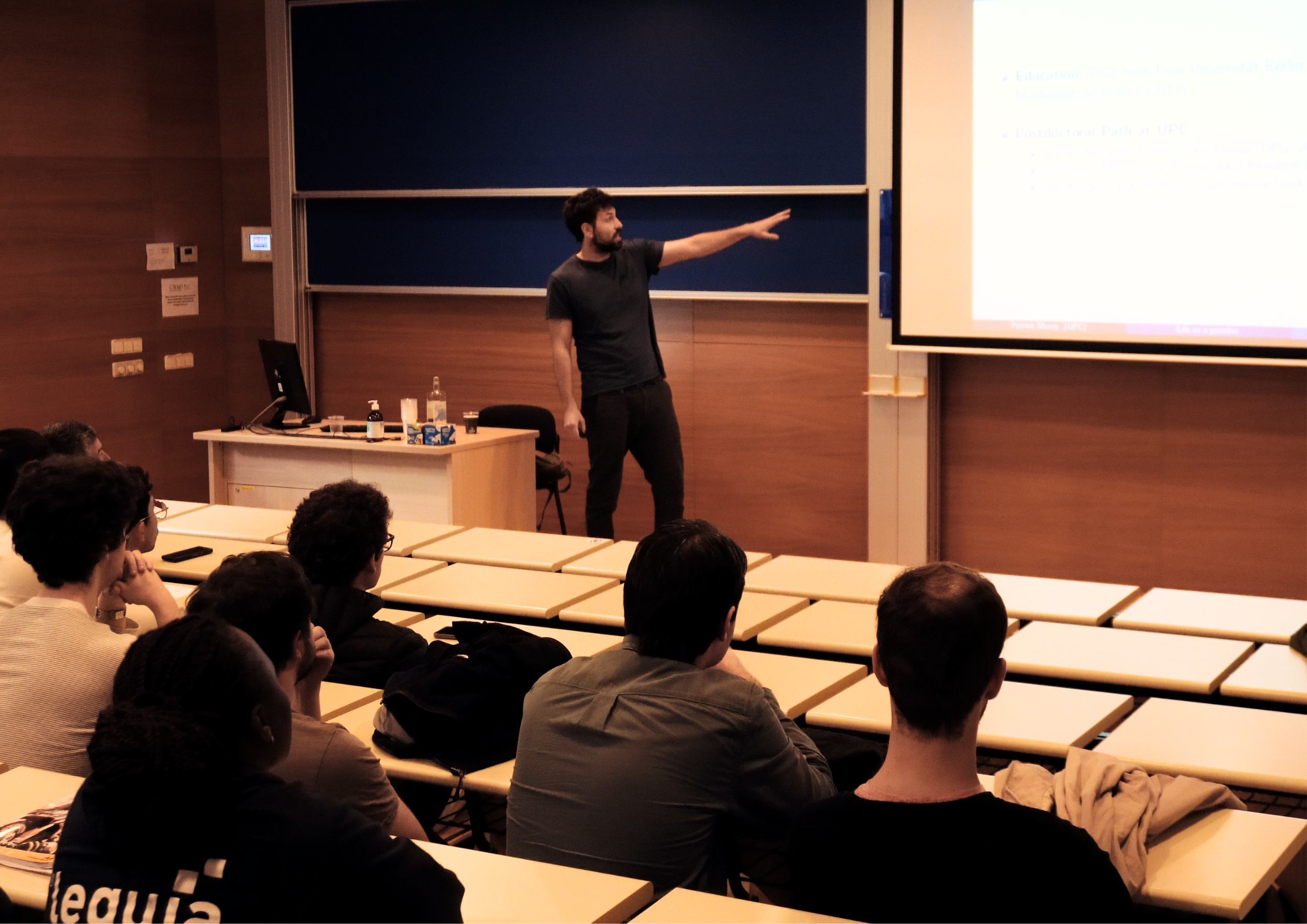
Life After the PhD: Three Roads Forward
On March 18, the BGSMath held its first session on careers after a PhD in mathematics, bringing together three speakers with different professional trajectories and 46 early-career researchers from nine institutions.On March 18, the Barcelona Graduate School of Math...
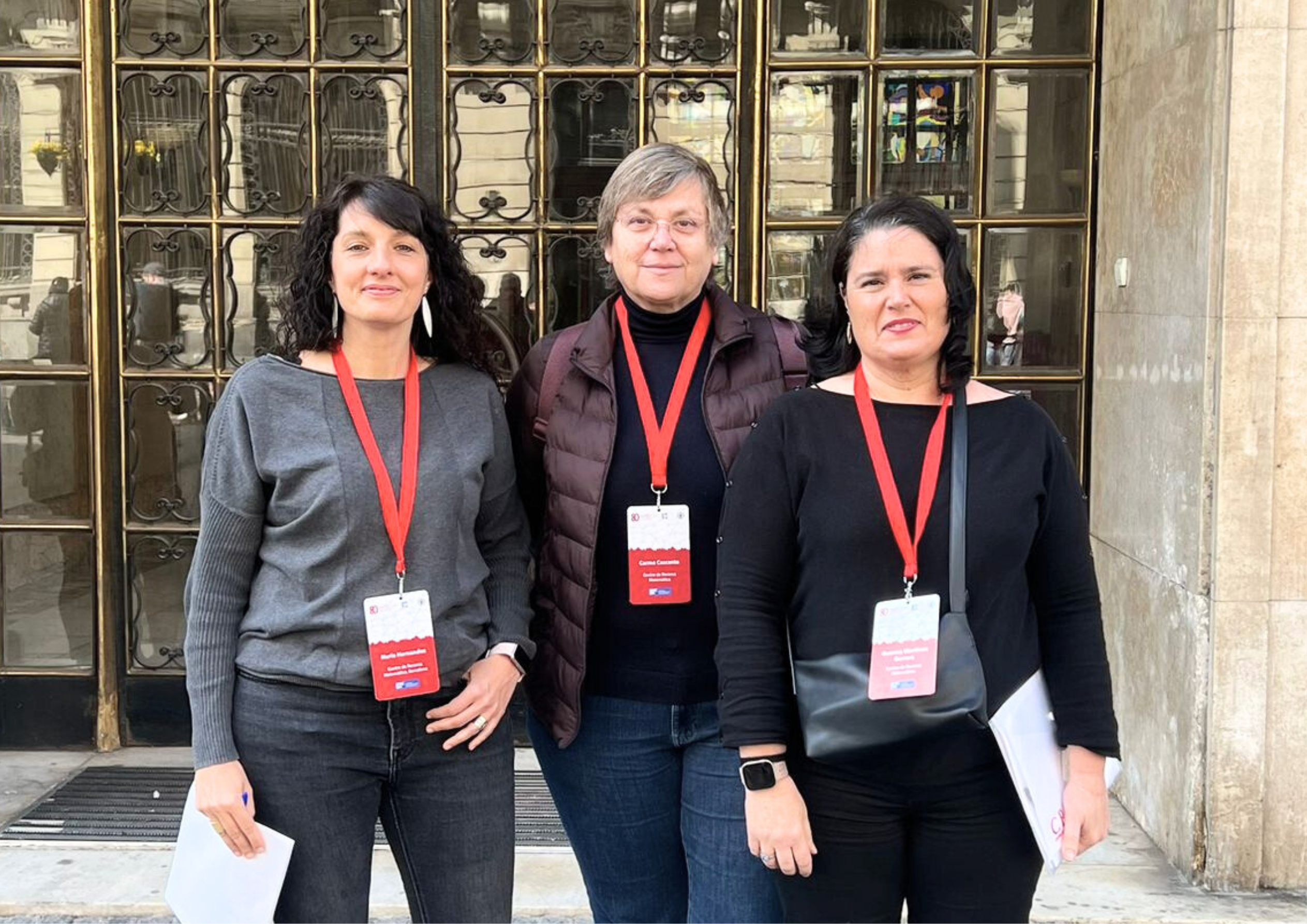
CRM participates in the 2026 ERCOM annual meeting in Belgrade
The CRM participated in the 2026 ERCOM annual meeting in Belgrade (20–21 March), represented by Director Carme Cascante, Manager Gemma Martínez, and Scientific Activities Manager Núria Hernández. The programme focused on multidisciplinarity, mathematics and the arts,...
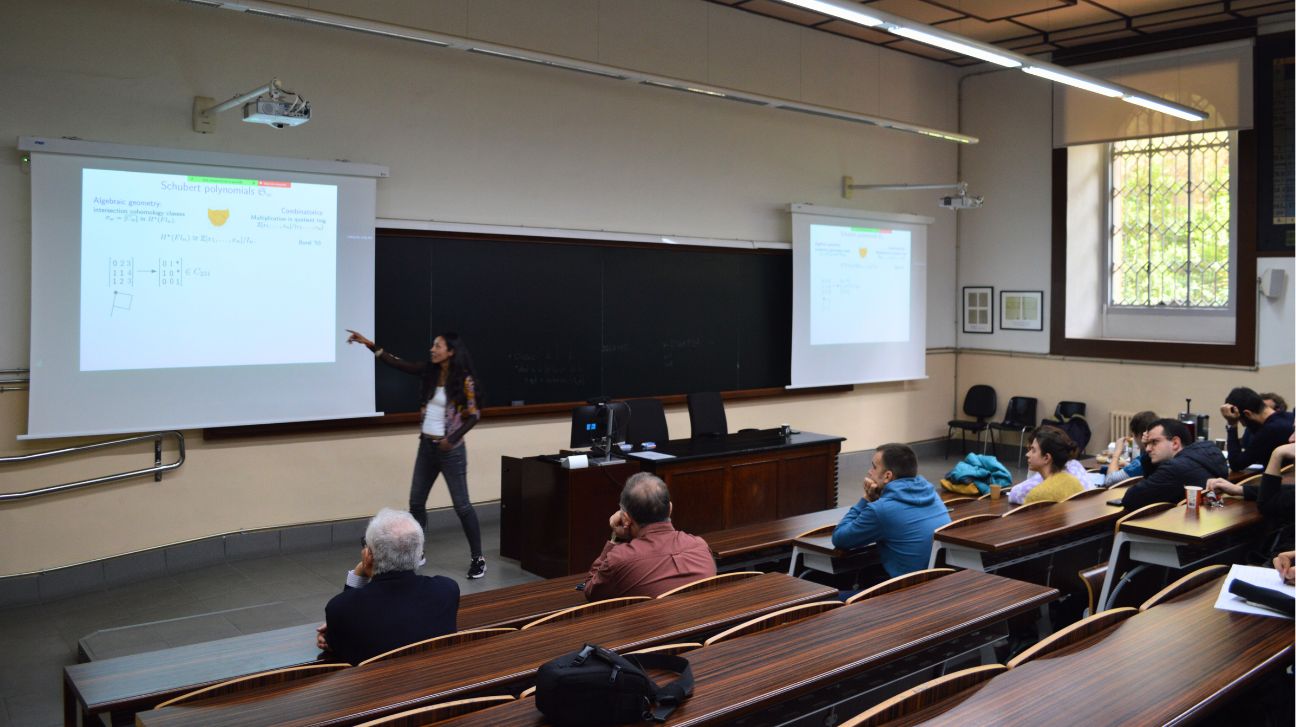
5 Talks, 1 Topic: A Day of Combinatorics
On March 18th, 2026, the 5 Talks in Combinatorics thematic day took place in the Joan Maragall Room at the Faculty of Philology and Communication of the University of Barcelona, in the historic building. The event focused on modern combinatorics and its connections...
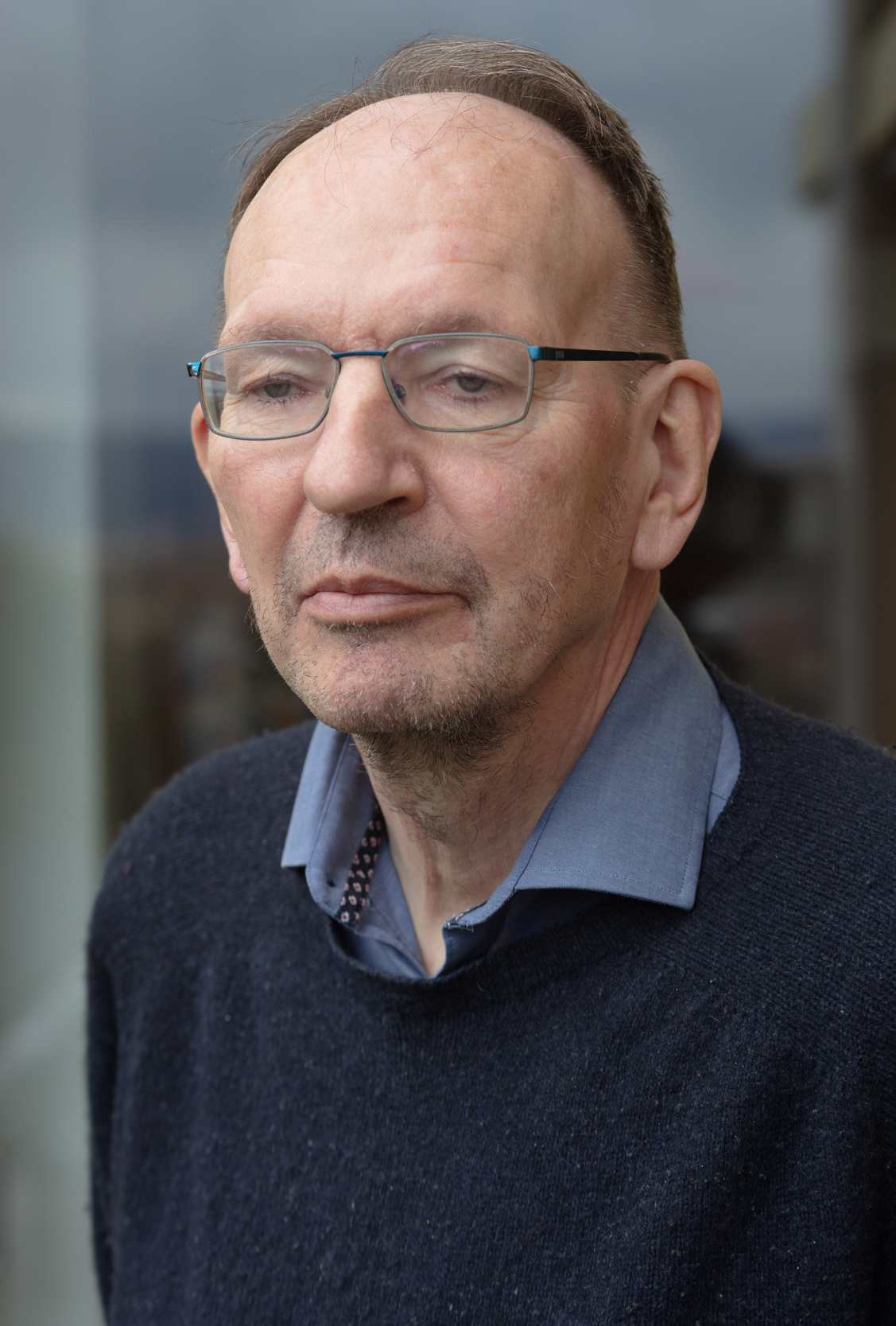
Gerd Faltings Awarded the 2026 Abel Prize for Transformative Work in Arithmetic Geometry
The Norwegian Academy of Science and Letters has recognised the German mathematician for solving two of the most enduring open problems in the field.The Norwegian Academy of Science and Letters announced today that the 2026 Abel Prize goes to Gerd Faltings, director...
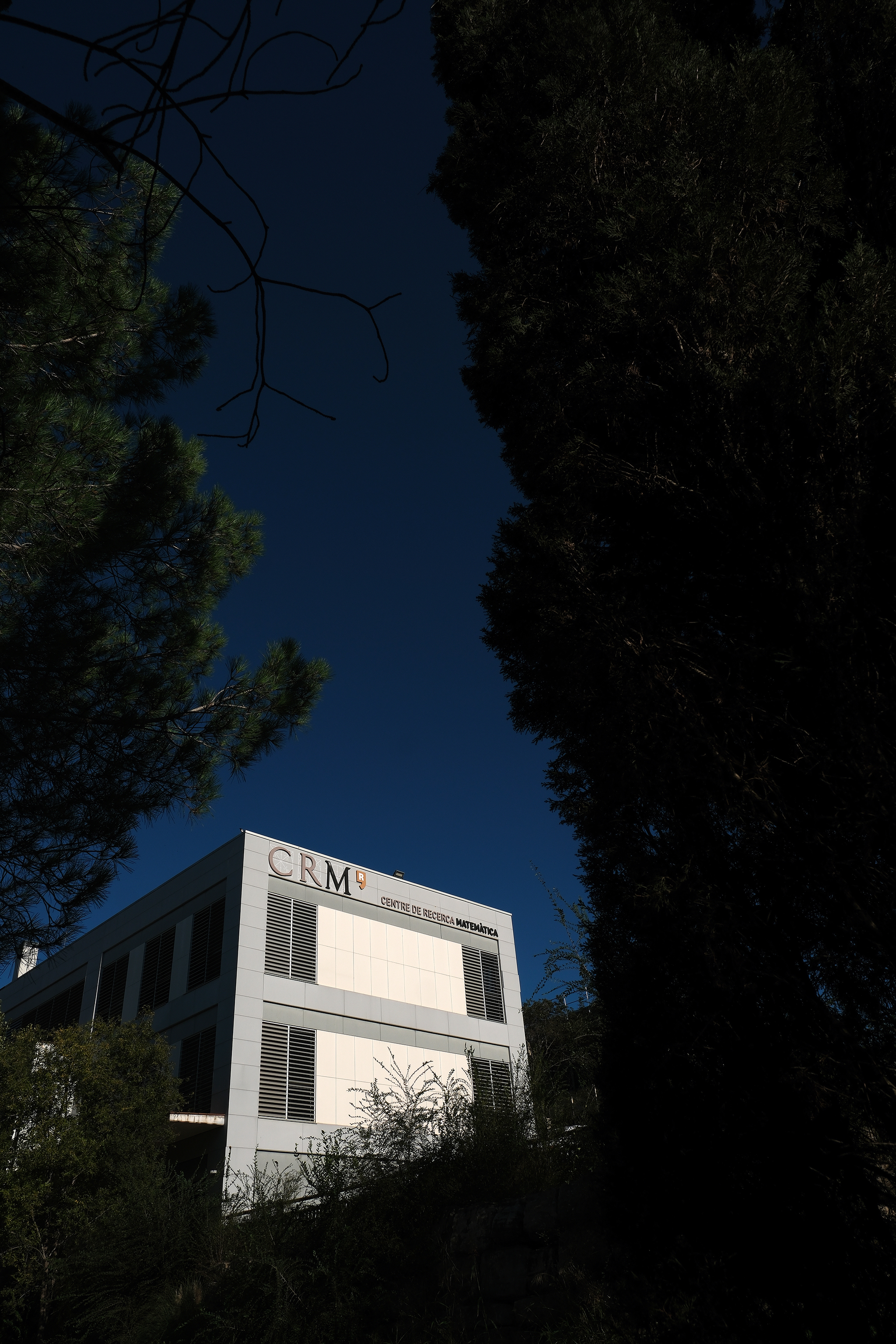
The Centre de Recerca Matemàtica Approves Its Strategic Plan for 2026–2030
The Centre de Recerca Matemàtica has approved its Strategic Plan for 2026 - 2030, setting priorities in research, training, and knowledge transfer. Four flagship initiatives anchor the scientific programme. The Centre de Recerca Matemàtica approved its Strategic Plan...
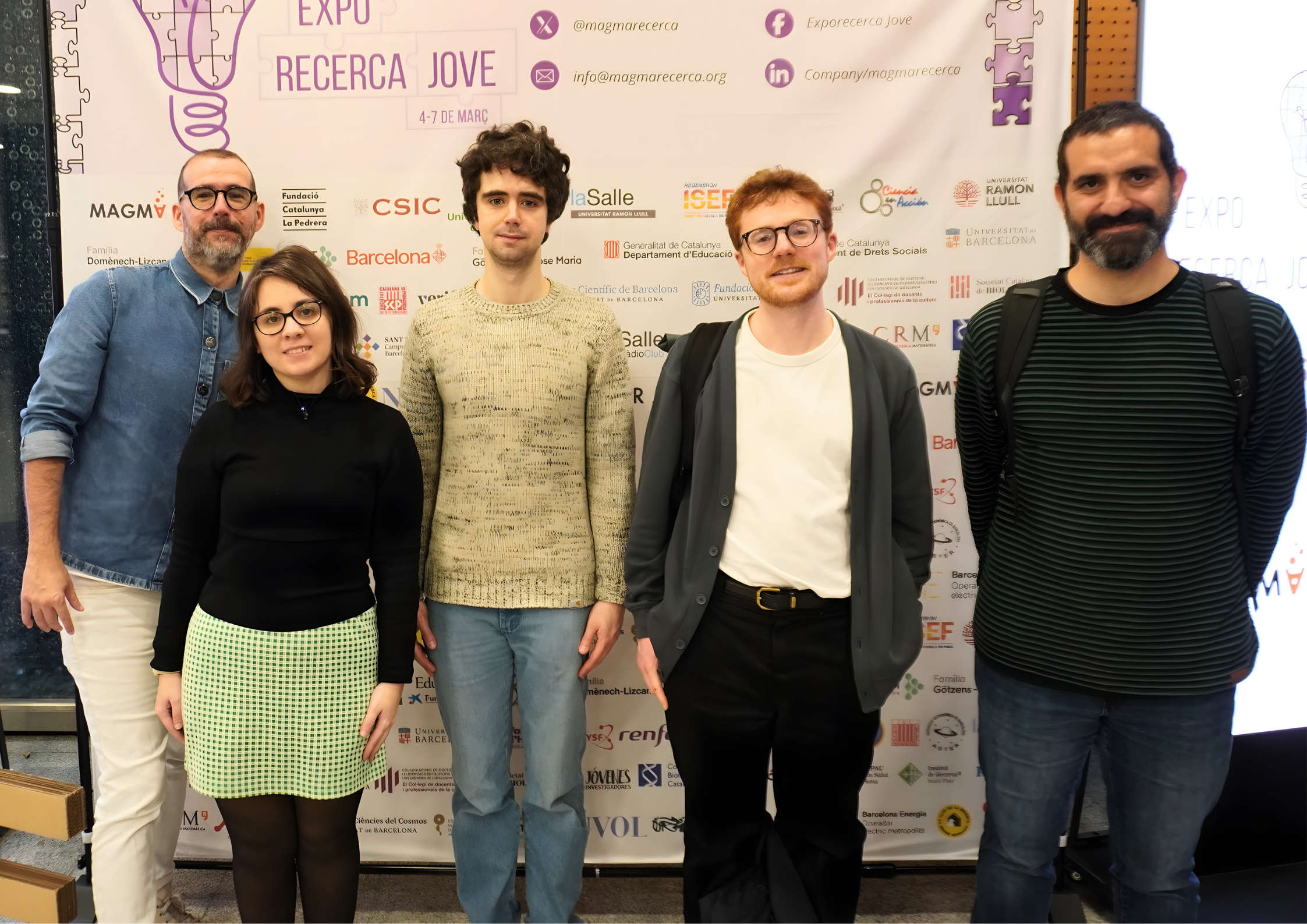
CRM Awards Its Prize at Exporecerca Jove for the Third Time
For the third year running, CRM visited Exporecerca Jove to award its prize to the student project with the strongest mathematical content. This edition, the jury selected two winners: Xavier Ortiz Quintana, who built a real-time 3D scanner using...

When Symmetry Breaks the Rules: From Askey–Wilson Polynomials to Functions
Researchers Tom Koornwinder (U. Amsterdam) and Marta Mazzocco (ICREA-UPC-CRM) published a paper in Indagationes Mathematicae exploring DAHA symmetries. Their work shows that these symmetries shift Askey–Wilson polynomials into a continuous functional setting,and...
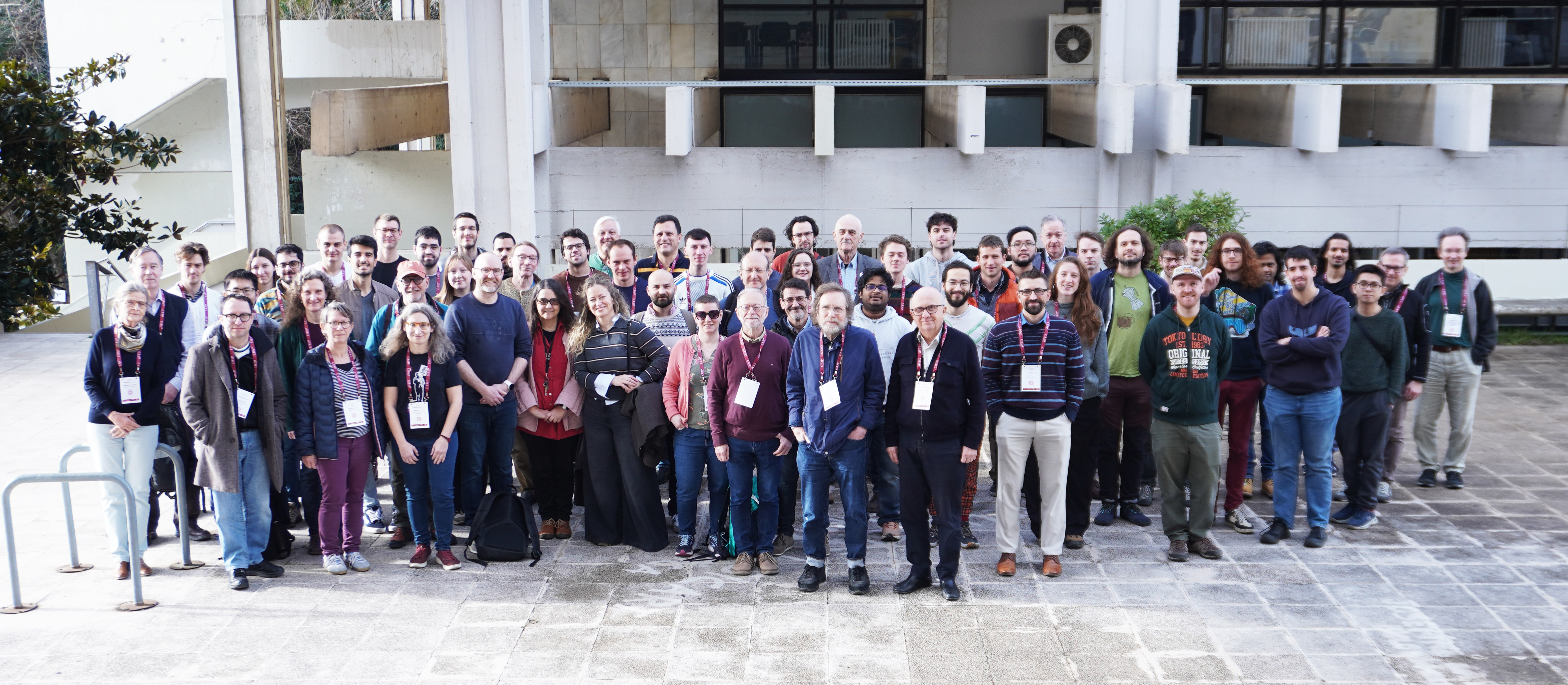
Homotopy Theory Conference Brings Together Diverse Research Perspectives
The Centre de Recerca Matemàtica hosted 75 mathematicians from over 20 countries for the Homotopy Structures in Barcelona conference, held February 9-13, 2026. Fourteen invited speakers presented research spanning rational equivariant cohomology theories, isovariant...
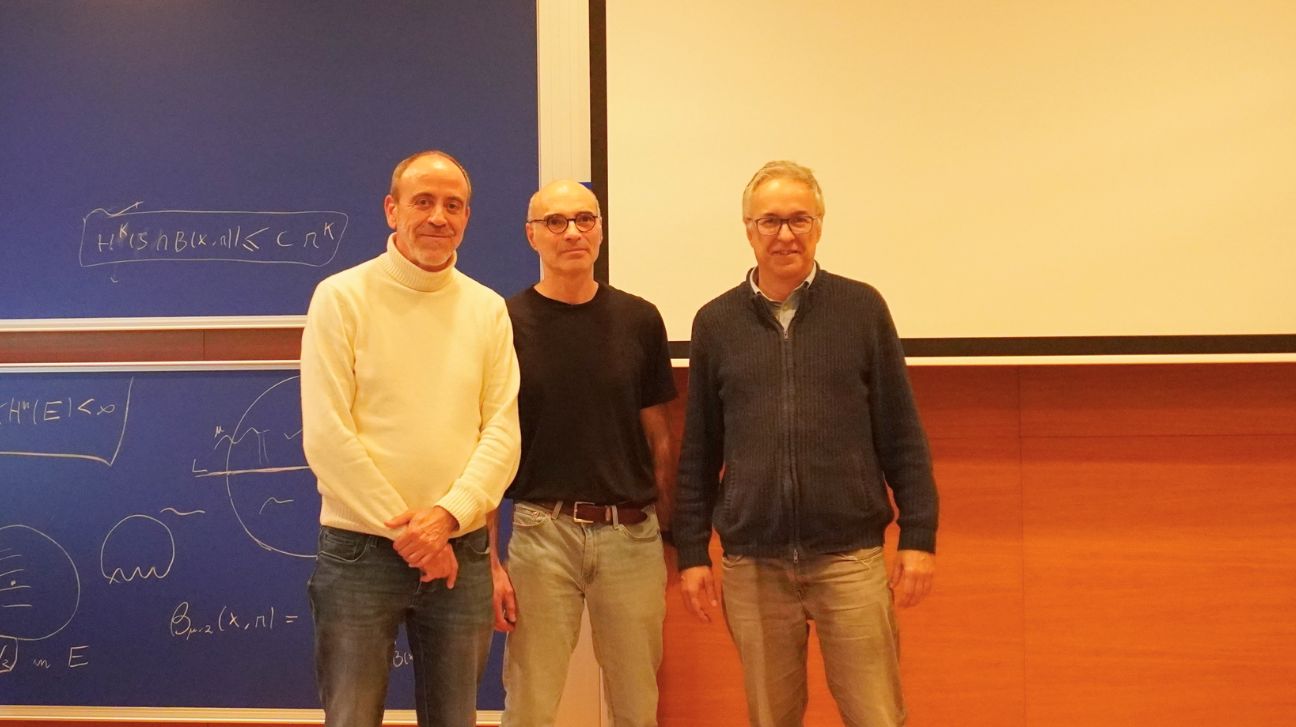
Three ICM speakers headline the first CRM Faculty Colloquium
On 19 February 2026, the Centre de Recerca Matemàtica inaugurated its first CRM Faculty Colloquium, a new quarterly event designed to bring together the mathematical community around the research carried out by scientists affiliated with the Centre. The CRM auditorium...