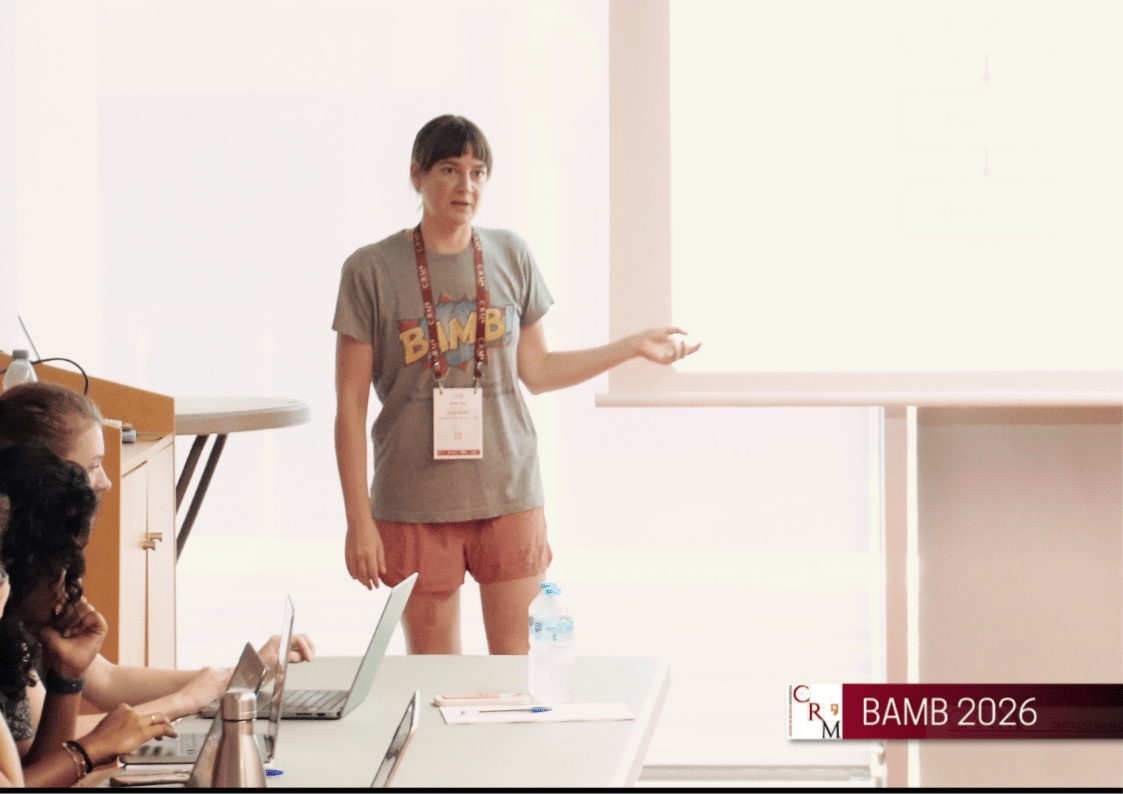
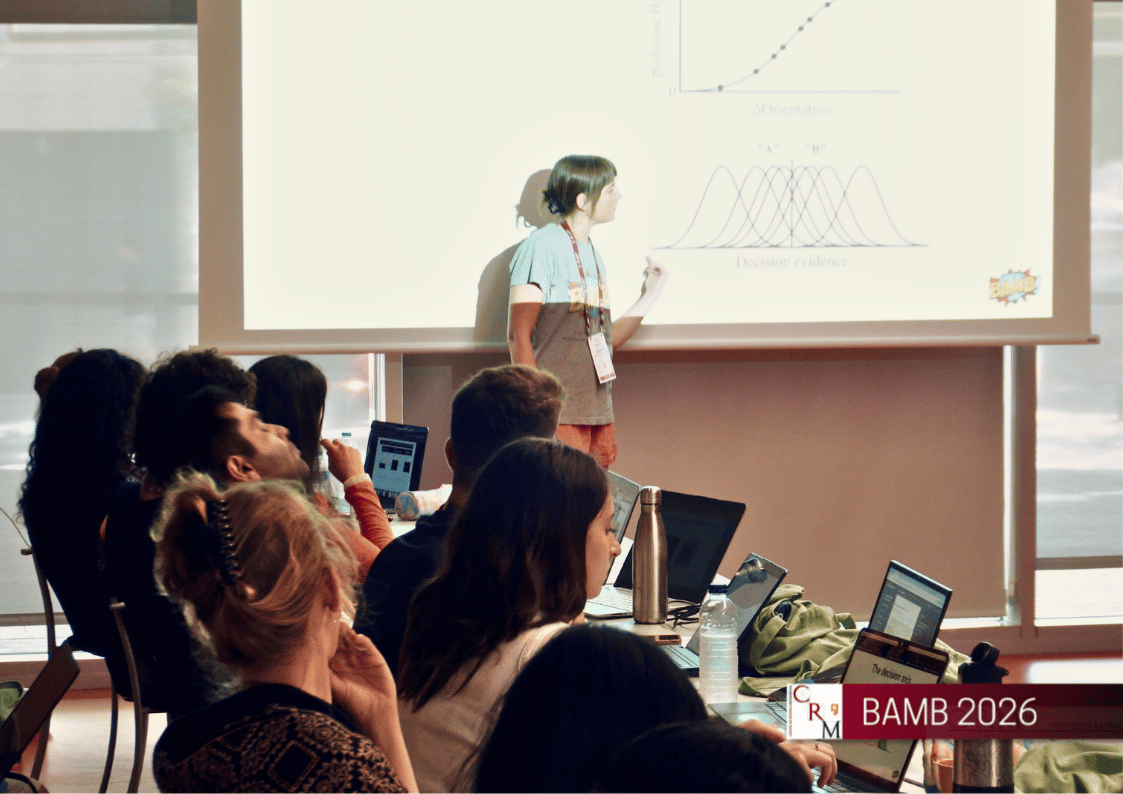
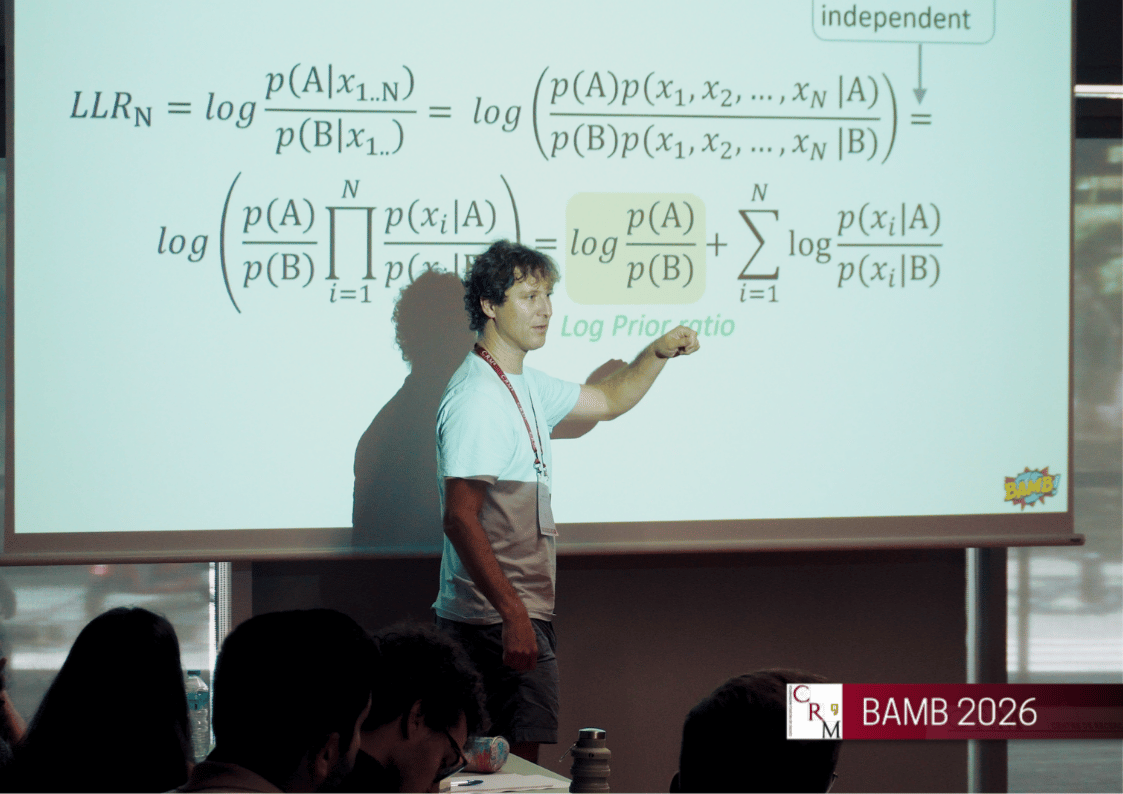
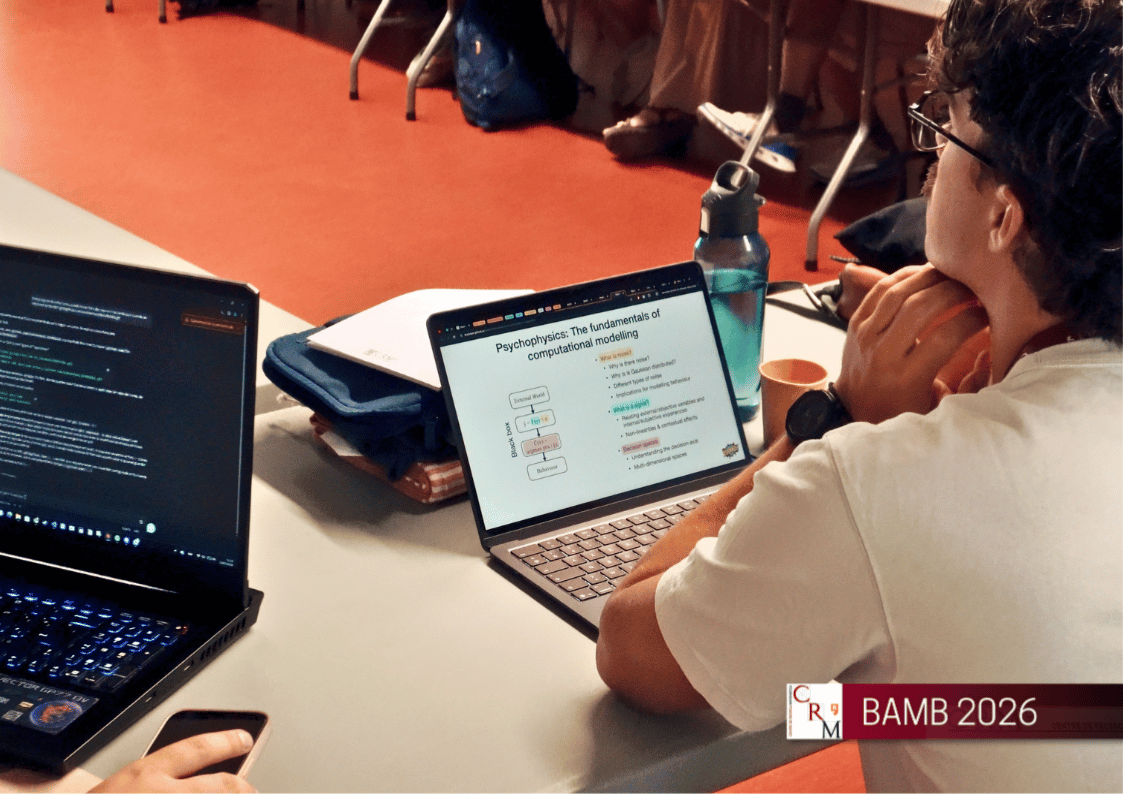
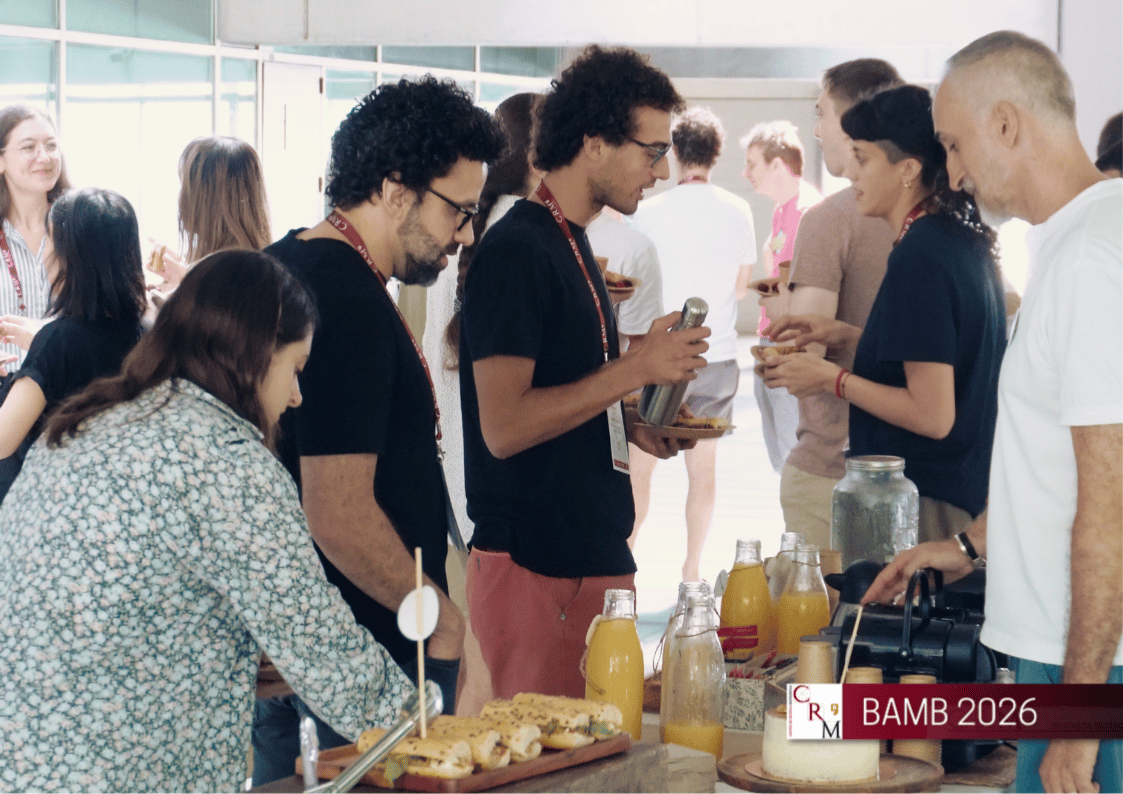
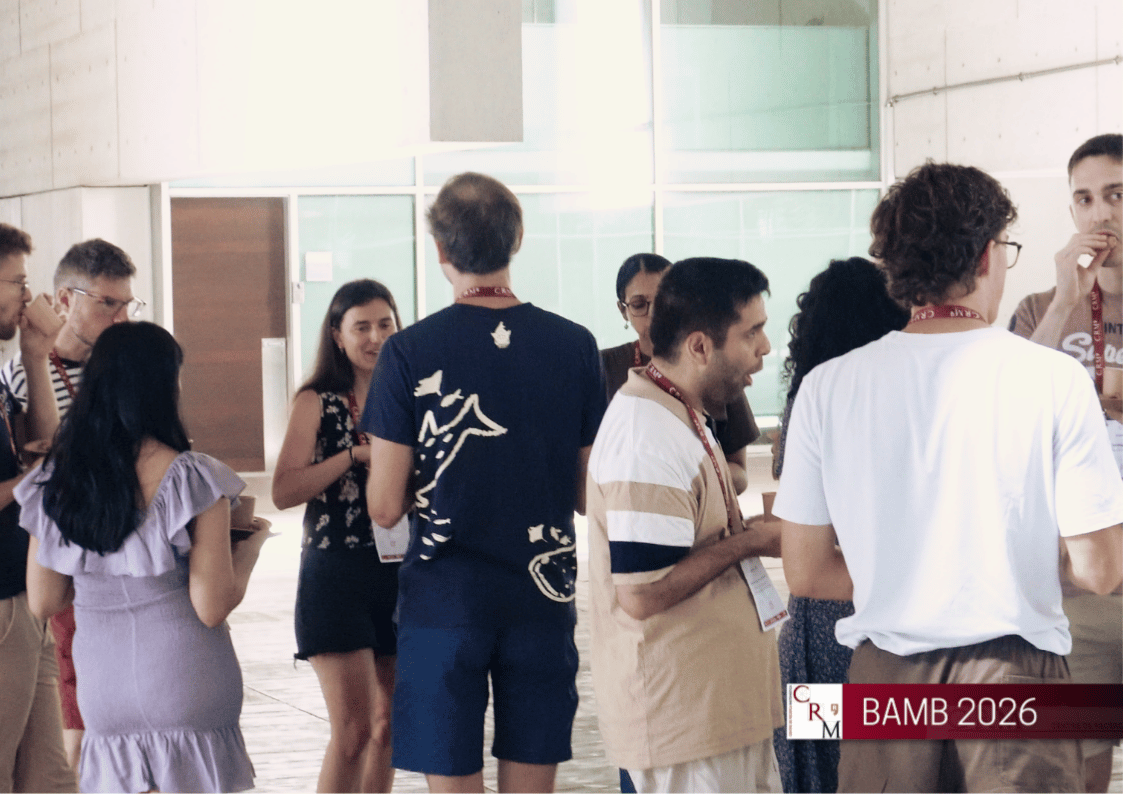
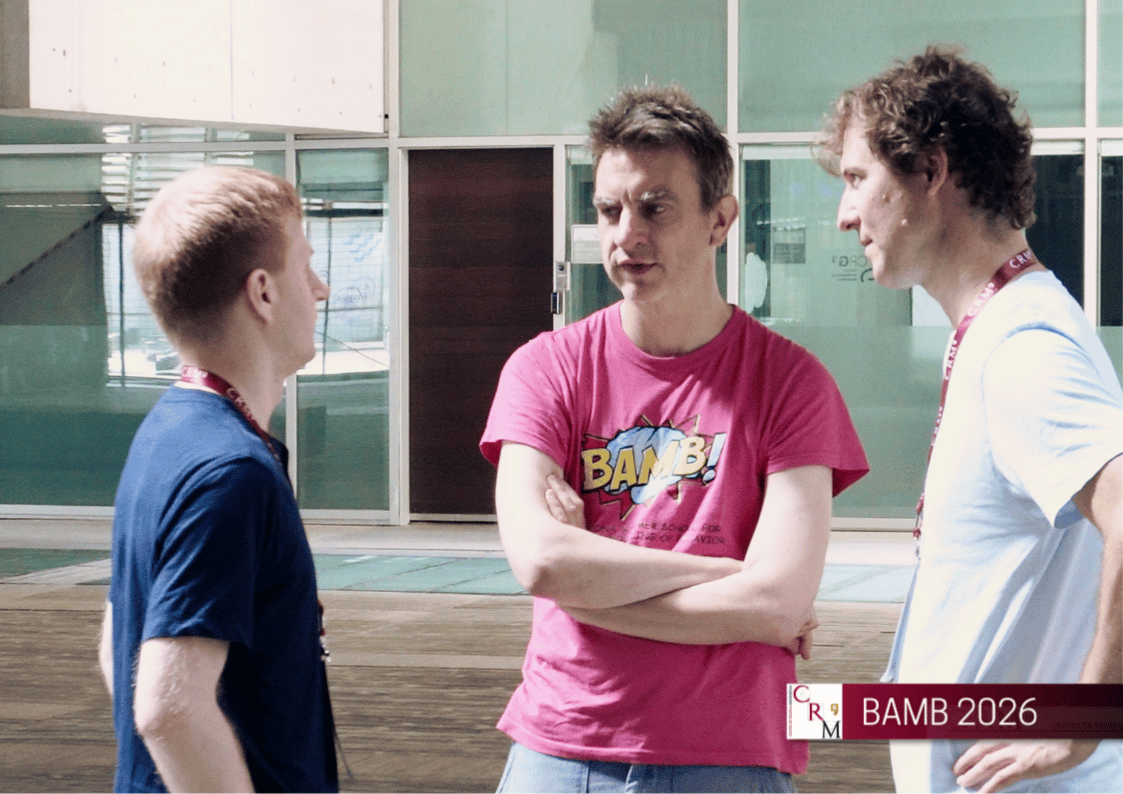
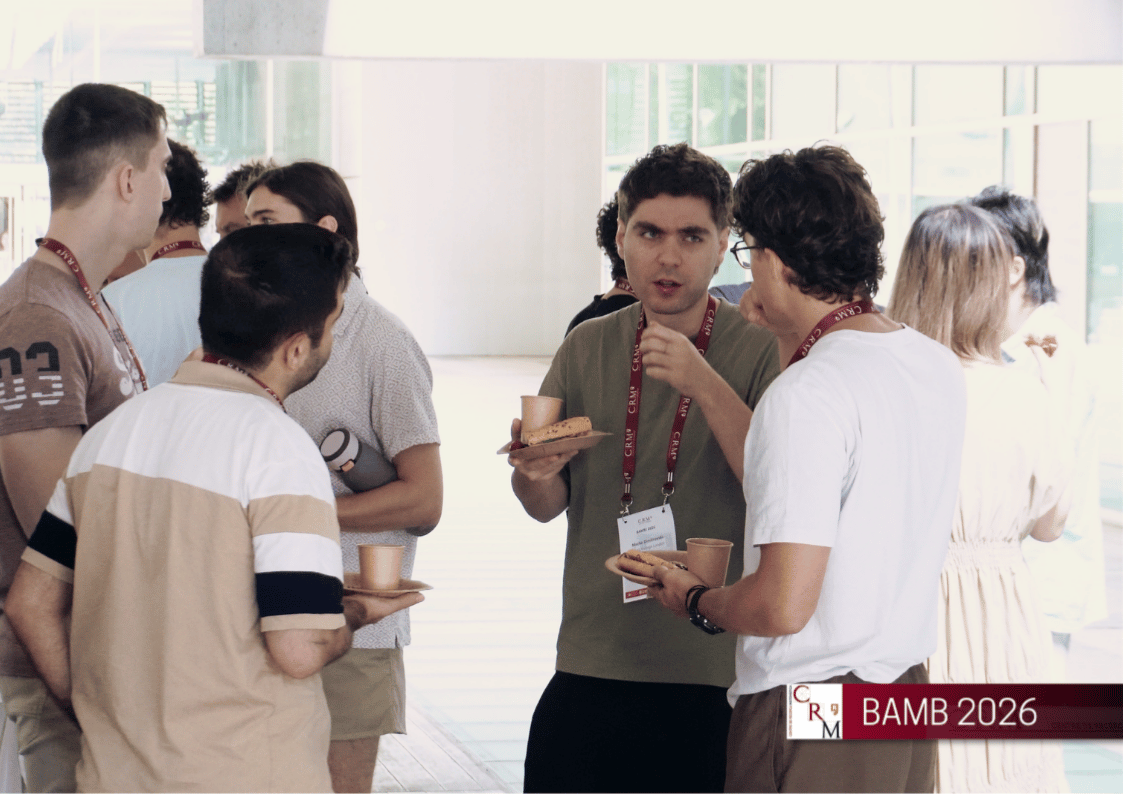
The Centre de Recerca Matemàtica held the sixth edition of BAMB!, the Barcelona Summer School for Advanced Modeling of Behavior, from 12 to 23 July 2026 at the Parc de Recerca Biomèdica de Barcelona. Thirty early-career researchers from fourteen countries followed five modules of advanced training in the computational modelling of behaviour, each built around a hands-on project. The school is supported by the Simons Foundation.
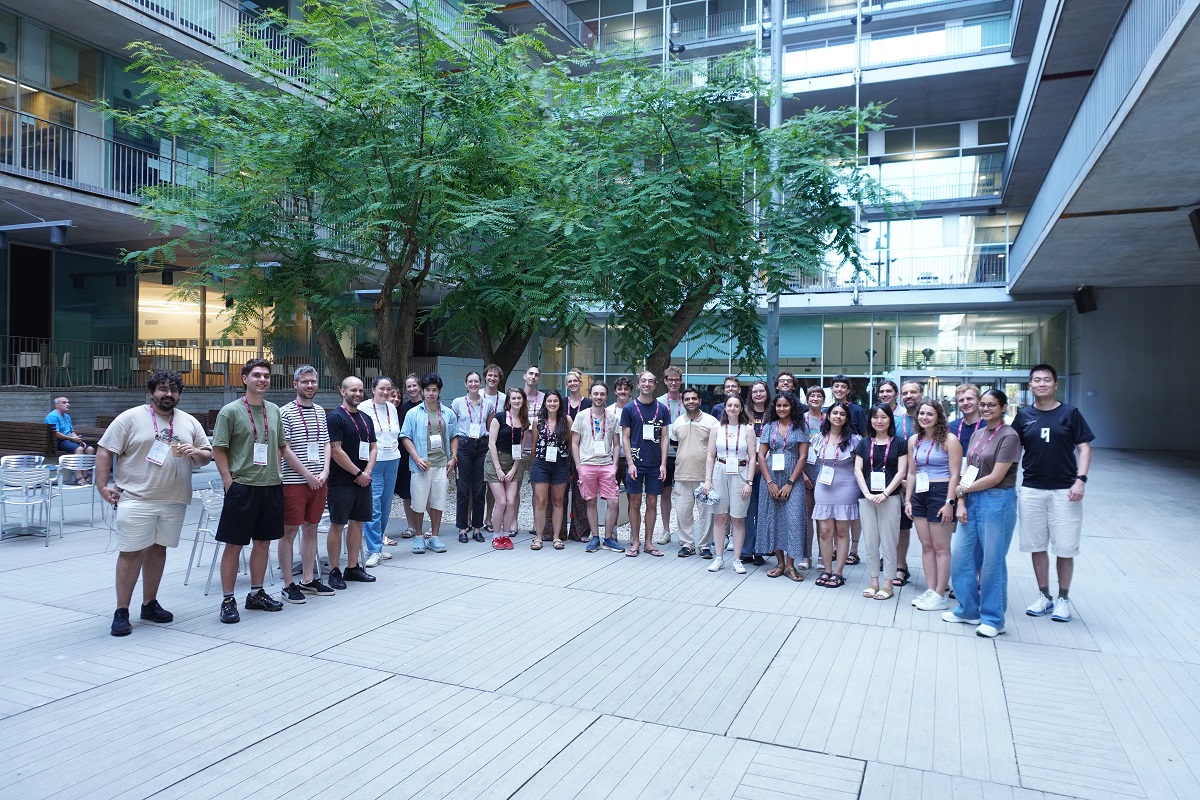
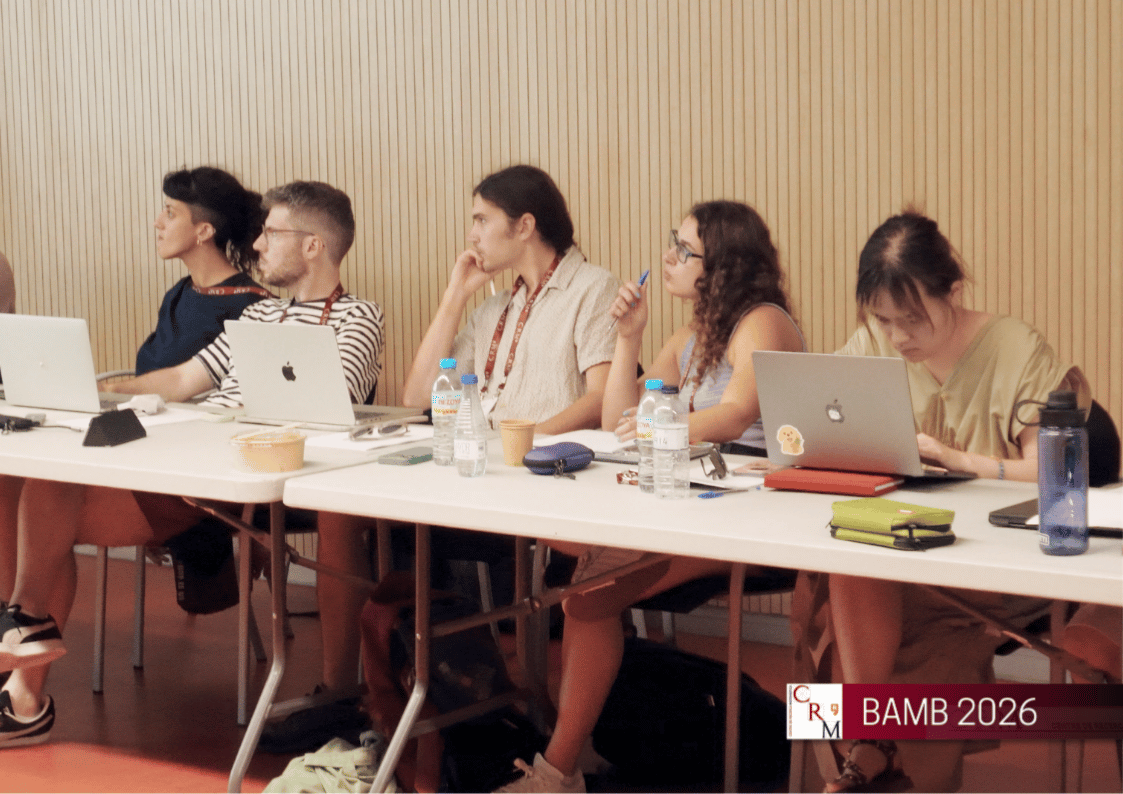
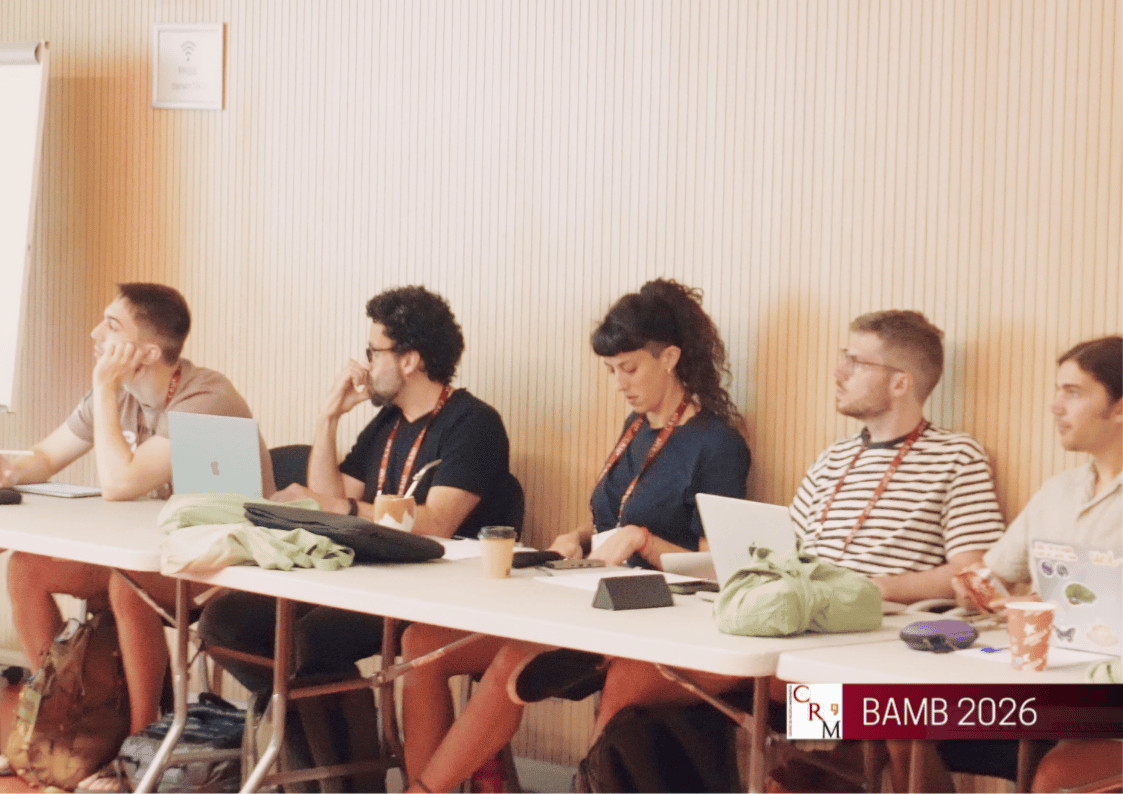
From 12 to 23 July 2026, the Centre de Recerca Matemàtica (CRM) organised the sixth edition of the Barcelona Summer School for Advanced Modeling of Behavior (BAMB!), held at the Parc de Recerca Biomèdica de Barcelona (PRBB). The programme brought together thirty PhD students and early-career researchers from institutions in fourteen countries for two weeks of advanced training in the computational modelling of behaviour.
Participants prepared for the school in advance through Modeling 101, a self-paced primer of four recorded lectures covering model definition, parameter fitting and formal model comparison, three of them accompanied by Python notebooks. This shared foundation allowed the on-site programme to move directly into advanced material.
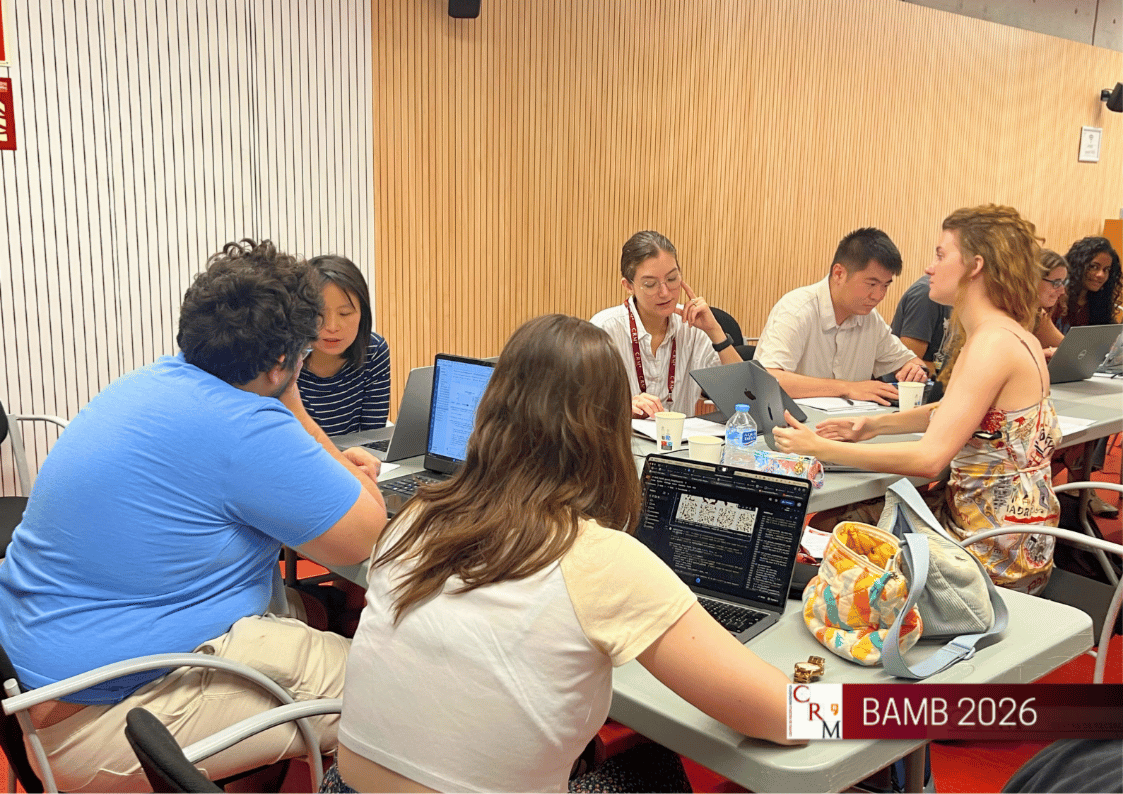
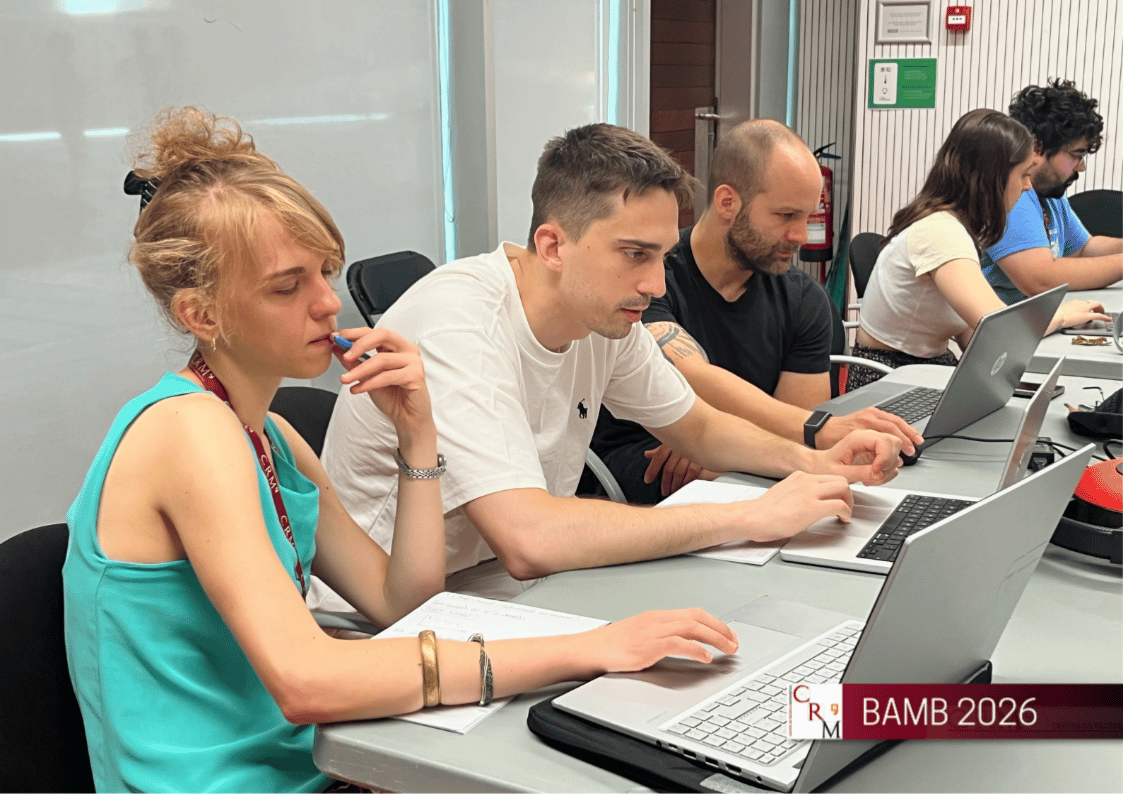
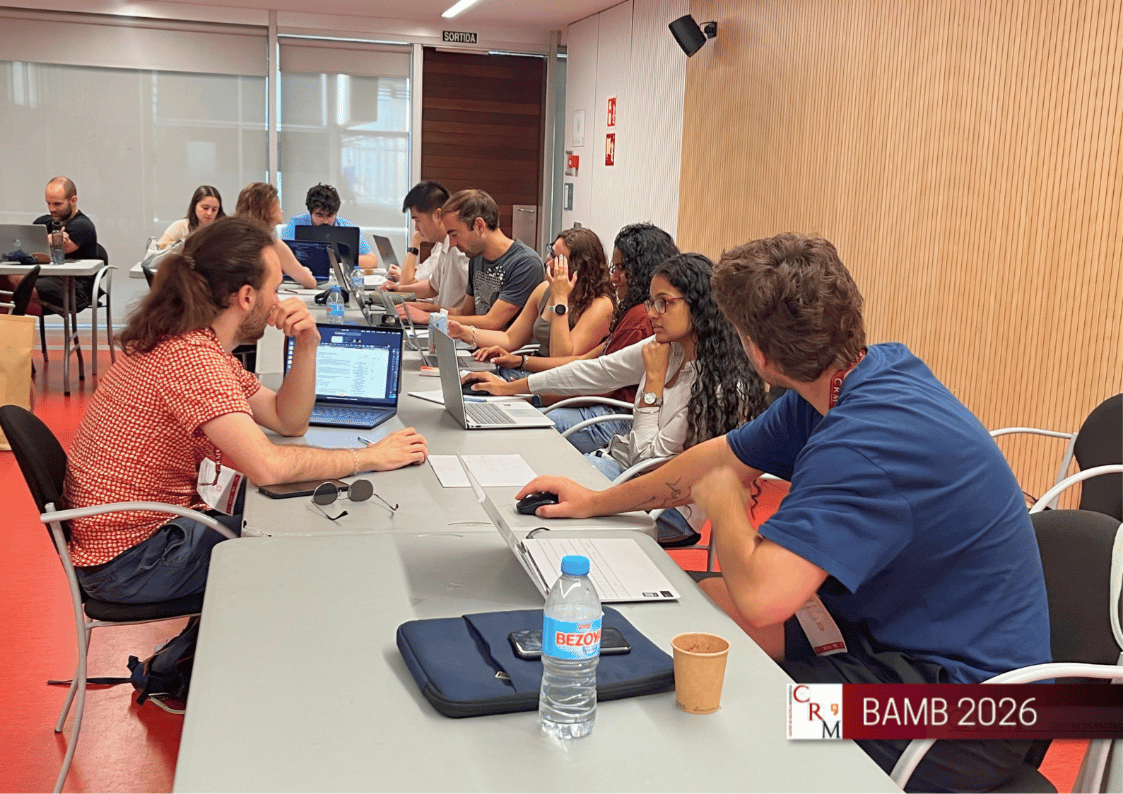
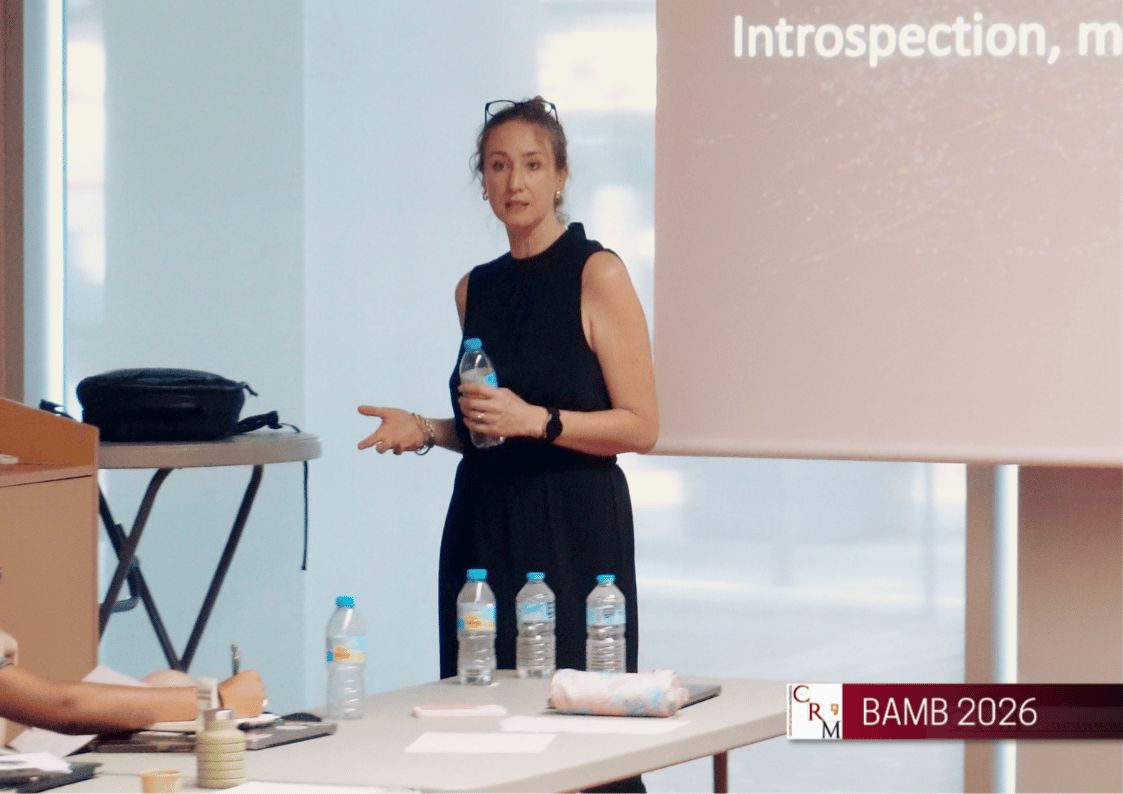
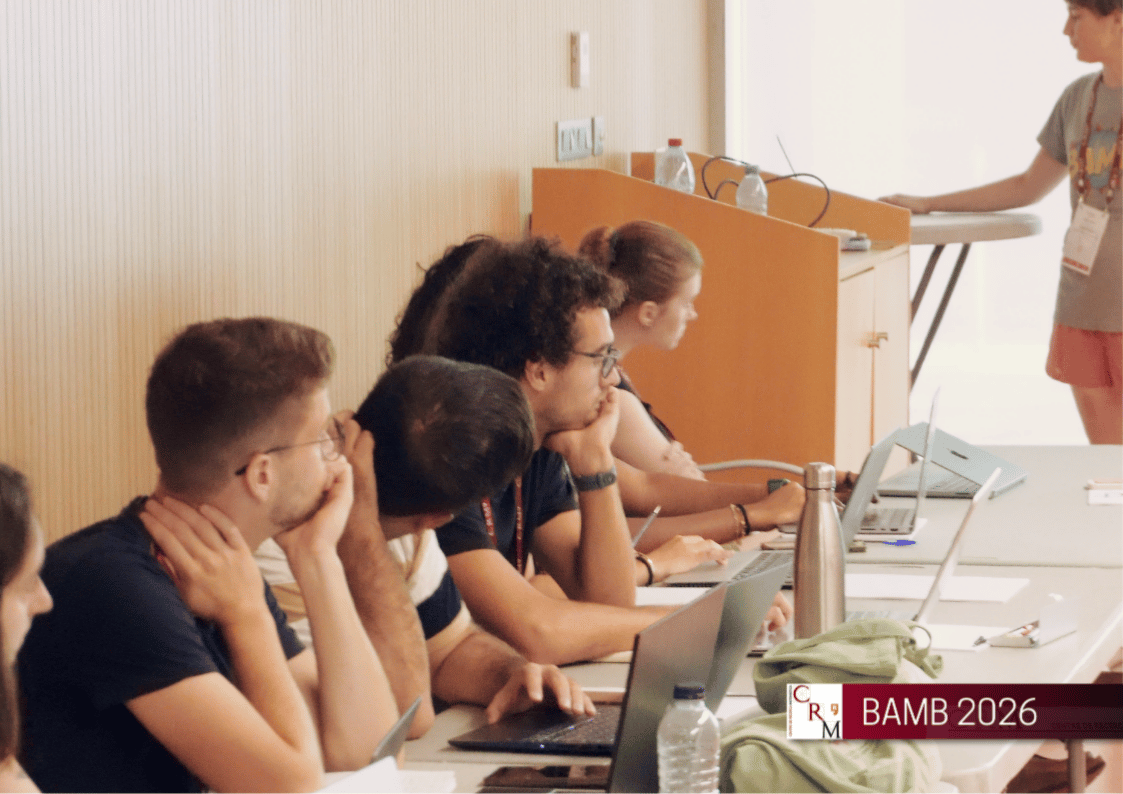
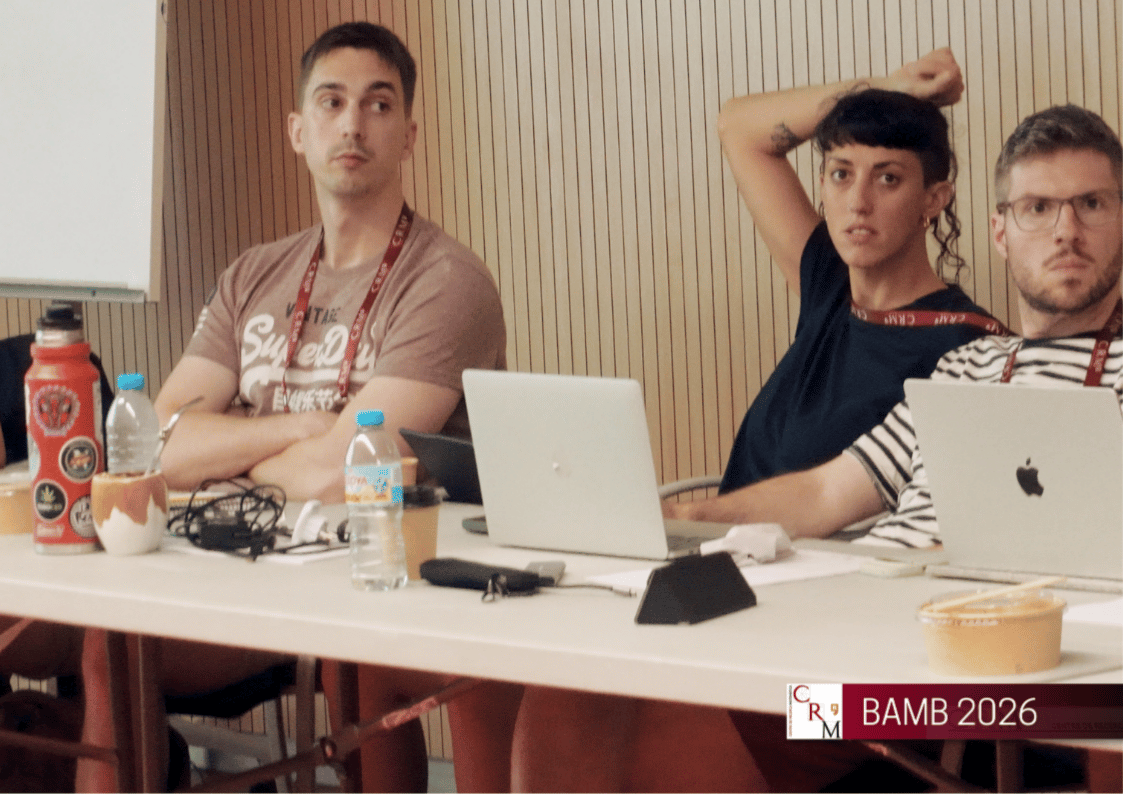
The school followed a consistent two-day rhythm across five modules. Each module paired a day of lectures and tutorials with a full day of project work, closing with student presentations. During the project days, faculty held individual clinics with participants from the morning through to the afternoon sessions. This one-to-one guidance formed a central part of the training.
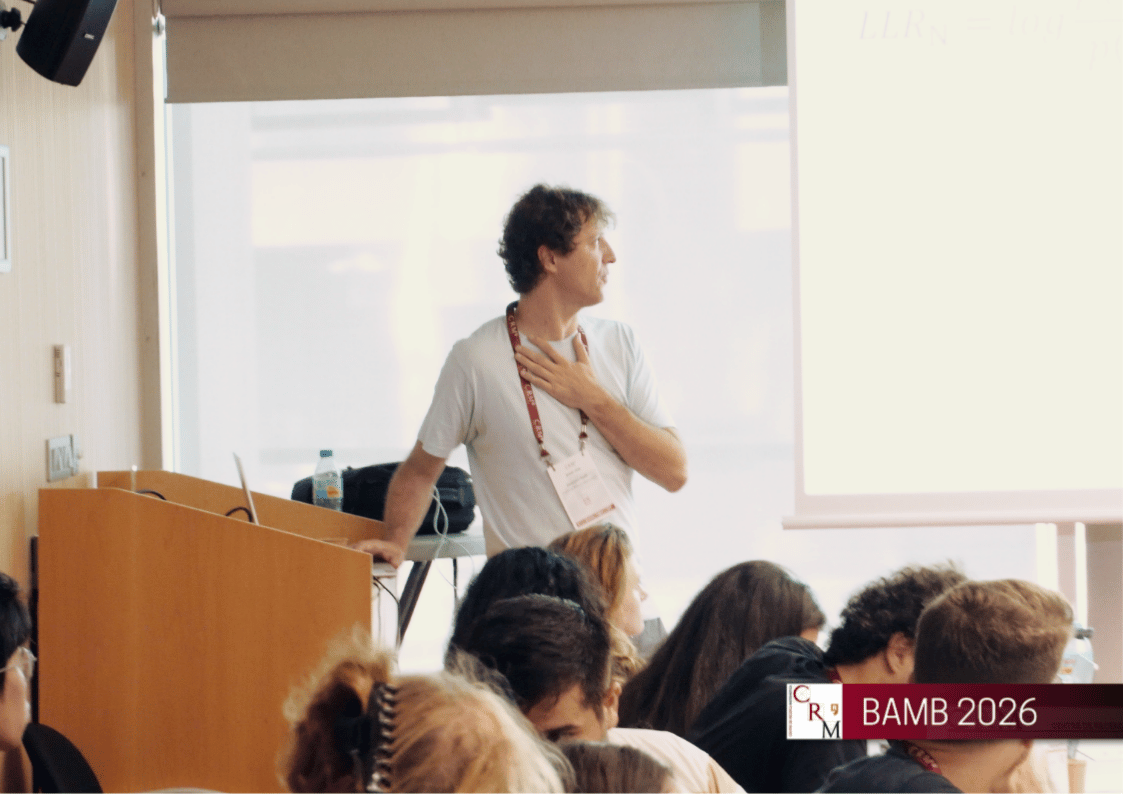
The five modules covered the principal areas of contemporary behavioural modelling. Module 1 addressed perceptual decision-making, including signal detection theory and drift-diffusion models. Module 2 turned to foraging and economic choice. Module 3 covered reinforcement learning, from its fundamentals to the fitting of models to behavioural data. Module 4 examined structure learning, from model-based planning to Bayesian non-parametric methods. Module 5 closed the programme with complex motor behaviour and time series, including dimensionality reduction and dynamical systems. For the 2026 edition, the CRM reorganised the curriculum into five self-contained modules, each with its own organisers and mini-project, reflecting recent developments in the field.
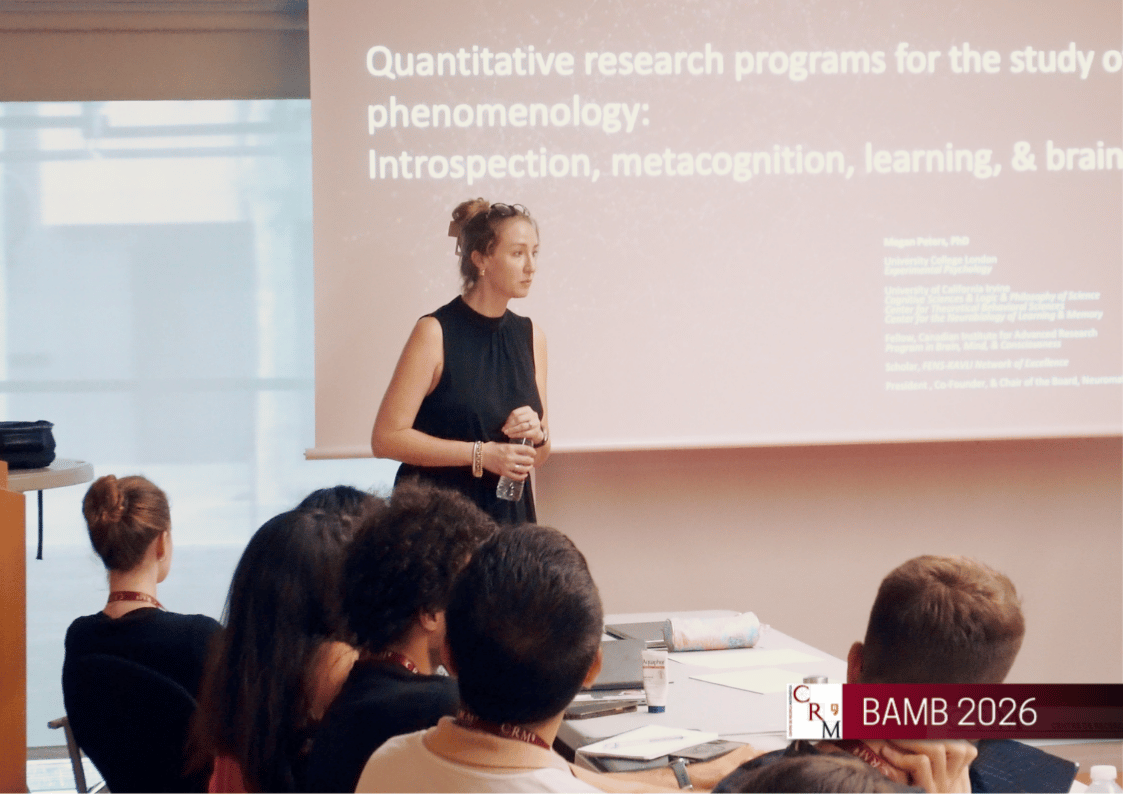
Guest faculty included Kristin Branson (HHMI Janelia), Mehdi Khamassi (CNRS, ISIR-Sorbonne Université), Angela Radulescu (Icahn School of Medicine at Mount Sinai) and Charley Wu (TU Darmstadt), alongside the organising team drawn from the CRM and partner institutions. The programme featured two keynote lectures, delivered by Megan Peters (UCL and UC Irvine) and Marcelo Mattar (New York University).
The cohort reflected the interdisciplinary character of the field. Participants came from backgrounds that included physics, engineering, biology, philosophy and computer science, and now work across cognitive science, neuroscience and machine learning. Their affiliations spanned research centres and universities across Europe, the Americas and Asia.
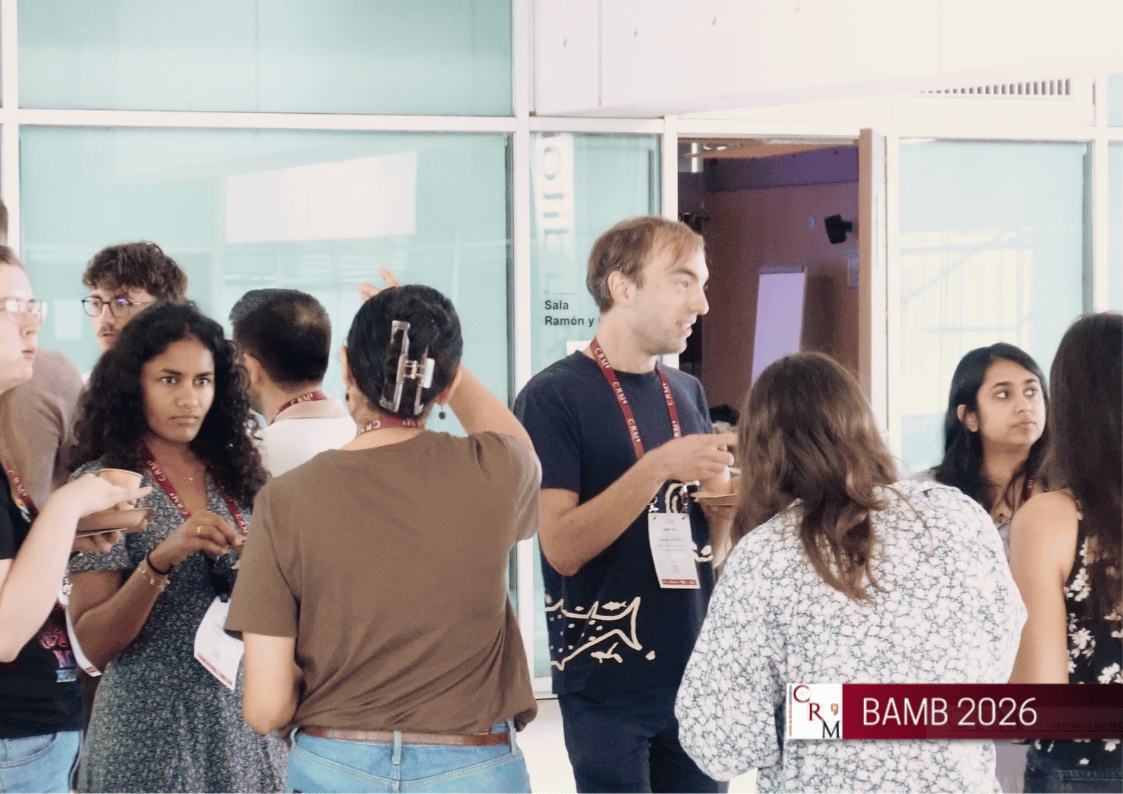
Beyond the scientific sessions, the programme included a welcome reception at the Campus del Mar residence, a mid-school day left free of scheduled activities, a conference dinner on the Barceloneta seafront, and a closing farewell event. All teaching took place in the Ramón y Cajal room at the PRBB.
BAMB! 2026 was organised by the Centre de Recerca Matemàtica, and received the support of the Simons Foundation.
Full information on the programme, faculty and pre-work is available at bambschool.org.
Newsletter
Get the latest CRM news and activities delivered to your inbox
Subscribe now
Recent newsletters →
Mallorca’s 1820 plague did not behave like a classic bubonic outbreak, study finds
A study in PNAS by Pere Puig (UAB, CRM) and Joana Maria Pujadas-Mora (UOC, ICREA) reports what happens when the daily health records kept in Son Servera and Capdepera during the 1820 outbreak are analysed with a Bayesian epidemiological model: an unusually short...
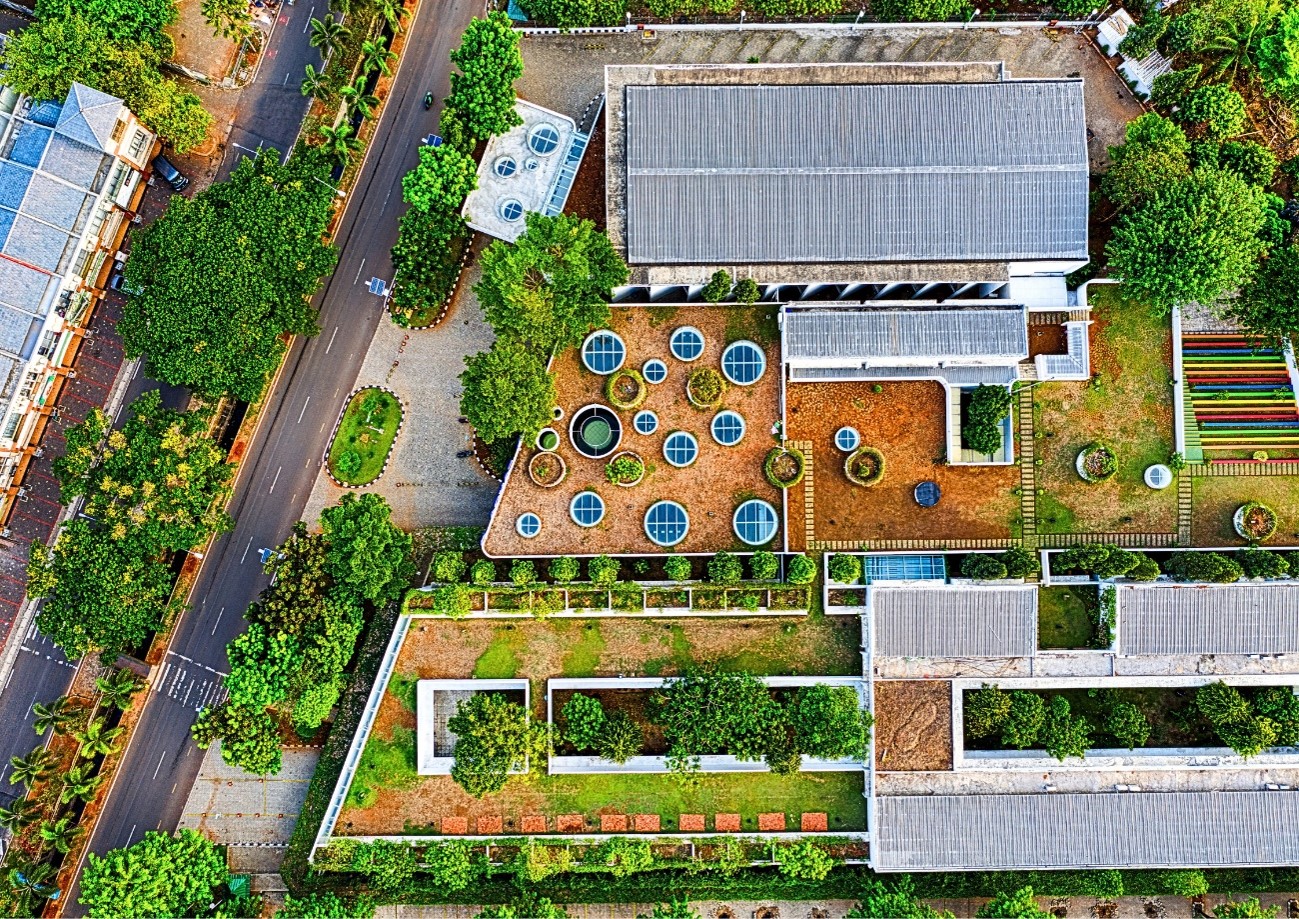
A recent study quantifies the vegetable production potential of Barcelona’s rooftops
A study published in Cities by researchers at ICTA-UAB, with collaboration from the CRM's Knowledge Transfer Unit, estimates that 65 hectares of municipal rooftop could supply 31% of the tomatoes consumed in Barcelona each year.Barcelona has 65 hectares of rooftop...

Boundary Conditions Day

Fixed-Point Day
La desfilada dels nombres: una ruta per Barcelona
|
|
CRM CommPau Varela
|