
A mathematical model developed by researchers from the University of Birmingham, Queen Mary University of London, and the Centre de Recerca Matemàtica reveals how chromaffin cells adapt to the loss of SDH-b—a key metabolic enzyme subunit whose dysfunction is linked to pheochromocytomas. By simulating mitochondrial dynamics, the model predicts hallmark features of pseudohypoxia and provides valuable insights into cellular resilience and potential therapeutic targets.
A Computational Lens on Cellular Resilience
In the study A Mathematical Exploration of SDH-b Loss in Chromaffin Cells, published in the Bulletin of Mathematical Biology, researchers Elías Vera-Sigüenza, Himani Rana, Fabian Spill, and Daniel A. Tennant (University of Birmingham), Ramin Nashebi and Katarína Kl’uvčková (Queen Mary University of London), and Ielyaas Cloete (Centre de Recerca Matemàtica) investigate how the loss of a key metabolic enzyme subunit, SDH-b, affects chromaffin cells—specialized endocrine cells located in the adrenal medulla. Through a detailed computational model, the authors reveal how these cells adapt to mitochondrial dysfunction, offering new insights into the metabolic reprogramming associated with rare tumors such as pheochromocytomas, and contributing to a broader understanding of cellular resilience under metabolic stress.
“This study was conceptualised by Elías Vera-Sigüenza, Katarína Kl’učková and Daniel Tennant.
My motivation comes from a deep interest in studying aspects of metabolism, especially calcium signalling involved in cellular metabolism and calcium regulates many of the metabolic fluxes under consideration in this study.
However, this study was motivated by the fact that paraganglioma and phaeochromocytoma is an extremely rare disease with unmet need, and these pathologies have similar metabolic signatures to ageing heart, so we could leverage many insights from a well-studied topic to gain insights into a poorly studied and understood disease.”
— Ielyaas Cloete (CRM)
Abstractly illustrating computational insights into mitochondrial function and cellular resilience.
The Role of SDH in Cellular Metabolism
Succinate dehydrogenase (SDH) is a central enzyme in cellular metabolism, linking the tricarboxylic acid (TCA) cycle to the mitochondrial electron transport chain (ETC). The loss of its SDH-b subunit initiates a cascade of metabolic and signaling disruptions that alter how chromaffin cells produce and manage energy. This disruption leads the cells into a state that mimics oxygen deprivation, even when oxygen is present—a phenomenon known as pseudohypoxia. This metabolic reprogramming is a hallmark of phaeochromocytomas, rare tumors that originate from these adrenal cells.
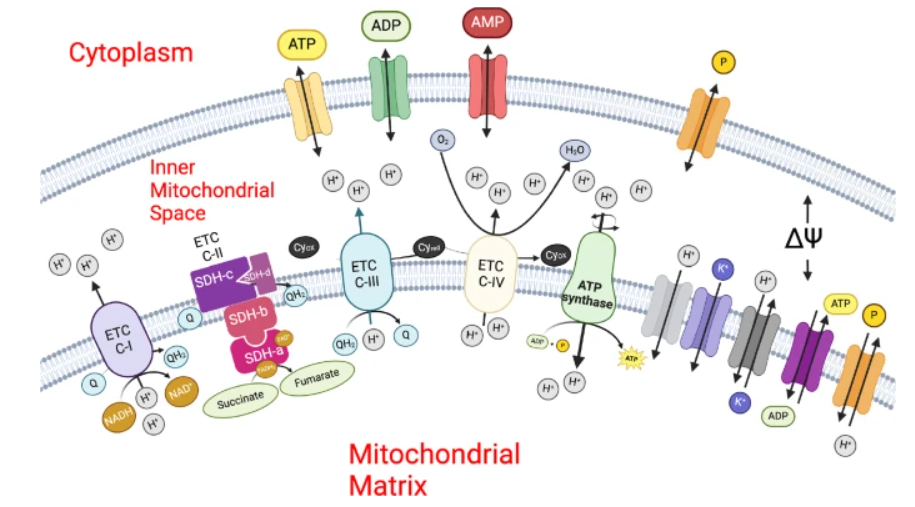
Schematic diagram of the inner mitochondrial membrane space reaction fluxes of the model associated with the electron transport chain model. Figure taken from the original publication.
Modeling the Cellular Response
To investigate how chromaffin cells adapt to this dysfunction, the researchers developed a mathematical model that simulates key aspects of cellular metabolism. It tracks changes in metabolite concentrations, ion fluxes, membrane potentials, and compartmental volumes across four interconnected regions of the cell.
The model incorporates mechanisms for ion transport and pH regulation, as well as control of osmotic volume and mitochondrial swelling. It also applies an electrical circuit-based approach to simulate membrane potential using Kirchhoff’s law. To ensure computational efficiency, glycolysis is represented as a simplified net reaction, allowing the model to focus on mitochondrial dynamics.
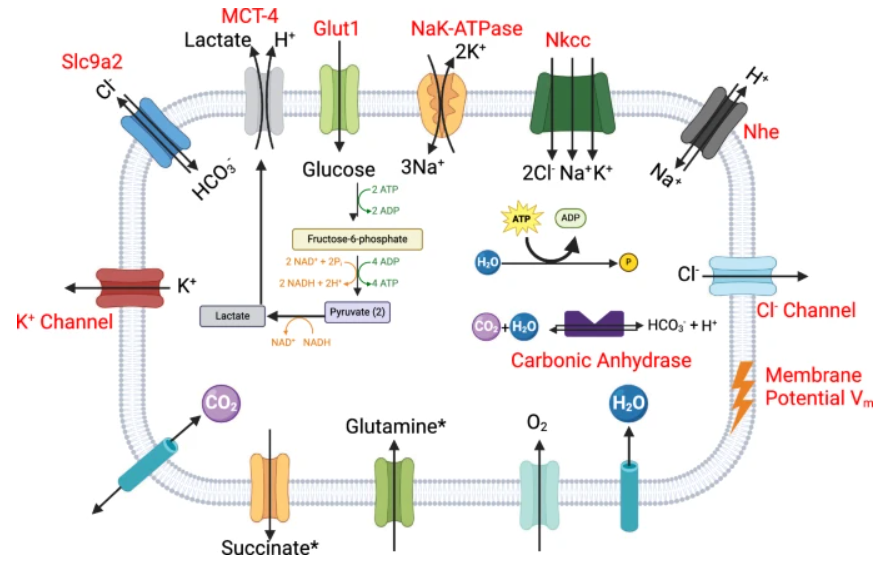
Schematic diagram of the cytoplasmic fluxes of the model. (Figure created with BioRender.com (Perkel 2020)). Figure taken from the original publication.
Subscribe for more CRM News
Experimental Validation and Key Predictions
Validation of the model was carried out through experimental techniques such as glucose labeling, metabolic tracing, and quantification of glucose, lactate, sodium, and total protein. These experiments confirmed several of the model’s predictions, including the following key metabolic and structural changes:
- SDH-b knockout cells showed increased lactate and reduced pyruvate and glucose levels, indicating a shift toward glycolysis and a pseudohypoxic phenotype.
- Mitochondrial pyruvate levels were reduced, suggesting impaired import and a shift to cytosolic metabolism.
- Despite the energetic cost imposed by the reversal of ATP synthase activity—where ATP is hydrolyzed to maintain mitochondrial membrane potential—the model shows that intracellular ATP levels remain relatively stable, thanks to glycolytic compensation.
- While Complex I activity is maintained through compensatory mechanisms, Complexes III and IV show substantial decreases, impairing overall electron transport efficiency.
- The model reproduces mitochondrial swelling due to osmotic imbalance and ionic stress, leading to irreversible changes in the proton motive force (PMF), a form of stored energy across the mitochondrial membrane, similar to a battery’s voltage.
- SDH-b loss causes fumarate levels to drop and malate to accumulate, redirecting carbon flow through the malate/aspartate shuttle. This shift lowers mitochondrial NADH levels and disrupts oxidative phosphorylation, ultimately reinforcing the pseudohypoxic state observed in SDH-b–deficient cells.
Together, these alterations reinforce the pseudohypoxic state and set the stage for understanding how chromaffin cells maintain viability under stress.
No new biological discoveries were made in this study, but we were able to suggest a mechanistic link between SDH-b loss and cellular bioenergetic adaptation, i.e. the transition to a pseudo-hypoxic state despite oxygen availability in SDH deficient tumours.Furthermore, we parameterised the model with extensive 13C-labelling metabolic flux data from wild-type and SDH-b knockout chromaffin cells, increasing the mechanistic credibility of the model.— Ielyaas Cloete (CRM)
Mechanisms of Resilience and Therapeutic Potential
Importantly, the model helps explain how chromaffin cells retain Complex I activity under these conditions. This retention appears to be linked to cofactor oxidation, which contributes to managing mitochondrial swelling and limits the reversal of ATP synthase—allowing the cell to maintain viability without undergoing lysis. By capturing these key adaptive responses—such as Complex I compensation, ATP synthase reversal, and the shift toward a pseudohypoxic phenotype—the model also establishes itself as a versatile platform for investigating SDH-related dysfunctions in pheochromocytomas and other disease contexts.
Moreover, these findings offer a mechanistic explanation for the metabolic resilience of chromaffin cells in the face of SDH-b dysfunction and highlight potential targets—such as proton leak regulation and Complex I stabilization—for future therapeutic exploration.
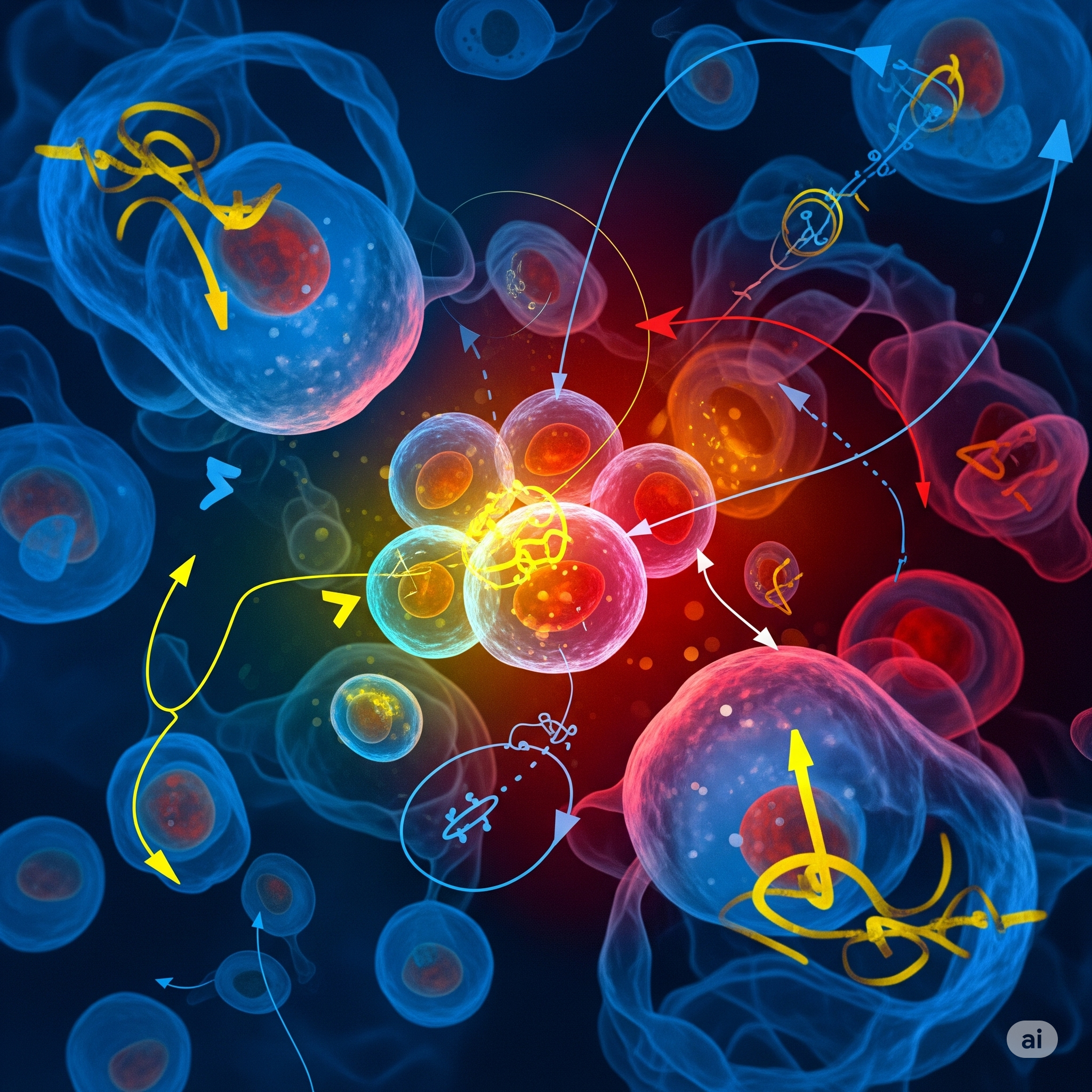
Abstractly depicting chromaffin cell adaptation to SDH-b dysfunction, revealing cellular resilience, mitochondrial dynamics, and therapeutic avenues in pseudohypoxia.
A Platform for Future Exploration
While the current model simplifies certain aspects of cellular metabolism—such as treating glycolysis as a single net reaction or assuming a static extracellular environment—these choices have enabled a focused and computationally efficient framework centered on mitochondrial dynamics. Far from limiting its utility, they provide a solid foundation for future refinements.
Next steps include incorporating calcium fluxes, mitochondrial permeability transition pore (mPTP) behavior, and compartment-specific mitochondrial responses. These additions will enhance the model’s predictive power and biomedical relevance, allowing researchers to explore the interplay between metabolism and cellular stress signaling in greater detail.
For this study the bulk of my collaboration was with Elías. My role in the modelling process was including the regulatory effects of calcium on metabolite dynamics without modelling calcium dynamically. That being said, I enjoy collaborating with experimental biologists and clinicians, and figuring out how to use mathematics to answer questions and gain insights in physiology.
— Ielyaas Cloete (CRM)
Mathematics as a Tool for Biomedical Insight
This study exemplifies the power of mathematical modeling in biomedical research. By simulating the complex interplay between metabolism, ion transport, and mitochondrial dynamics, the authors offer a new lens through which to understand cellular resilience. The model provides a first step toward a robust framework for studying SDH-b loss and its consequences—not only in chromaffin cells but potentially in other pathological contexts.
As the model evolves, it may help uncover new strategies for stabilizing mitochondrial function in disease and inspire future research at the intersection of mathematics, biology, and medicine. Ultimately, this research shows how mathematics can help us understand—and perhaps one day treat—the hidden vulnerabilities of our cells.
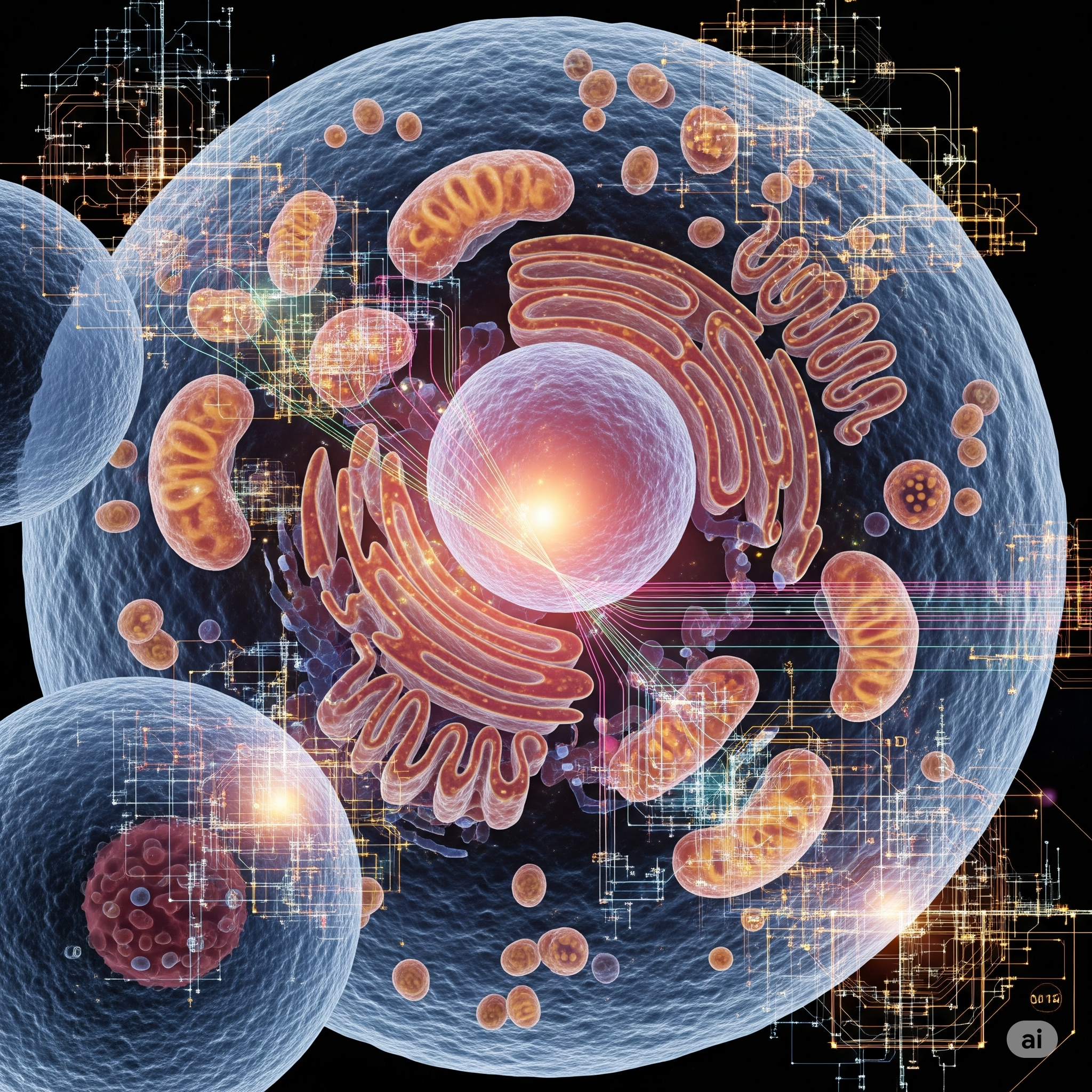
Abstractly representing mathematical models illuminating the intricate inner workings and mechanisms of a cell.
|
|
CRM CommNatalia Vallina
|

The CRM opens the academic year and unveils its Directors’ Gallery
A review of the year, the Communication Plan 2026–2030 and three research talks filled the morning of 19 October.The unveiling of the Directors’ Gallery.CRM CommPau VarelaCRMComm@crm.catGet the latest CRM news and activities in your inbox.Recent...

The CRM Mentoring Programme, as Told by One of Its Pairs
PhD student Joaquim Duran and mathematician Robert Cardona, one of the pairs in the CRM Mentoring ProgrammeJoaquim Duran (left) and Robert Cardona.CRM CommPau VarelaCRMComm@crm.catGet the latest CRM news and activities in your inbox.Recent...
When the reward comes within reach, the brain changes what it compares
As the tokens piled up, choices got faster and more accurate at the same time. The yardstick for judging each offer had moved.CRM CommPau VarelaCRMComm@crm.catGet the latest CRM news and activities in your inbox.Recent newsletters →Two subjects...

Almost every automaton can be reset with a short word
Guillaume Chapuy (Université Paris Cité, CNRS) and Guillem Perarnau (UPC, CRM) have shown that a random finite automaton with n states can, with high probability, be reset by a word of length of order √n log n. The result, published in ACM Transactions on Algorithms, pins the exponent at 1/2, the lower end of a decade of numerical estimates, and addresses the random version of the synchronization problem behind a conjecture Ján Černý posed in 1964 and which still remains open.
Exposició ‘Les matemàtiques de Gaudí’

CRM quod erat demonstrandum | 48

ADA: Decoding Brain Signals Misaligned in Time
The study addresses a key limitation of current brain decoding techniques: the difficulty of interpreting internal mental processes whose temporal dynamics vary from trial to trial.Decoding what is happening in a person’s mind from their brain activity is one of the...
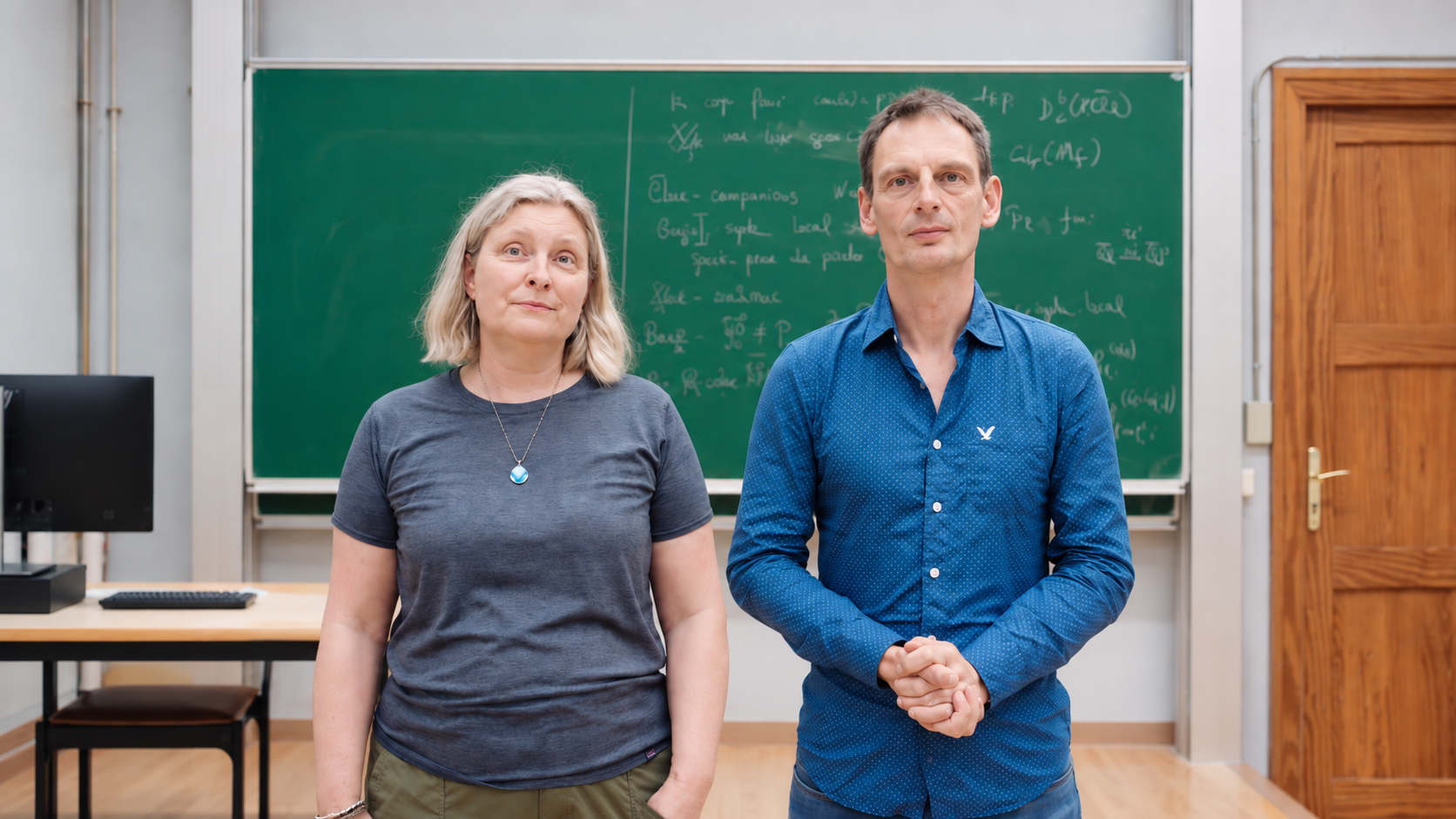
Rare curves, many points: Christophe Ritzenthaler and Rachel Pries on their research and the work around it
Christophe Ritzenthaler (Université de Rennes) and Rachel Pries (Colorado State University) both work on curves over finite fields: he hunts curves with as many points as possible, she hunts curves that almost never occur. In conversation with the CRM during their...

Call open for the 2027 Ferran Sunyer i Balaguer Prize
The Ferran Sunyer i Balaguer Foundation is accepting submissions for its 2027 prize, which awards 15,000 euros and publication in Birkhäuser's Progress in Mathematics series to an expository monograph on an active area of mathematical research. The deadline is 27...
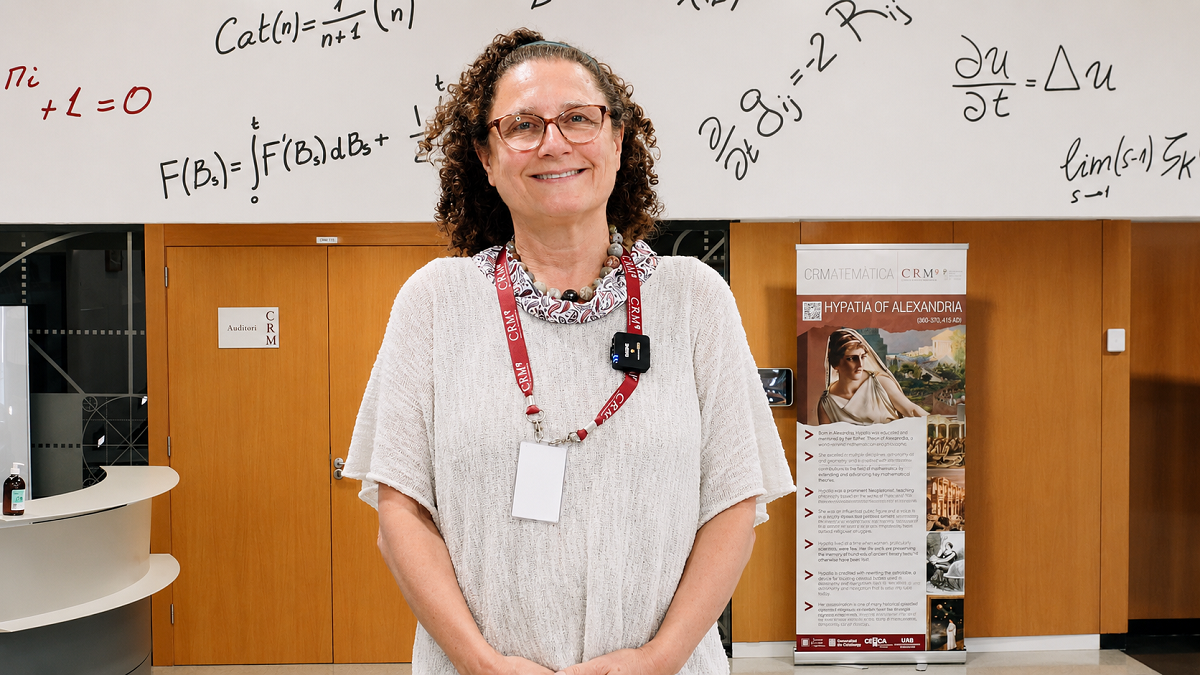
Susanna Terracini delivers the CRM Colloquium 2026
Susanna Terracini (Università di Torino) delivered the CRM Colloquium 2026 on 14 July, presenting a rigidity result for Kepler billiards obtained with Stefano Baranzini, Vivina Barutello and Irene De Blasi. She was at the centre as a member of the CRM Scientific...
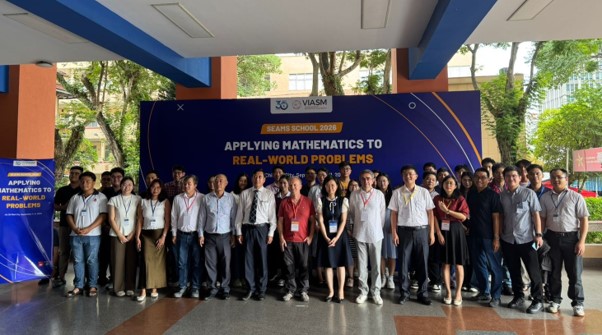
Ho Chi Minh City hosts the SEAMS School on applying mathematics to real-world problems
Students from across the region took courses and worked on group projects at a school co-organised by CRM researcher Tim Myers.CRM CommPau VarelaCRMComm@crm.catGet the latest CRM news and activities in your inbox.Recent newsletters →Between 4 and...

A single ball on a fixed table can compute: Eva Miranda and Isaac Ramos prove that two-dimensional billiards are Turing complete
Eva Miranda (UPC, CRM) and Isaac Ramos (ETH Zürich) show that a point particle bouncing inside a planar table with fixed walls can simulate a universal Turing machine, settling a question Cristopher Moore left open in 1990. The result grew out of a master’s project...