One anniversary, eight speakers, July and PDES (People, Discussions, Emotions and Summer) in Barcelona
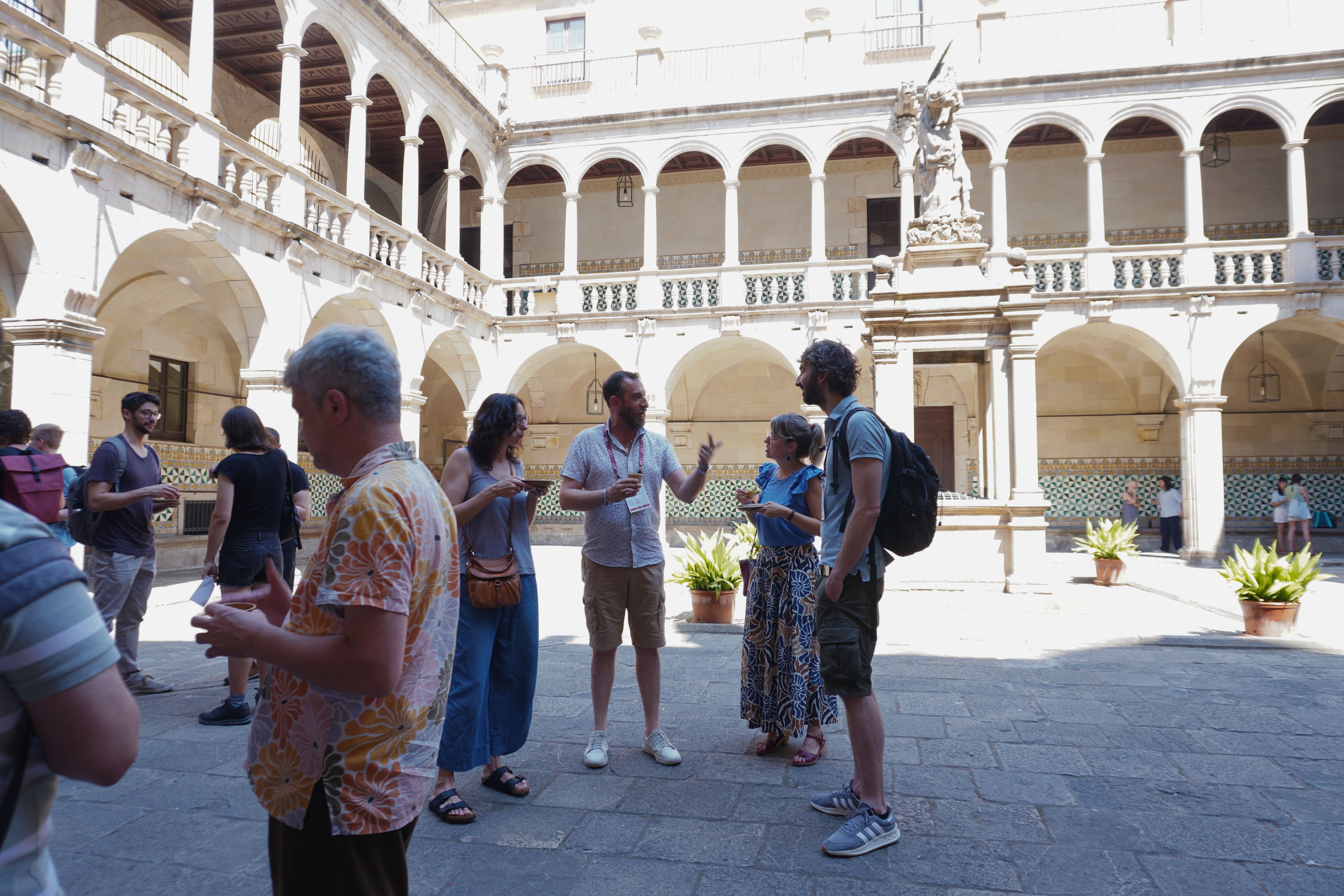
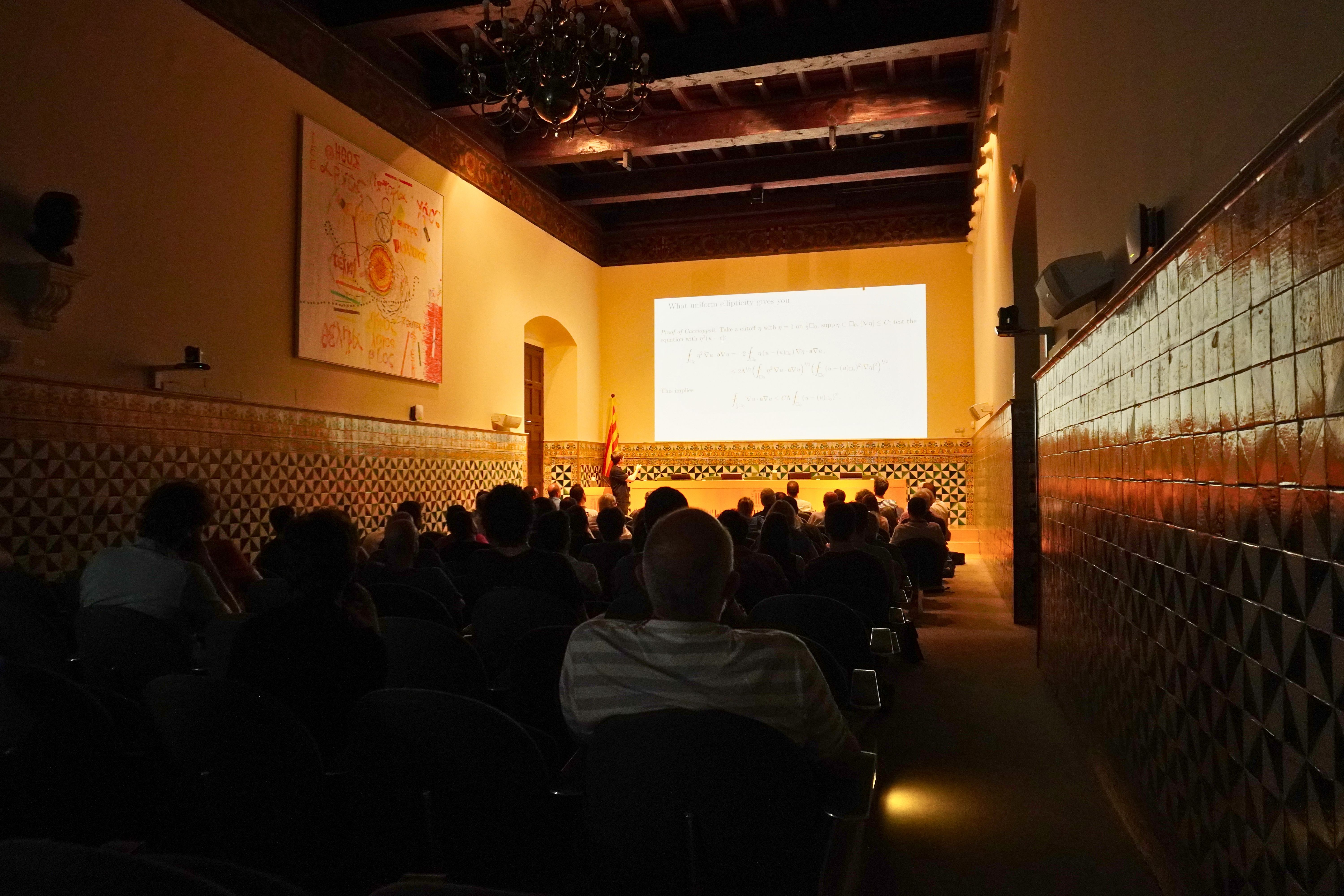
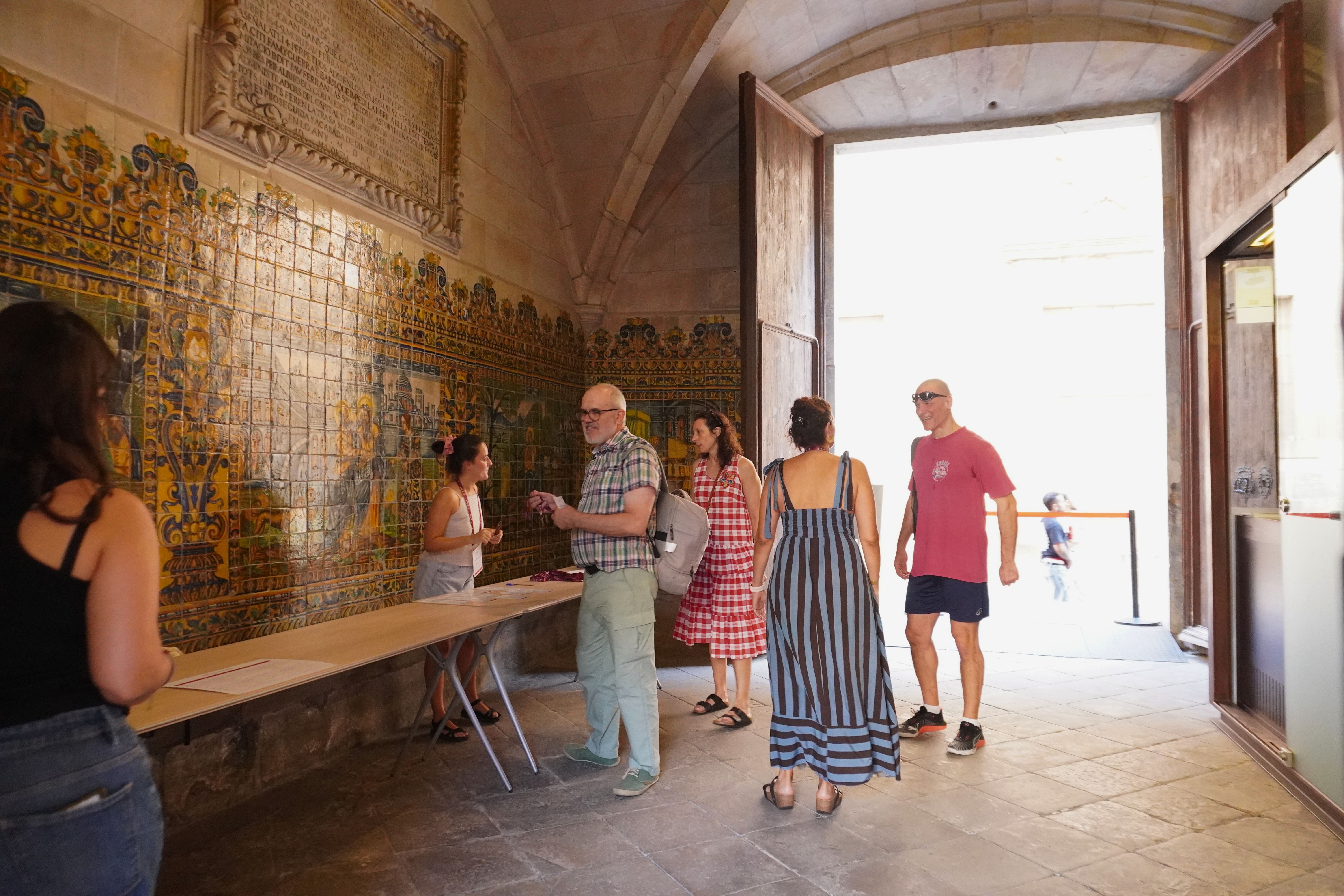
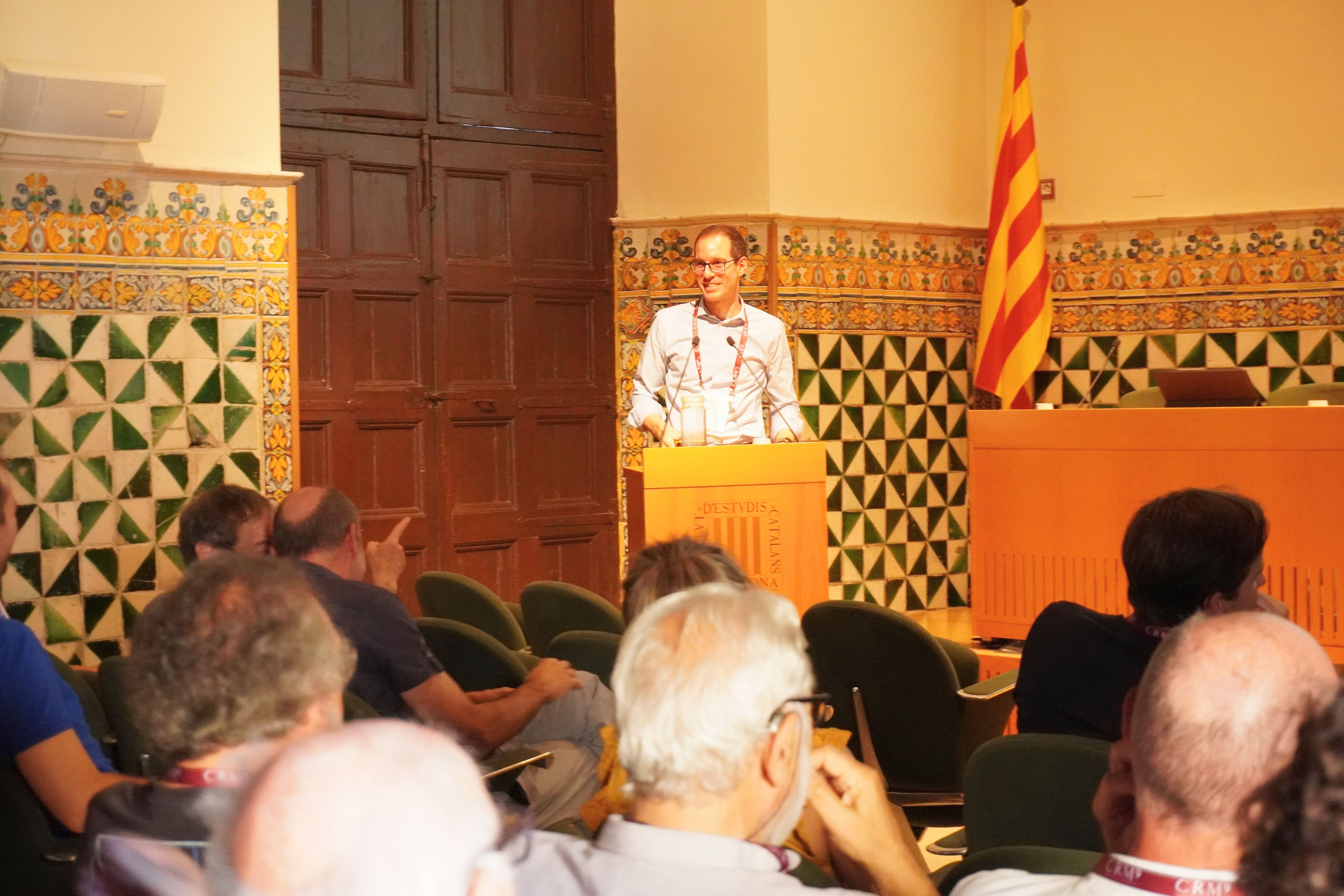
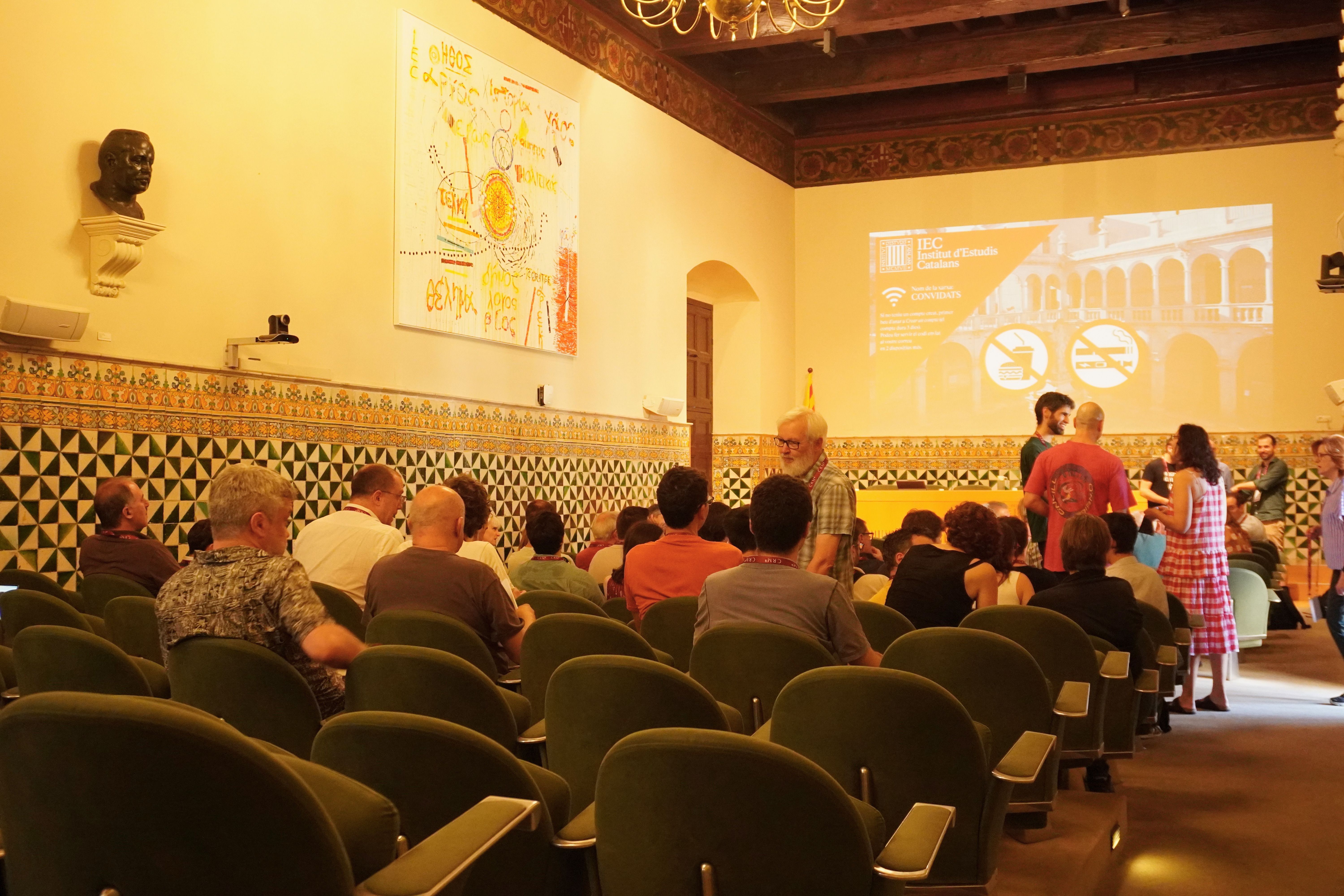
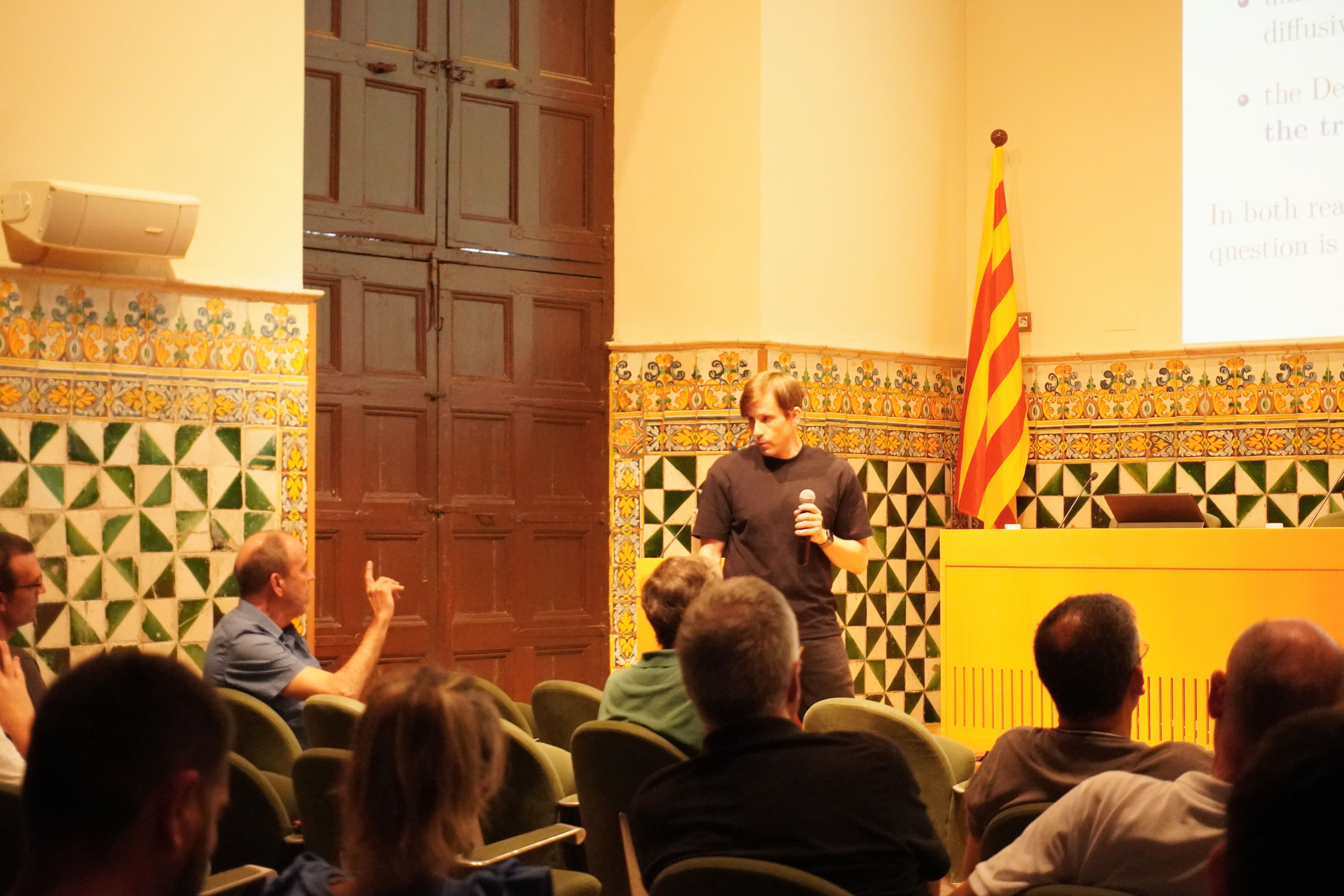
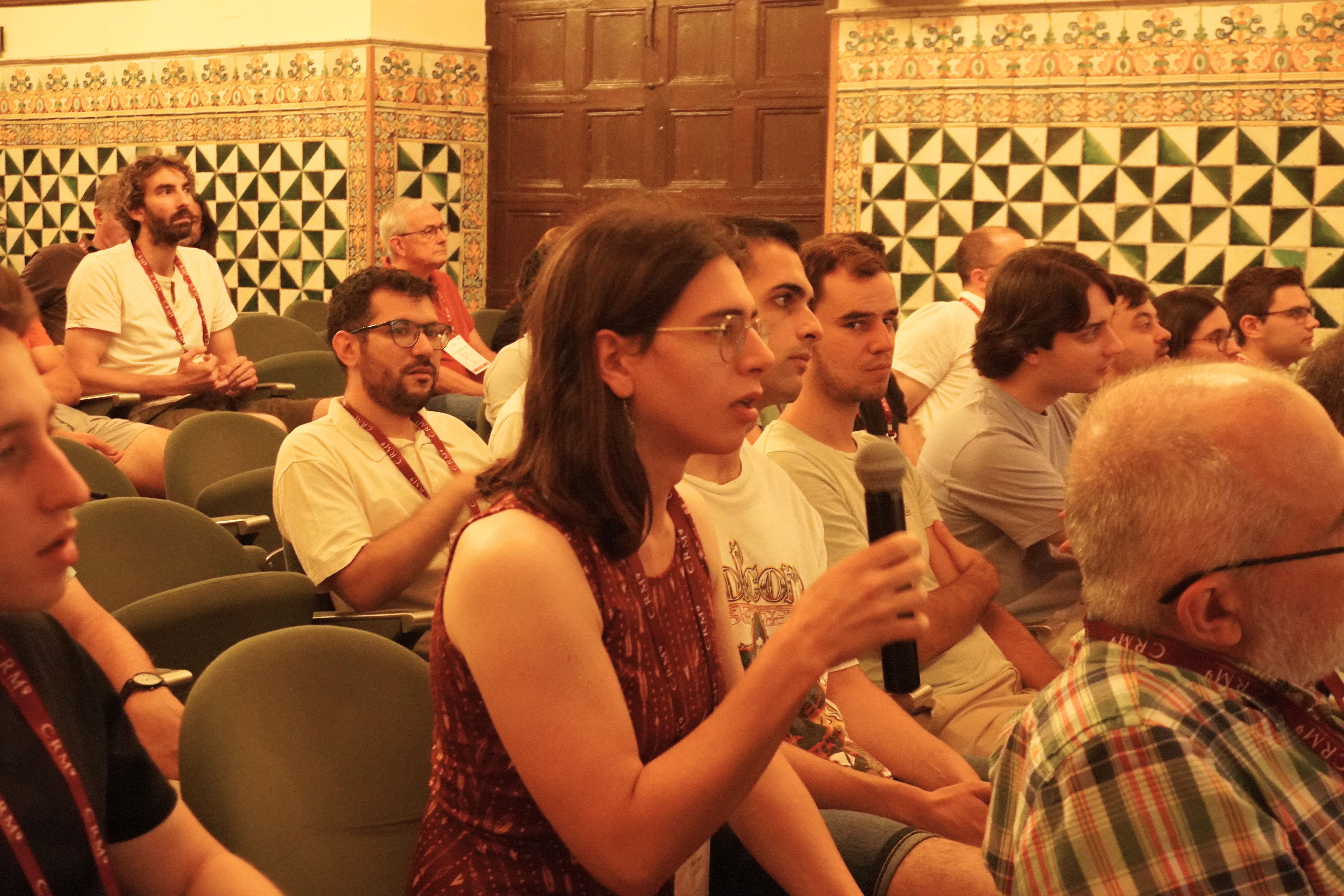
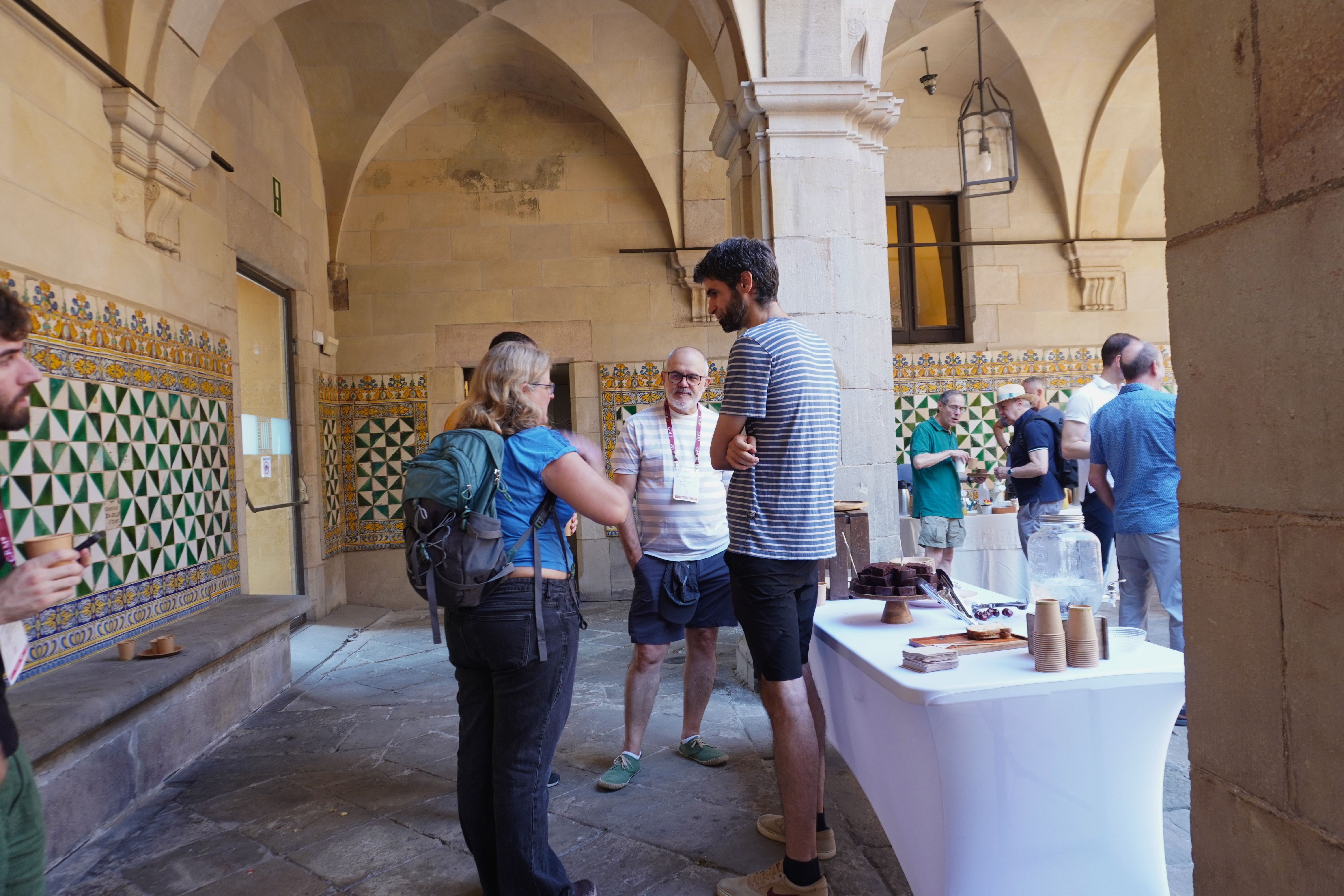
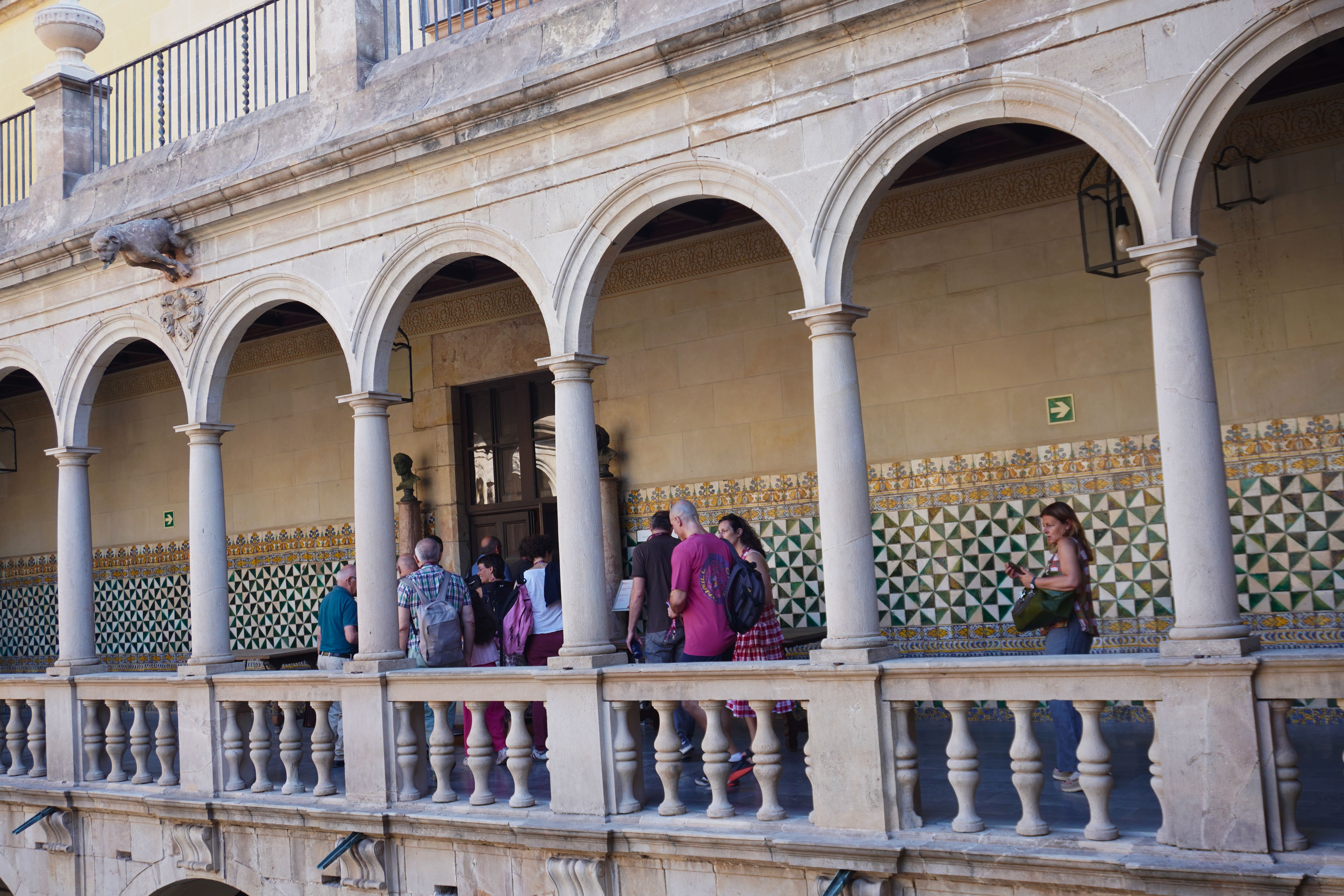
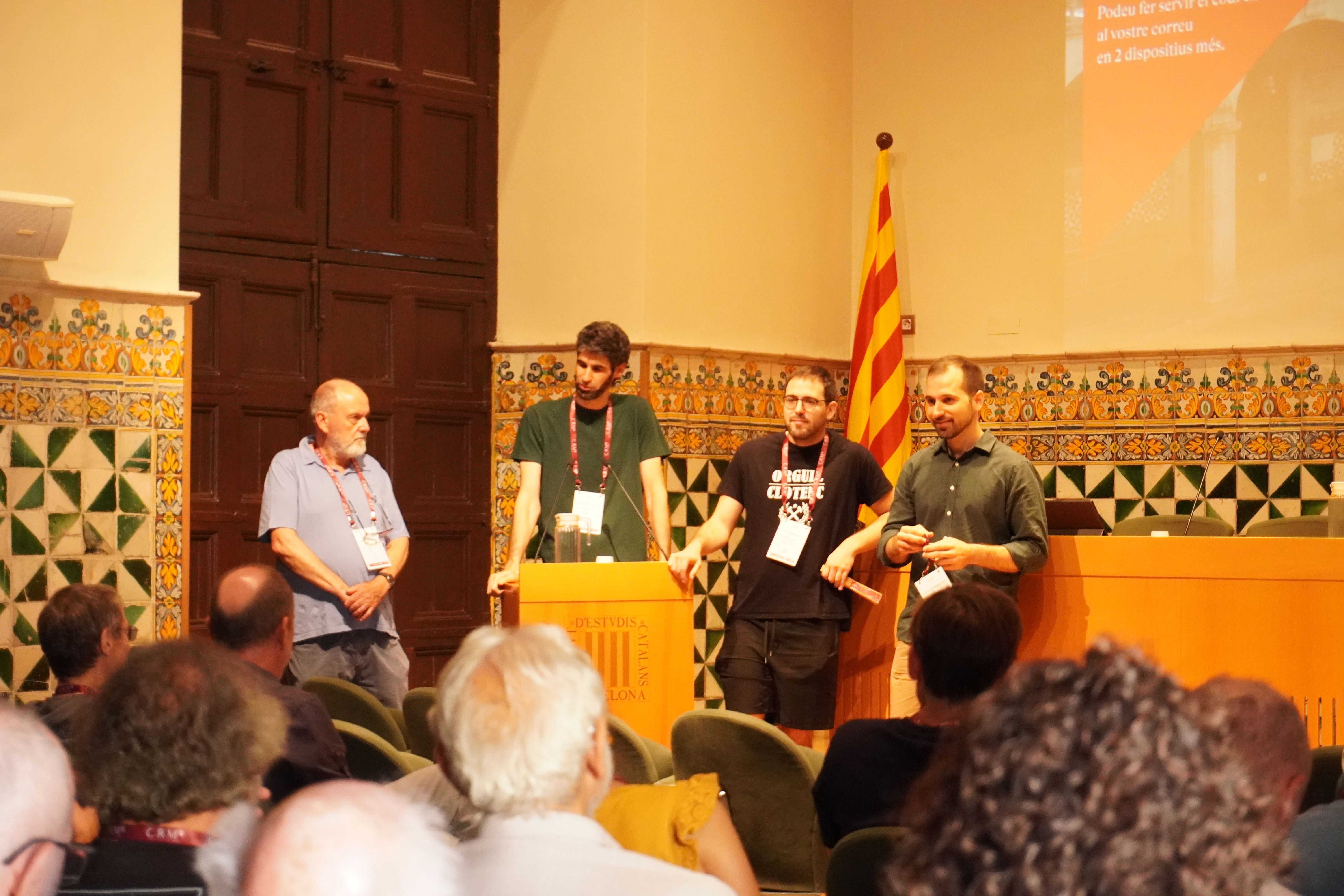
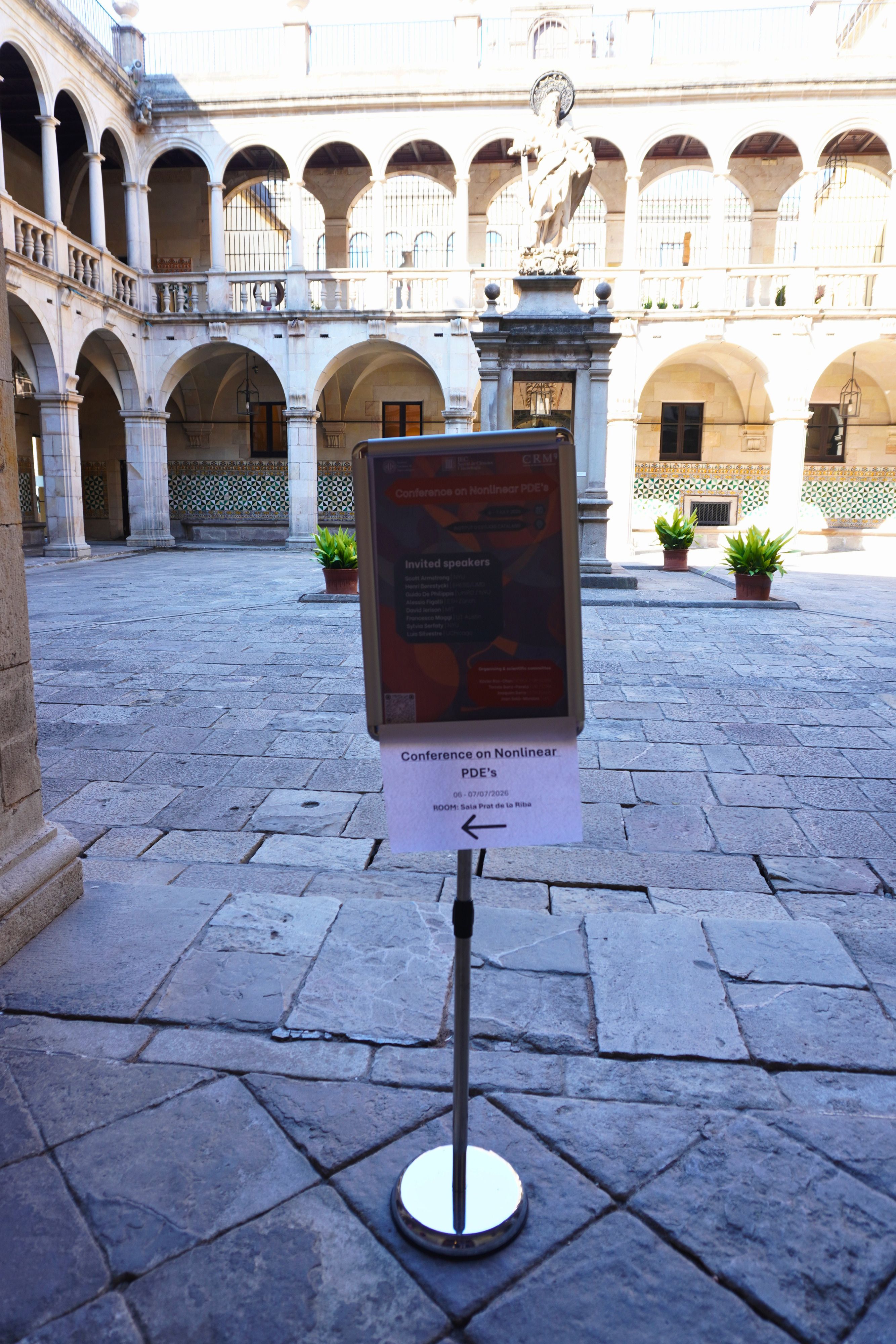
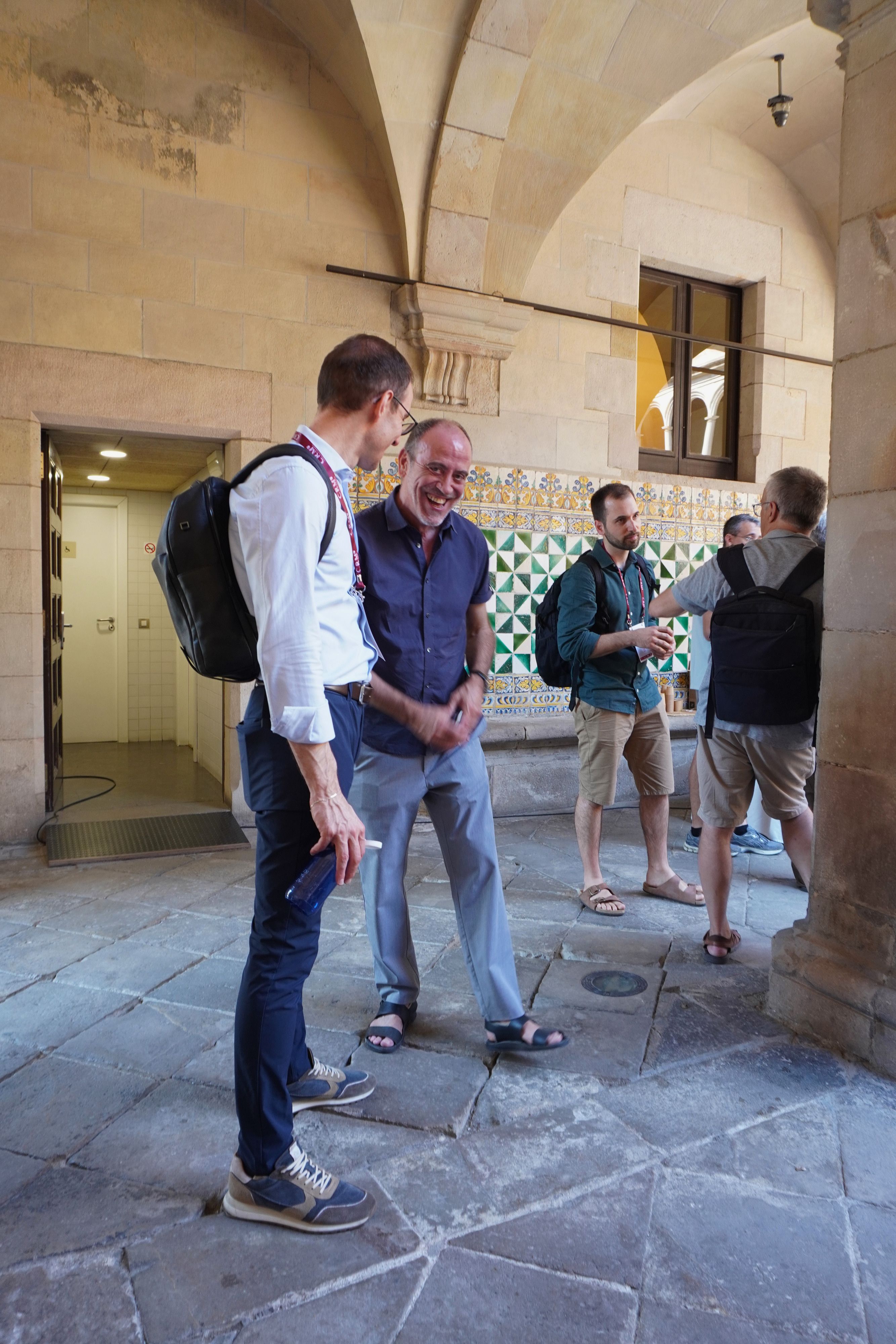
The conference Nonlinear PDEs was held at the Institut d’Estudis Catalans (IEC) on 6 and 7 July 2026. While PDEs usually stand for Partial Differential Equations, the meeting could perhaps also be described by a different meaning of the acronym: People, Discussions, Emotions and Summer.
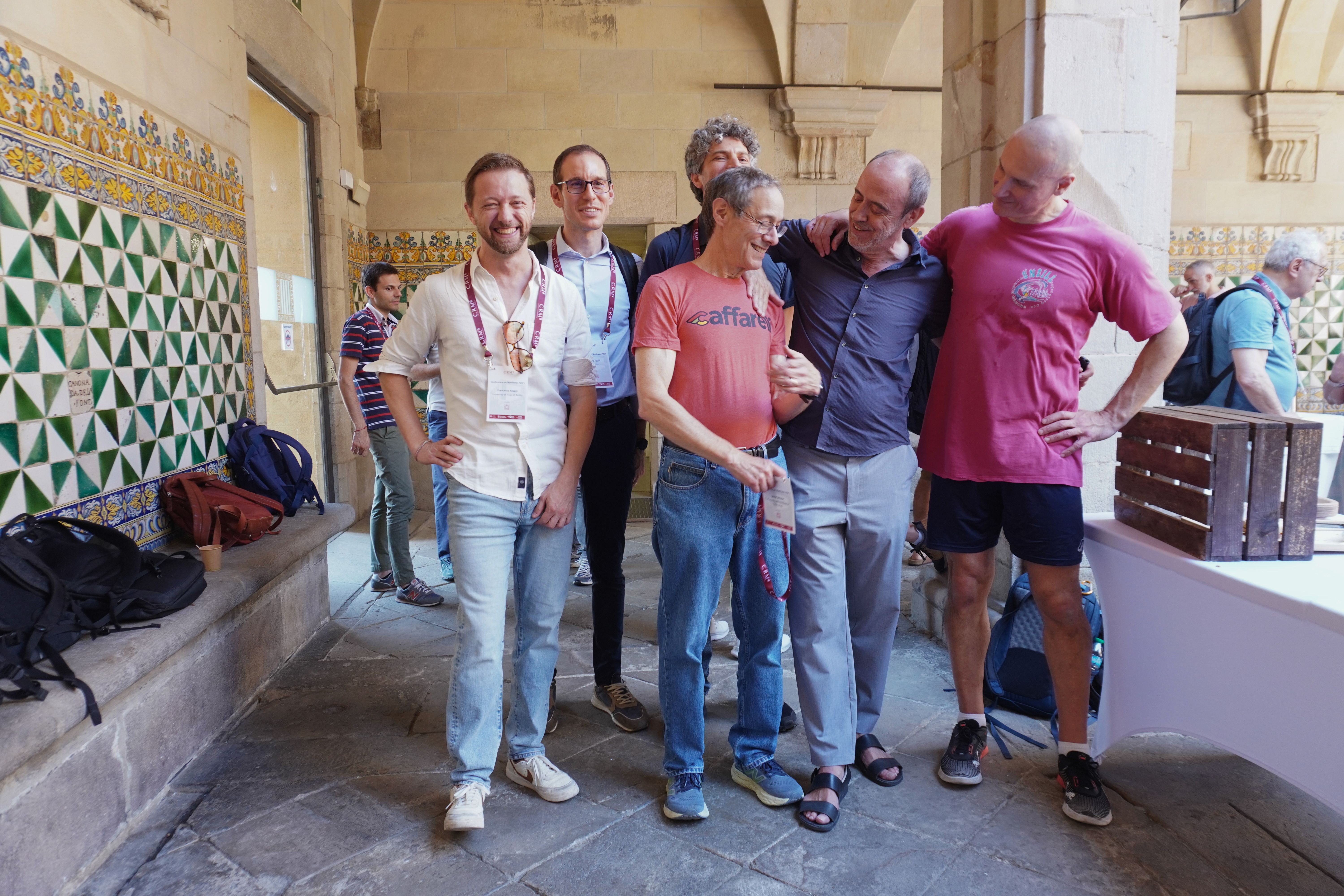
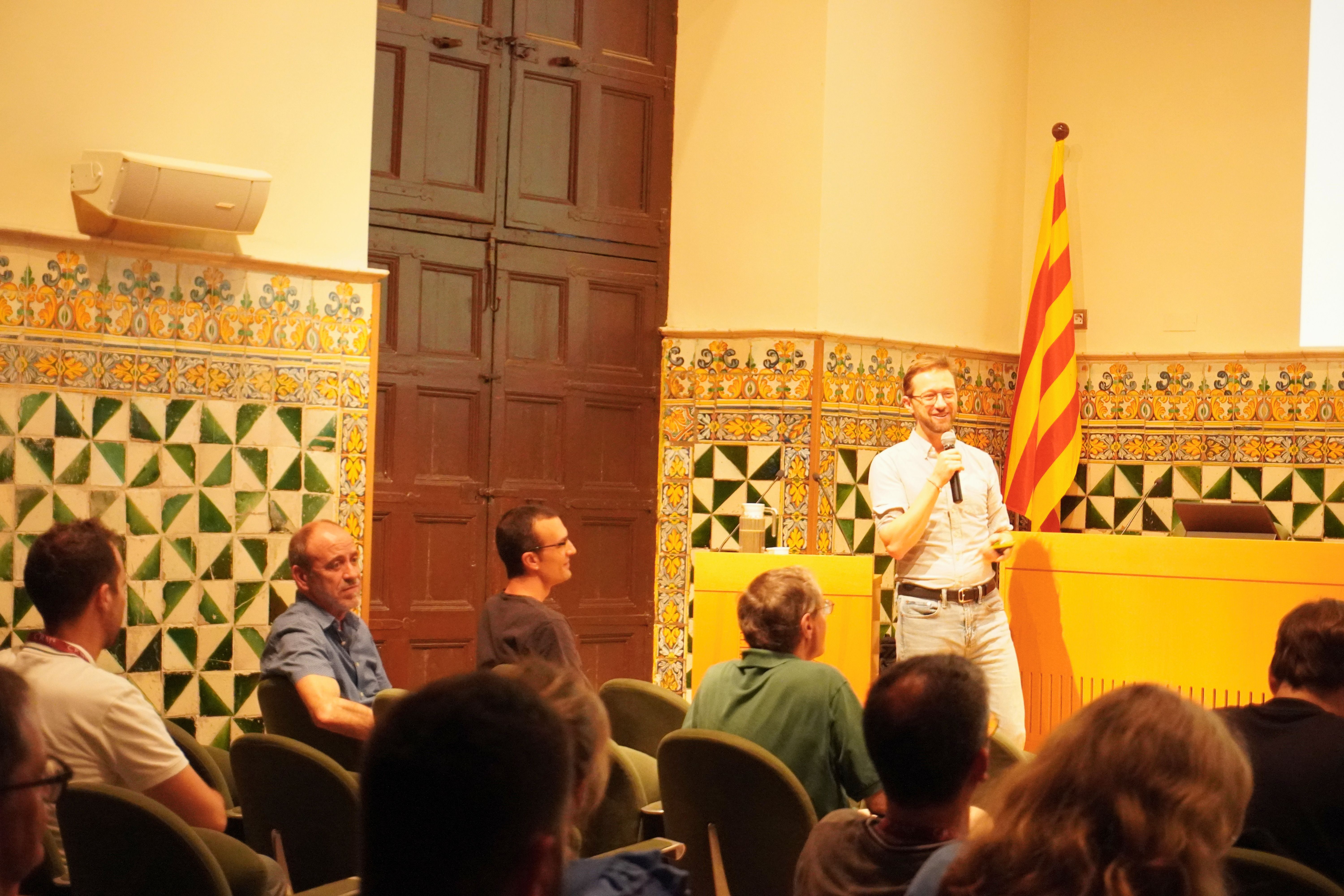
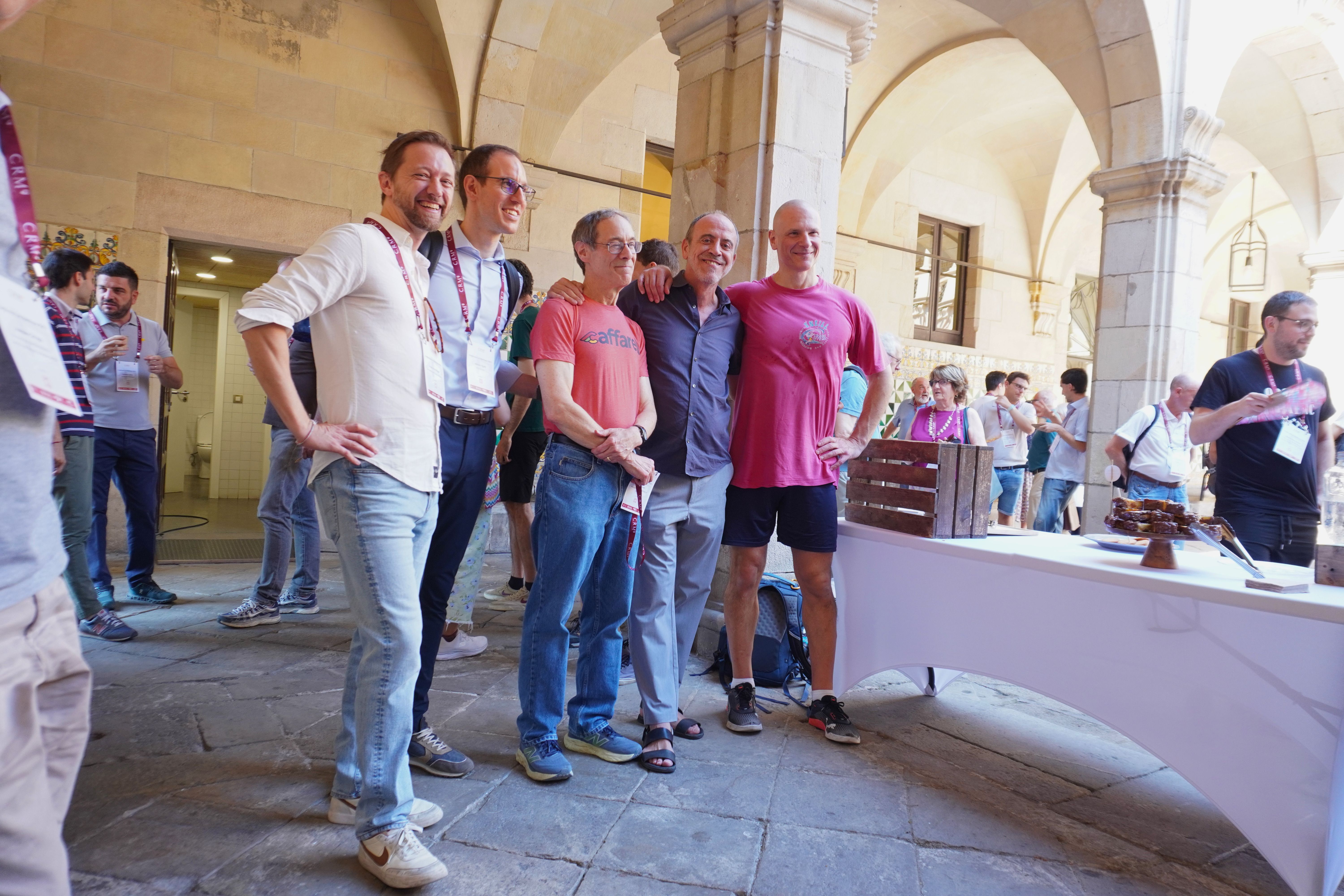
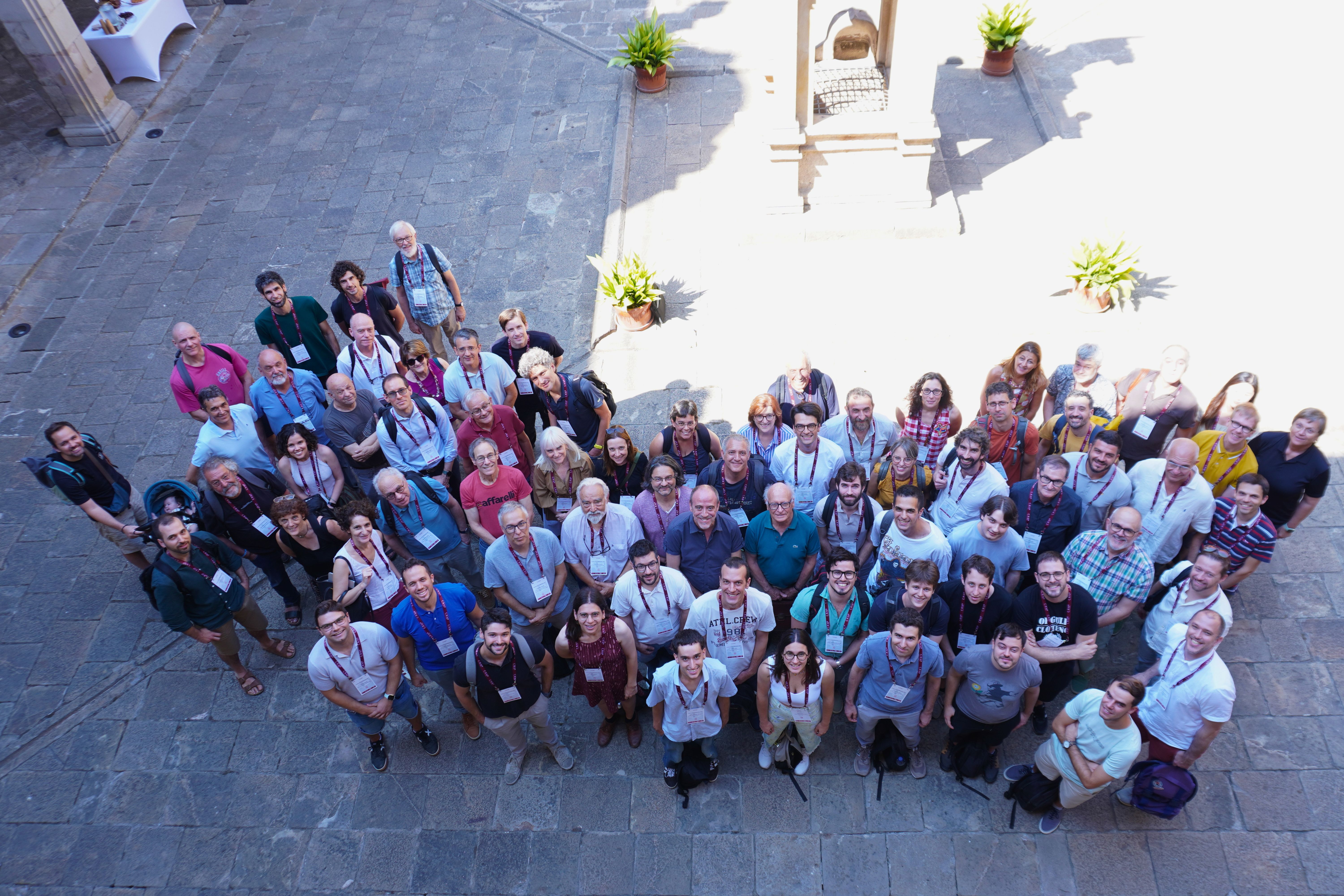
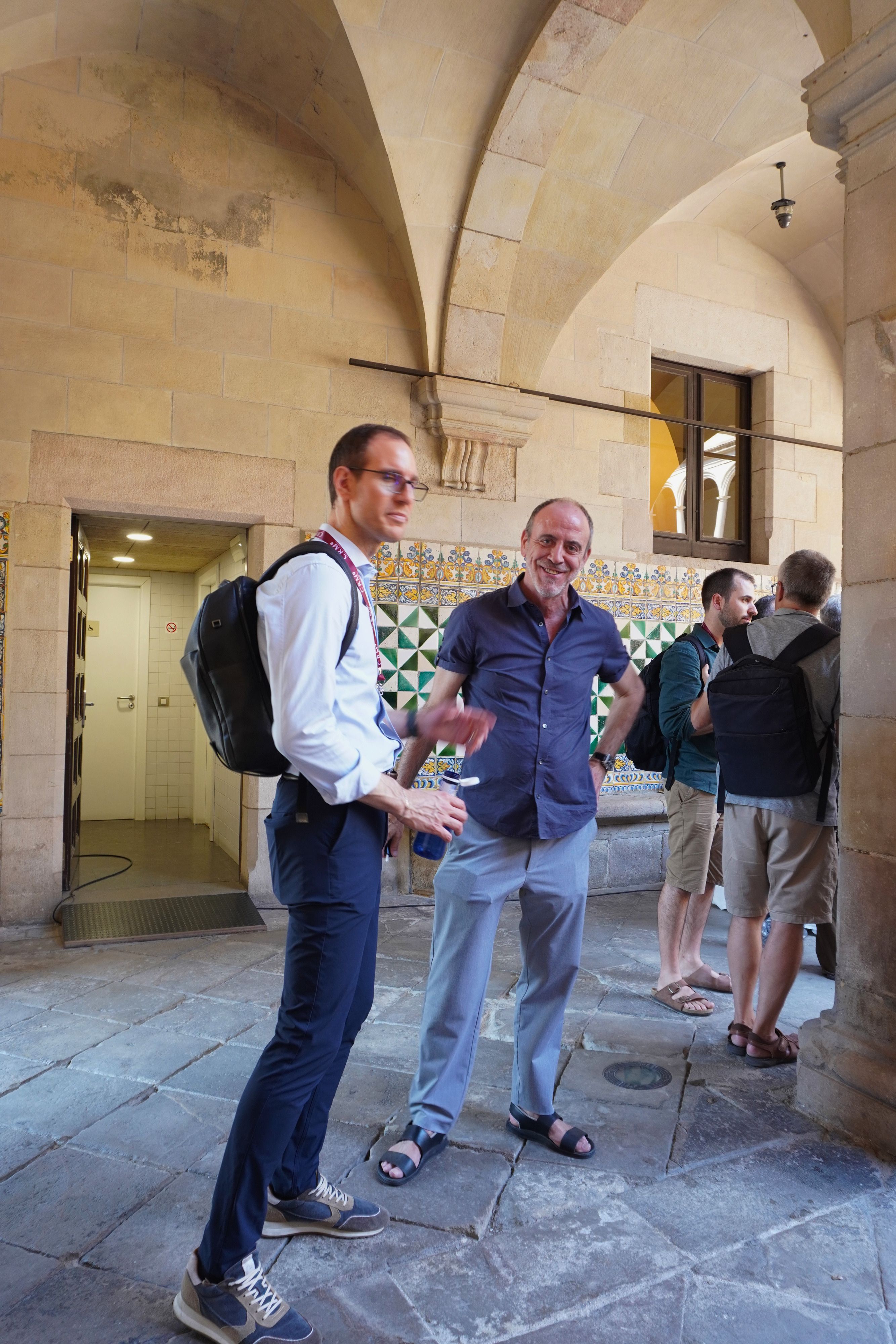
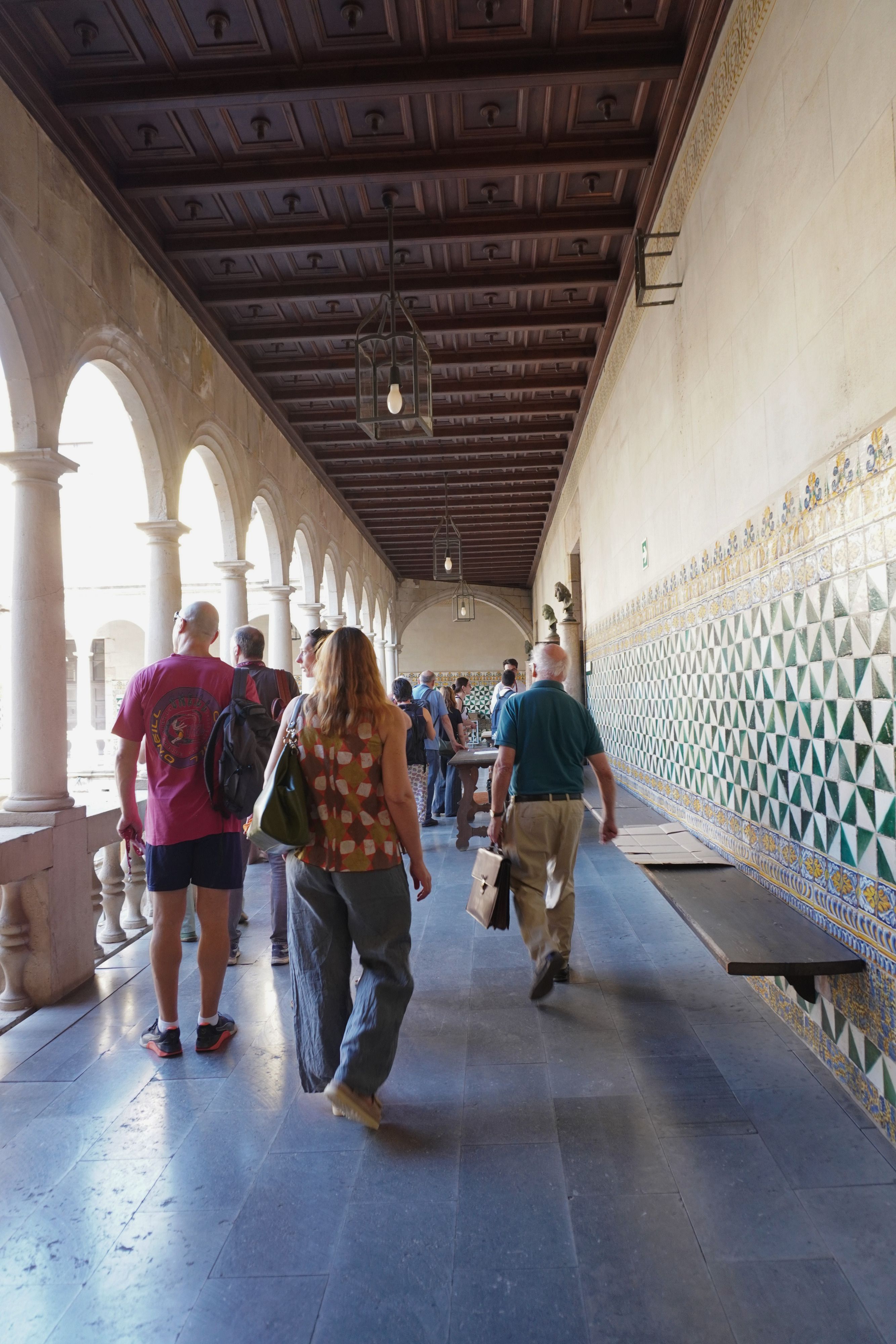
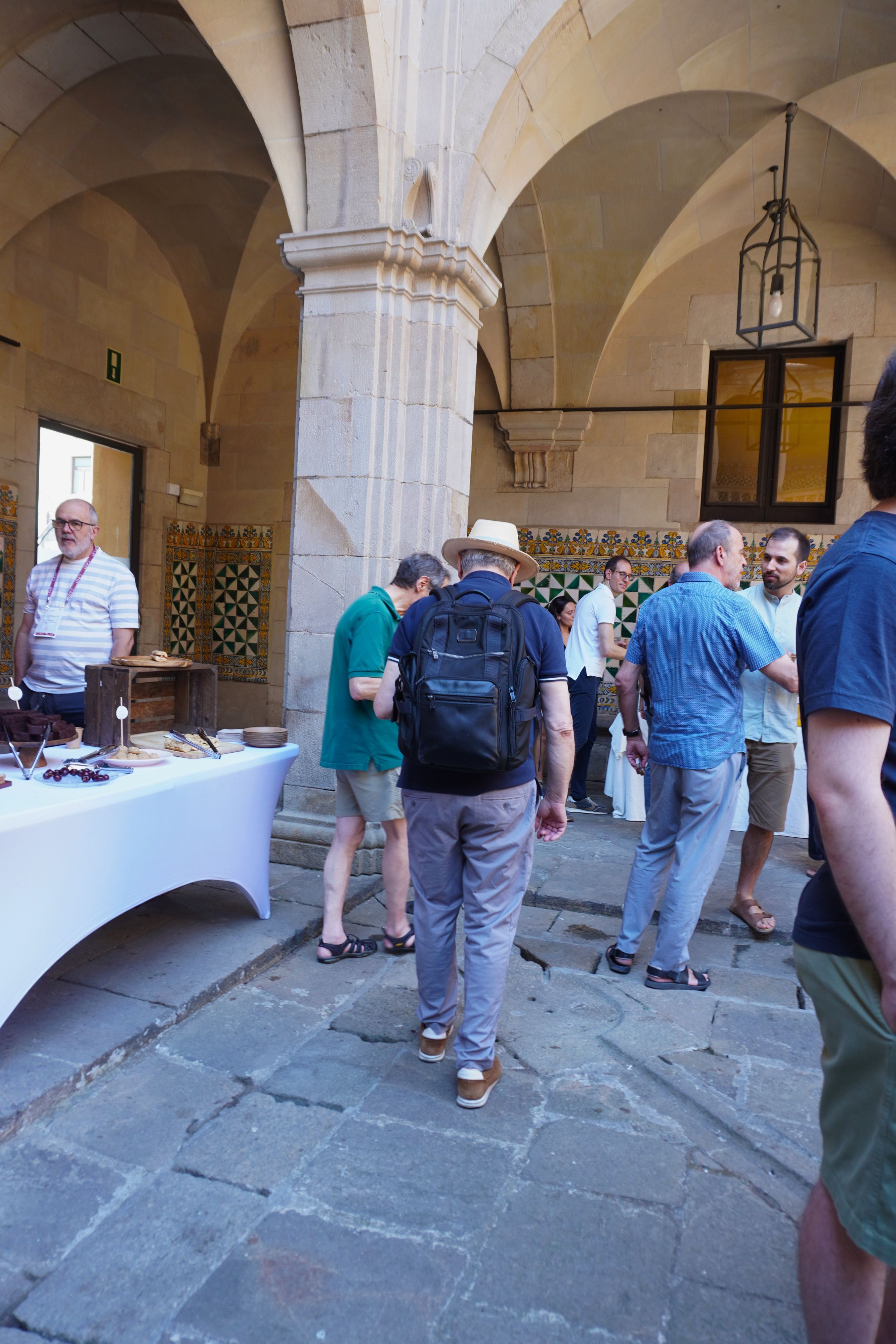
The occasion brought together researchers, collaborators, former students and friends from across the international mathematical community. They gathered in Barcelona to discuss recent advances in nonlinear partial differential equations and, at the same time, celebrate the  anniversary of Xavier Cabré, whose work has influenced the field for decades. Beyond the lectures, the conference reflected the many scientific collaborations, mathematical connections and personal friendships that have grown around this research community over the years.
ICREA researcher, a professor at the Universitat Politècnica de Catalunya, and affiliated at the Centre de Recerca Matemàtica (CRM), Xavier Cabré is internationally renowned for his work on nonlinear elliptic and parabolic partial differential equations, free boundary problems, geometric analysis and regularity theory. Through both his research and his mentorship, he has played a key role in shaping generations of mathematicians and strengthening the field of nonlinear PDEs locally and internationally.
Invited Lectures
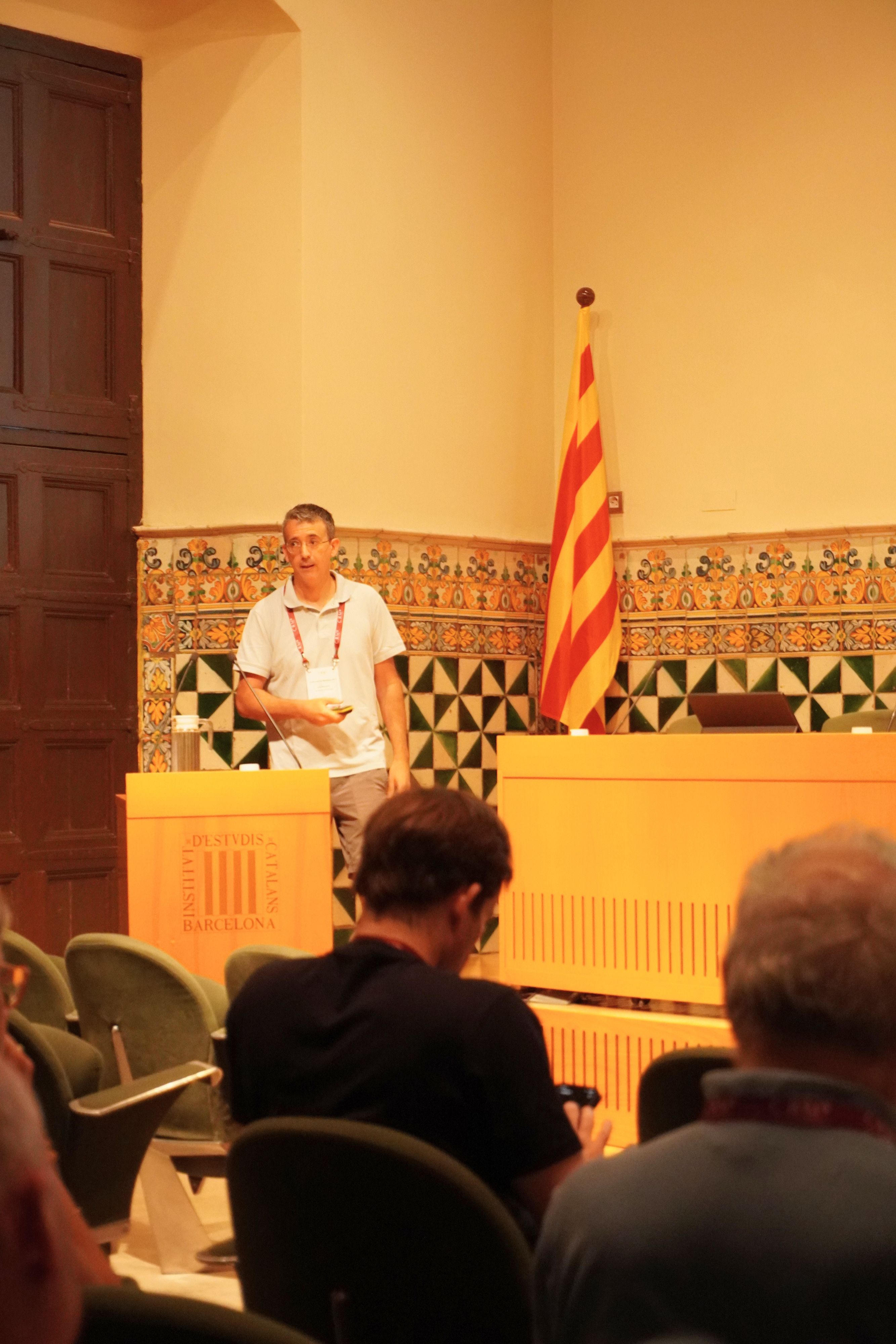
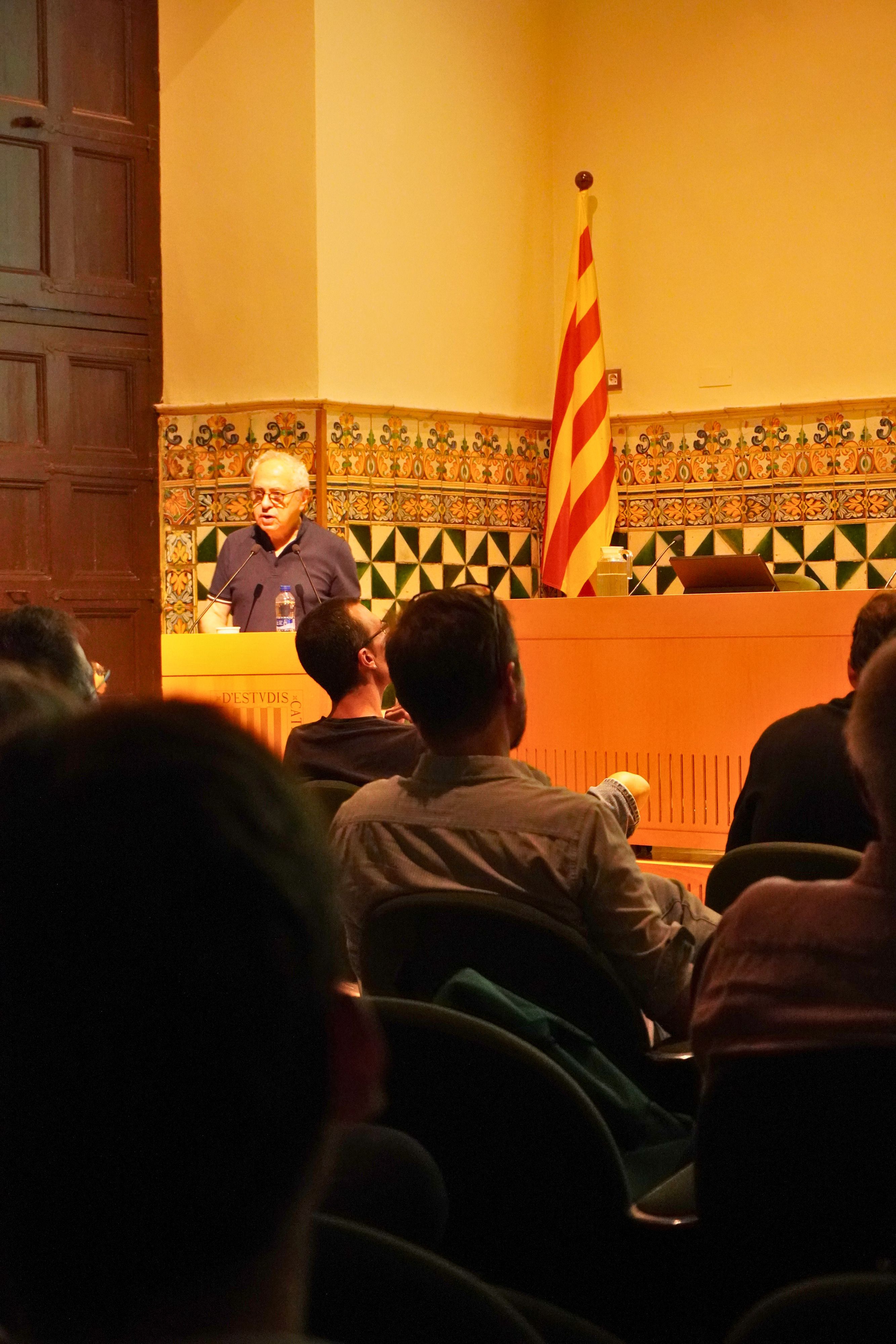
The conference highlighted recent advances in the theory of nonlinear partial differential equations through eight invited lectures.
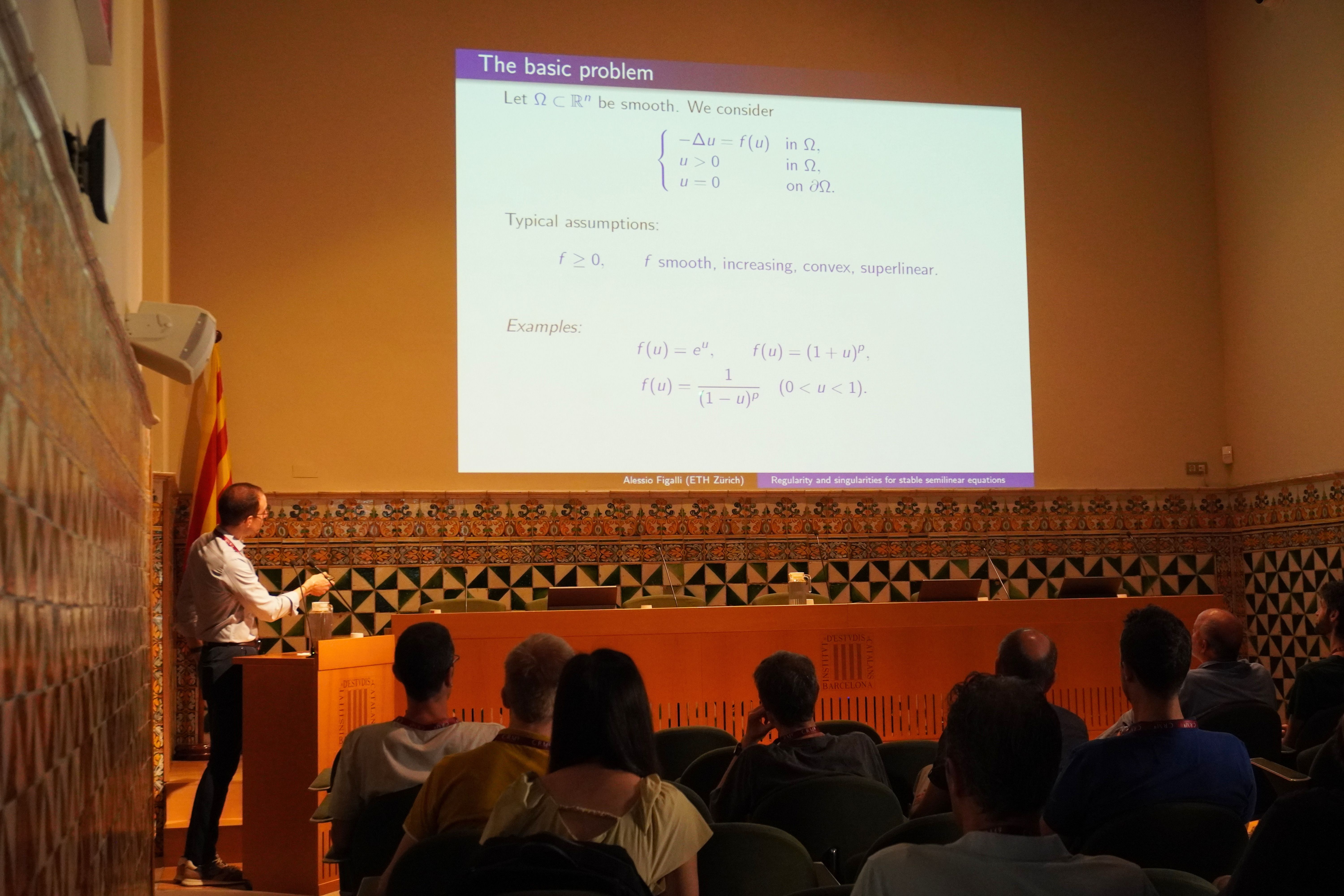
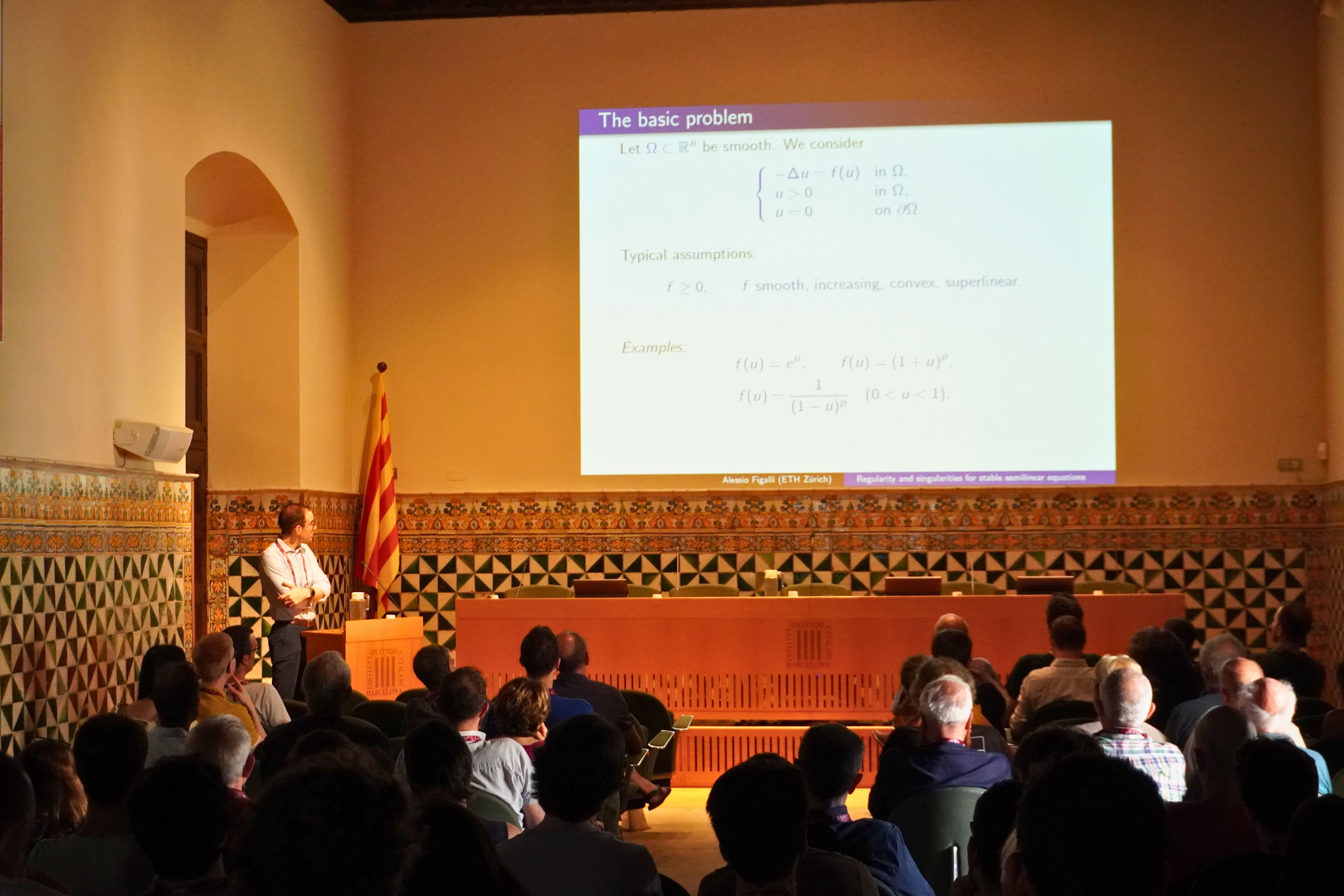
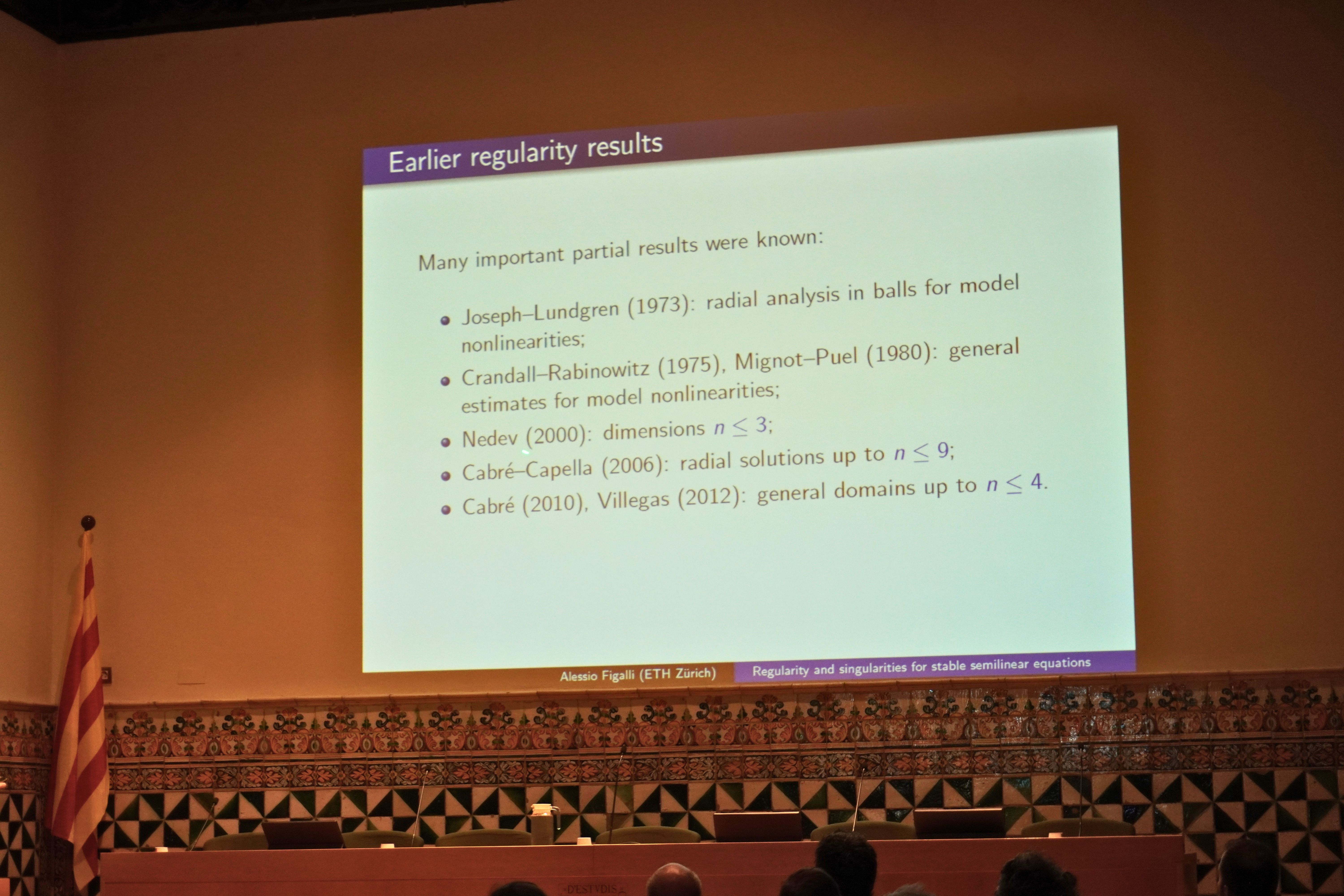
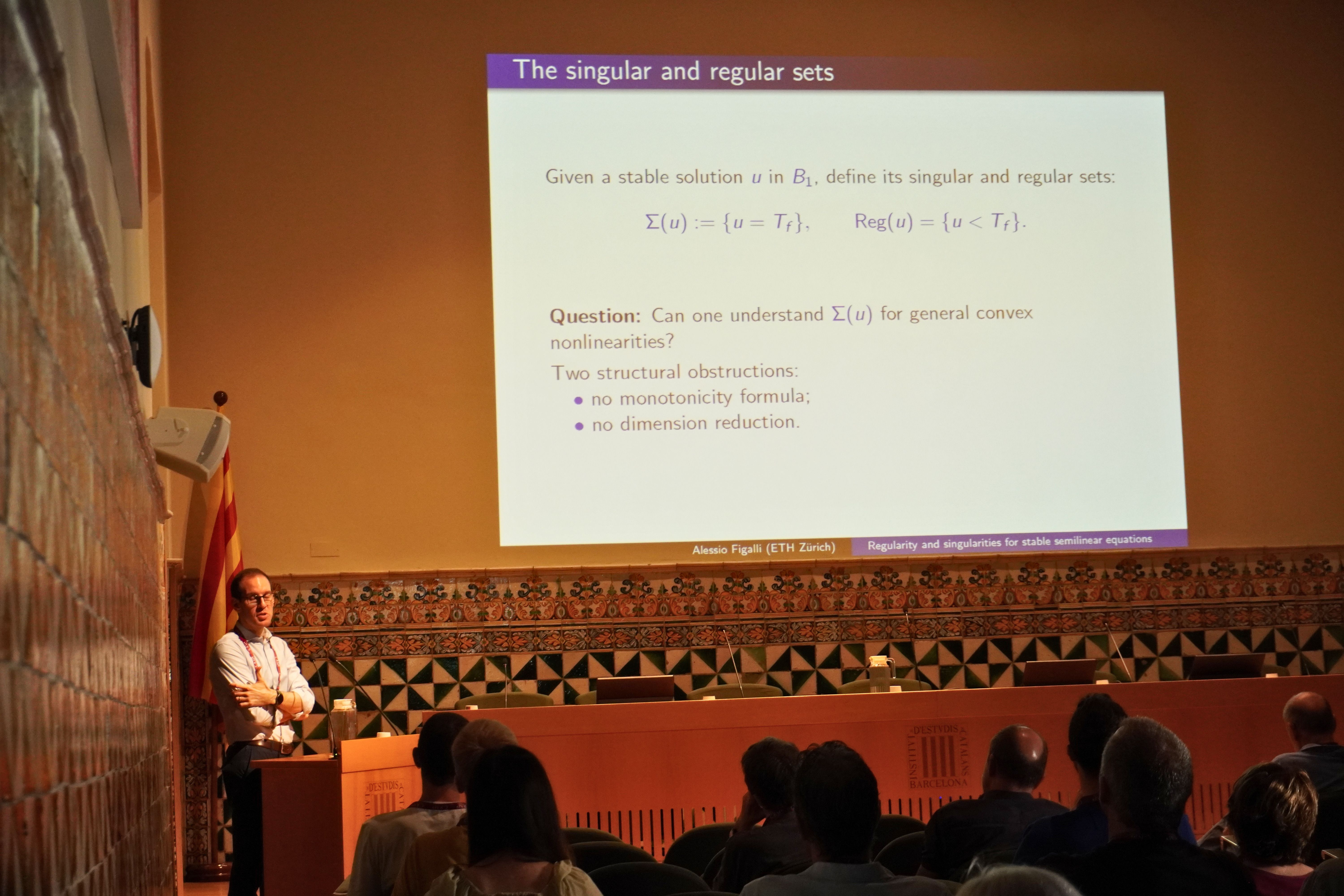
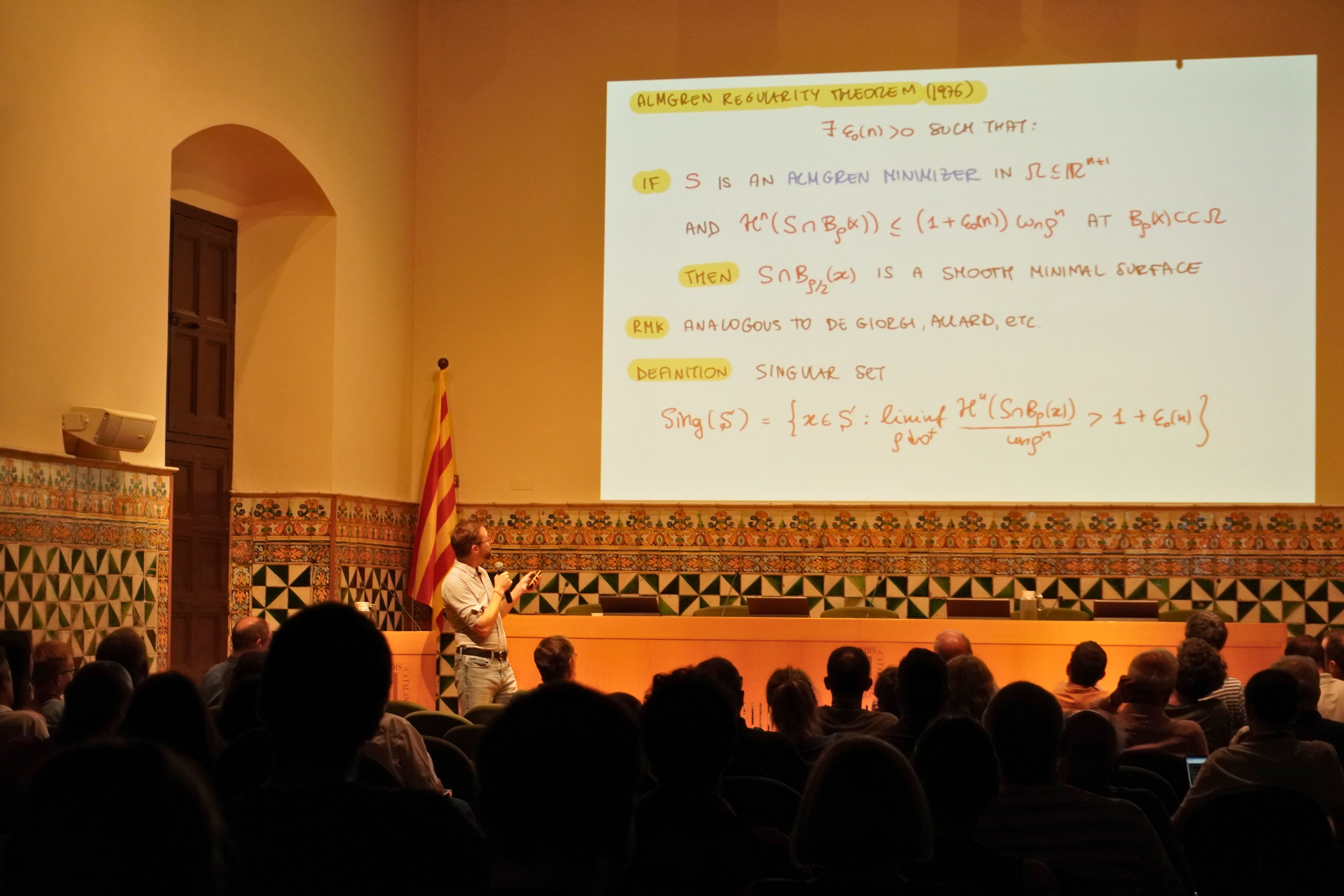
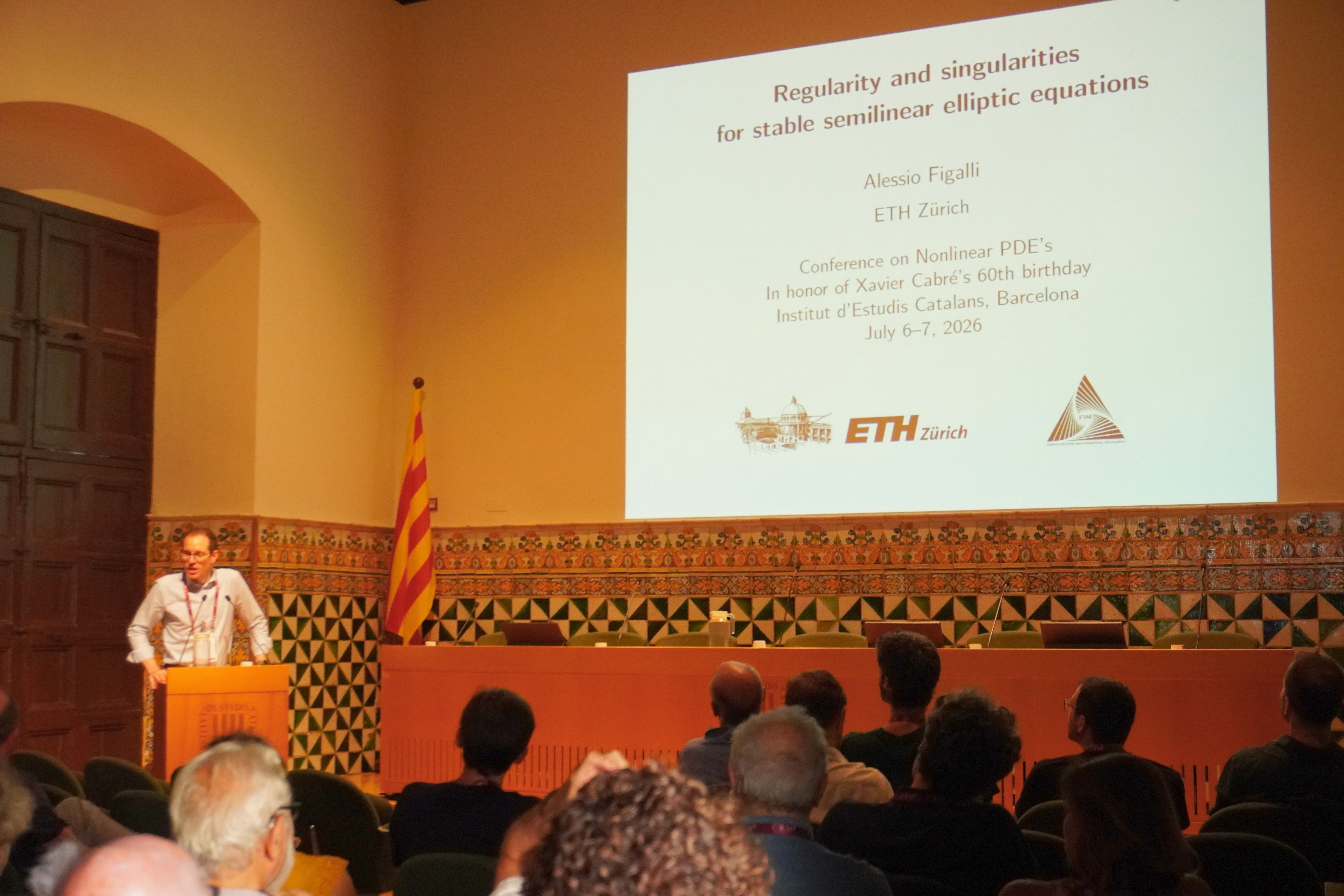
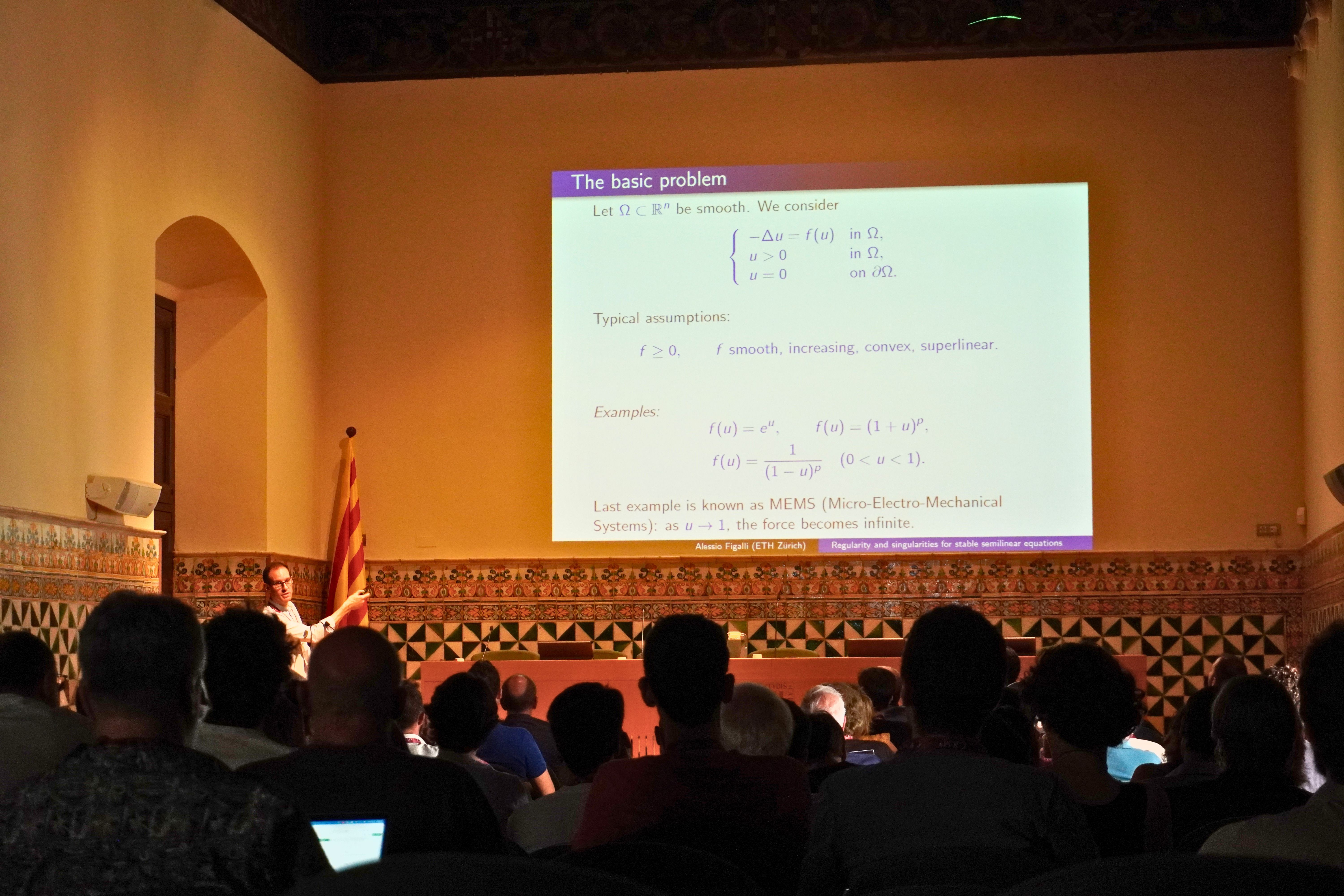
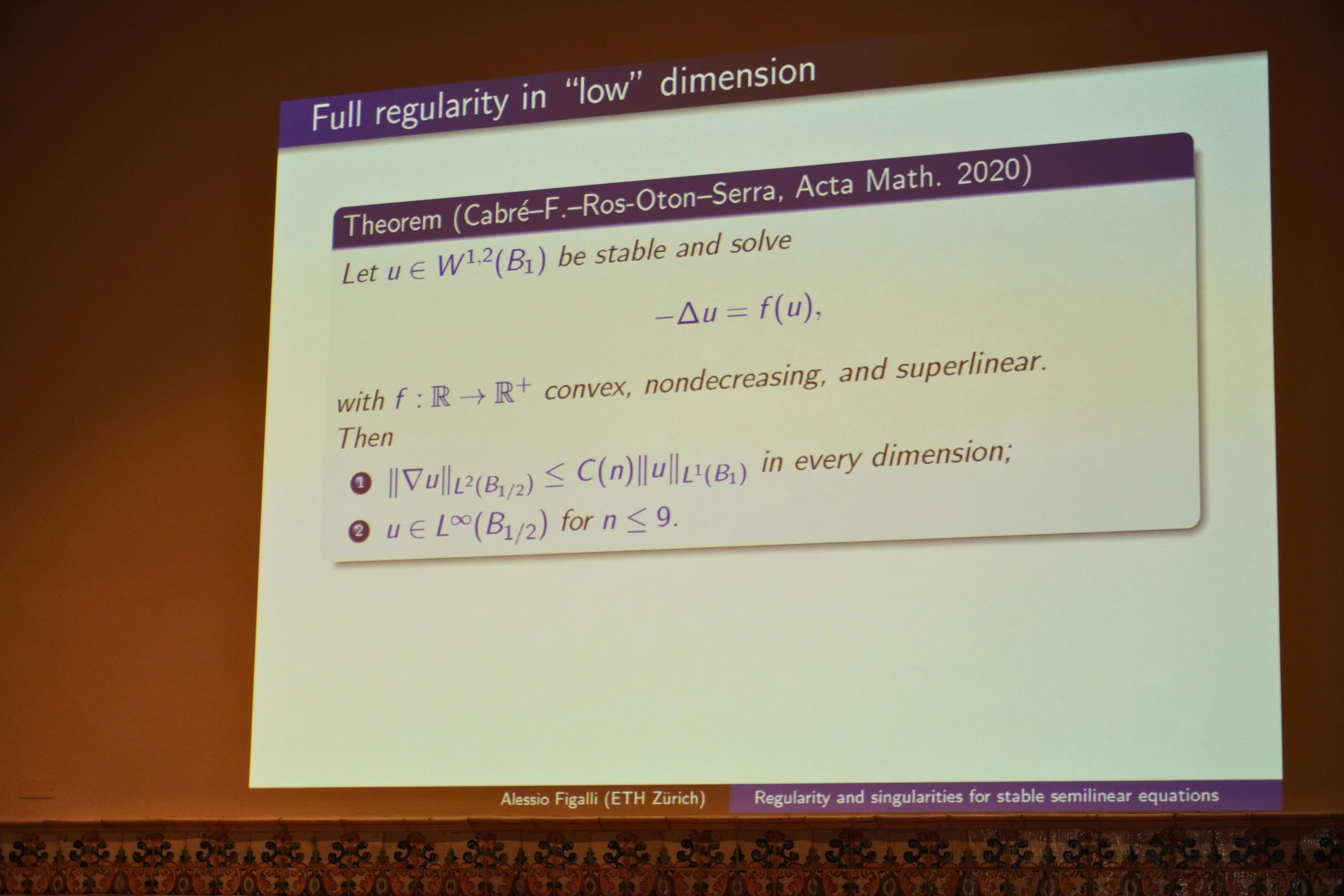
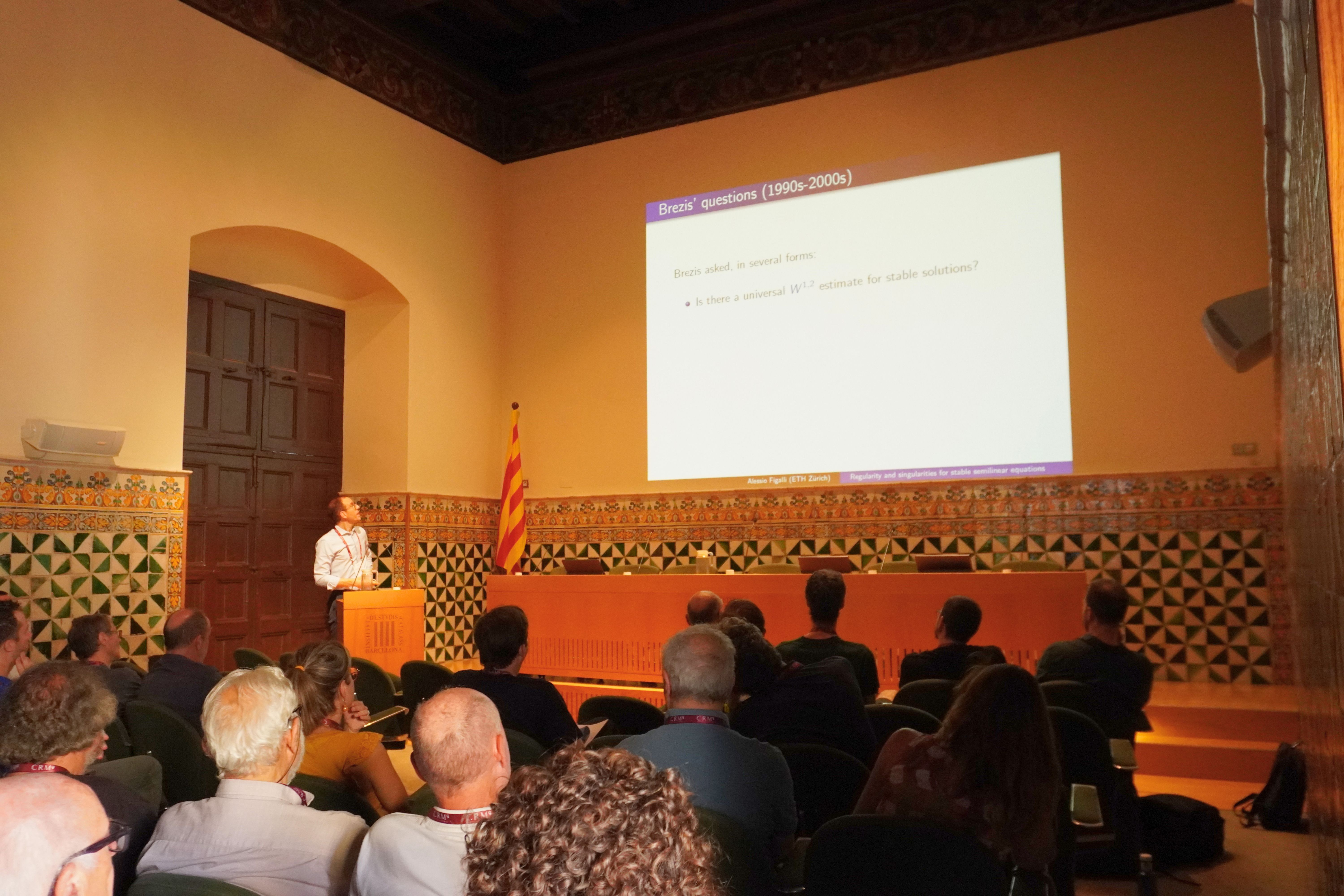
Alessio Figalli: Regularity and Singularities for Stable Semilinear Elliptic Equations
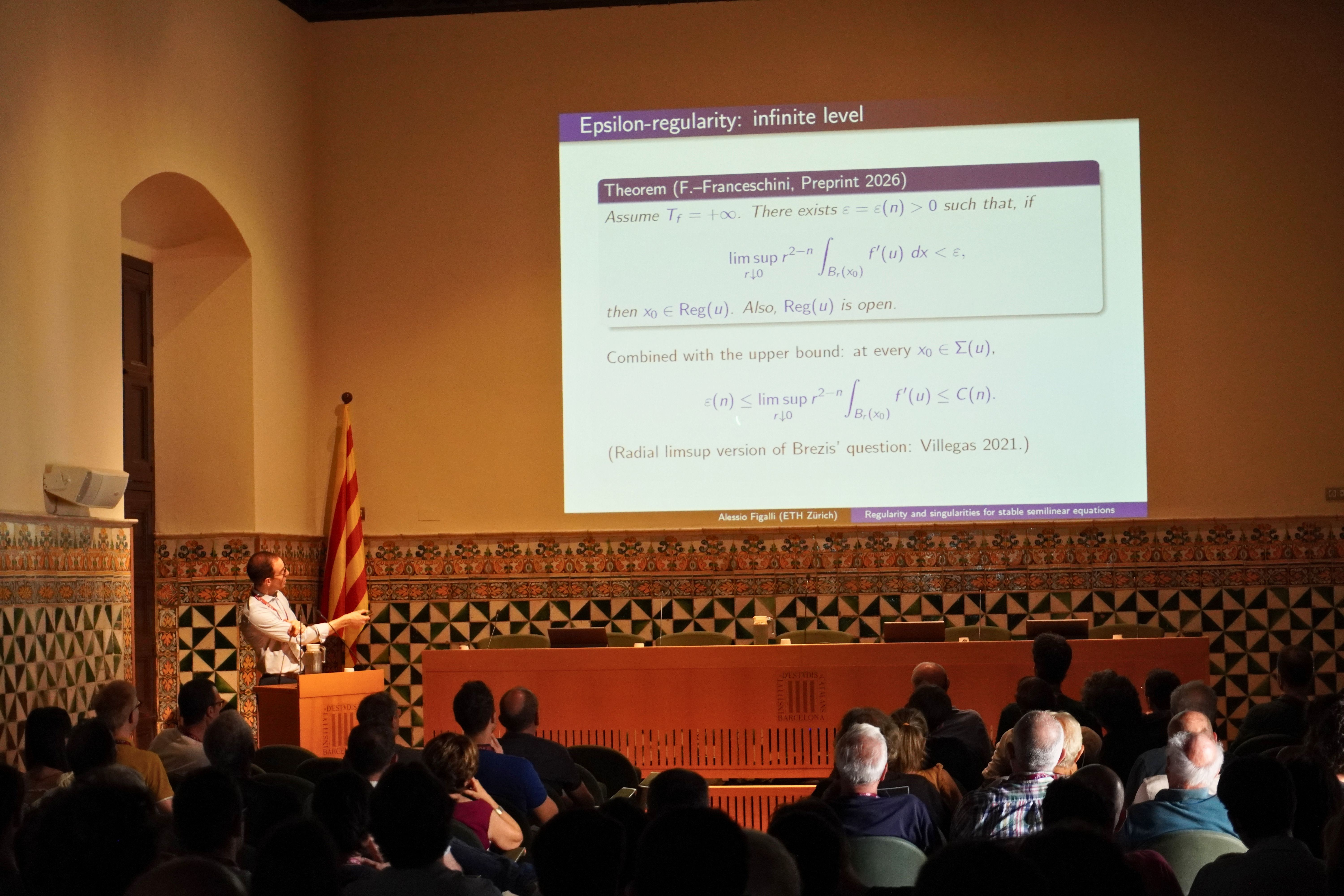
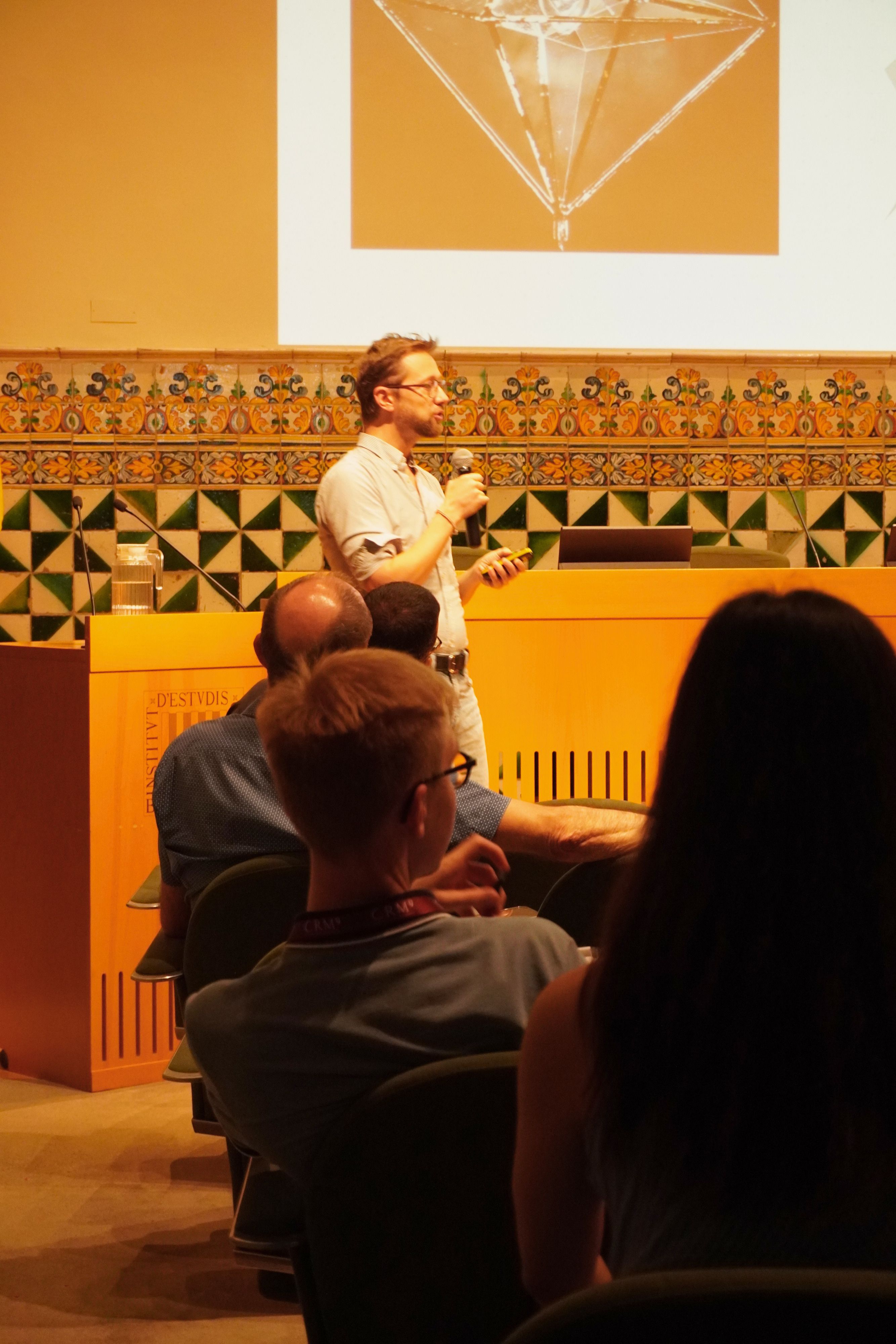
2018 Fields Medalist Alessio Figalli (ETH Zürich) is widely recognized for his work on optimal transport and nonlinear PDEs. He opened the conference by discussing recent advances in understanding the singular sets of stable solutions in higher dimensions. Figalli presented results which rely on new epsilon-regularity criteria and higher integrability estimates, providing optimal bounds on the size of singular sets for a broad class of nonlinearities.
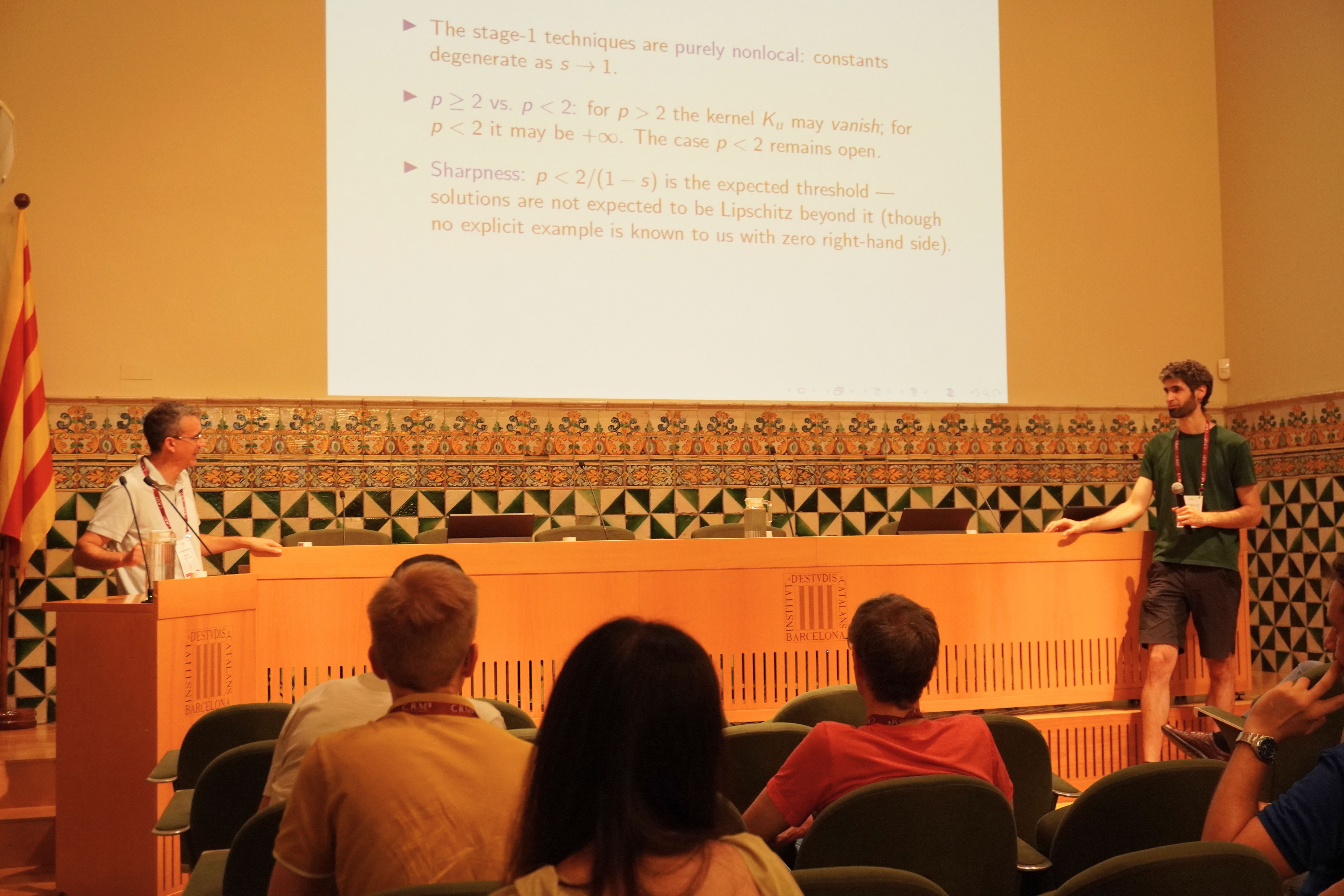
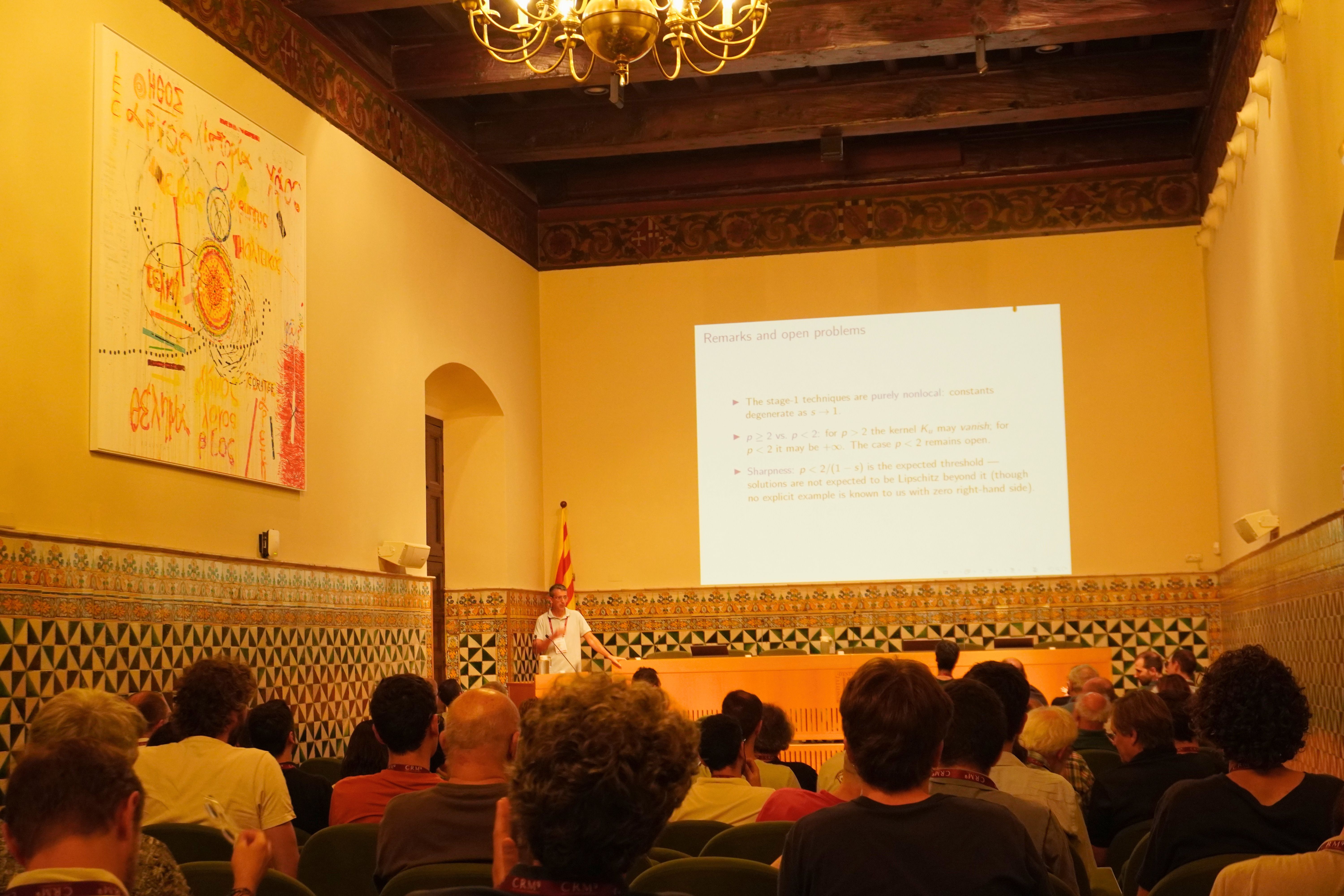
Luis Silvestre:  regularity for nonlocal equations

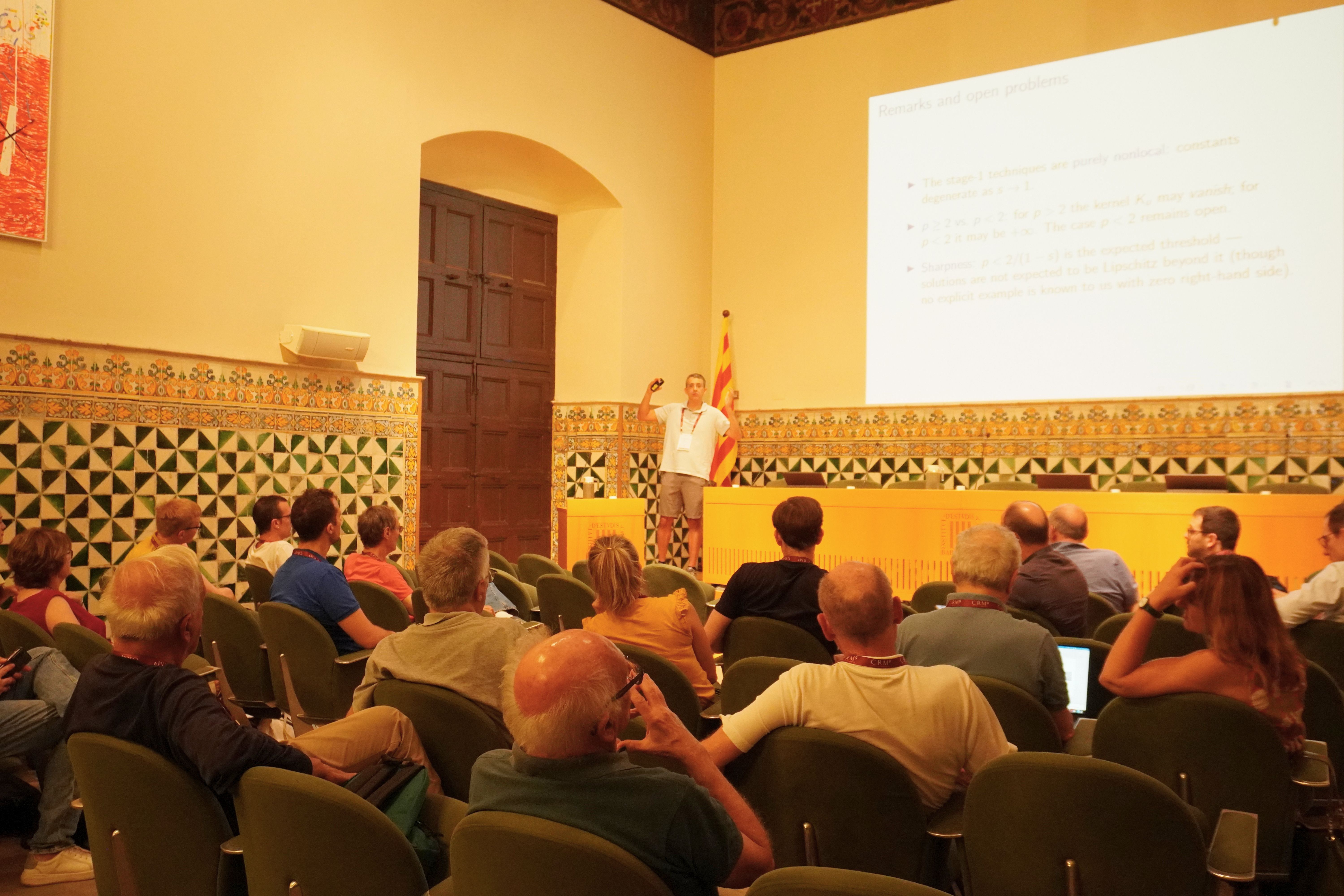
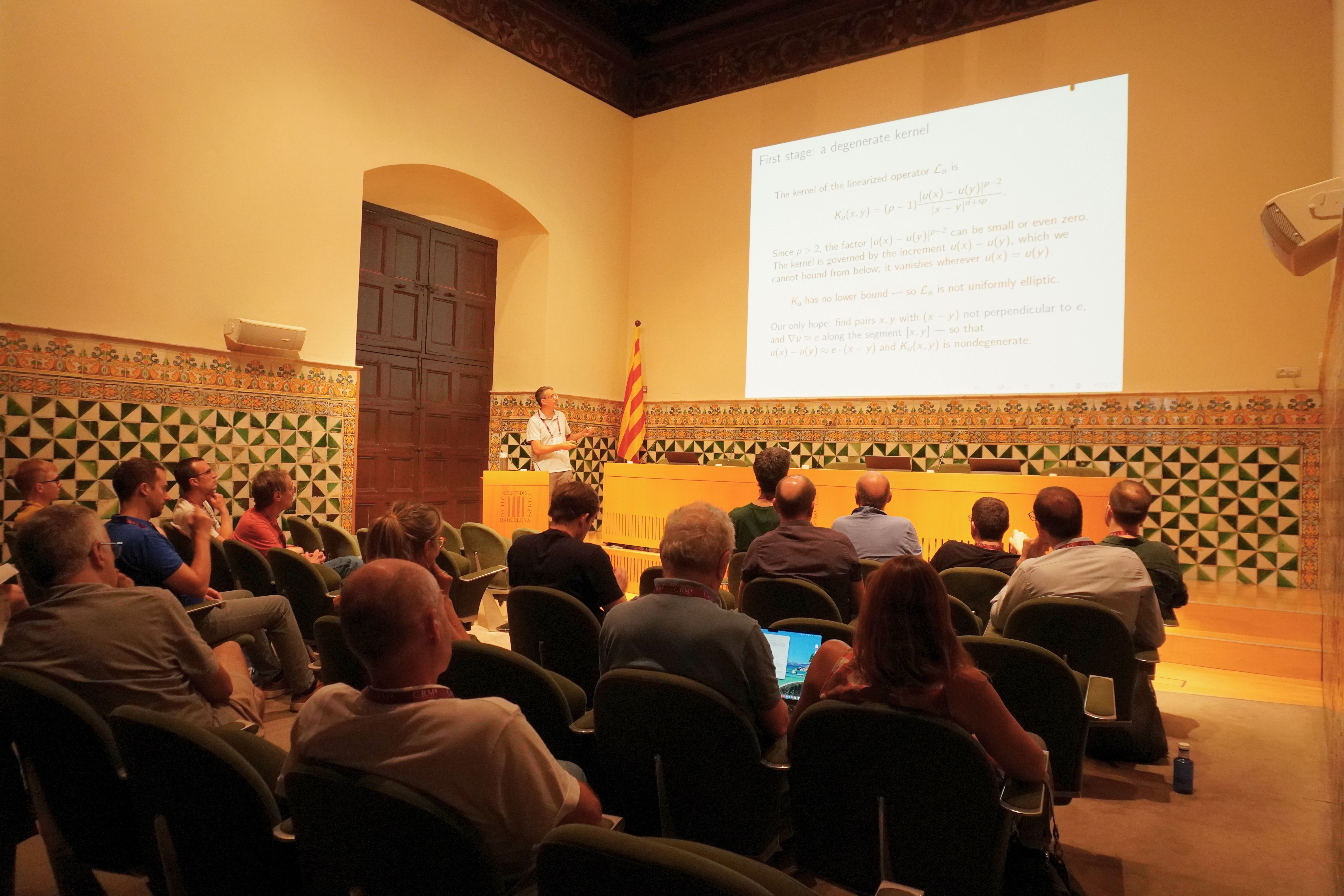
Luis Silvestre (University of Chicago) is renowned for pioneering work on integro-differential equations and fractional diffusion. In his talk,  Regularity for the Fractional p-Laplacian, he presented new interior regularity estimates for solutions of the fractional p-Laplacian, contributing to the understanding of a class of nonlocal nonlinear operators that have attracted growing attention in recent years.
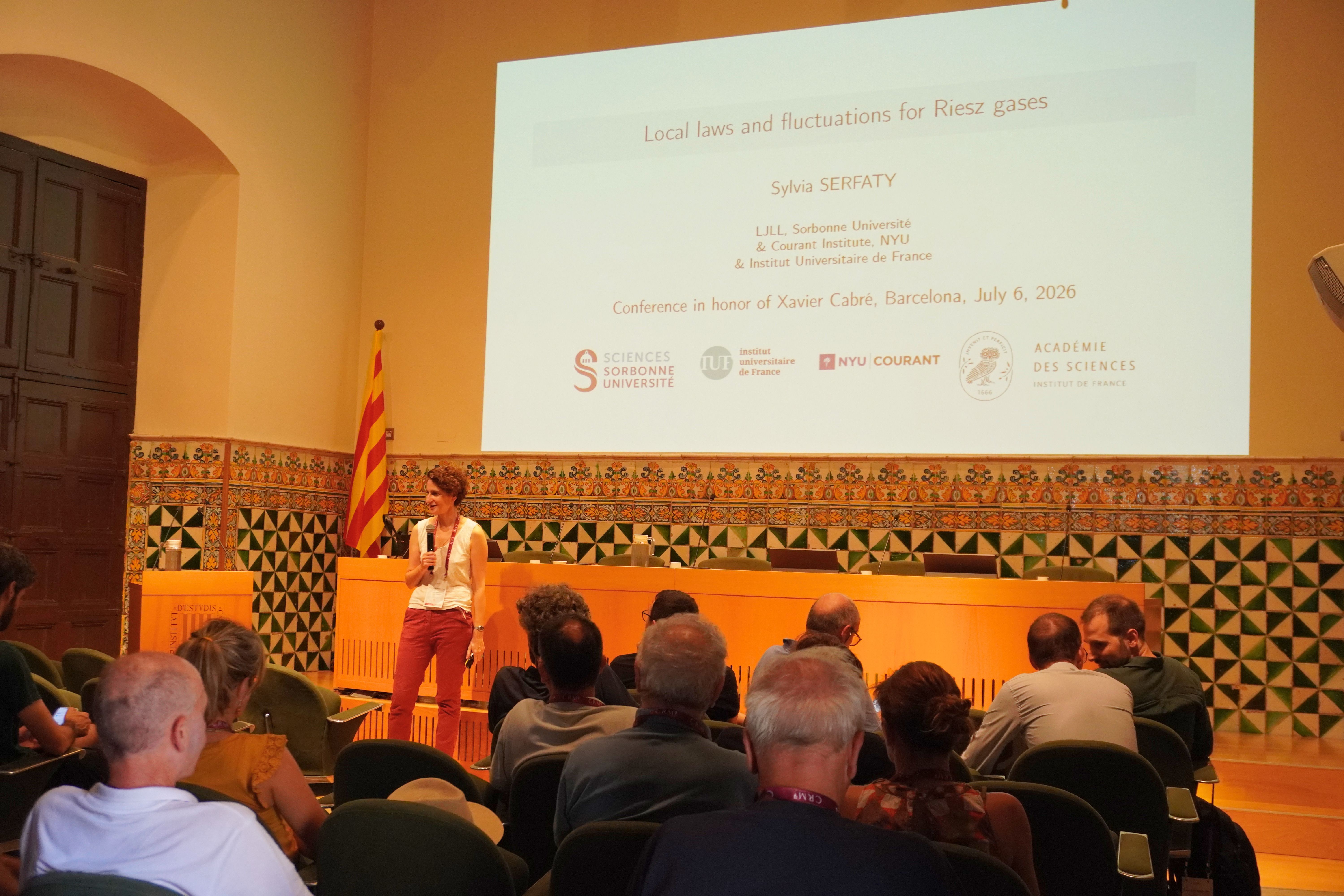
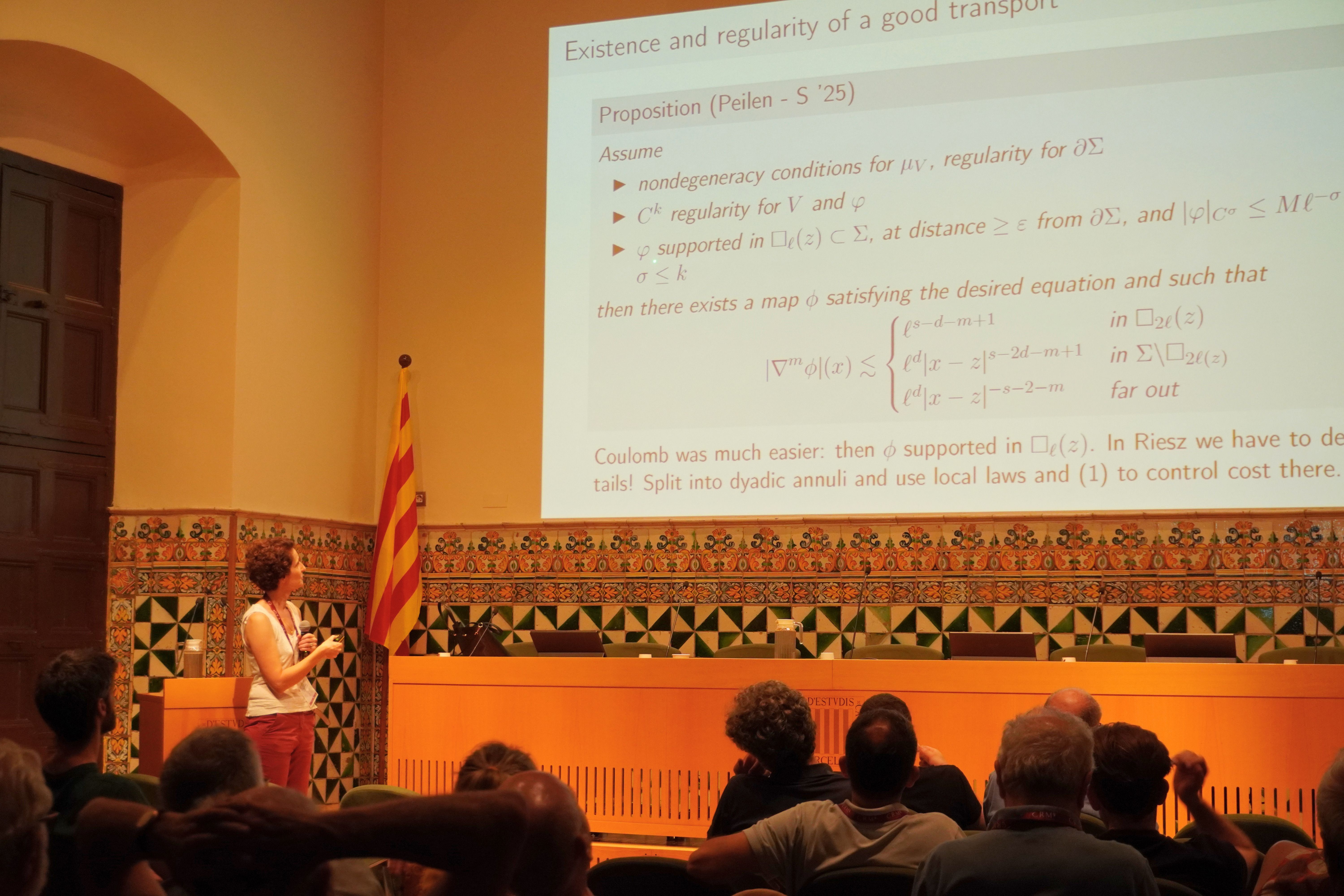
Sylvia Serfaty: Local laws and fluctuations for Riesz gases
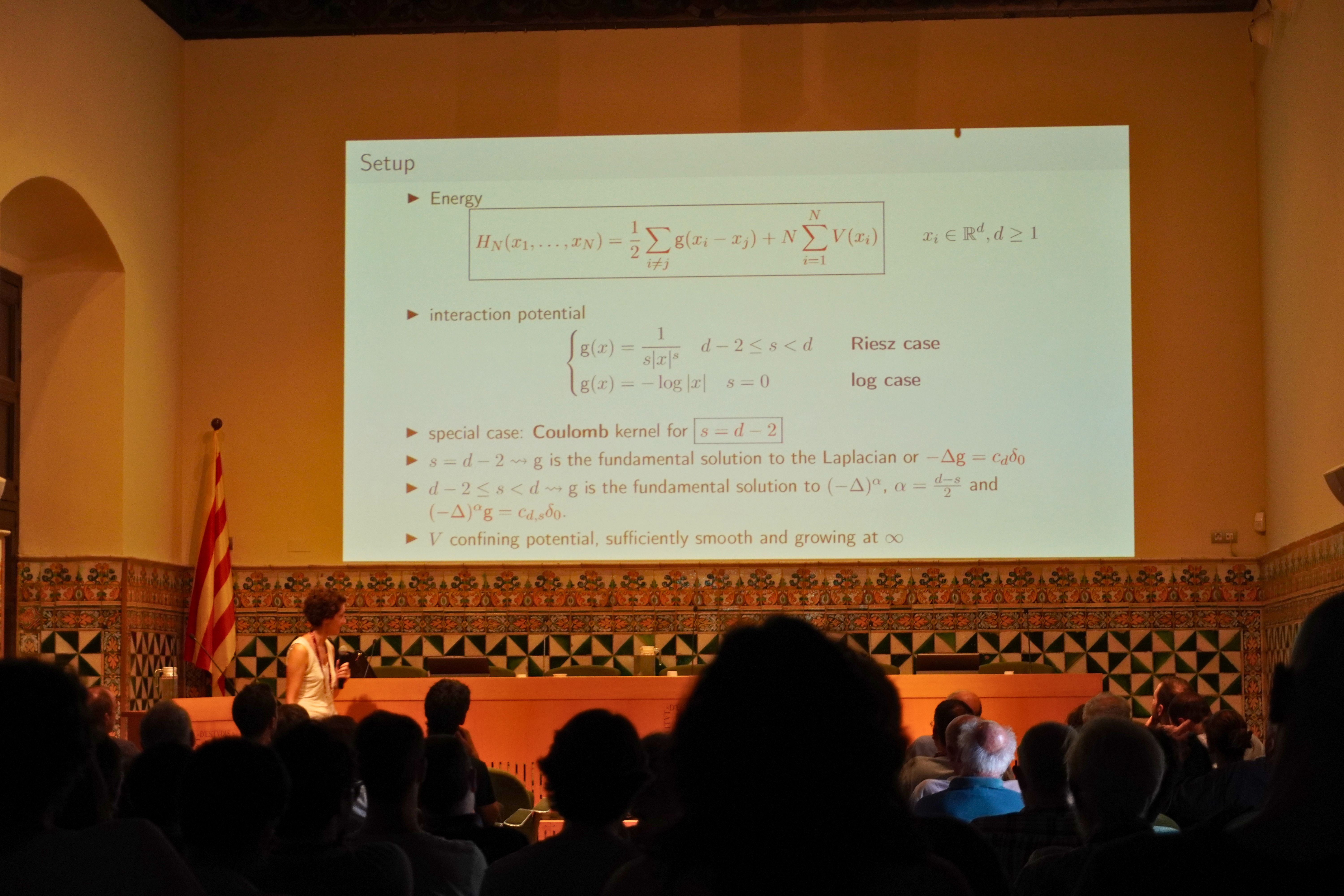
Sylvia Serfaty (New York University) has made major contributions to analysis, statistical mechanics and Coulomb gases. Her lecture focused on particle systems interacting through inverse-power kernels. She described recent developments in the analysis of concentration and fluctuation phenomena around equilibrium measures, highlighting the role of fractional obstacle problems and transport methods adapted to nonlocal settings.
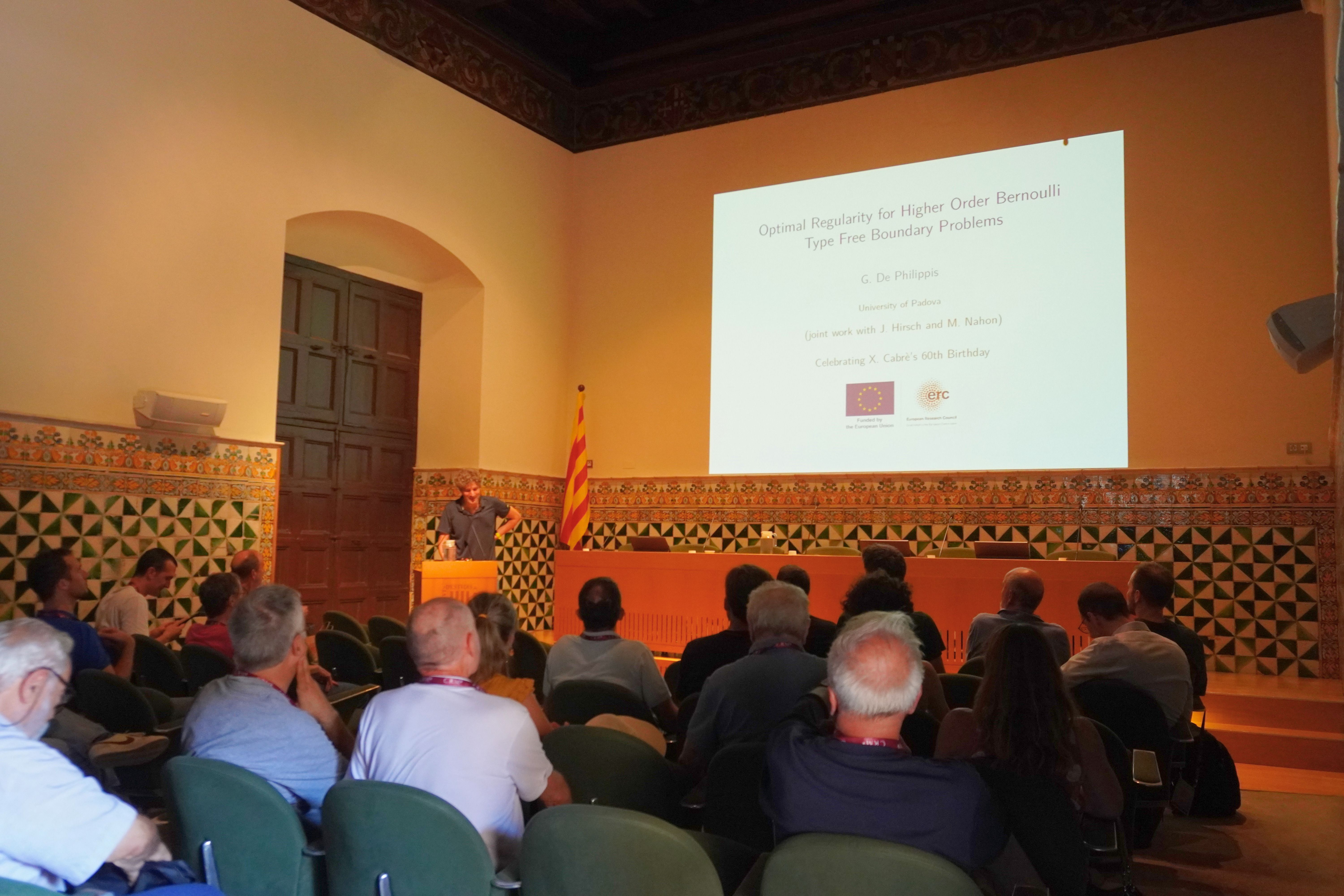
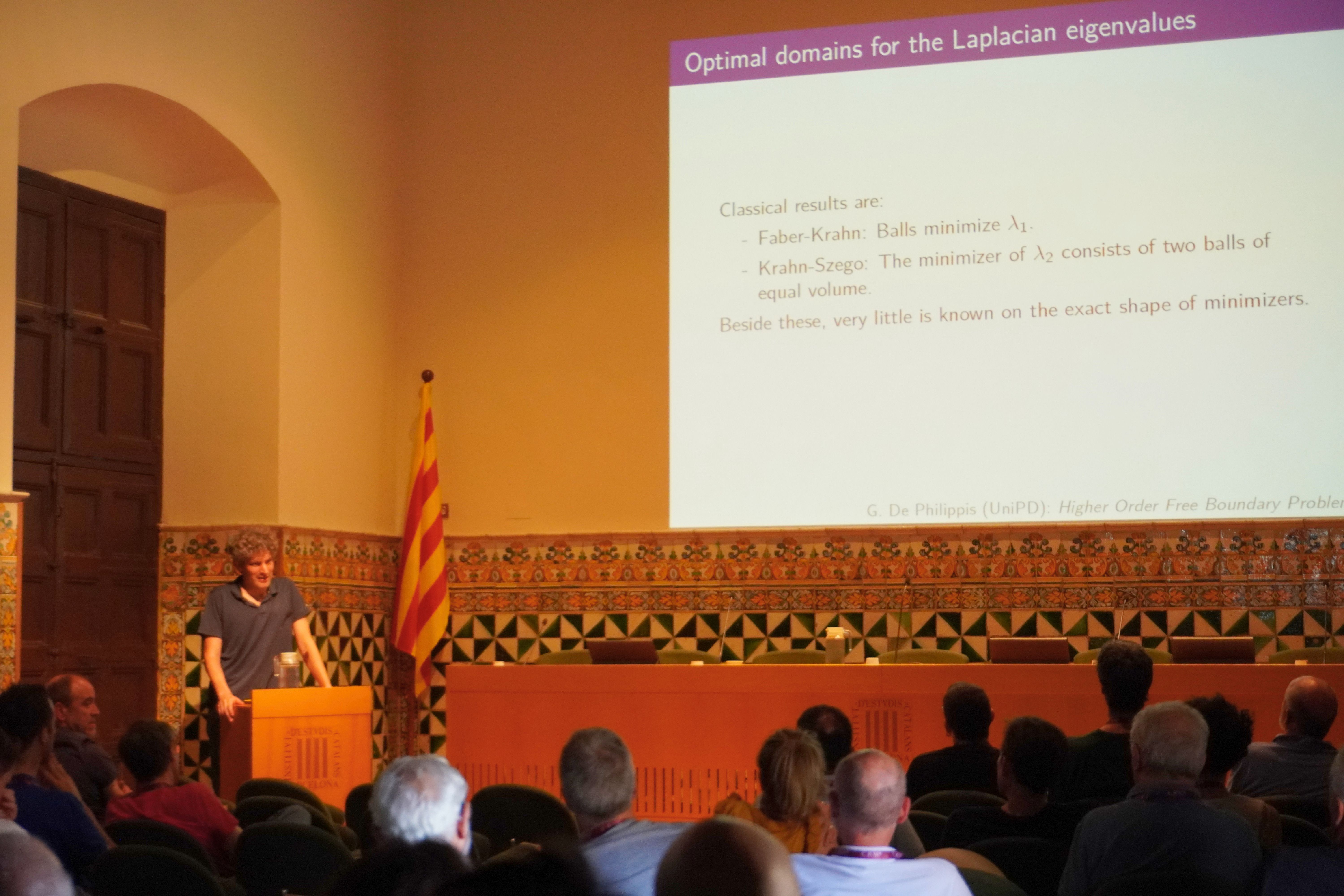
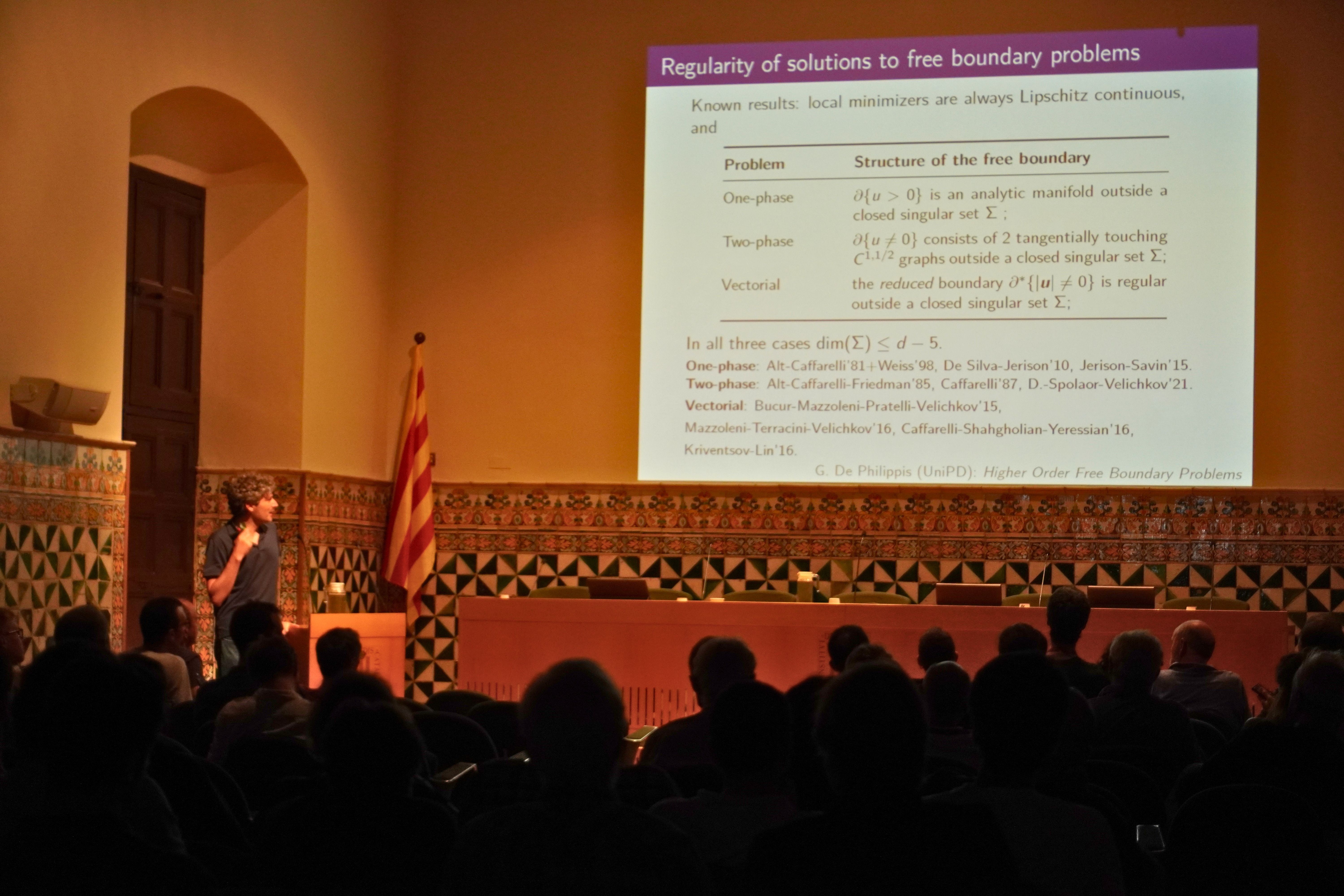
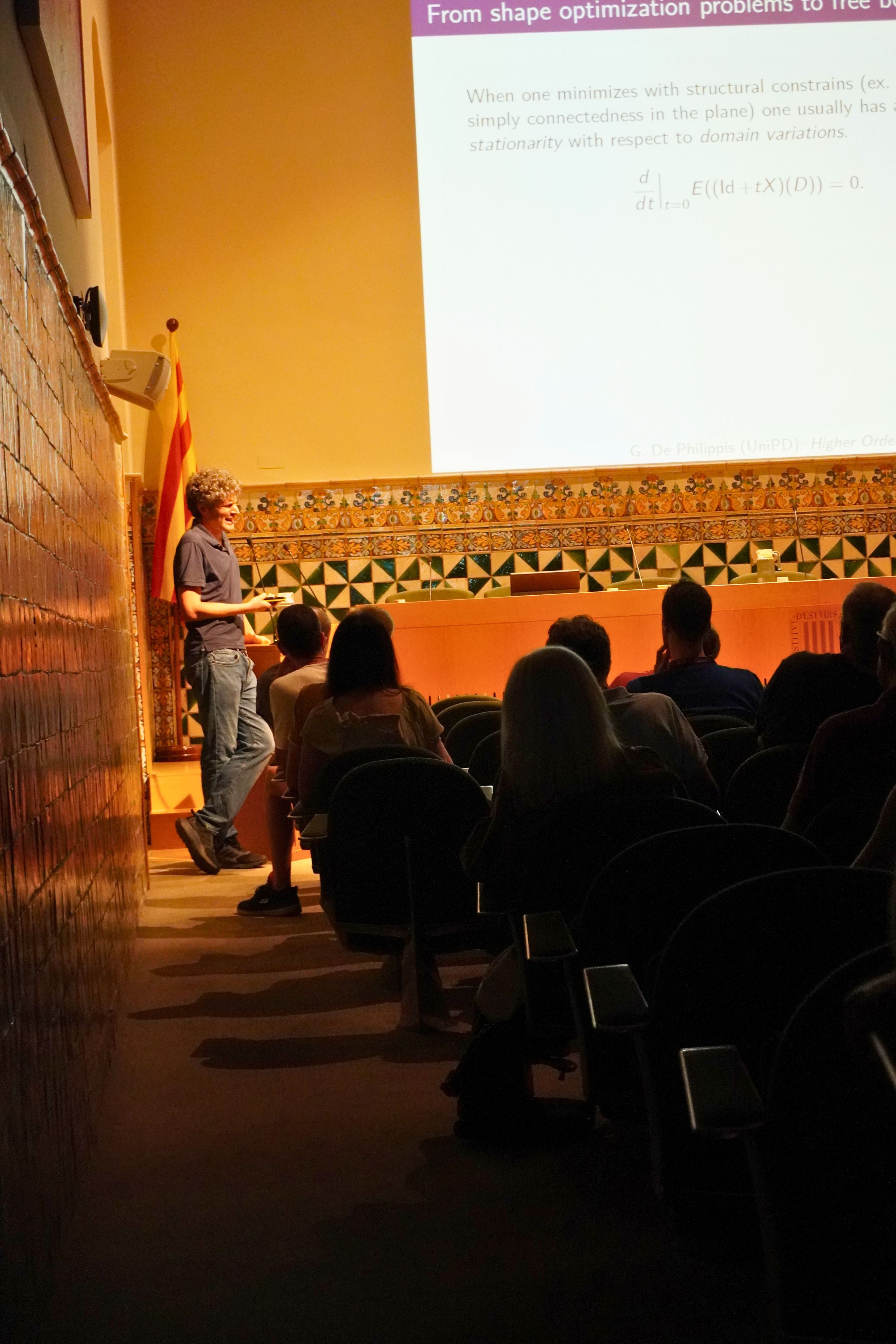
Guido De Philippis: Optimal Regularity for higher order Bernoulli type free boundary problems
Guido De Philippis (University of Padova and New York University) has made fundamental contributions to regularity theory, geometric measure theory and the calculus of variations. His lecture presented a new technique for proving optimal scaling-invariant regularity in a broad family of free boundary problems. The approach avoids the use of monotonicity formulas and extends naturally to vector-valued and higher-order settings.
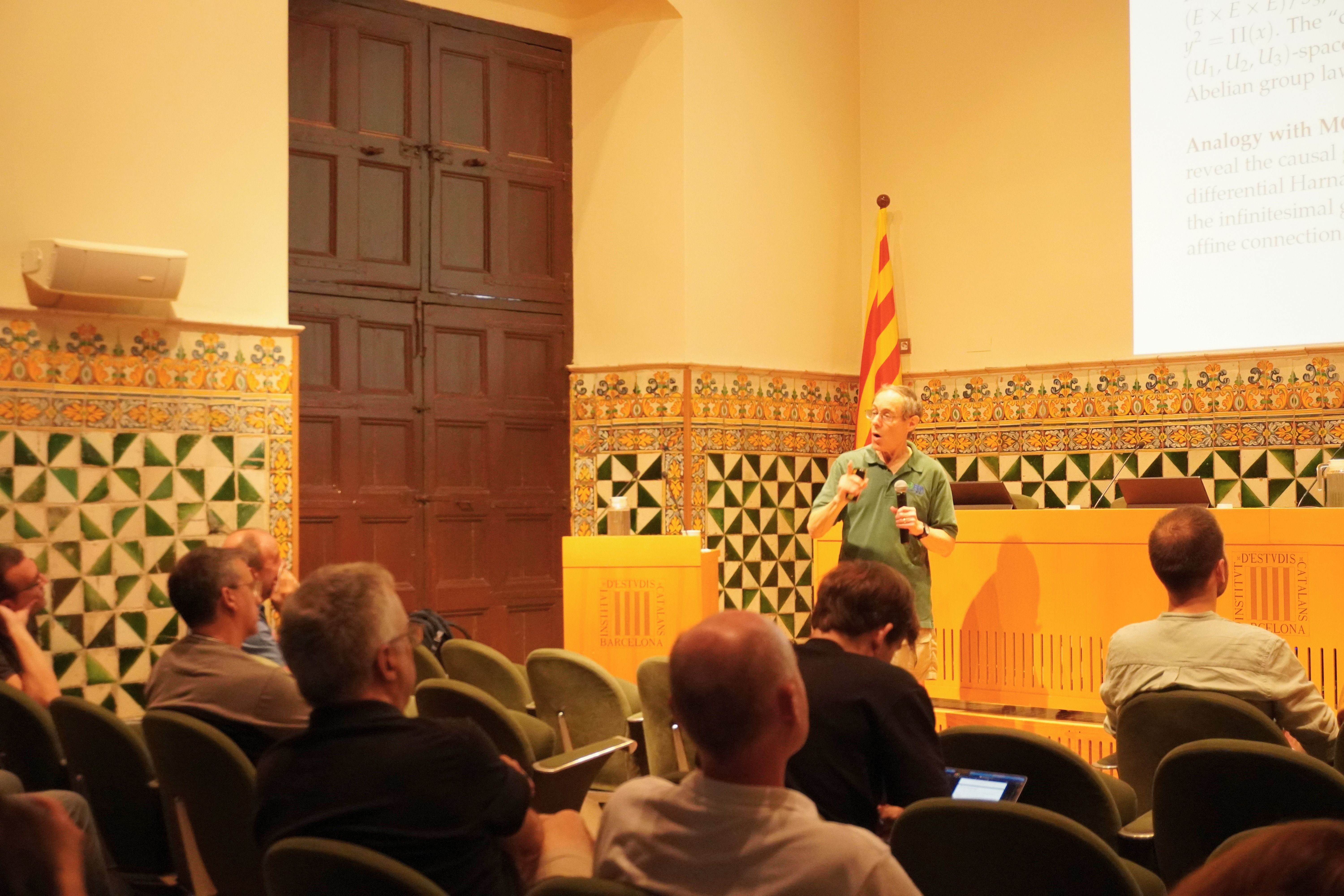
David Jerison: How Curved are Level Sets of Eigenfunctions?
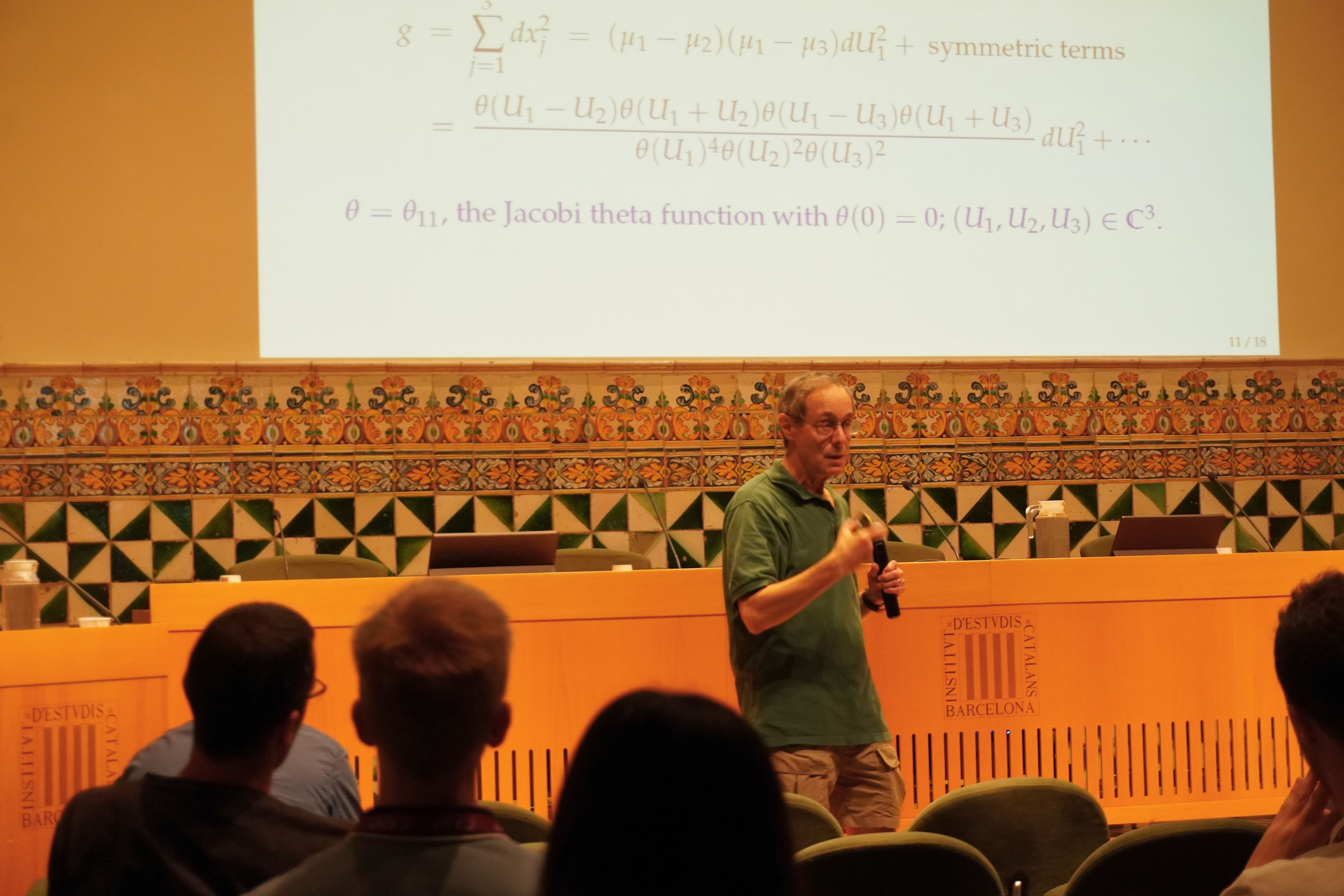
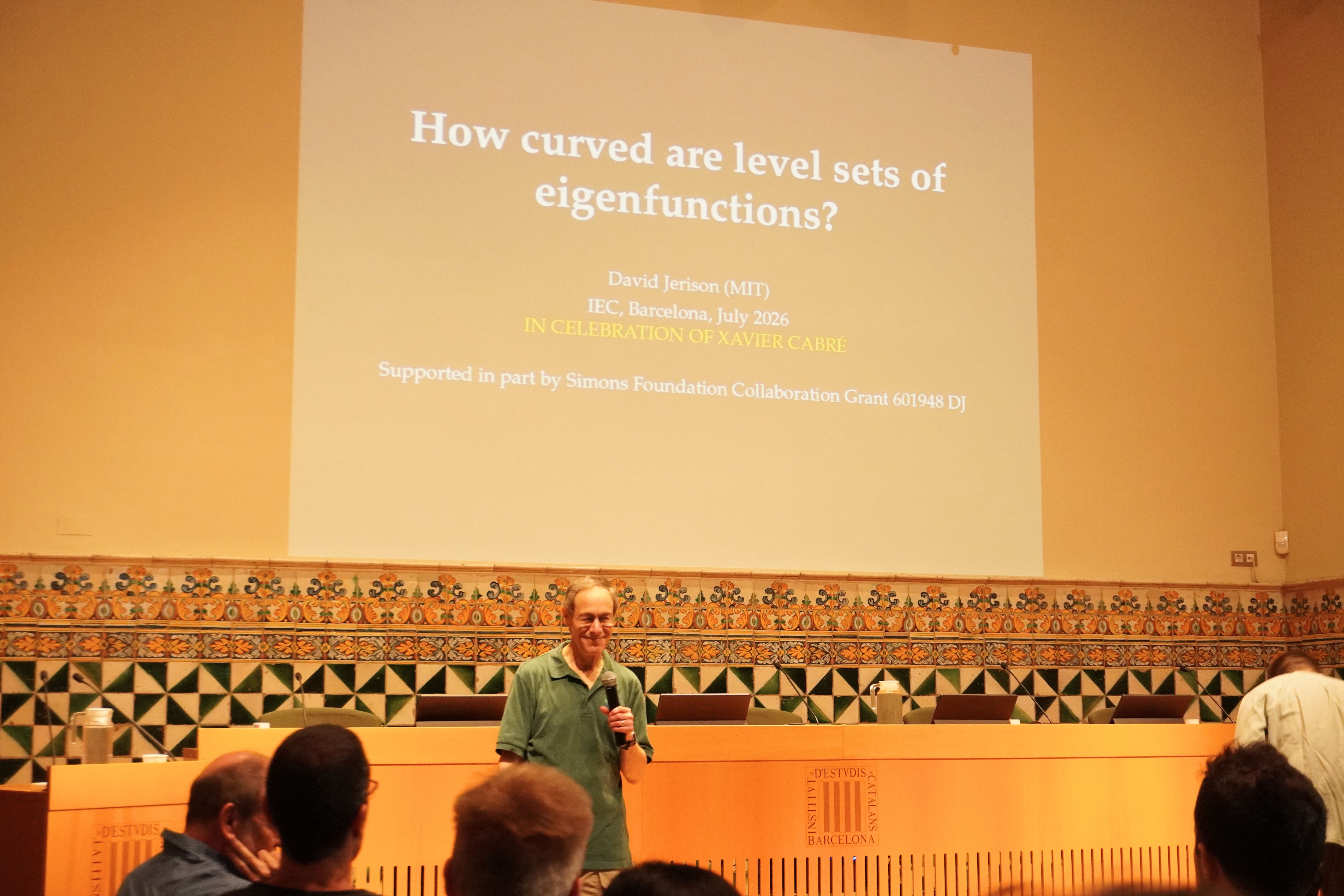
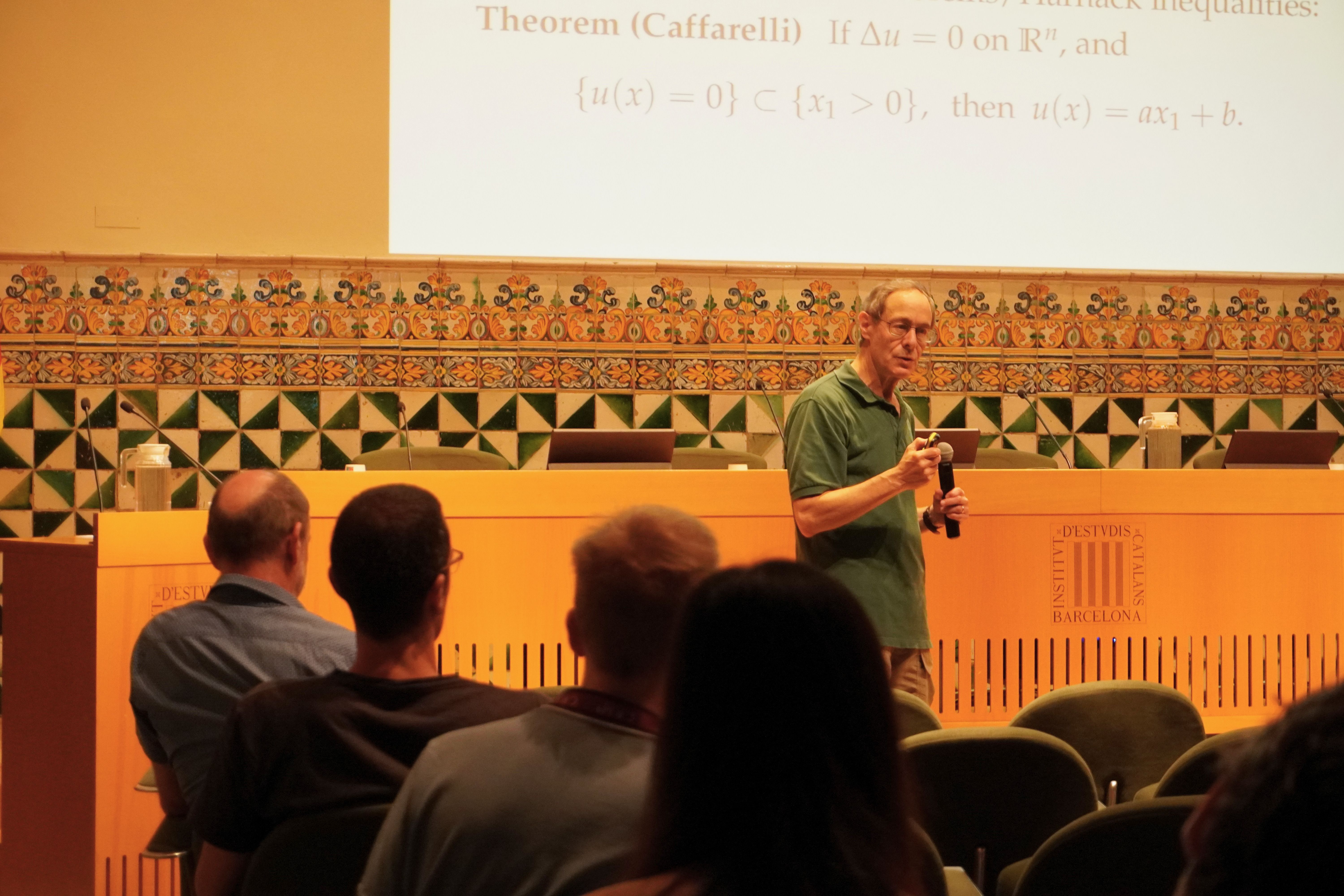
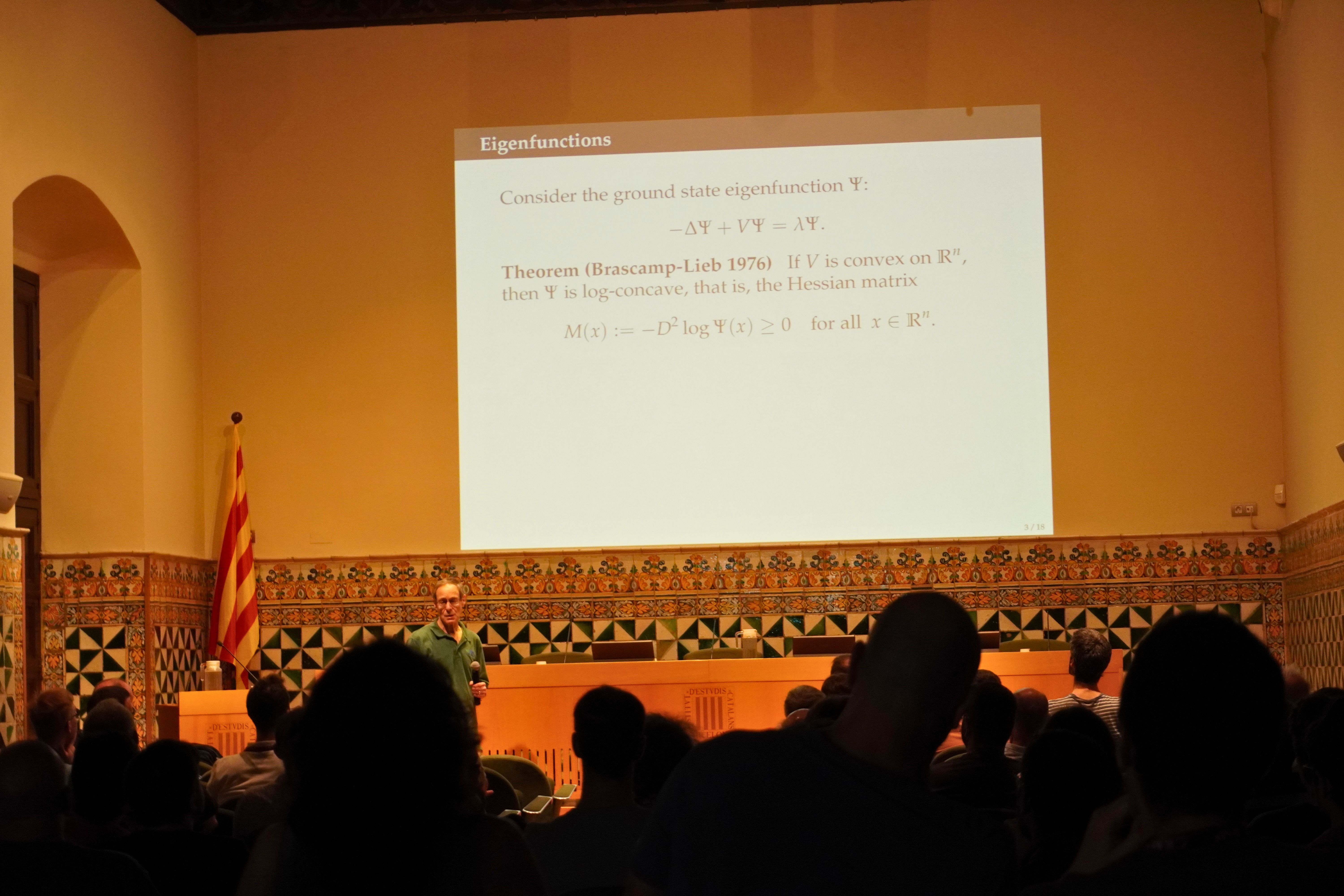
David Jerison (Massachusetts Institute of Technology) is known for influential work in harmonic analysis, geometric analysis and PDEs. He opened the second day with a talk in which he explored a new geometric perspective on the level sets of solutions to semilinear elliptic equations. Inspired by ideas from Hamilton and Perelman, the work draws on concepts from differential geometry such as Jacobi functions and the Levi-Civita connection.
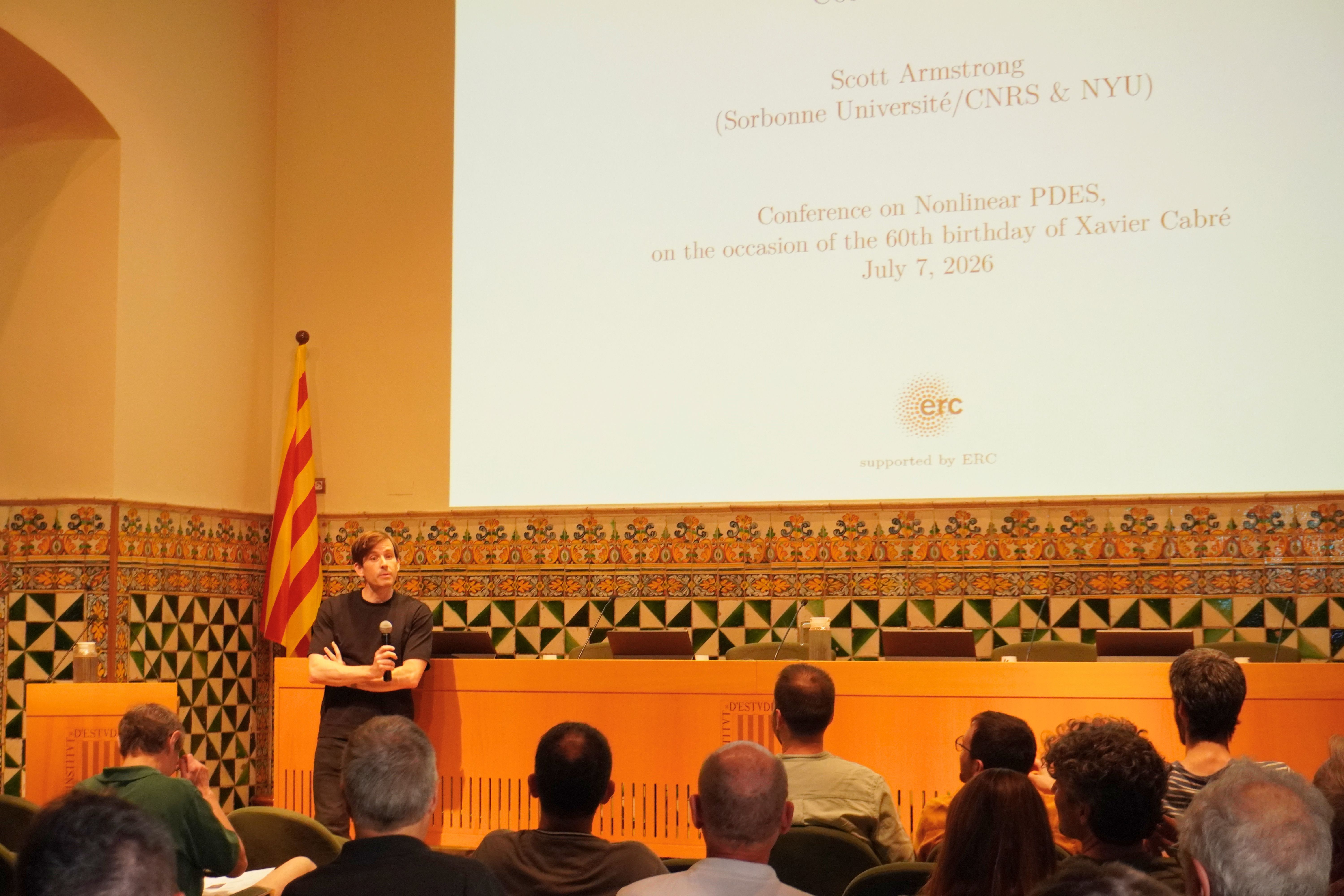
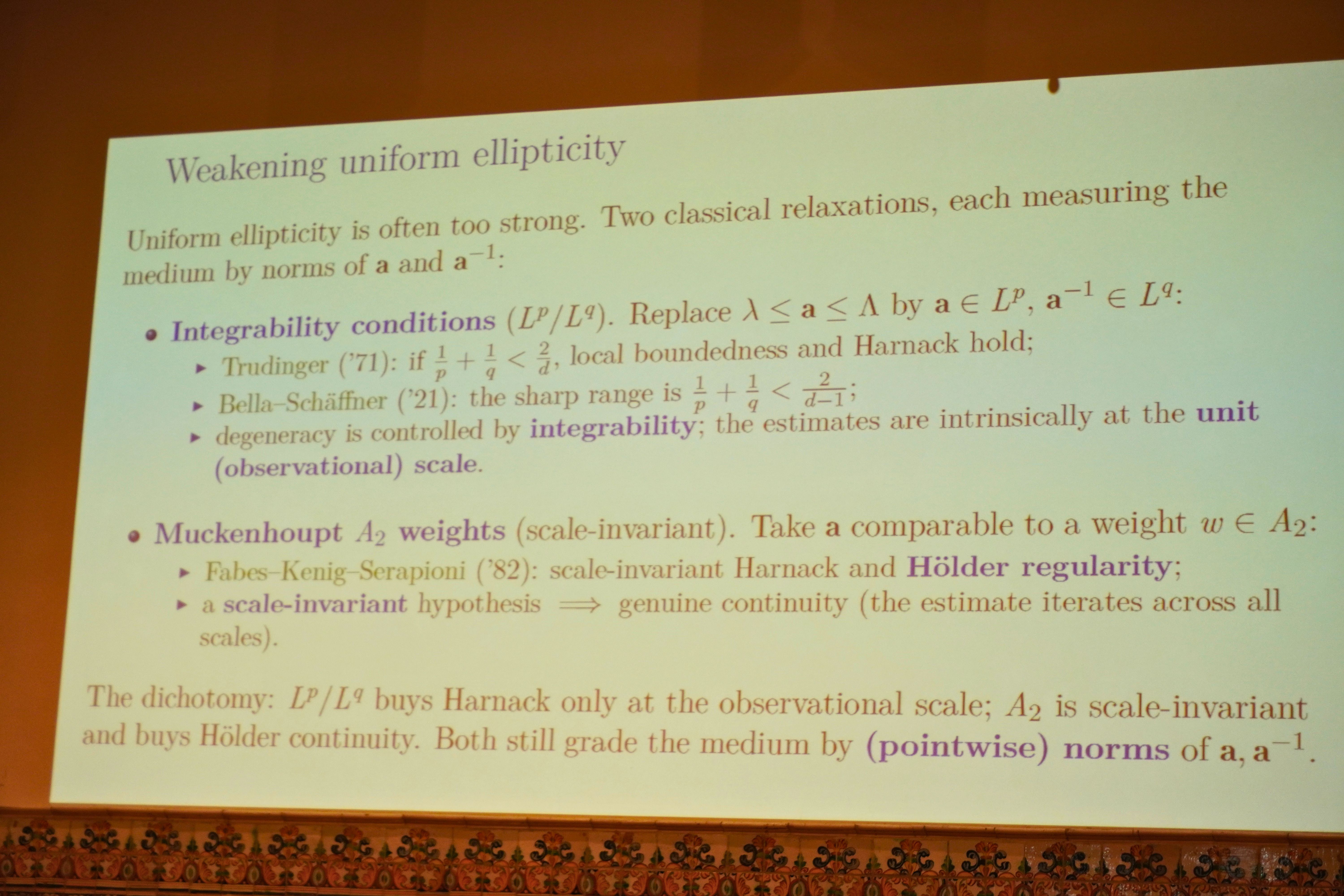
Scott Armstrong: coarse ellipticity
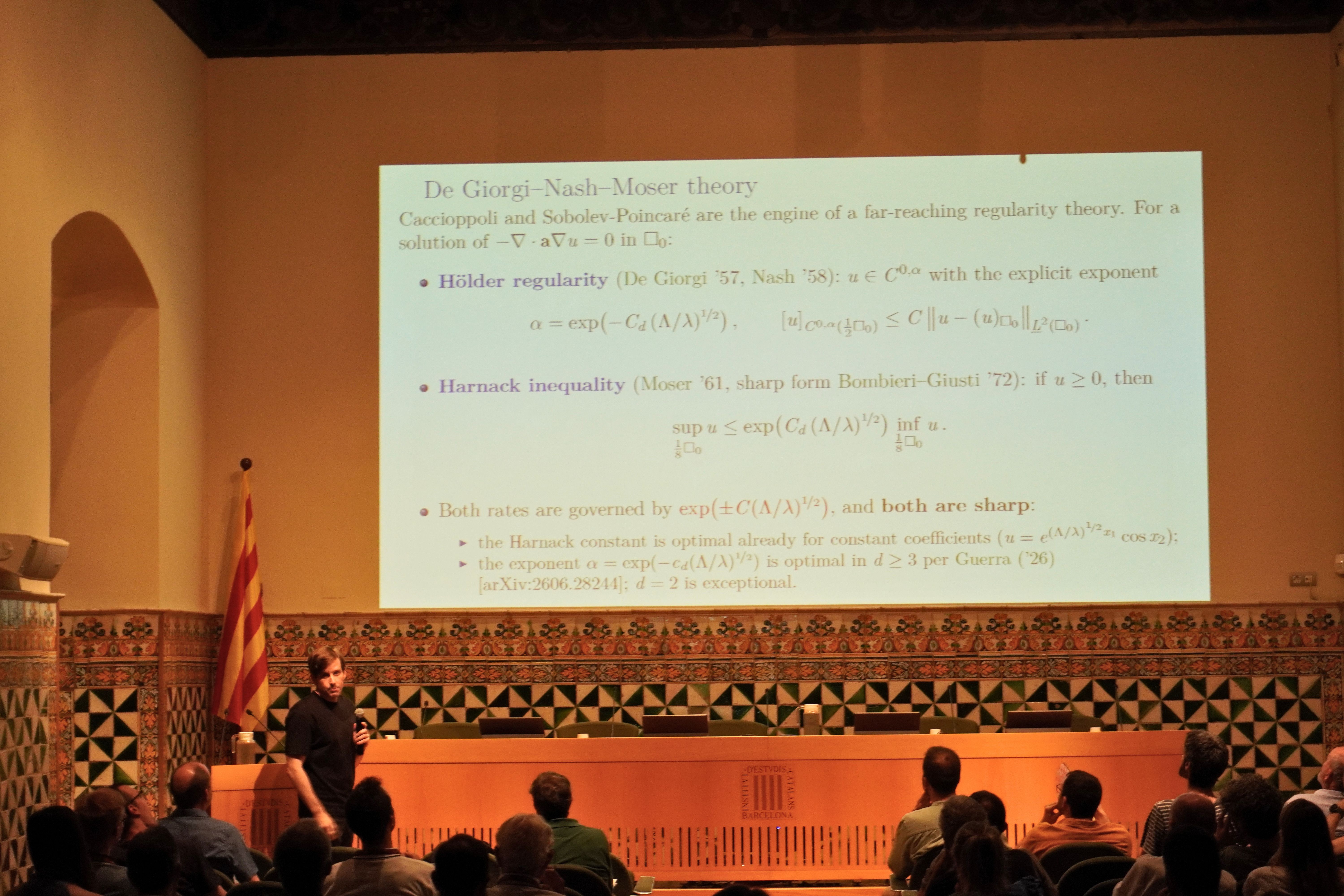
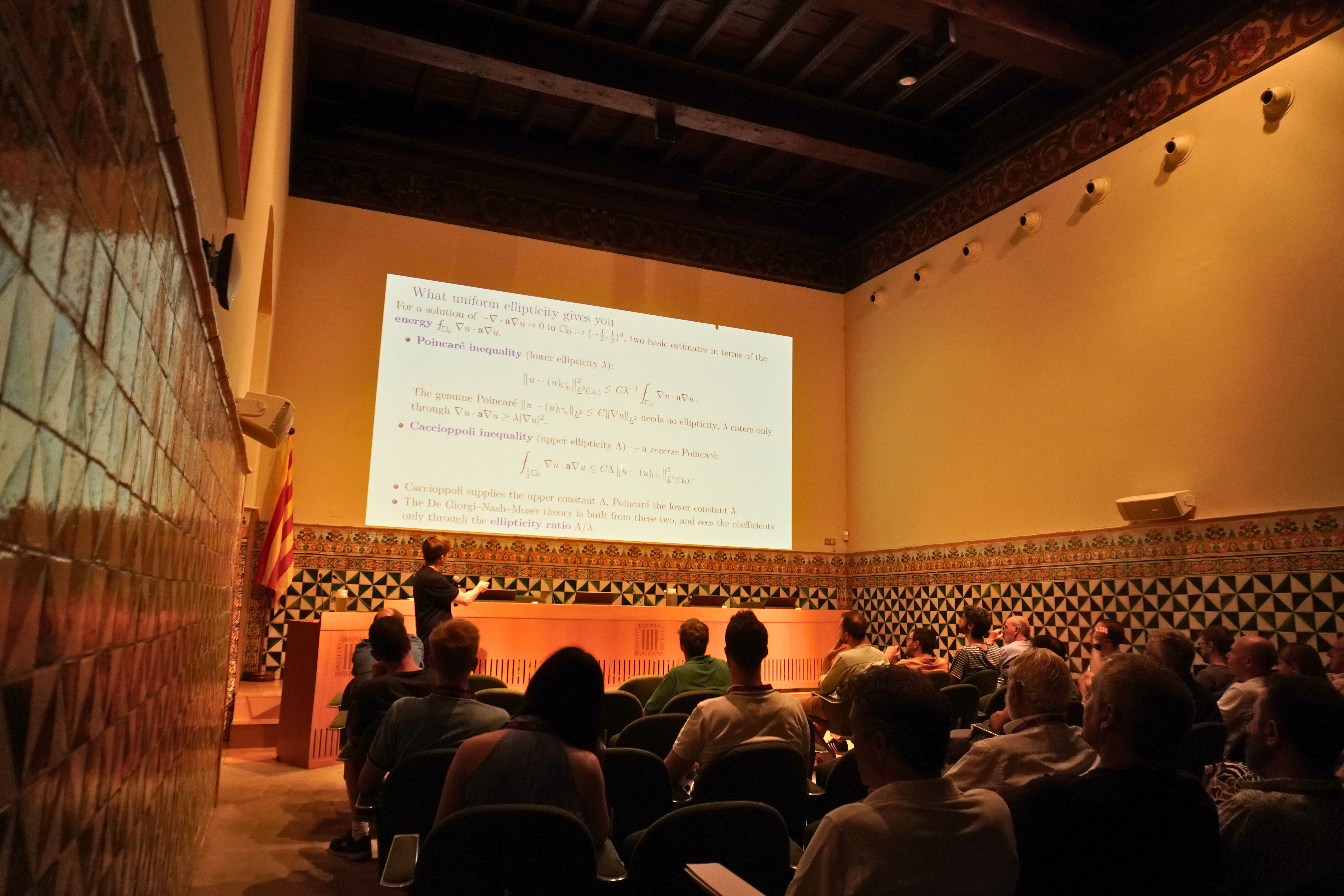
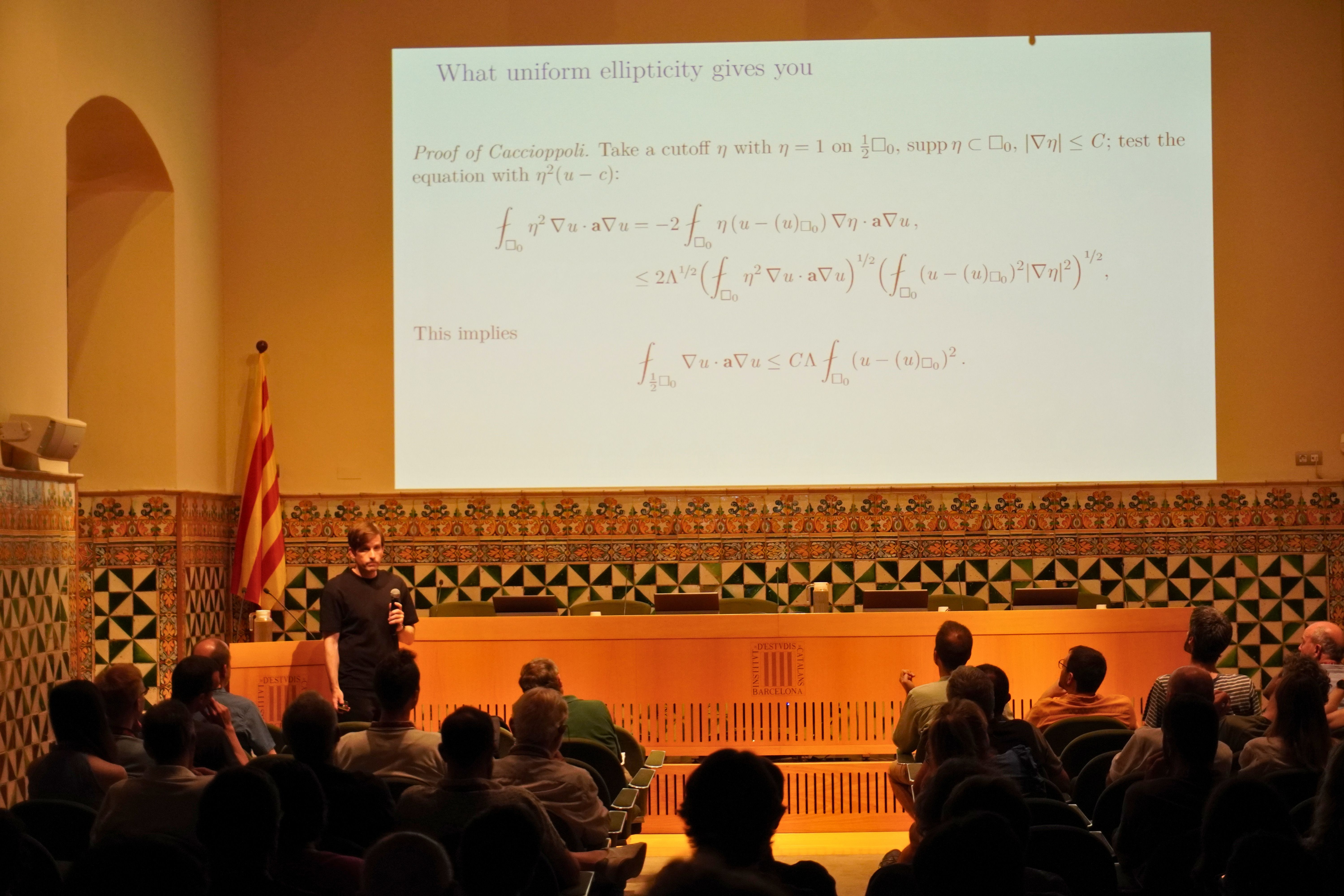
Scott Armstrong (New York University) works at the intersection of partial differential equations, probability theory and mathematical physics, with a particular focus on homogenization theory. He introduced a new scale-dependent notion of ellipticity that relaxes classical uniform ellipticity assumptions. The framework allows fundamental estimates such as Caccioppoli and Harnack inequalities to remain valid in highly singular settings, including coefficient fields generated by fractal measures and Gaussian multiplicative chaos.
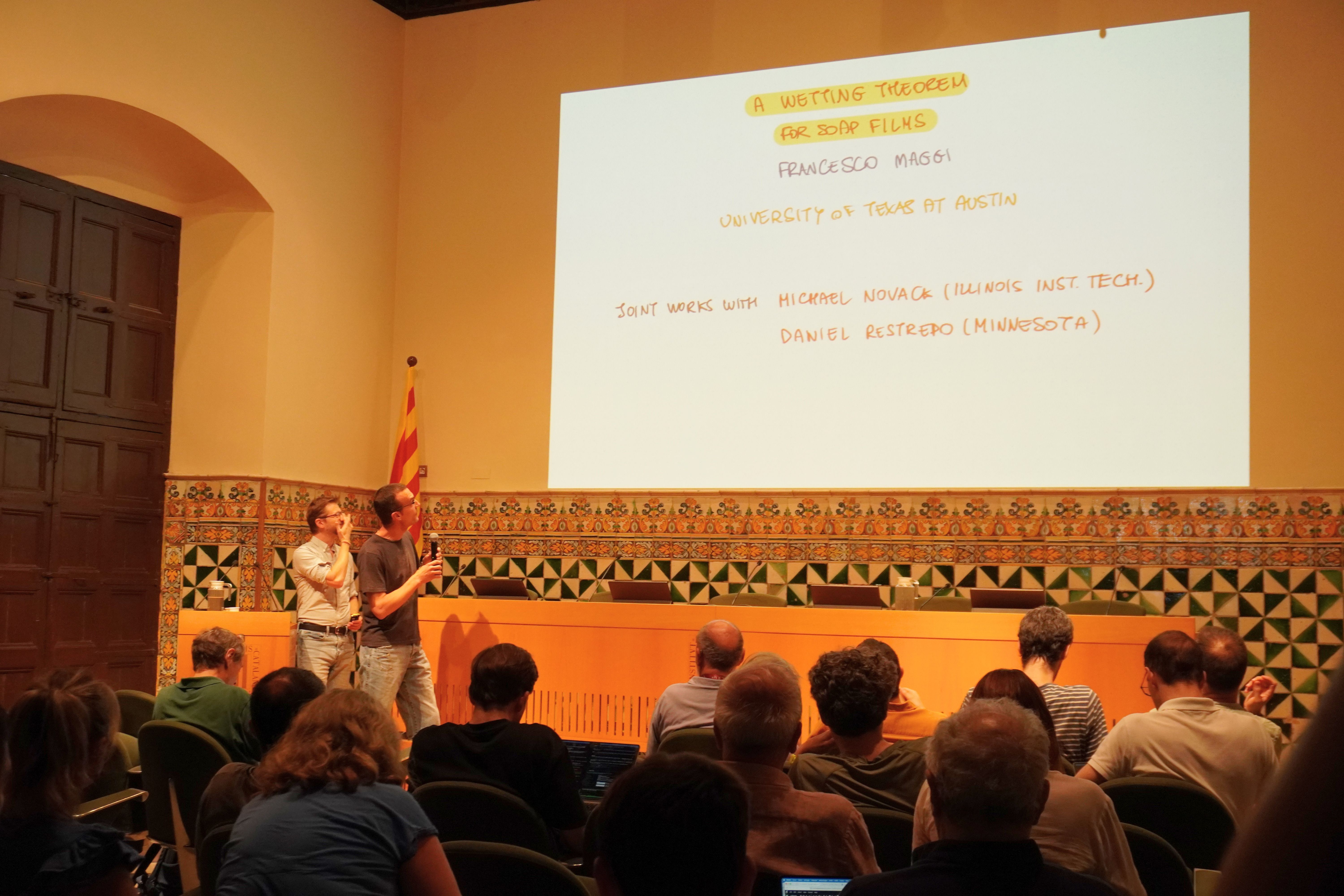
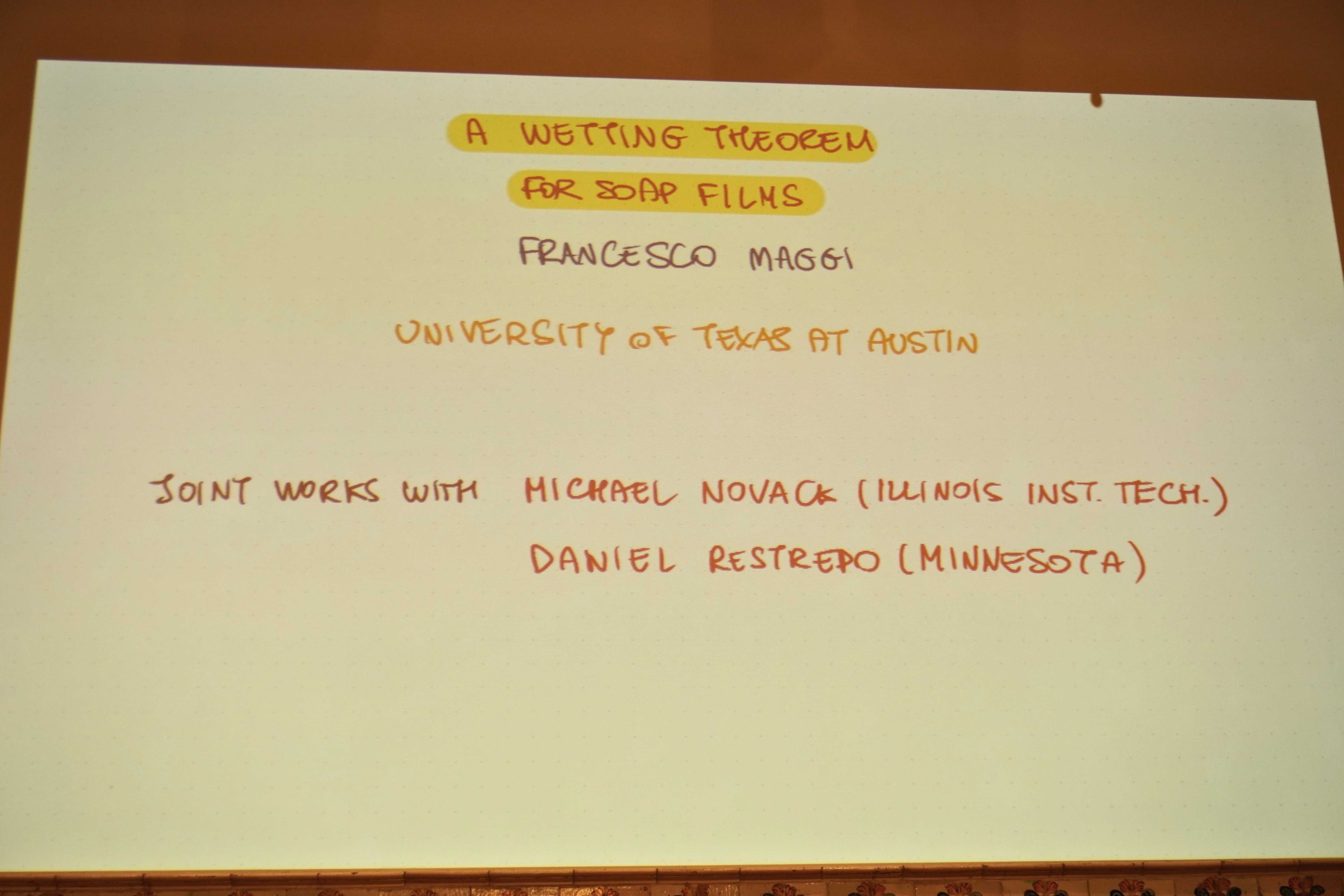
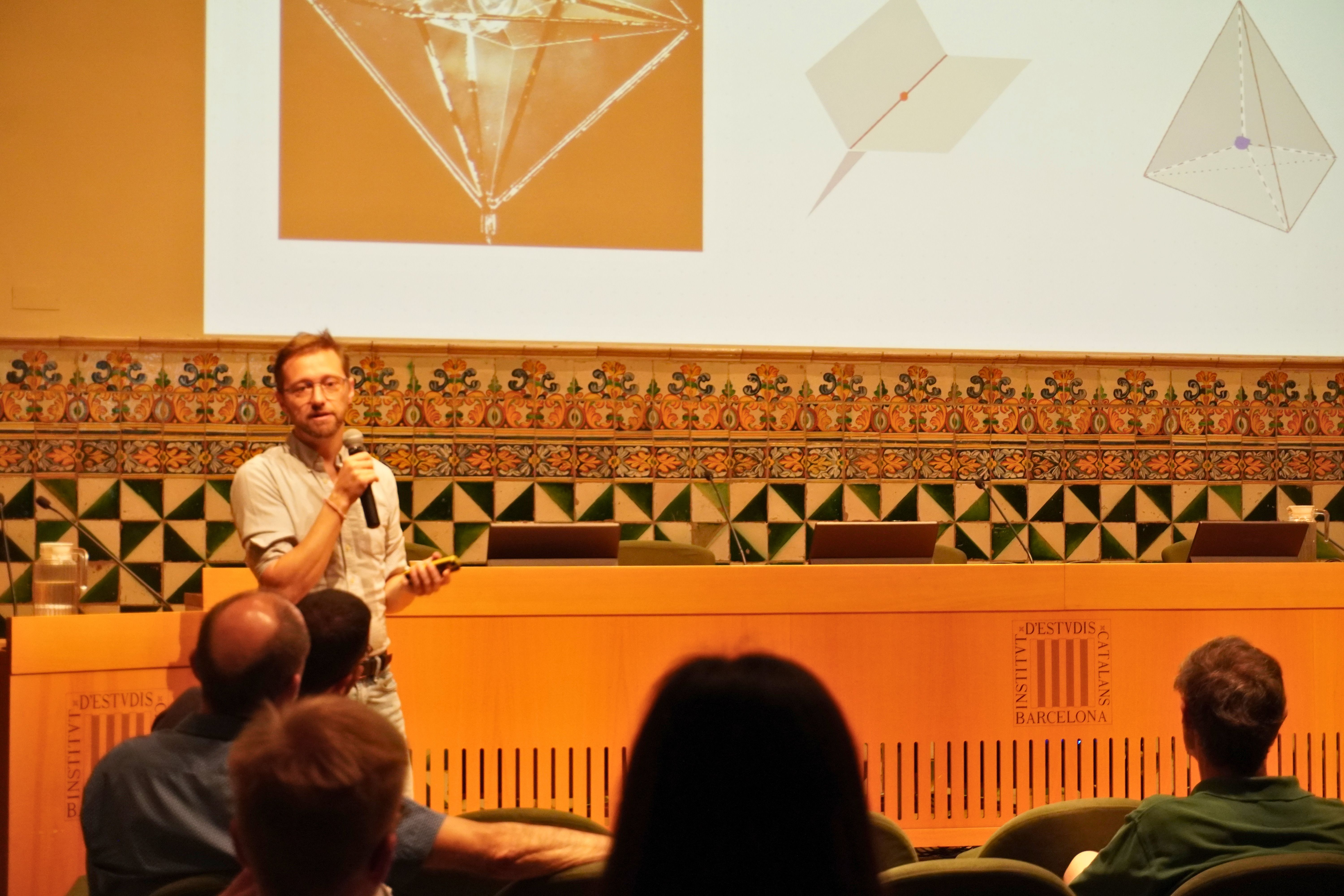
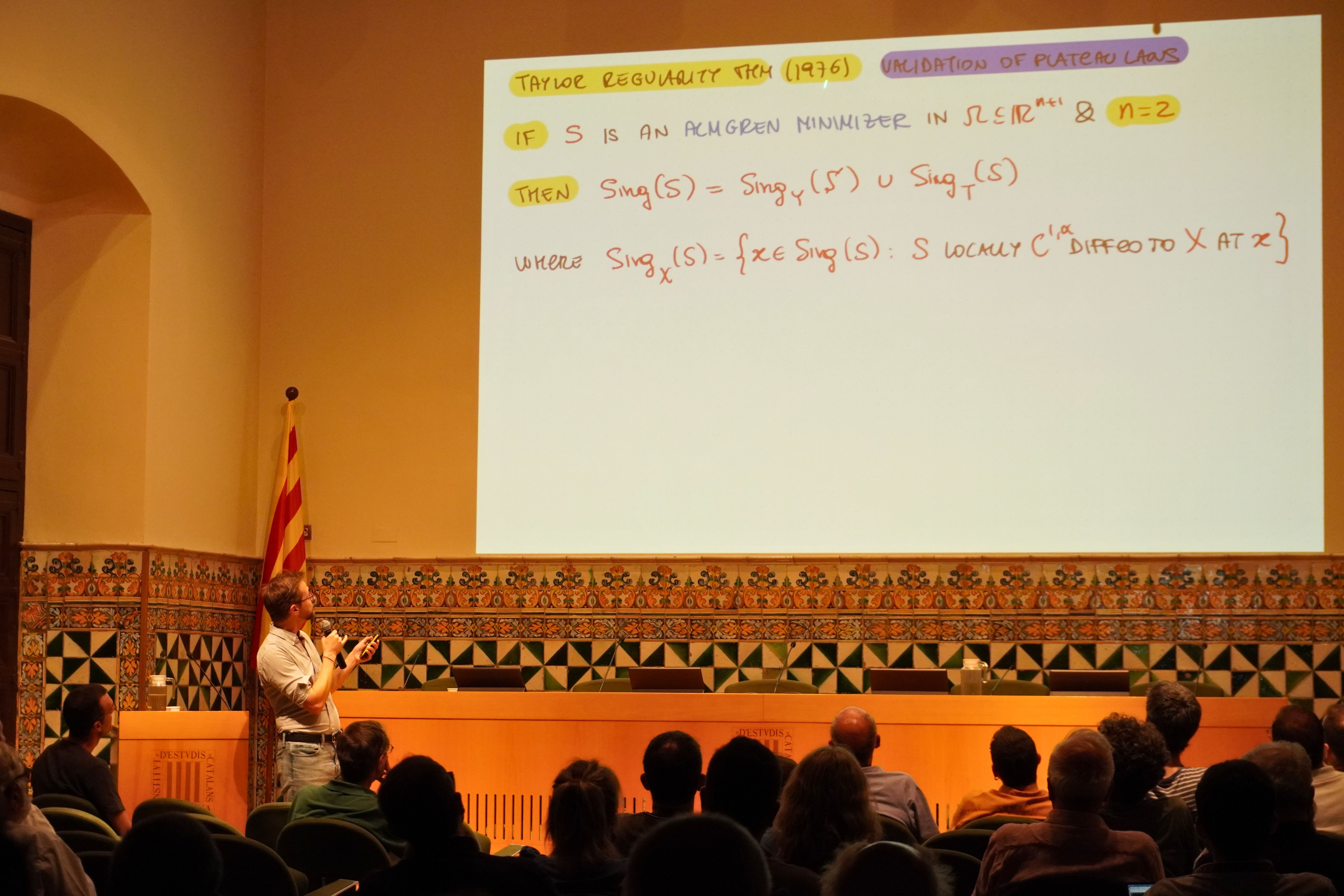
Francesco Maggi: a wetting theorem for soap films
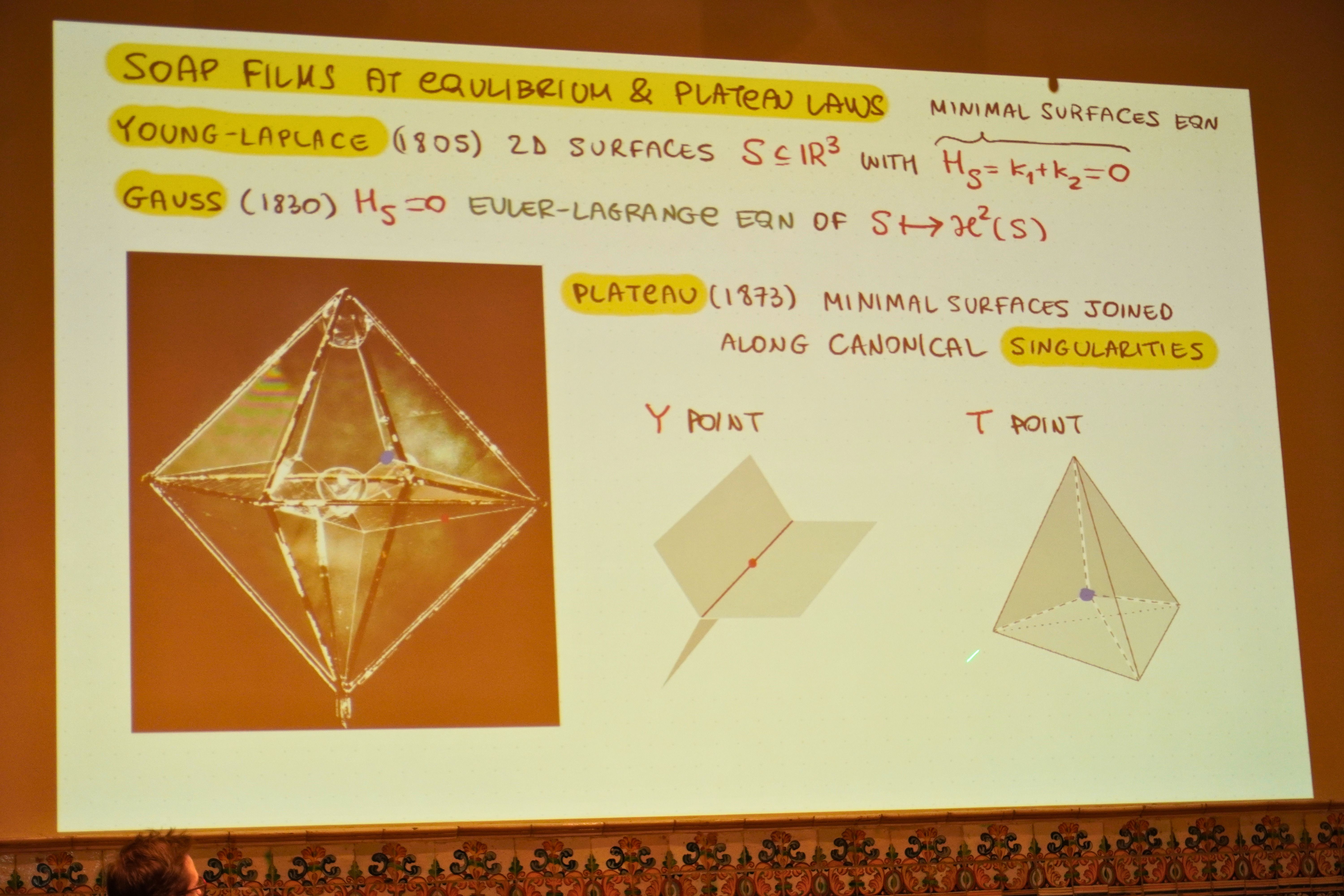
Francesco Maggi (University of Texas at Austin) is a leading expert in geometric measure theory and variational problems. In A Wetting Theorem for Soap Films, he presented joint work analyzing the convergence of mathematical models of wet soap films toward their dry limits. The study shows that wet regions converge to the Plateau-type singularities of the limiting dry film, providing rigorous insight into the geometry of soap-film structures.
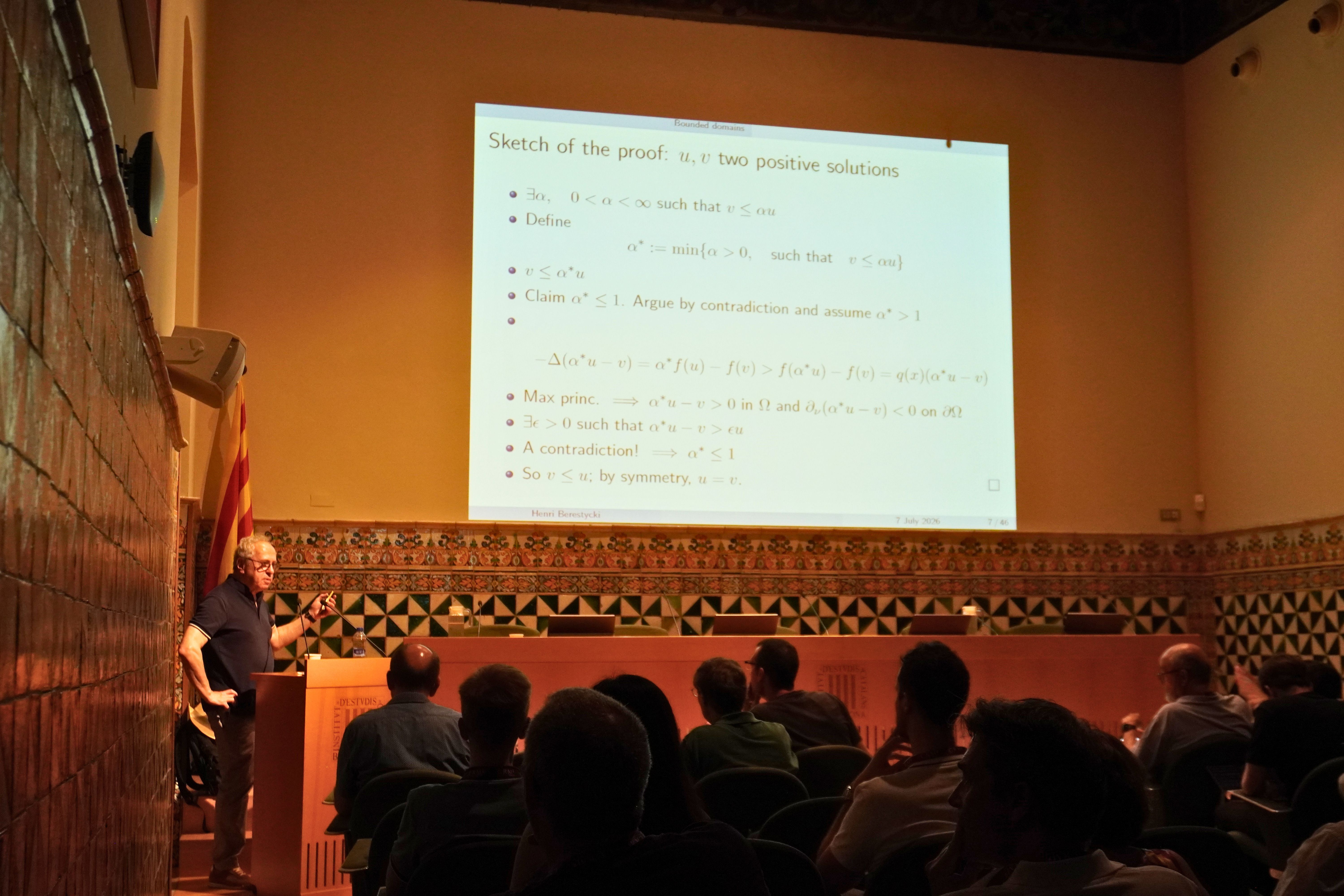
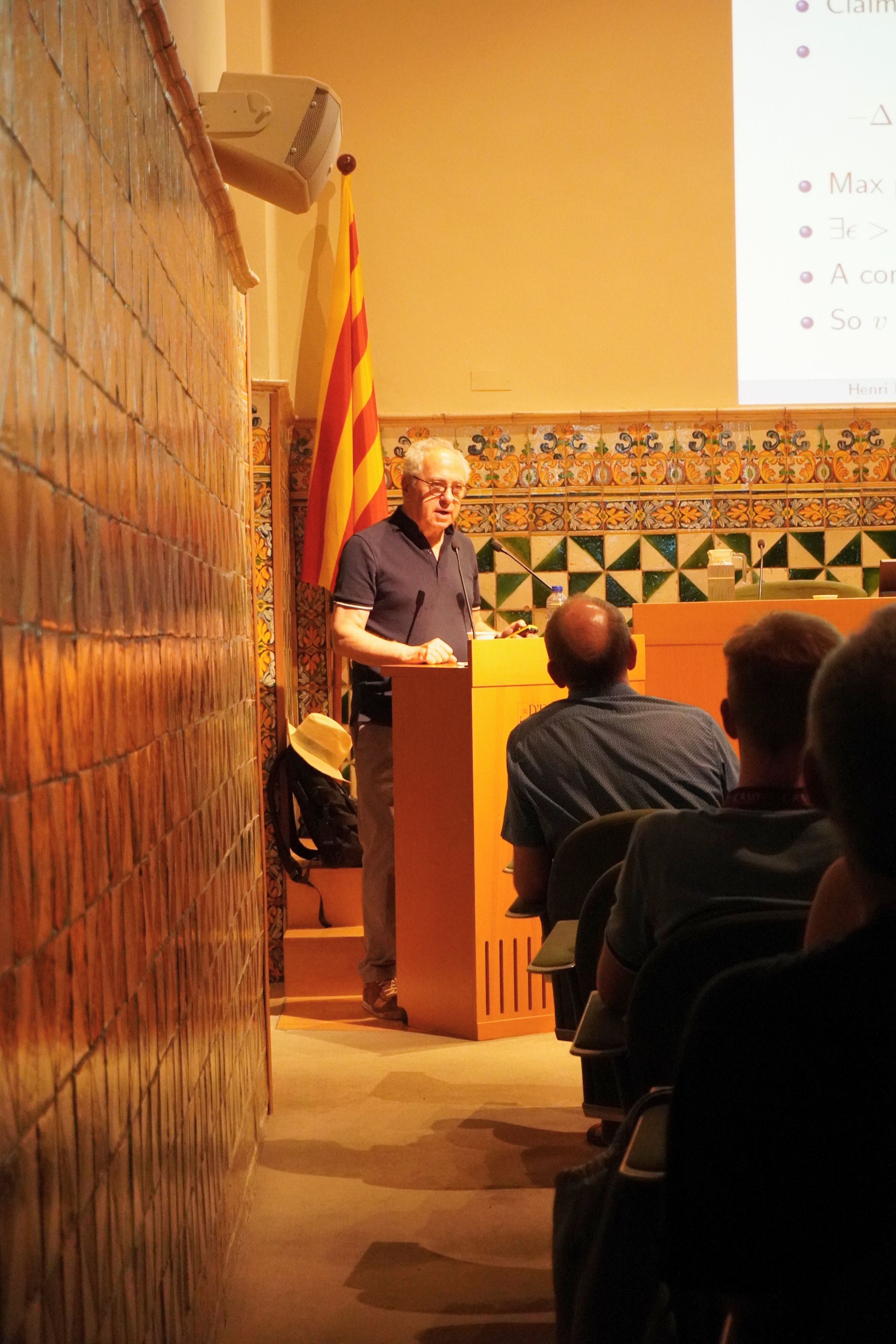
Henri Berestycki: Uniqueness results for nonlinear elliptic equations in unbounded domains
Henri Berestycki (École des Hautes Études en Sciences Sociales and the University of Maryland) is one of the leading figures in nonlinear analysis and partial differential equations, with influential contributions ranging from reaction-diffusion equations and propagation phenomena to applications in biology, ecology and epidemiology. In his talk, he presented a general method based on a “stable-compact” decomposition to establish uniqueness of positive solutions under Dirichlet boundary conditions in various classes of unbounded domains.
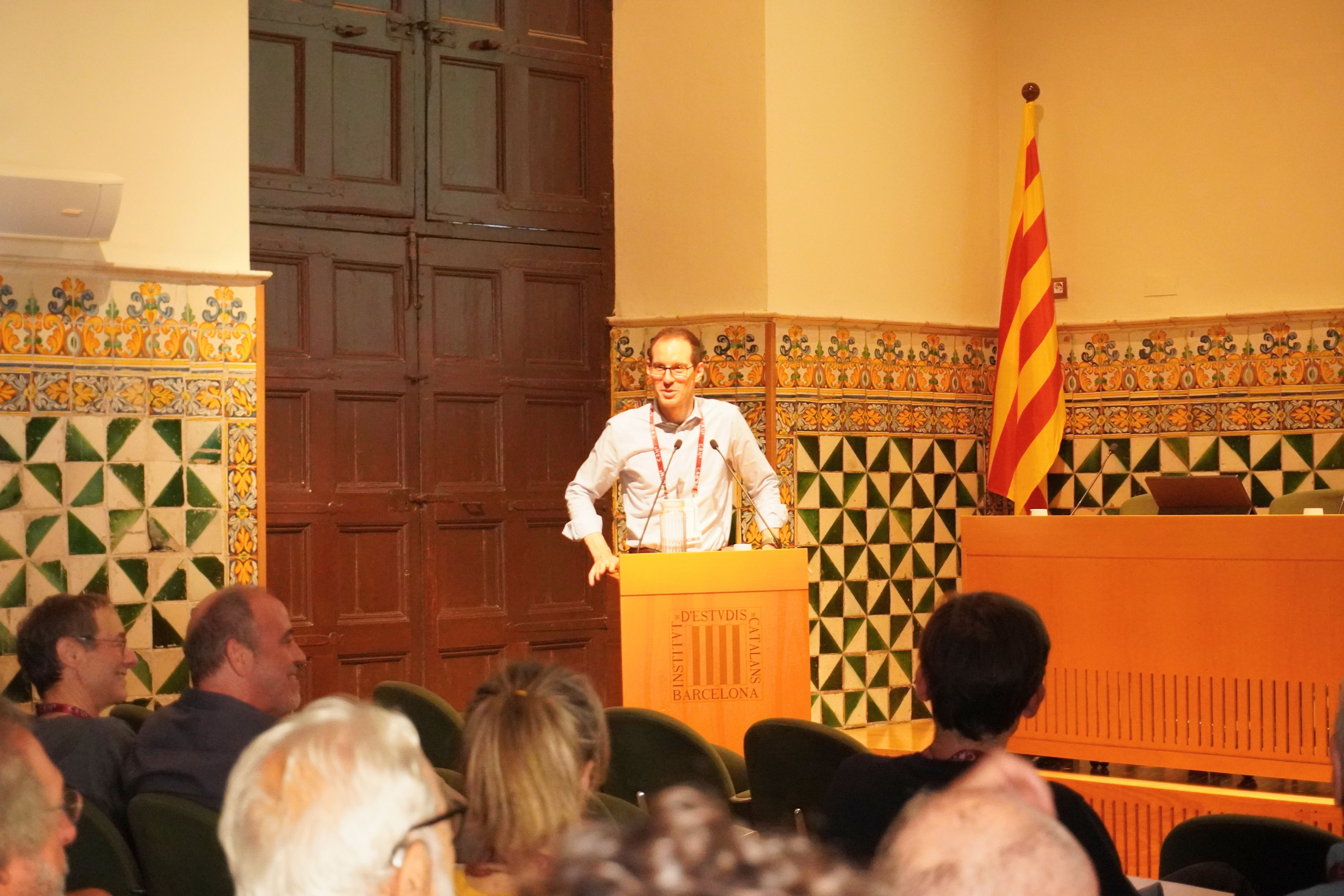
The conference offered not only an overview of some of the most active directions in nonlinear PDE research, but also a special occasion to bring together colleagues, collaborators and friends from across the mathematical community. Through the breadth of topics discussed and the calibre of the invited speakers, the meeting reflected the strength of the international community that has grown around this area of mathematics.
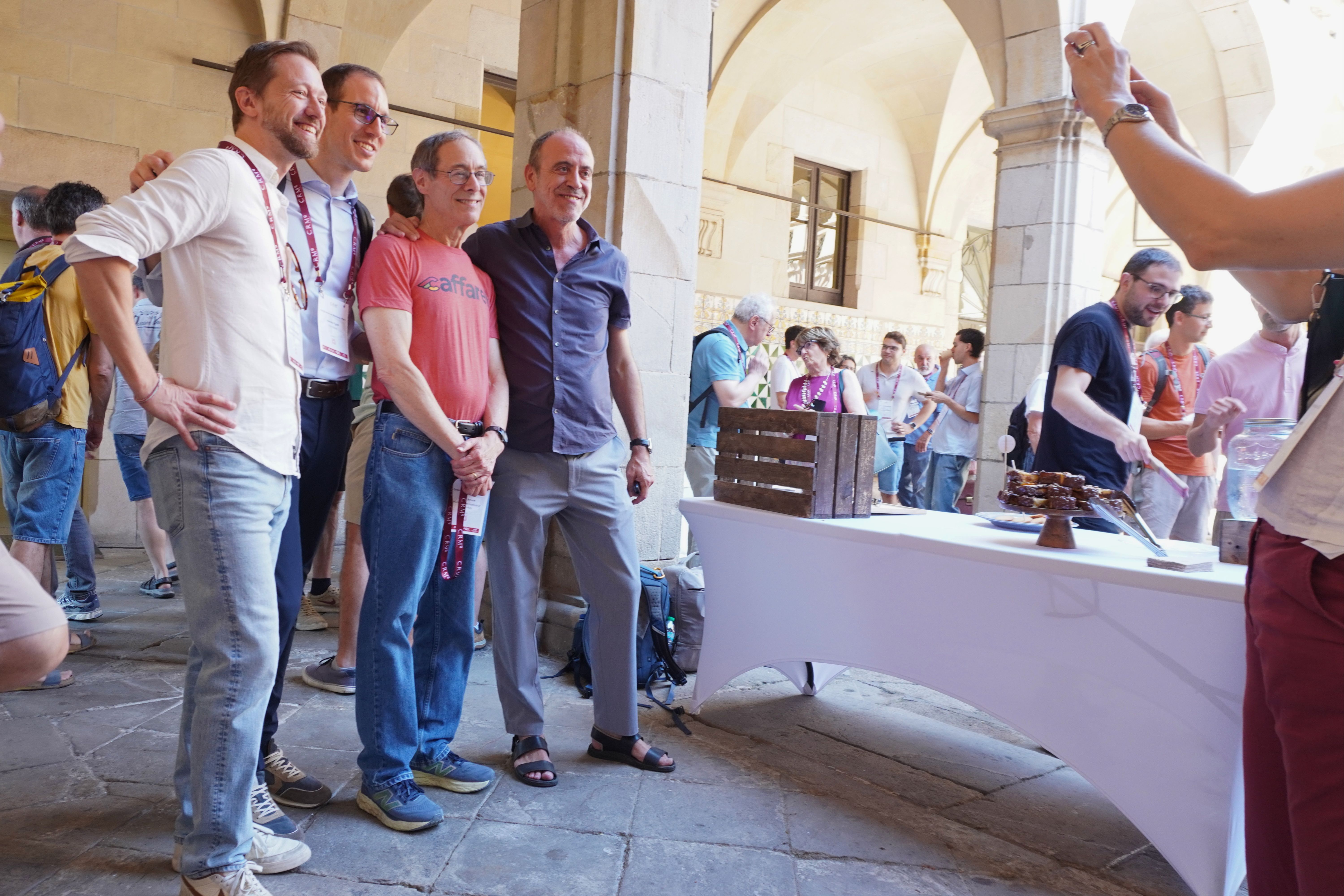
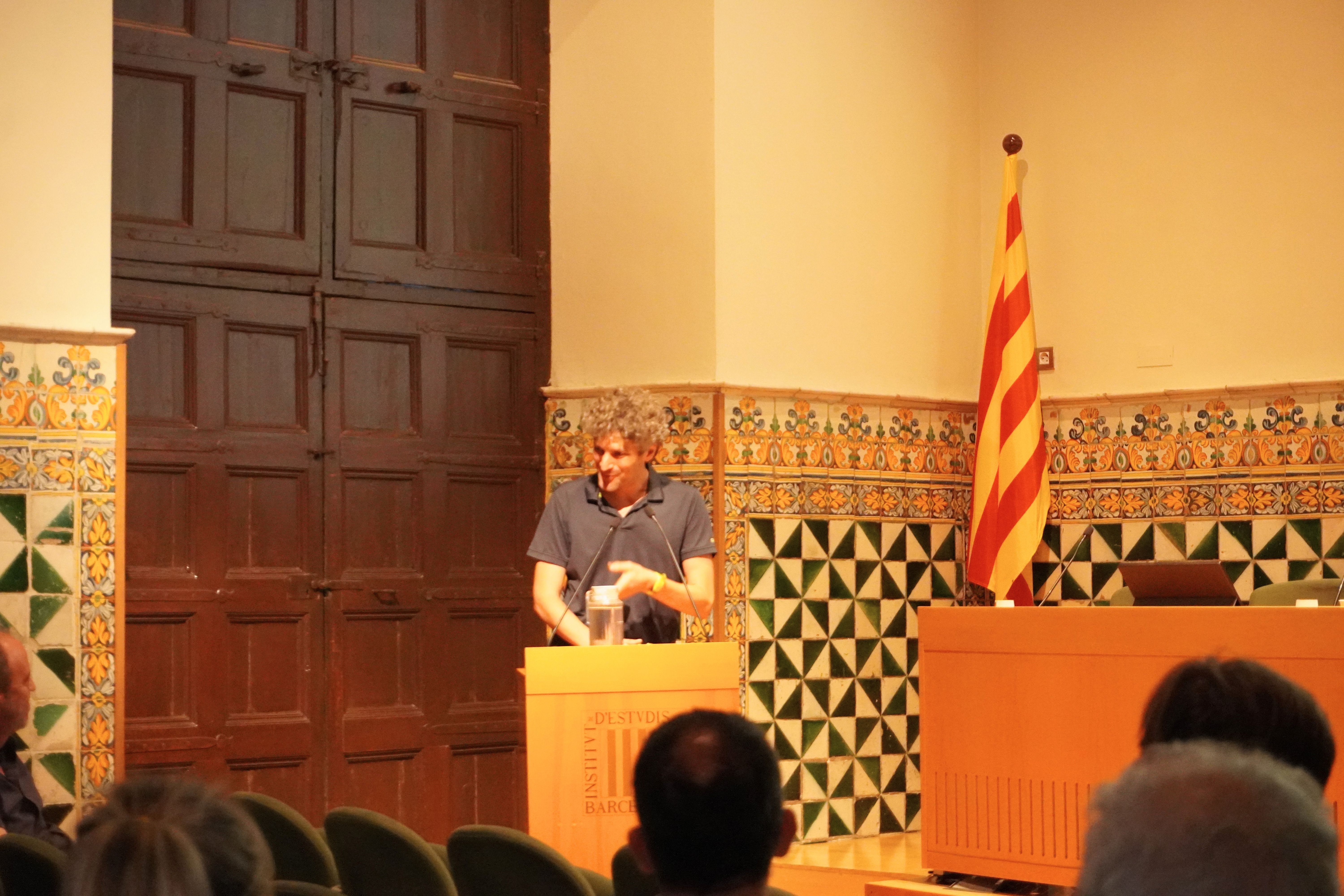
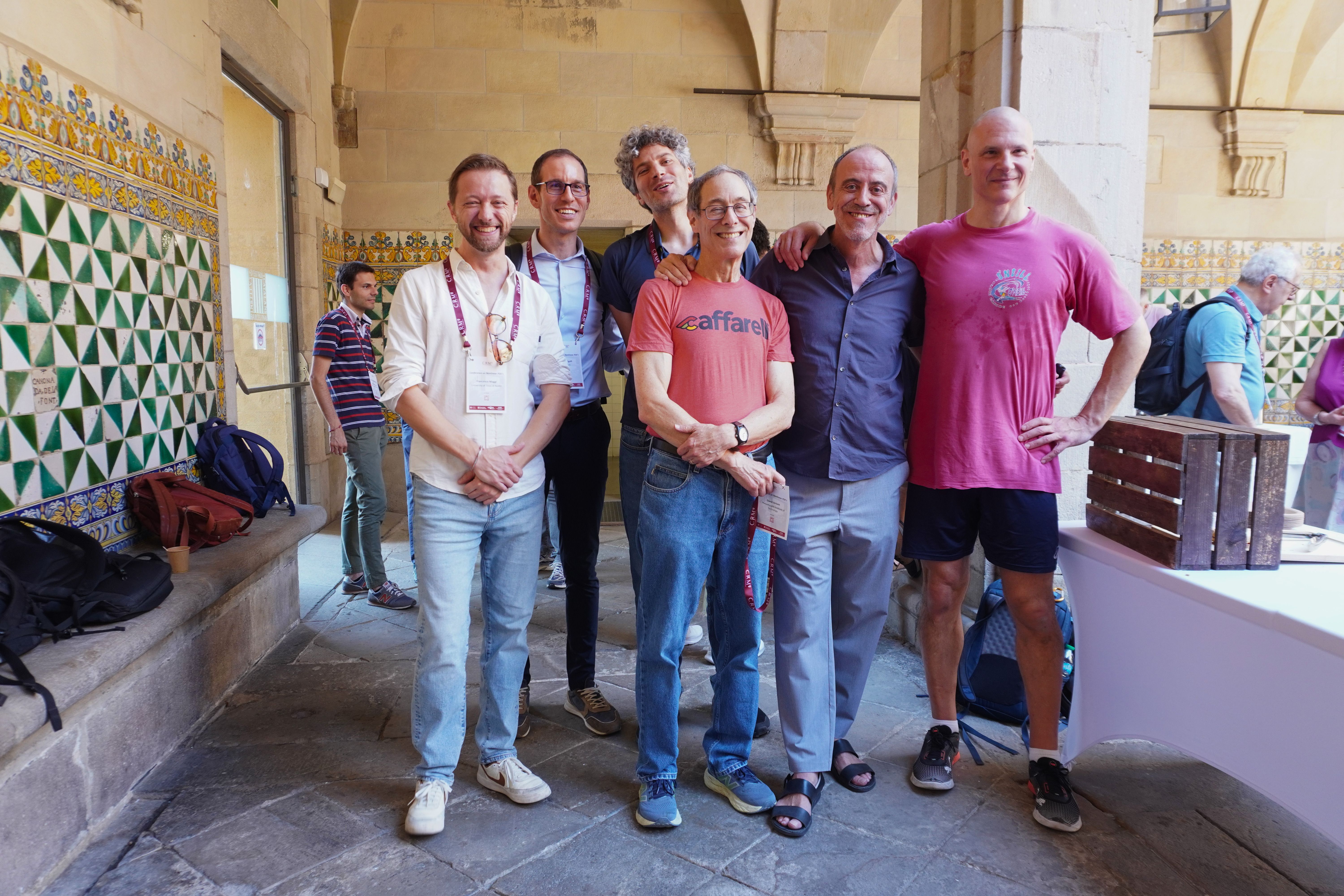
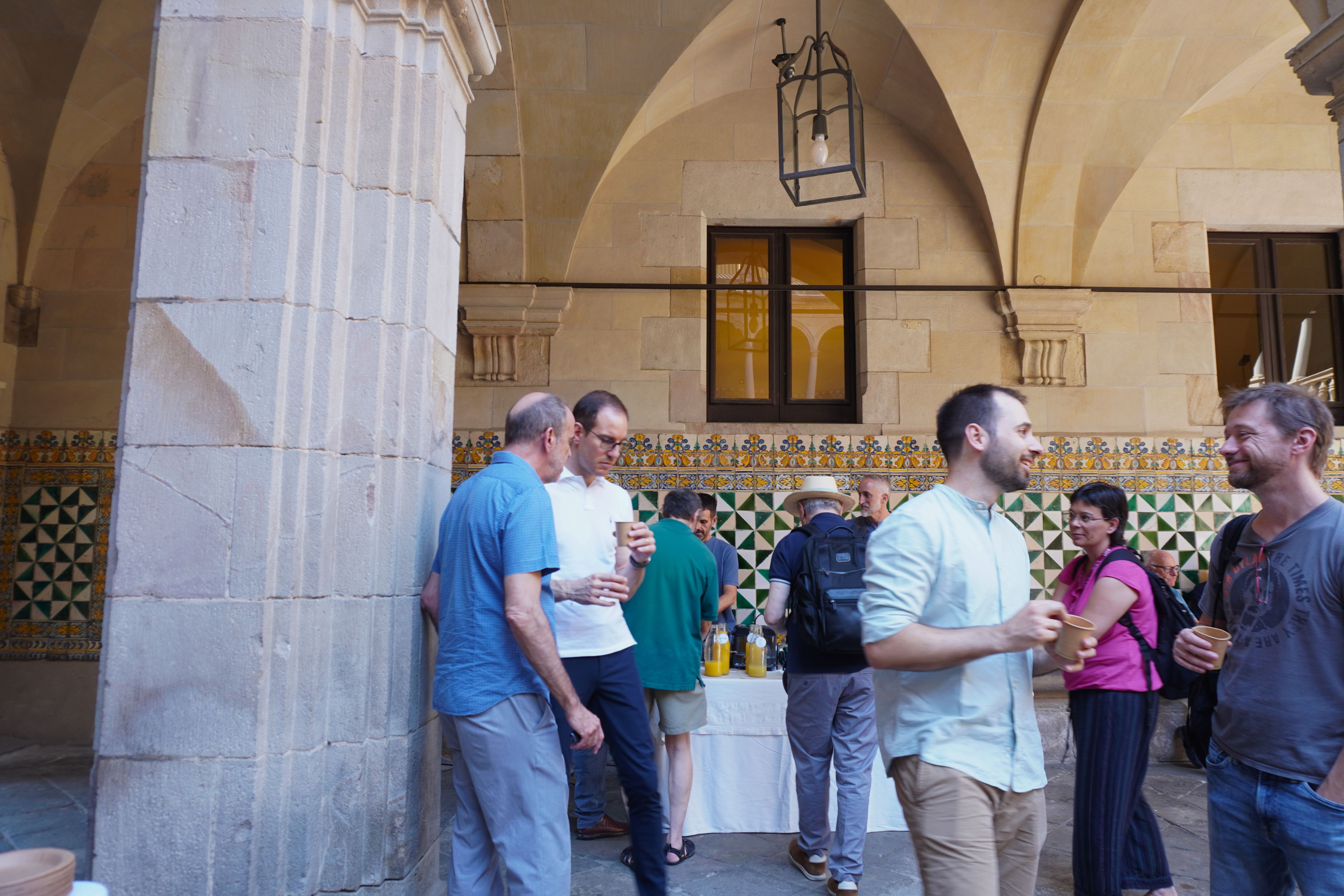
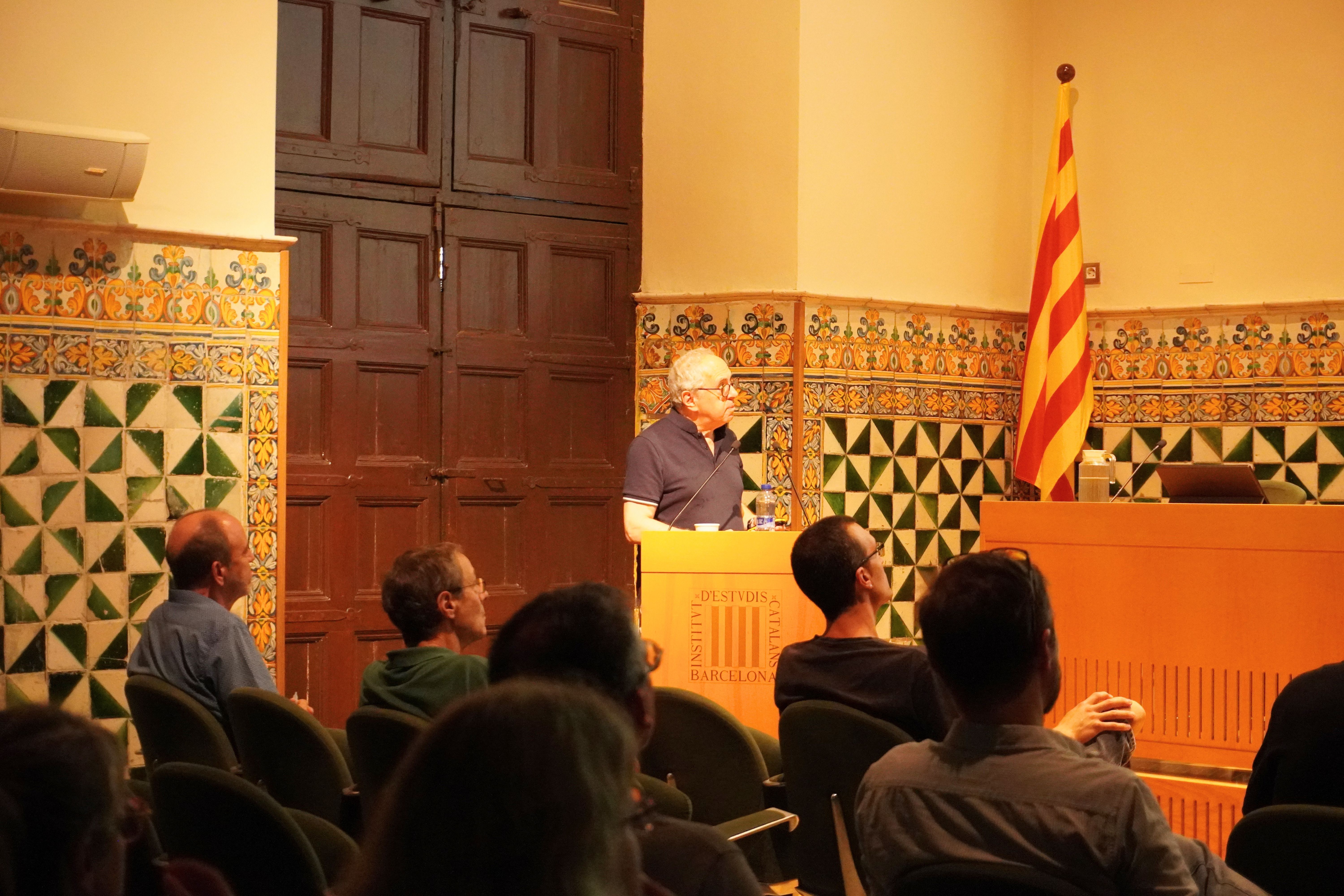
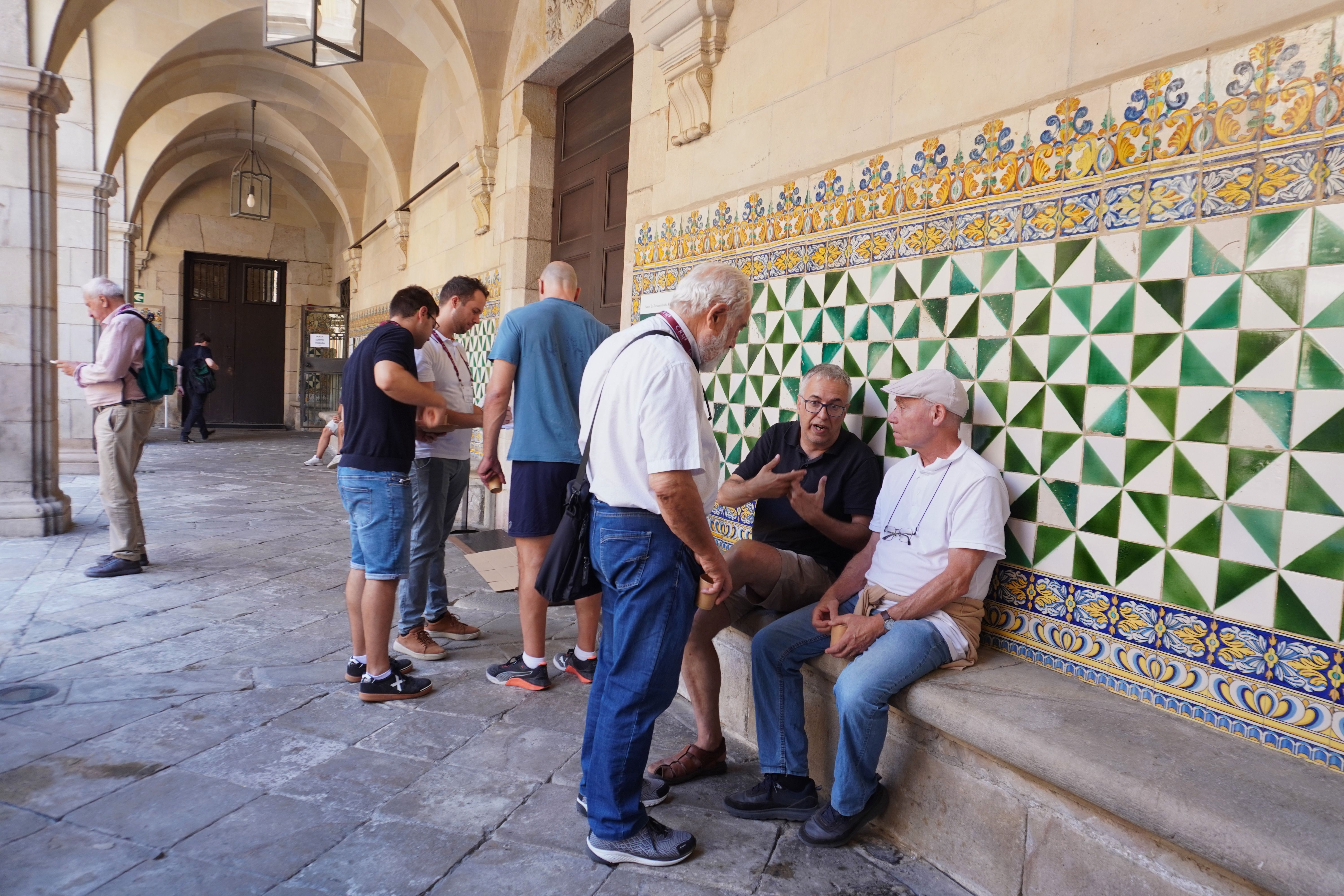
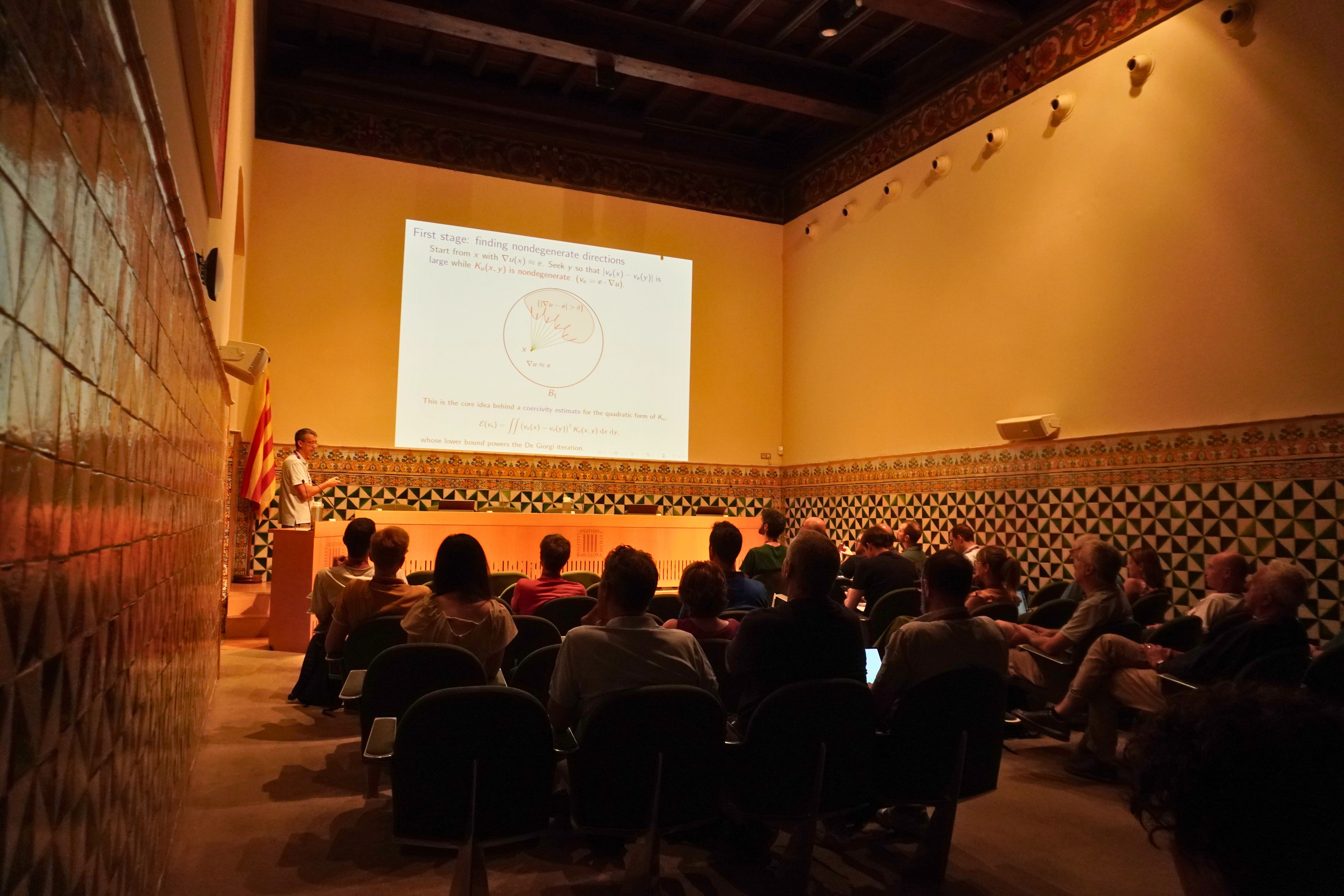
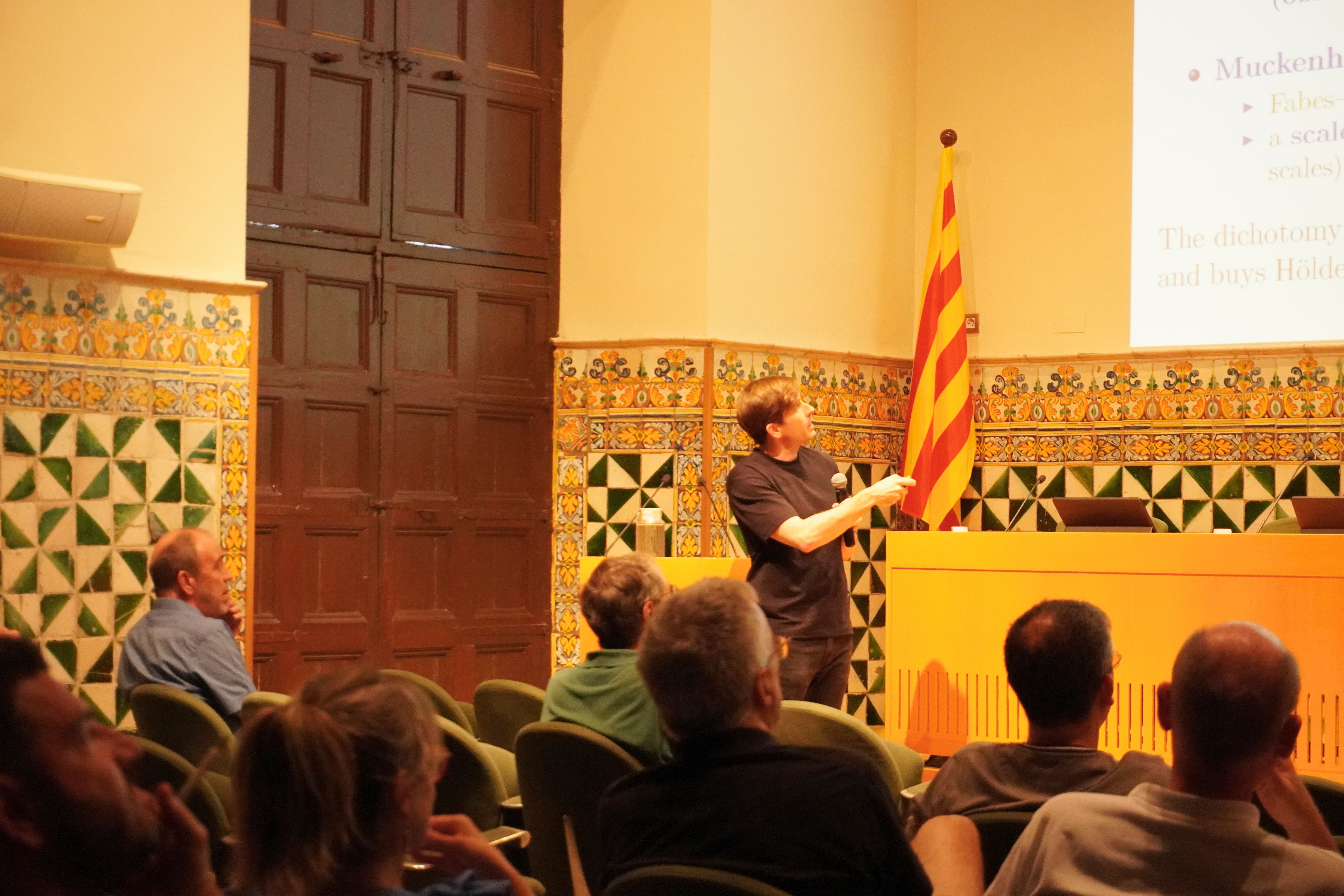
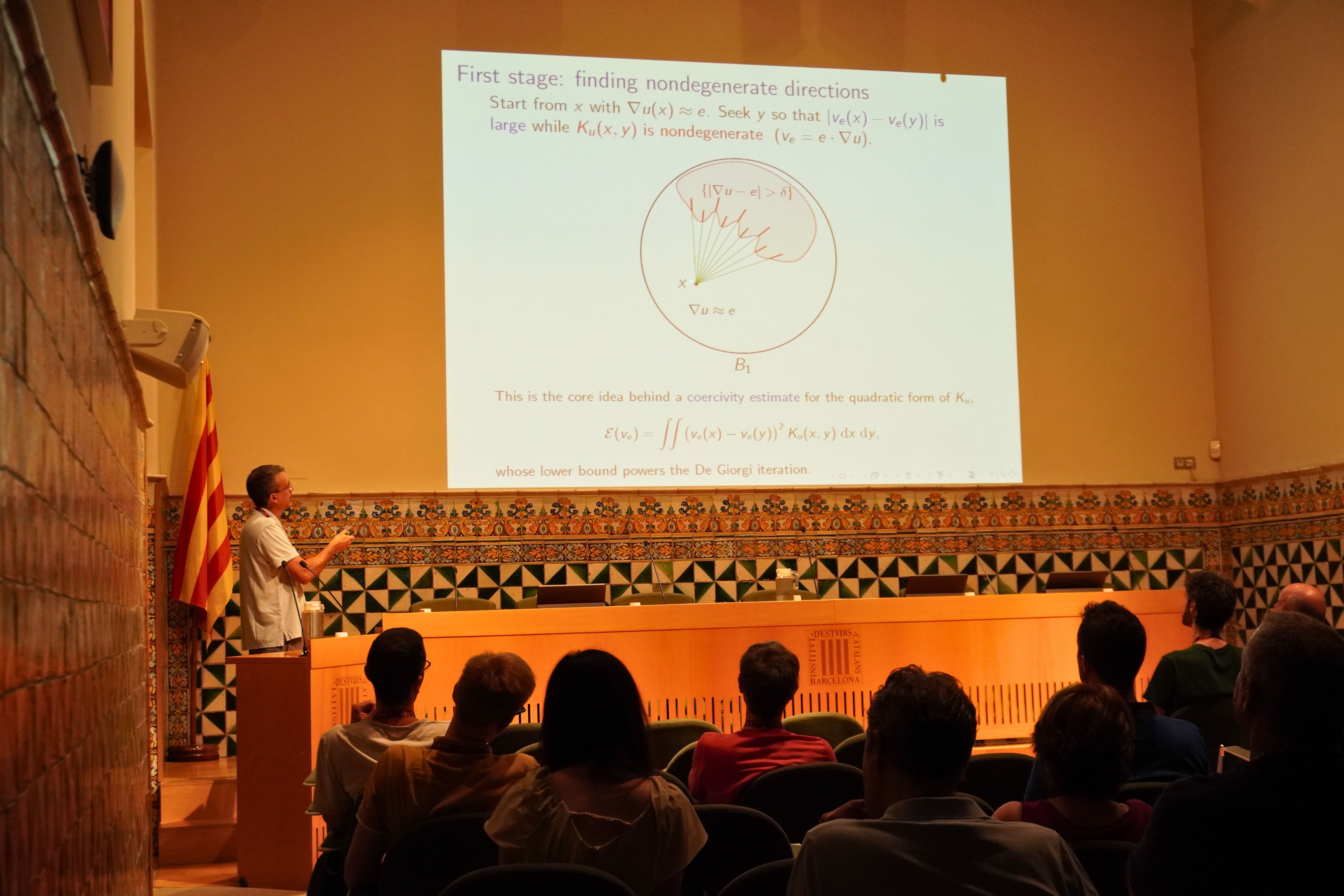
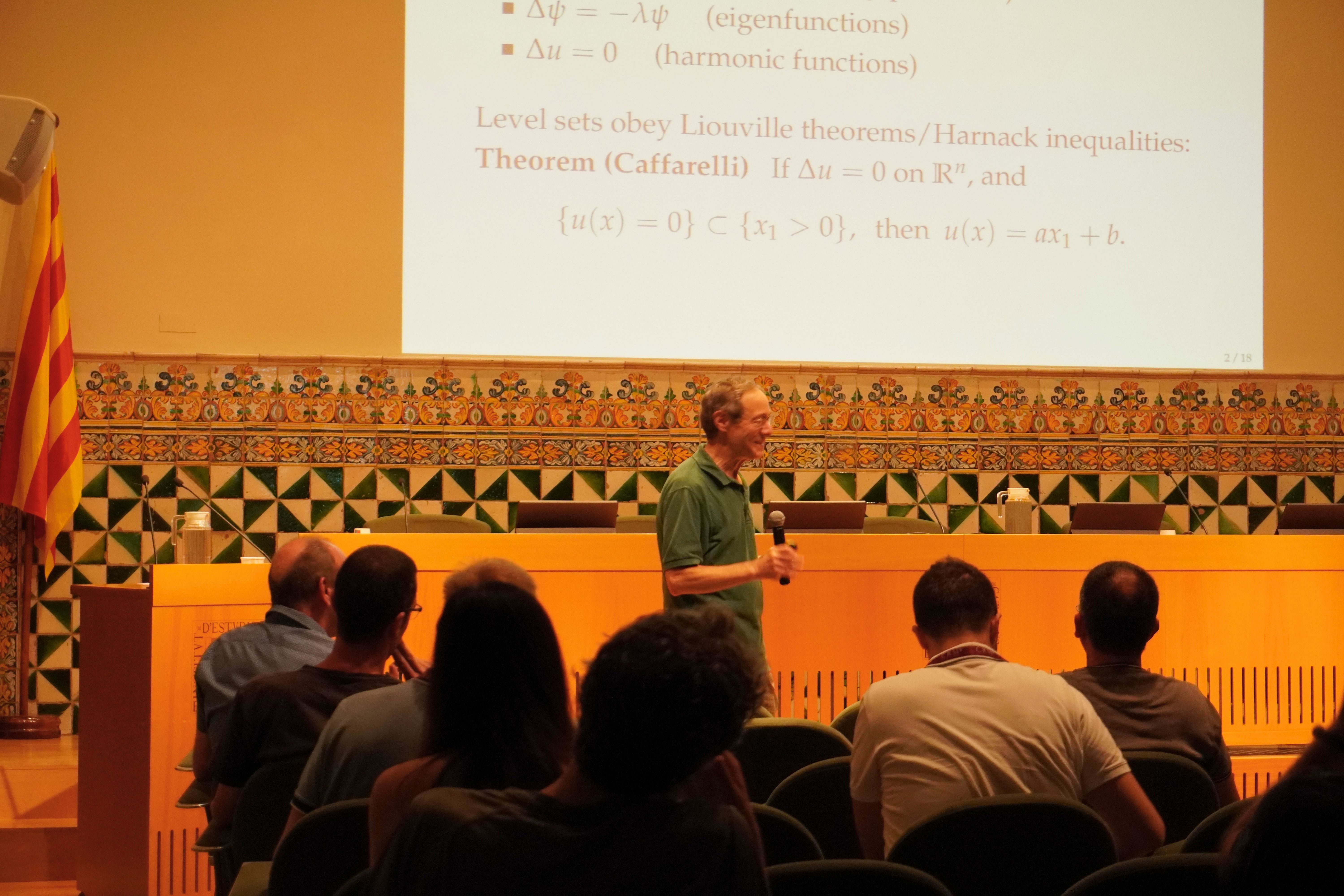
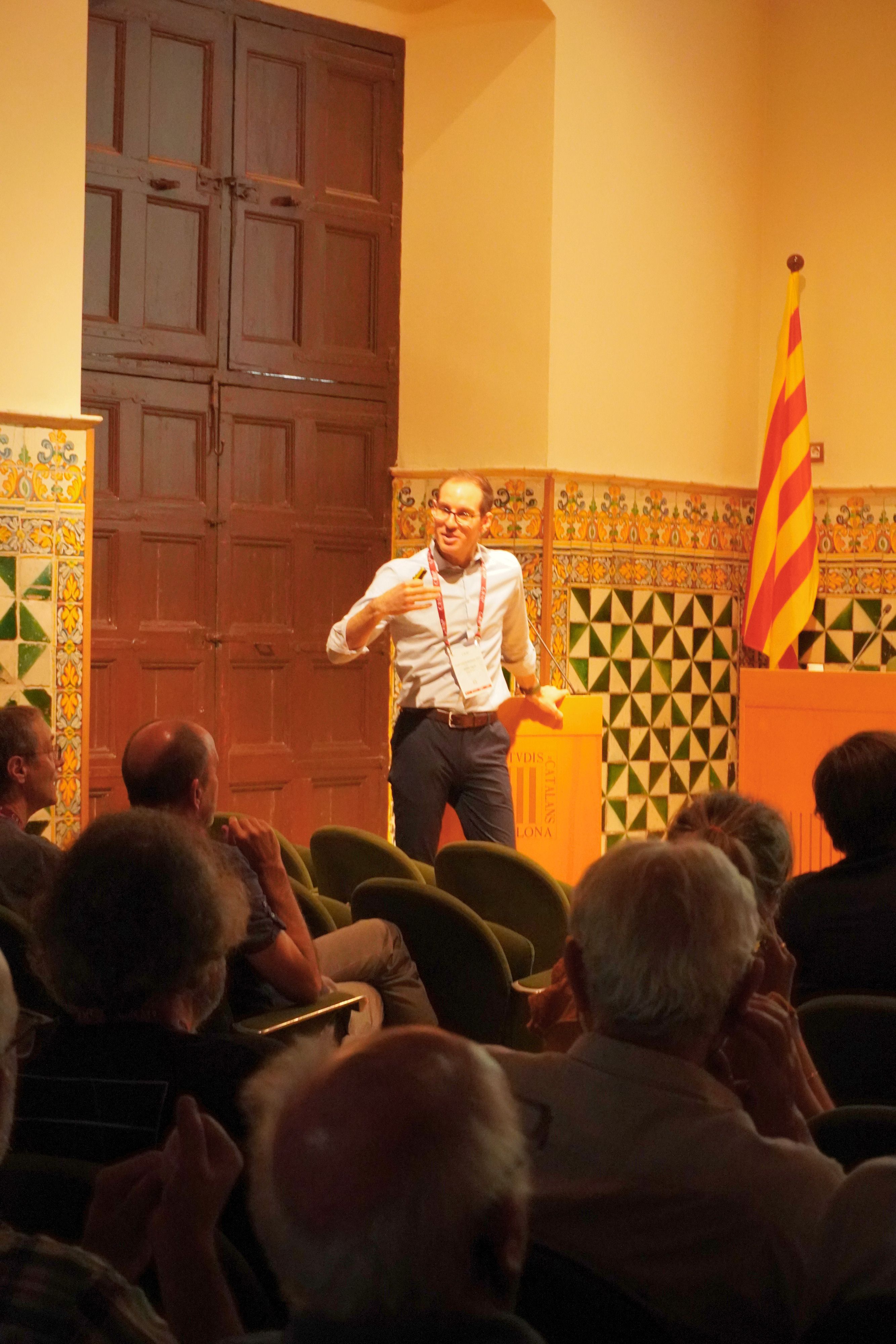
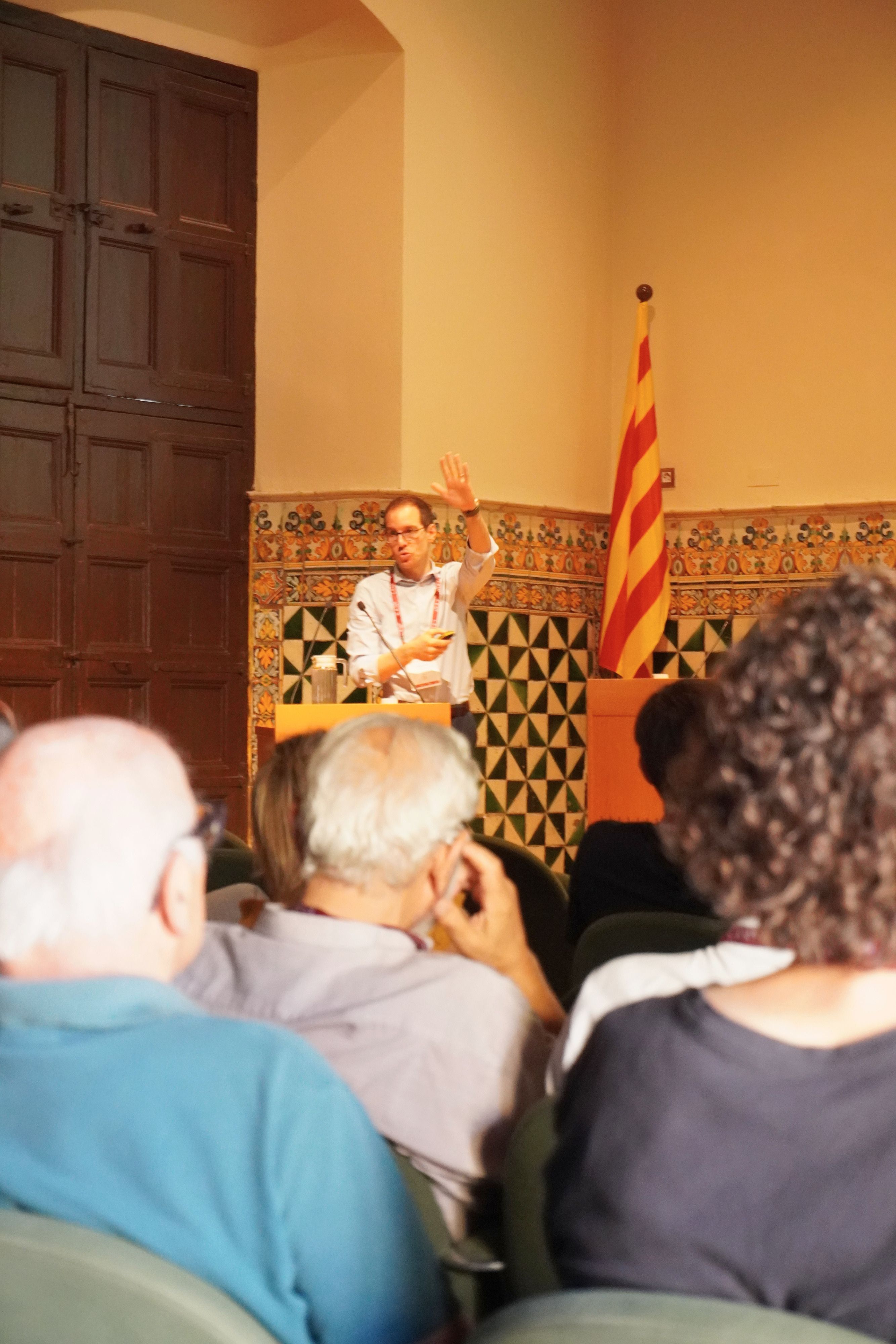
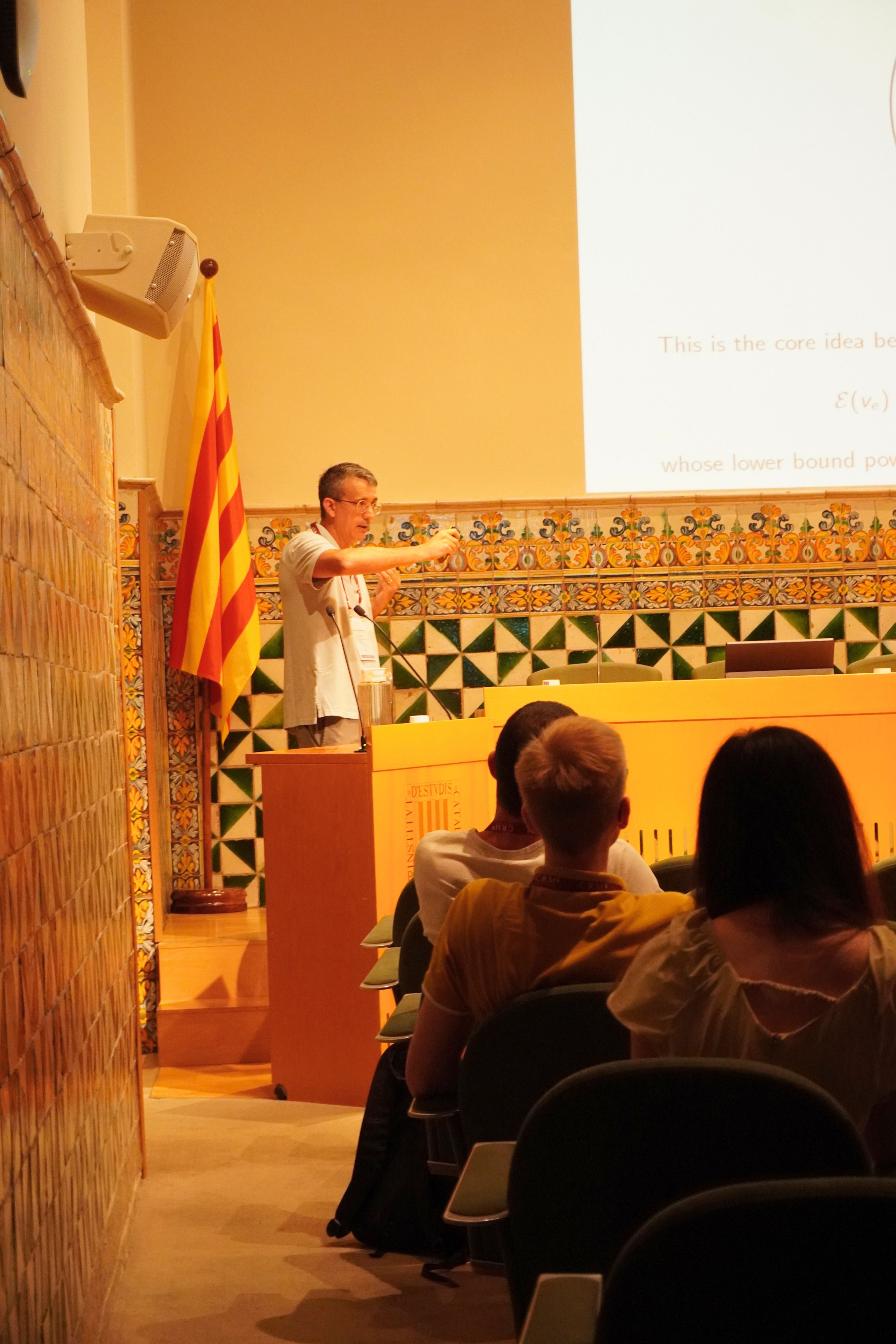
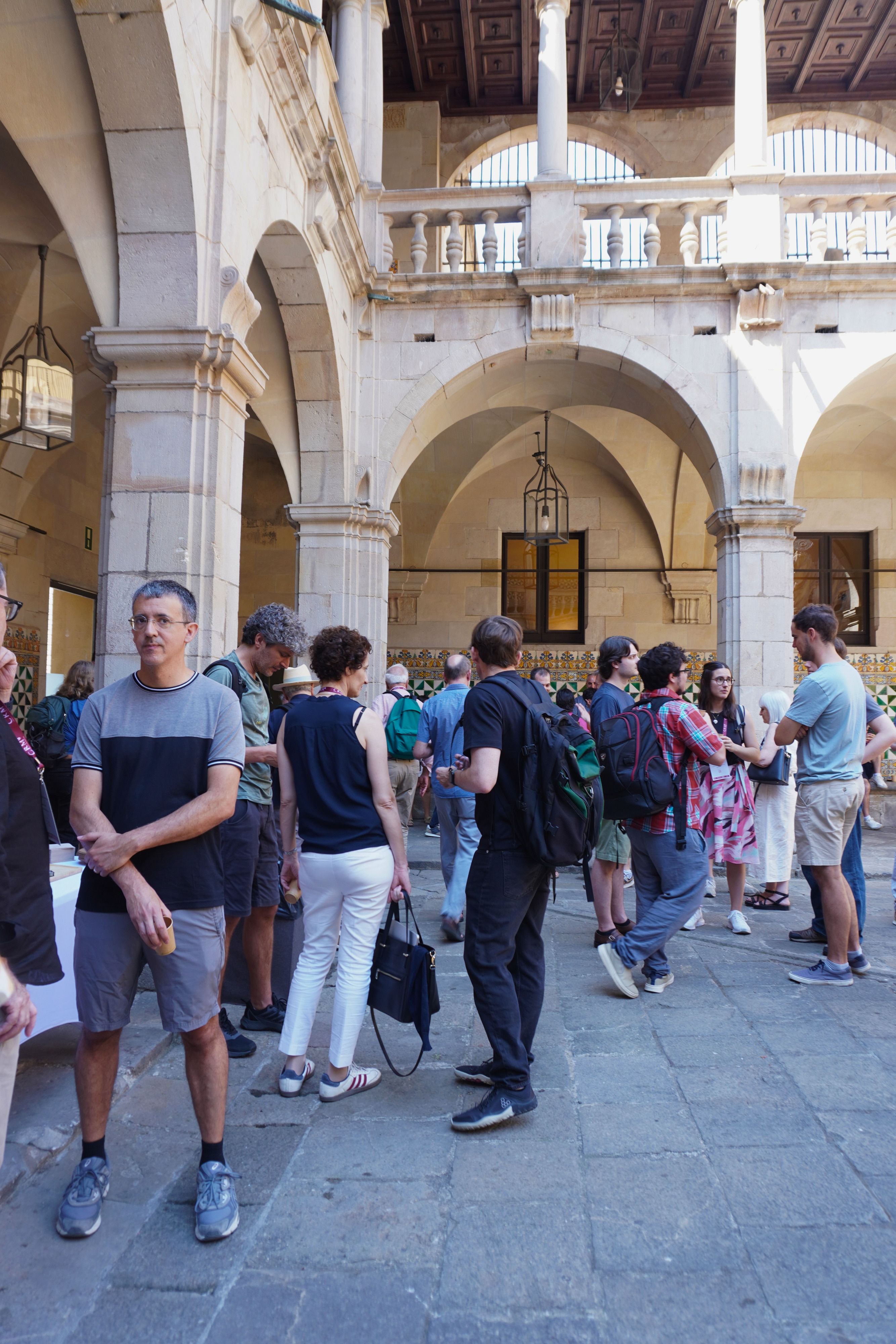
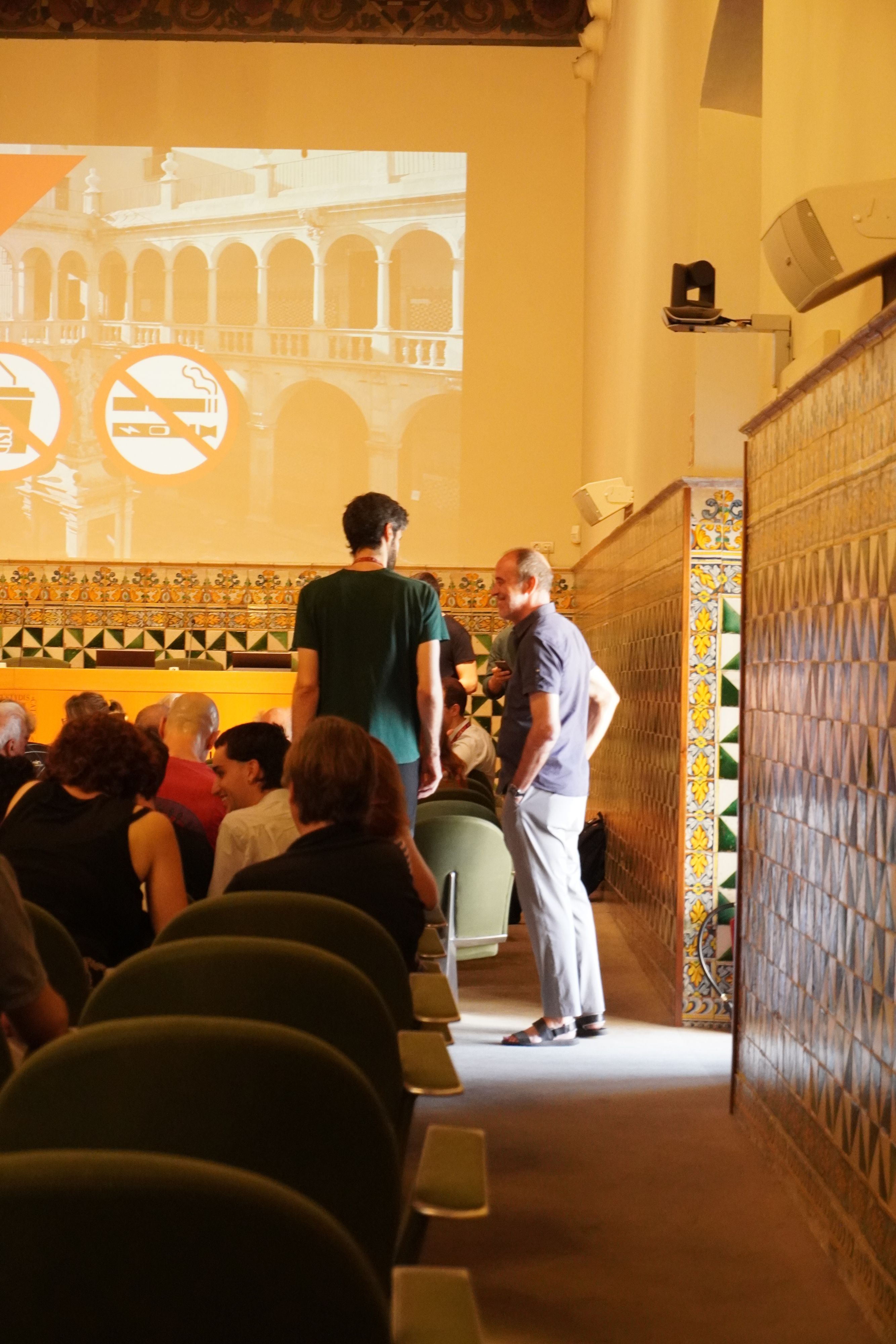
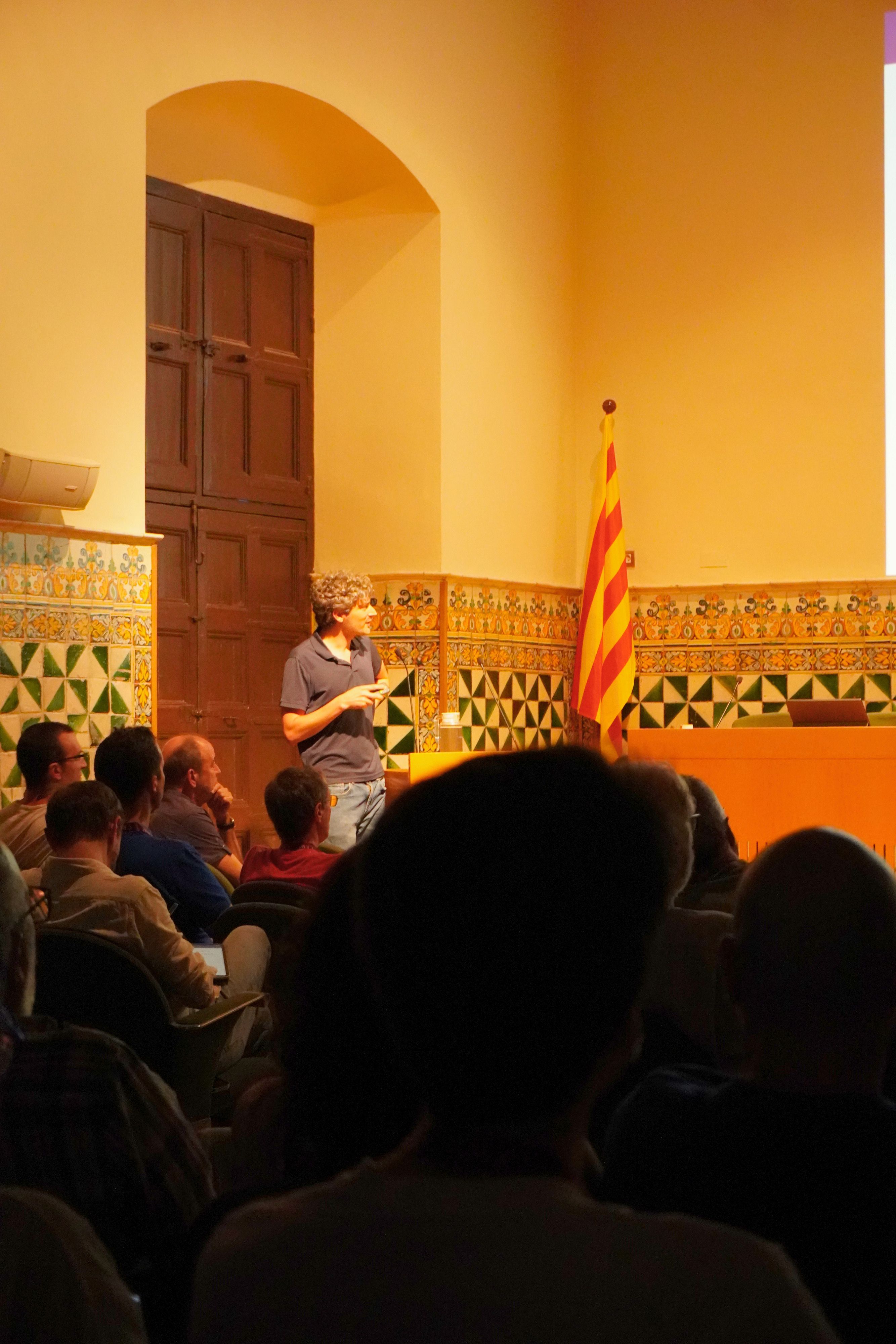
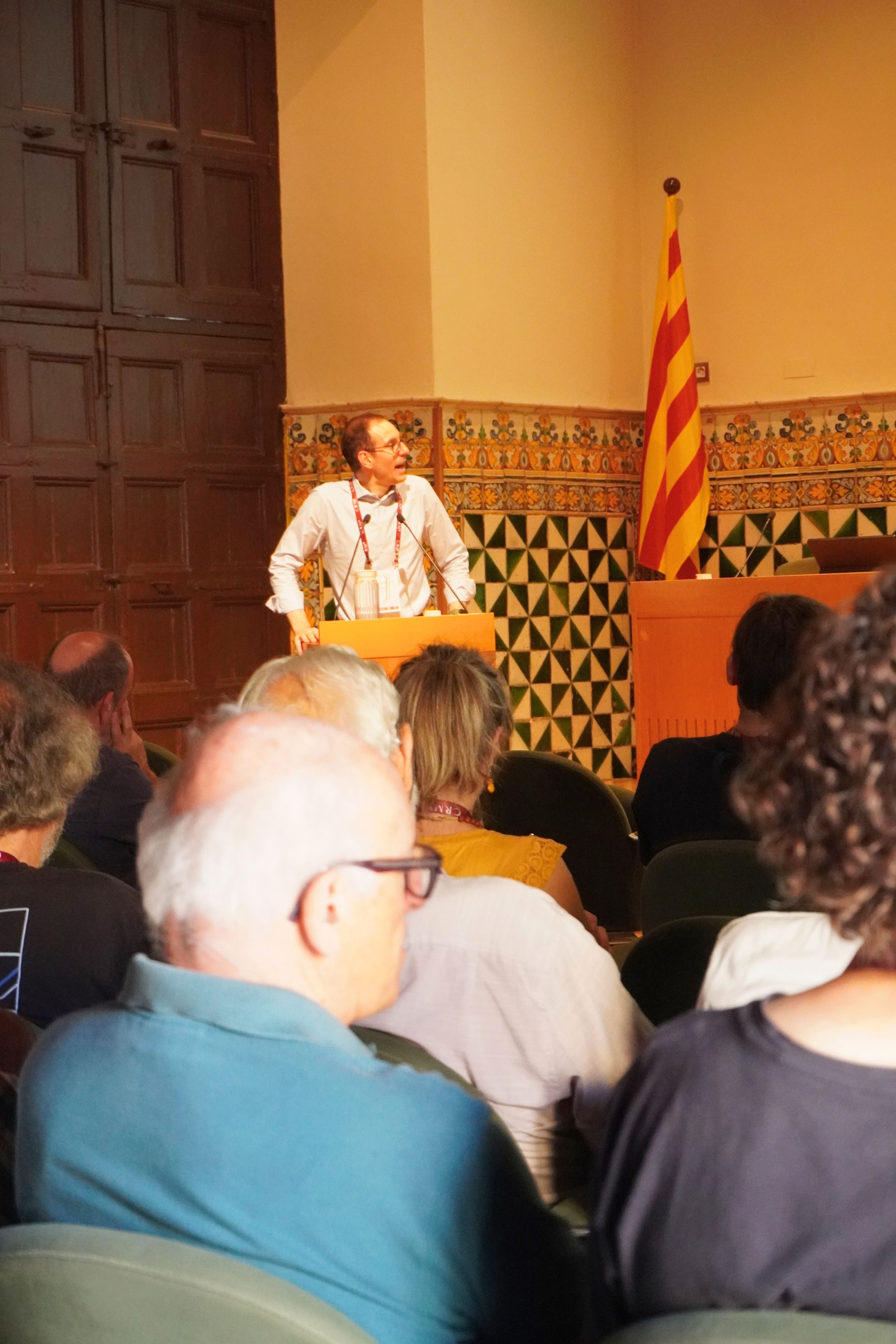
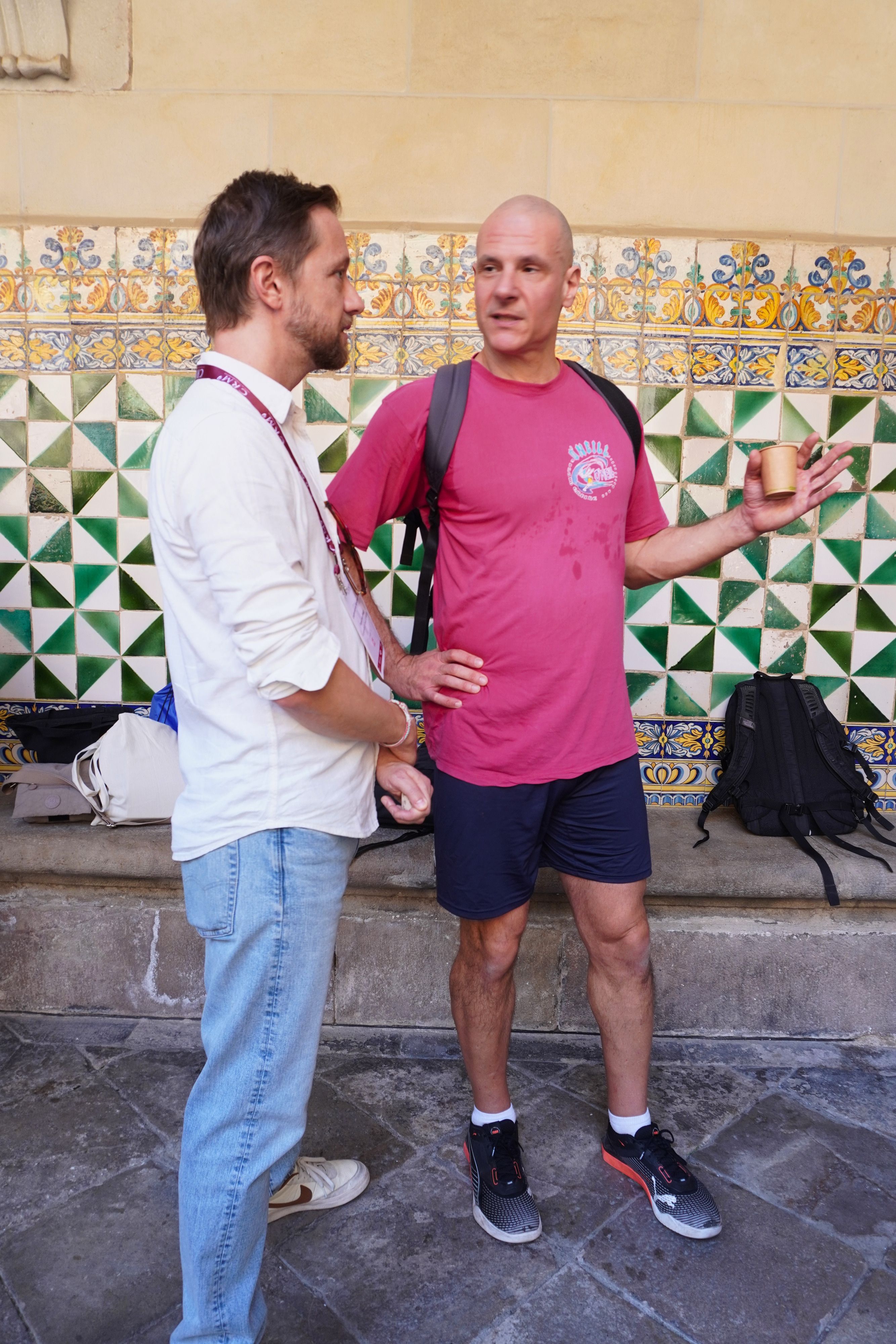
photo gallery
Newsletter
Get the latest CRM news and activities delivered to your inbox
Subscribe now
Recent newsletters →
When the reward comes within reach, the brain changes what it compares
As the tokens piled up, choices got faster and more accurate at the same time. The yardstick for judging each offer had moved.CRM CommPau VarelaCRMComm@crm.catGet the latest CRM news and activities in your inbox.Recent newsletters →Two subjects...
Almost every automaton can be reset with a short word
For a random automaton with n states, a word of about √n log n letters is almost always enough to reset it.CRM CommPau VarelaCRMComm@crm.catGet the latest CRM news and activities in your inbox.Recent newsletters →Picture a conveyor belt carrying...
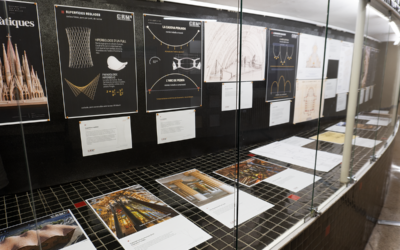
Exposició ‘Les matemàtiques de Gaudí’
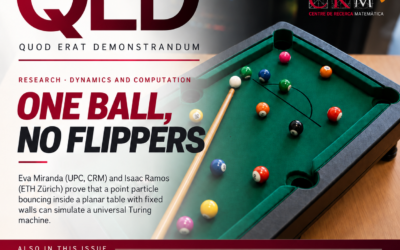
CRM quod erat demonstrandum | 48

ADA: Decoding Brain Signals Misaligned in Time
The study addresses a key limitation of current brain decoding techniques: the difficulty of interpreting internal mental processes whose temporal dynamics vary from trial to trial.Decoding what is happening in a person’s mind from their brain activity is one of the...
Rare curves, many points: Christophe Ritzenthaler and Rachel Pries on their research and the work around it
Christophe Ritzenthaler (Université de Rennes) and Rachel Pries (Colorado State University) both work on curves over finite fields: he hunts curves with as many points as possible, she hunts curves that almost never occur. In conversation with the CRM during their...

Call open for the 2027 Ferran Sunyer i Balaguer Prize
The Ferran Sunyer i Balaguer Foundation is accepting submissions for its 2027 prize, which awards 15,000 euros and publication in Birkhäuser's Progress in Mathematics series to an expository monograph on an active area of mathematical research. The deadline is 27...
Susanna Terracini delivers the CRM Colloquium 2026
Susanna Terracini (Università di Torino) delivered the CRM Colloquium 2026 on 14 July, presenting a rigidity result for Kepler billiards obtained with Stefano Baranzini, Vivina Barutello and Irene De Blasi. She was at the centre as a member of the CRM Scientific...
|
|
CRM CommNatalia Vallina
|