
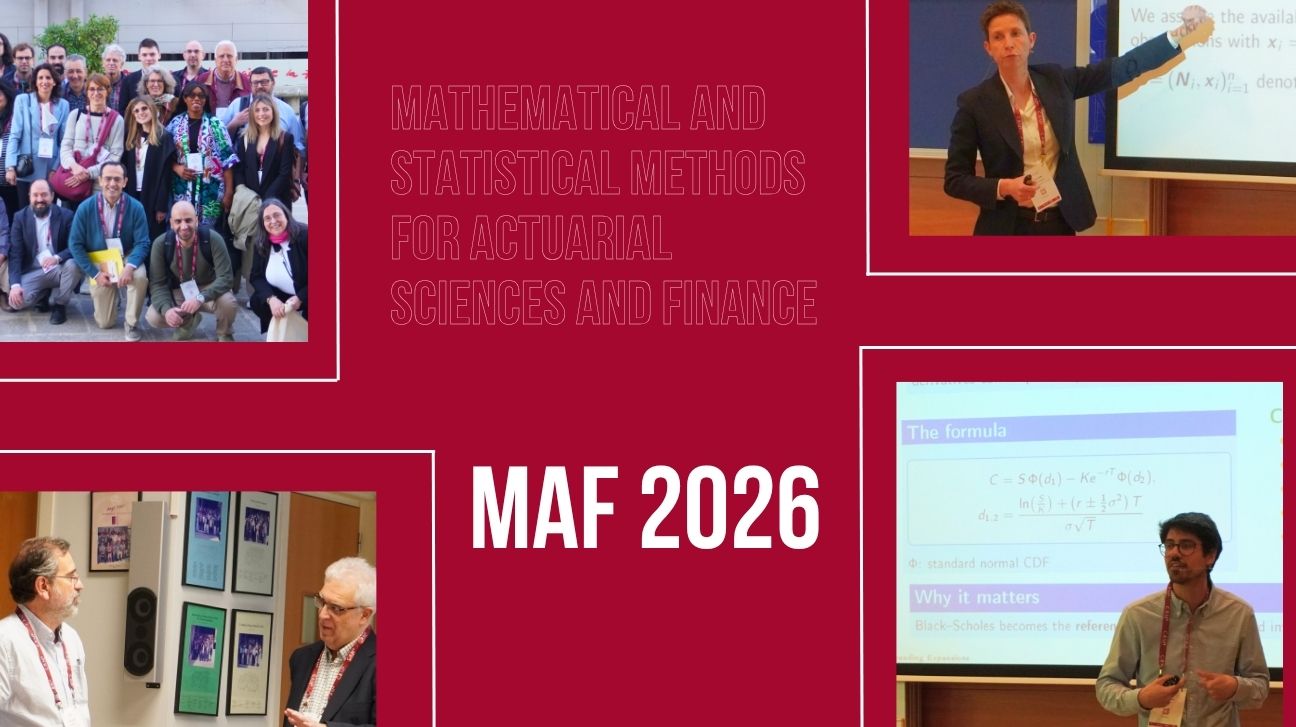
From 8 to 10 April 2026, the Centre de Recerca Matemàtica (CRM) hosted the Conference on Mathematical and Statistical Methods for Actuarial Sciences and Finance (MAF 2026). The conference is an international meeting that brings together mathematicians and statisticians to discuss new theoretical results and applications in actuarial sciences and finance.
The programme combined plenary lectures, parallel sessions organised by thematic areas, and online presentations, reflecting both the diversity of approaches and the international character of the event.
Plenary Speakers
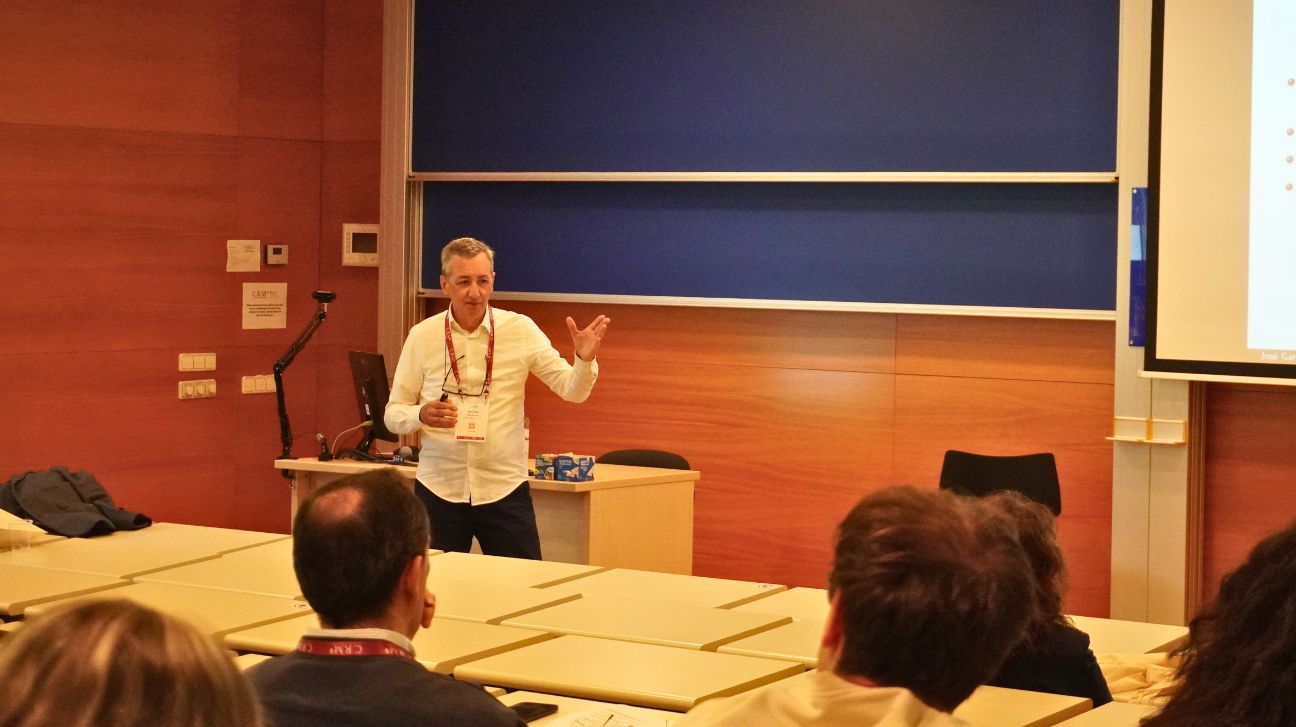
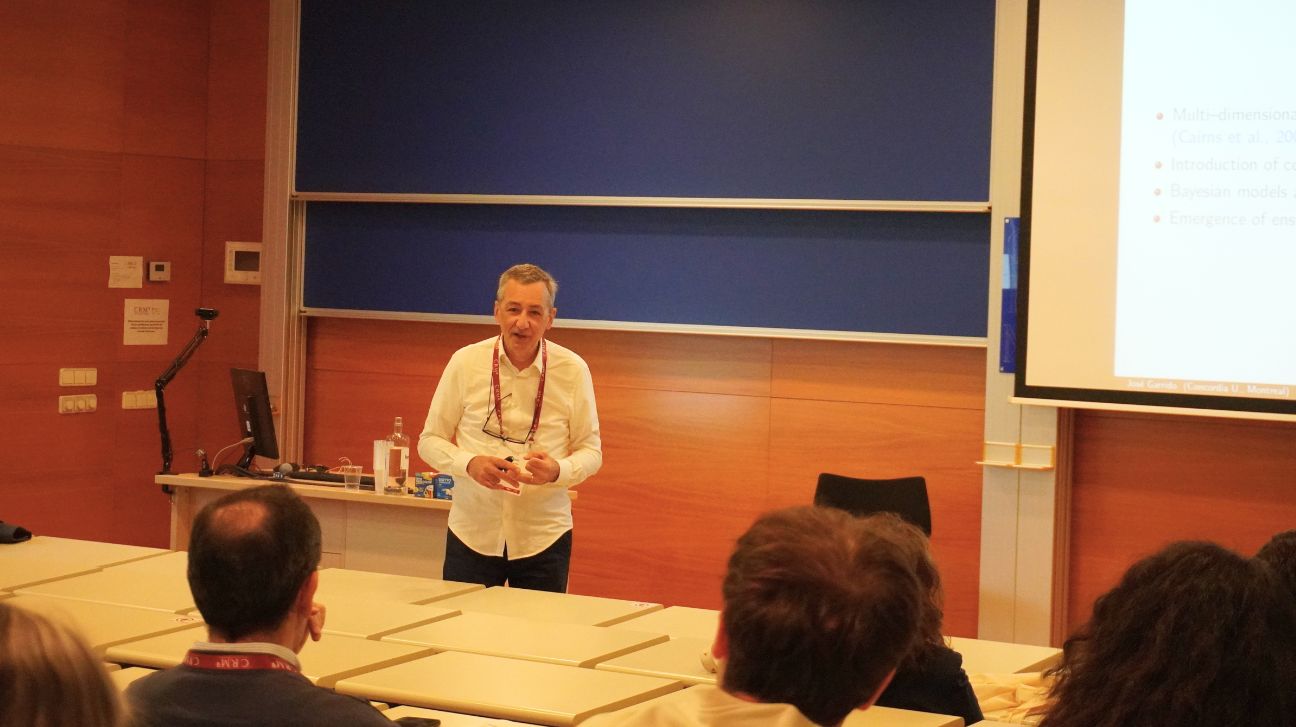
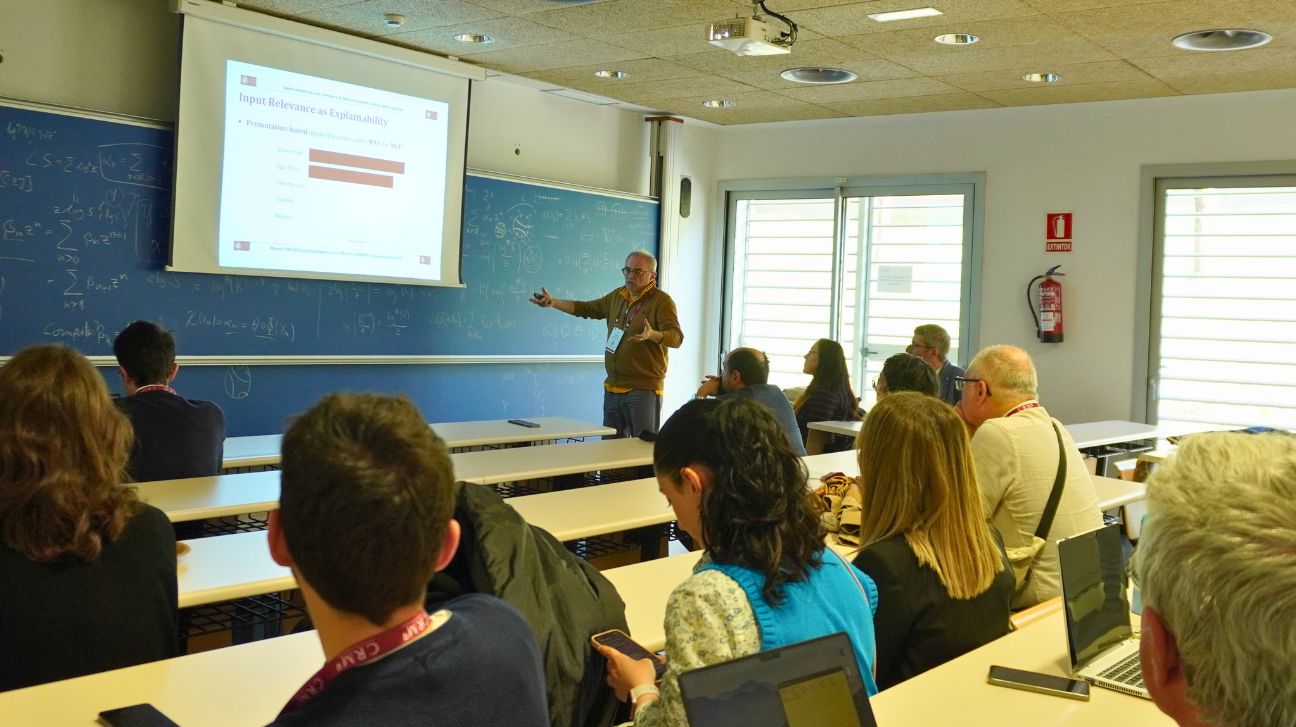
The first plenary lecture was delivered by José Garrido (Concordia University), who presented Accounting for temporal and spatial dependencies in multi-population mortality forecasts: the “transformer” approach. His work extended transformer architectures to incorporate structural dependencies between countries, combining mortality data with exogenous variables. The proposed approach showed a significant improvement in the accuracy of long-term mortality forecasts.
 |
 |
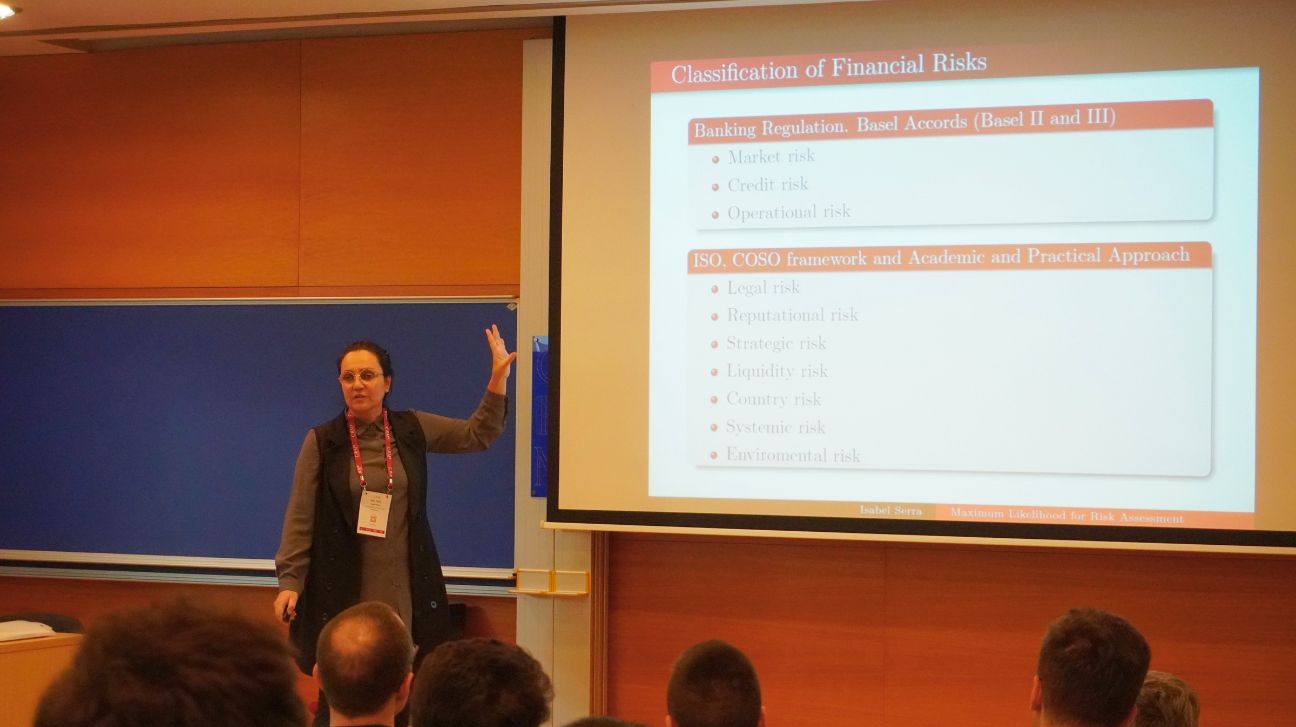
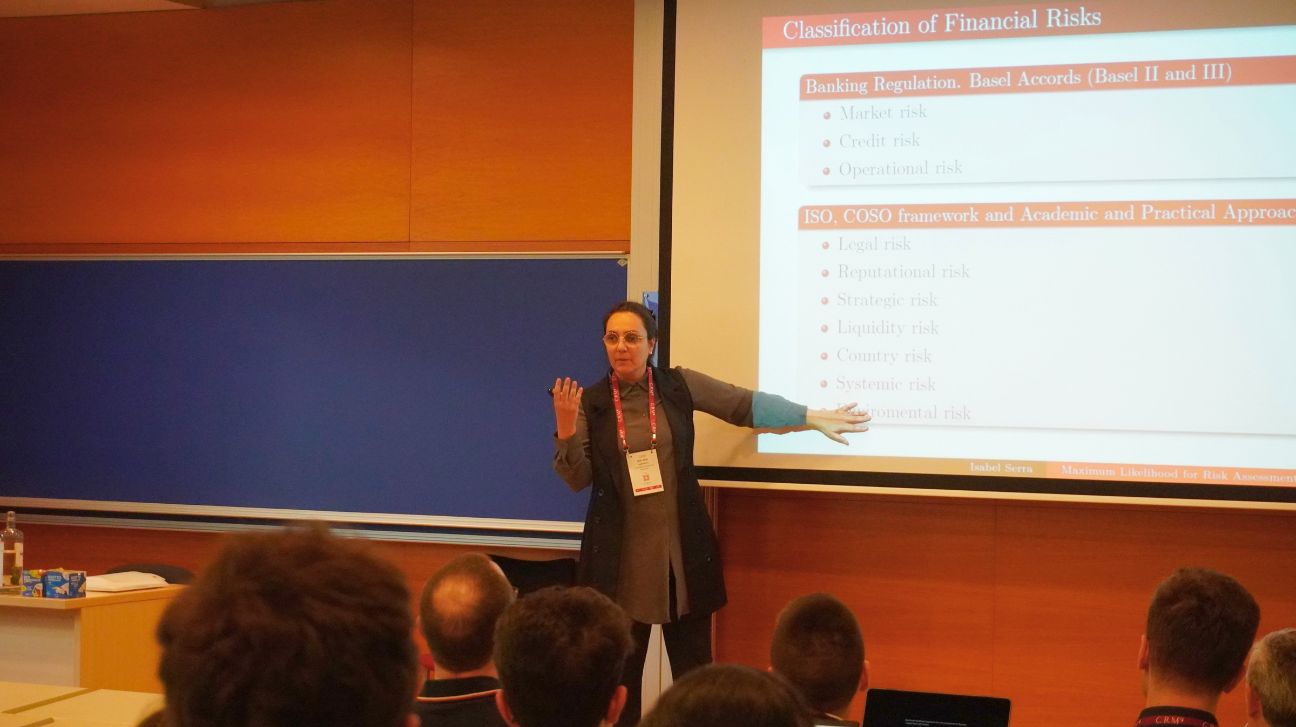
On the same Wednesday, Isabel Serra (Universitat Autònoma de Barcelona) gave the talk Maximum Likelihood Approach for Risk Assessment in Finance, in which she examined financial risk assessment from the perspective of statistical inference of extreme events. Her presentation connected extreme value theory, maximum likelihood estimation, and machine learning, addressing current challenges such as temporal dependence and the presence of mixtures in the data.
 |
 |
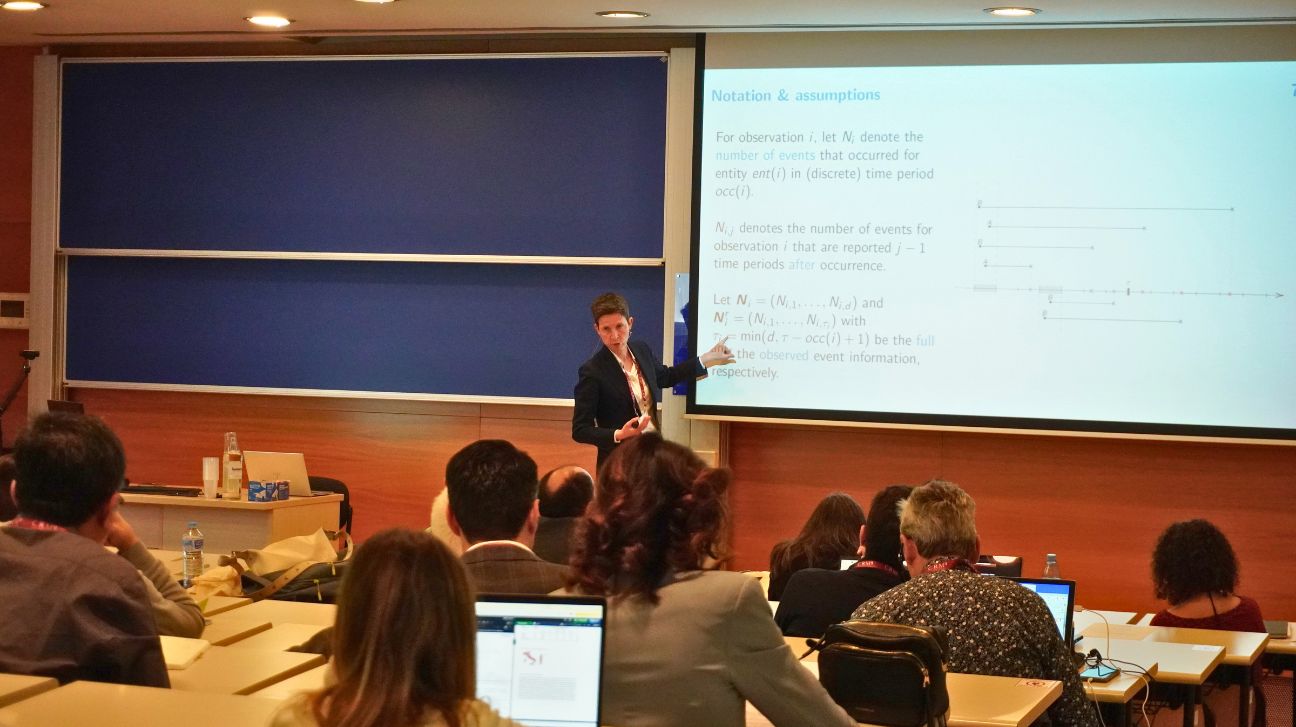
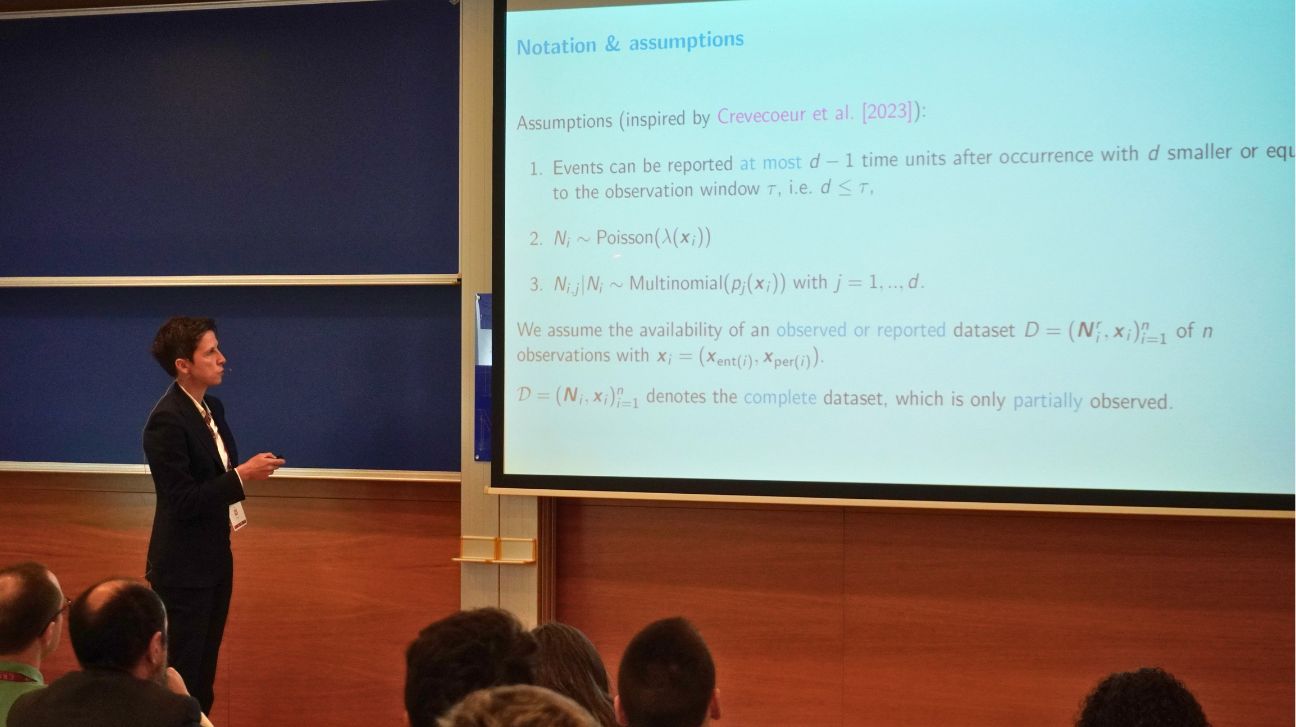
On Thursday, Katrien Antonio (KU Leuven) focused her lecture on Machine Learning in an Expectation–Maximisation Framework for Nowcasting. Starting from the issue of partially observable information and reporting delays, she proposed a framework based on expectation–maximisation that integrates machine learning and deep learning techniques. Her results, particularly relevant in contexts with non-linear effects and high-dimensional data, have direct applications in the modelling of claims related to weather-related events.
 |
 |
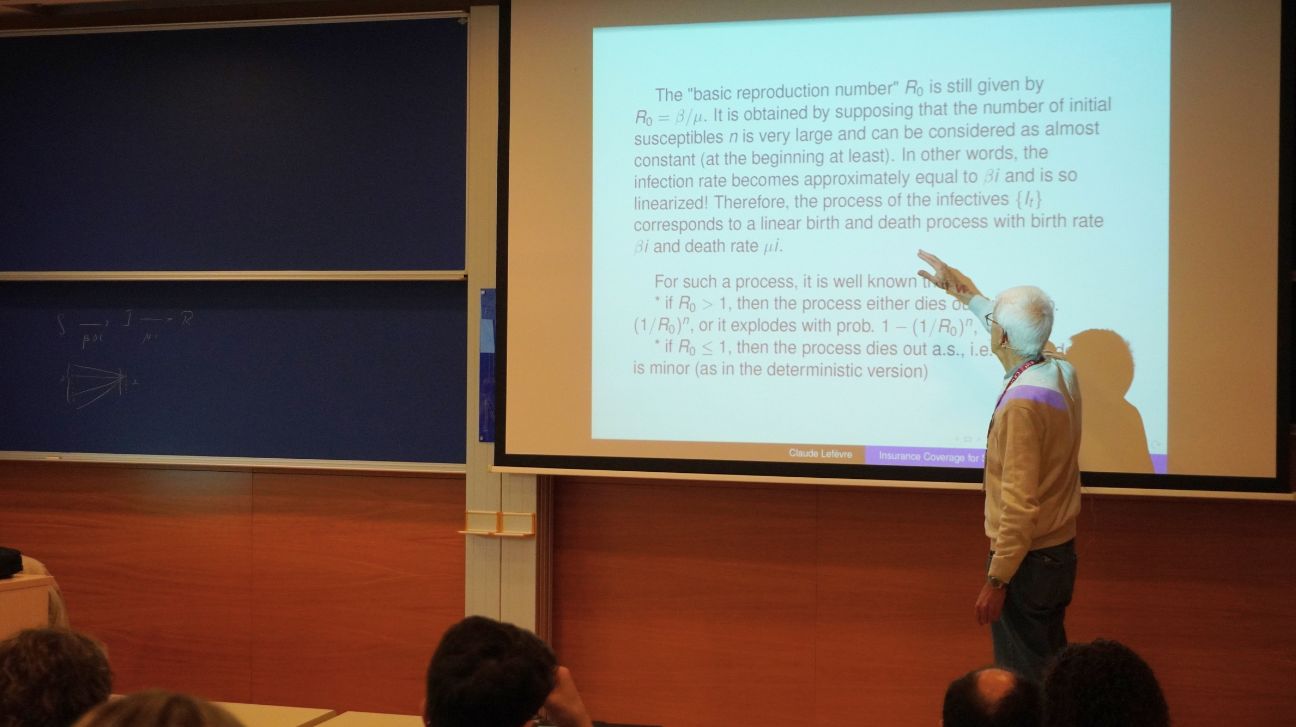
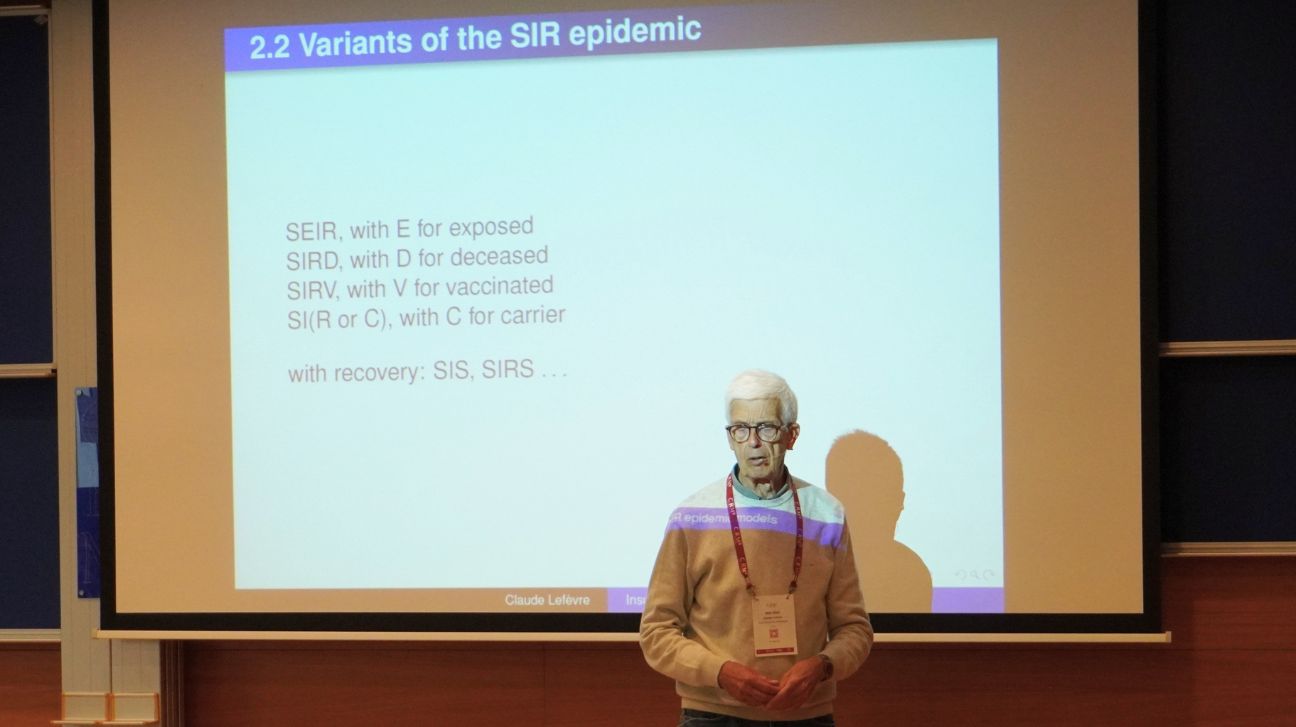
That same day, Claude Lefèvre (Université Libre de Bruxelles) addressed Insurance Coverage for SIR Epidemic Models, centred on stochastic SIR-type models for epidemics. From an actuarial perspective, he analysed premium determination using the equivalence principle, paying particular attention to the total duration of the epidemic process and the expected number of cases. His talk highlighted the mathematical complexity that arises when translating epidemiological models into insurance products.
 |
 |
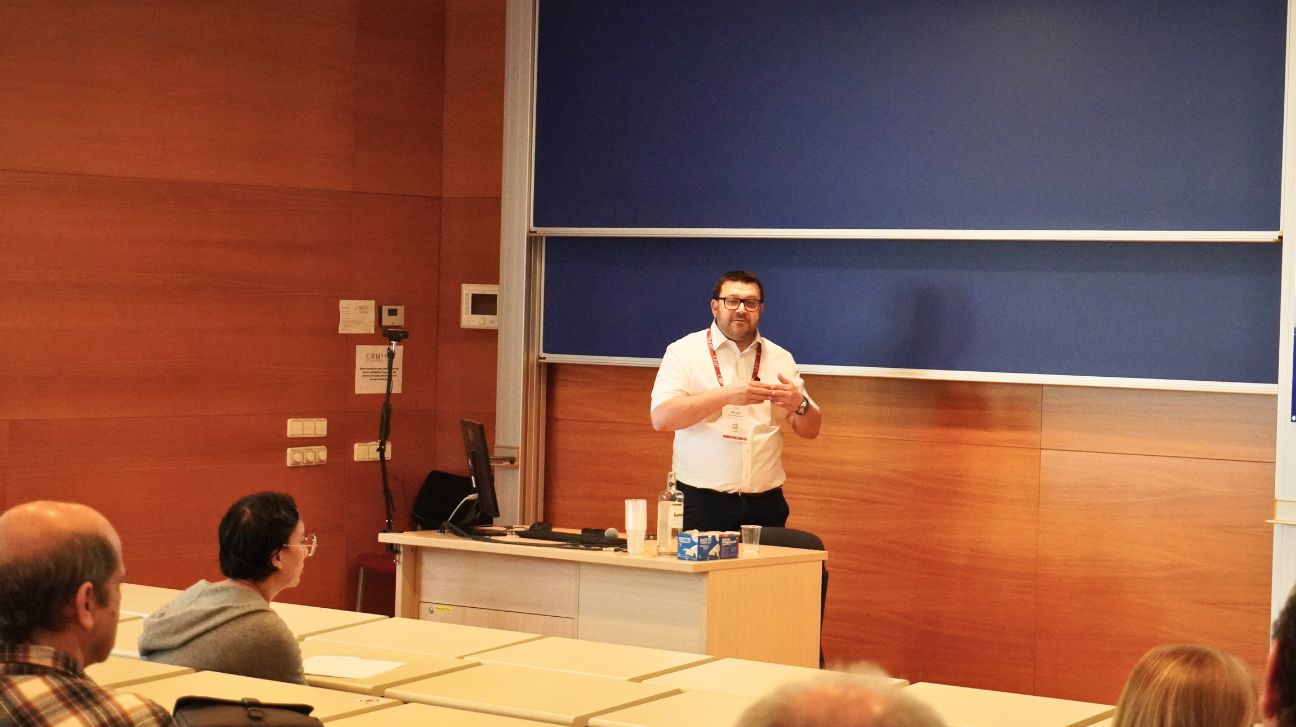
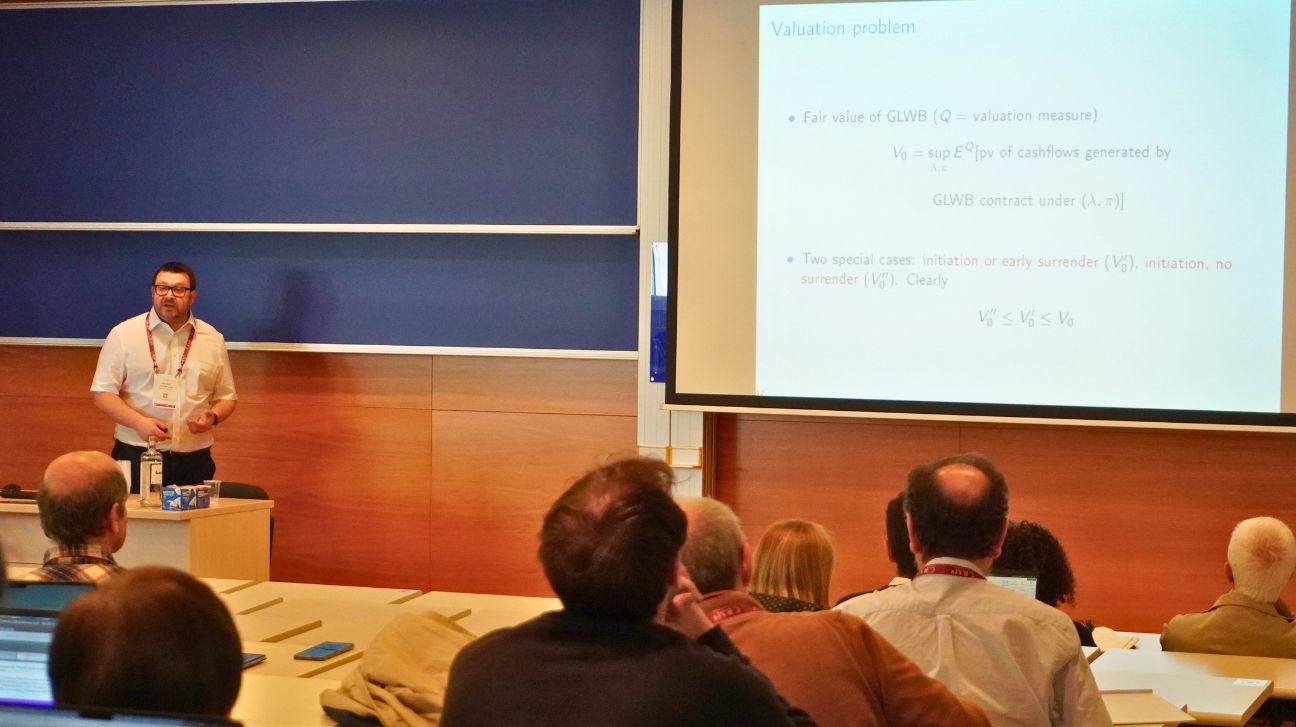
On Friday, Pietro Millossovich (Bayes Business School) presented Three Actuarial Applications of an Iterative Least Square Monte Carlo Algorithm. His lecture demonstrated the flexibility of the Least Squares Monte Carlo (LSMC) method for solving complex problems in life insurance and mortality modelling. Through three applications, he illustrated how this approach allows optimal stopping problems to be addressed while significantly reducing computational complexity.
 |
 |
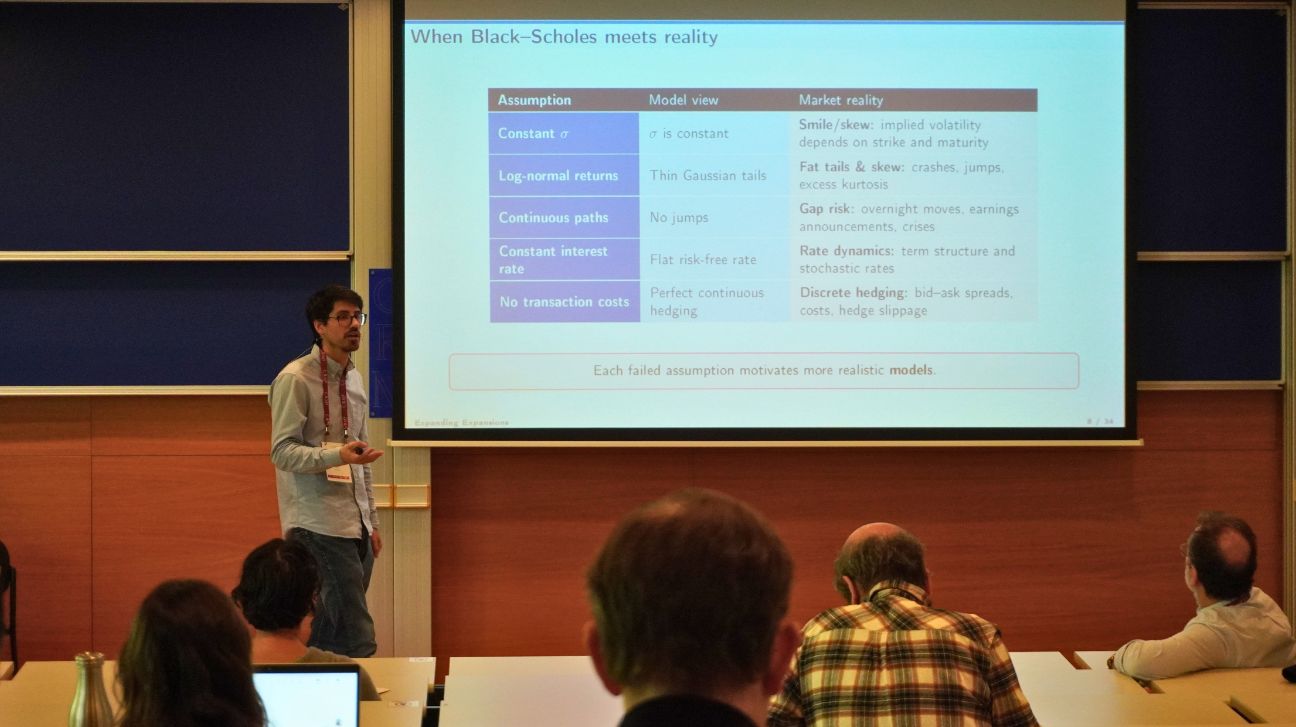
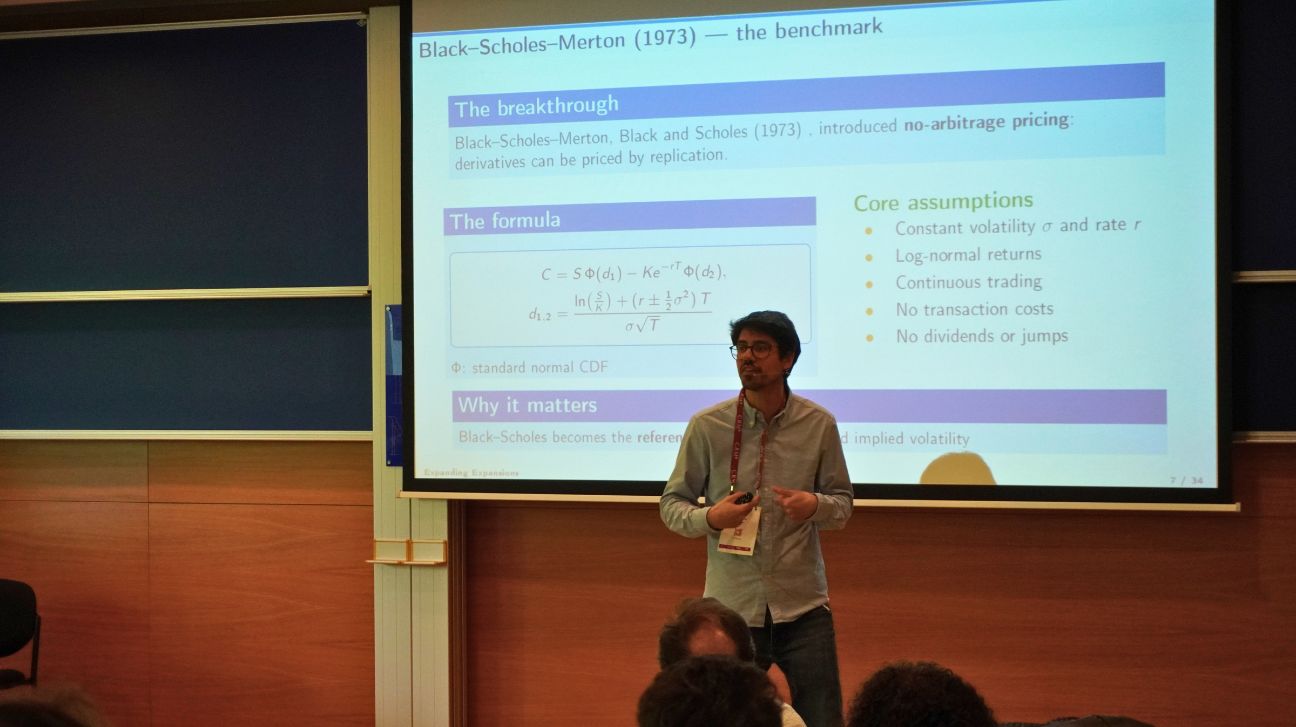
To conclude, Raúl Merino (VidaCaixa), in Expanding Expansions: Beyond Vanillas, reviewed classical expansion methods in quantitative finance and showed how they can be applied beyond so-called vanilla products, i.e. standard financial instruments with simple structures such as basic options or bonds. His talk focused especially on interest rate markets and, using Malliavin calculus techniques, presented approximations capable of systematically capturing convexity effects.
 |
 |
Parallel Sessions and Thematic Areas
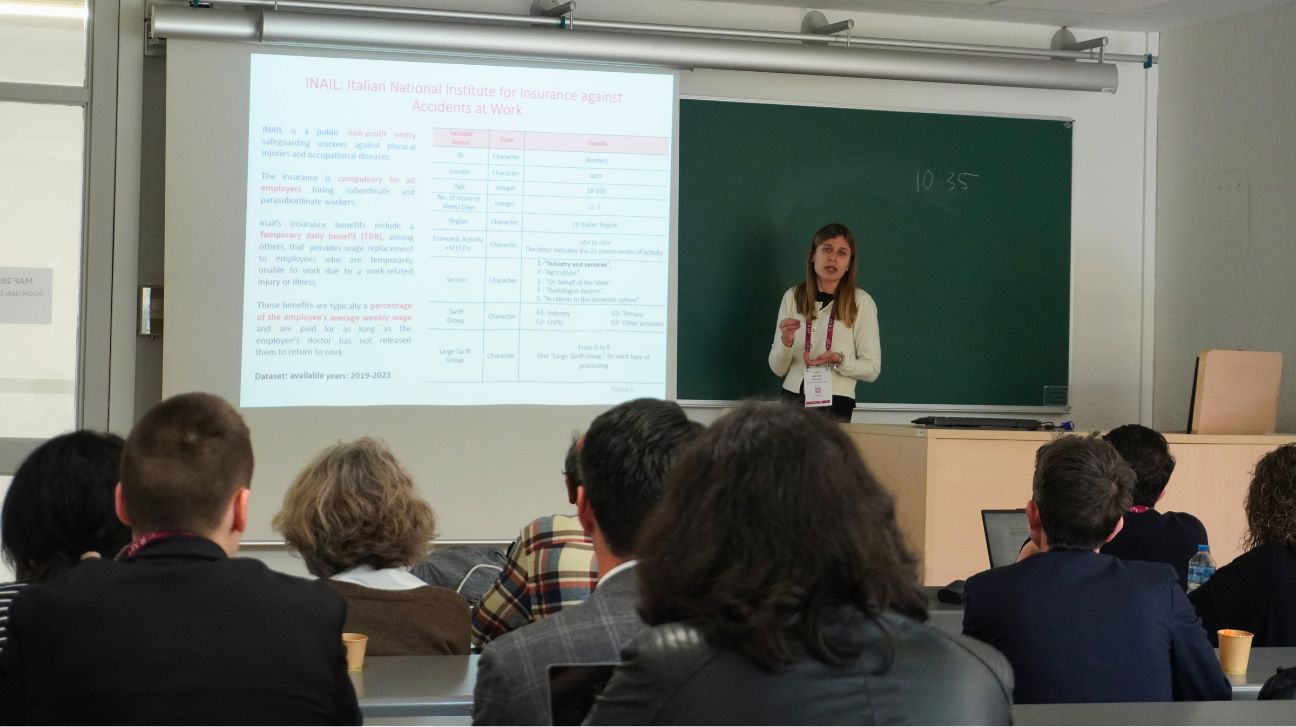
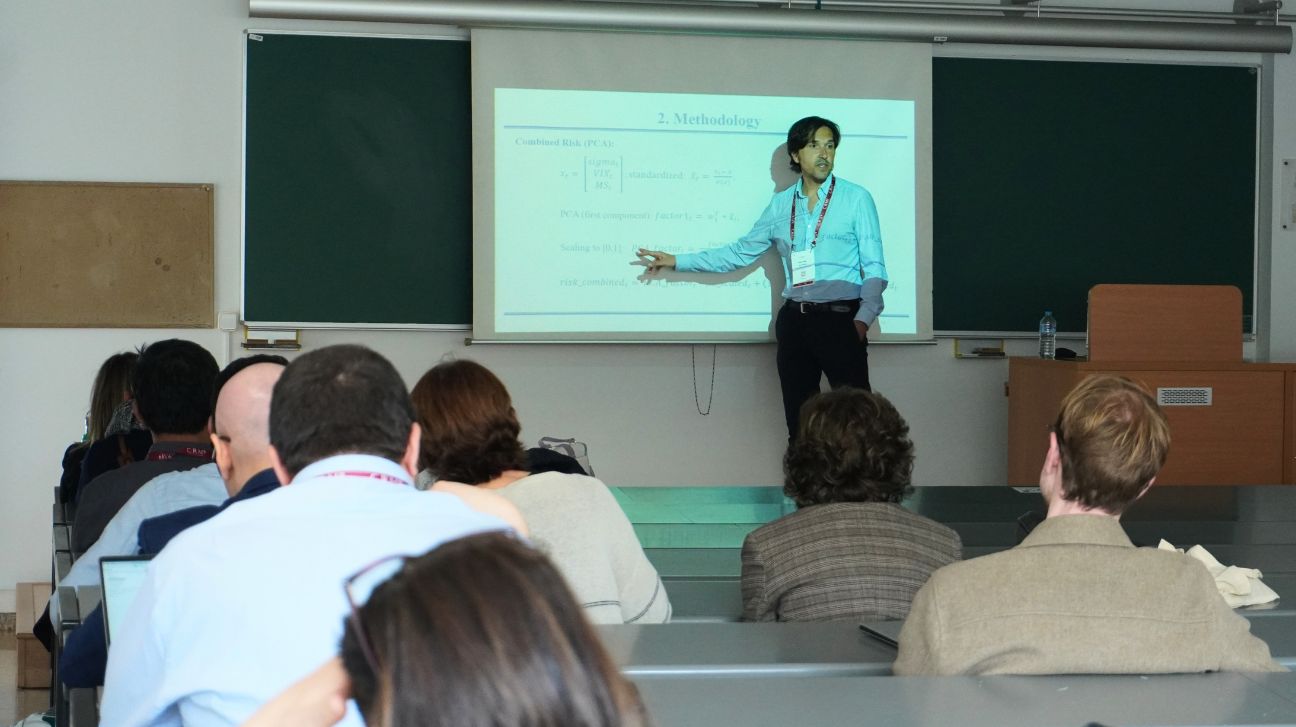
In addition to the plenary lectures, MAF 2026 was structured around parallel and online sessions organised into eight major thematic areas, reflecting the main current research directions in actuarial sciences and finance:
- Climate Risks and Sustainable Finance (ESG), focused on climate risks, energy transition, natural disasters, and sustainable finance.
- Longevity, Health, and Pension Systems, devoted to population ageing, mortality, and the design of sustainable pension systems.
- Machine Learning and Artificial Intelligence, featuring work on model validation, algorithmic biases, and advanced applications in finance and insurance.
- Actuarial Pricing and Count Models, focused on statistical models for pricing and reserving in non-life insurance.
- Financial Networks, Contagion, and Dependence, addressing systemic interconnections, financial contagion, and dependence modelling.
- Portfolio Management and Investment Decisions, dedicated to portfolio optimisation and risk management.
- Financial Mathematics, centred on theoretical models for the valuation of derivatives and complex financial products.
- Actuarial Mathematics, with contributions on actuarial valuation, risk, mortality, and insurance contracts.
 |
 |
 |
 |
An Interdisciplinary Meeting Space
Over the course of three days, the CRM, through MAF 2026, showcased how methodological and theoretical advances can be translated into useful tools to address some of today’s major economic and social challenges, ranging from climate change to population ageing and the digital transformation of the financial sector.
|
|
CRM CommNatalia Vallina
|

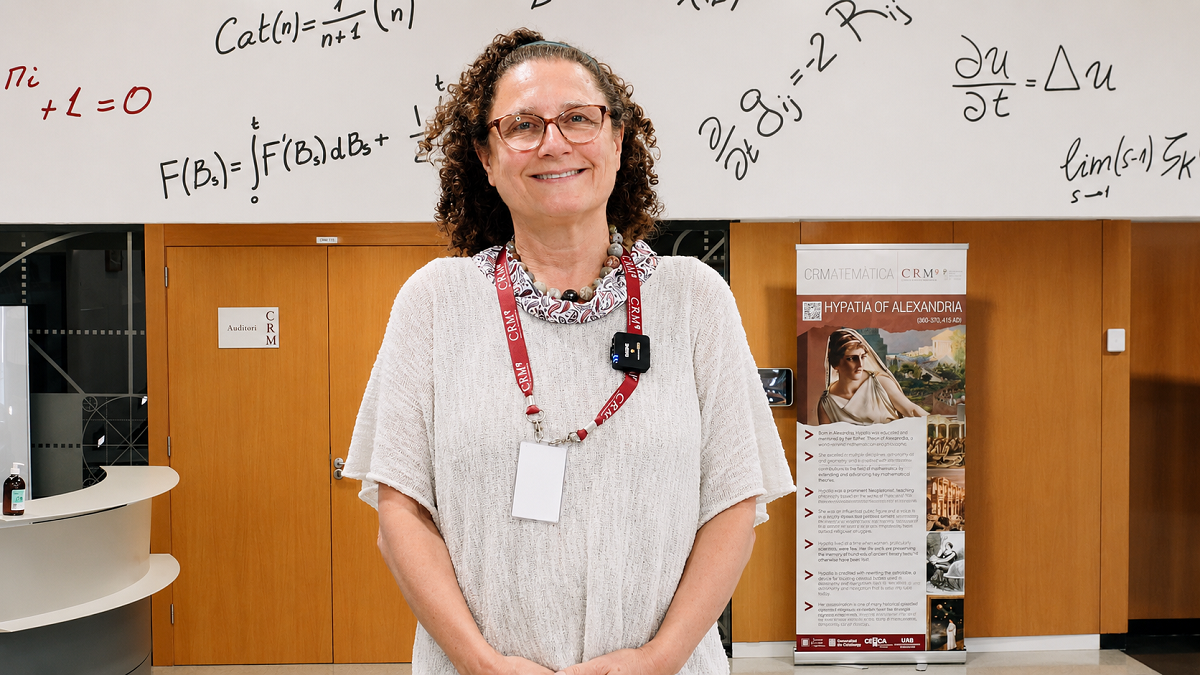
Susanna Terracini delivers the CRM Colloquium 2026
Susanna Terracini (Università di Torino) delivered the CRM Colloquium 2026 on 14 July, presenting a rigidity result for Kepler billiards obtained with Stefano Baranzini, Vivina Barutello and Irene De Blasi. She was at the centre as a member of the CRM Scientific...
Ho Chi Minh City hosts the first SEAMS School on applying mathematics to real-world problems
More than fifty students from six countries spent a week at the University of Science, VNU-HCM, learning how mathematics gets used outside a mathematics department. CRM researcher Tim Myers co-organised the school and lectured on moving boundary problems. The...

A single ball on a fixed table can compute: Eva Miranda and Isaac Ramos prove that two-dimensional billiards are Turing complete
Eva Miranda (UPC, CRM) and Isaac Ramos (ETH Zürich) show that a point particle bouncing inside a planar table with fixed walls can simulate a universal Turing machine, settling a question Cristopher Moore left open in 1990. The result grew out of a master’s project...
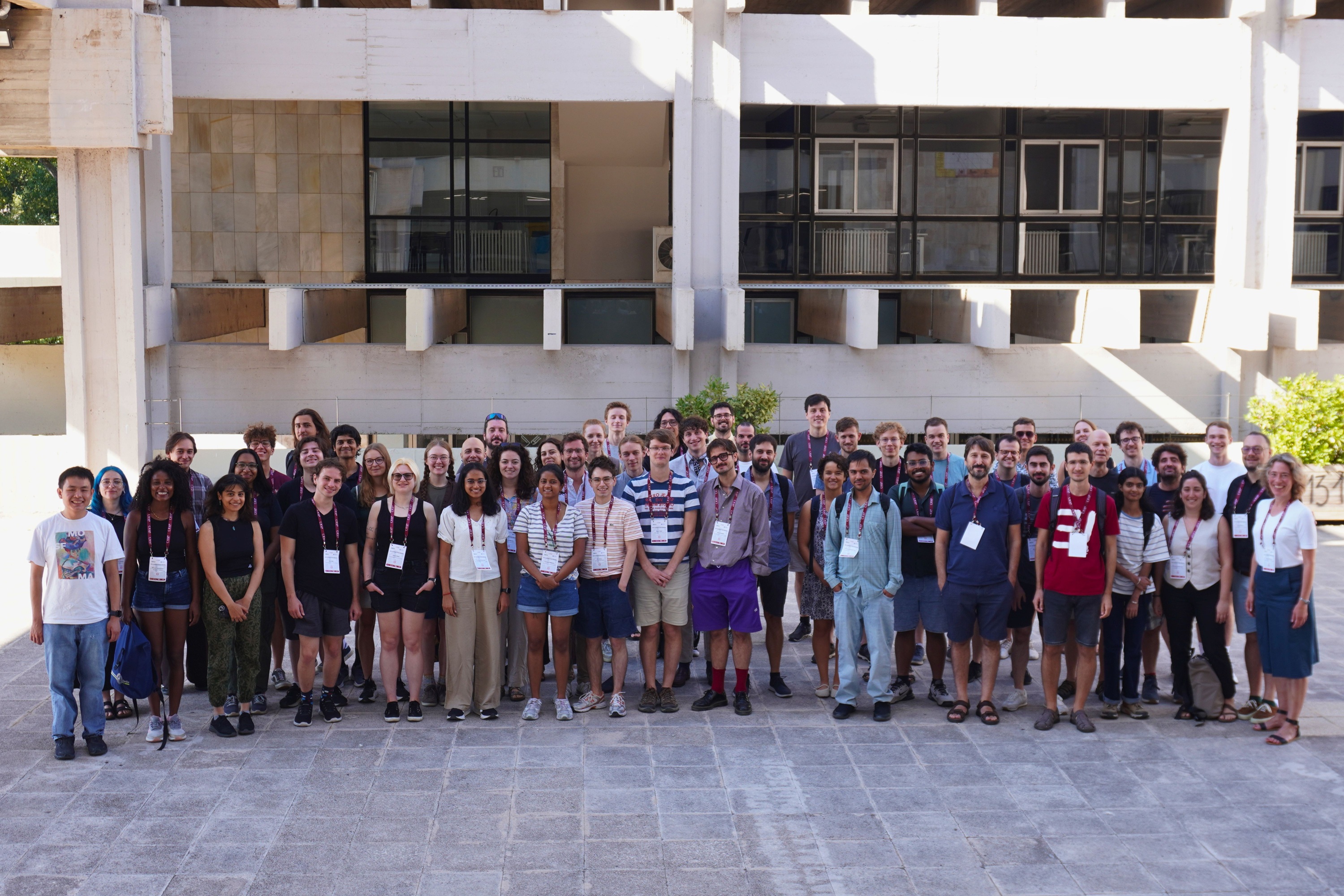
BMS-BGSMath Junior Meeting 2026: Barcelona and Berlin Strengthen Scientific Ties
From 2 to 4 September 2026, the Centre de Recerca Matemàtica (CRM) hosted the BMS-BGSMath Junior Meeting 2026, a three-day event jointly organised by the Berlin Mathematical School (BMS) and the Barcelona Graduate School of Mathematics (BGSMath), with the Centre de...
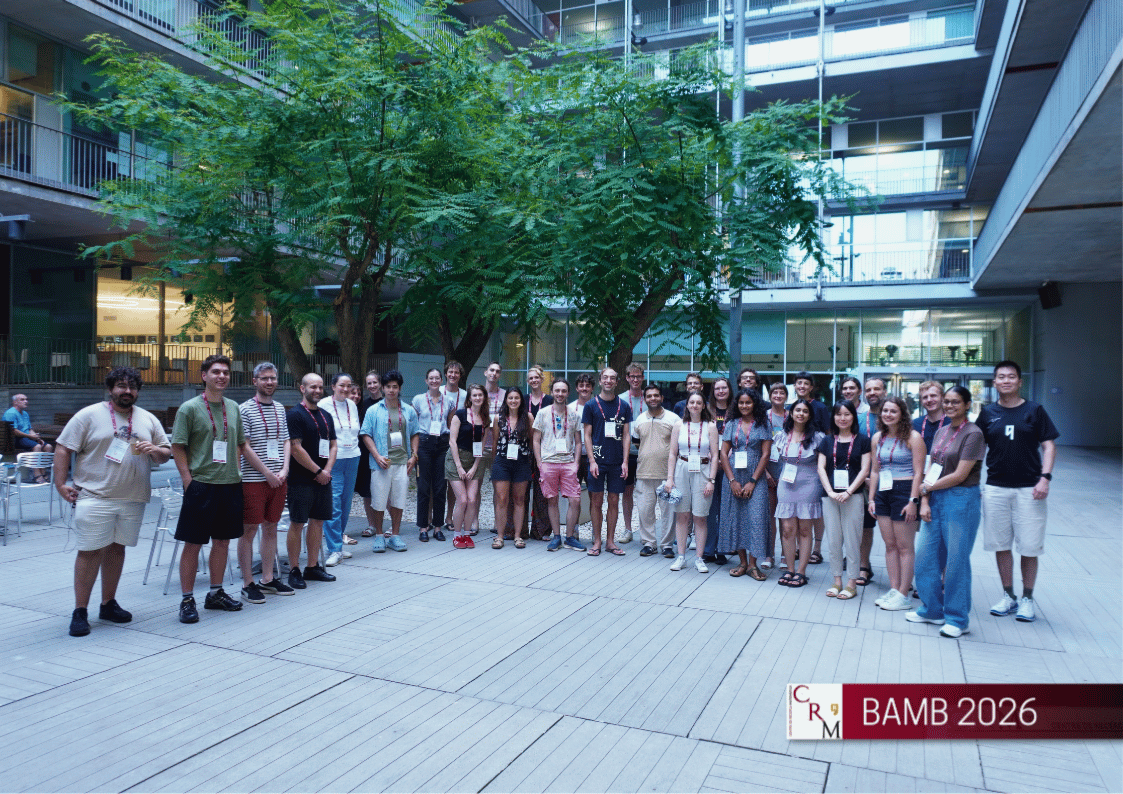
The CRM organises the 2026 Barcelona Summer School for Advanced Modeling of Behavior
The Centre de Recerca Matemàtica held the sixth edition of BAMB!, the Barcelona Summer School for Advanced Modeling of Behavior, from 12 to 23 July 2026 at the Parc de Recerca Biomèdica de Barcelona. Thirty early-career researchers from fourteen countries followed...
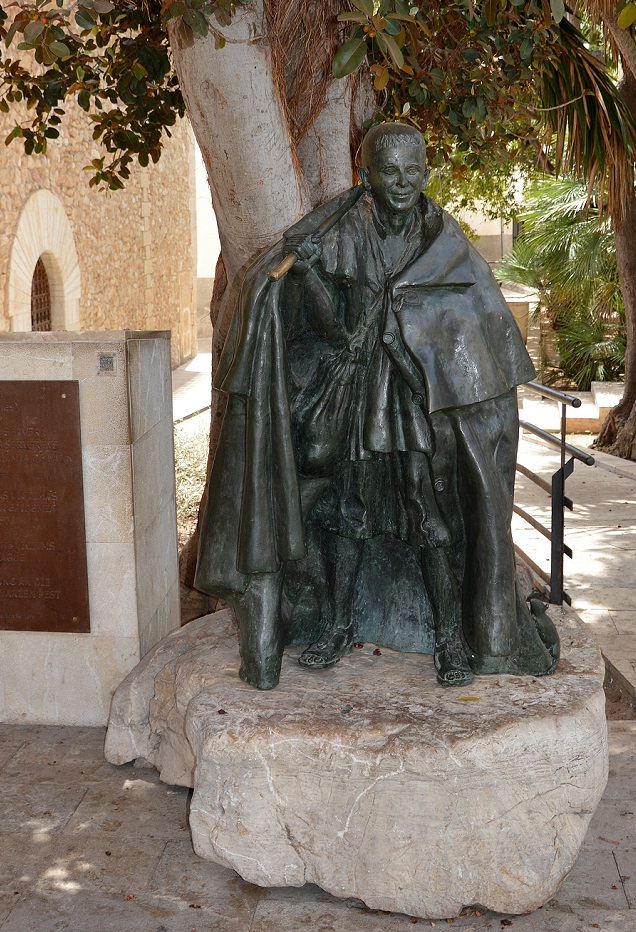
Mallorca’s 1820 plague did not behave like a classic bubonic outbreak, study finds
A study in PNAS by Pere Puig (UAB, CRM) and Joana Maria Pujadas-Mora (UOC, ICREA) reports what happens when the daily health records kept in Son Servera and Capdepera during the 1820 outbreak are analysed with a Bayesian epidemiological model: an unusually short...

A recent study quantifies the vegetable production potential of Barcelona’s rooftops
A study published in Cities by researchers at ICTA-UAB, with collaboration from the CRM's Knowledge Transfer Unit, estimates that 65 hectares of municipal rooftop could supply 31% of the tomatoes consumed in Barcelona each year.Barcelona has 65 hectares of rooftop...
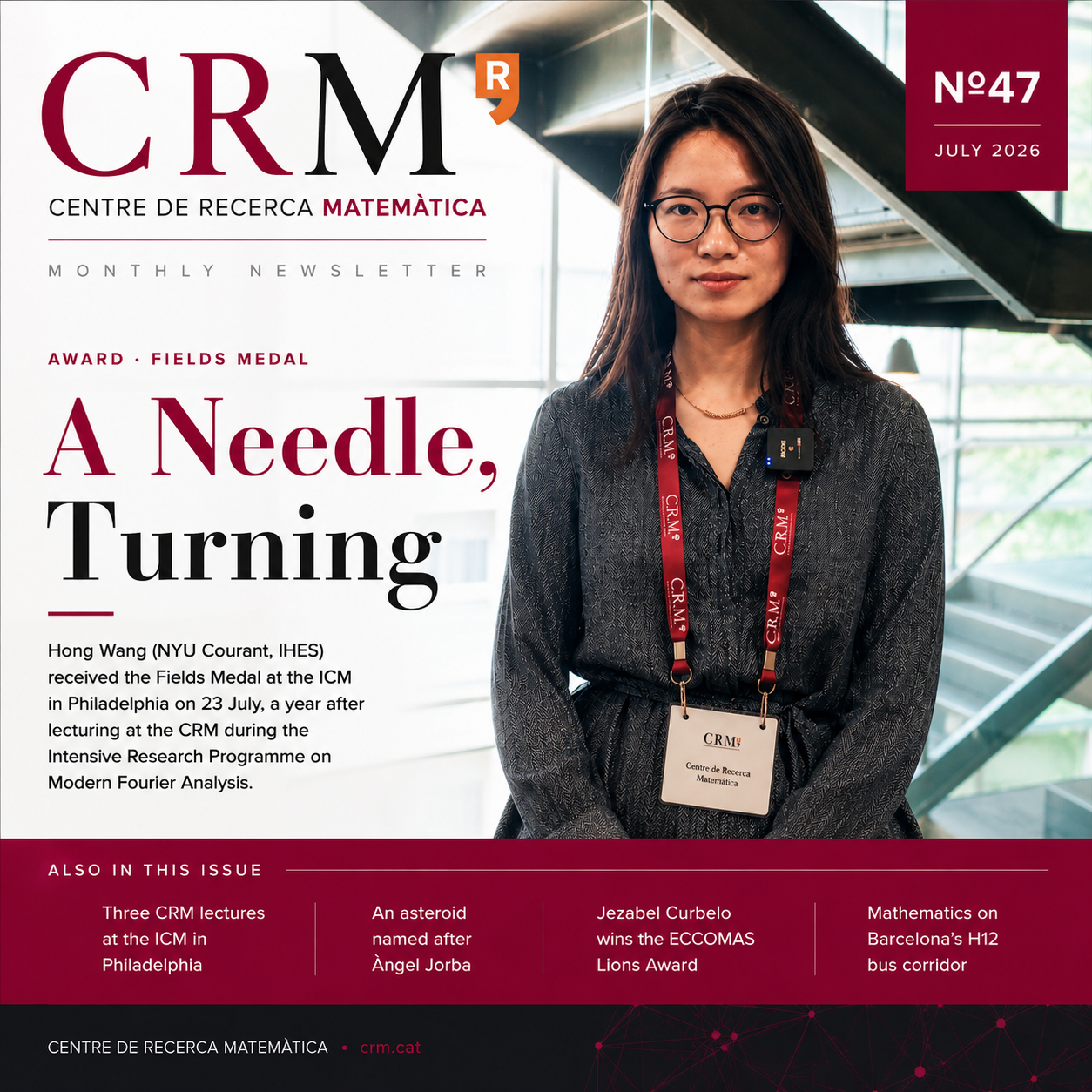
CRM July Newsletter
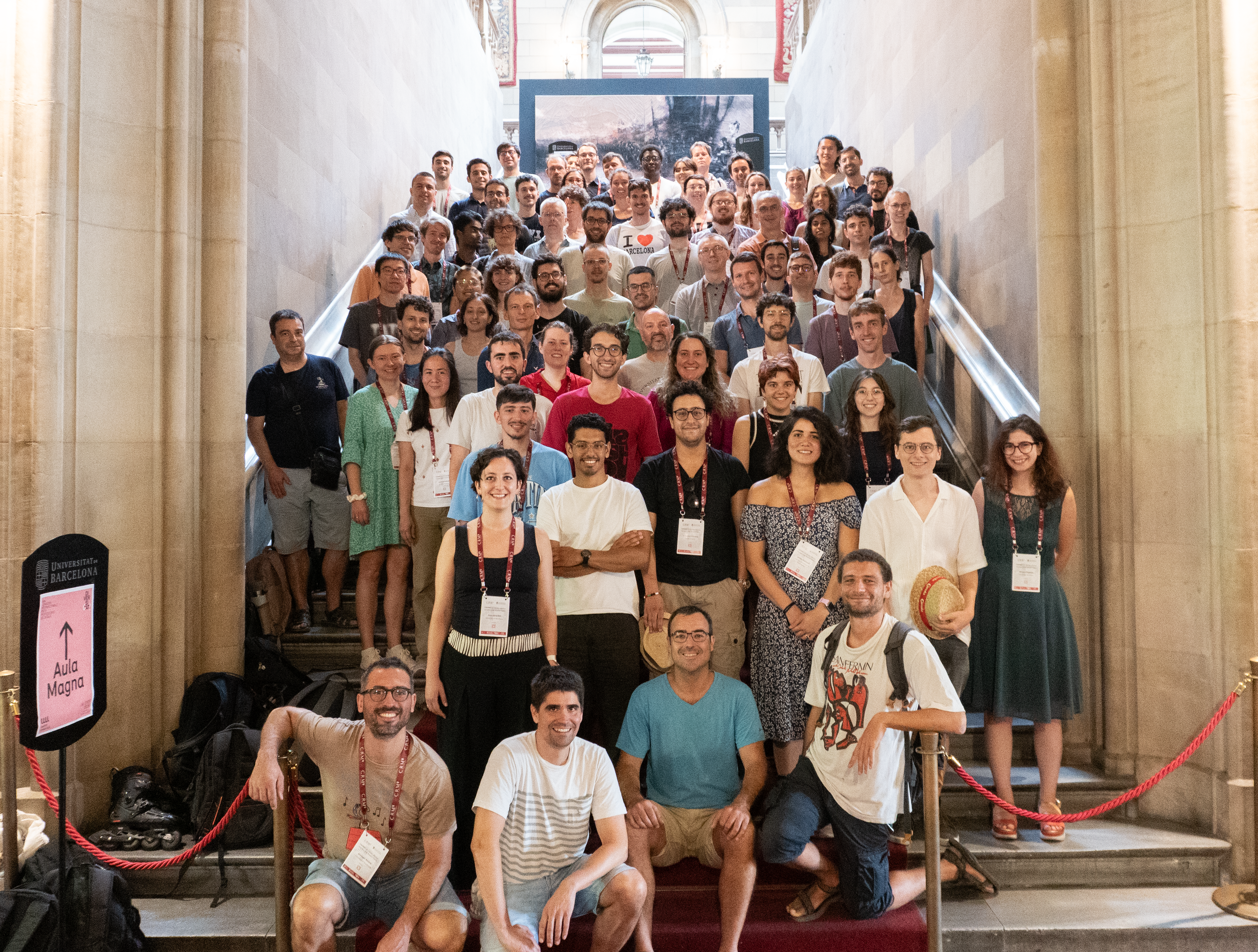
CAVARET 2 brings together 83 researchers on curves and abelian varieties at the Universitat de Barcelona
The second edition of CAVARET, "Curves, Abelian VArieties and RElated Topics", took place at the Faculty of Mathematics and Computer Science of the Universitat de Barcelona from 13 to 17 July 2026. Sixteen invited lectures and ten posters brought together 83...

Mathematics on board: CRM’s demand forecasting model enters service on Barcelona’s H12 corridor
The H12 has run along Gran Via for years. What TMB switched on in July is the set of upgrades designed for it inside eBRT2030, a Horizon Europe project testing electric Bus Rapid Transit in six European cities. Behind it, forecasting passenger demand at every stop...
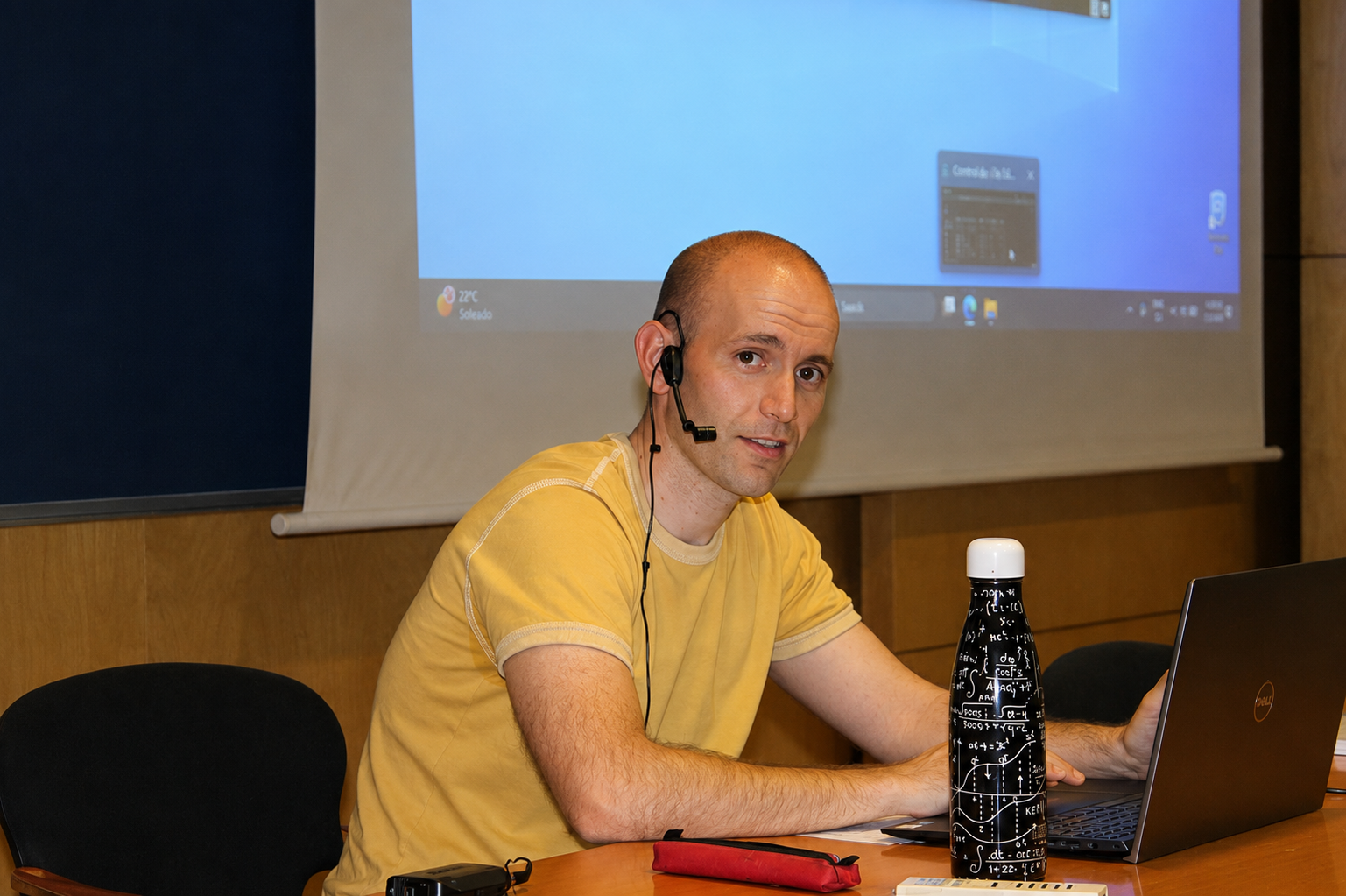
Dídac Gil Rams defends his doctoral thesis on the splitting of separatrices in generalized standard maps
Supervised by Inmaculada Baldomá and Pau Martín, the thesis proves the existence of chaotic dynamics in a broad family of area-preserving maps and combines classical analysis with computer-assisted proof. The defence took place on 3 July 2026 at the FME (UPC).Dídac...
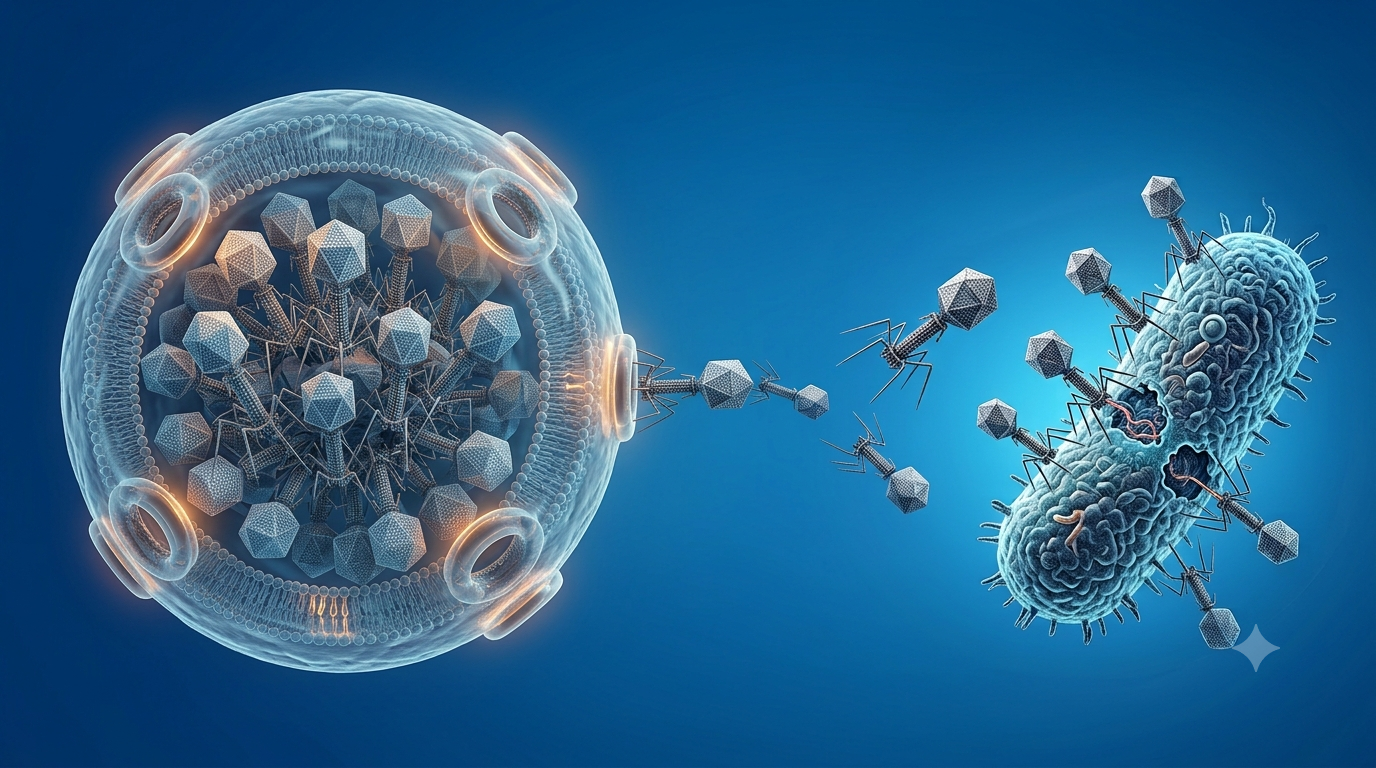
How to Protect Bacteriophages Without Trapping Them? Mathematics to Improve an Alternative to Antibiotics
Bacteriophages — viruses capable of infecting and destroying bacteria — are considered one of the most promising alternatives to tackle the growing problem of antibiotic resistance. However, for these treatments to work, phages must overcome several obstacles before...