Per celebrar Sant Jordi hem demanat a la gent del CRM que ens recomani un llibre. Un. El que tingueu al cap ara mateix. Set persones han respost, i entre les set han aconseguit cobrir quatre idiomes, almenys tres segles i cap gènere repetit. Ciència-ficció, filosofia cartesiana, ficció literària, un clàssic antibèl·lic, surrealisme bèl·lic, estoïcisme i una novel·la sobre cossos de dona. Tot en una sola llista.
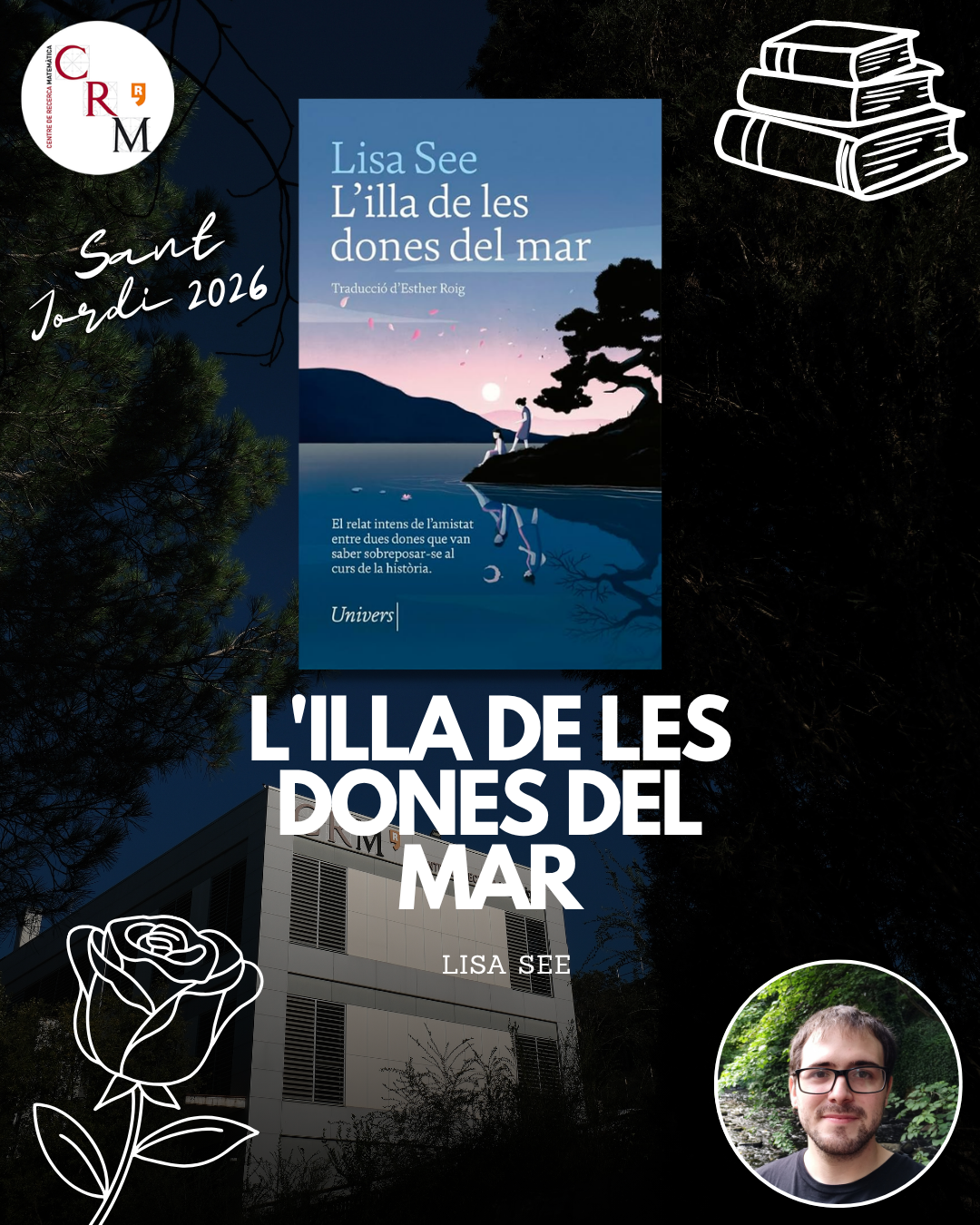
Tomàs Sanz proposa L’illa de les dones del mar, de Lisa See.
“L’argument central és la relació de dues amigues a l’illa de Jeju (Corea), em va agradar molt perquè a través de l’argument explica la societat matriarcal de les haenyeo i la història de Corea al segle XX.”
Tomàs Sanz proposa L’illa de les dones del mar, de Lisa See.
“L’argument central és la relació de dues amigues a l’illa de Jeju (Corea), em va agradar molt perquè a través de l’argument explica la societat matriarcal de les haenyeo i la història de Corea al segle XX.”
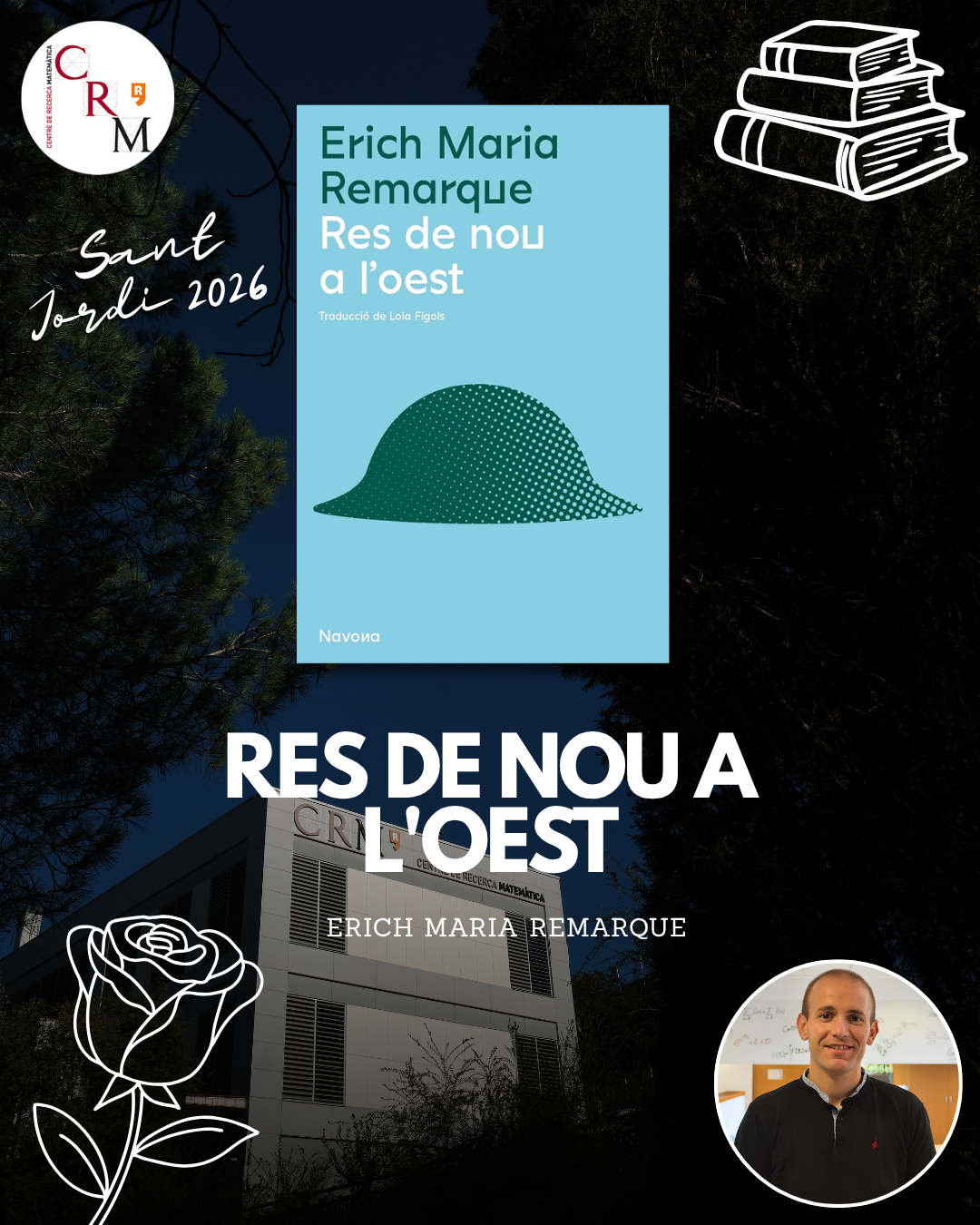
Dídac Gil torna als clàssics amb Res de nou a l’oest, d’Erich Maria Remarque.
“Les vivències i impressions d’un soldat que ens apropa l’absurd d’un front on la vida es desfigura fins quedar desconeguda. Lectura que hauria de ser obligatòria per tots aquells que veuen la guerra com una cosa necessària i/o inevitable.”
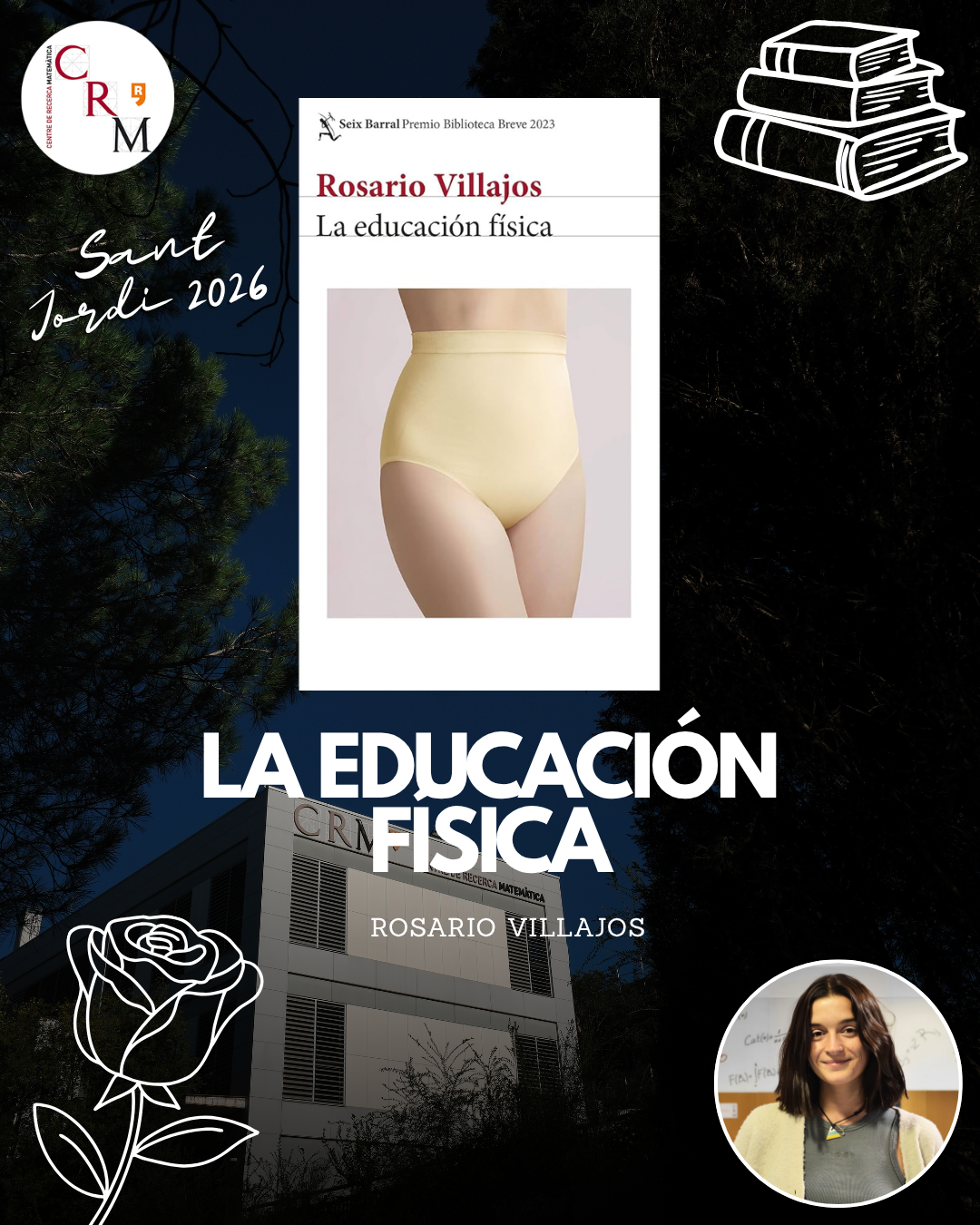
Amaia Vielba recomana La educación física, de Rosario Villajos.
“Explica muy bien cómo se ha utilizado nuestro propio cuerpo (el de las mujeres) en nuestra contra desde que somos pequeñas.”

Jens-Bastian Eppler proposa The Last Days of New Paris, de China Miéville.
“A wildly imaginative novel where surrealist art comes to life and joins the fight against the Nazis in an alternative, fantastical version of Paris during late World War II.”
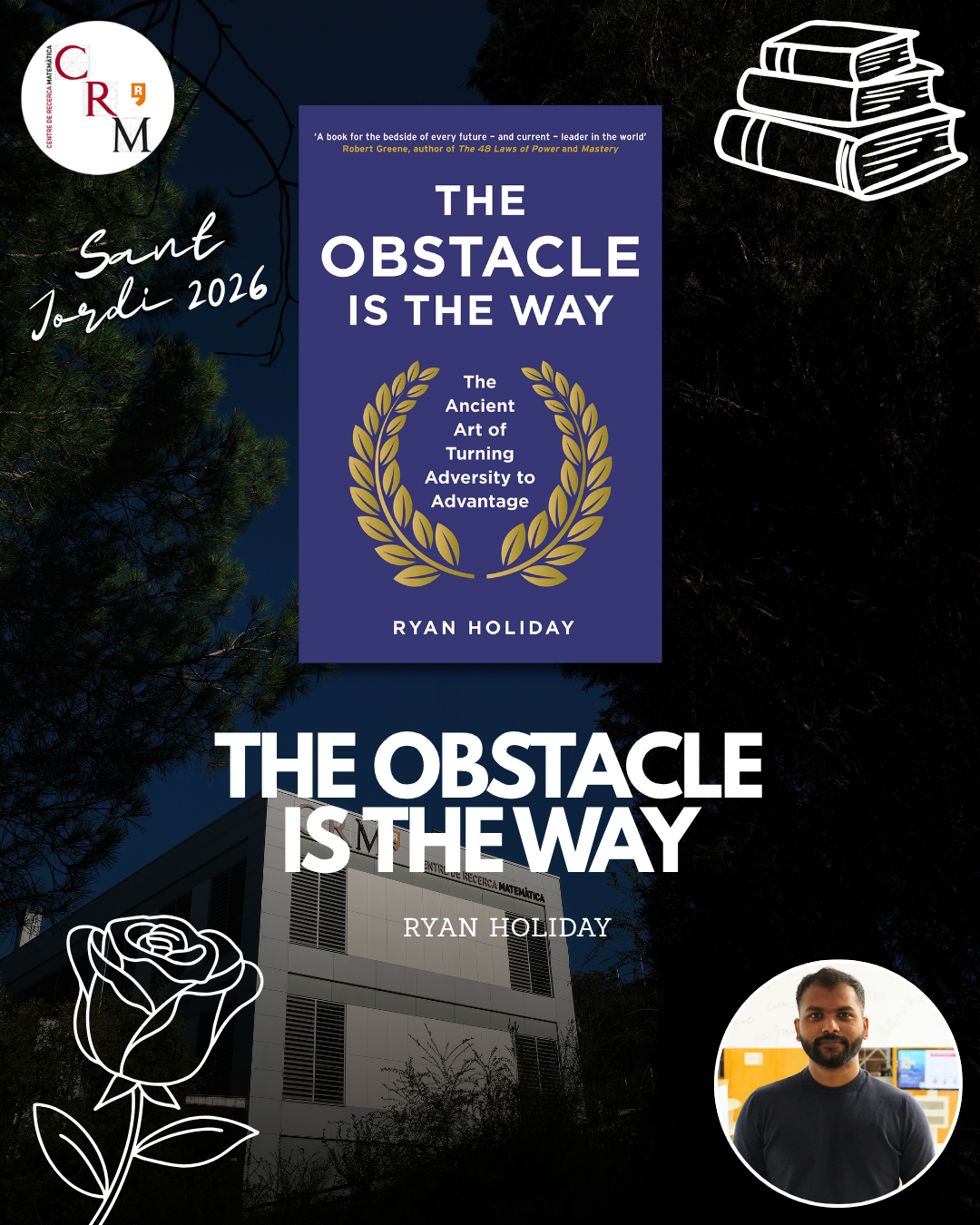
Udayraj Thorat recomana The Obstacle Is the Way, de Ryan Holiday.
“It provides a powerful Stoic reminder: ‘See things for what they are, do what you can, and endure what you must’.”
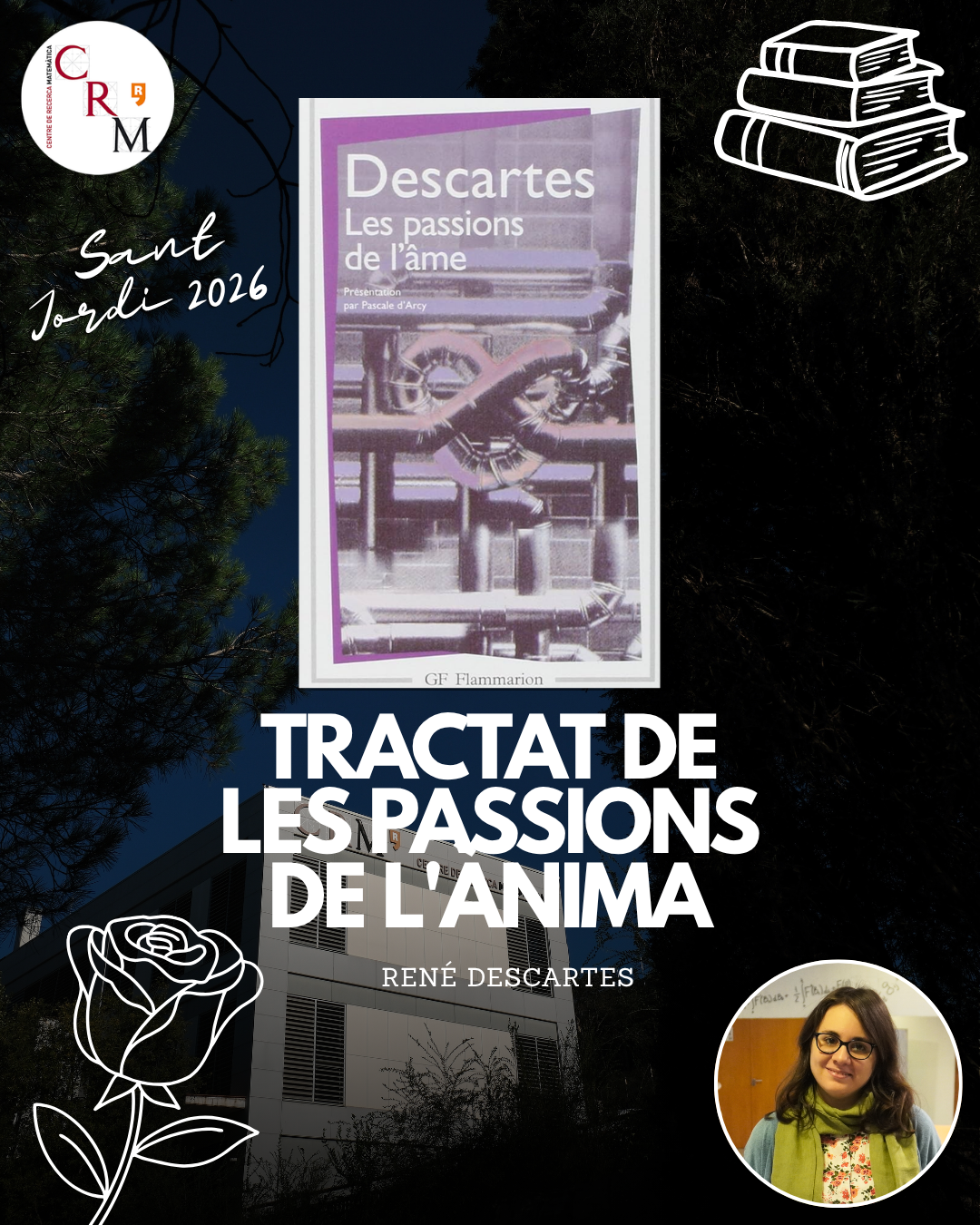
Natalia Vallina proposa el Tractat de les passions de l’ànima, de René Descartes.
“Quan un dels grans matemàtics i filòsofs del segle XVII intenta explicar les emocions humanes bàsiques (admiració, amor, odi, desig, alegria i tristesa) des d’una ment matemàtica, amb un enfocament quasi científic i fisiològic.”
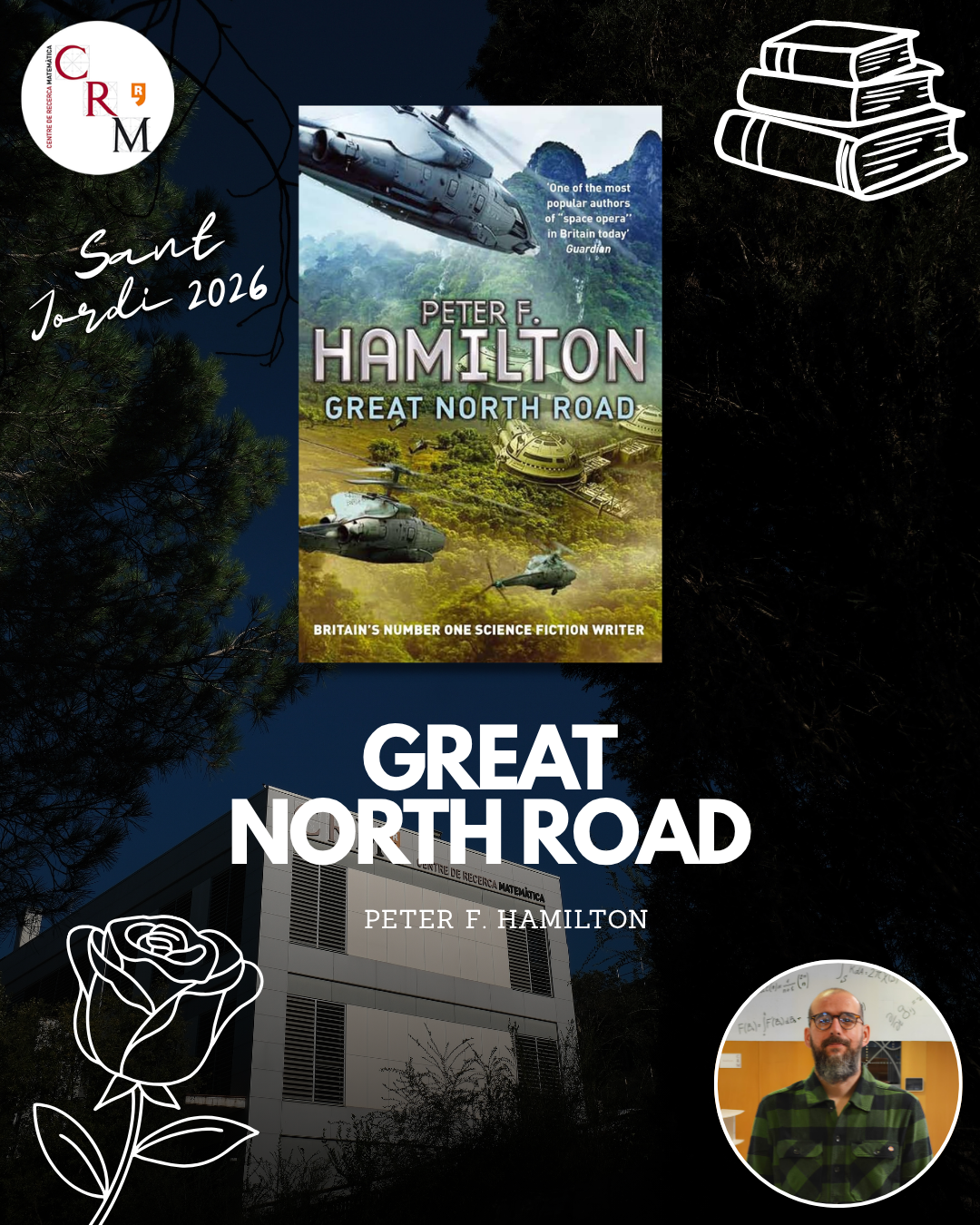
Pau Varela tanca la llista amb Great North Road, de Peter F. Hamilton.
“És d’aquelles novel·les mastodòntiques que es guanyen cada pàgina: un misteri policiac, un trencaclosques de xenobiologia i una distopia corporativa tot plegat, en un futur brut i versemblant a parts iguals.”
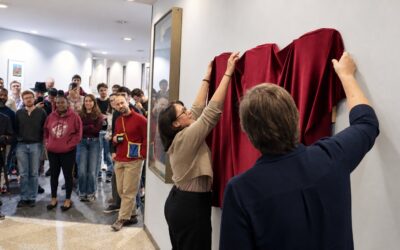
The CRM opens the academic year and unveils its Directors’ Gallery
A review of the year, the Communication Plan 2026–2030 and three research talks filled the morning of 19 October.The unveiling of the Directors’ Gallery.CRM CommPau VarelaCRMComm@crm.catGet the latest CRM news and activities in your inbox.Recent...
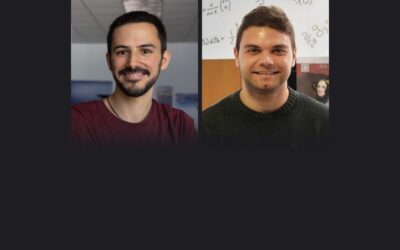
The CRM Mentoring Programme, as Told by One of Its Pairs
PhD student Joaquim Duran and mathematician Robert Cardona, one of the pairs in the CRM Mentoring ProgrammeJoaquim Duran (left) and Robert Cardona.CRM CommPau VarelaCRMComm@crm.catGet the latest CRM news and activities in your inbox.Recent...
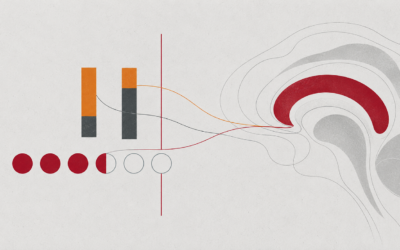
When the reward comes within reach, the brain changes what it compares
As the tokens piled up, choices got faster and more accurate at the same time. The yardstick for judging each offer had moved.CRM CommPau VarelaCRMComm@crm.catGet the latest CRM news and activities in your inbox.Recent newsletters →Two subjects...

Almost every automaton can be reset with a short word
For a random automaton with n states, a word of about √n log n letters is almost always enough to reset it.CRM CommPau VarelaCRMComm@crm.catGet the latest CRM news and activities in your inbox.Recent newsletters →Picture a conveyor belt carrying...
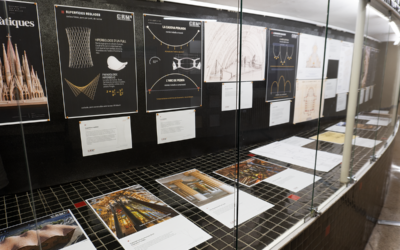
Exposició ‘Les matemàtiques de Gaudí’
CRM quod erat demonstrandum | 48
ADA: Decoding Brain Signals Misaligned in Time
The study addresses a key limitation of current brain decoding techniques: the difficulty of interpreting internal mental processes whose temporal dynamics vary from trial to trial.Decoding what is happening in a person’s mind from their brain activity is one of the...
Rare curves, many points: Christophe Ritzenthaler and Rachel Pries on their research and the work around it
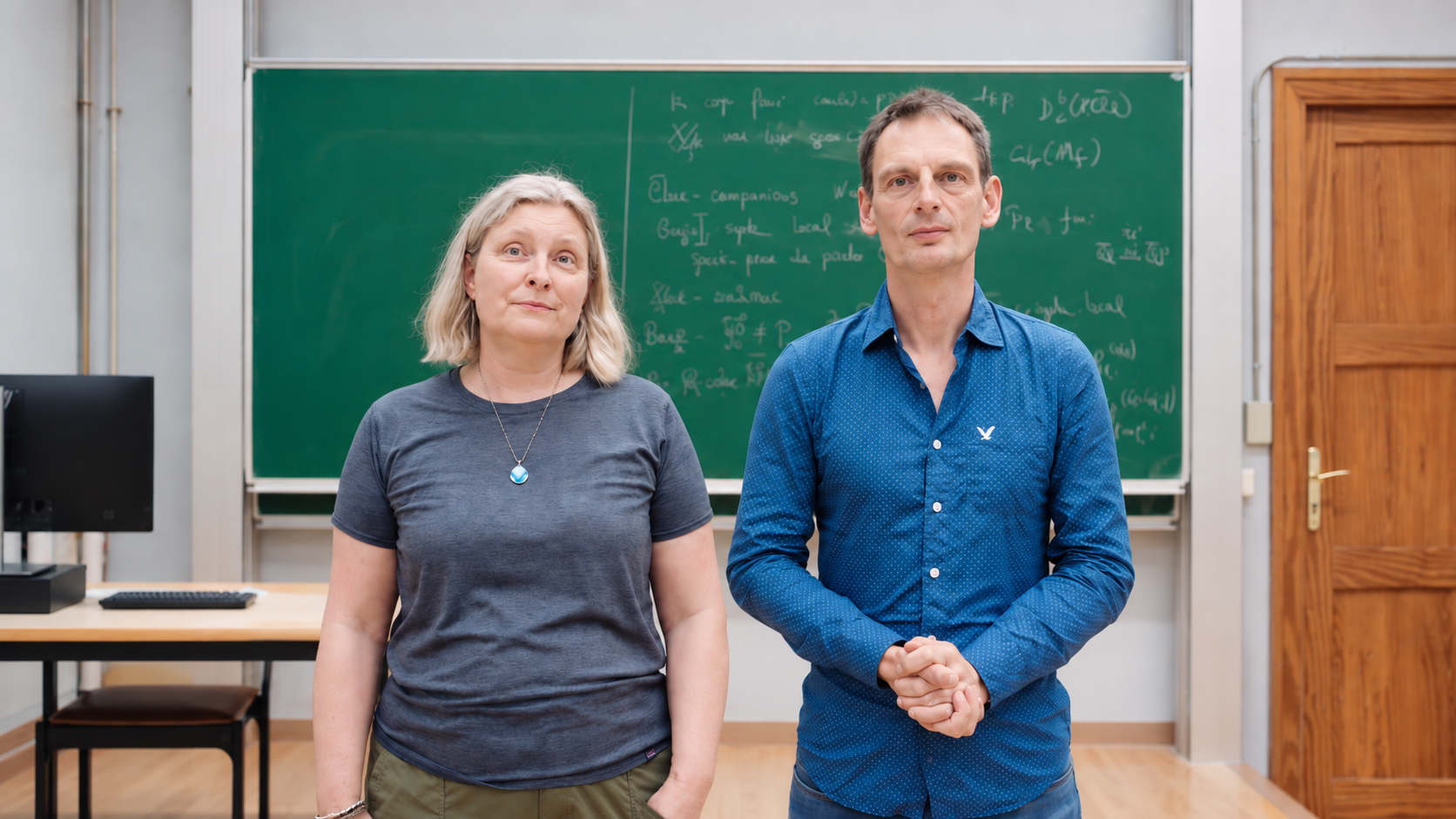
Christophe Ritzenthaler (Université de Rennes) and Rachel Pries (Colorado State University) both work on curves over finite fields: he hunts curves with as many points as possible, she hunts curves that almost never occur. In conversation with the CRM during their...
Call open for the 2027 Ferran Sunyer i Balaguer Prize
The Ferran Sunyer i Balaguer Foundation is accepting submissions for its 2027 prize, which awards 15,000 euros and publication in Birkhäuser's Progress in Mathematics series to an expository monograph on an active area of mathematical research. The deadline is 27...
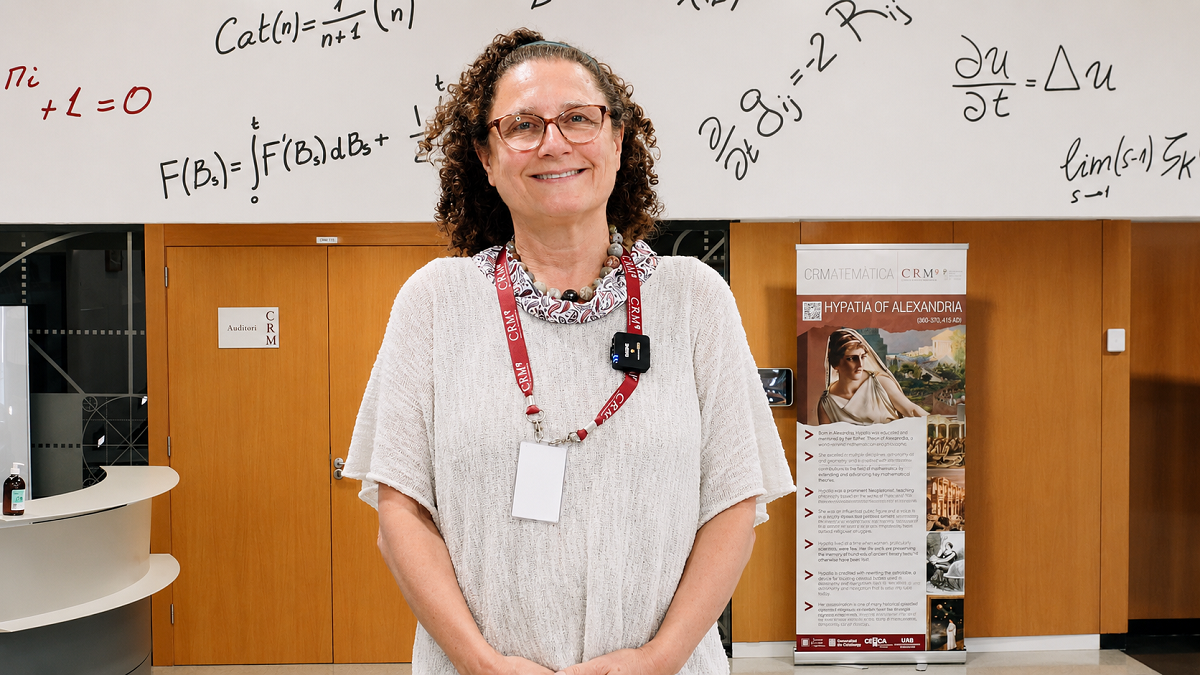
Susanna Terracini delivers the CRM Colloquium 2026
Susanna Terracini (Università di Torino) delivered the CRM Colloquium 2026 on 14 July, presenting a rigidity result for Kepler billiards obtained with Stefano Baranzini, Vivina Barutello and Irene De Blasi. She was at the centre as a member of the CRM Scientific...
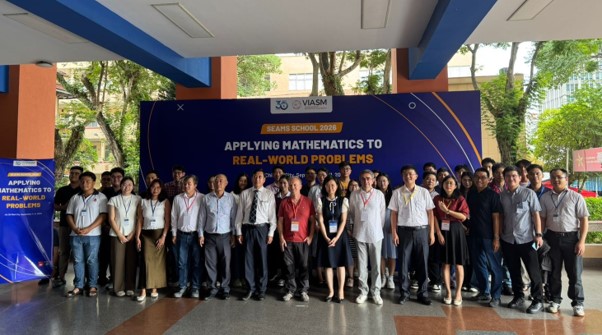
Ho Chi Minh City hosts the SEAMS School on applying mathematics to real-world problems
Students from across the region took courses and worked on group projects at a school co-organised by CRM researcher Tim Myers.CRM CommPau VarelaCRMComm@crm.catGet the latest CRM news and activities in your inbox.Recent newsletters →Between 4 and...

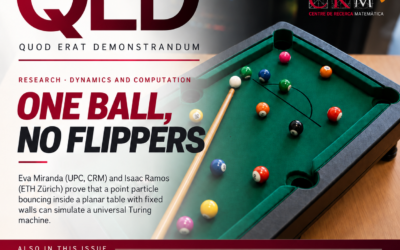
A single ball on a fixed table can compute: Eva Miranda and Isaac Ramos prove that two-dimensional billiards are Turing complete
Eva Miranda (UPC, CRM) and Isaac Ramos (ETH Zürich) show that a point particle bouncing inside a planar table with fixed walls can simulate a universal Turing machine, settling a question Cristopher Moore left open in 1990. The result grew out of a master’s project...
|
|
CRM CommPau Varela
|