The Centre de Recerca Matemàtica has approved its Strategic Plan for 2026 – 2030, setting priorities in research, training, and knowledge transfer. Four flagship initiatives anchor the scientific programme.
The Centre de Recerca Matemàtica approved its Strategic Plan for 2026 – 2030 last month, a document that lays out where the institution is heading across research, training, and its relationship with the broader scientific community. It contains eight global objectives, four core scientific blocks, and four flagship programmes.
The CRM was founded in 1984, which makes it Spain’s oldest mathematics research institute. Since 2021, it has grown considerably, partly through framework agreements with the three main Catalan universities (UAB, UPC, and UB) and partly through the renewal of the María de Maeztu Unit of Excellence distinction, which brought two million euros in additional funding. Eight ERC grants have been awarded to CRM affiliated researchers over the past decade. Between 2022 and 2024, the centre hosted over 120 scientific events with nearly 4,500 participants from across the world. The plan takes this recent period as its starting point without treating it as a guarantee of what comes next.
The scientific programme is organised around four core areas: analysis and PDEs together with dynamical systems, algebra and geometry, mathematical modelling, and combinatorics. Additionally, the document also signals four flagship initiatives. Two of them sit at the intersection of mathematics and artificial intelligence. One develops the mathematical underpinnings of generative AI, drawing on transport theory, partial differential equations, and high-dimensional dynamical systems. The other aims to position the CRM as a reference centre in computer-assisted proofs, a field that has expanded rapidly as computational tools become capable of verifying arguments that would take humans years to check by hand. A third flagship supports the formalisation of mathematics; writing proofs in computer-verifiable language using systems like Lean or Coq, a shift that some in the field consider genuinely transformative. The fourth addresses multiscale modelling for problems in biology, climate change, and public health. These are not easy problems to put numbers on.
The document also acknowledges the CRM’s Knowledge Transfer Unit role in translating abstract mathematical results into applications with legible real-world effects. A project optimising bus networks for Transports Metropolitans de Barcelona, and collaborations with the Institut de Ciències del Mar and Alba Synchrotron, point to what this looks like when it does happen. The plan sets out mechanisms to make it happen more often.
On training, the aim is to develop the Barcelona Graduate School of Mathematics into a genuinely international reference for doctoral and postdoctoral education. The CRM currently supervises 15 to 16 defended theses per year. The plan wants to convert more master’s students into doctoral candidates (the 2023–2024 data suggests that the gap is wider than it should be), and to give postdoctoral researchers clearer pathways toward independent positions, something that has historically been left somewhat to chance.
The Strategic Plan 2026–2030 is available on the CRM website.
|
|
CRM CommPau Varela
|
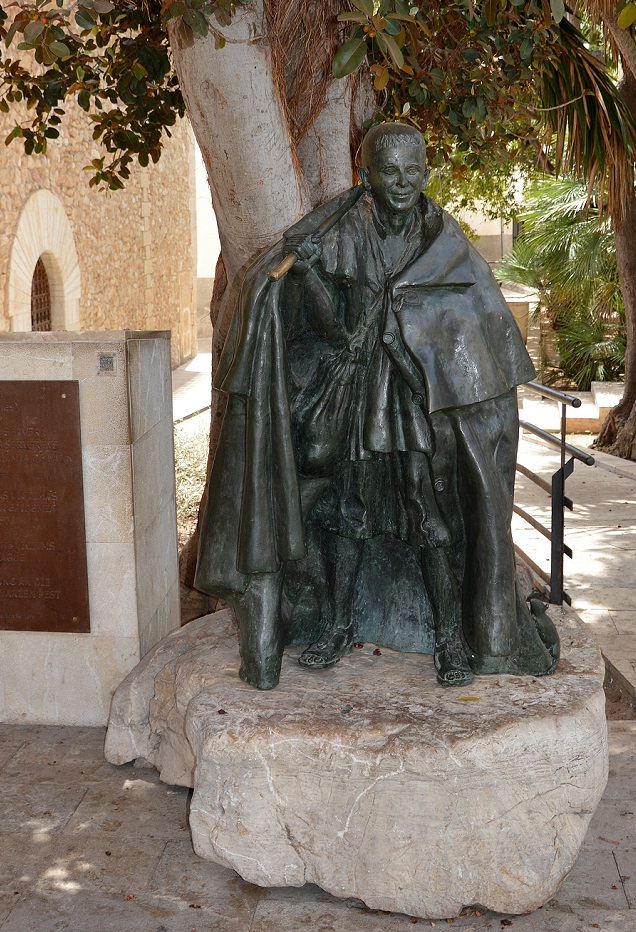
Mallorca’s 1820 plague did not behave like a classic bubonic outbreak, study finds
A study in PNAS by Pere Puig (UAB, CRM) and Joana Maria Pujadas-Mora (UOC, ICREA) reports what happens when the daily health records kept in Son Servera and Capdepera during the 1820 outbreak are analysed with a Bayesian epidemiological model: an unusually short...
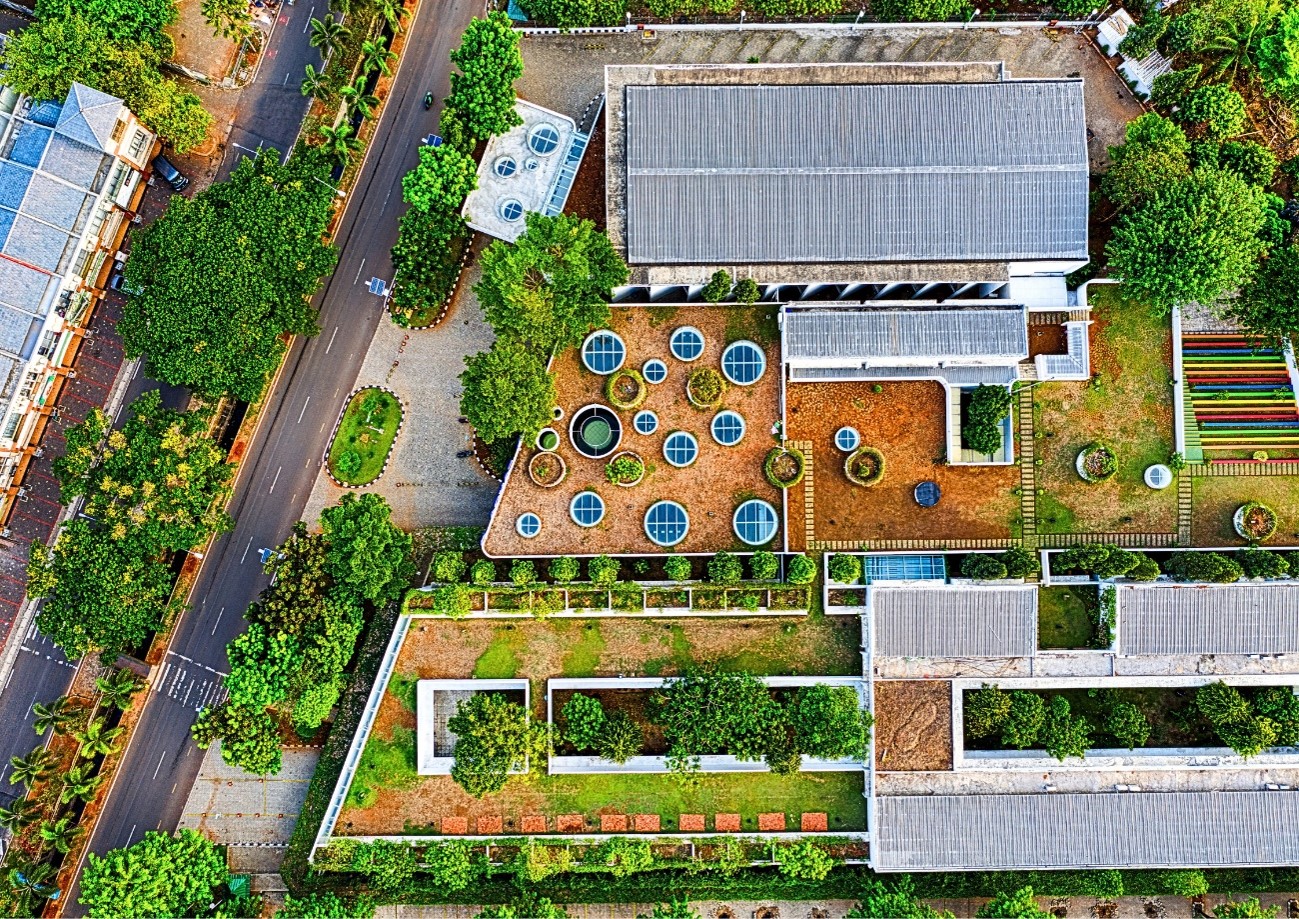
A recent study quantifies the vegetable production potential of Barcelona’s rooftops
A study published in Cities by researchers at ICTA-UAB, with collaboration from the CRM's Knowledge Transfer Unit, estimates that 65 hectares of municipal rooftop could supply 31% of the tomatoes consumed in Barcelona each year.Barcelona has 65 hectares of rooftop...
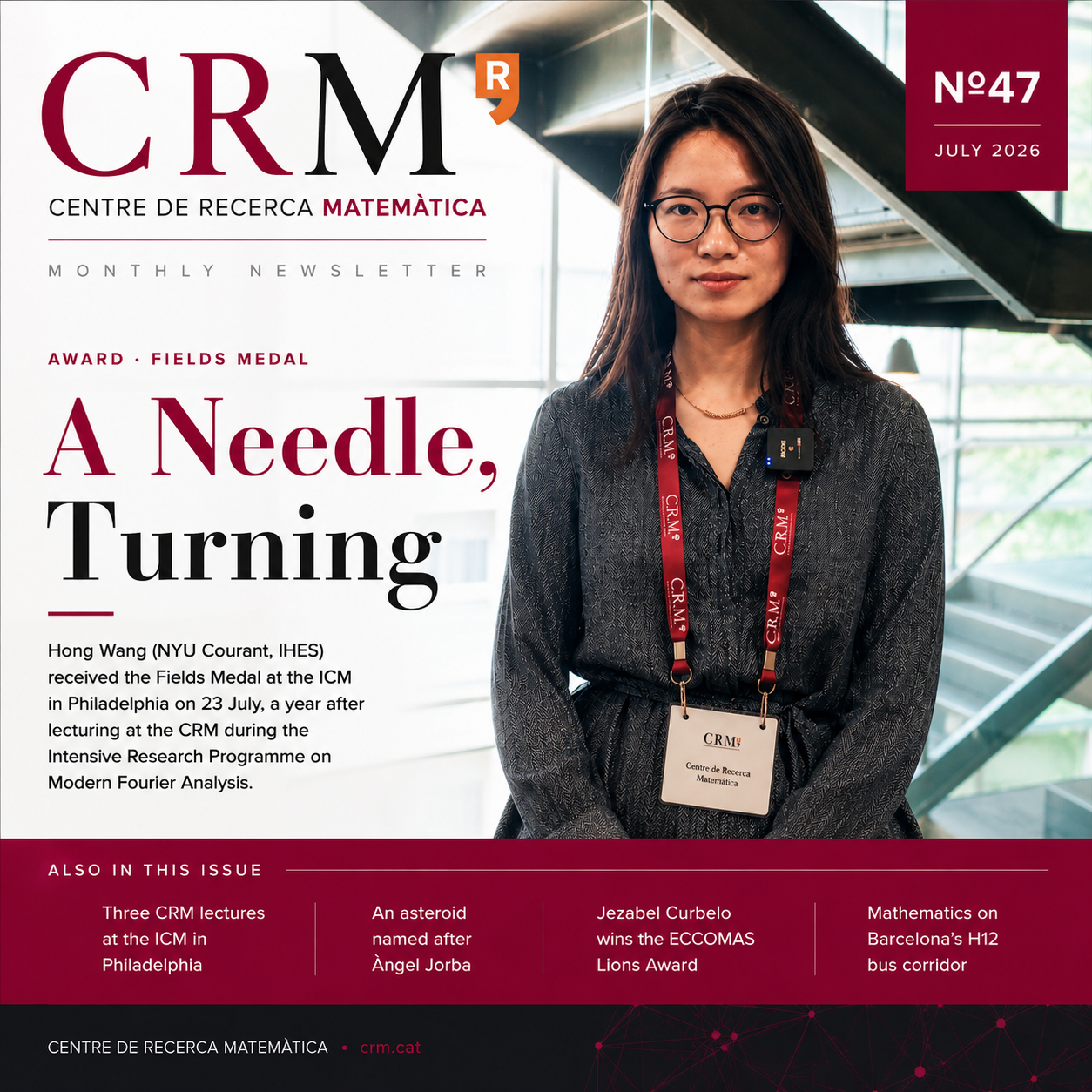
CRM July Newsletter
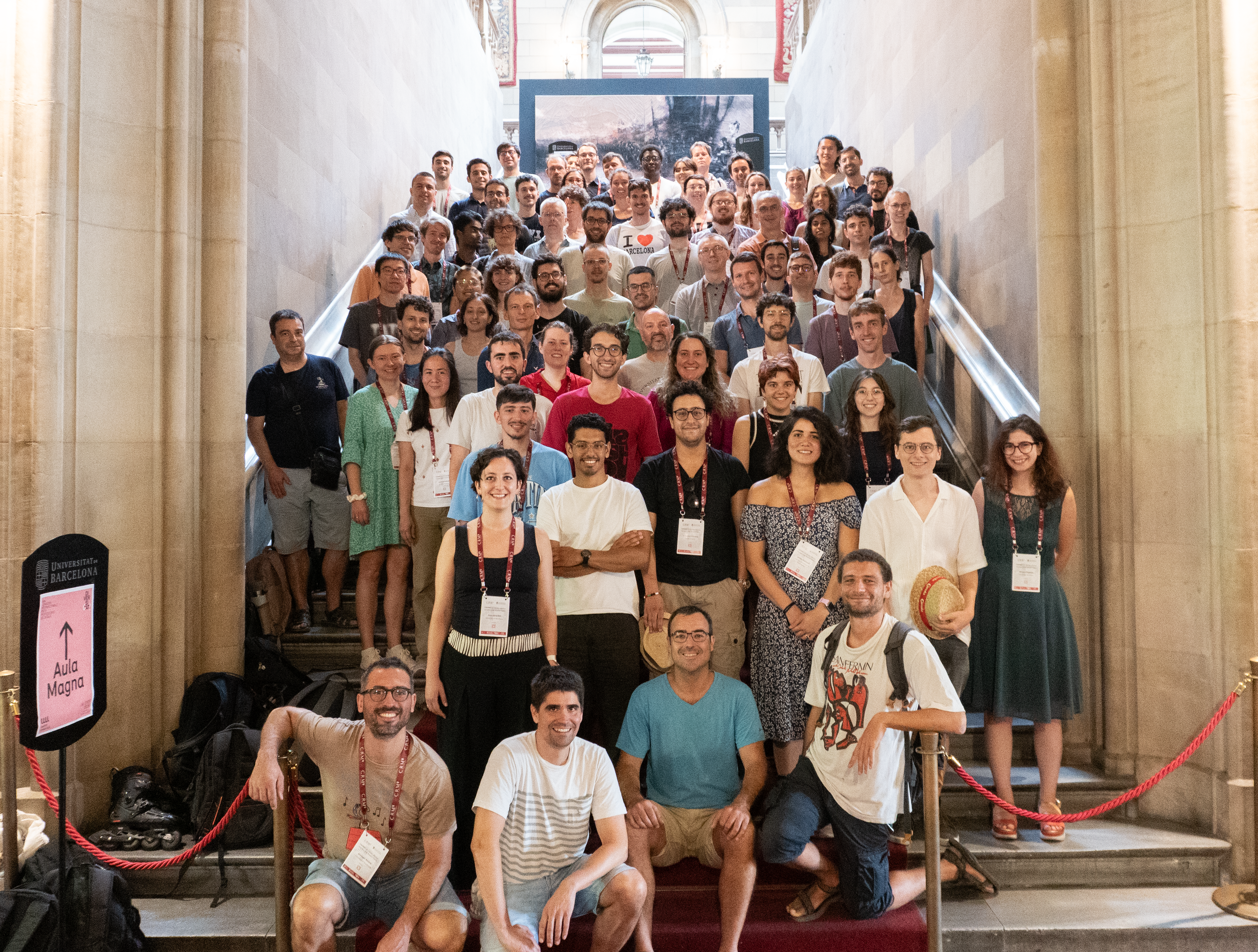
CAVARET 2 brings together 83 researchers on curves and abelian varieties at the Universitat de Barcelona
The second edition of CAVARET, "Curves, Abelian VArieties and RElated Topics", took place at the Faculty of Mathematics and Computer Science of the Universitat de Barcelona from 13 to 17 July 2026. Sixteen invited lectures and ten posters brought together 83...
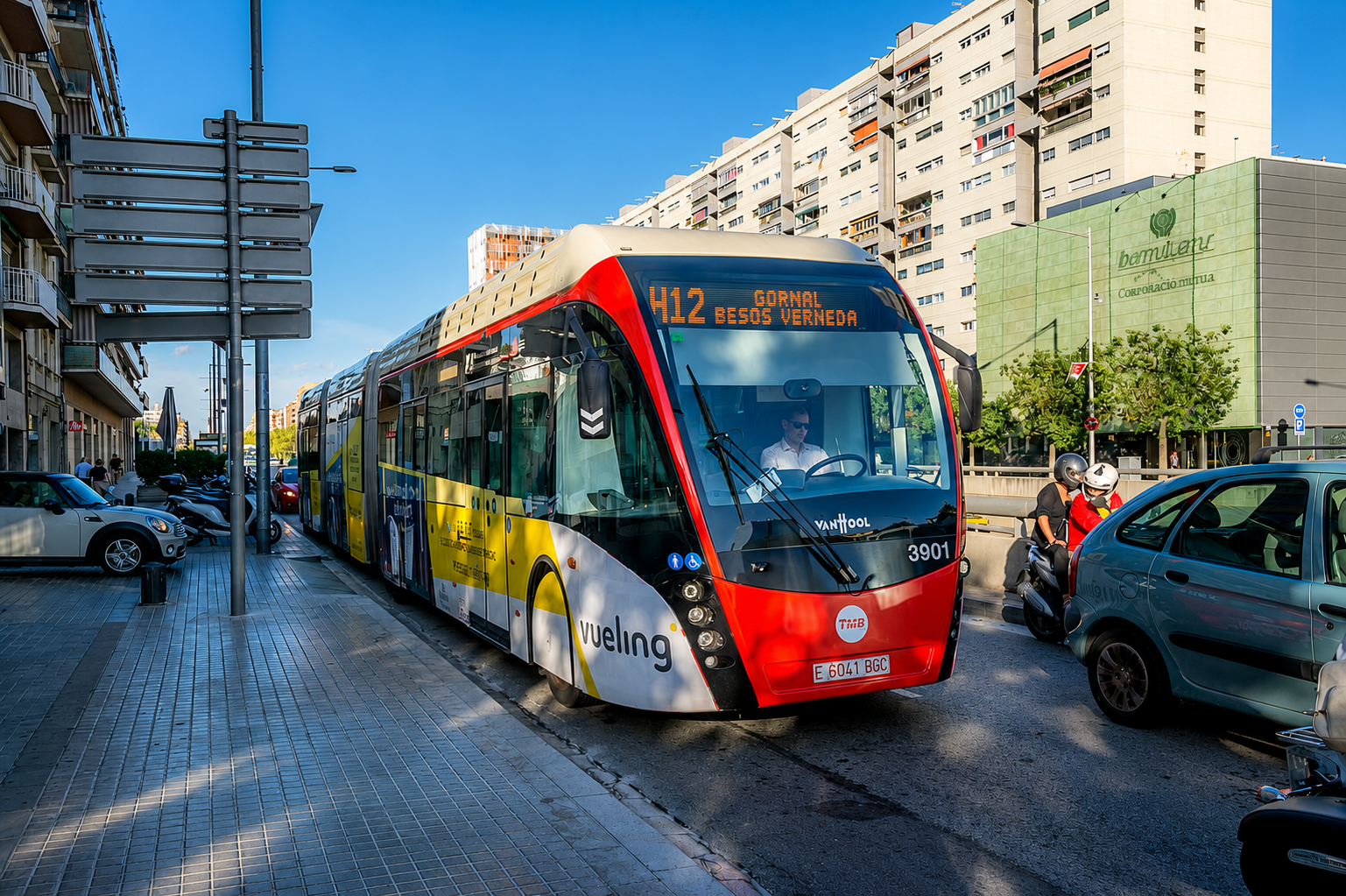
Mathematics on board: CRM’s demand forecasting model enters service on Barcelona’s H12 corridor
The H12 has run along Gran Via for years. What TMB switched on in July is the set of upgrades designed for it inside eBRT2030, a Horizon Europe project testing electric Bus Rapid Transit in six European cities. Behind it, forecasting passenger demand at every stop...
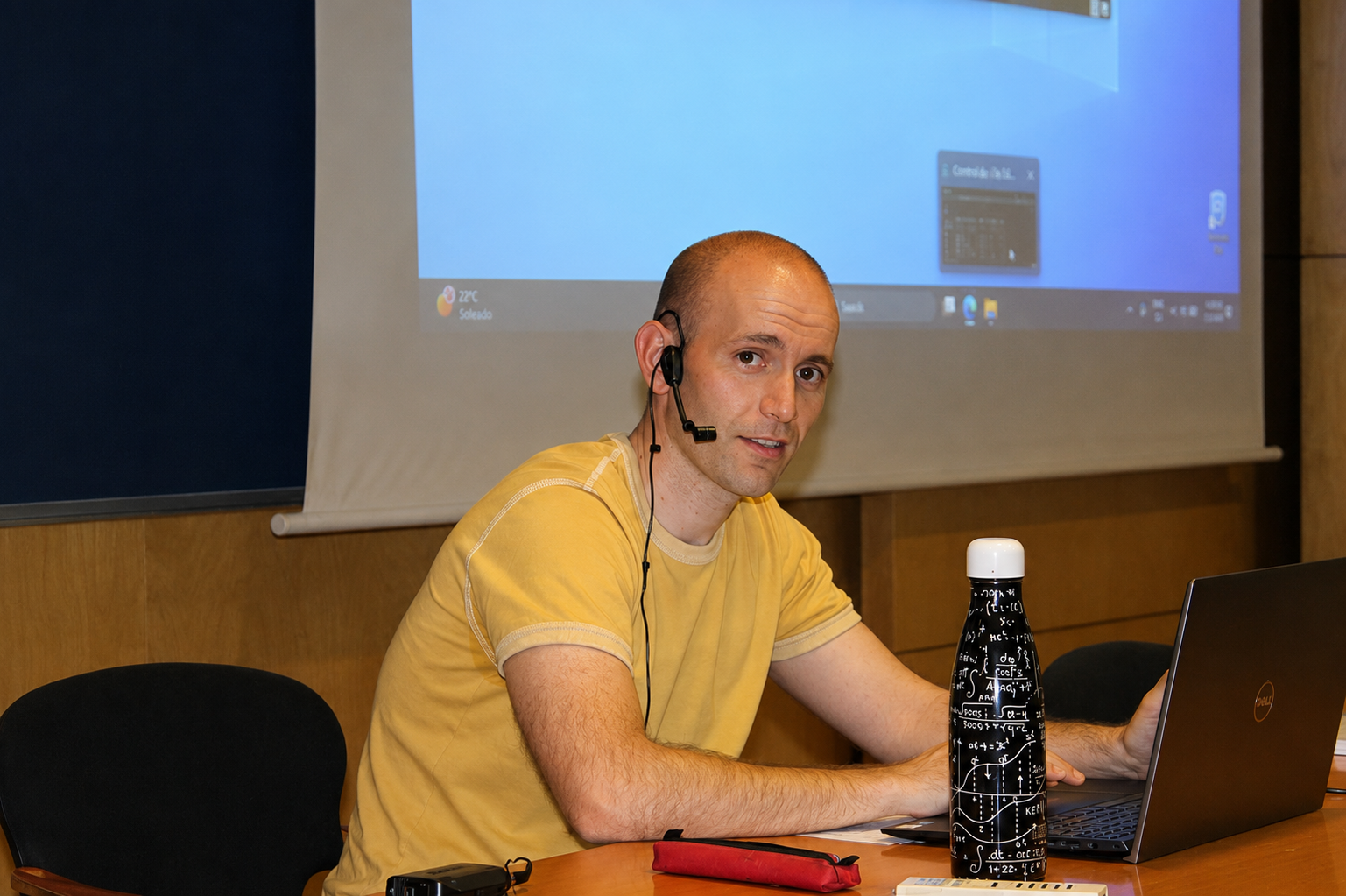
Dídac Gil Rams defends his doctoral thesis on the splitting of separatrices in generalized standard maps
Supervised by Inmaculada Baldomá and Pau Martín, the thesis proves the existence of chaotic dynamics in a broad family of area-preserving maps and combines classical analysis with computer-assisted proof. The defence took place on 3 July 2026 at the FME (UPC).Dídac...
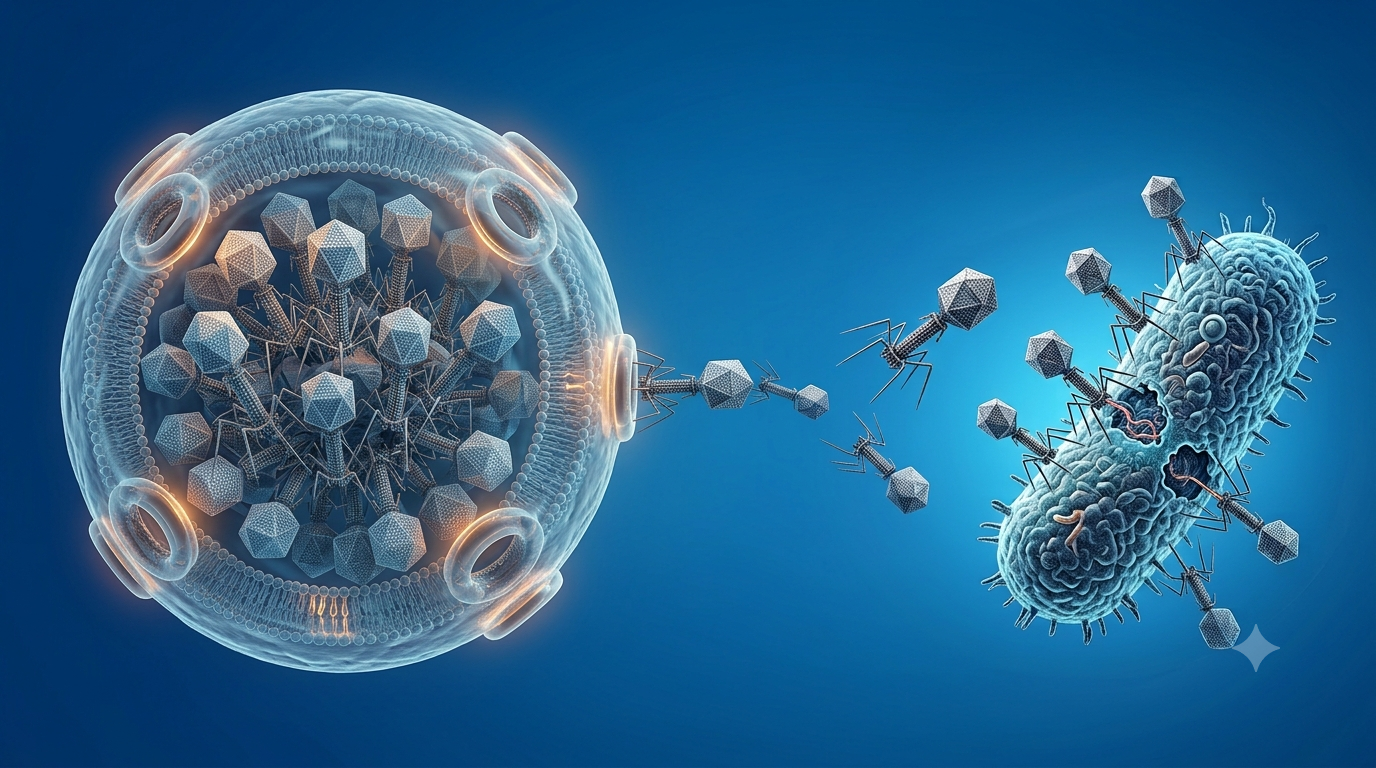
How to Protect Bacteriophages Without Trapping Them? Mathematics to Improve an Alternative to Antibiotics
Bacteriophages — viruses capable of infecting and destroying bacteria — are considered one of the most promising alternatives to tackle the growing problem of antibiotic resistance. However, for these treatments to work, phages must overcome several obstacles before...
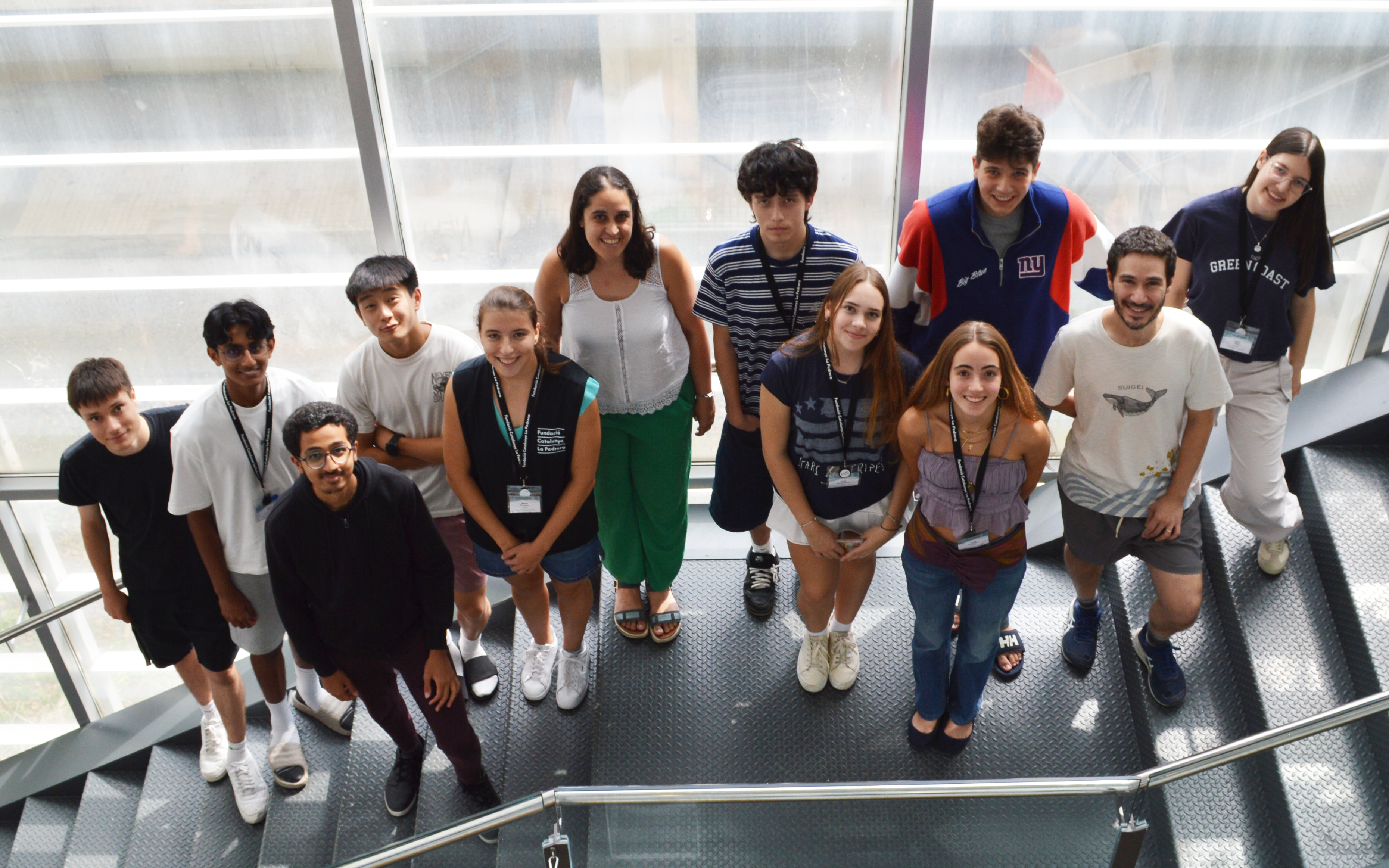
The CRM hosts nine international students for the 10th Barcelona International Youth Science Challenge
Nine secondary school students from six countries spent eight days at the CRM in July, working through four minicourses on fluid dynamics, perturbation methods, iteration and chaos, and randomness from Markov chains to machine learning, plus a session on how...
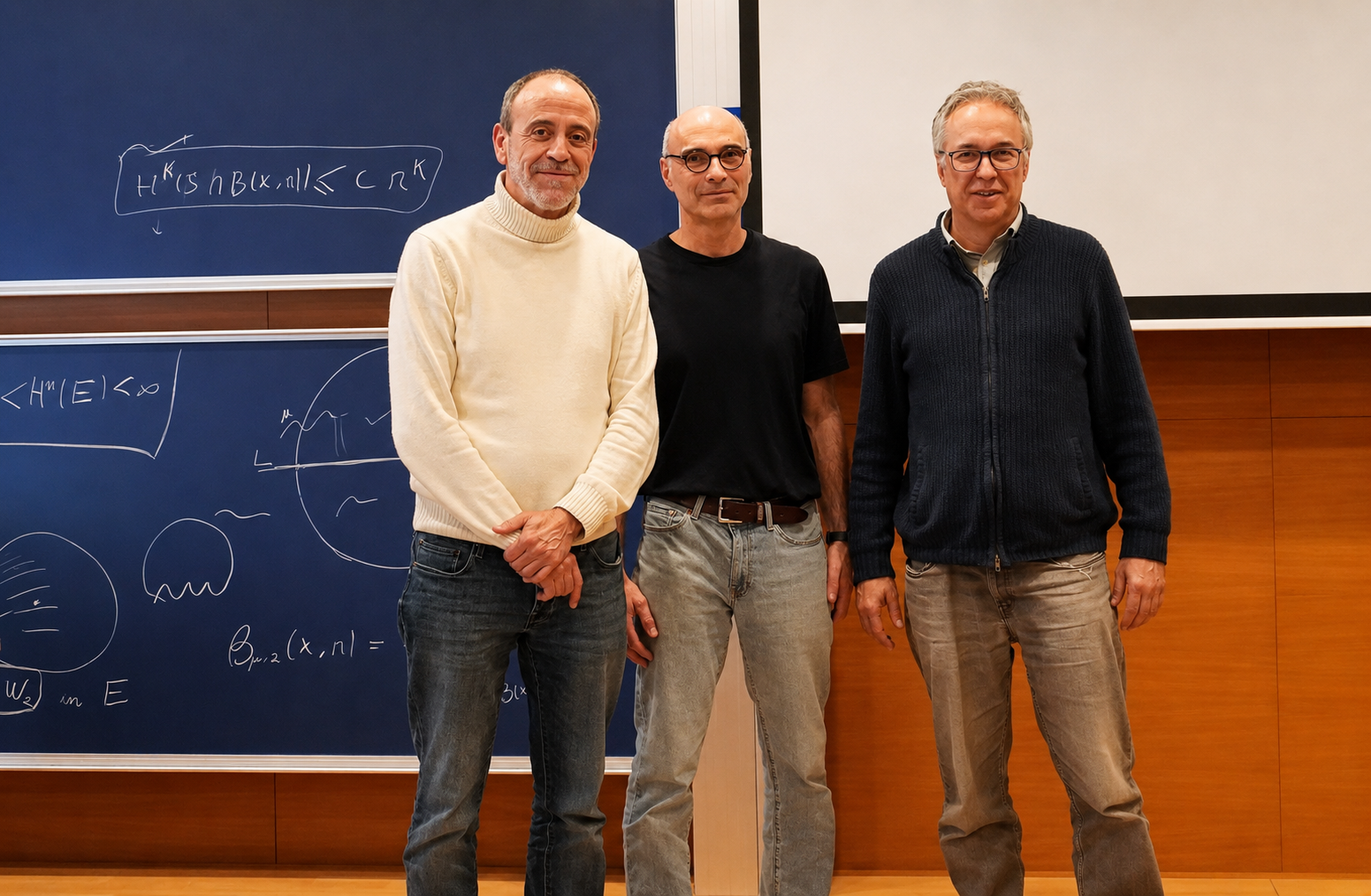
The Mathematics Behind the Three CRM Lectures at ICM 2026
Three CRM-affiliated researchers, Xavier Tolsa (plenary speaker), Xavier Cabré and Joaquim Ortega-Cerdà, lectured at the ICM 2026 in Philadelphia. Cabré surveyed the regularity of stable solutions to reaction-diffusion equations, including his optimal dimension-9...
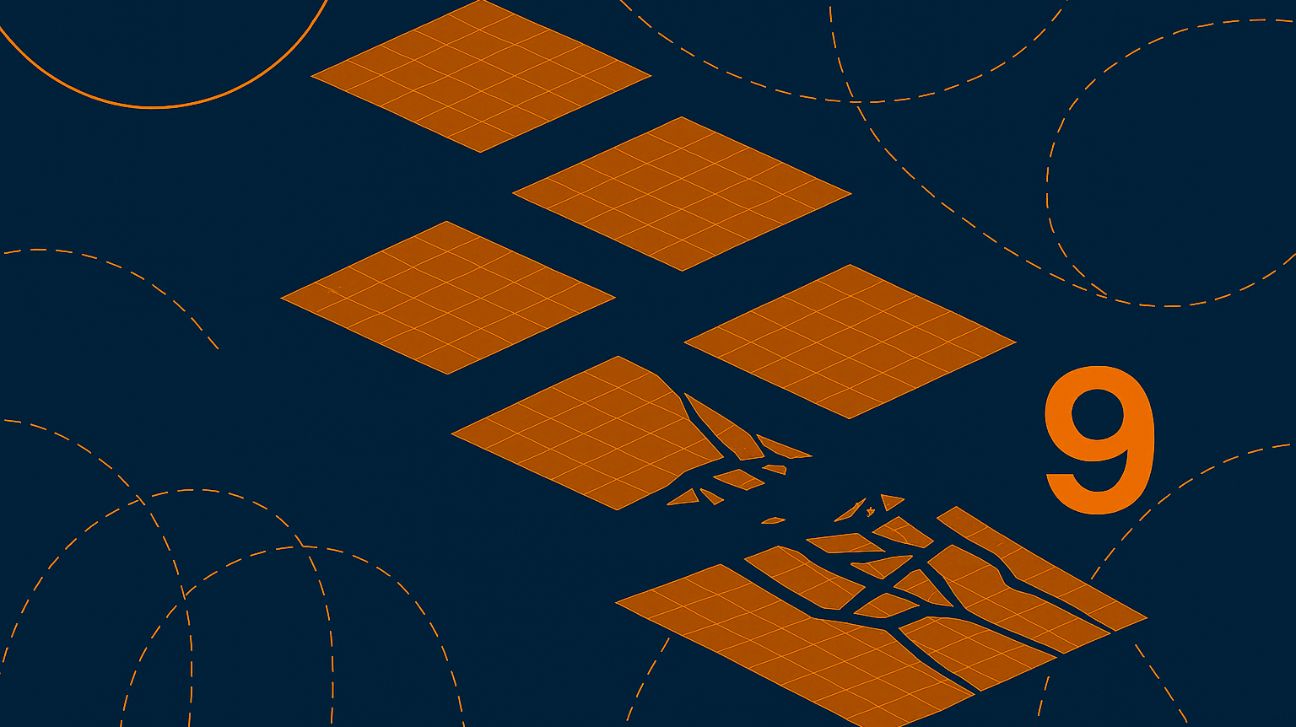
Crossing Dimensional Frontiers: a breakthrough in the shape of stable solutions to semilinear elliptic equations
More than twenty years of efforts were required to solve a central problem in the theory of partial differential equations. A body of work developed over decades —and recognized with the Frontiers of Science Award (2023)— culminates in the resolution of an open...
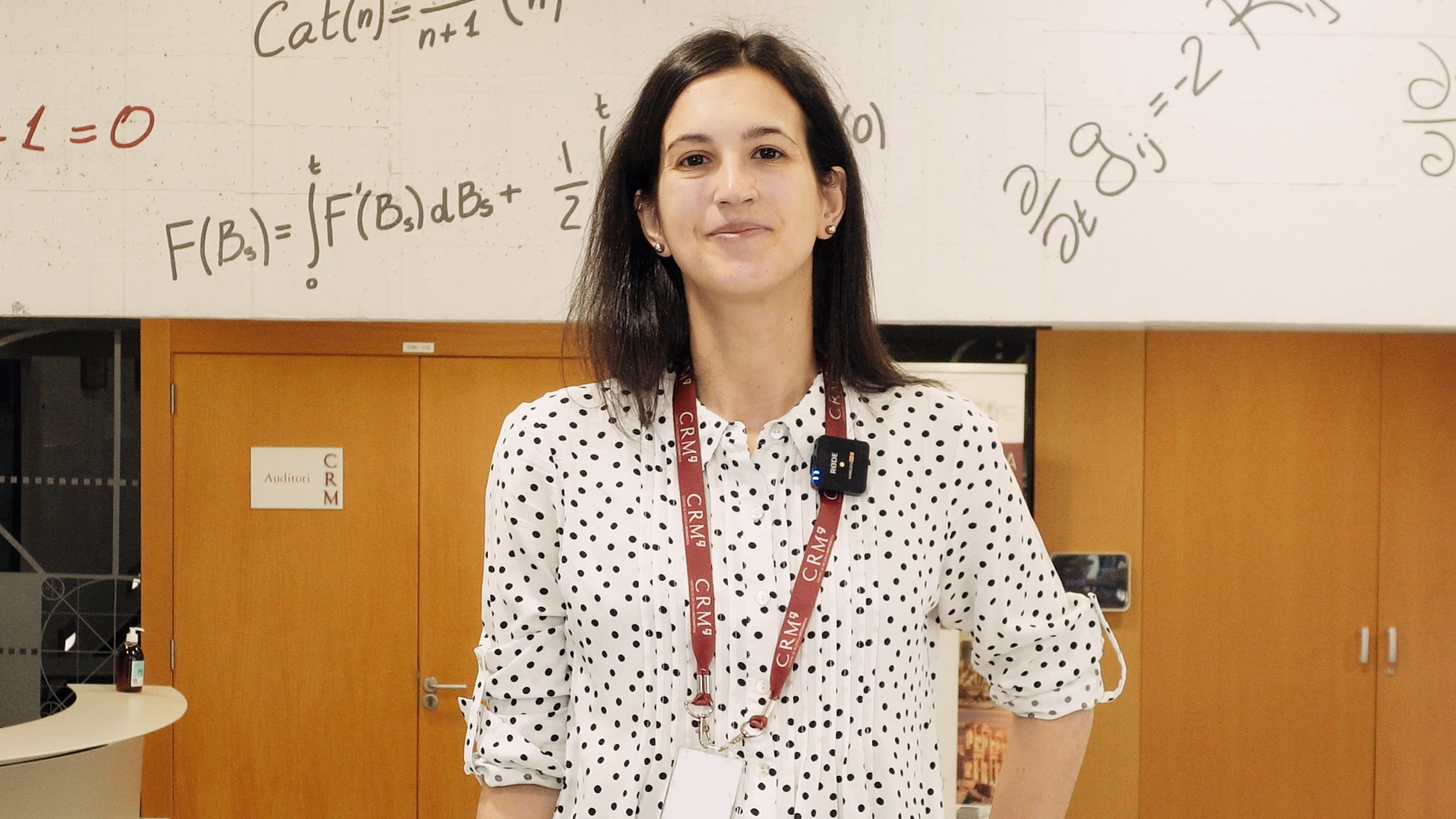
Anna Florio, third CRM Chair of Excellence: billiards, friction, and the value of staying
The dynamicist Anna Florio (CEREMADE, Université Paris Dauphine-PSL) spends the summer at the CRM as the centre's third María de Maeztu Chair of Excellence. She is working with Immaculada Baldomà and Tere Martínez-Seara on billiards in the analytic setting, and on 22...
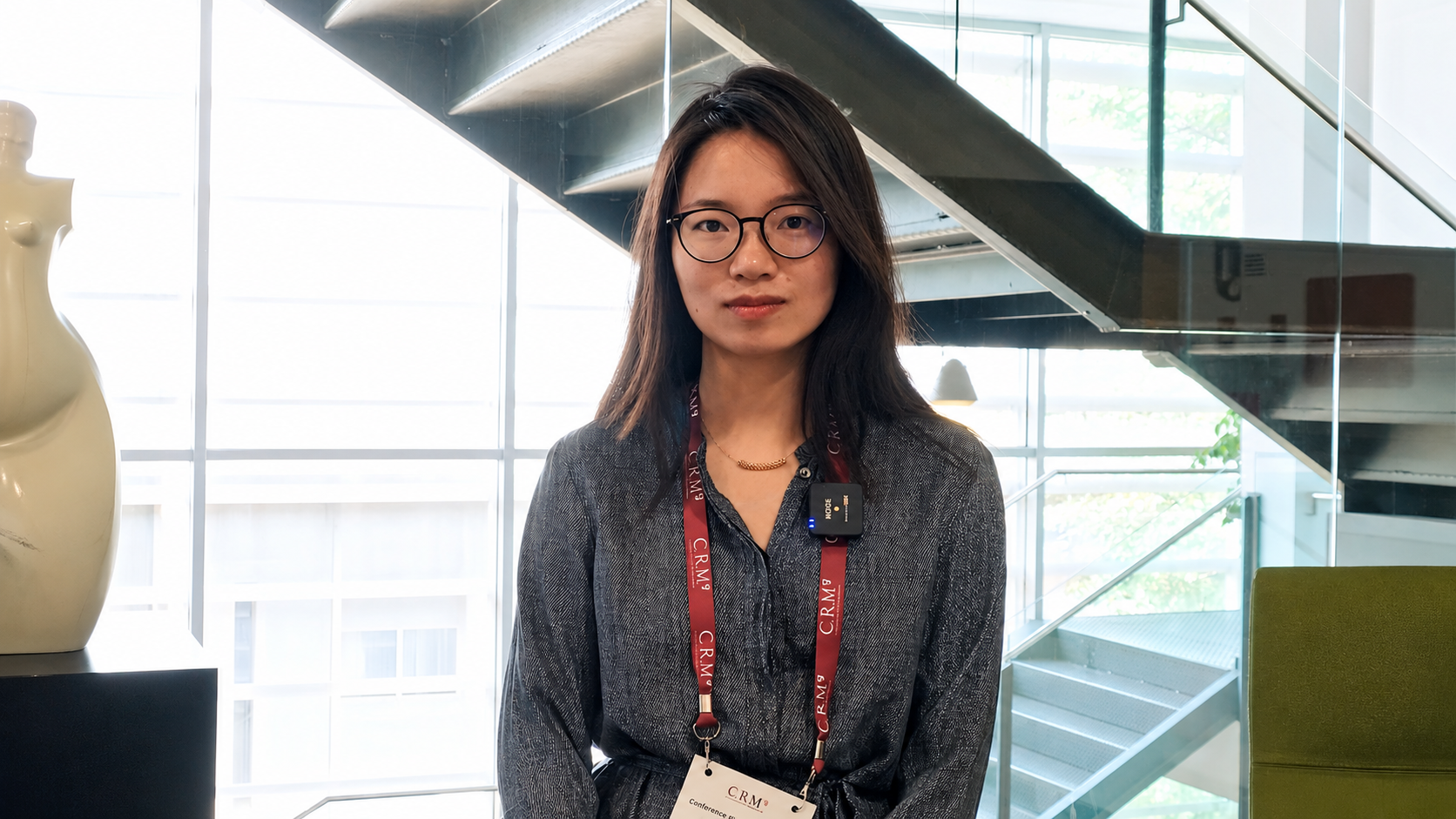
Hong Wang wins the Fields Medal, a year after her Kakeya lecture at the CRM
Hong Wang (NYU Courant and IHES) has received the Fields Medal at the International Congress of Mathematicians in Philadelphia, alongside Yu Deng (University of Chicago), John Pardon (Stony Brook University) and Jacob Tsimerman (University of Toronto). In June 2025,...