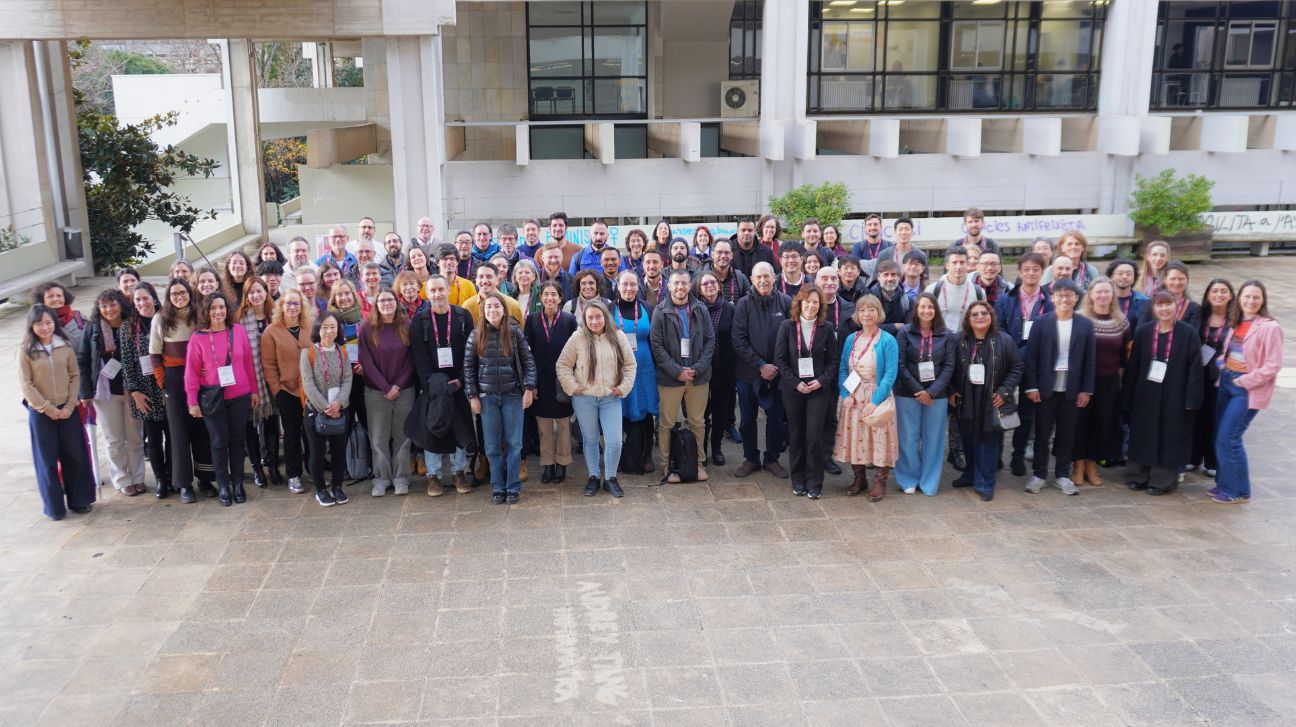
From 19 to 23 January 2026, the CRM hosted the 8th International Conference on the Anthropological Theory of the Didactic (CITAD 8), a leading international event in the field of didactics research that brought together researchers from different countries in Barcelona.
The conference is fully embedded in the study of the processes of teaching, learning and the transmission of knowledge. In this sense, holding CITAD 8 at the CRM strengthens the dialogue between mathematical research and educational reflection, while highlighting the Centre’s openness to hosting interdisciplinary scientific events.
A space to reflect on research in didactics
Under the title Research praxeologies in the Anthropological Theory of the Didactic, CITAD 8 aimed primarily to provide an updated overview of advances in ATD, both in terms of basic research and its links with education systems and teacher education. The conference also addressed the main open problems in the field, as well as the challenges involved in extending the conceptual and methodological frameworks of ATD to other domains.
One of the cross-cutting themes of the conference was the reflection on research praxeologies: how research is conducted within ATD, which conceptual tools are mobilised, and what specific characteristics this theoretical framework presents when applied to diverse contexts.
Three scientific axes
The scientific programme of the conference was structured around three main axes:
- Axis 1. Society and the curriculum problem: questioning works, focusing on the analysis of the curriculum as a dynamic object, subject to historical, institutional and epistemological transformations. This axis included descriptive, retrospective and prospective studies on the selection and organisation of the content to be taught, as well as on processes of didactic transposition.
- Axis 2. Society and the curriculum problem: enriching and questioning the world, devoted to exploring the so-called paradigm of questioning the world in educational institutions. Contributions analysed the conditions that enable—or hinder—the existence of teaching practices based on inquiry, the study of open questions, and the articulation of different domains of knowledge.
- Axis 3. The professions, focusing on the professionalisation of teaching and, more broadly, on professional education in diverse contexts. This axis addressed contemporary social changes—such as digitalisation, artificial intelligence and ecological transition—and the role that ATD can play in understanding and accompanying these transformations.
Key figures and international debate
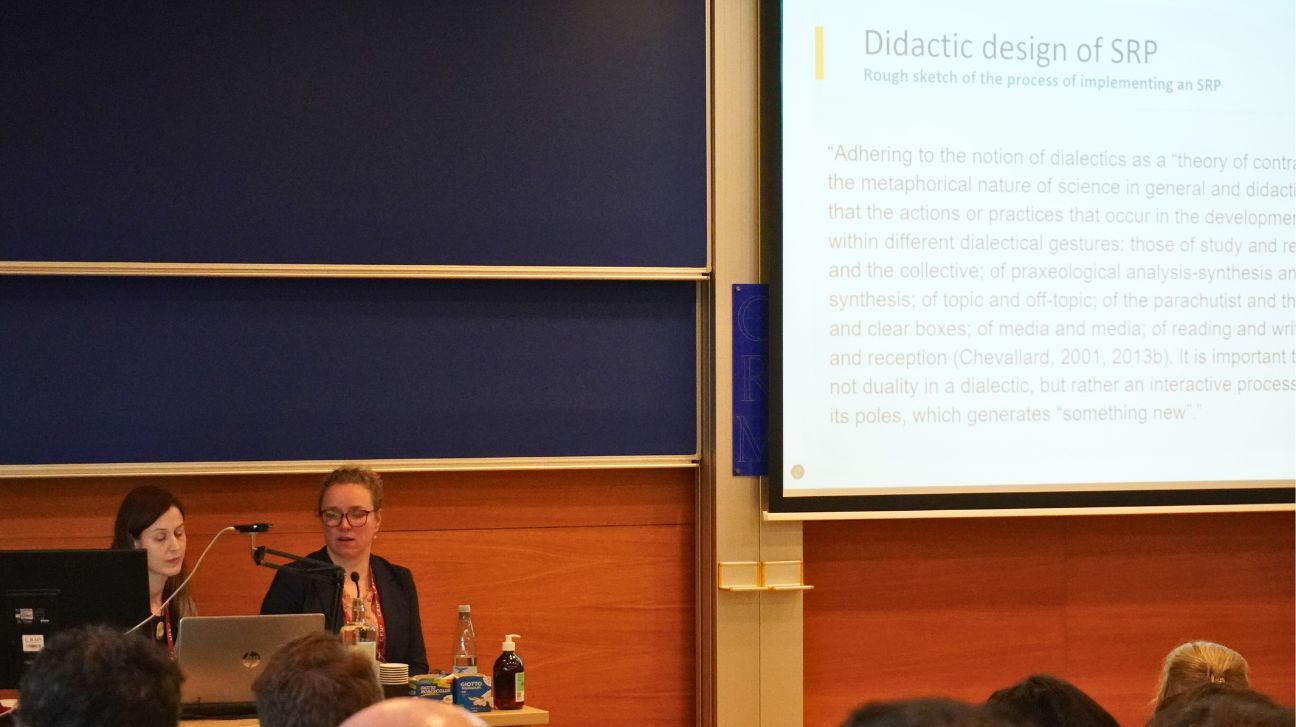
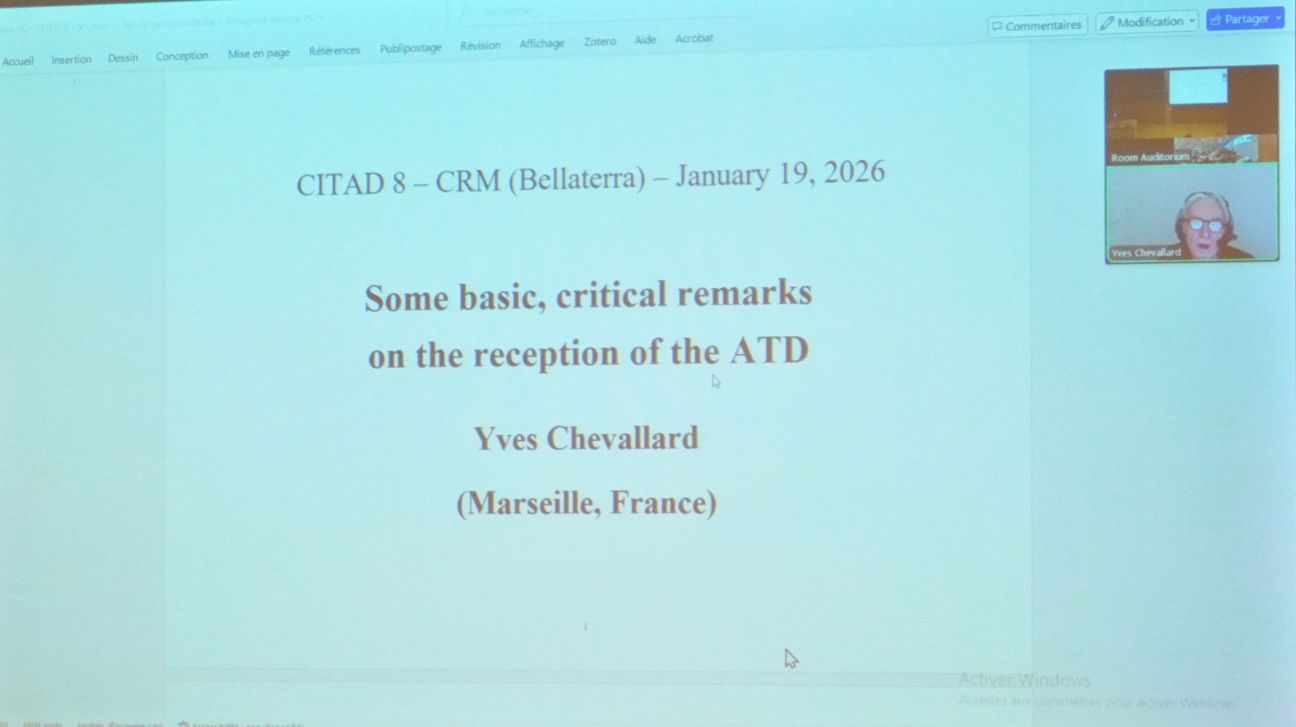
The conference featured the participation of leading international researchers in the field of didactics. Among them, special mention should be made of Yves Chevallard, founder of the Anthropological Theory of the Didactic, whose contribution was one of the highlights of the conference and generated extensive theoretical and methodological discussion.
The diversity of the participants’ institutional and geographical backgrounds enriched the debates and further consolidated CITAD 8 as a high-level international forum.
A space for early-career researchers
As in previous editions, the conference included a seminar specifically devoted to PhD students, held on the first day. This seminar provided doctoral students with the opportunity to present their research projects and discuss them with experienced researchers, fostering intergenerational exchange and academic mentoring.
For the CRM, it was an honour to host CITAD 8, a conference with a long-standing international trajectory that reinforces the Centre’s commitment to high-quality research, scientific exchange and openness to diverse disciplines and approaches. The event also highlights Barcelona’s role as a meeting point for international educational and scientific reflection.
|
|
CRM CommNatalia Vallina
|


Call open for the 2027 Ferran Sunyer i Balaguer Prize
The Ferran Sunyer i Balaguer Foundation is accepting submissions for its 2027 prize, which awards 15,000 euros and publication in Birkhäuser's Progress in Mathematics series to an expository monograph on an active area of mathematical research. The deadline is 27...
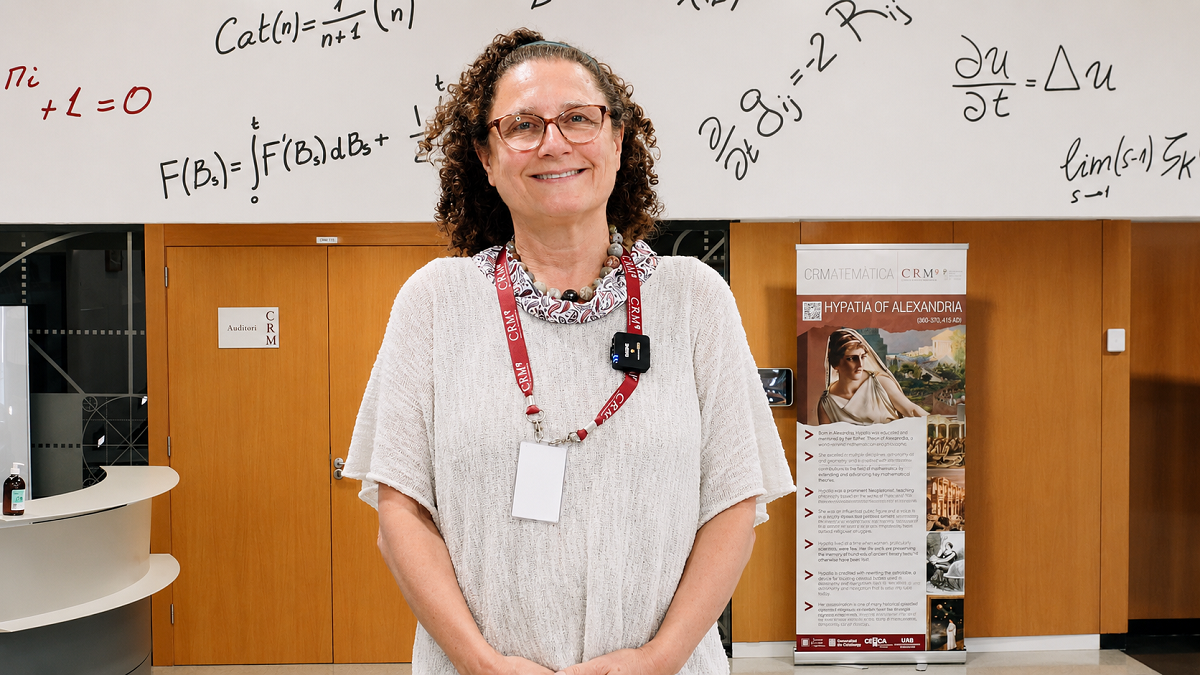
Susanna Terracini delivers the CRM Colloquium 2026
Susanna Terracini (Università di Torino) delivered the CRM Colloquium 2026 on 14 July, presenting a rigidity result for Kepler billiards obtained with Stefano Baranzini, Vivina Barutello and Irene De Blasi. She was at the centre as a member of the CRM Scientific...
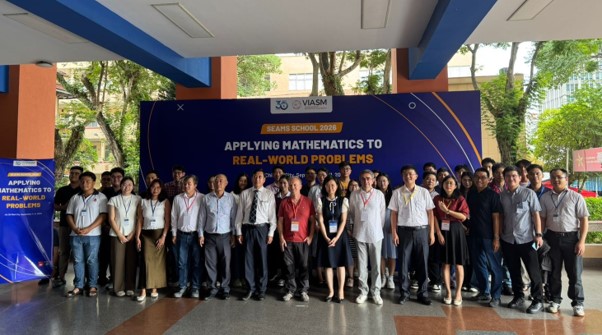
Ho Chi Minh City hosts the first SEAMS School on applying mathematics to real-world problems
More than fifty students from six countries spent a week at the University of Science, VNU-HCM, learning how mathematics gets used outside a mathematics department. CRM researcher Tim Myers co-organised the school and lectured on moving boundary problems. The...

A single ball on a fixed table can compute: Eva Miranda and Isaac Ramos prove that two-dimensional billiards are Turing complete
Eva Miranda (UPC, CRM) and Isaac Ramos (ETH Zürich) show that a point particle bouncing inside a planar table with fixed walls can simulate a universal Turing machine, settling a question Cristopher Moore left open in 1990. The result grew out of a master’s project...
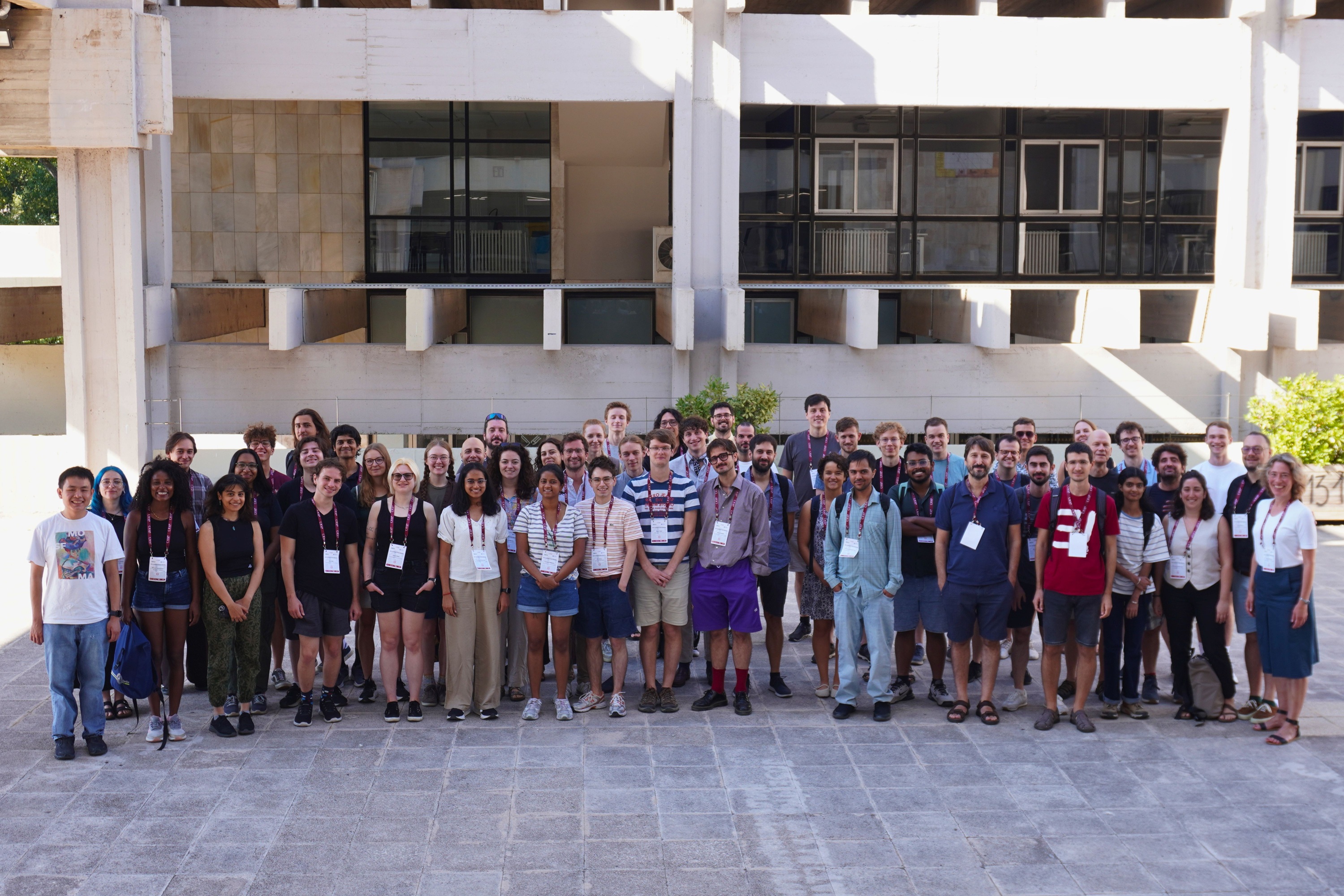
BMS-BGSMath Junior Meeting 2026: Barcelona and Berlin Strengthen Scientific Ties
From 2 to 4 September 2026, the Centre de Recerca Matemàtica (CRM) hosted the BMS-BGSMath Junior Meeting 2026, a three-day event jointly organised by the Berlin Mathematical School (BMS) and the Barcelona Graduate School of Mathematics (BGSMath), with the Centre de...
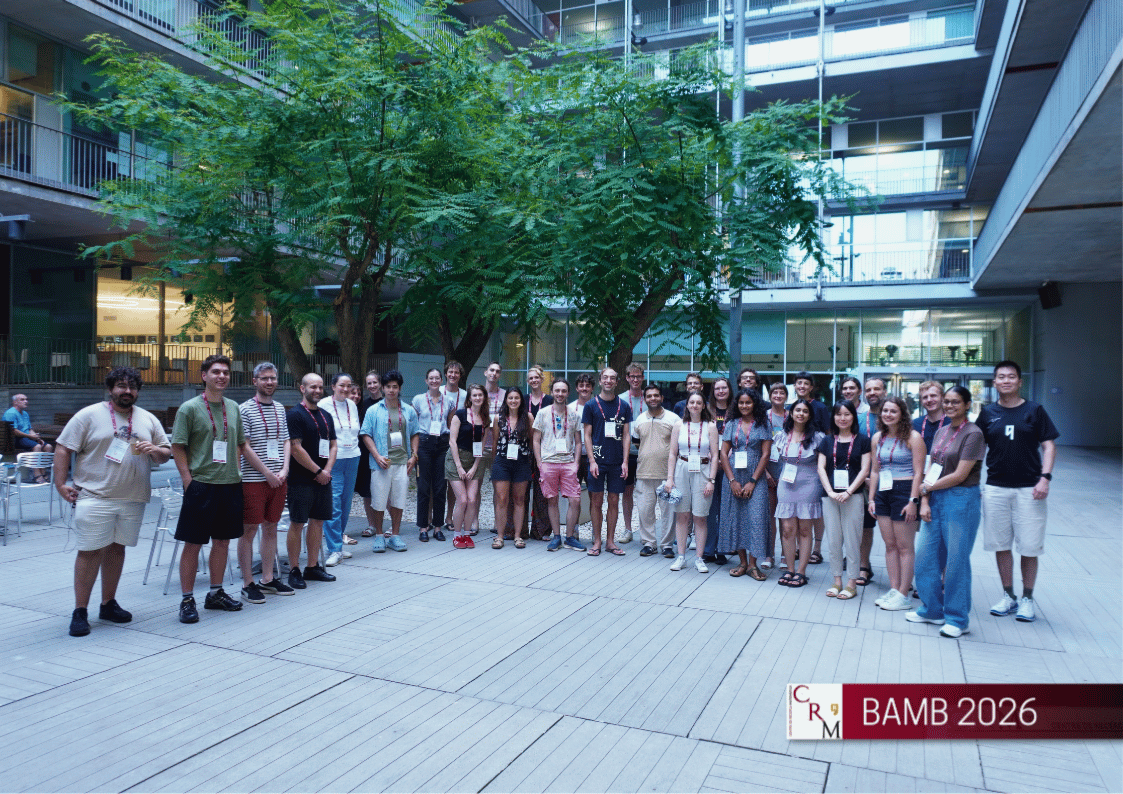
The CRM organises the 2026 Barcelona Summer School for Advanced Modeling of Behavior
The Centre de Recerca Matemàtica held the sixth edition of BAMB!, the Barcelona Summer School for Advanced Modeling of Behavior, from 12 to 23 July 2026 at the Parc de Recerca Biomèdica de Barcelona. Thirty early-career researchers from fourteen countries followed...
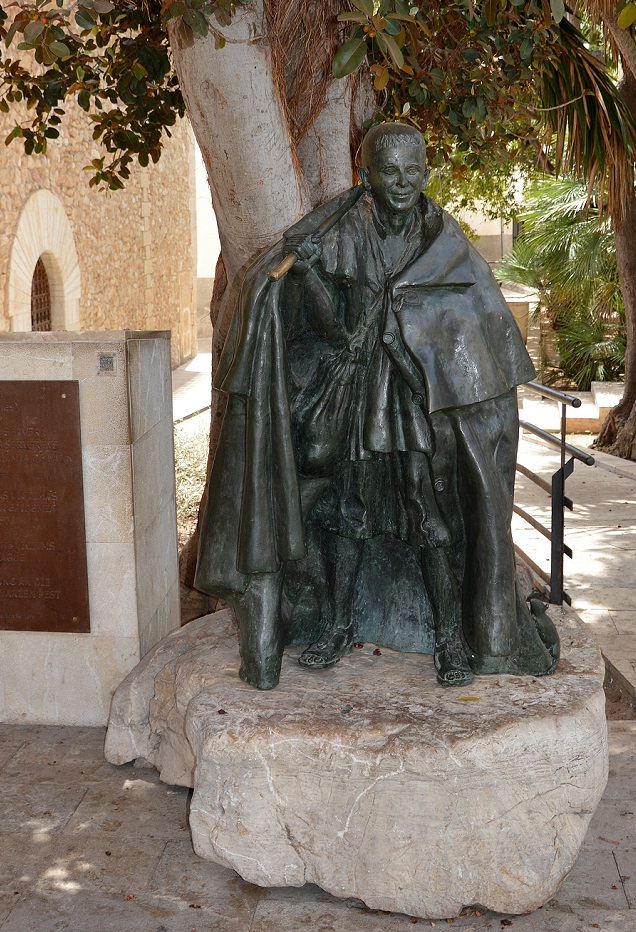
Mallorca’s 1820 plague did not behave like a classic bubonic outbreak, study finds
A study in PNAS by Pere Puig (UAB, CRM) and Joana Maria Pujadas-Mora (UOC, ICREA) reports what happens when the daily health records kept in Son Servera and Capdepera during the 1820 outbreak are analysed with a Bayesian epidemiological model: an unusually short...
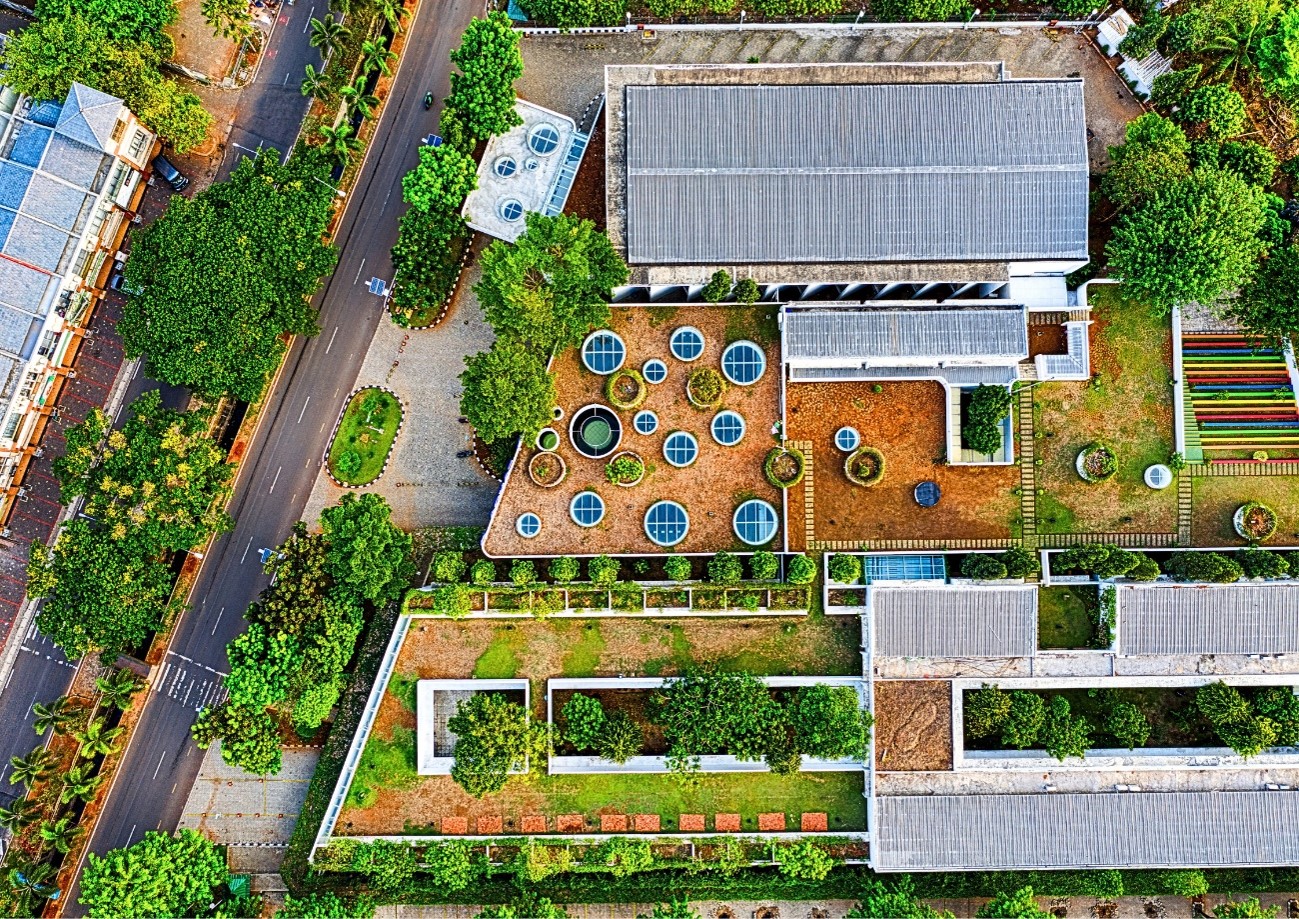
A recent study quantifies the vegetable production potential of Barcelona’s rooftops
A study published in Cities by researchers at ICTA-UAB, with collaboration from the CRM's Knowledge Transfer Unit, estimates that 65 hectares of municipal rooftop could supply 31% of the tomatoes consumed in Barcelona each year.Barcelona has 65 hectares of rooftop...
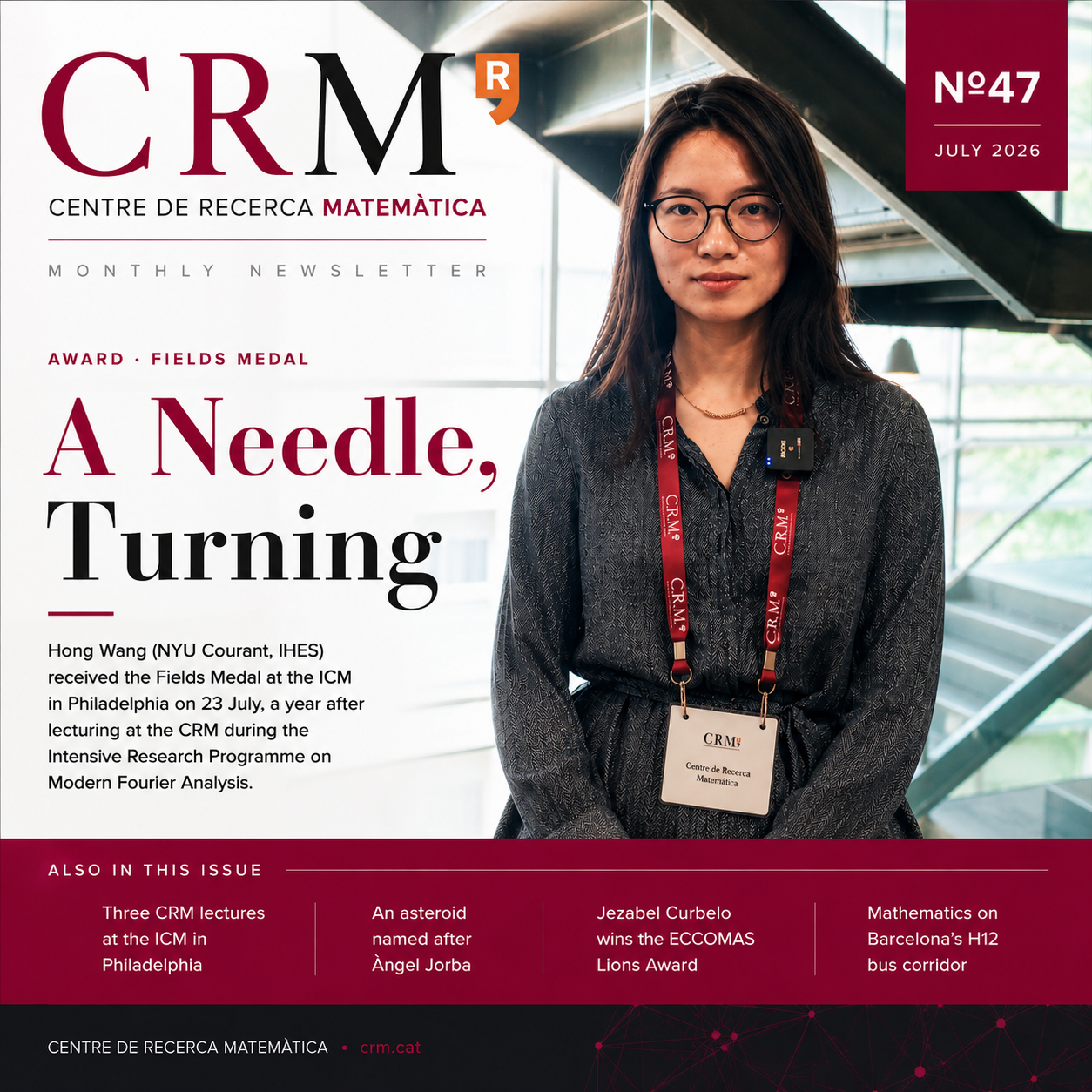
CRM July Newsletter
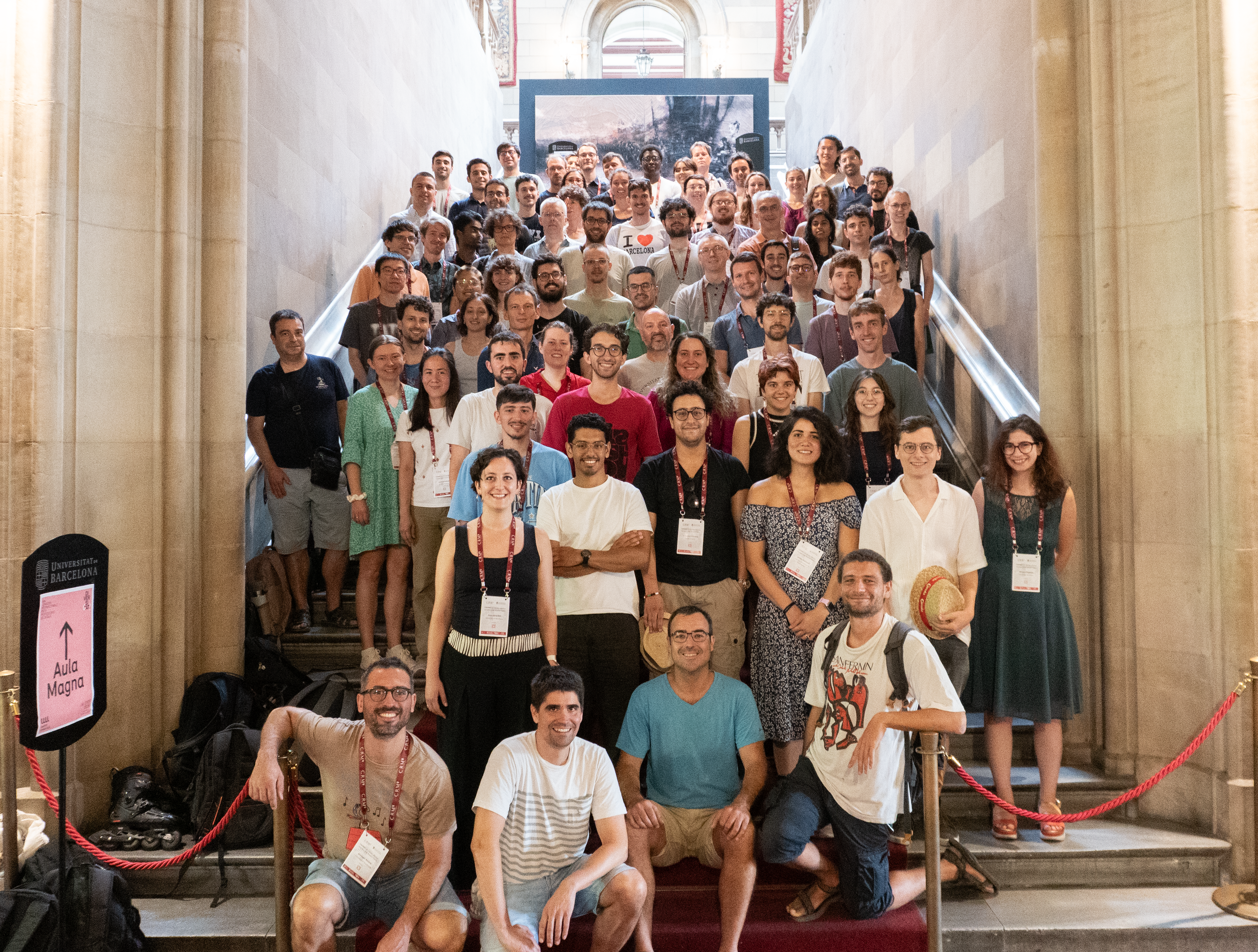
CAVARET 2 brings together 83 researchers on curves and abelian varieties at the Universitat de Barcelona
The second edition of CAVARET, "Curves, Abelian VArieties and RElated Topics", took place at the Faculty of Mathematics and Computer Science of the Universitat de Barcelona from 13 to 17 July 2026. Sixteen invited lectures and ten posters brought together 83...
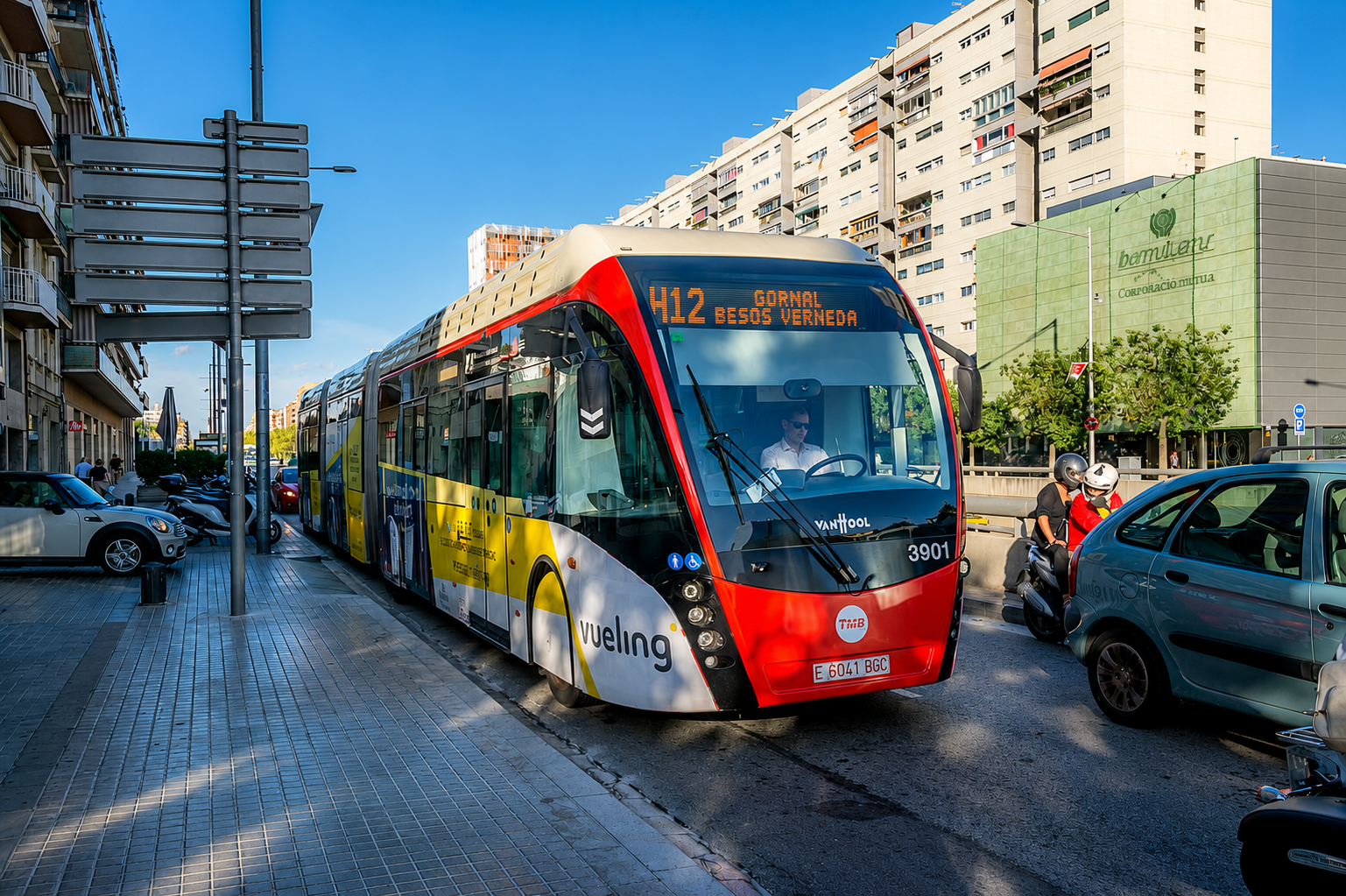
Mathematics on board: CRM’s demand forecasting model enters service on Barcelona’s H12 corridor
The H12 has run along Gran Via for years. What TMB switched on in July is the set of upgrades designed for it inside eBRT2030, a Horizon Europe project testing electric Bus Rapid Transit in six European cities. Behind it, forecasting passenger demand at every stop...
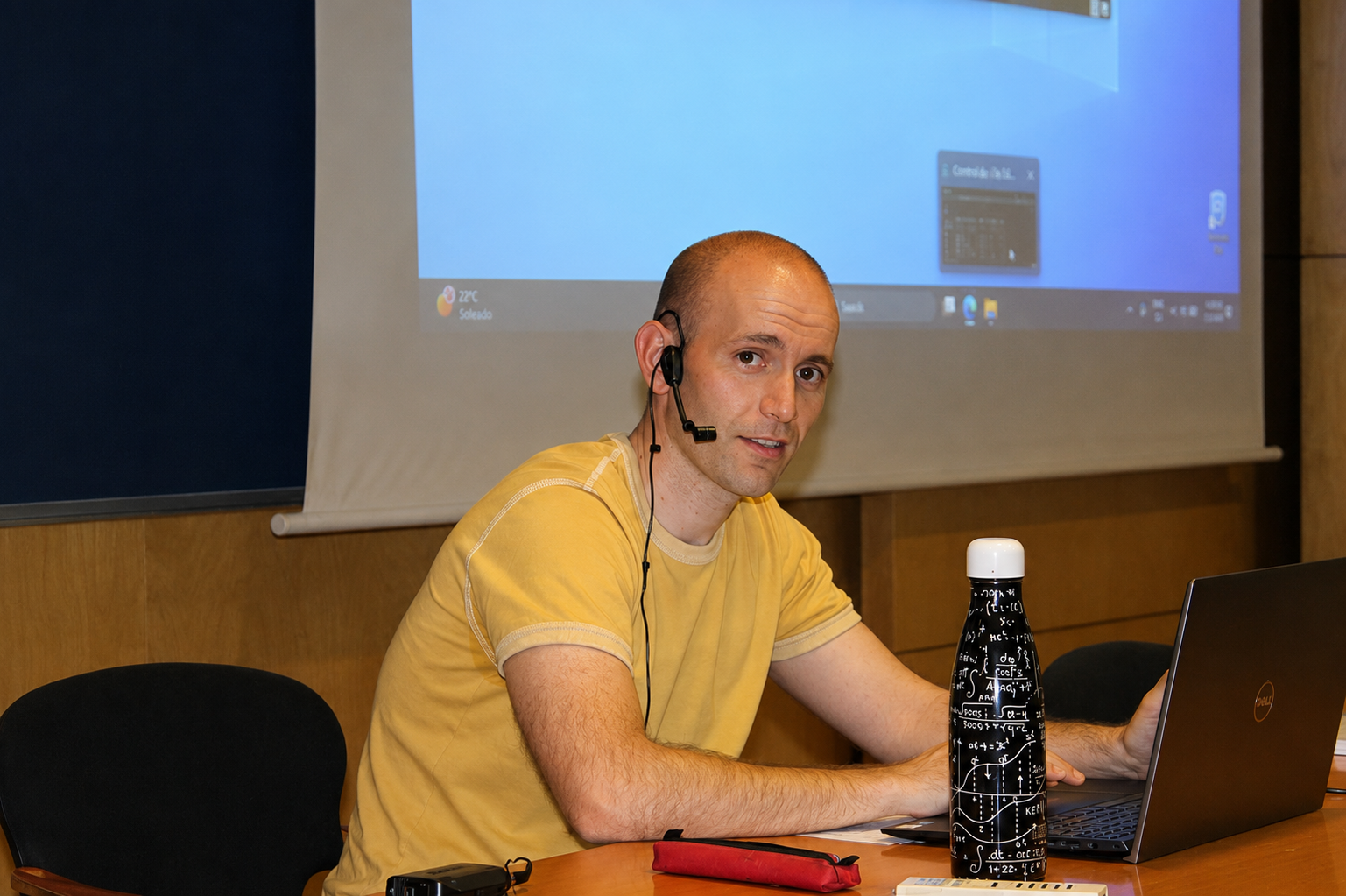
Dídac Gil Rams defends his doctoral thesis on the splitting of separatrices in generalized standard maps
Supervised by Inmaculada Baldomá and Pau Martín, the thesis proves the existence of chaotic dynamics in a broad family of area-preserving maps and combines classical analysis with computer-assisted proof. The defence took place on 3 July 2026 at the FME (UPC).Dídac...