-
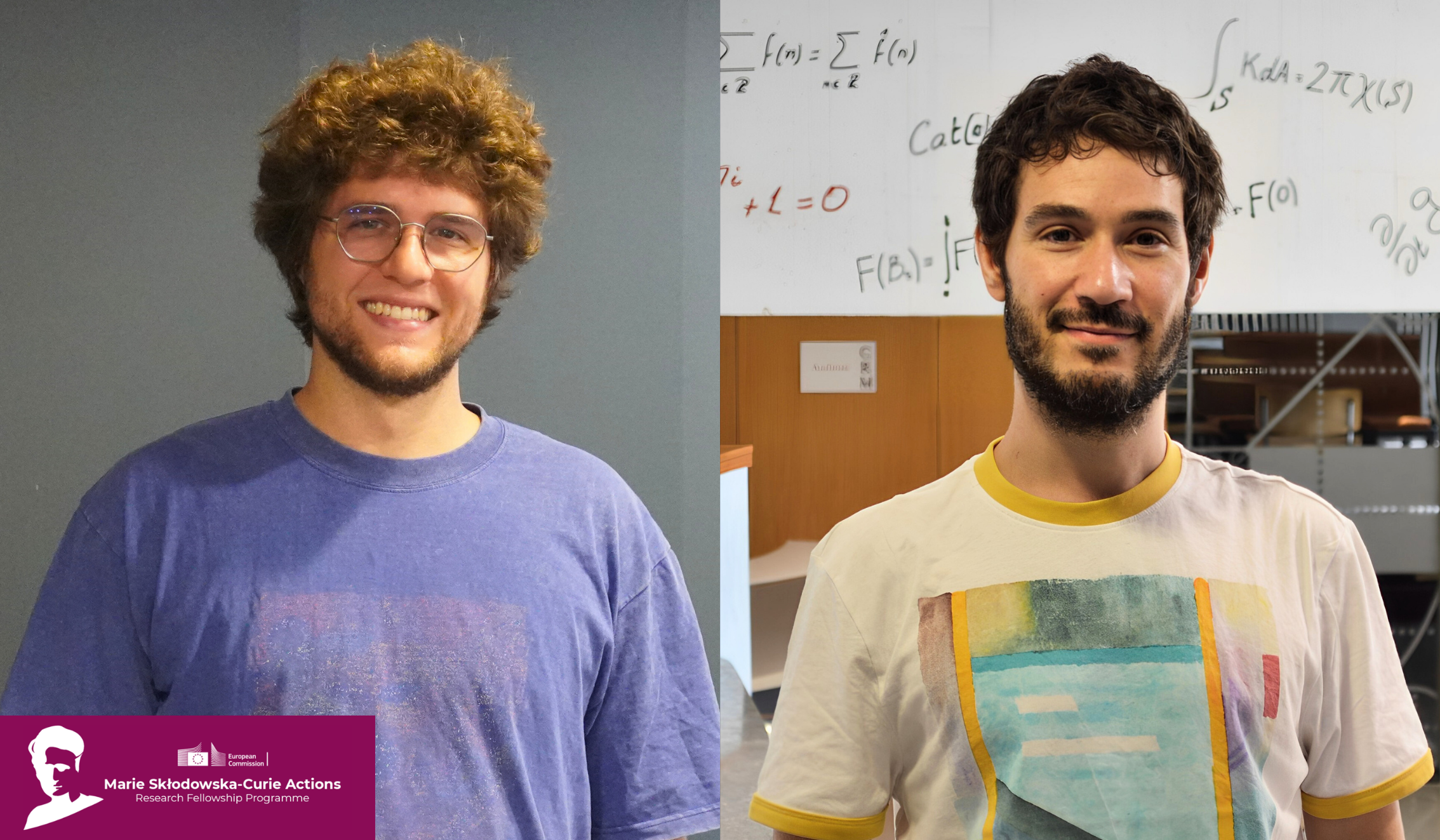
Gustavo Ferreira and Tássio Naia, who joined the CRM in 2023 through the María de Maeztu programme, have started their Marie Skłodowska-Curie postdoctoral fellowships this September.
-
Their projects explore key questions in complex dynamics and probabilistic combinatorics.
Two postdoctoral researchers at the Centre de Recerca Matemàtica (CRM), Gustavo Ferreira and Tássio Naia, began their Marie Skłodowska-Curie postdoctoral fellowships in September. Both joined the CRM in 2023 through the María de Maeztu Unit of Excellence programme and are now launching independent projects that explore the frontiers of complex dynamics and probabilistic combinatorics.
Gustavo Ferreira: understanding the unknown within complex dynamics
Ferreira’s project, HyCoWanDoCoDyn (Hyperbolic Components and Wandering Domains in Complex Dynamics), aims to shed light on one of the most intriguing questions in the field: what happens inside hyperbolic components when the systems under study are no longer of finite type.
“In dynamics, we like what’s called hyperbolic dynamics; these are the things we understand best,” he explains. “But when you move from finite to infinite type, the behaviour of the system changes a lot, and it’s not clear what’s going on inside the hyperbolic components themselves. Those bits that were so well understood before are now less clear. So the project is trying to make sense of what is going on inside these components.”
“The Marie Curie is a huge opportunity to bring together all the work I’ve done in bits and pieces and put it into a cohesive whole.”
His research connects two areas that have long puzzled mathematicians: hyperbolicity and wandering domains. “There are two big obstacles to understanding them in this new context, and they are bigger domains and wandering domains,” Ferreira says. “Wandering domains, in particular, are something I’ve worked on before, and we’re finally in a place where we can try to understand them in this context.”
After two short postdoctoral positions in the UK, Ferreira highlights the importance of having long-term support to consolidate a line of research: “The Marie Curie really is a huge chance to drive the nail home on this project. It’s the opportunity to bring together all the work I’ve done in bits and pieces in different places and put it all together into a cohesive whole.”
Ferreira has already been part of the CRM and Barcelona’s mathematical community for two years. “It’s been a huge plus, honestly,” he says. “There’s a very strong dynamics and analysis community here in Barcelona. There’s always someone to knock on the door and ask, ‘Hey, do you know anything about this?’ And even if you don’t find the help you need right now in Barcelona, there’s always someone coming for a conference or a research visit.”
Tássio Naia: rainbow structures and the power of probability
Naia’s project, PARTIORI (Rainbow partitions and oriented structures in random graphs), explores the intersection of combinatorial design theory, Ramsey theory, and probabilistic combinatorics. “I’m studying questions about ‘rich’ networks, whose connections are classified or oriented,” he explains. “In such networks one can ask whether they necessarily contain large substructures of a certain type, or whether it is possible to decompose the network’s connections into layers, each exhibiting a specific behaviour of interest.”
His research focuses on decompositions of coloured networks into a few “rainbow” substructures (paths or cycles) under different colouring regimes, and on the existence of large oriented structures in random graphs. “Recently, very powerful tools have been developed to address this kind of problem, combining algorithmic, algebraic and semirandom approaches,” he says. “While most research has focused on rigid decompositions, I’m adapting and developing these techniques toward a more flexible framework, hoping to obtain more detailed results by taking advantage of this extra room to manoeuvre.”
“It’s very rewarding to receive positive feedback on a research plan that you’ve been building over time.”
Naia views the Marie Skłodowska-Curie fellowship as both an opportunity and a motivation: “Besides funding my research, the fellowship provides a framework to develop other aspects of my professional training. I plan to make the most of it. It’s also very rewarding to receive positive feedback on a research plan that you’ve been building over time.”
Reflecting on his experience at the CRM and in Barcelona, Naia underlines the value of collaboration and exposure: “The last two years have been enriching in many ways. I’ve interacted with researchers from other areas, gained practical experience in organising meetings, classes, and courses, and even in drafting proposals and budgets for scientific events. It’s been a fantastic experience, and I’m glad to continue what I hope will be many more years working with the CRM team.”
The fellowships mark an important milestone for both researchers and the CRM itself, which continues to strengthen its international research community through the European funding schemes. As Ferreira and Naia begin the next stage of their careers, their work highlights the breadth and vitality of mathematics being done in Barcelona, from the intricate geometry of complex dynamics to the hidden order of random networks.
Gustavo Rodrigues Ferreira is a postdoctoral researcher who has joined the Centre de Recerca Matemàtica to collaborate with Núria Fagella. He studied molecular sciences at the Universidade de Sao Paulo, obtaining an M. Sc. in dynamical systems at the Instituto de Matemática e Estatística of the Universidade de São Paulo (IME-USP) and a PhD from The Open University (UK).
His previous experience includes roles as an LMS Early Career Fellow at Imperial College London and, most recently, a Postdoctoral Research Associate at the University of Liverpool.
Tássio Naia is a Marie Skłodowska-Curie research fellow at the Centre de Recerca Matemàtica, where he works with Guillem Perarnau and the GAPCOMB-UPC group.
Before joining CRM, he held postdoctoral positions at LaBRI (Université de Bordeaux) and IME–USP, collaborating with Marthe Bonamy and Yoshiharu Kohayakawa.
He obtained his PhD from the University of Birmingham under the supervision of Richard Mycroft and Deryk Osthus.
His research interests lie in combinatorics, probability, and algorithms.
|
|
CRM CommPau Varela
|
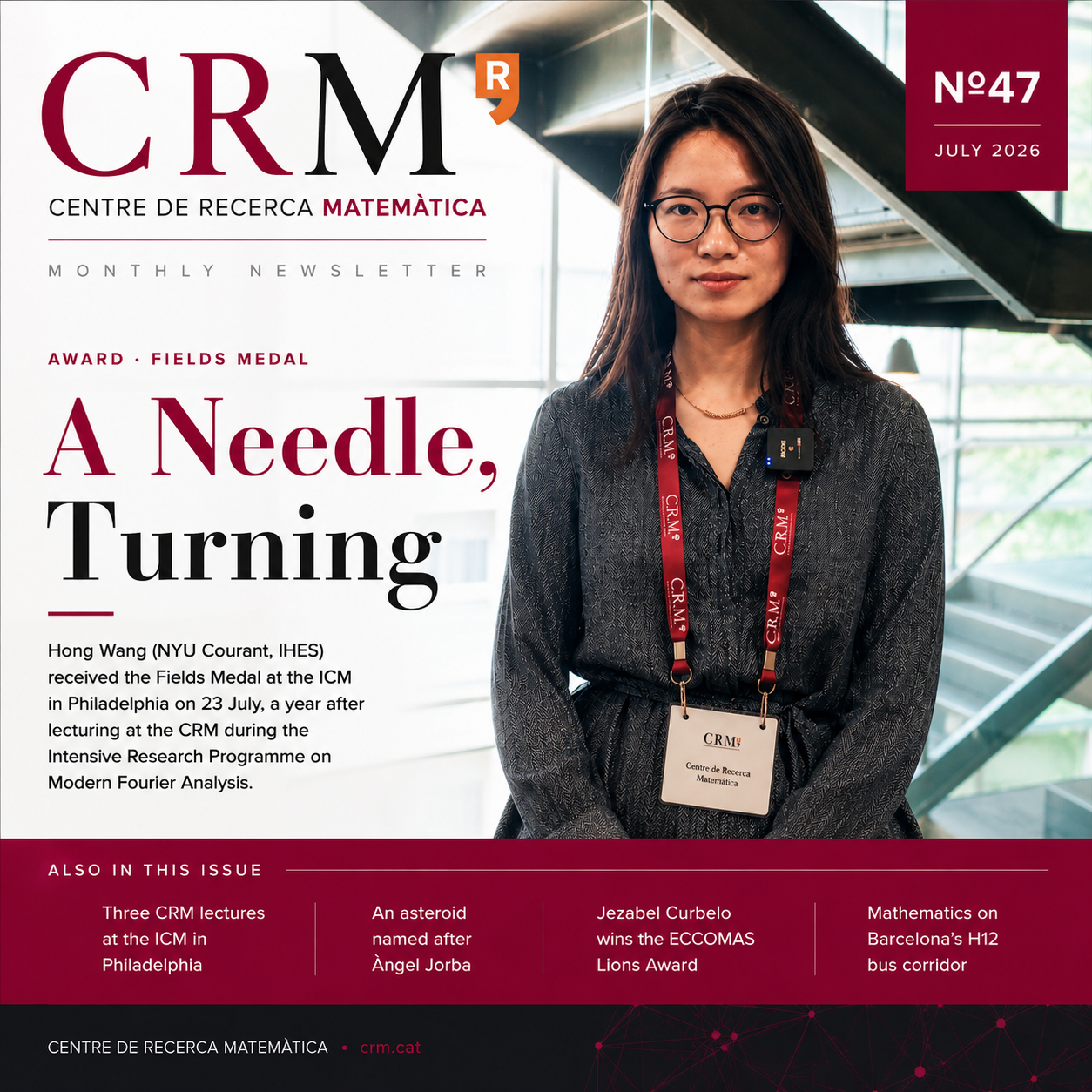
CRM July Newsletter
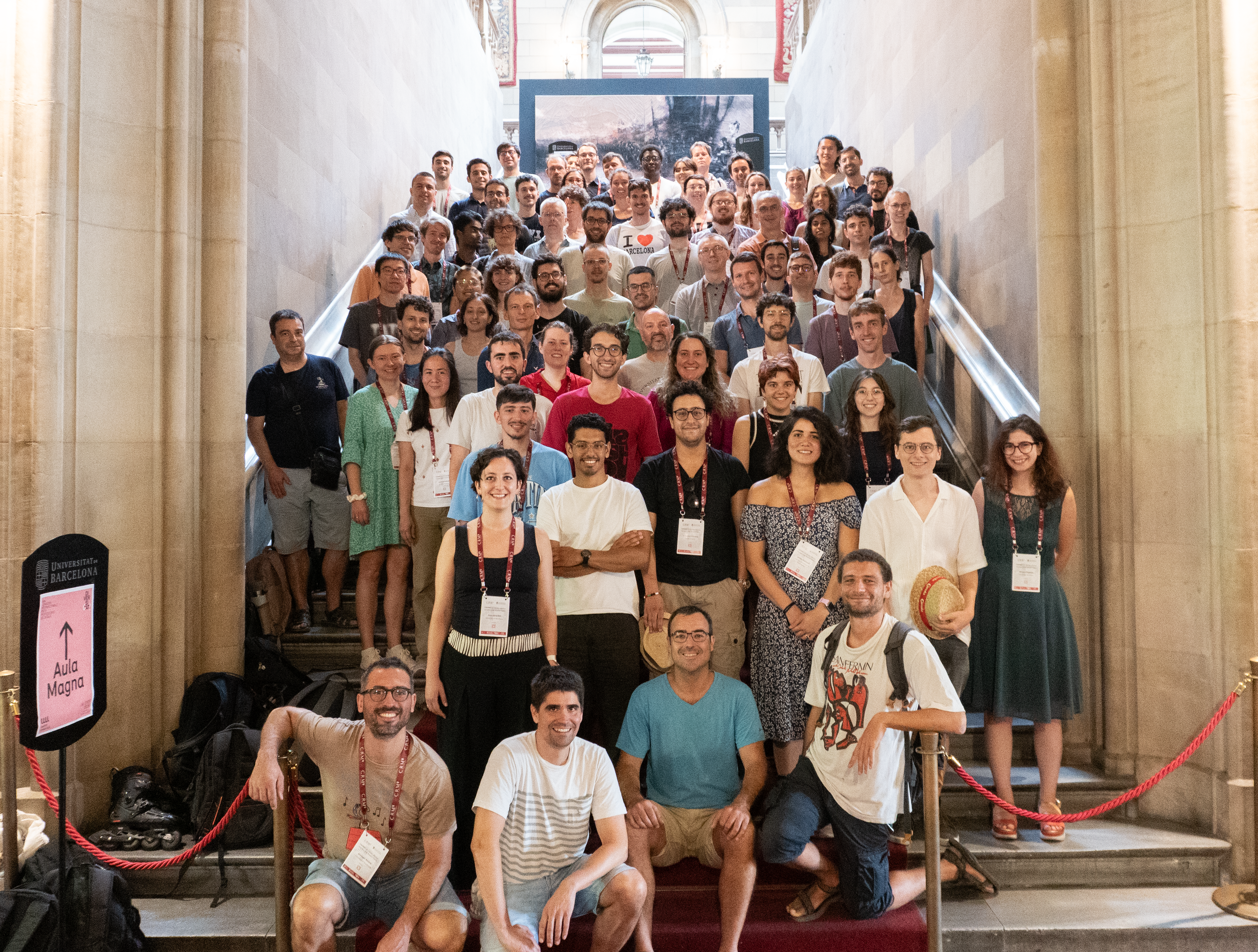
CAVARET 2 brings together 83 researchers on curves and abelian varieties at the Universitat de Barcelona
The second edition of CAVARET, "Curves, Abelian VArieties and RElated Topics", took place at the Faculty of Mathematics and Computer Science of the Universitat de Barcelona from 13 to 17 July 2026. Sixteen invited lectures and ten posters brought together 83...
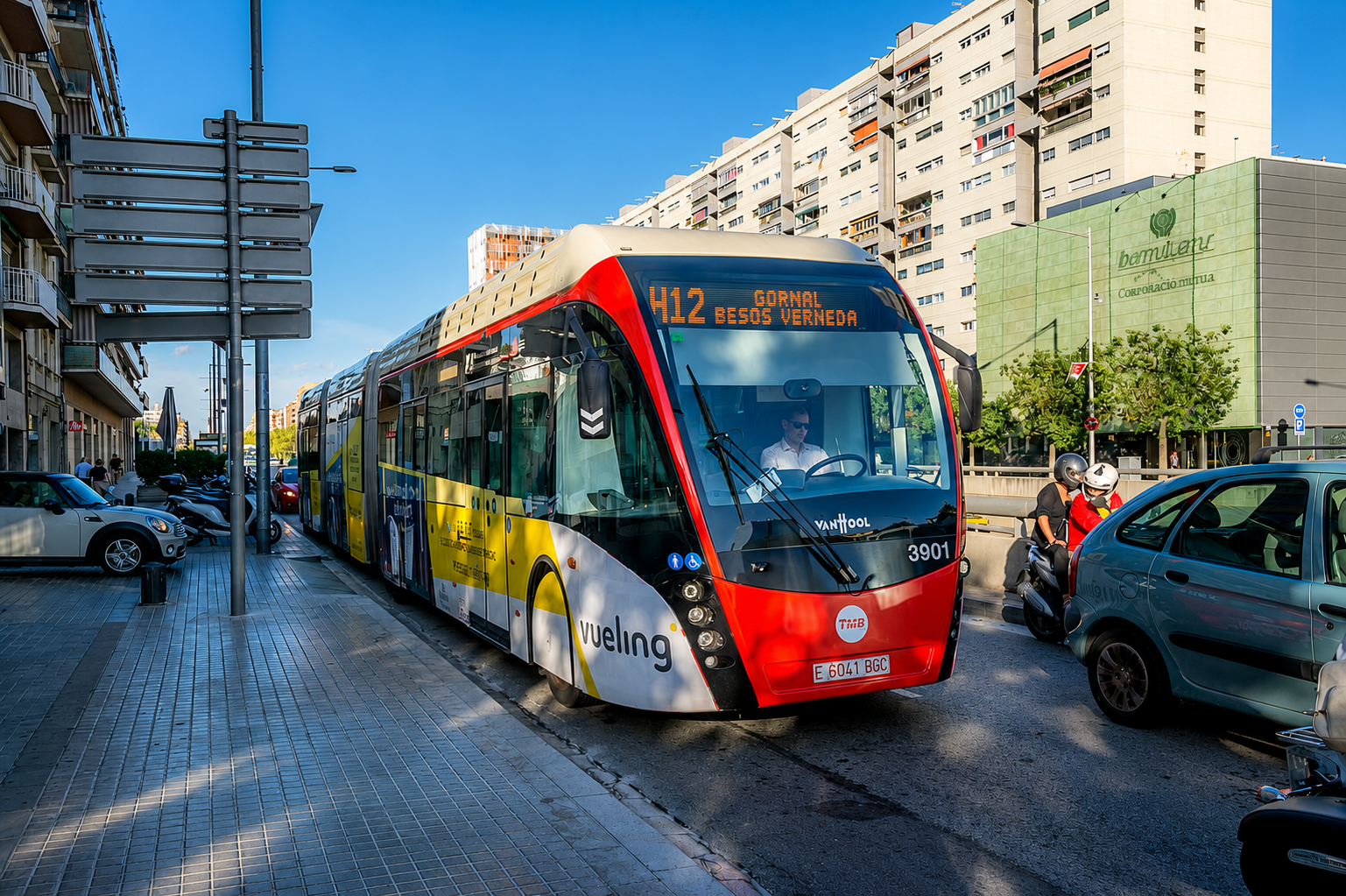
Mathematics on board: CRM’s demand forecasting model enters service on Barcelona’s H12 corridor
The H12 has run along Gran Via for years. What TMB switched on in July is the set of upgrades designed for it inside eBRT2030, a Horizon Europe project testing electric Bus Rapid Transit in six European cities. Behind it, forecasting passenger demand at every stop...
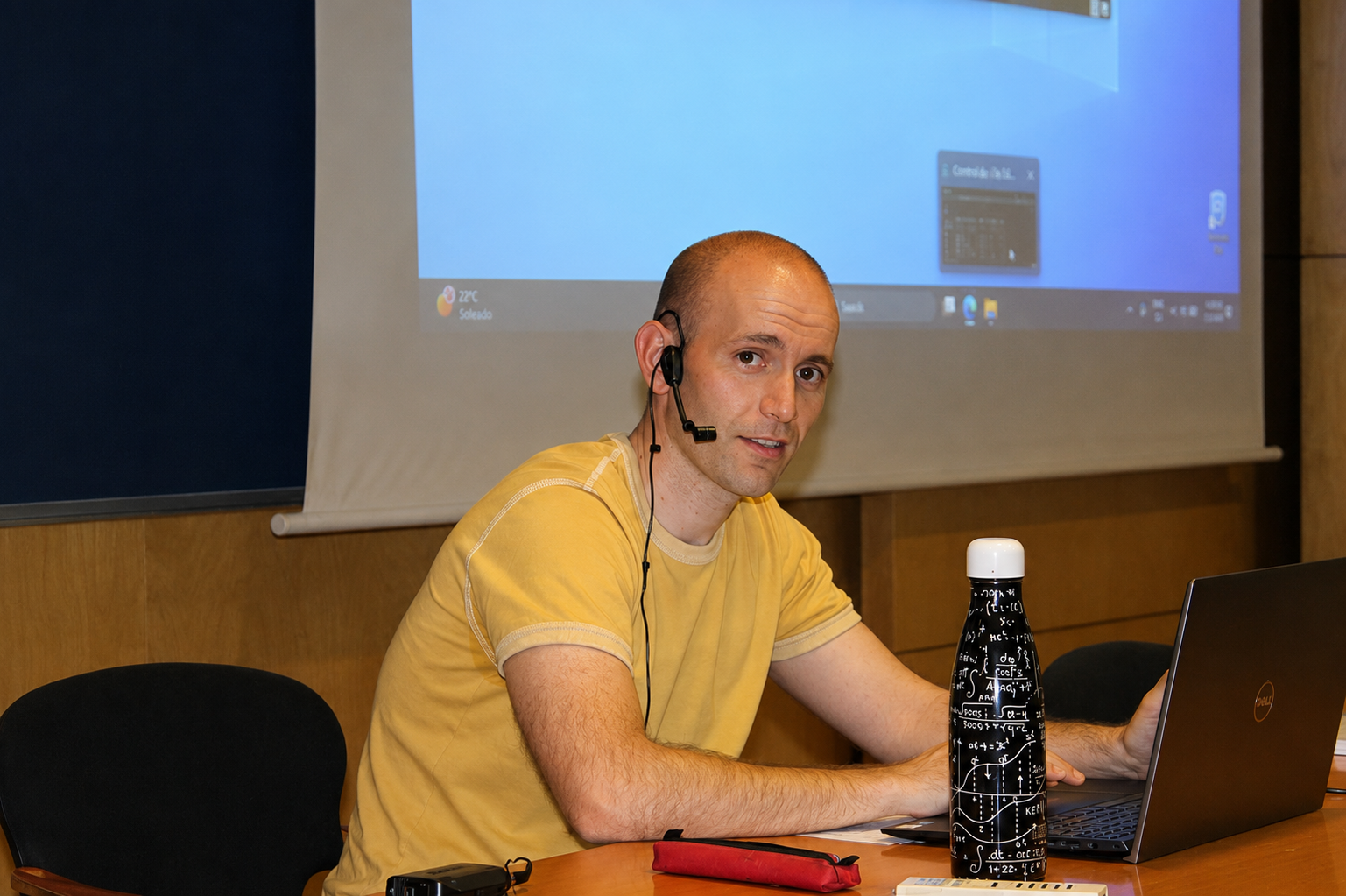
Dídac Gil Rams defends his doctoral thesis on the splitting of separatrices in generalized standard maps
Supervised by Inmaculada Baldomá and Pau Martín, the thesis proves the existence of chaotic dynamics in a broad family of area-preserving maps and combines classical analysis with computer-assisted proof. The defence took place on 3 July 2026 at the FME (UPC).Dídac...
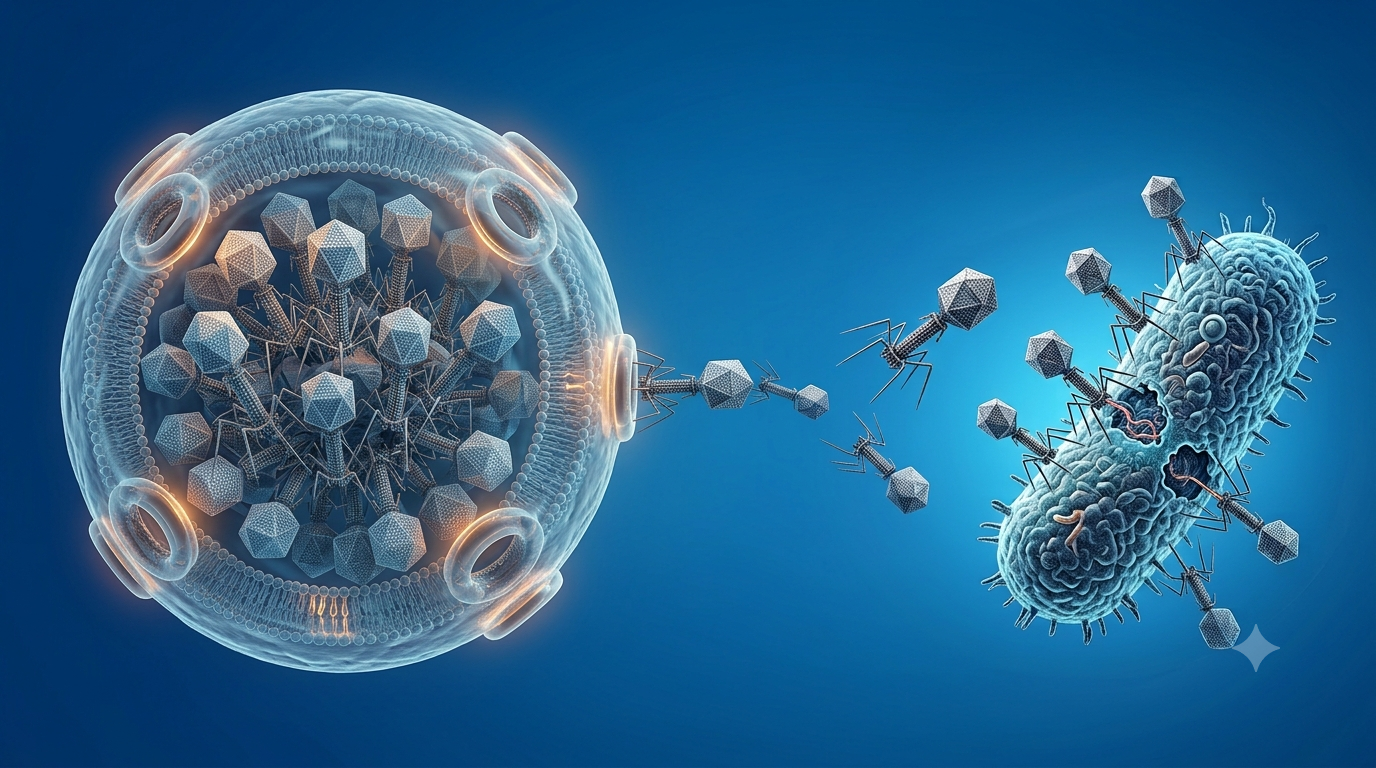
How to Protect Bacteriophages Without Trapping Them? Mathematics to Improve an Alternative to Antibiotics
Bacteriophages — viruses capable of infecting and destroying bacteria — are considered one of the most promising alternatives to tackle the growing problem of antibiotic resistance. However, for these treatments to work, phages must overcome several obstacles before...
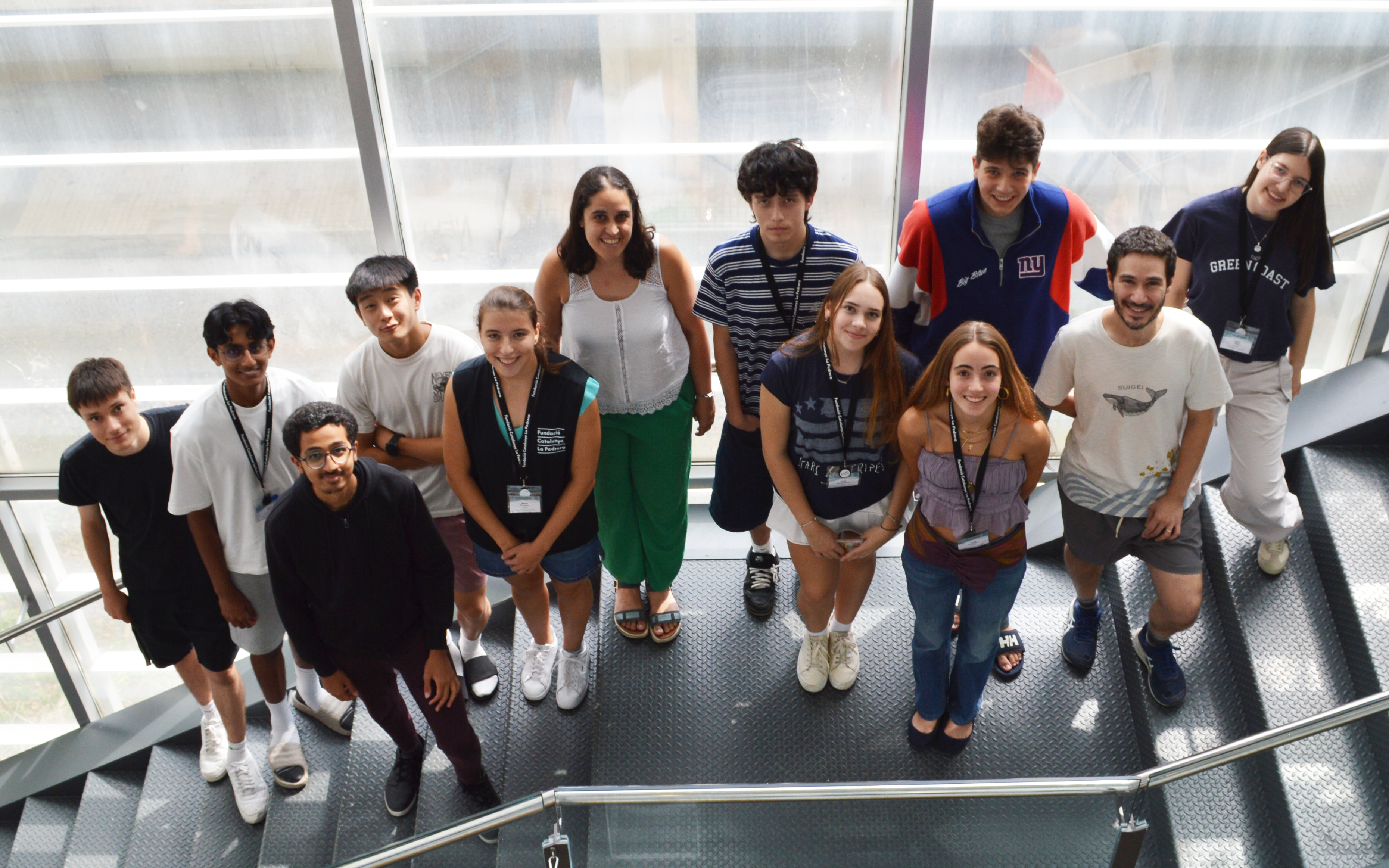
The CRM hosts nine international students for the 10th Barcelona International Youth Science Challenge
Nine secondary school students from six countries spent eight days at the CRM in July, working through four minicourses on fluid dynamics, perturbation methods, iteration and chaos, and randomness from Markov chains to machine learning, plus a session on how...
The Mathematics Behind the Three CRM Lectures at ICM 2026
Three CRM-affiliated researchers, Xavier Tolsa (plenary speaker), Xavier Cabré and Joaquim Ortega-Cerdà, lectured at the ICM 2026 in Philadelphia. Cabré surveyed the regularity of stable solutions to reaction-diffusion equations, including his optimal dimension-9...
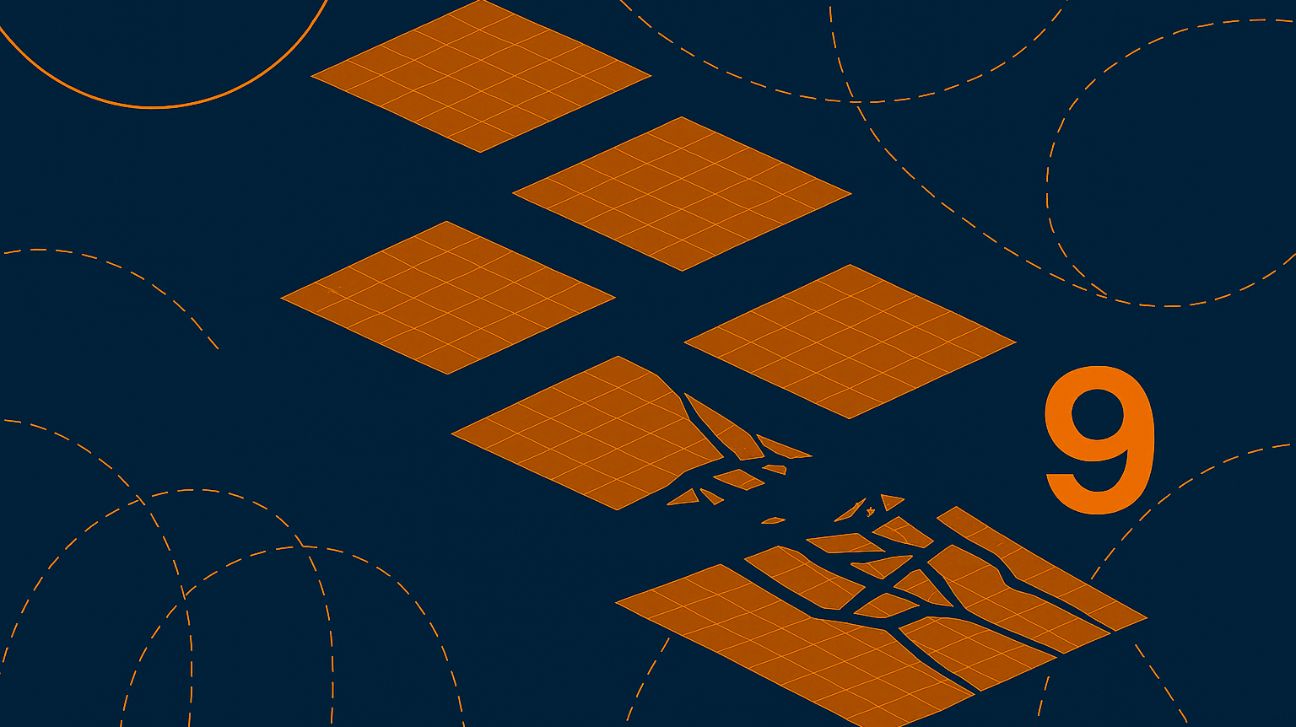
Crossing Dimensional Frontiers: a breakthrough in the shape of stable solutions to semilinear elliptic equations
More than twenty years of efforts were required to solve a central problem in the theory of partial differential equations. A body of work developed over decades —and recognized with the Frontiers of Science Award (2023)— culminates in the resolution of an open...
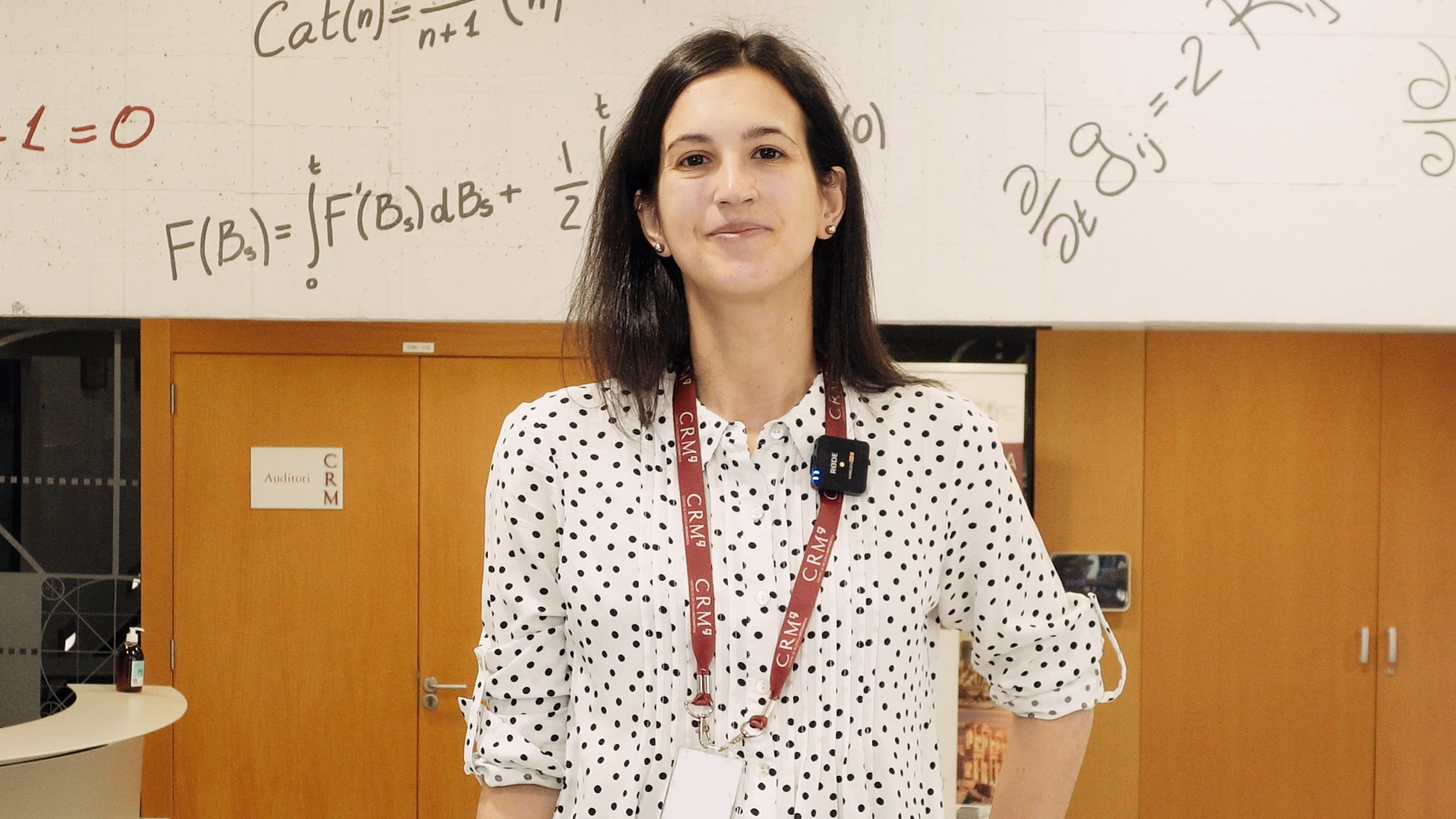
Anna Florio, third CRM Chair of Excellence: billiards, friction, and the value of staying
The dynamicist Anna Florio (CEREMADE, Université Paris Dauphine-PSL) spends the summer at the CRM as the centre's third María de Maeztu Chair of Excellence. She is working with Immaculada Baldomà and Tere Martínez-Seara on billiards in the analytic setting, and on 22...
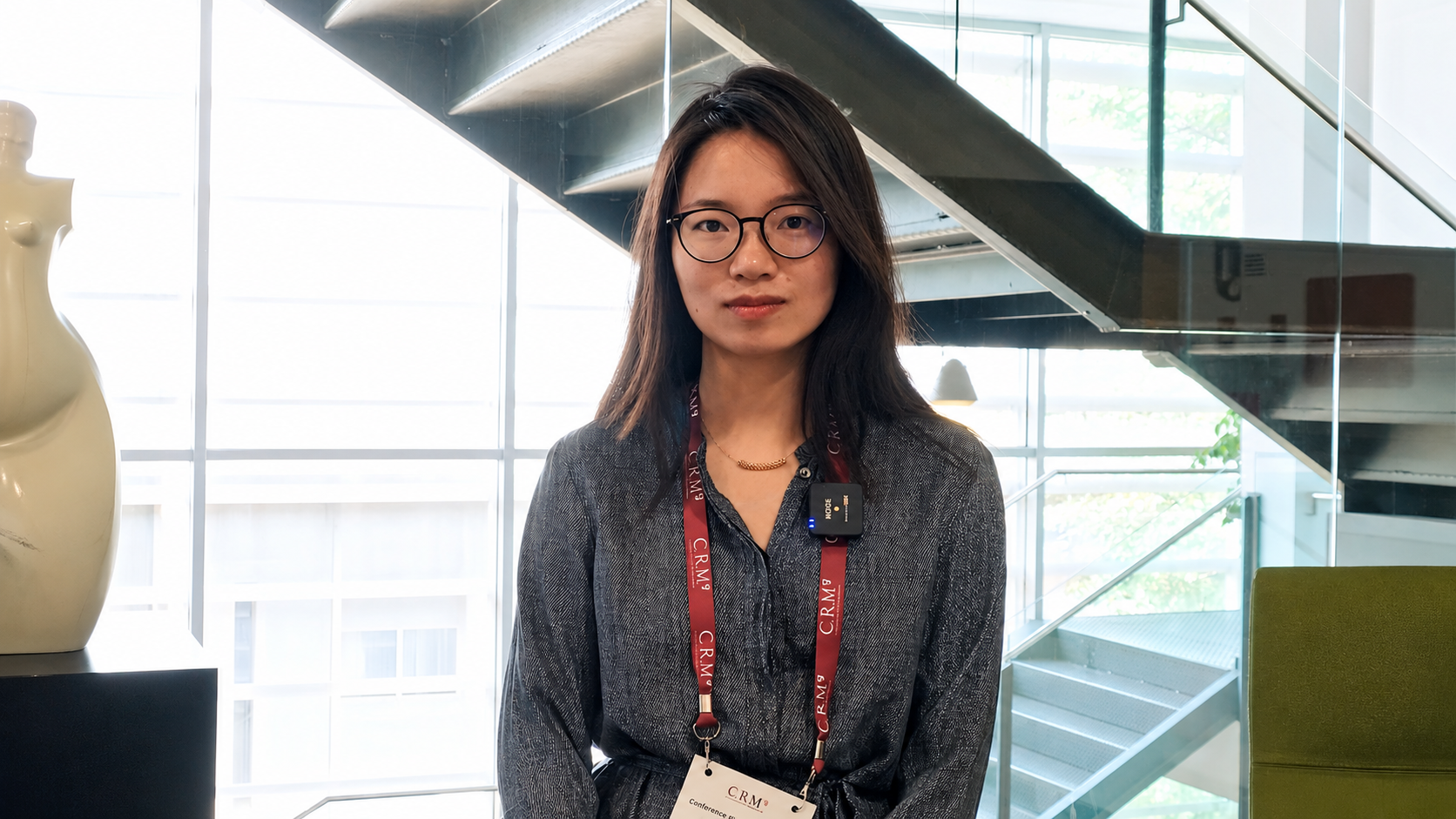
Hong Wang wins the Fields Medal, a year after her Kakeya lecture at the CRM
Hong Wang (NYU Courant and IHES) has received the Fields Medal at the International Congress of Mathematicians in Philadelphia, alongside Yu Deng (University of Chicago), John Pardon (Stony Brook University) and Jacob Tsimerman (University of Toronto). In June 2025,...
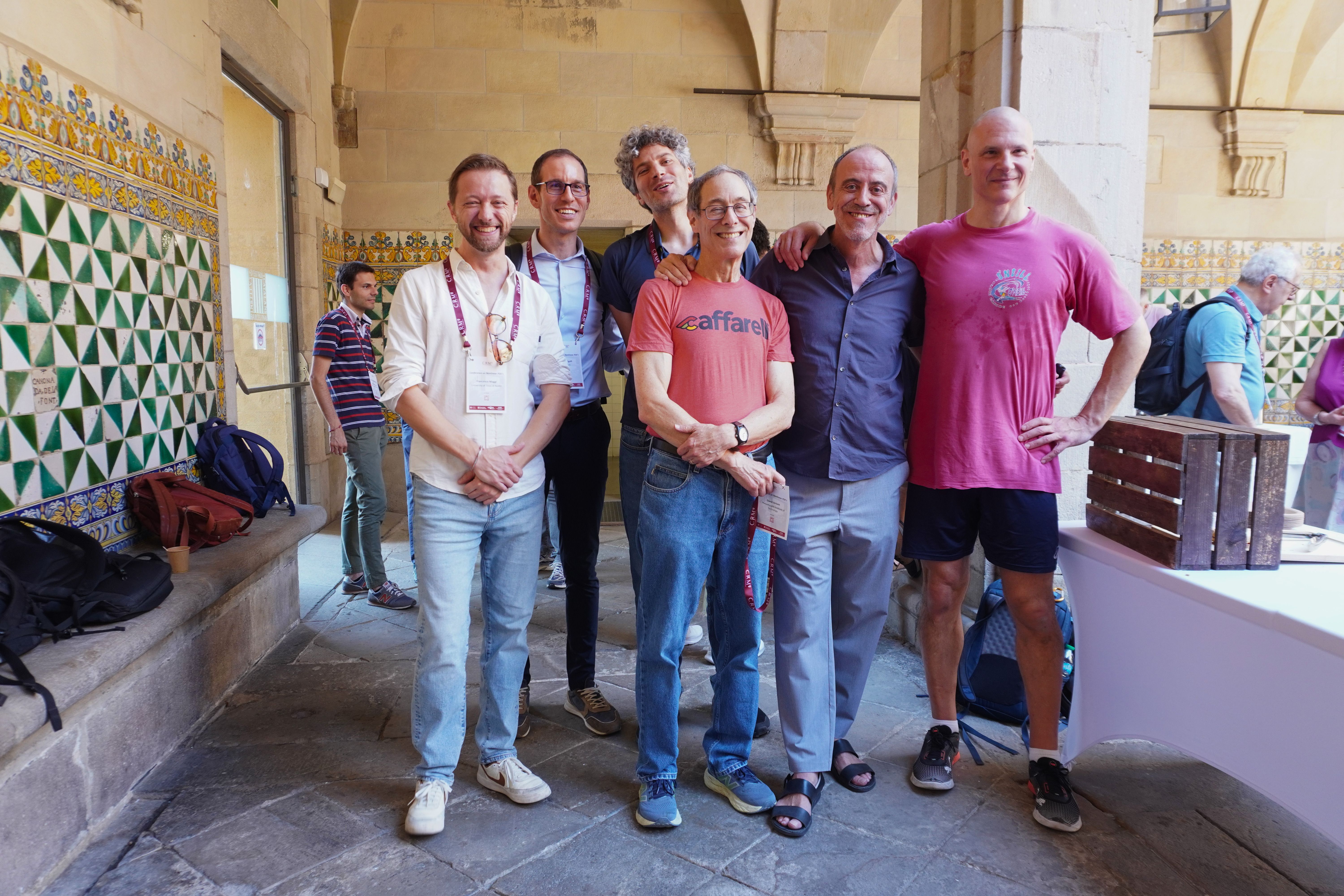
A Conference on Nonlinear PDEs on the Occasion of Xavier Cabré’s Anniversary
One anniversary, eight speakers, July and PDES (People, Discussions, Emotions and Summer) in BarcelonaThe conference Nonlinear PDEs was held at the Institut d'Estudis Catalans (IEC) on 6 and 7 July 2026. While PDEs usually stand for Partial Differential Equations, the...
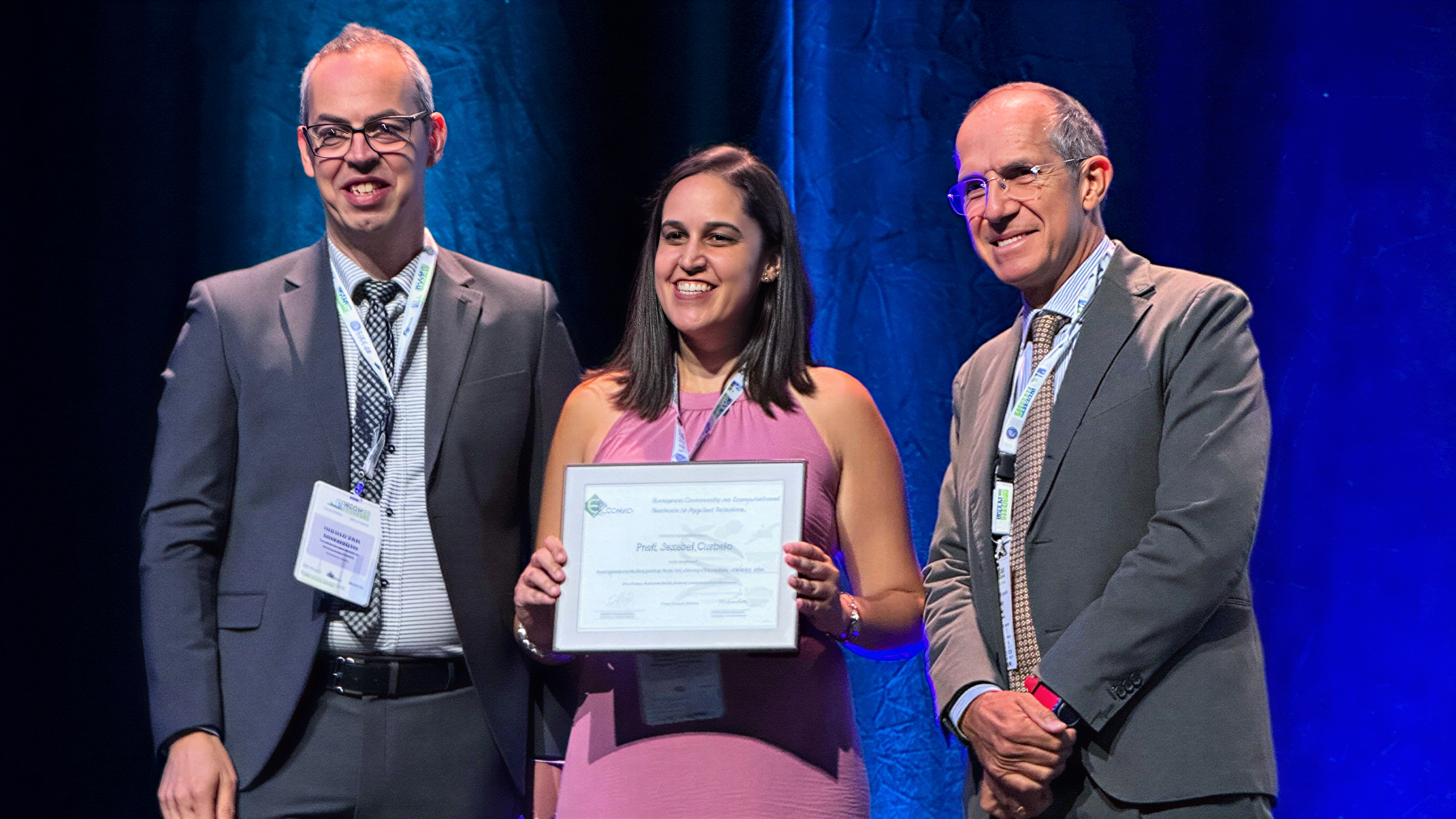
Jezabel Curbelo receives the 2026 ECCOMAS Jacques-Louis Lions Award
Jezabel Curbelo, full professor at the Universitat Politècnica de Catalunya and affiliated researcher at the Centre de Recerca Matemàtica, has been awarded the ECCOMAS Jacques-Louis Lions Young Investigator Award 2026, in the field of computational mathematics. The...