
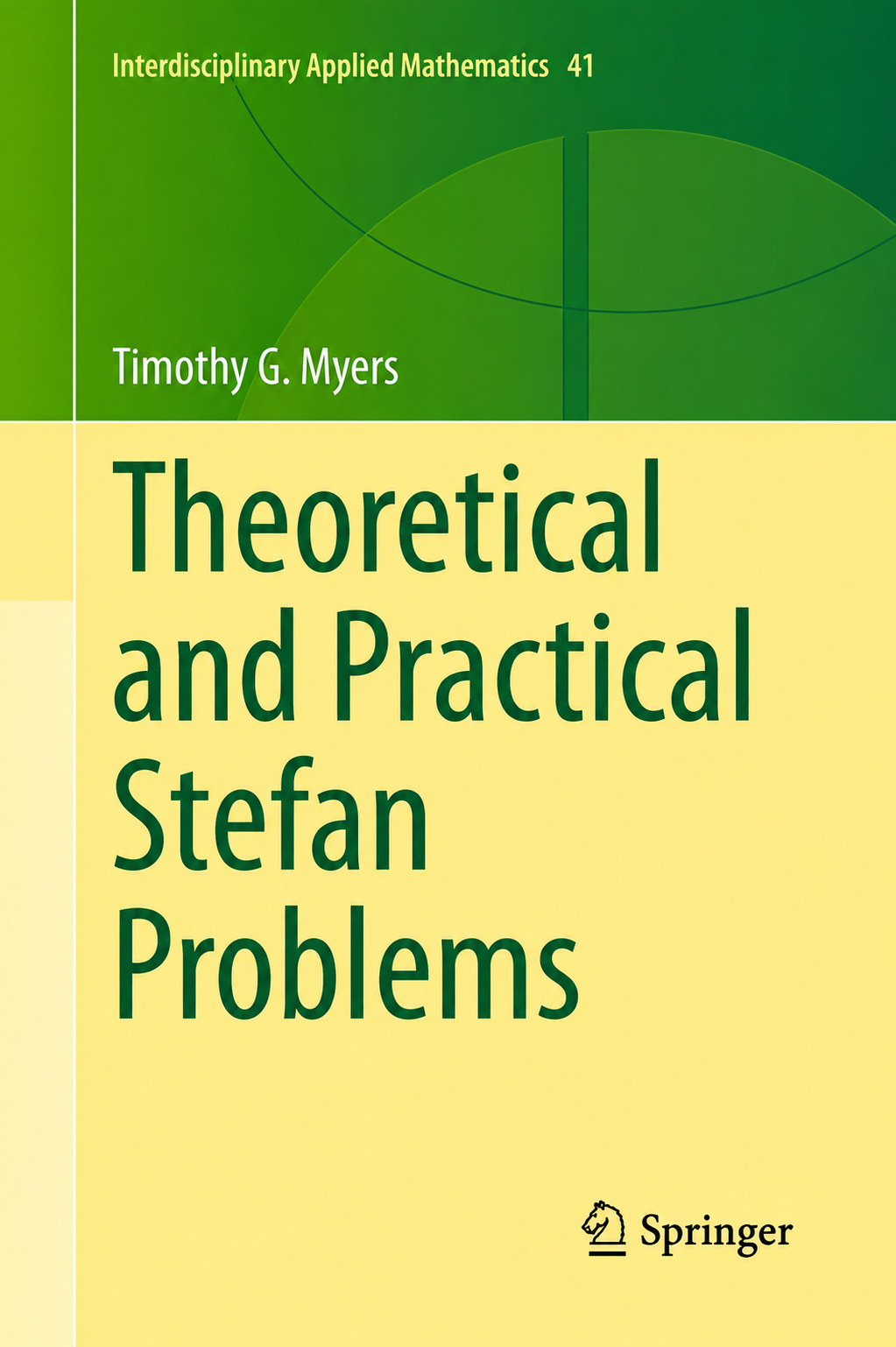
Springer has published Theoretical and Practical Stefan Problems, by Tim Myers, Senior Researcher at the CRM. The book appears as volume 63 of the Interdisciplinary Applied Mathematics series and is intended for graduate students and researchers in applied mathematics, engineering, physics and chemistry.
Stefan problems describe processes in which a material changes phase: ice melting into water, a liquid solidifying, a crystal growing. What makes them mathematically awkward is that the boundary between the two phases moves, and its position is not given in advance. It is part of the unknown. The heat equation must be solved in a domain whose shape depends on the very solution being sought. The class of problems takes its name from Josef Stefan, the Austrian physicist who studied the growth of polar ice at the end of the nineteenth century, and it has since become a standard framework for phase-change processes across the physical sciences and industry.
The first three chapters set out the formulation of the classical Stefan problem together with exact and approximate solution methods, and introduce the applied techniques used later in the text, among them non-dimensionalisation, perturbation methods and lubrication theory. The remaining chapters move beyond the classical setting to formulations where the material properties or the phase-change temperature are no longer constant.
Throughout, the theory is developed from physical situations. The book treats phase change in the presence of a flowing liquid, in the context of microvalves and of ice accretion on aircraft, as well as the solidification of a supercooled liquid and the melting and growth of nanoparticles and nanocrystals, where the smallness of the sample shifts the phase-change temperature itself. A closing chapter considers what happens when heat no longer flows according to Fourier’s law, a regime relevant at very small scales and very short times. A collection of hints to the exercises completes the volume, which runs to 200 pages.
Tim Myers is a Senior Researcher at the CRM, Adjunct Professor at the Universitat Politècnica de Catalunya and Adjunct Professor of Industrial Mathematics at the University of Limerick. He has worked at universities in the United Kingdom, South Africa, Australia, Canada, Argentina and South Korea, coordinates the European Study Groups with Industry, and is involved in several initiatives to bring practical mathematics to the Global South. His current research is focussed on environmental applications.
Theoretical and Practical Stefan Problems. Timothy G. Myers. Interdisciplinary Applied Mathematics 63, Springer, 2025. DOI: 10.1007/978-3-032-04826-4.
|
|
CRM CommPau Varela
|
Newsletter
Get the latest CRM news and activities delivered to your inbox
Subscribe now
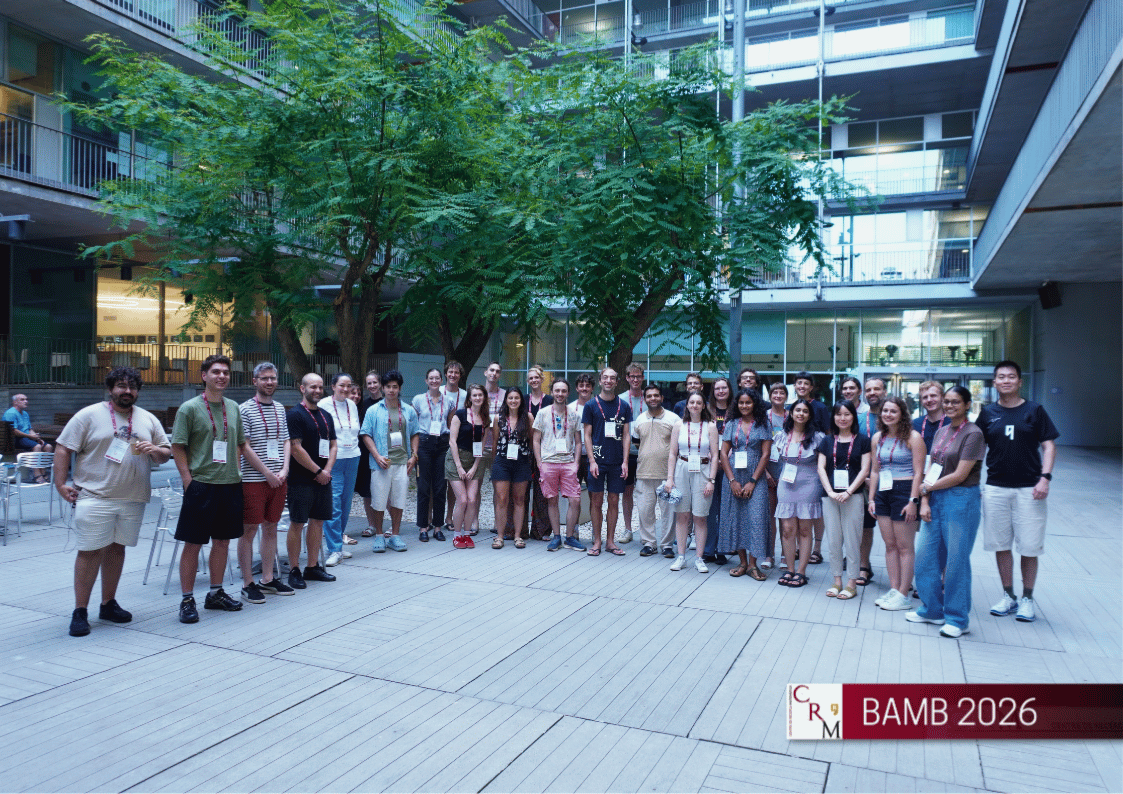
The CRM organises the 2026 Barcelona Summer School for Advanced Modeling of Behavior
The Centre de Recerca Matemàtica held the sixth edition of BAMB!, the Barcelona Summer School for Advanced Modeling of Behavior, from 12 to 23 July 2026 at the Parc de Recerca Biomèdica de Barcelona. Thirty early-career researchers from fourteen countries followed...
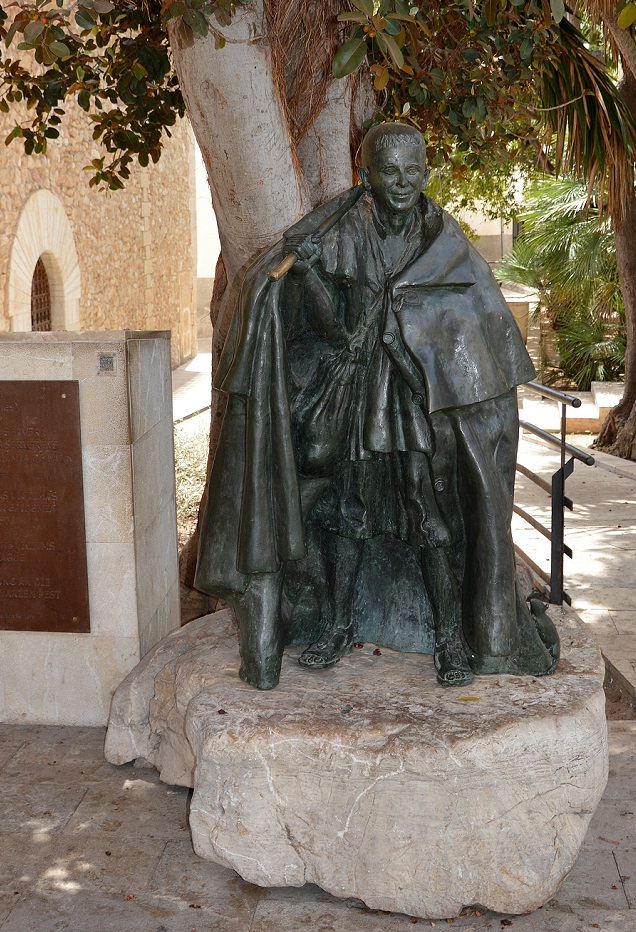
Mallorca’s 1820 plague did not behave like a classic bubonic outbreak, study finds
A study in PNAS by Pere Puig (UAB, CRM) and Joana Maria Pujadas-Mora (UOC, ICREA) reports what happens when the daily health records kept in Son Servera and Capdepera during the 1820 outbreak are analysed with a Bayesian epidemiological model: an unusually short...
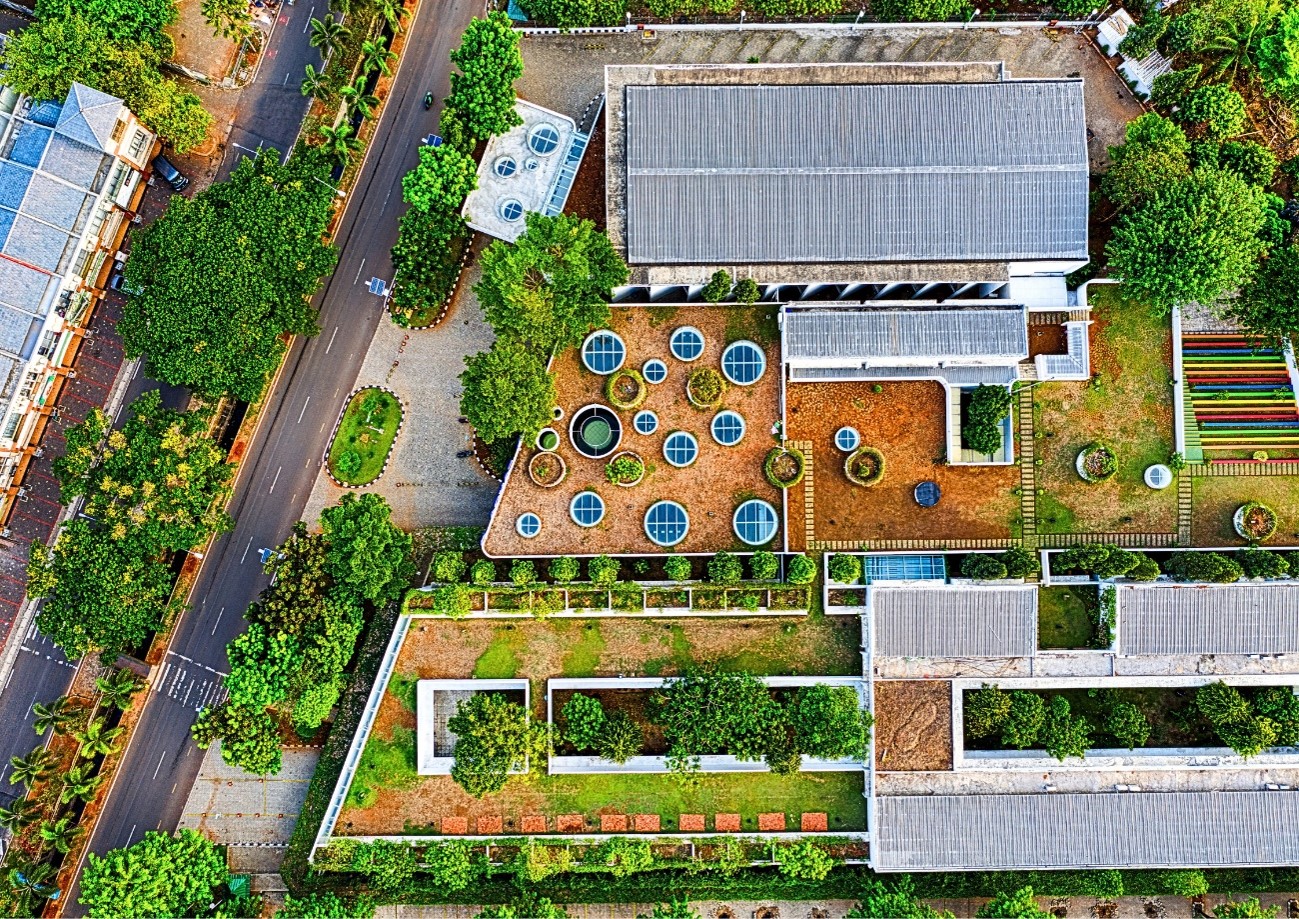
A recent study quantifies the vegetable production potential of Barcelona’s rooftops
A study published in Cities by researchers at ICTA-UAB, with collaboration from the CRM's Knowledge Transfer Unit, estimates that 65 hectares of municipal rooftop could supply 31% of the tomatoes consumed in Barcelona each year.Barcelona has 65 hectares of rooftop...

Boundary Conditions Day

Fixed-Point Day
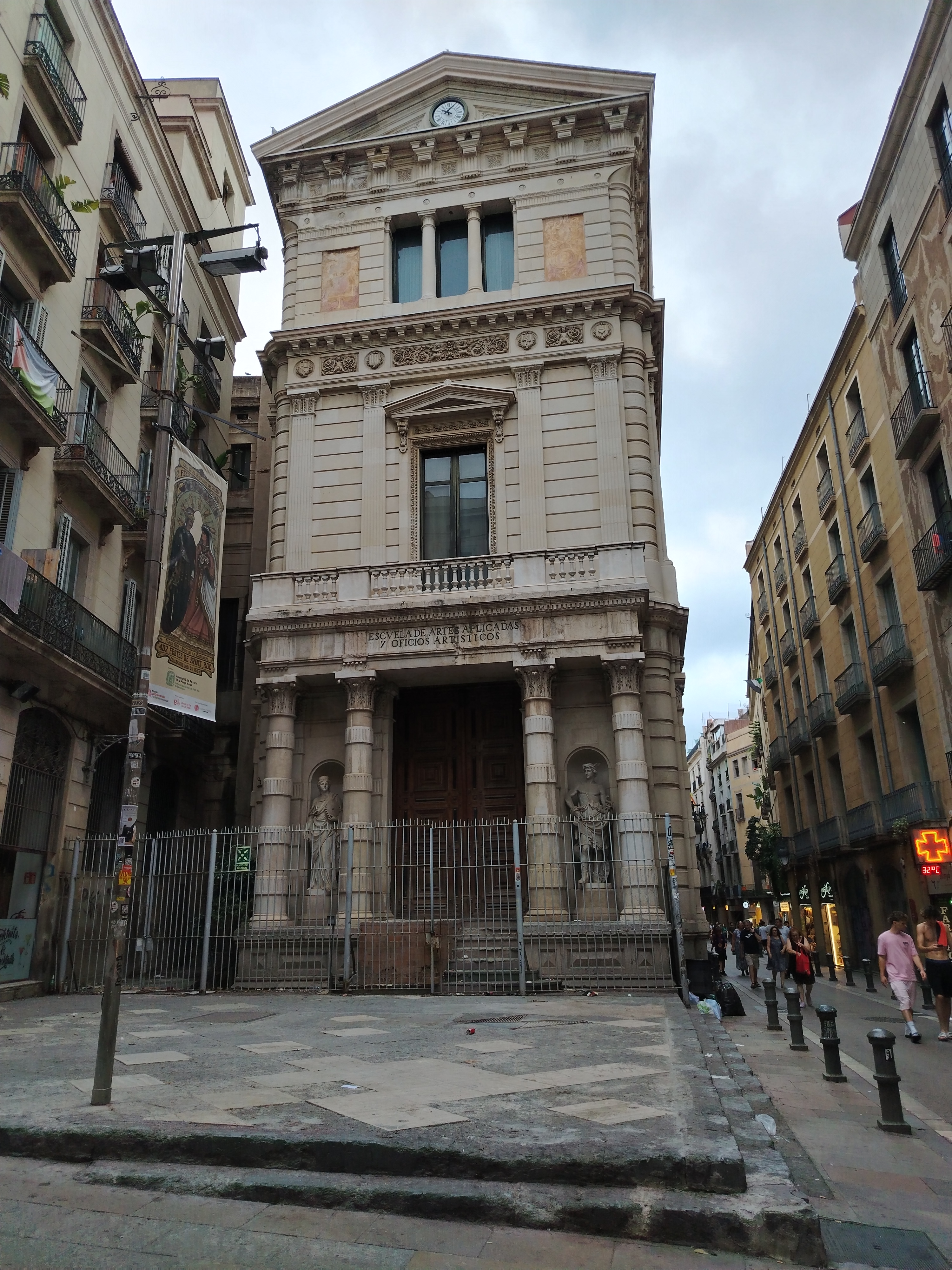
La desfilada dels nombres: una ruta per Barcelona
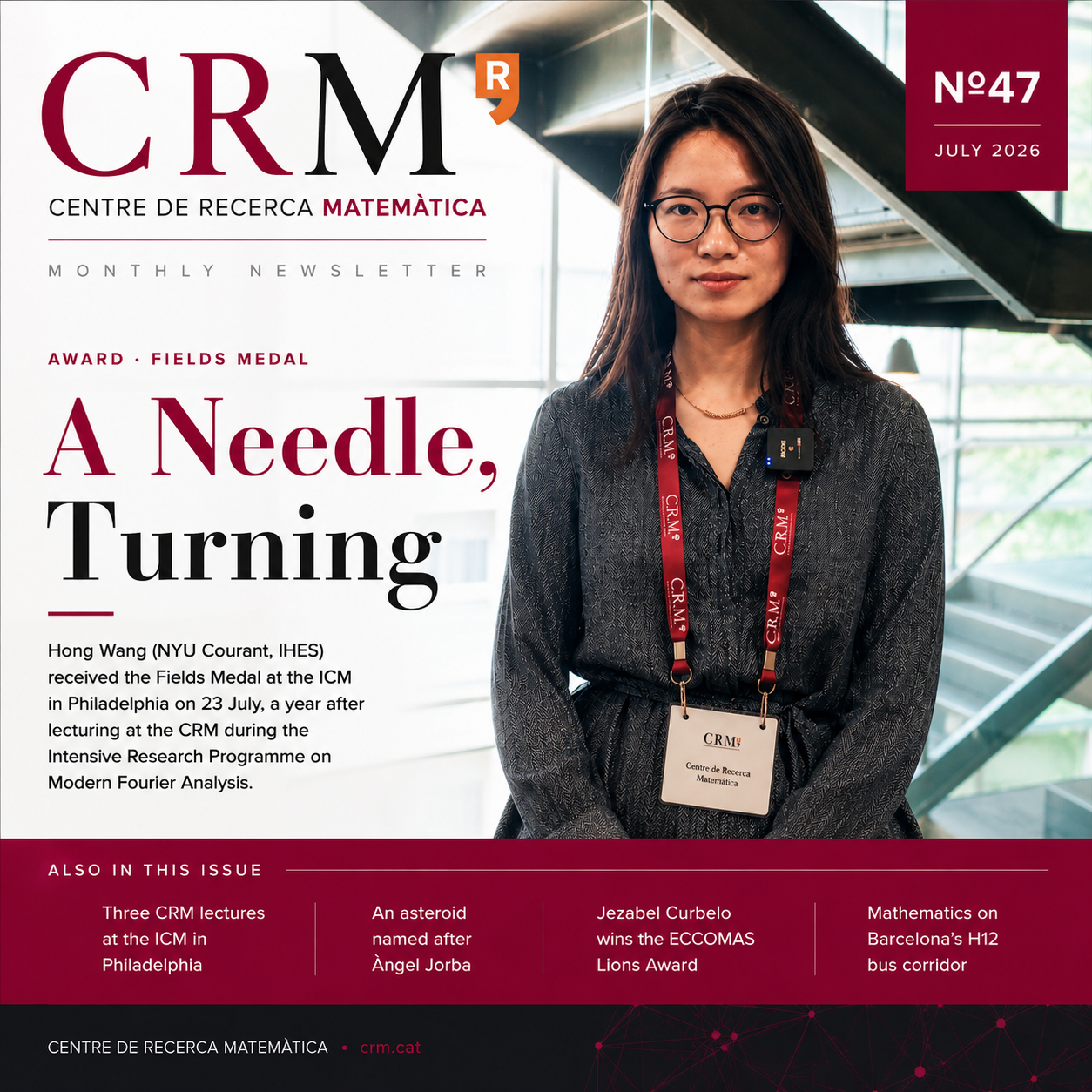
CRM July Newsletter
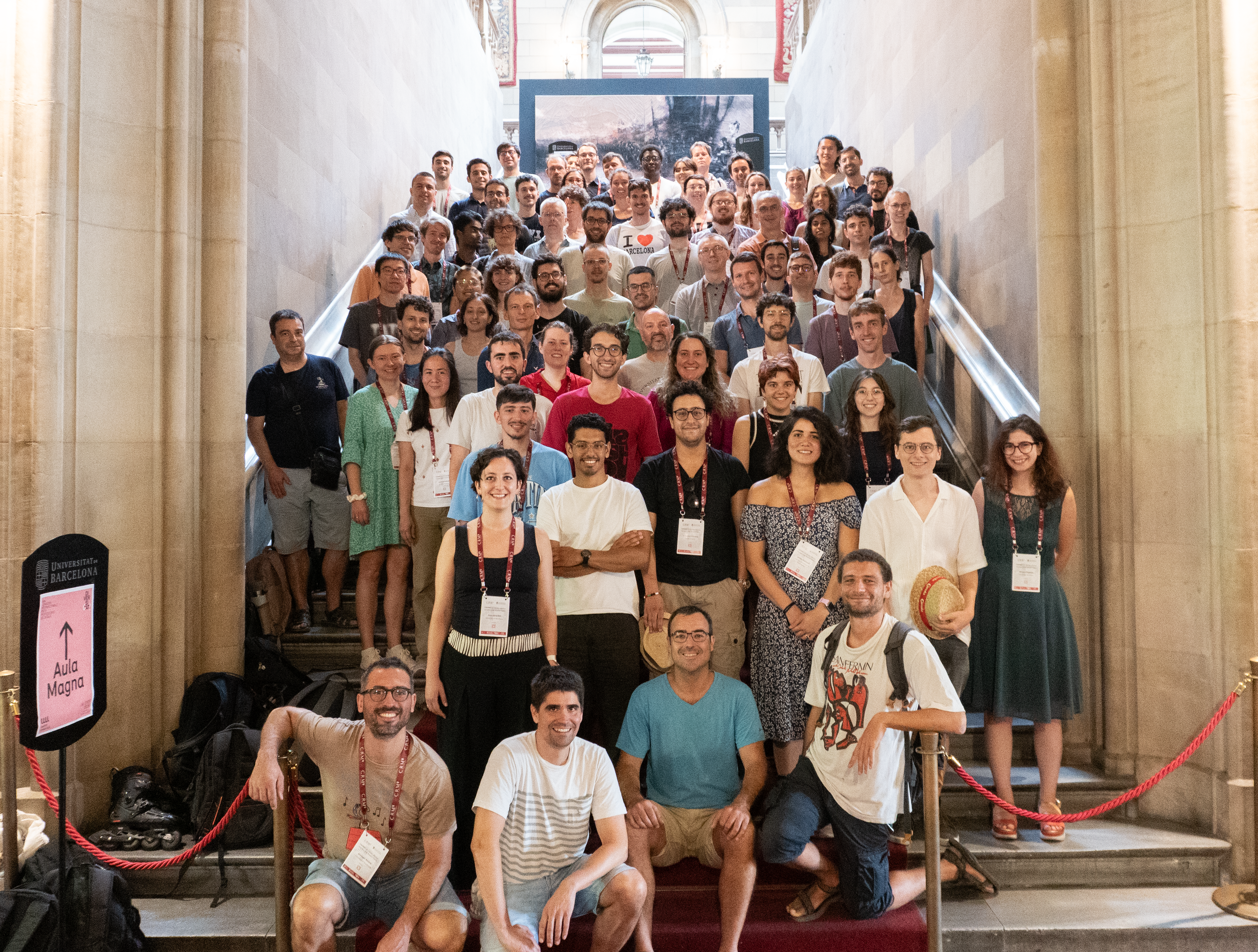
CAVARET 2 brings together 83 researchers on curves and abelian varieties at the Universitat de Barcelona
The second edition of CAVARET, "Curves, Abelian VArieties and RElated Topics", took place at the Faculty of Mathematics and Computer Science of the Universitat de Barcelona from 13 to 17 July 2026. Sixteen invited lectures and ten posters brought together 83...
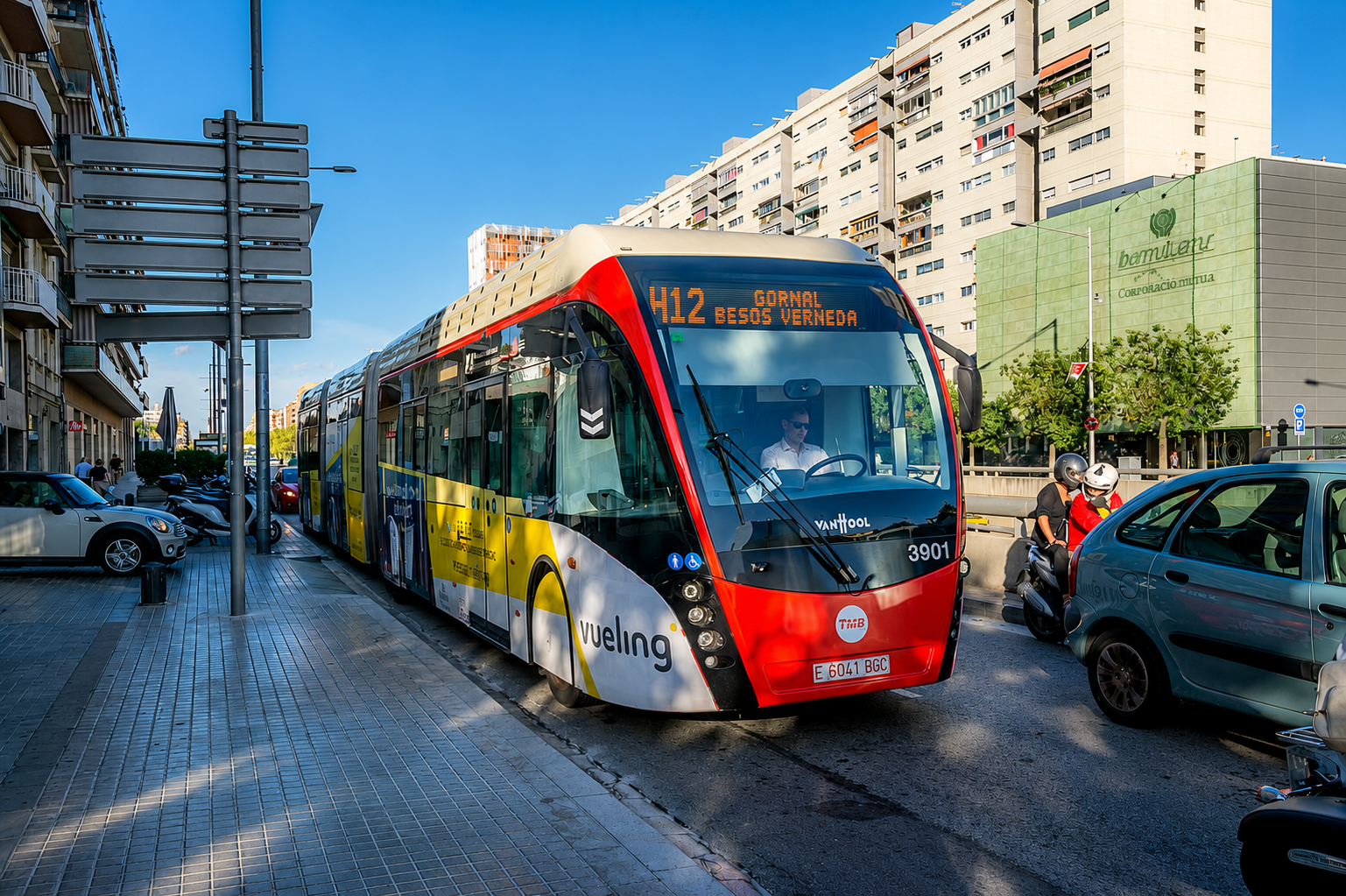
Mathematics on board: CRM’s demand forecasting model enters service on Barcelona’s H12 corridor
The H12 has run along Gran Via for years. What TMB switched on in July is the set of upgrades designed for it inside eBRT2030, a Horizon Europe project testing electric Bus Rapid Transit in six European cities. Behind it, forecasting passenger demand at every stop...
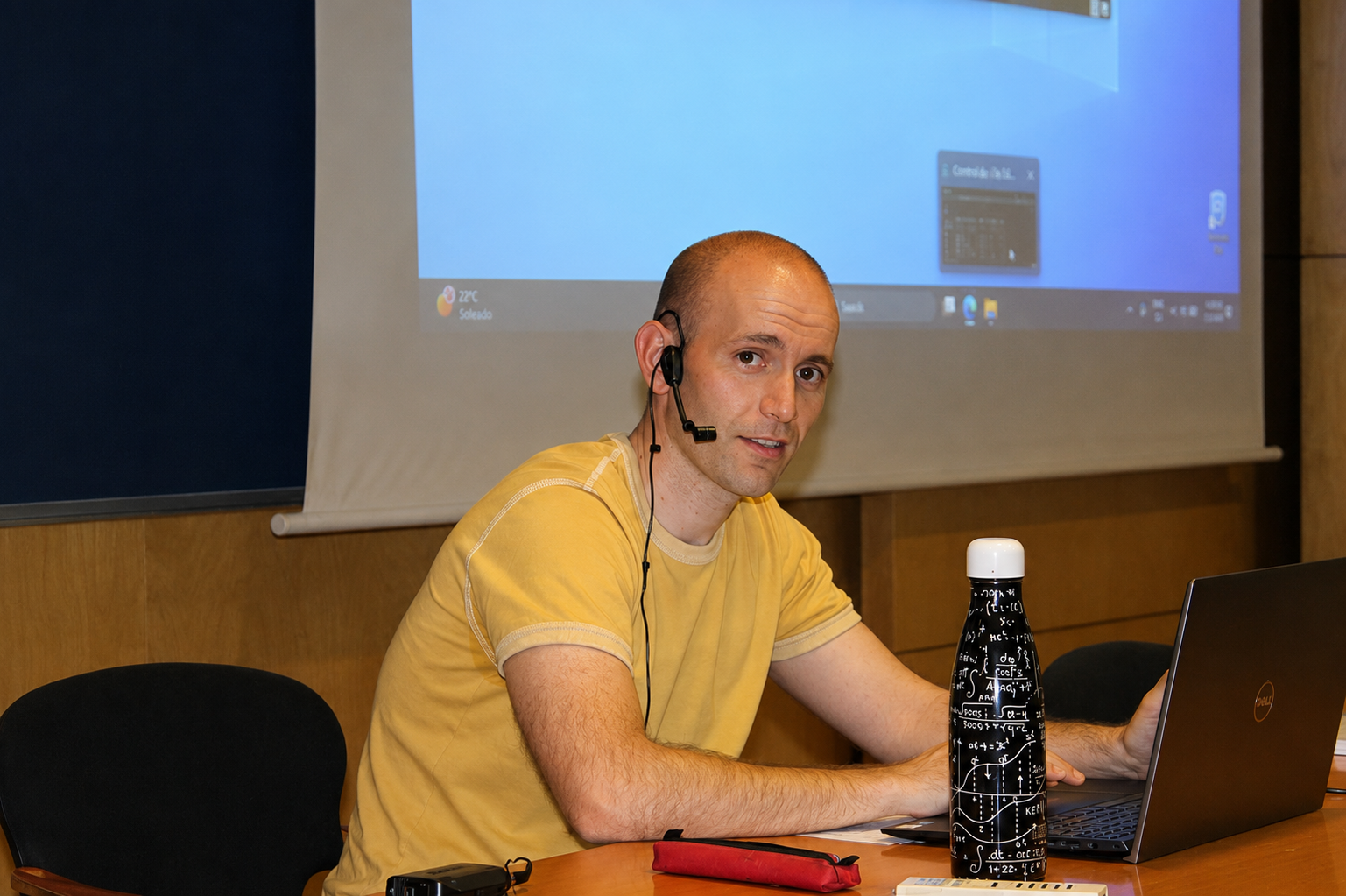
Dídac Gil Rams defends his doctoral thesis on the splitting of separatrices in generalized standard maps
Supervised by Inmaculada Baldomá and Pau Martín, the thesis proves the existence of chaotic dynamics in a broad family of area-preserving maps and combines classical analysis with computer-assisted proof. The defence took place on 3 July 2026 at the FME (UPC).Dídac...
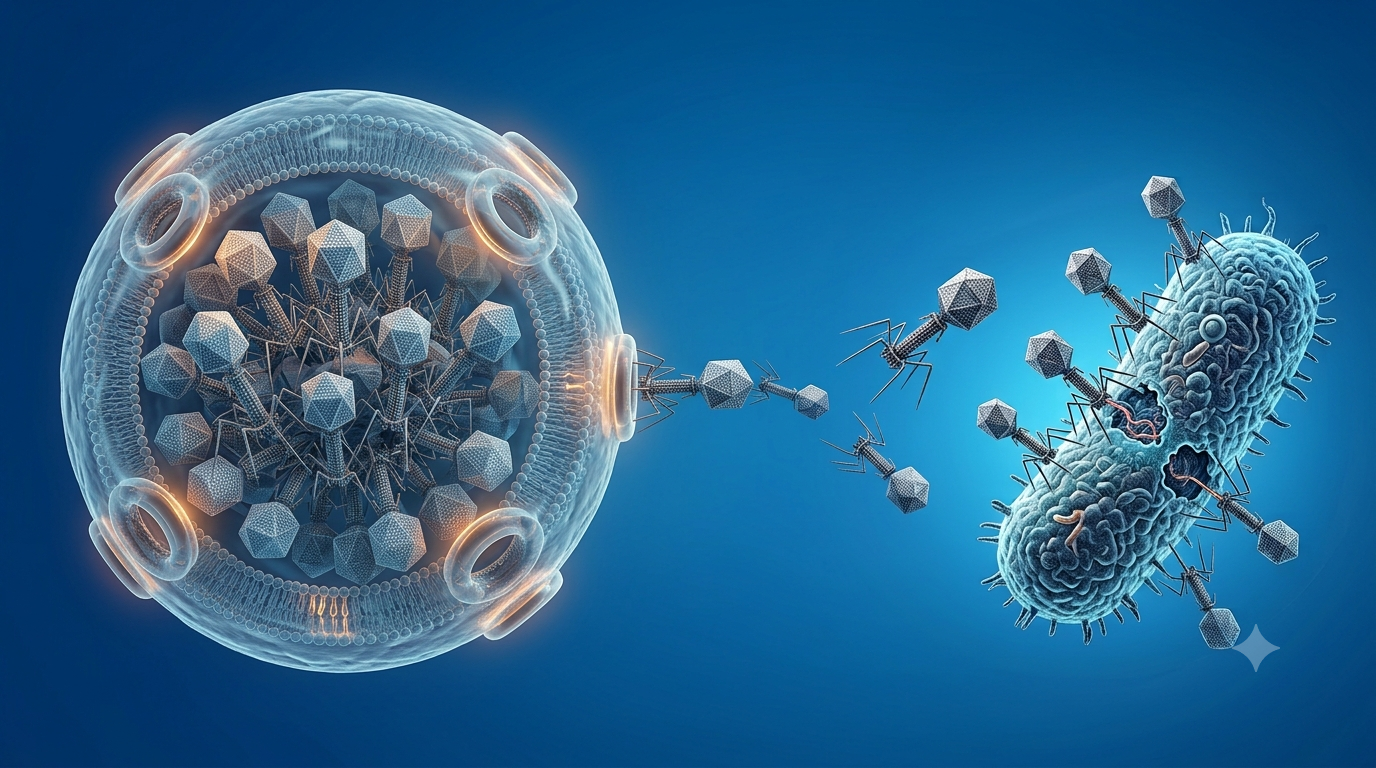
How to Protect Bacteriophages Without Trapping Them? Mathematics to Improve an Alternative to Antibiotics
Bacteriophages — viruses capable of infecting and destroying bacteria — are considered one of the most promising alternatives to tackle the growing problem of antibiotic resistance. However, for these treatments to work, phages must overcome several obstacles before...
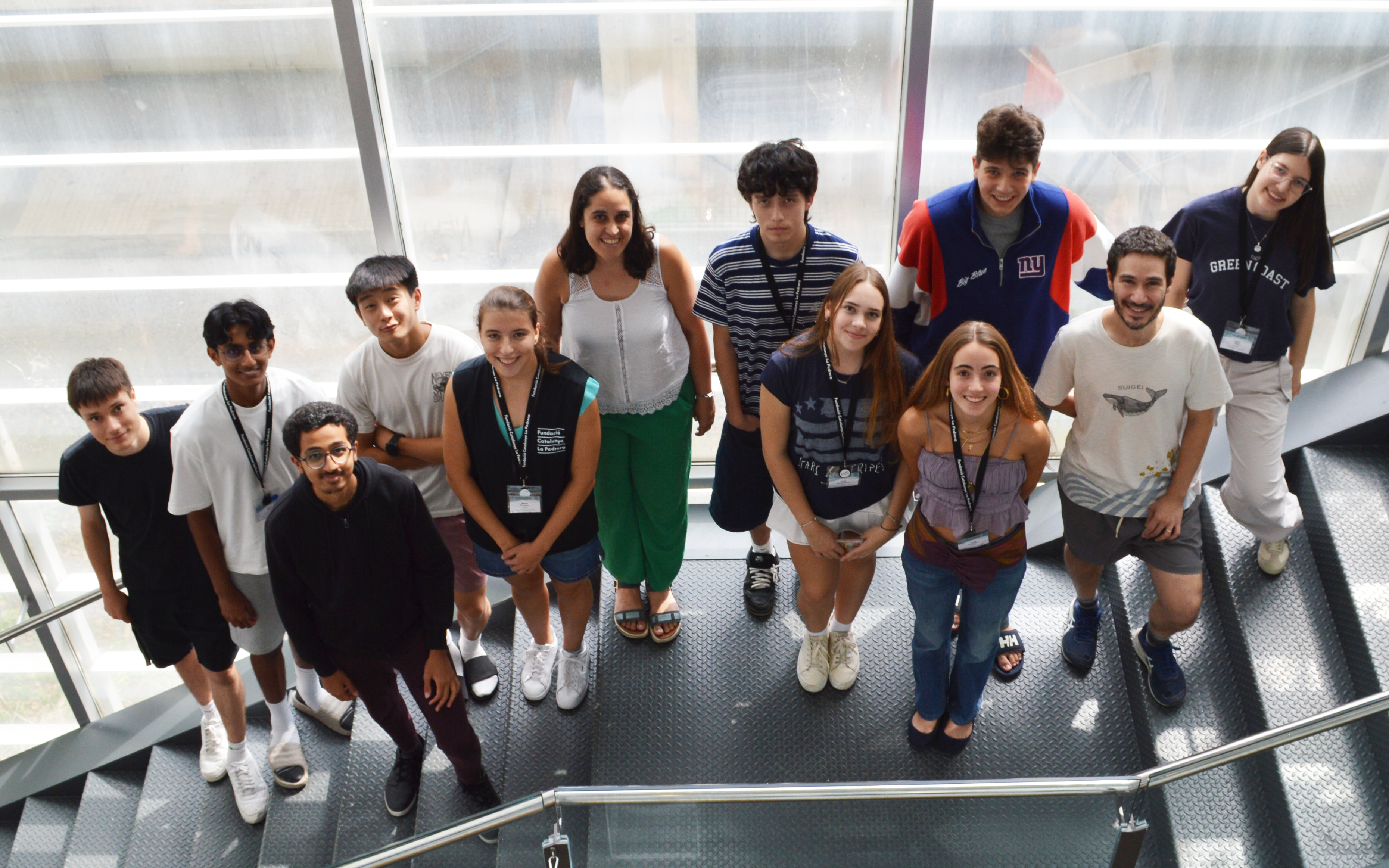
The CRM hosts nine international students for the 10th Barcelona International Youth Science Challenge
Nine secondary school students from six countries spent eight days at the CRM in July, working through four minicourses on fluid dynamics, perturbation methods, iteration and chaos, and randomness from Markov chains to machine learning, plus a session on how...